
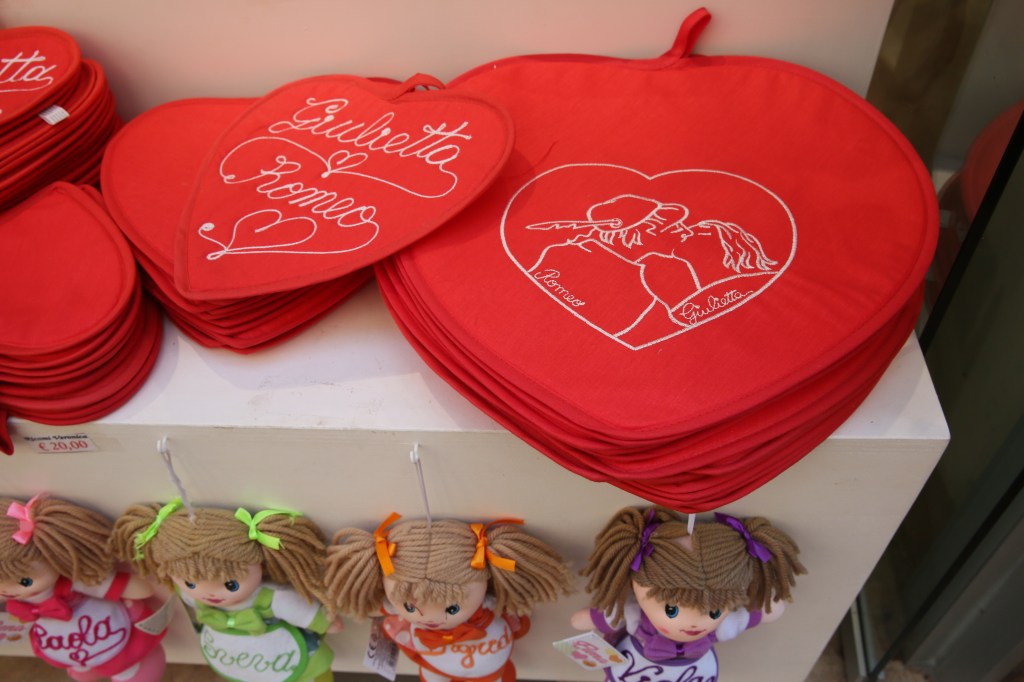
To spell Shakespeare or not … that is the question. To date, there have been six documents discovered that have been deemed by historians to have actually been signed by William Shakespeare: and therefore authentic. In each of these six documents, his name is spelt six different ways. AND none of them are signed using our spelling of his surname – ‘Shakespeare’. It is no wonder that some visitors become confused when they visit the beautiful city of Verona – our day trip yesterday.
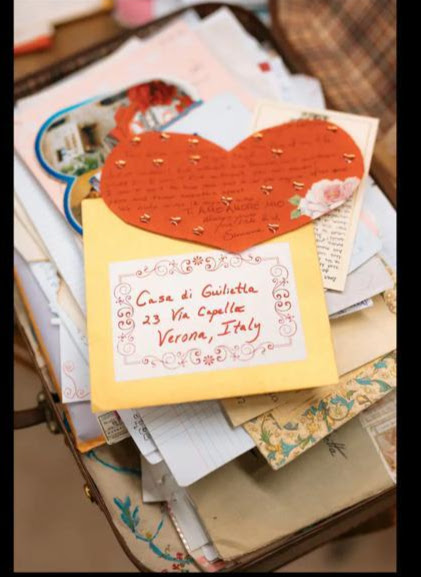
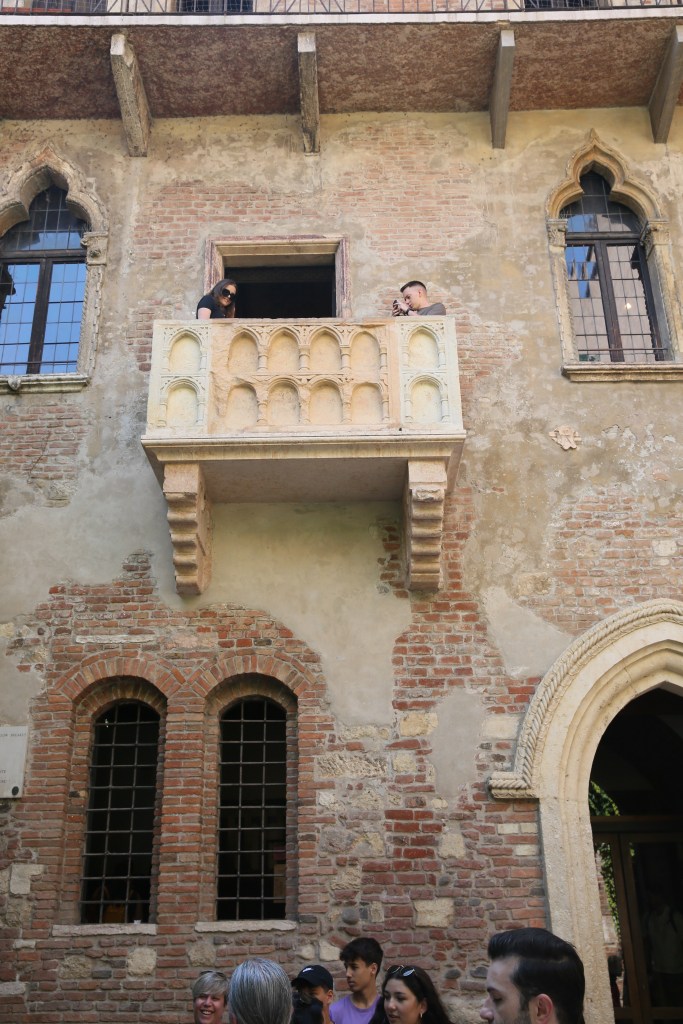
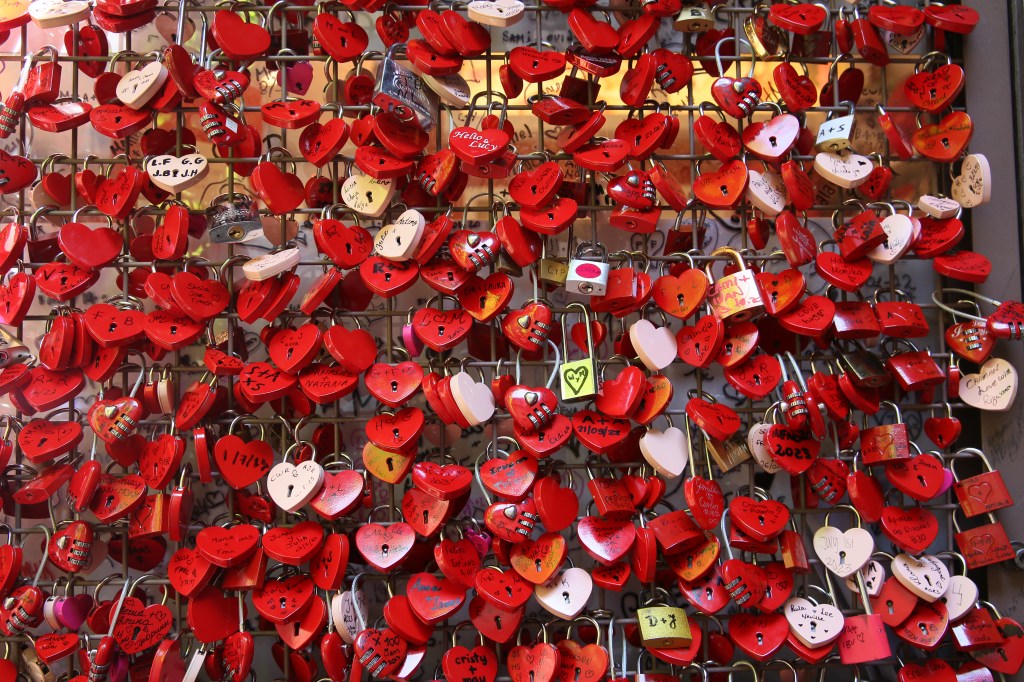
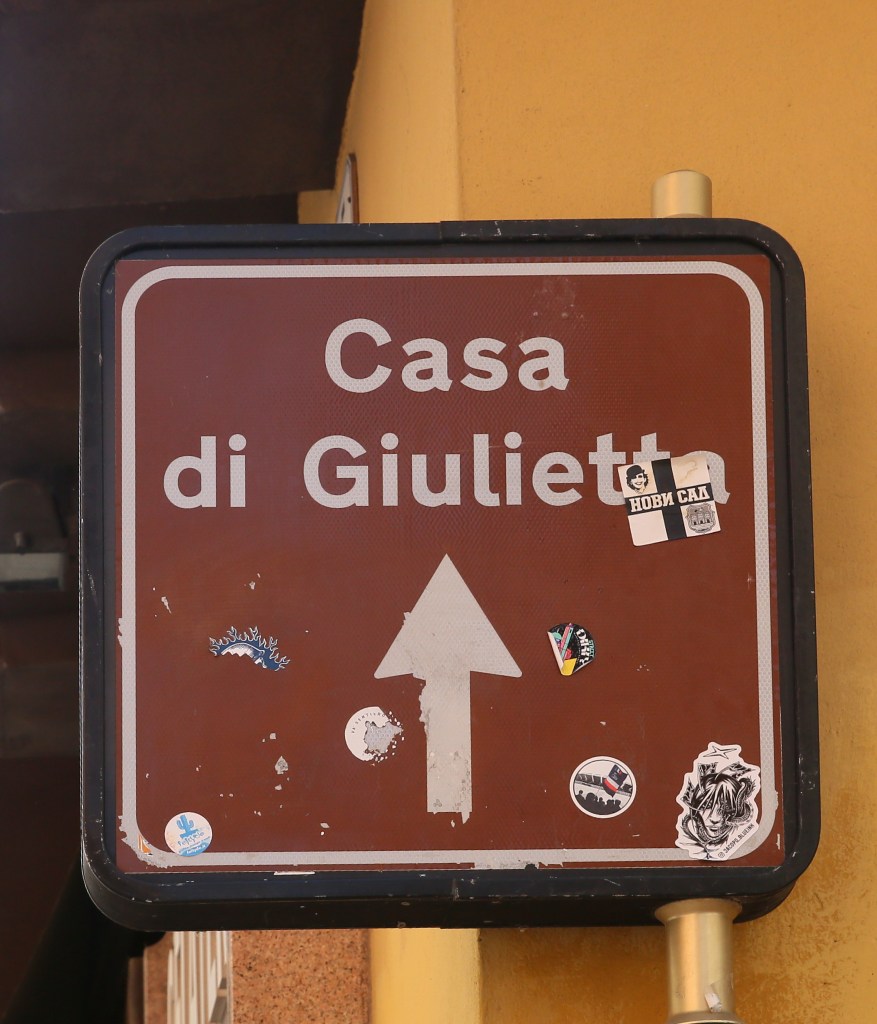
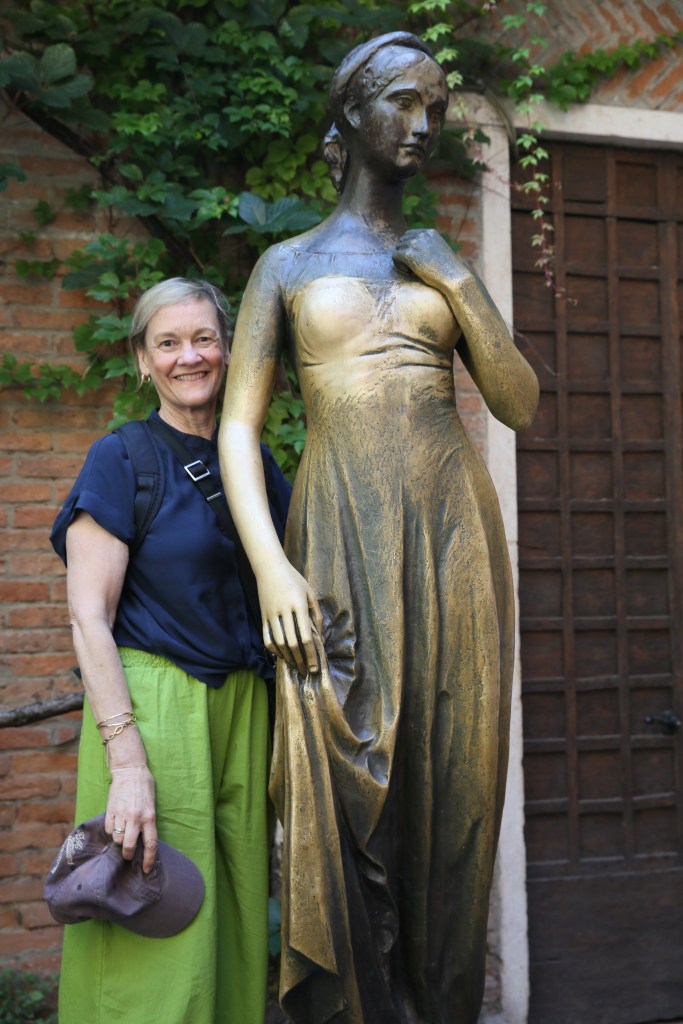
In the past, tourists were being ripped off regularly by taxi drivers. Many visitors would hop in a cab and ask to be taken to Juliet’s house to see the famous balcony – the drivers would gleefully rub their hands, and take their fare to any suitably-old balcony in the furtherest parts of Verona. Photos were taken, sometimes rings exchanged, and often, sadly, lots of money paid for the ride. However, at least as far as I am aware, none were driven by taxi to Stratford-on-Avon to see Juliet’s literary birthplace. To help prevent this scam, Verona City purchased a building with a suitable balcony and turned it into the Romeo e Giulietta museum. It is always crowded with visitors. Fortunately, there are many authentic sites in Verona that make a visit far more worthwhile.
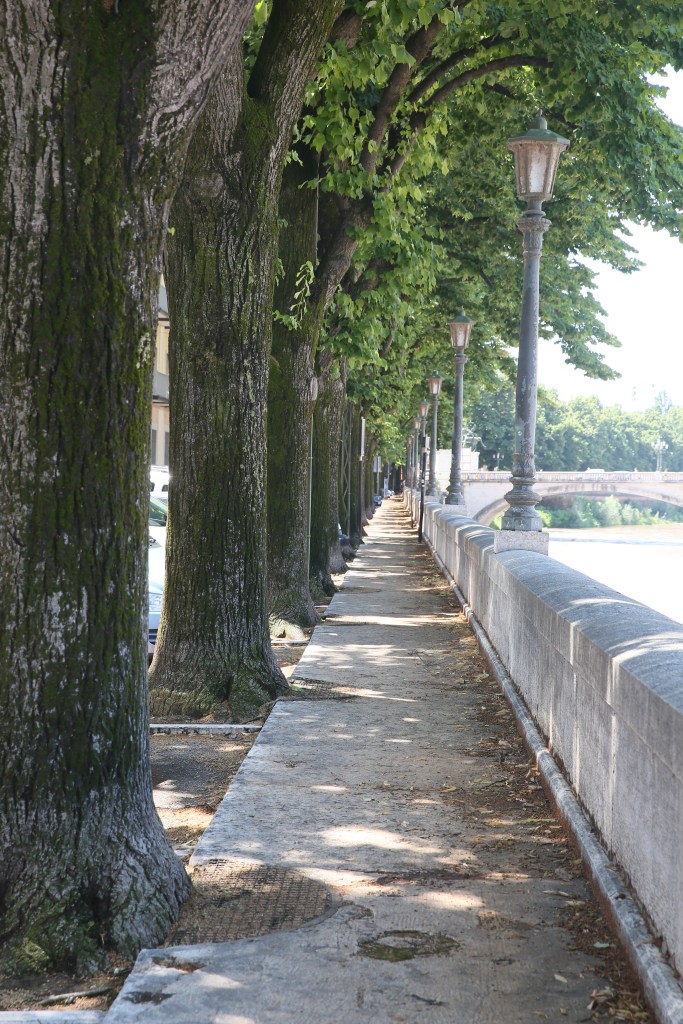
From Roman times, Verona was an important industrial city. The Adige River runs through the city and, as its souce is an alpine lake, it tends to flow quickly all year round. Water wheels were used to power industries, particularly the manufacture of carts, cartwheels, and metallurgy. VW, today, has a large plant in Verona, and there is still a large cutlery manufacturing industry – a continuation of manufacturing skills that started from Roman times. Also, like so many towns in this part of the world, it has a long tradition of being conquered and changing hands.
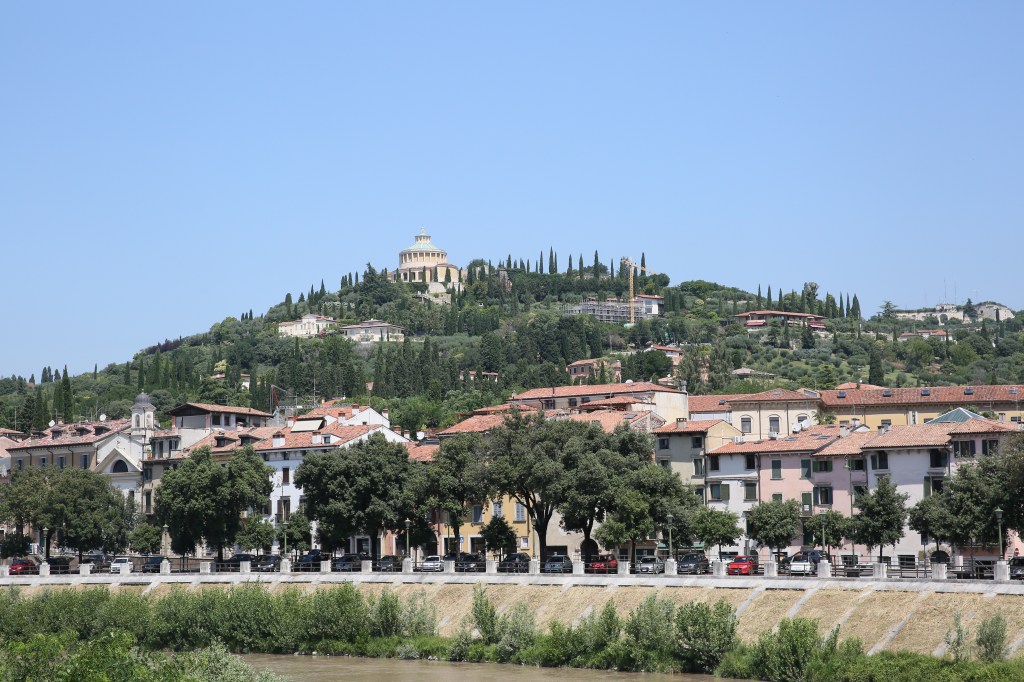
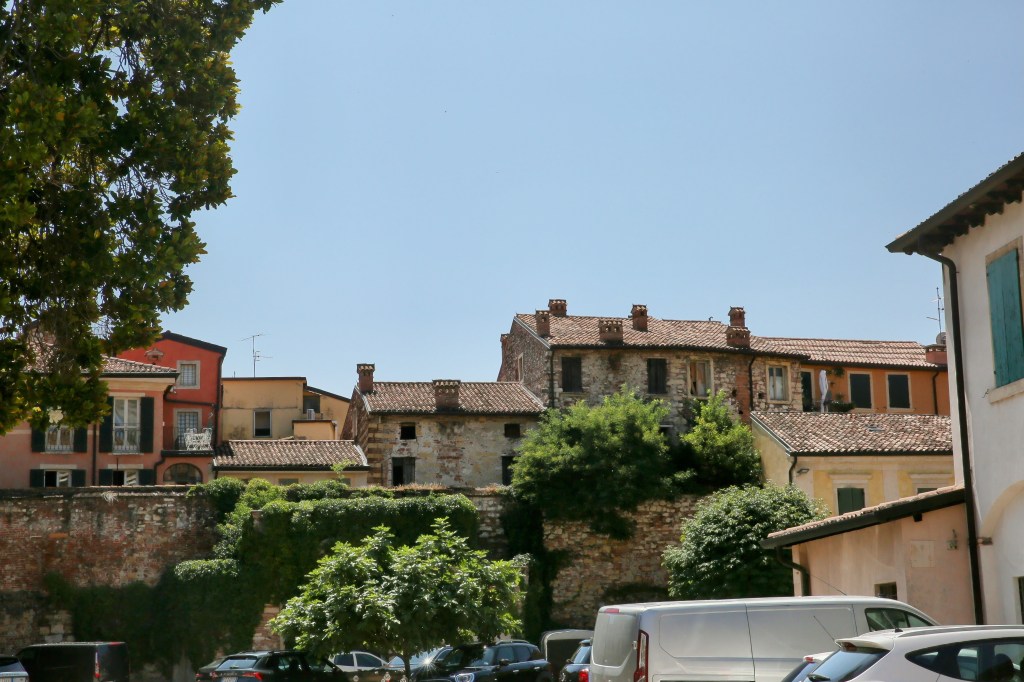
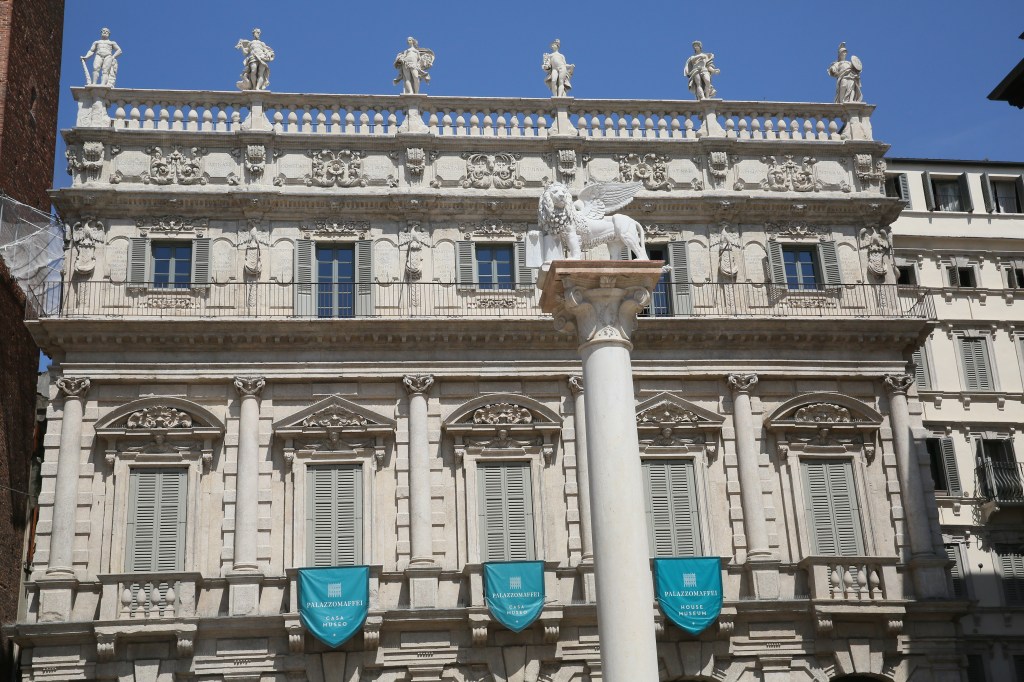
Verona has been ruled or sacked by the Romans, The Goths, the Huns, The Duchies of Lombardy, Milan, then Venice, followed by Napoleanic France, the Cisalpine Republic, the Kingdom of Italy, the Hapsburgs and the modern Italian republic; and most recently by tourists. Most have left a mark somewhere on the cityscape – a Roman aphitheatre, a Venetian palace, medieval churches, a Napoleonic road. Hapsburg era fountains etc etc etc. The river and the hills beyond are stunning: they alone are worth the cost of a return ticket from Bergamo – even if the fictional Romeo and Juliet now only have one balcony in the city! What’s in a name … that which we call, Verona!
Yours
Romeo e Giulietta (aka Farley and Lady Cunnington-Smythe)




 The Very Excellent Adventures of the Cunnington-Smythes