
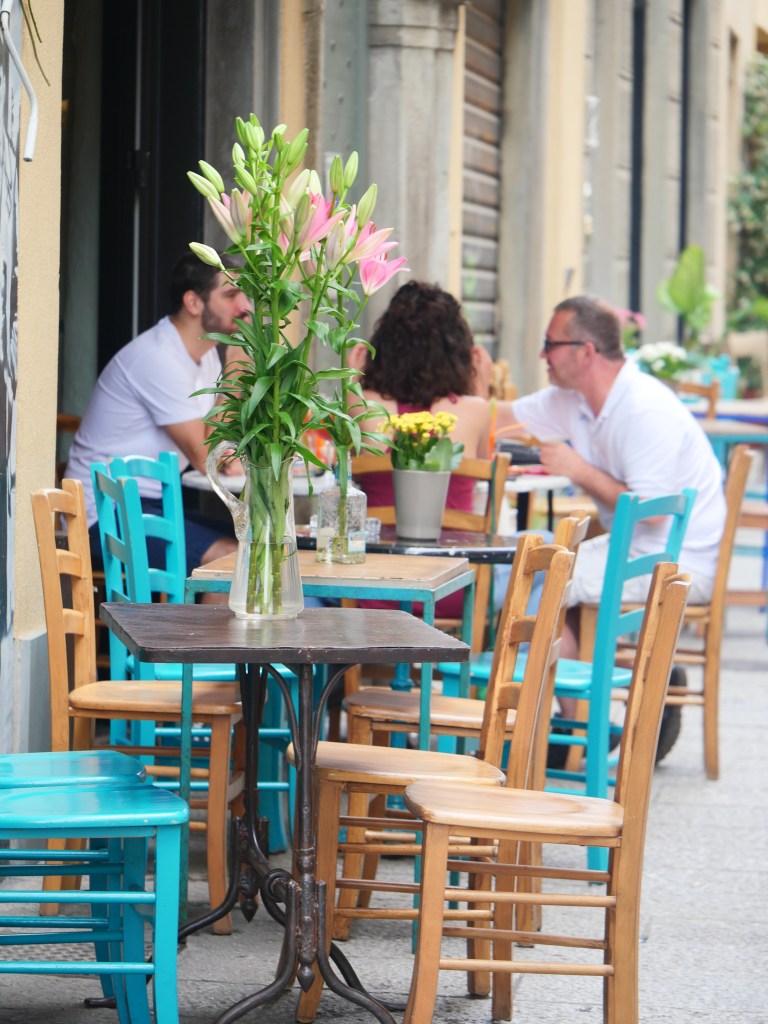
This morning, I went to our chosen coffee shop to ask for a recommendation for a local butcher, and managed to get into quite an in-depth conversation regarding Instagram tourism vs long stays with a Bugan regular by the name of Pietro. Pete is a Bergamo-born local who has studied abroad (Canada) and travelled widely. He is a fellow adherent to the Slow Travel movement: as an outsider, when you spend enough time in a town meeting locals, visiting landmarks, experiencing the culture and walking the streets, then these all begin to coalesce and assimilate into an understanding of ‘place’. I admit to being quite the go-to fellow for those of my readers who wish to visit Marburg or Tallegalla because of my intimate knowledge of these towns, however today’s wanderings certainly added to my understanding and appreciation for this Italian city.
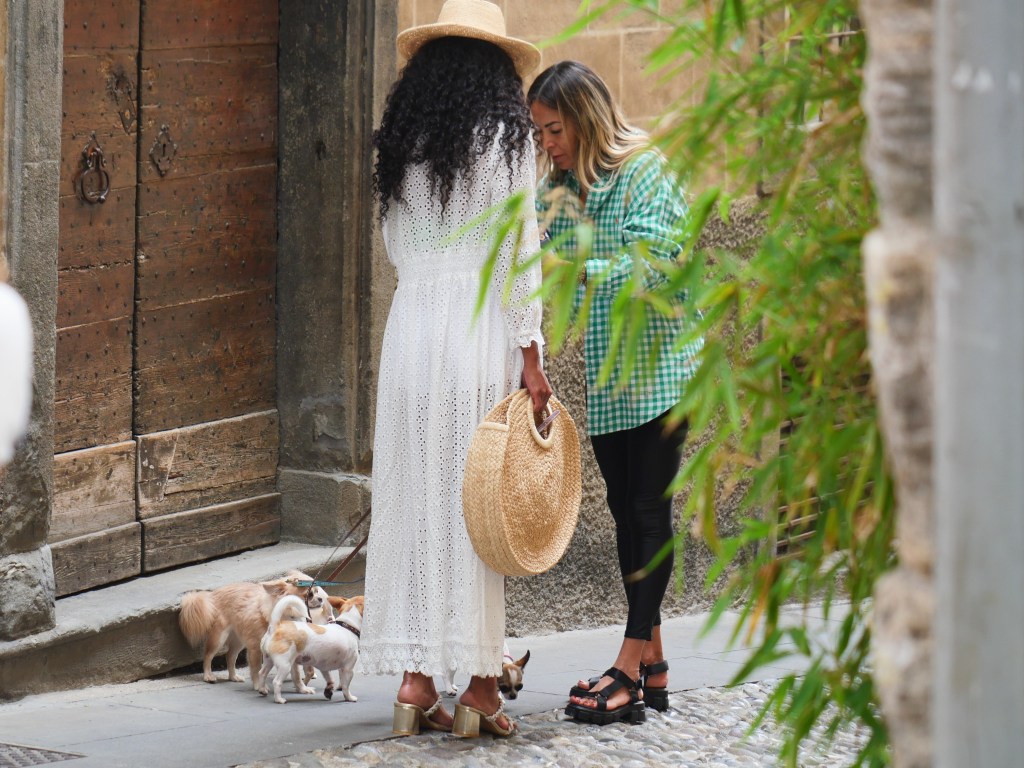
The walk to the suggested butchery took me through Bergamo’s migrant-workers district. Last year, Italy took in (somewhat reluctantly, it must be said) 120,000 boat arrivals – migrants/refugees mainly from North Africa. It is estimated that at least that number again came to this country overland after entering Europe via another EU nation’s border. (Australia took in exactly zero boat people, and just 17,000 ‘approved’ refugees in the same period). This year, Ukrainians are being added to the mix. Whilst there are tensions, particularly in Italy’s south, it has generally been a peaceful process. As Pietro said with a shrug, Bergamo now has both polenta and couscous on the menu.
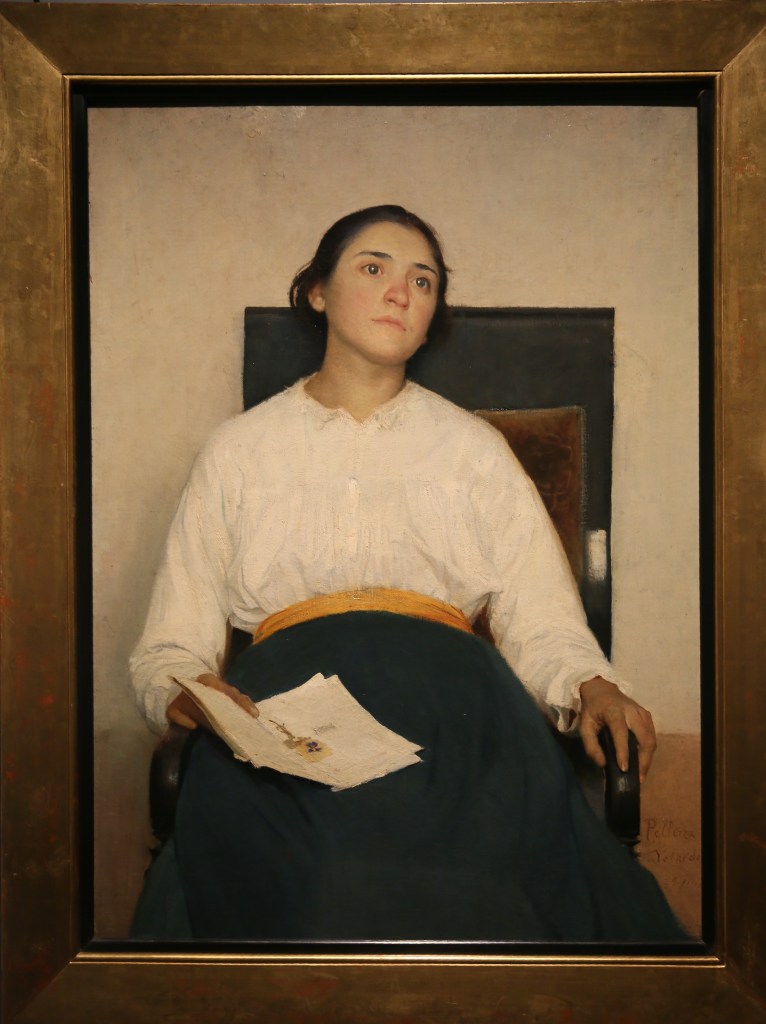
The Farley travel menu today was also varied – on my way back from purchasing supplies on the outskirts, I spent a couple of hours in the Accademia Carrara – Bergamo’s gallery of artworks ranging from the 14th to the 20th century. The institution was a highly respected art school from the early 1700s until the middle of the 20th century. Most of the gallery’s artworks were from entire collections that had been donated – initially by Lombardy’s nobility, later by its wealthy industrialists and private collectors. There were pieces from most of Italy’s best-known painters and sculpters from these periods – with the exception of da Vinci and Michaelangelo. To underscore Accademia’s history as a teaching institution, each work had a card in Italian and English explaining the history and significance of the art. I will admit the quality of the display possibly exceeded that of the pieces entered into this year’s Rosewood Show’s art competition, (although I couldn’t help but notice the complete absence of needlework and cake icing at the Accademia today…)
Bergamo, as a city, is becoming familiar: it is starting to coalesce. Our coffee shop in the morning, our wine bar in the evening – both have become vital parts of our Bergamo experience. In both places, we are provided with suggestions and assistance for further exploration; winery tours, music recitals, art exhibitions, etc, etc, etc… If only I could convince our Bergamo friends to come to Australia one day. I might even suggest they saw Laidley or Gatton – after they had stayed a week or so in that jewel of a town on the Bremer River, of course!
Farley



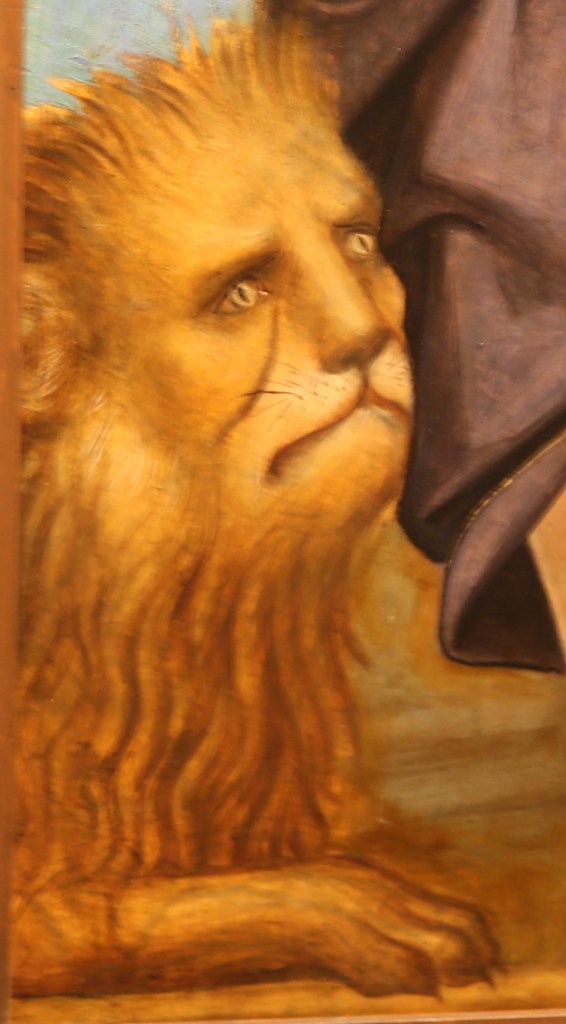
Dame Judy Dench got the inspiration for her costume in the London production of the musical ‘Cats’ from a work by the 14th-century Italian painter, Jacopo del Casentino (shown below). AND I actually saw the original piece today in Bergamo’s highly respected gallery, The Accademia Carrara!



 The Very Excellent Adventures of the Cunnington-Smythes