
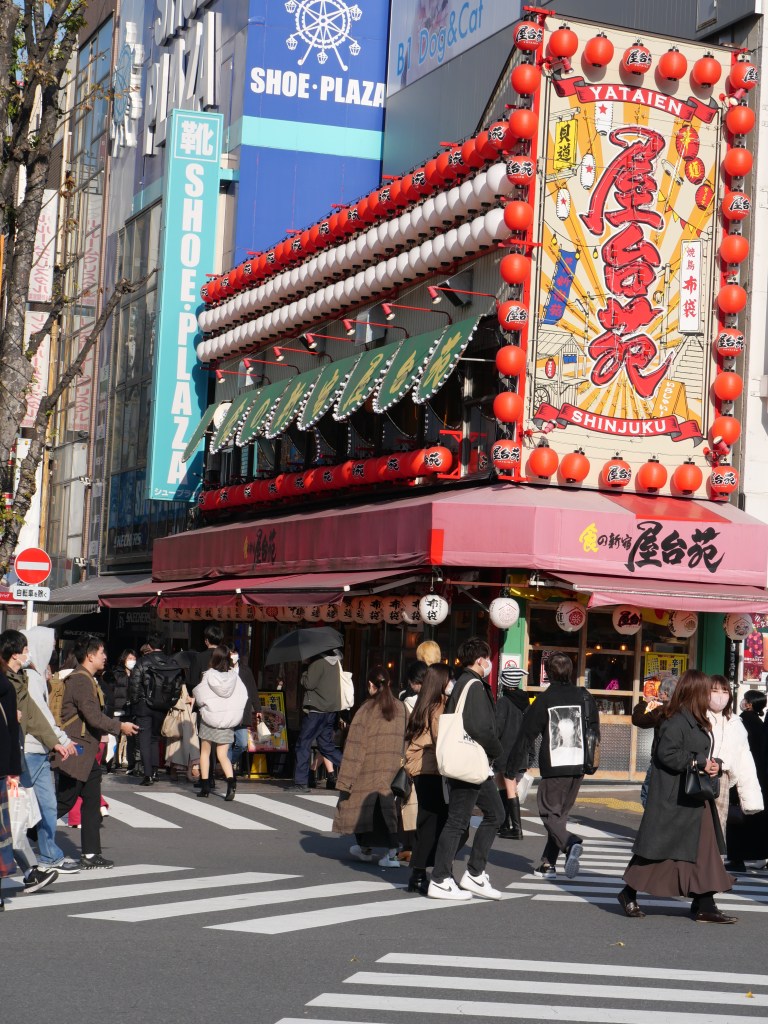
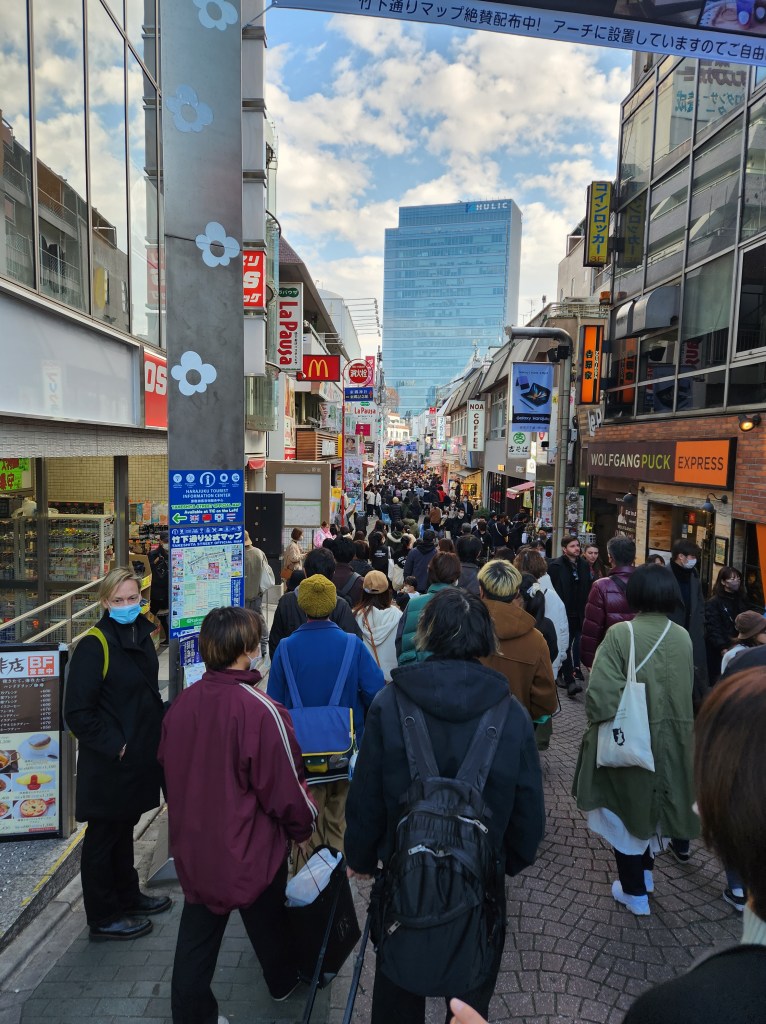
Tokyo is a little like Rosewood in that both places have at least two sets of public toilets. And the cars drive on the left. However it is the contrasts within Tokyo itself that fascinate me. On an earlier visit we were shown the view from the top of one of Tokyo’s skyscrapers. From the observation deck on a clear day you can see the residences of more than 25 million inhabitants – almost the population of Australia. (As a child from the top of our chook shed roof I could see the homes of three of my mates …) Tokyo is one of the busier cities in the world without doubt – but one that always surprises.
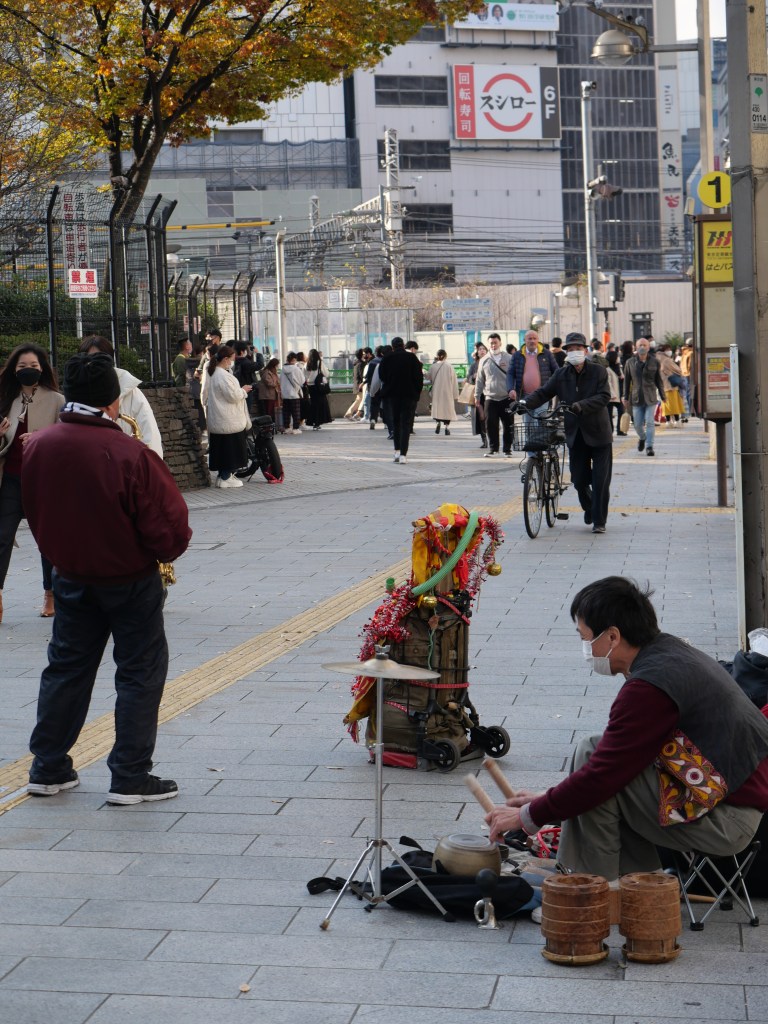
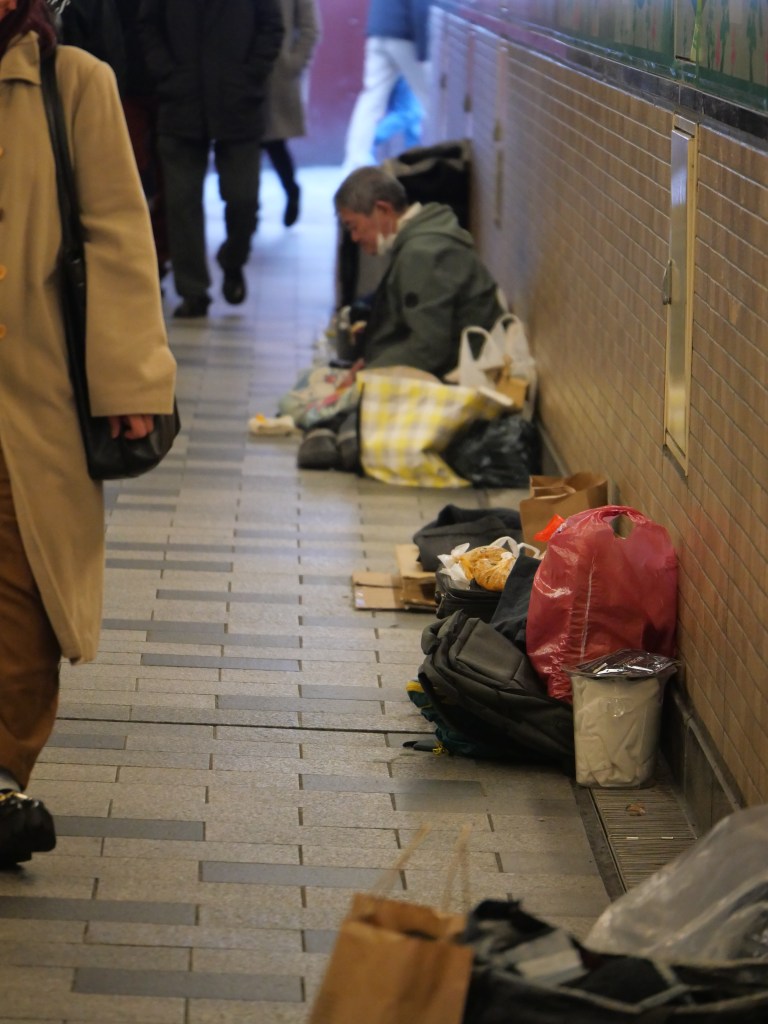
We have always stayed in the heart of Tokyo, but there is very little street noise. It is a 24hr city but cars do not blow their horns, people are silent on the train, children don’t seem to complain – even the babies don’t cry. I suspect even the emergency service sirens are polite if not apologetic for their wail. The homeless, camped in the subway tunnel, just metres from the opulent Isetan department store, are respectfully quiet and oh so neat. Shadows in a city of light.
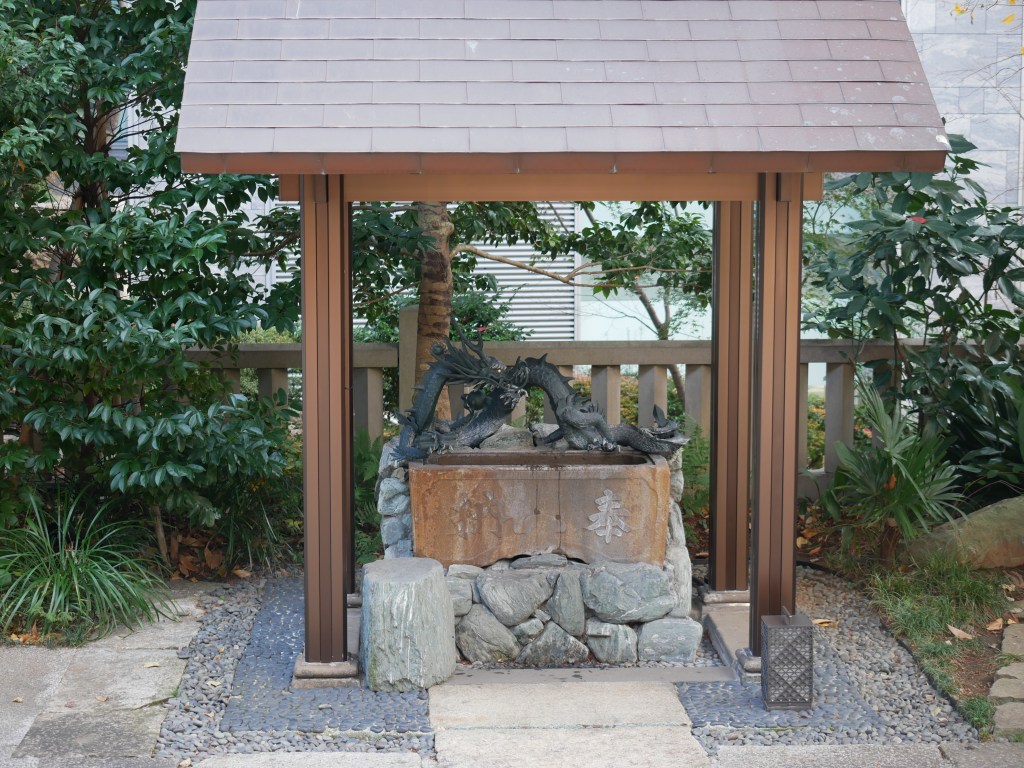
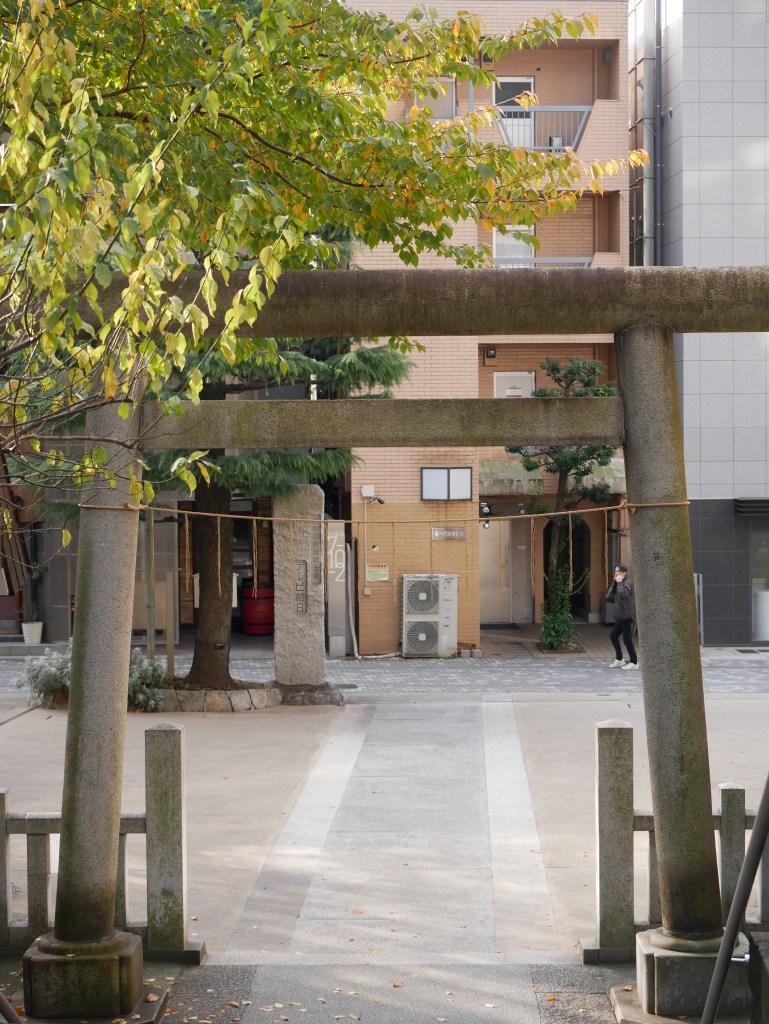
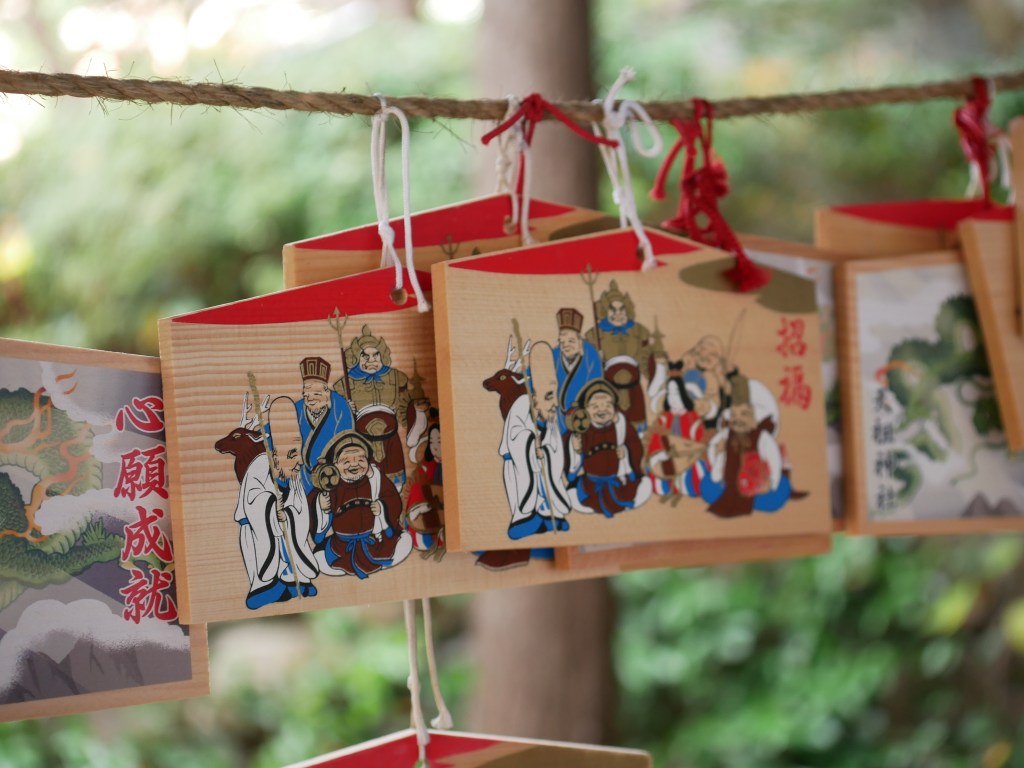
In one of the busiest cities of the world there are shrines and sanctuaries from the bustle of the street. Shinto shrines are themselves a microcosm of the entire Japanese aesthetic. The Shinto religion seems to the outsider to be almost pragmatic. You can purchase a divination of your future – if you don’t like the prediction you take the piece of paper it is written on and hang it on a line in the temple grounds – the wind and rain will remove it in time. Hopes for your future can be written on small wooden tablets then hung on another frame.. Each New Year the old tablets are burned and you can try again next year. Whilst in Takayama, we were witness to a Shinto priest in full regalia, giving a blessing to the concierge in the lobby of the hotel in which we were staying – it was one of those magic moments that only come with travel. Twenty twenty-three is the year of the rabbit – so if you’re hoping for a big Japanese family, this might be your chance.
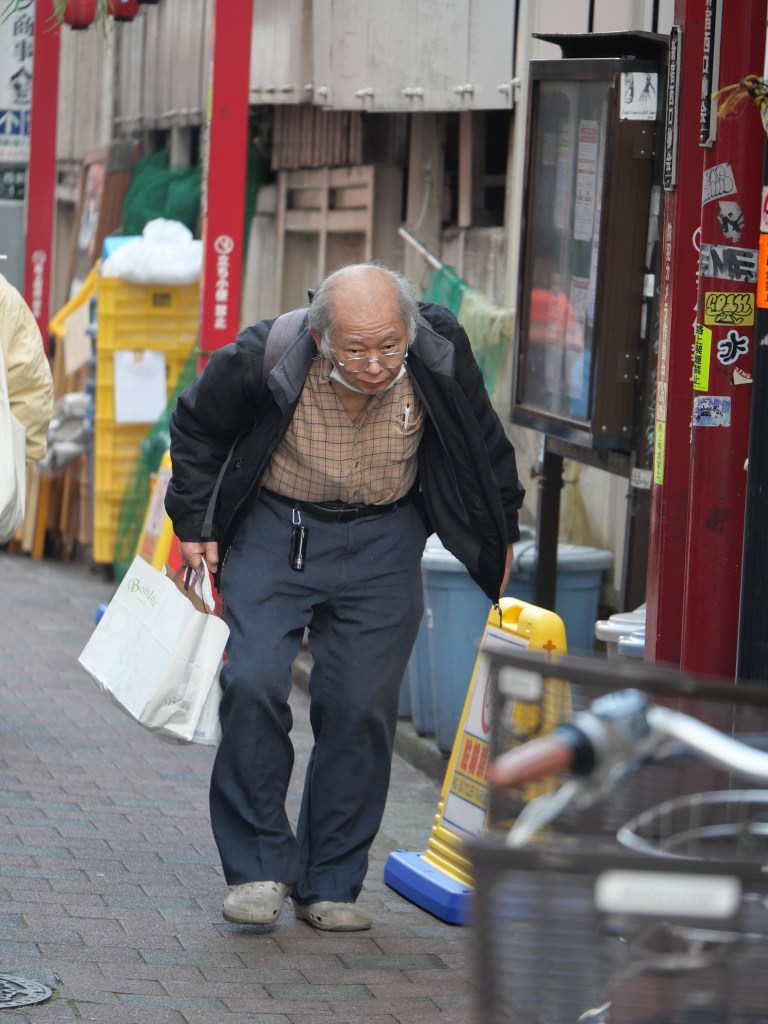
Most people in Japan do not have big families. In a seemingly young and vibrant city the population is ageing, ageing, ageing. Japan has a very low birth rate and takes in very few refugees or migrants. This has been the case since the end of WW2 and this ageing demographic is expected to cause real economic difficulties in the near future. It will cause real problems for their economy.
One part of their economy that is highly developed and booming is recycling. Japan has always been relatively resource poor and therefore almost forced to recycle where possible. This is a good thing when you see the amount of resources that go into packaging department store purchases. Every item, no matter its worth in dollar terms, needs to be carefully wrapped, arranged and delivered to you in its own bag. Great pride is dedicated to the curation of a gift – and with that, more paper that needs … recycling! Ted of Rosewood was a great recycler too, he loved his trips to the dump and would often come home with more than he took… I did say that there are uncanny similarities between Rosewood and Tokyo, and not just the public toilets
Farley



 The Very Excellent Adventures of the Cunnington-Smythes
❤️❤️❤️😊😊😊