Crossing Borders

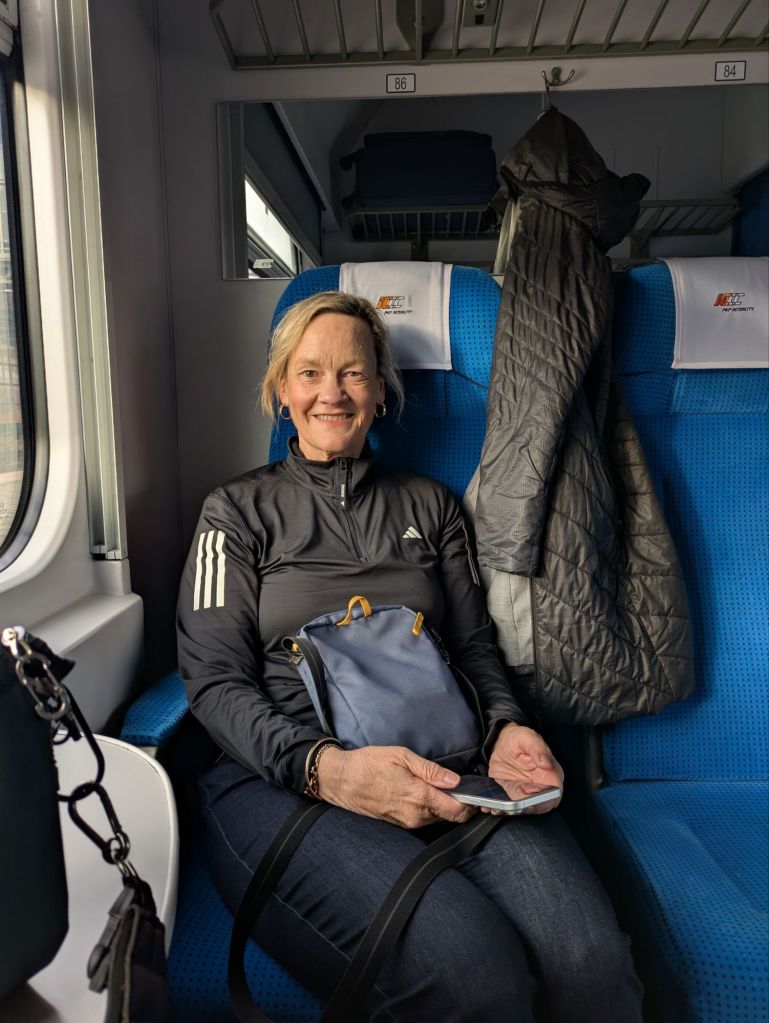
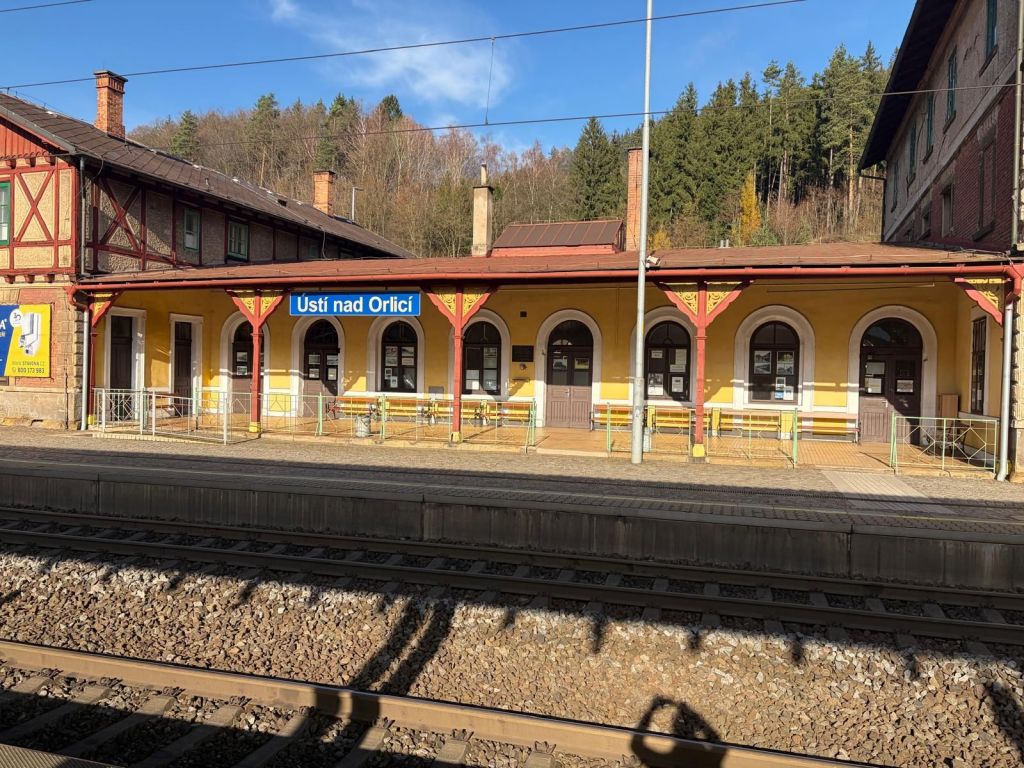
Orlici is a railway town of a few thousand people on the border between Poland and Czechia – when we arrived there yesterday it meant that we had traversed Poland from North to South. It also meant that we would have to wait two and a half hours for the next train to Brno – something which caused a reaction in this traveller that Sigmund Freud might have been able to explain.

Perhaps it’s because Orlici reminded me of another railway town in the Bremer River catchment. I suspect that I may have been subconsciously aware of what it would be like to wait a few hours at the station in a place like Orlici, let alone grow up in this borough. Thankfully another train to Brno was delayed earlier that morning and we were able to catch that one to Czechia’s second biggest city after just a short wait: travel mercies indeed.

What’s more, the Czech conductor also took mercy on the Cunnington-Smytes. In the excitement of a fortuitous train delay and hence an opportunity to get to Brno without a wait … Farley may have inadvertently  bought tickets for the next day. As the conductor scanned the bar code there was a quizzical look and then a shoulder shrug.

We have travelled across other borders (e.g. Natalie and the famous Croatia – Slovenia crossing) where the wrong ticket or the absence of a passport means instant eviction. Some borders are much harder to cross.

A friend of mine, someone who kept me sane at work for many years, really understands stressful border crossings. She grew up in Ostrov, Czechoslavia in the early ’80’s at a pivotal historical moment for that country- it was after Dubcek’s ‘Prague Spring’ had been crushed by Warsaw Pact troops and during the following period of extended repression for Czech citizens. In the mid 80’s her courageous parents decided to escape the oppressive life of Ostrov: they would attempt to get to Austria via Yugoslavia. 

She recalls the Czech border where there were body and car searches and luggage was checked meticulously to ensure that it was a Croatian beach holiday, not an attempt to relocate to the West. She remembers that her mother had sewn bank notes into her bra so that the family would at least have some cash if they made it.  She remembers huddling on the floor of the car with her sister as the searches took place. And she remembers the men with machine guns everywhere. (Perhaps a little like the guards preventing young people from fleeing Rosewood in the ’70’s?)

Not all border crossings are as fraught as hers was in the ’80’s (thankfully!). Ours in Schengen Treaty Europe are frequent and fluent, often unnoticed- as innocuous as crossing from Coolangatta to the Tweed.  Though, come State of Origin deciders …

The joys of travel!

Farley C-S
The Unexpected Treasures of Random Wanderings

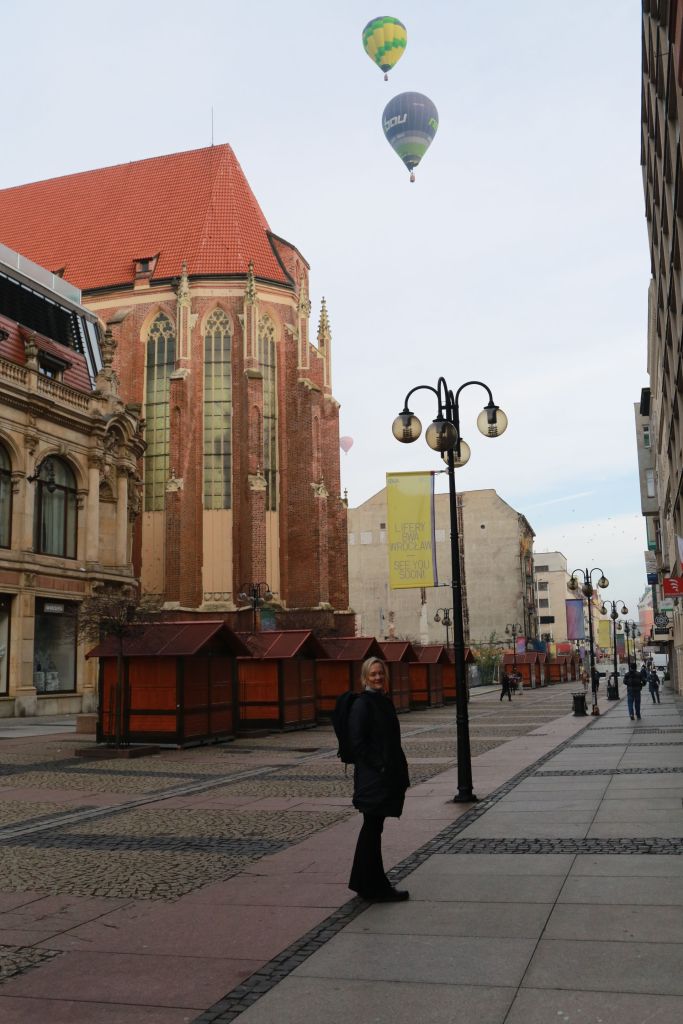
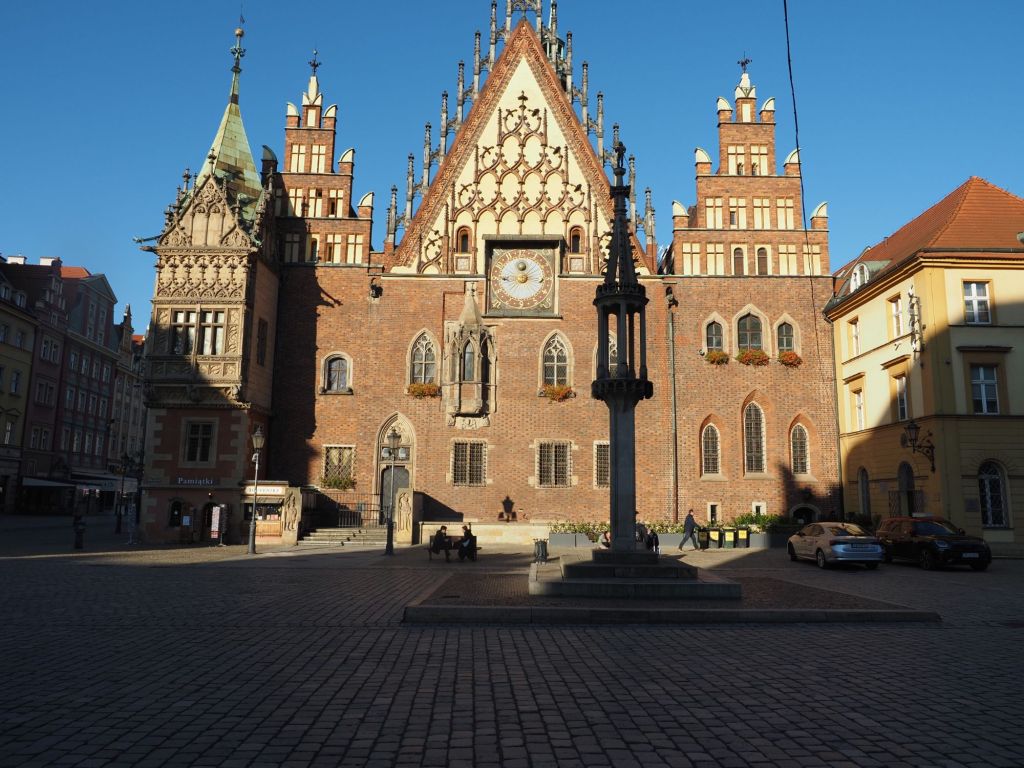
The main pedestrian thoroughfare in Wroclaw – on a BEAUTIFUL autumn morning.

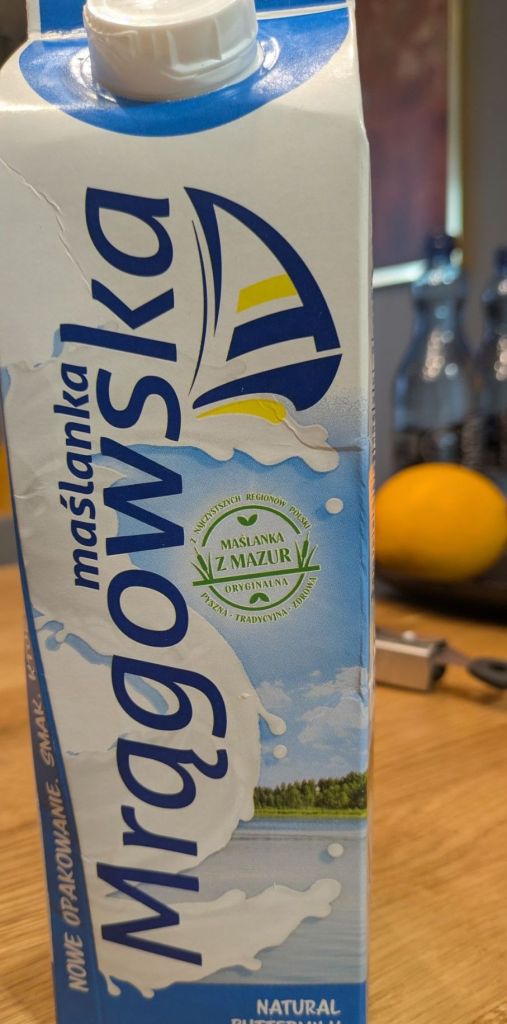
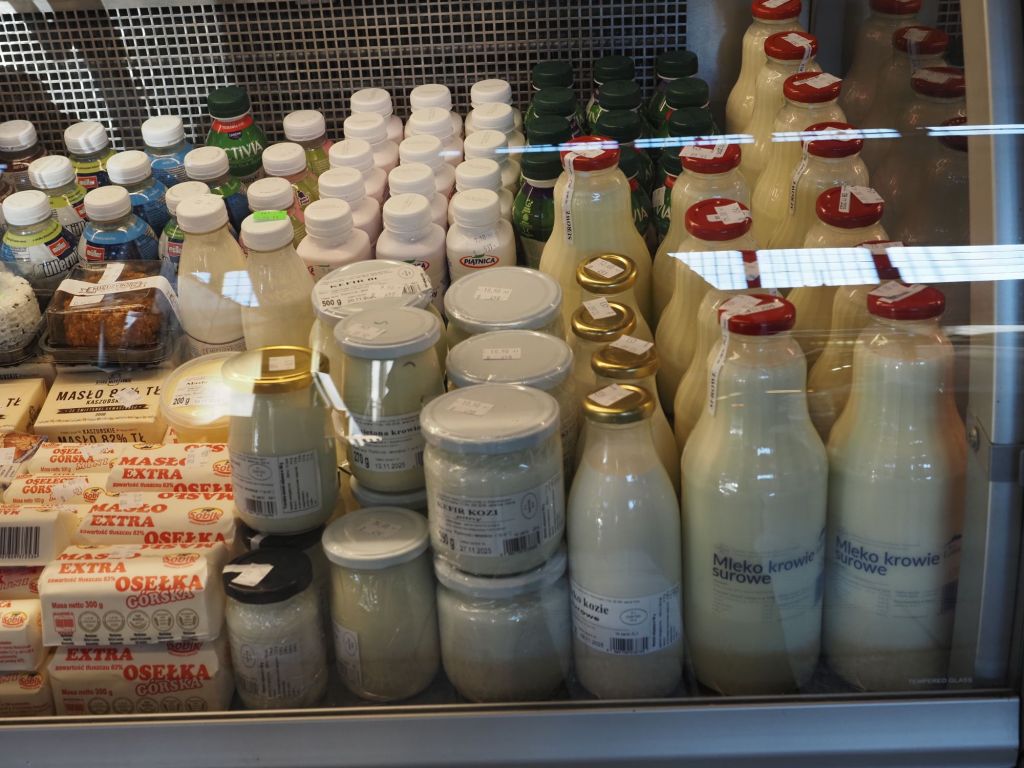
Despite my fluency in at least three words of Polish, I failed to realize when purchasing that this is not milk, but buttermilk – it didn’t do much for my breakfast cuppa!

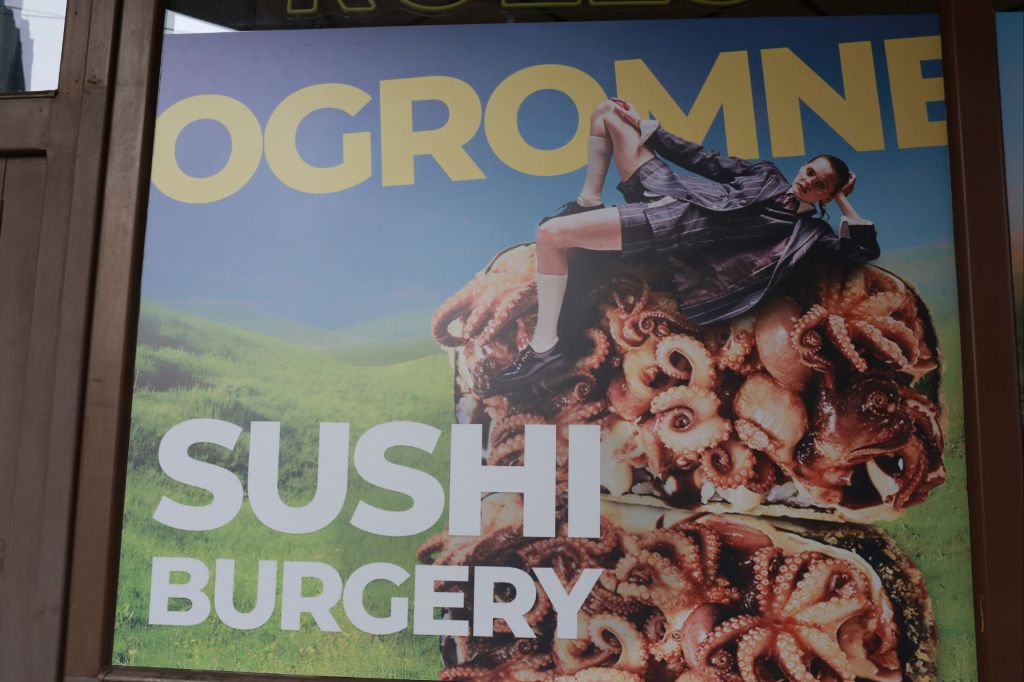
Sushi burgery: impossible to find words for this one.

A Martin Luther gnome outside the oldest Lutheran Church in Wroclaw.

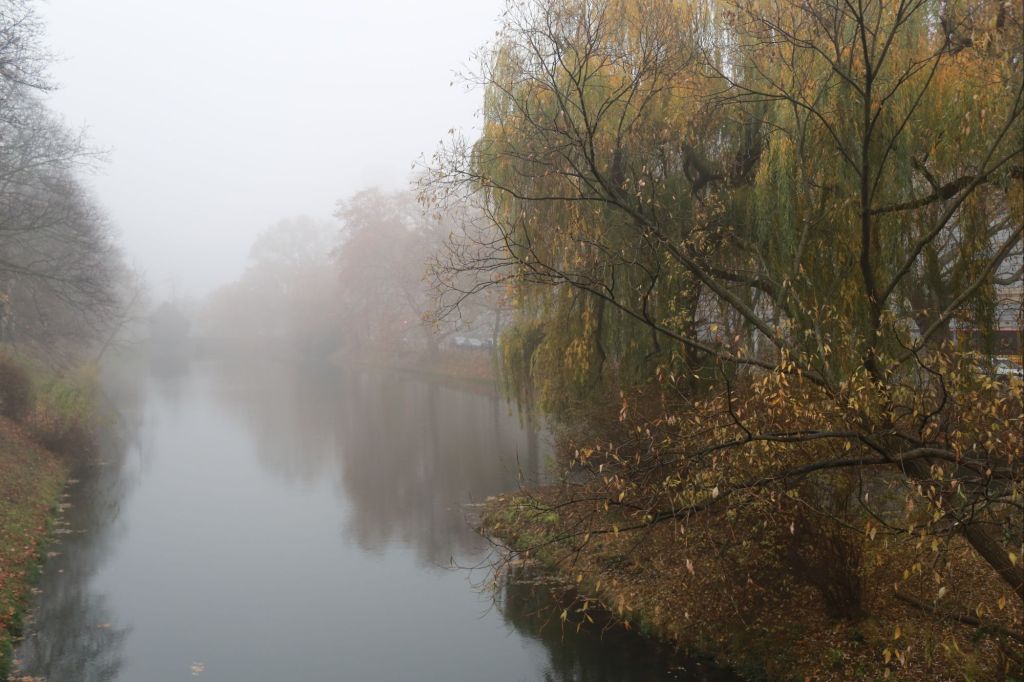
So this is what a real autumn looks like…

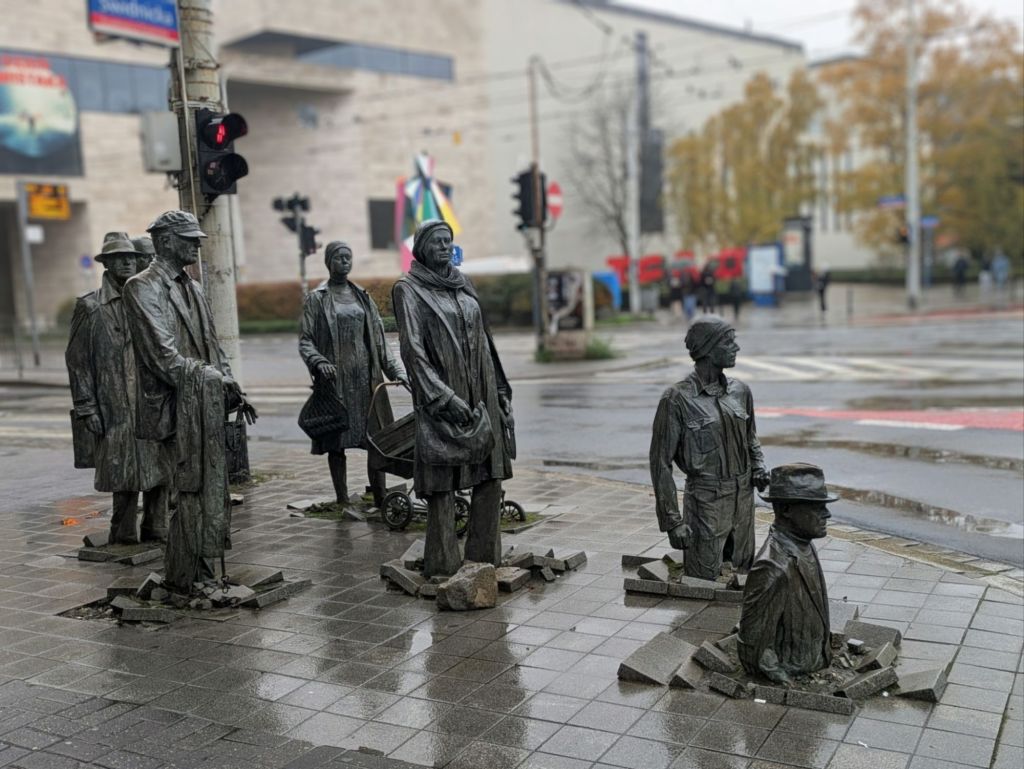
A photo was taken near the archeological museum, but I think these are actually statues. I don’t think they are real human cadavers that were trapped and preserved in an ancient peat bog, then exhumed and put on display on a Wroclaw sidewalk outside the museum. However…

Ignacy Paderewski’s memorial. This is a country where a classical pianist and composer becomes the prime minister. (Given the number of times Poland’s been invaded, perhaps they might have done better with a military genius instead of a keyboard maestro? Today is Independence Day in Poland, they celebrate the three times in their history they have achieved independence – firstly bit by bit from the Austro-Hungarian and Russian Empires in the 19th century, then the Germans in 1918/19, then lastly the Soviet Union in 1989. You can’t say the Poles haven’t had to work for self-rule.

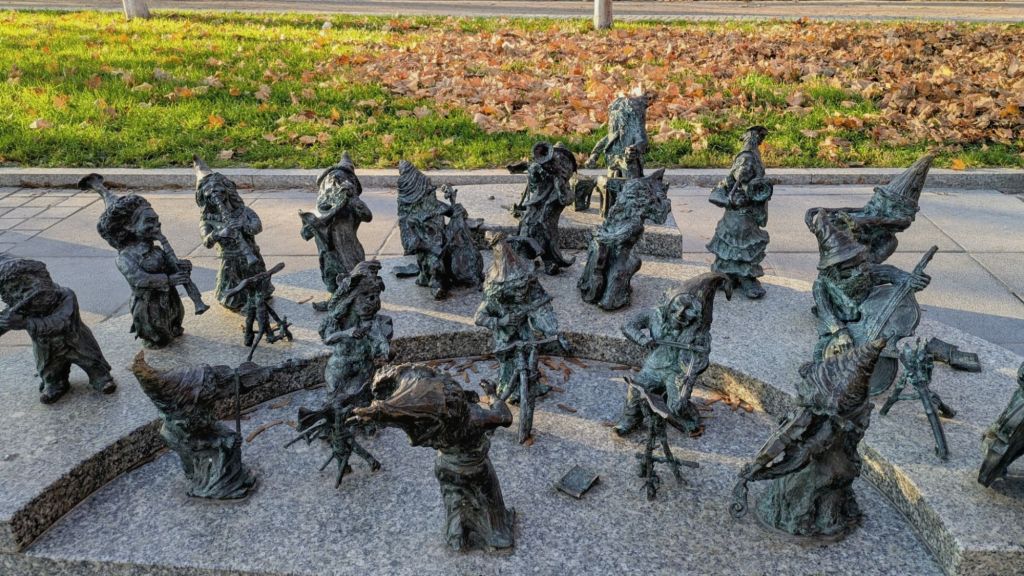
One for Catrina – A gnome orchestra outside the Wroclaw Conservatorium of Music.

Independence Day in Poland

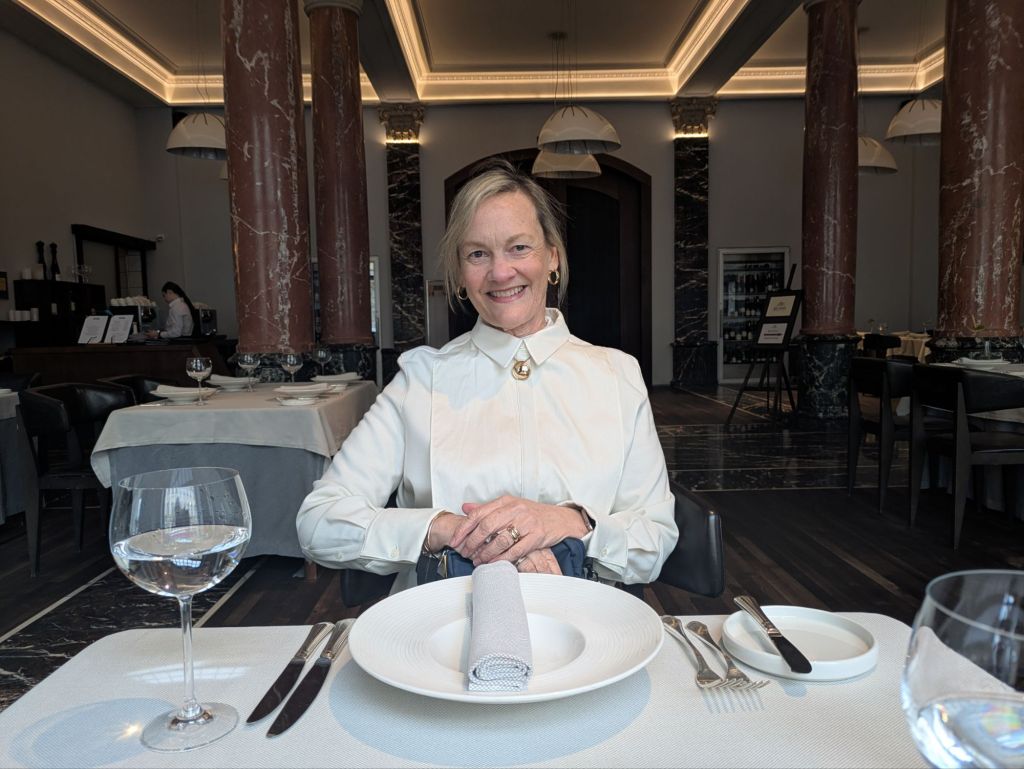
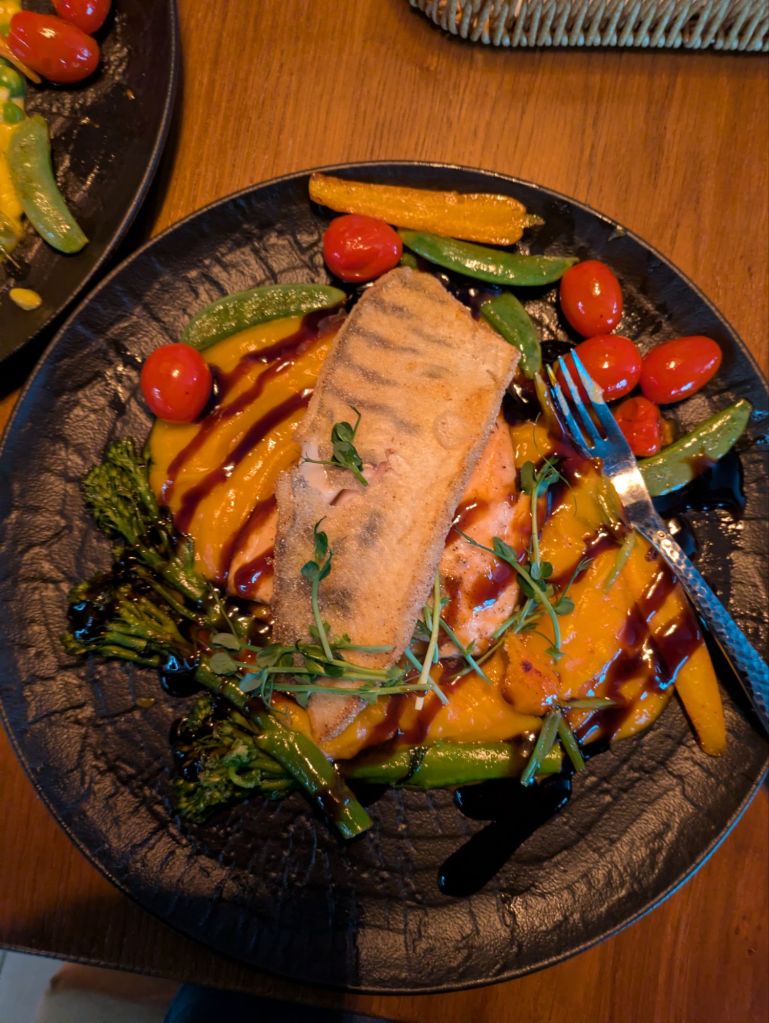
Zander (freshwater pike-perch) and artichokes in a beurre blanc sauce. An absolutely delicious meal. Yes, the good lady ate fish!!!

Love from Wroclaw (i.e. Row-Claw – I still can’t get the locals to pronounce it properly!)

F C-S

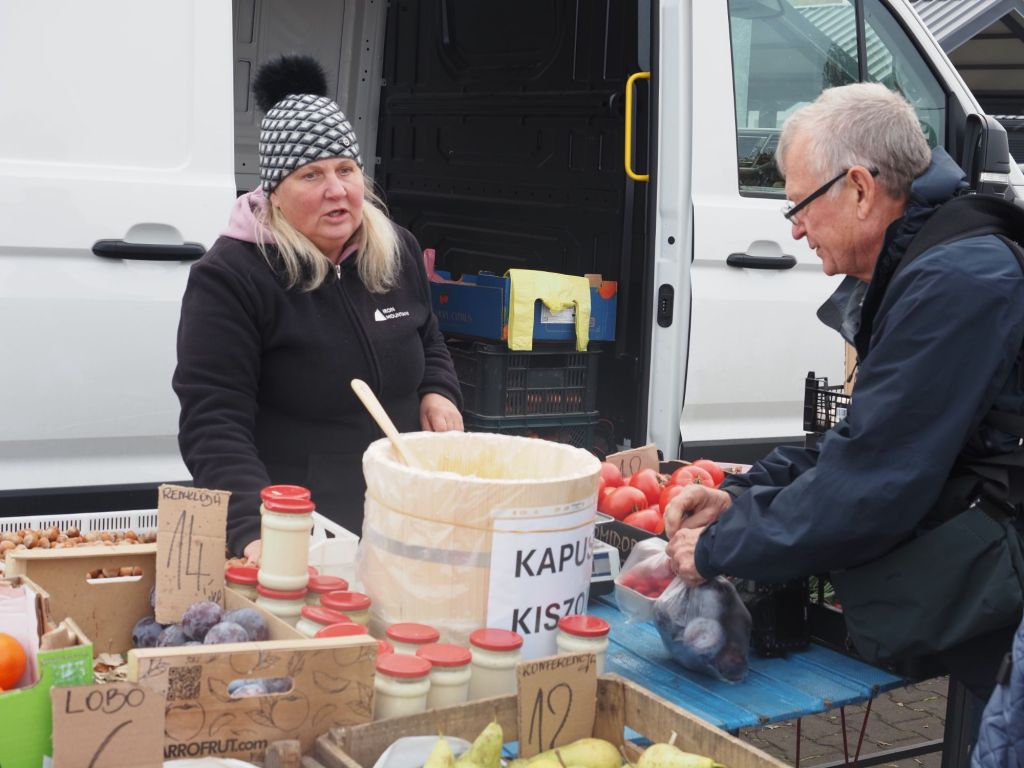
Market Mea Culpa.

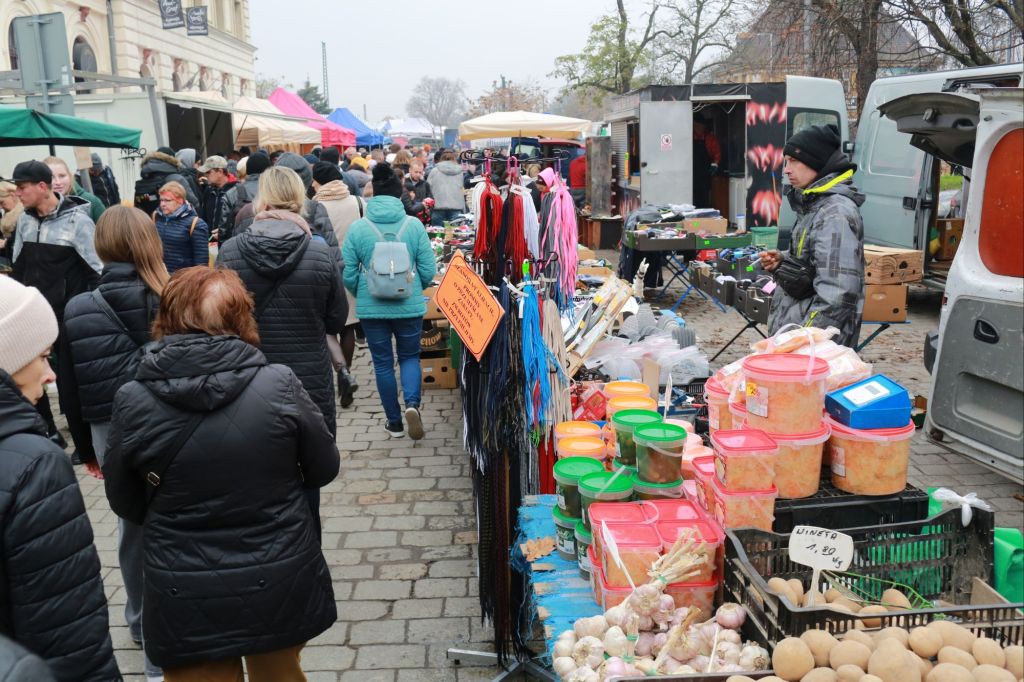
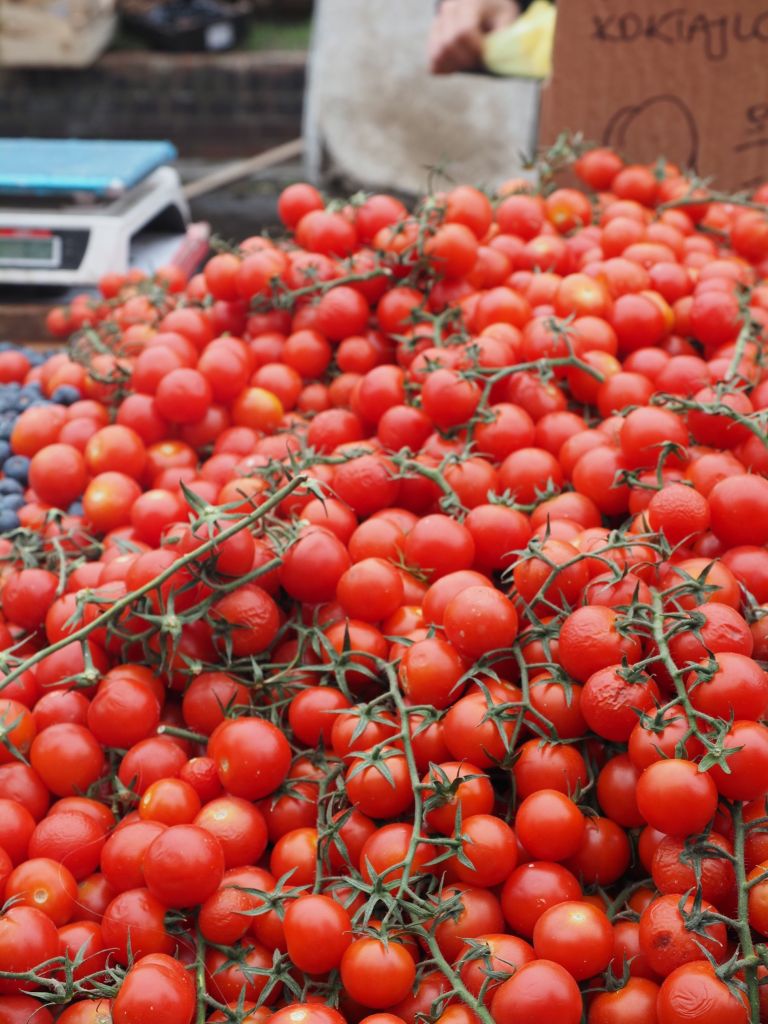
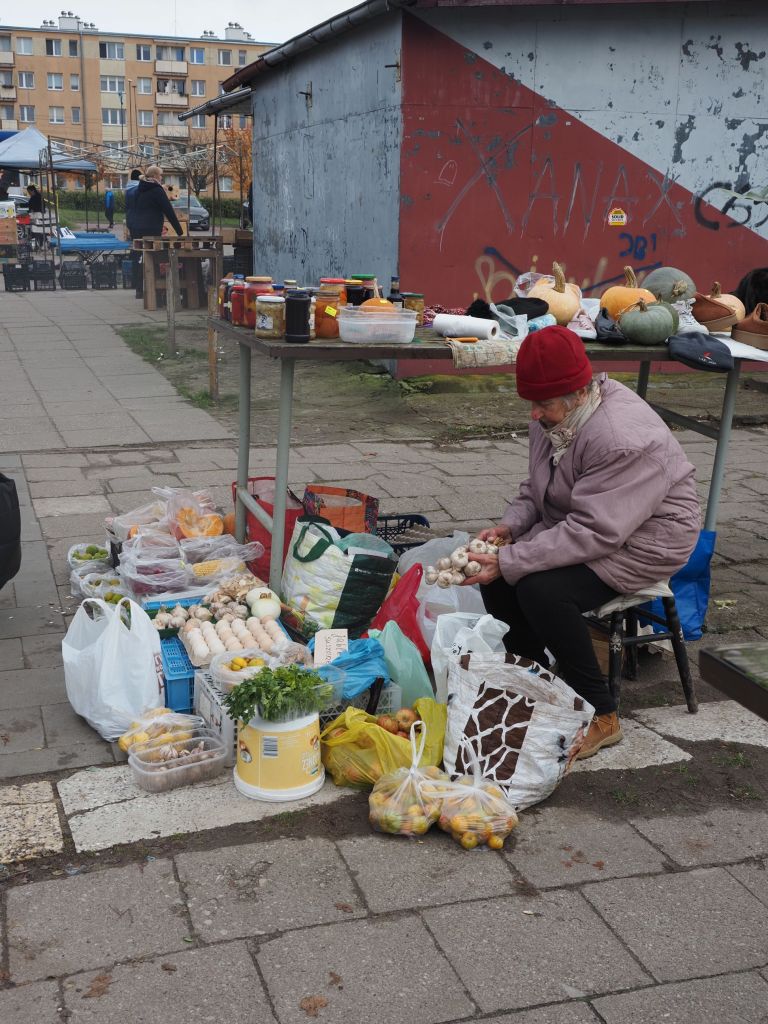
Yesterday I was bemoaning the lack of farmers’ markets in modern Poland. Today there was a Sunday farmers’ market that started just a few metres from our front door and extended about 1 km.

Sometimes you can post a blog just a day too early….

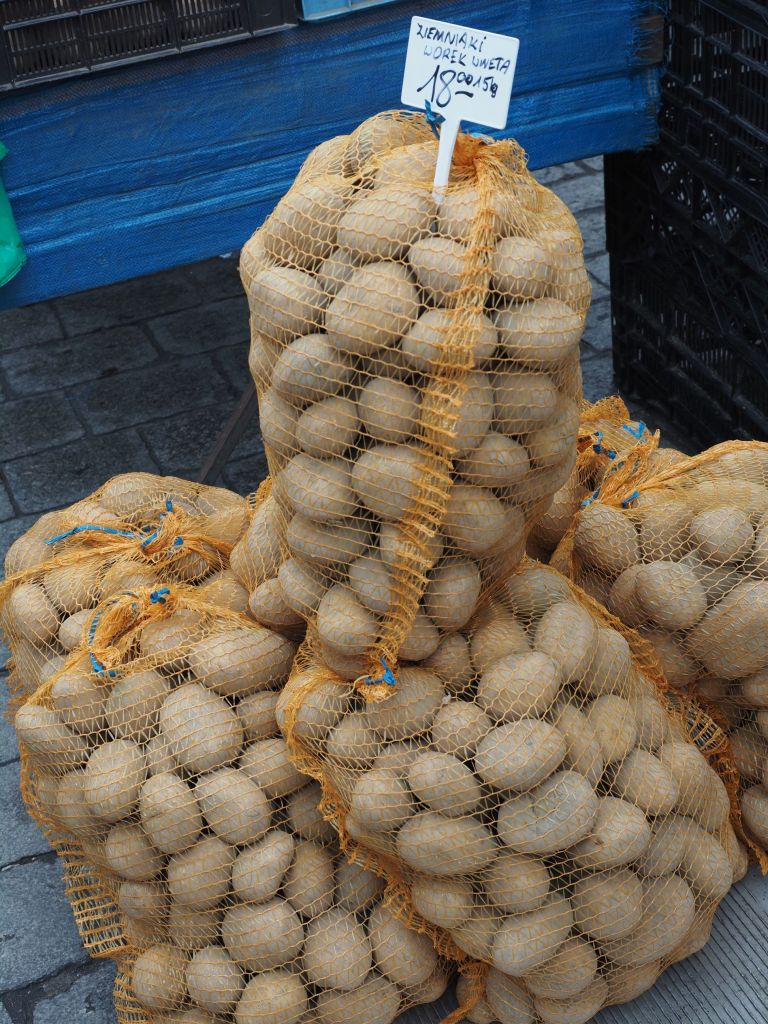
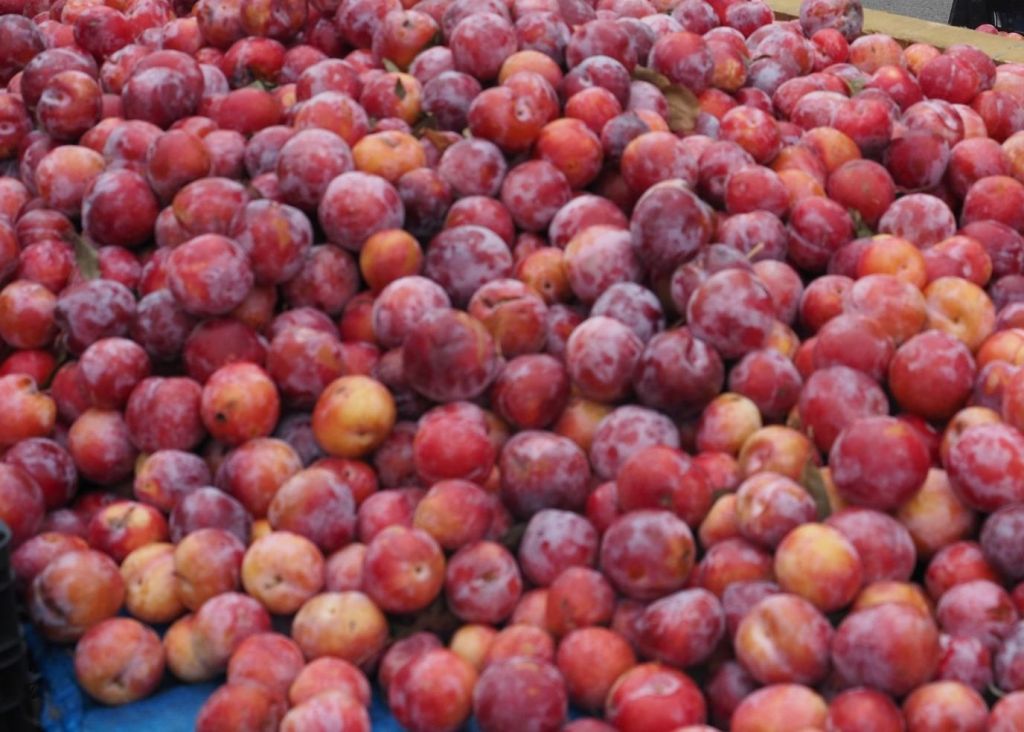
Perogi, Potatoes, Plums and More Perogi.

Poland is a country whose economy is in transition – it is obvious to us – our last visit here was in 2011. Most Poles would say that their transport, health, and education systems have improved dramatically. I suspect, however, there might be a generational gap when they are questioned about food retailers in today’s Poland.

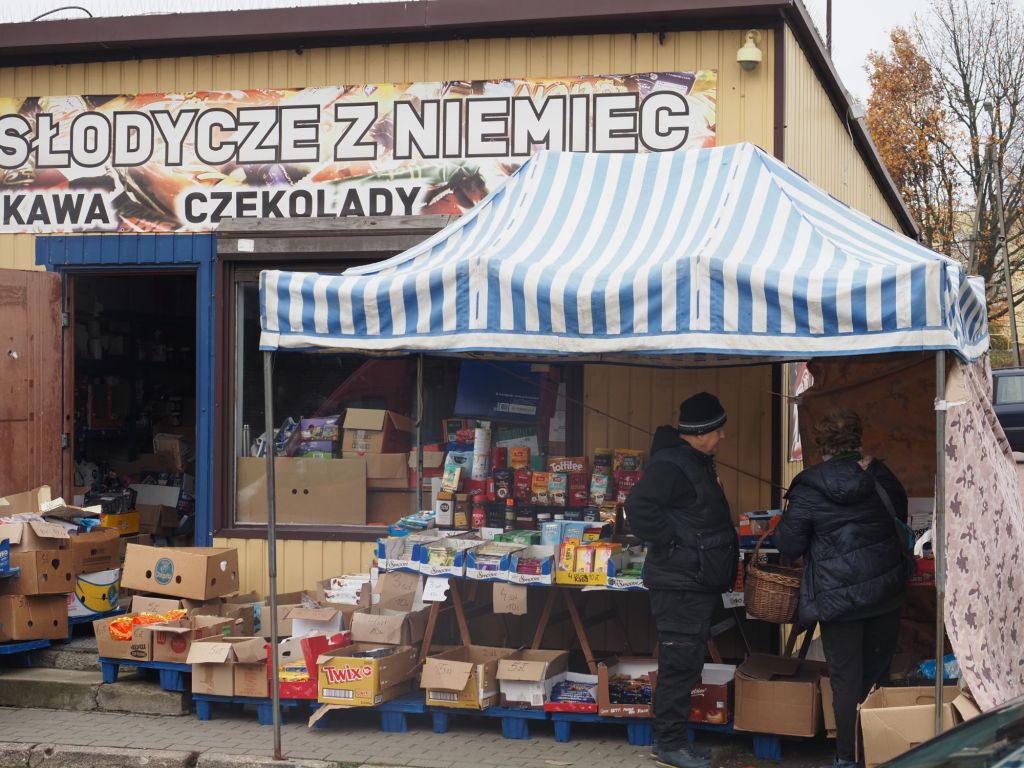
There are far more food outlets from the big chains – KFC, Burger King, McDonalds etc. There have been queues of young people outside ramen restaurants or lined up to buy bubble tea. The big grocery chains are located in the shopping centers situated in the outer suburbs. What  appears to be lost since our previous visit are the food halls and the farmers’ markets, the local butchers and the green grocers. Perhaps this has been Australia’s story too – until the last decade or so where farmers’ markets, restaurants sourcing local produce and the concept of ‘paddock to plate’ have become a growing part of the consumer’s conscience.

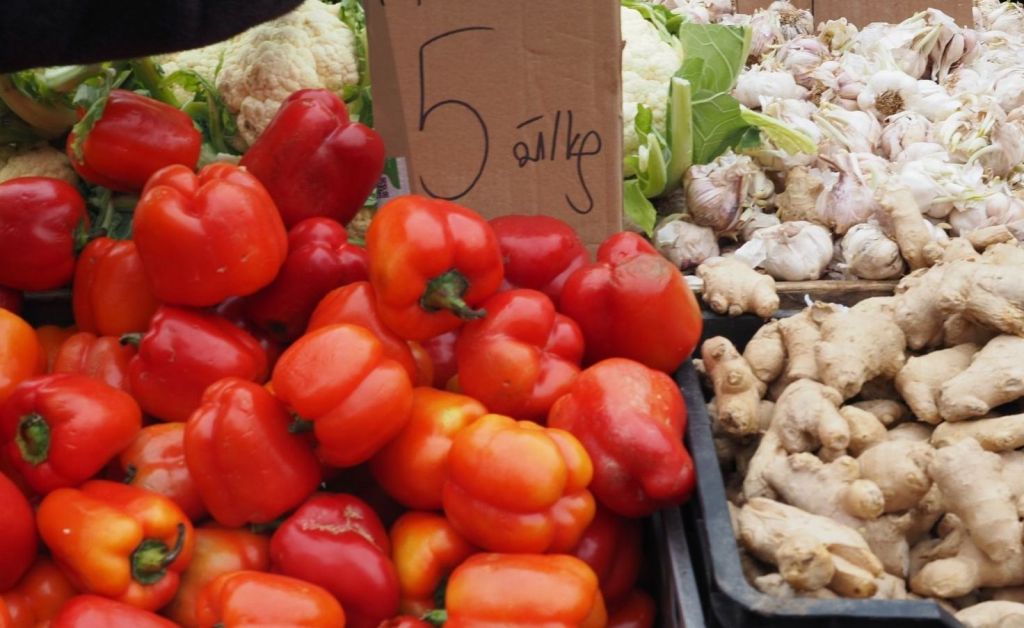
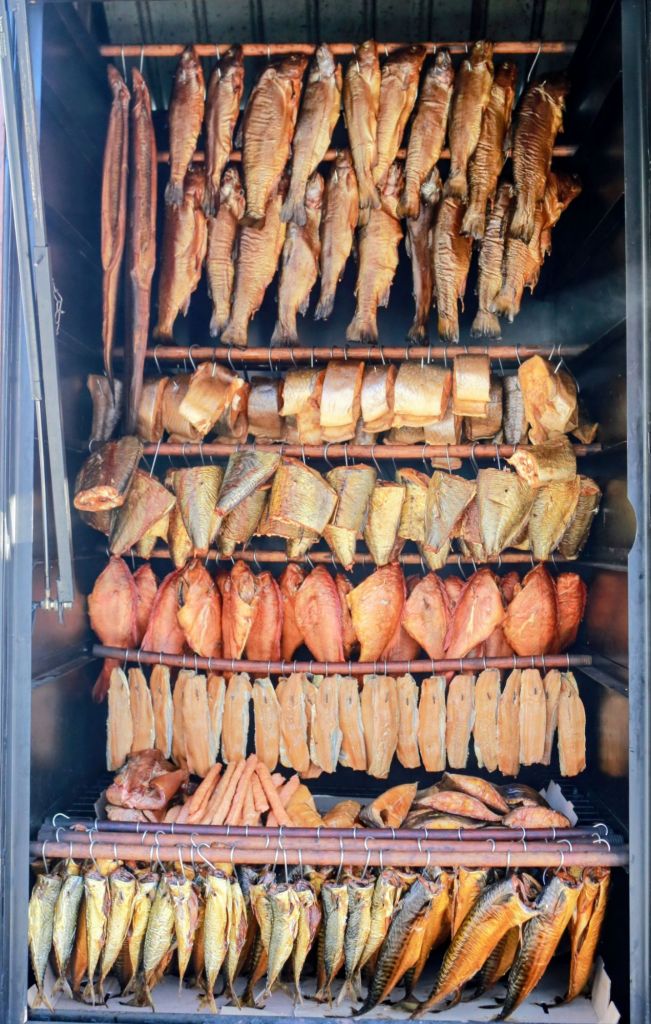
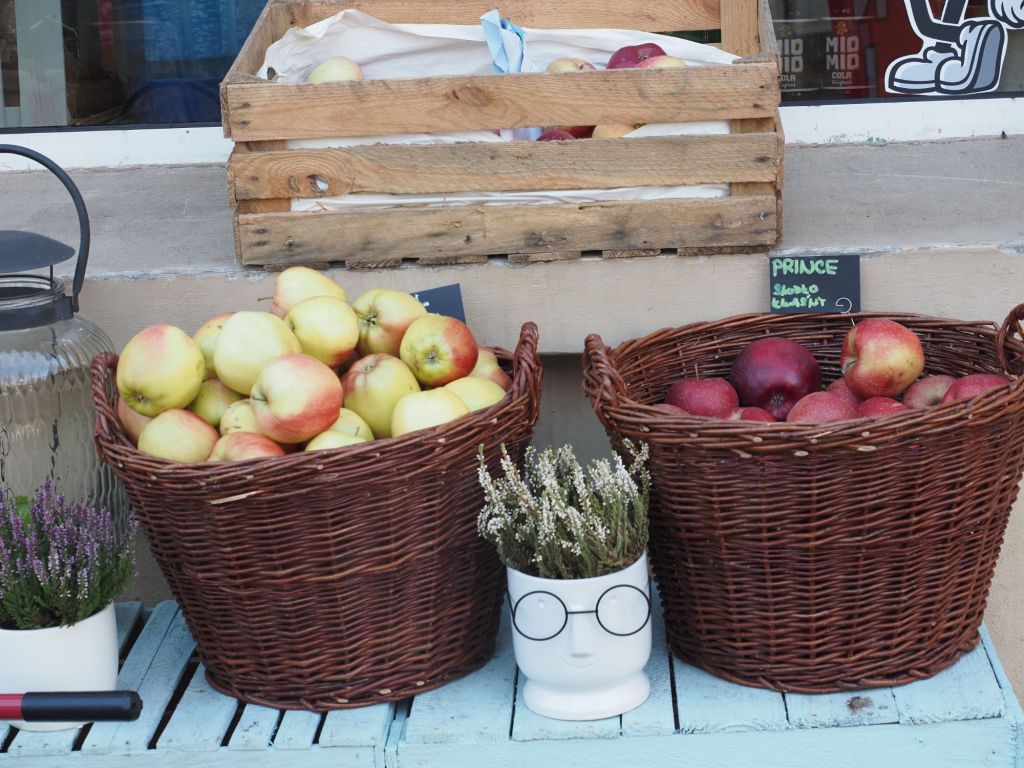
That’s why the Wroclaw Market Hall has been such a pleasure to revisit. There are some French or Greek cheeses in the cheese stalls but most of the produce for sale is Polish. Bananas and pomegranates are available (hardly Baltic staples), but overwhelmingly the veggies are those that grow locally – and the only fruit widely available are different types of tomatoes, apples and cultivars of plums – although raspberries and strawberries from Polski often feature too.

We have our eyes set firmly on dining at a pierogi-serving bar (aka Polish cafeteria) down the road- no alcohol at these institutions – although you can pick up your vodka when you fill up your car with fuel or if you drop in to a Rossman chemist store to buy tissues, make up and … a bottle or two of wine.

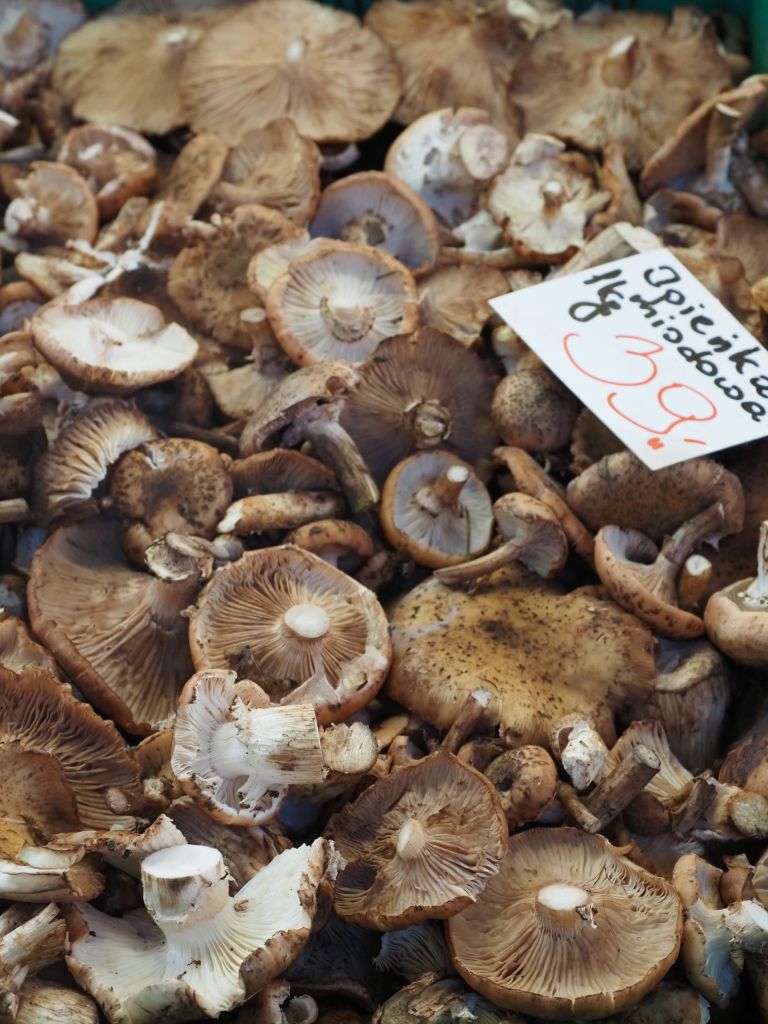
Our dinner tonight was made with ingredients bought from the market hall today – mushrooms from a nearby forest, brussel sprouts from a local grower, cream from a small factory outside Wroclaw, and perogi from a giant factory in …. Lithuania. …Sigh

You can’t win em all Farquhar – but you can always enjoy a shot of vodka in the most unlikely of circumstances!

Statues, Memorials and Gnomes

It’s as if we chose to visit Poland in November, not merely  to catch up with our numerous relatives, but also to celebrate national holidays. We will remember our Polish All Saints’ Day – always. Next Tuesday is National Independence Day – a celebration of Poland’s separations from Austria-Hungary, Germany and the Soviet Union. It will be a day of ceremonial gatherings and parades – we may have stumbled upon one today in our wanderings – we witnessed a military parade, listened to a rousing rendition of the national anthem and paused with other onlookers for the bugler’s Last Post. I didn’t think much of the speeches however…

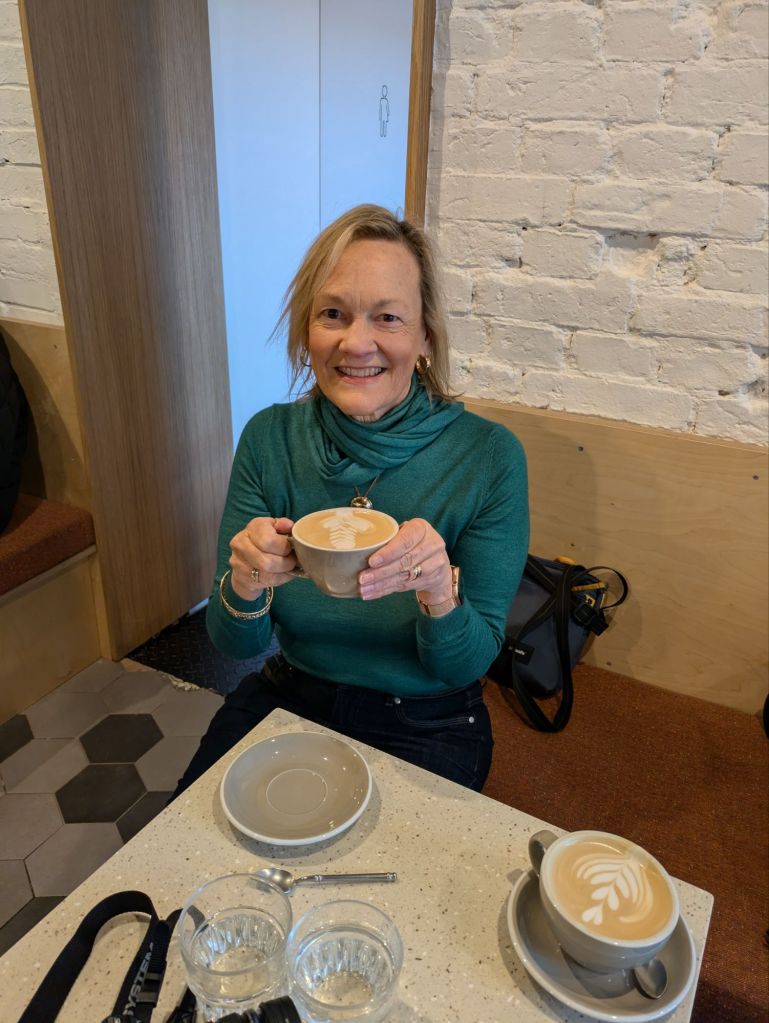
The shadow of war, occupation and resistance looms large in Poland. We could see and feel it this morning as we headed with purpose for our morning coffee – (and it was a cracker!) It is the city of statues and monuments – war heroes, statesmen, musicians, politicians – the list goes on.

One man, Witold Pilecki, deserves a park full of statues and memorials just of him. He was an intelligence officer in the Polish Army when Germany invaded Poland, and he immediately joined the underground resistance. In 1940, rumours of extermination camps in Poland were heard, so Pilecki volunteered to go into Auschwitz. He got himself arrested in a roundup of labourers – was able to infiltrate the camp, but even more amazingly, managed to escape. His report was passed on to the British secret service and his was the earliest first-person account to reach the West. He spent the rest of the war as a leader of the Polish underground resistance and survived the war. In 1949, after a show trial, he was executed by the new communist government in Poland.

We haven’t seen any statues celebrating the life of Wojciech Jaruzelski as we’ve wandered around Poland. And, we are unlikely to do so. General Jaruzelski was head of the Polish military and de facto head of state for all of the 70’s and 80’s. He was well liked by the Ceaușescu’s – and much hated by most Poles. His response to demands for more political freedoms was particularly brutal.

On August 8, 1980 a woman called Anna Walentynowicz was sacked from her job at a Gdansk shipyard where she had worked as a welder, crane driver and union rep. The timing is the pivotal thing in this story – Anna was just a few months away from retirement and being sacked made her ineligible for a state pension. The union was incensed, it organized a strike to support her, this industrial action – led by a man called Lech Wałęsa – and through Anna and the subsequent reaction across Gdańsk, the Solidarity movement was born.  Widespread strikes and protests erupted across Poland, and police tension – high.

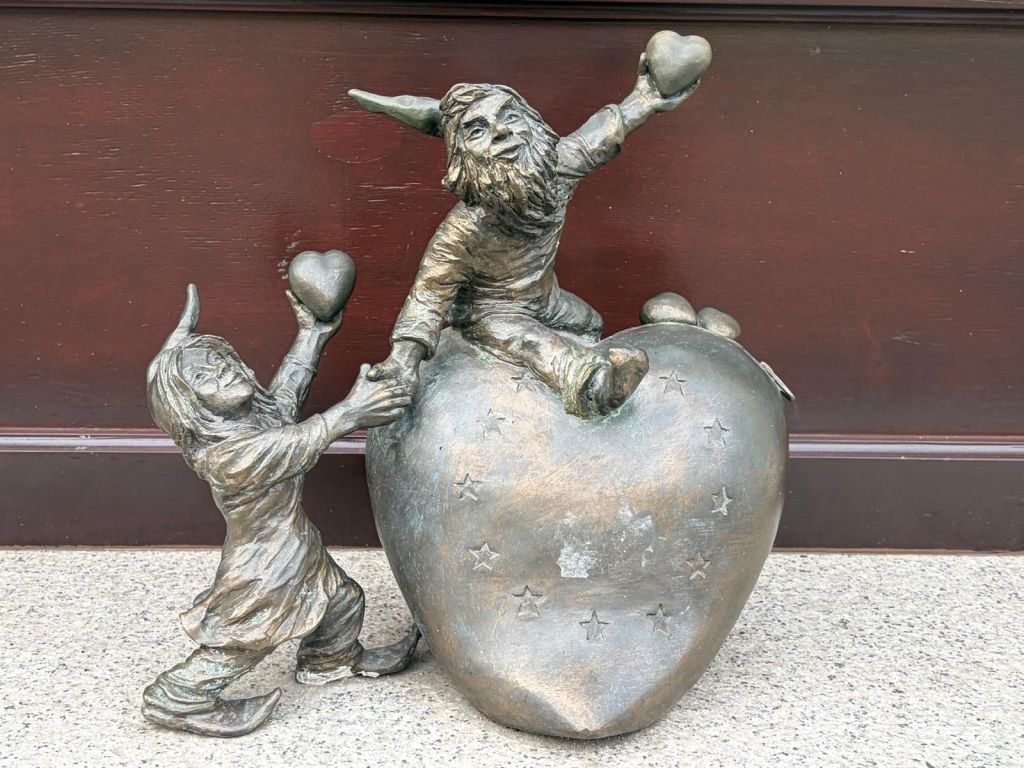
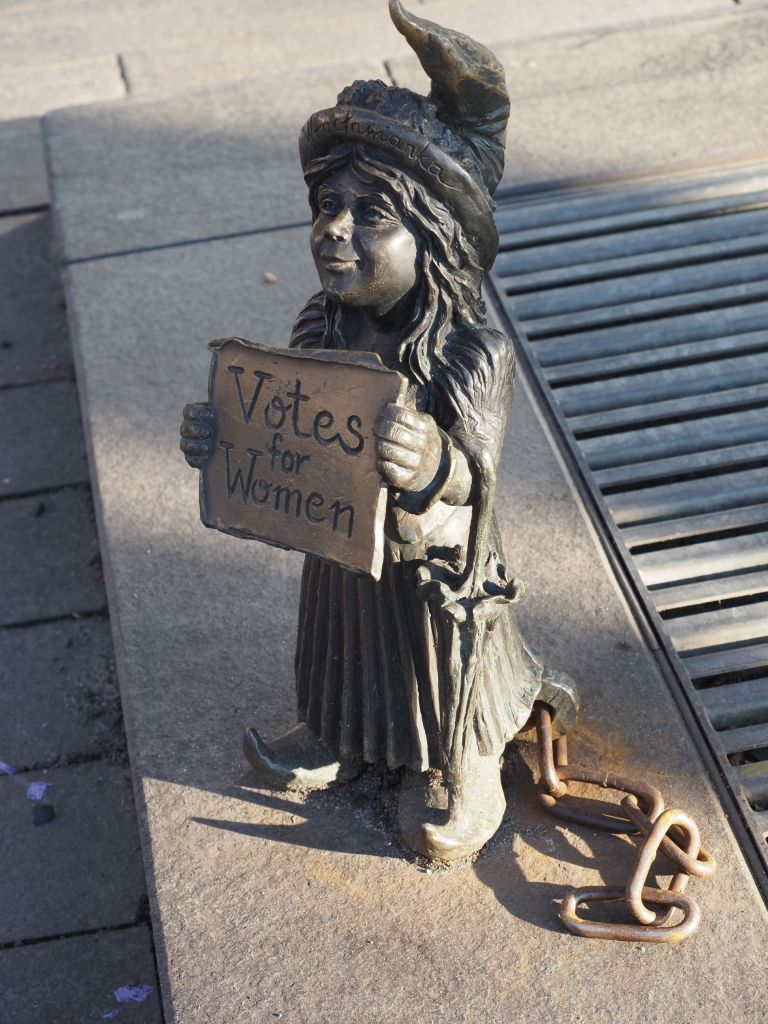
In Wroclaw, these protests were led by student organisations from Wroclaw’s universities.  Their strategy was impressive in its simplicity and its impact. They realised that even the Polish secret police would be hesitant to attack children’s storybook characters, especially if young children were present as witnesses. Thus, student protestors all marched dressed in costume: as gnomes, and thousands of families came to watch them do so. Their brilliance has been immortalised in bronze, in the form of gnome statues (more than 800) that lurk in every corner of the old town. It’s Wroclaw way of saying thanks to the students.

Remembrance takes many forms – and, it would seem that in Wroclaw, bronzed monuments and statues – even the tiny, are a reminder that protest does not have to be an act of violence. No doubt, as we note our second Polish national holiday, we will see true celebration of independence – hard won battles – some of which won by the most unique and peaceable methodology. Here’s to the hidden power of gnomes …

But, for now, the Lady and I are off to visit our many relatives – a pleasant distraction as we wait patiently for Mary’s imminent arrival.

The monument to Witold Pilecki

Paderewski – Concert Pianist and Prime Minister

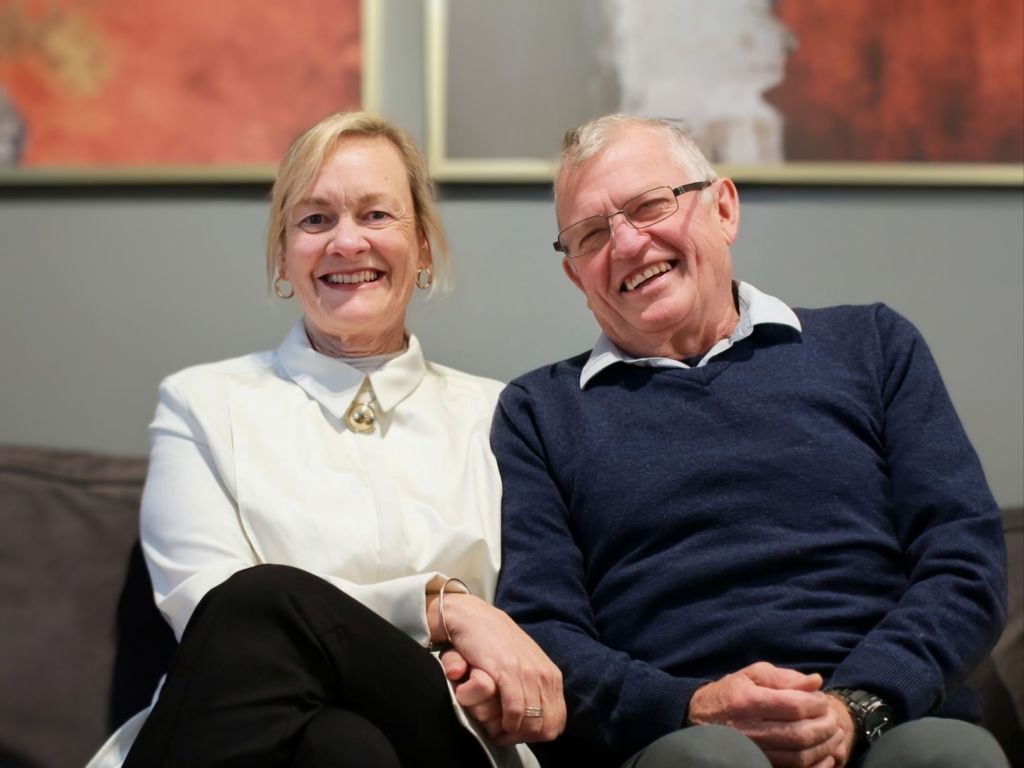
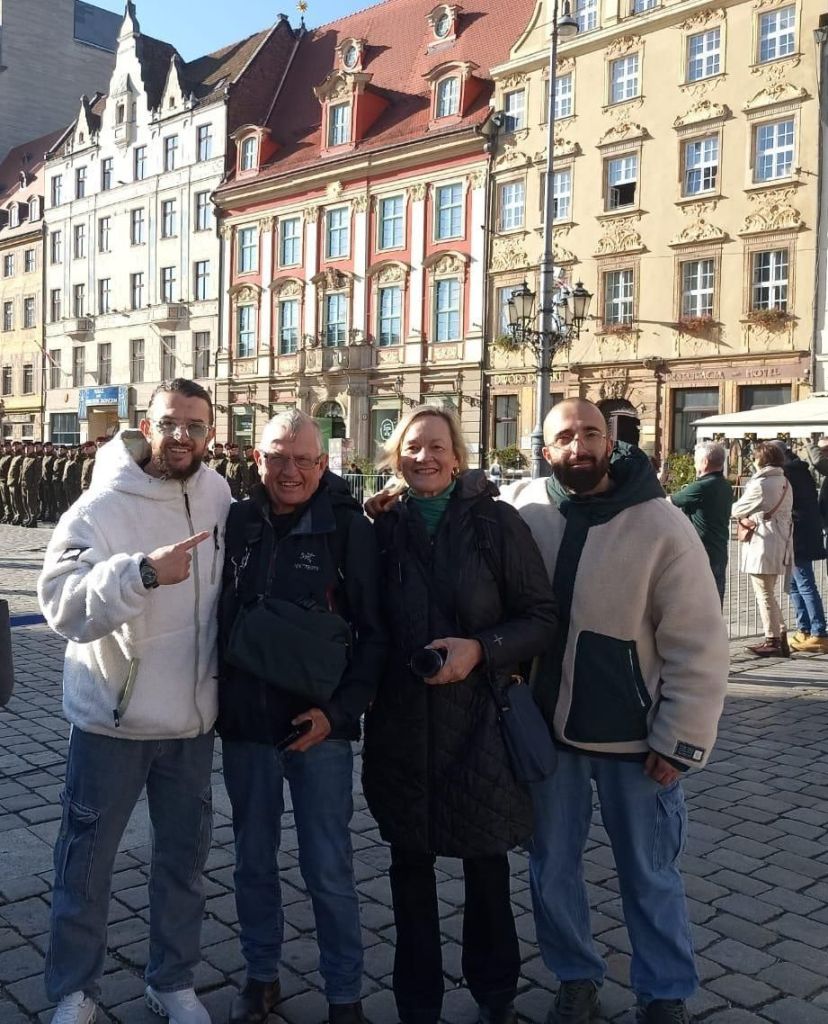
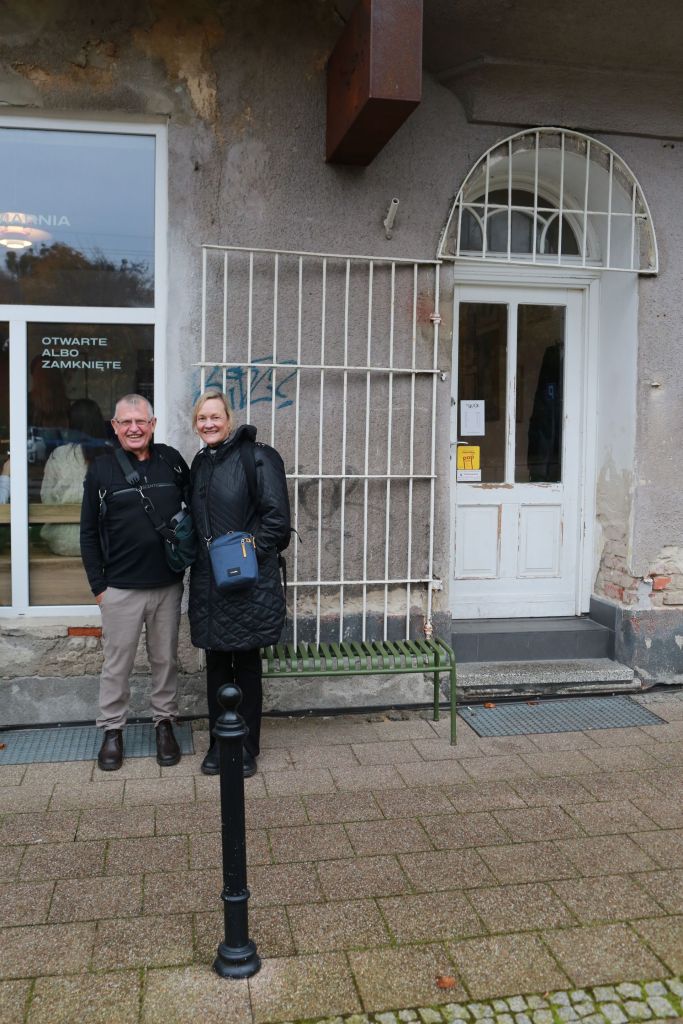
Two refugees from Kosovo, now living in Belgium, with two Australians from Toowoomba visiting the main square in Wroclaw

Gdynia and TaxiTour Guides

This is our last night in Gdansk – tomorrow we head to Wroclaw. The first time we were in Poland we tried to get a train to ‘Row-claw’ – the person at the station had absolutely no idea where that town was.  A decade later we found out Wroclaw is pronounced ‘Vrots- wov’. With my fluent Polish we  had no problem getting tickets this time.

Today we visited Gdynia, the most northerly of the 3 cities that make up this metropolis. It too has a port on the Baltic Sea (and freezing cold water I found out today!). From 1871 until 1945 Gdansk, Sopot and Gdynia were part of Germany or designated free cities. From 1945 onwards they have been Polish. Mr Stalin redrew most of the boundaries of Eastern Europe after the war – all German speakers were deported to East Germany, Polish speakers and Kasubians from other areas were all moved to what is now Poland.

And here in Gdansk, Gdynia and other ‘light on syllable’ Polish cities, we have derived the greatest insights through talking to our ‘tour guides’  baristas and uber drivers who are the fonts of all knowledge. Interestingly, uber drivers are simultaneously taxi drivers – its a case of take your pick – pay up front with Uber or, in exactly the same car, fall at the mercy of a taxi driver seeking to derive a maximum fare from unsuspecting Aussies. Today, a charming young mum Ubered us from Oliwa on the outskirts of Gdansk to her hometown of Gdynia. She reminded us that Mr Stalin’s borders still hold fast and have led to an endearing parochialism rarely found amongst the casual cynicism of Aussies. She rattled off a thousand reasons why Poland is such a great country in which to live. But, we suspect, like her Aussie counterparts, she wanted to ask, ‘Why Poland for such a long holiday?’

Perhaps it’s our choice because the beaten tourist path is far less visible, perhaps it’s for conversations with our barista at the Fat Duck cafe, perhaps it’s the simple joy of trying to photograph a local squirrel in a park rich with Autumn colours, or its the delight of a six dollar lunch in a student kitchen where you order by pointing, nodding and finger crossing and always, always return your tray and plates before departing. Perhaps it is the excitement of revisiting Wroclaw – more than a decade on and viewing thought the eyes of a parochial uber driver – or taxi driver for that matter: same same. And this time we should be able to pronounce ‘Wroclaw’..

F C-S
Bydgoszcz and Elbāg via Tczew

I have spent most of my life living in places with plenty of vowels in their names (Toowoomba, Mooloolaba, Mount Isa). The last two days we ventured from Gdańsk to Bydgoszcz and Elbāg, both times via Tczew with only 4 vowels between the lot of them!

Statue above a Vistula River tributary , the Brda, in the centre of Bydgoszcz celebrating Poland’s journey towards EU membership

Yesterday we travelled to Bydgoszcz, a rising star on the Polish landscape. Despite being defined by the number of hairdressers, beauticians and manicurists … It is also undergoing some serious building and refurbishment after being all but demolished in the second world war and neglected during the Warsaw Pact era.

Hungary and Poland both joined the EU in 2004. Both were offered the same financial incentive – clearance of all standing debts to the EU, or the grant of an equivalent amount of money. Hungary took the cash and was soon back in financial strife, Poland went debt free and their economy has continued to grow, so much so that it is now the world’s 20th largest – just behind Saudi Arabia. (I suspect I would have done a Hungary; just taken the cash and partied for a while, Linda would have gone debt free! Natalie however????)

Cities like Bydgoszcz did it tough in the early years of EU membership, but are now starting to boom. Granary Island in the centre of the city is a wonderful green space and the old mill and storage buildings have been turned into museums, art galleries, libraries and other public facilities.

We were struck by the bronze sculptures throughout the city, not only of the tight rope walker, but also a single rower suspended above the Vistula or the bronzed depiction of victims of WW2 … one cannot escape the impact of war, invasion and mass destruction. It would seem that Poland has been wedged historically  between the push and pull of its neighbours’ quest for territorial advantage and is now emerging with new found strength.

We visited Elblāg today, and although it is perhaps less advanced than Bydgoszcz down the urban renewal pathway, it still seems like a town advancing rapidly and tastefully rebuilding. It is quite close to the Kalingrad  border (about 80 km). There seemed to be few people out and about at lunchtime – perhaps they were at home preparing for the rumoured visit of Queen Mary later that day …

After a day of exploration what else to do but board the regional train back to Gdansk, taking in beautiful rural scenes as we hiccup slowly through towns desperately seeking their own vowels to broaden their visitorship … Gdansk Wrzeszcz, Slupsk, Pruszcz-Gdansk … Just to name drop a few. Rosewood once again comes up trumps with four vowels –  and Tallegalla the same. Small wins are still sweet wins for a boy from the outer suburbs of Ipswich (2 vowels only in Ipswich!).

Fcrly Cnzngtn-Smyth

A BEAUTIFUL lunch of pike-perch in Elblag

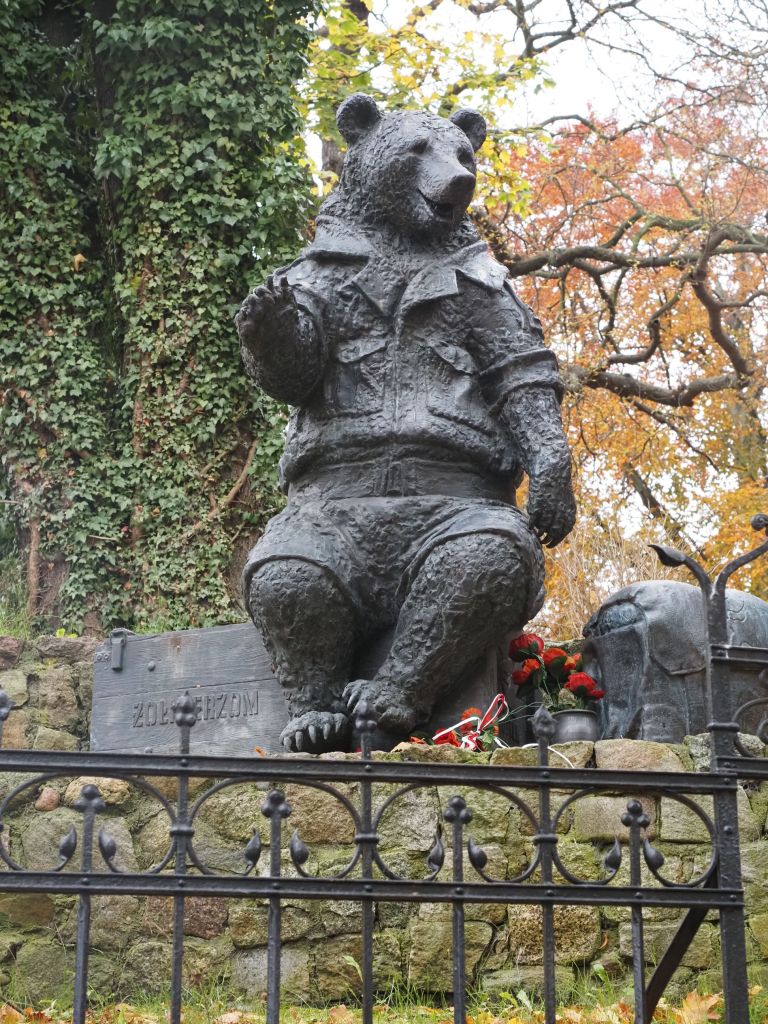
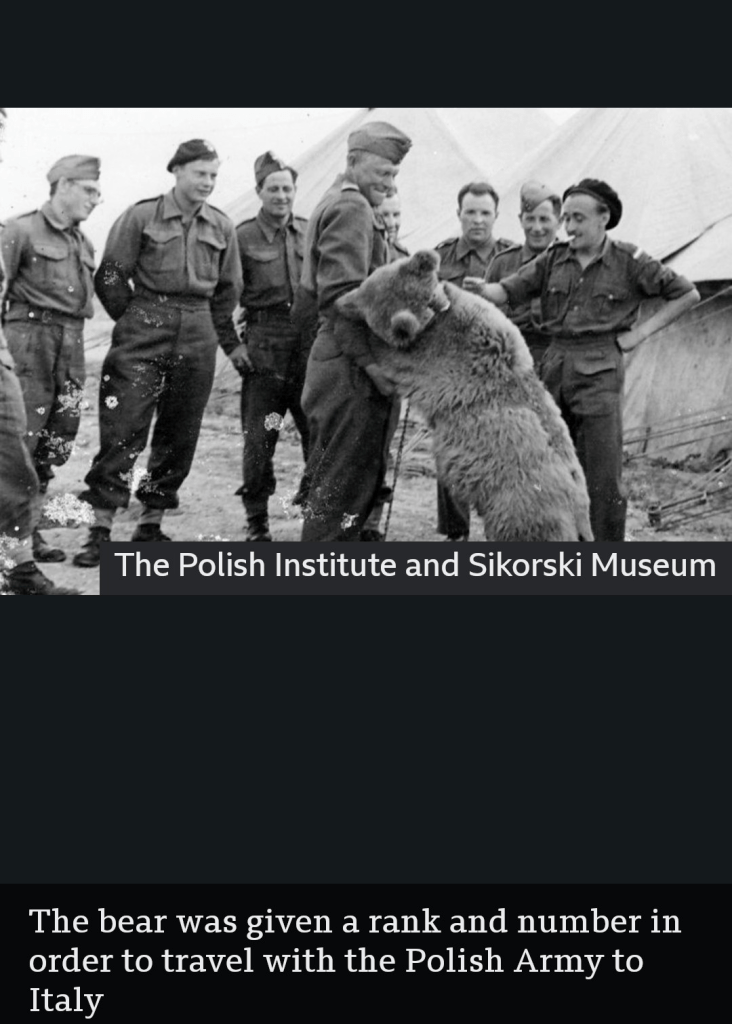
Corporal Wojtek of the Polish 2nd Corps

When the Soviet Union invaded Eastern Poland in 1939 all Polish POWs were either killed or sent to gulags throughout Russia.  Then, in 1941 when the Nazis invaded the Soviet Union, and as part of an agreement with the UK, Stalin agreed to release 120,000 Polish POWs to fight with the British.  These men were transported to the Middle East via Iran. It was in Iran that the famous Private Wojtek joined the Polish Army Corps.

Wojtek was not your typical foot soldier. He was, in fact,  a three-month-old brown bear cub. And, as only the vagaries of war can allow, he became a much-loved member of this unit. He would ride in the front seat of transports next to the driver, salute officers, stand guard, and carry heavy loads. He travelled with the Polish Second Corps as they fought with the British and Commonwealth troops in the Middle East and was part of their invasion of Italy. Heroic and stoic, he stayed close to the front line in the battles such as those for Monte Cassino and Bologna, and was appropriately promoted to corporal.

 After the war, when the Polish Corps was demobilised many men stayed in the UK and Wojtek retired to the Edinburgh Zoo. Those Poles who chose instead to return to Poland at war’s end had a plaque commemorating Corporal Wojtek erected outside a church on their return to Gdansk in 1946. Fittingly, a statue of him was commissioned in 2019 –  incongruously juxtaposed against souvenir shops and restaurants on the main promenade that leads to the Baltic sea – Sopot’s famous jetty and beach. It would seem that Wojtek still maintains the ability to command attention, especially in the most unlikely contexts

F C-S
And he’s not alone at that either. Rumour has it that Queen Mary, having missed our scheduled catch up in Copenhagen on Monday. has taken the fifty minute flight to Gdansk to surprise us. Sadly, we were not  in Gdansk, rather in Sopot, photographing Poland’s famous war veteran. Incongruous indeed.

Farquhar, you know how I feel about Royals, but you can’t win them all …

The Baltic Sea at Sopot (Russian territory is 150km away, but there don’t seem to be any drones…)

Father Franciszek Rogaczewski and All Saints’ Day

It would be almost impossible to miss the fact that you are in a staunchly Roman Catholic country when visiting Poland. On their last census, 75% of respondents said they are practicing Catholics – one of the highest rates in the Western world. Instead of a Starbucks on every corner in the Old Town, it would seem there’s a Catholic Church: St Mary’s,  St Bridget’s, St. Catherine’s, St John’s … yes, ‘Margie’s people’ are in abundance.

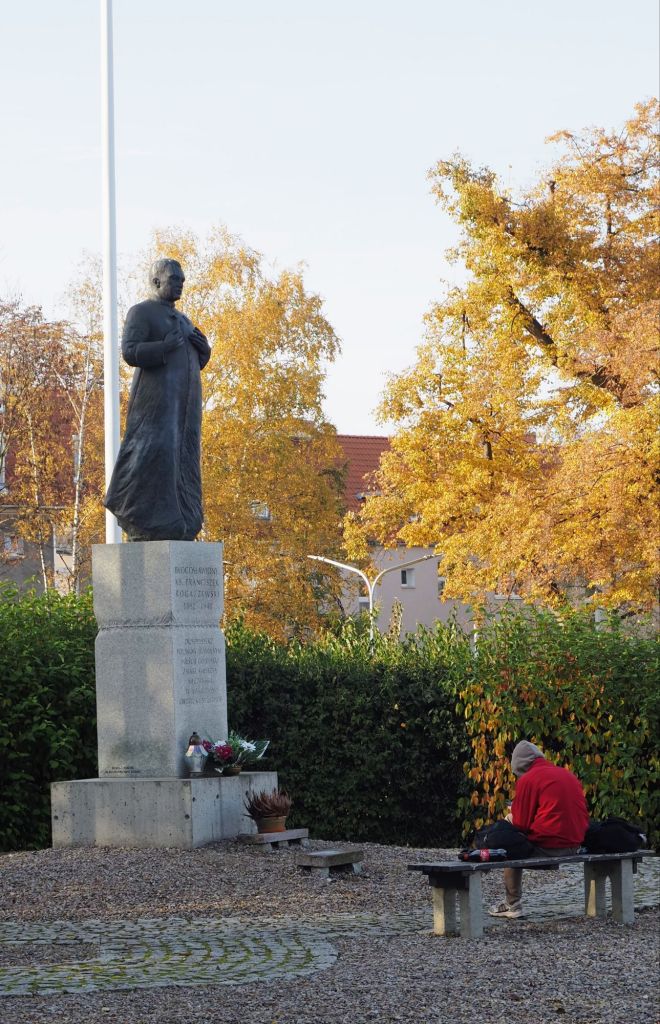
Two hundred metres from our accommodation there is a statue of Father Franciszek Rogaczewski that we pass each day on our way to coffee. Father Rogaczewski was the beloved local parish priest before the war.  In 1939 he was arrested by the Germans and sent to a concentration camp. There he continued to care for his fellow prisoners  until his death in 1940. He was beatified in 1999 by a fellow Pole – Pope John Paul the Second. In his church today there was a special mass for him as there has been on every All Saints’ Day since the end of the war. This All Saints’ Day was also memorable for us, as we were able witness a touching Polish tradition first hand.

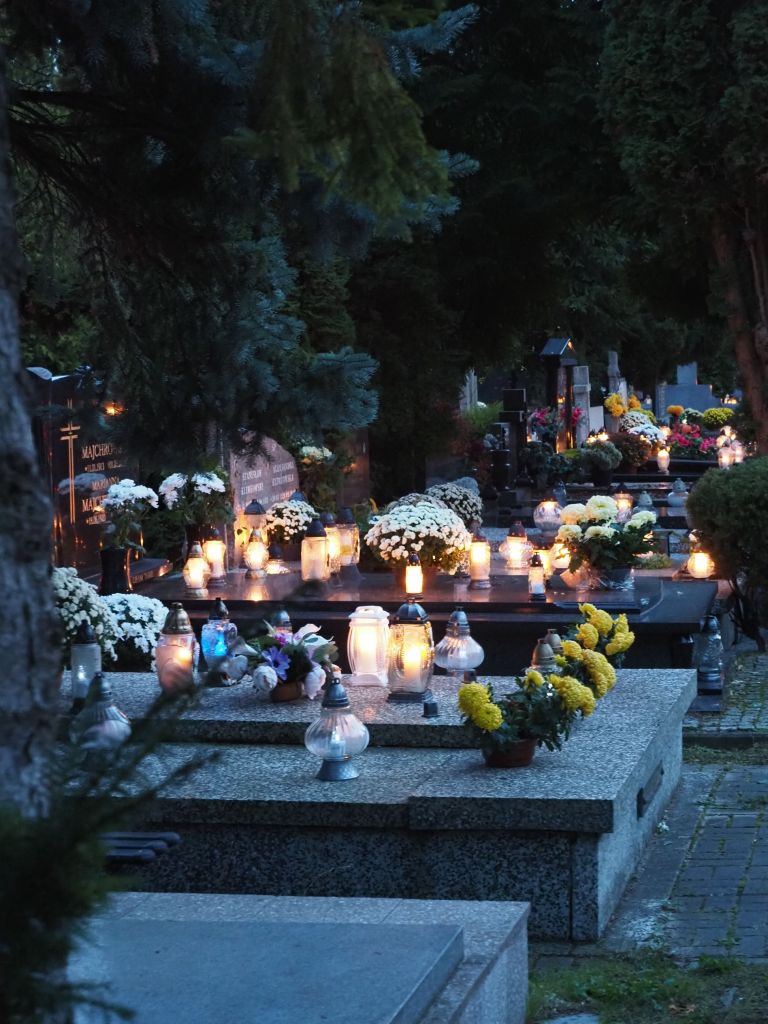
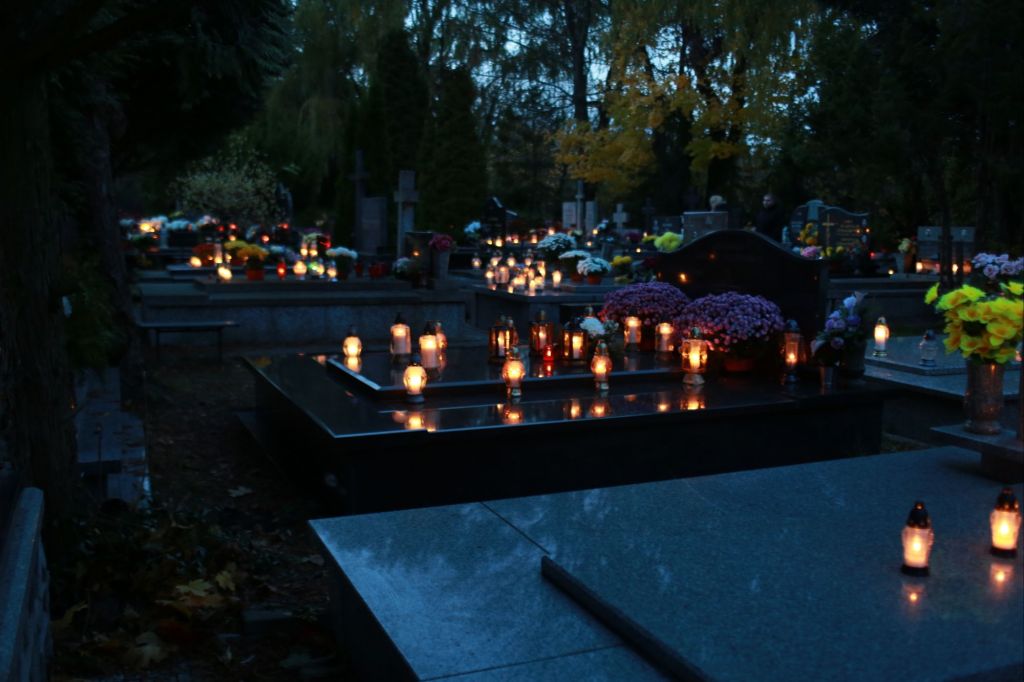
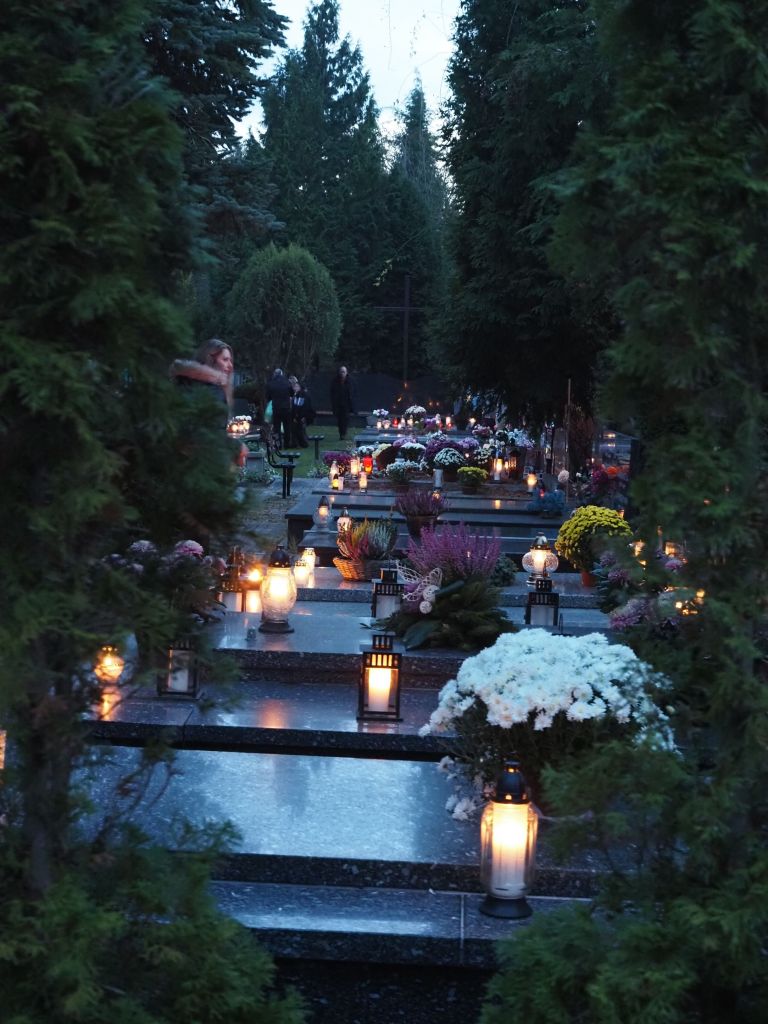
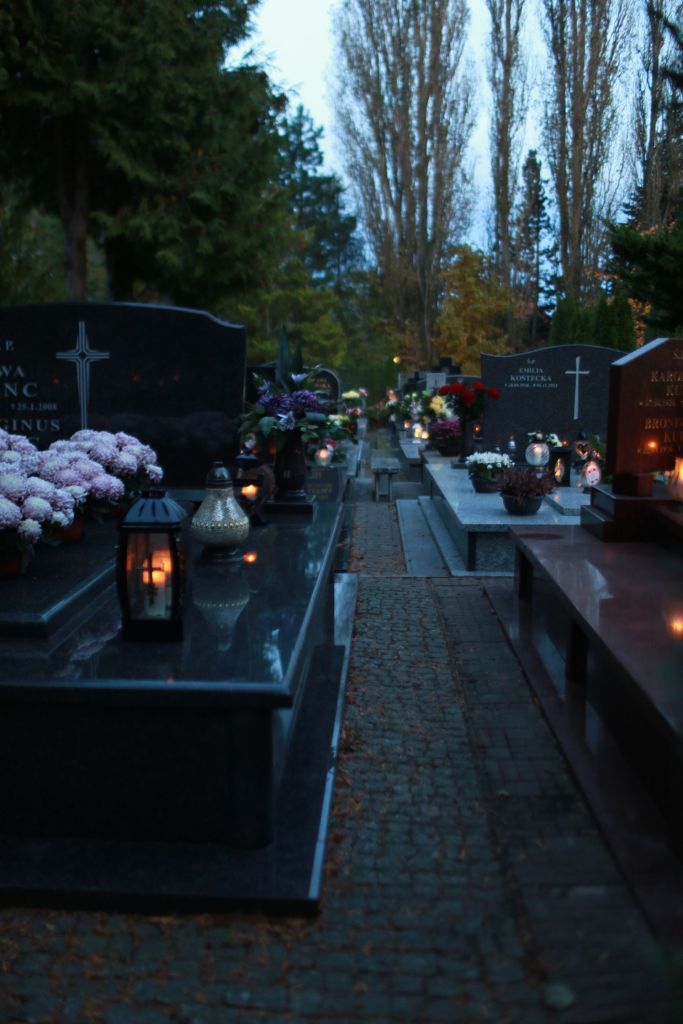
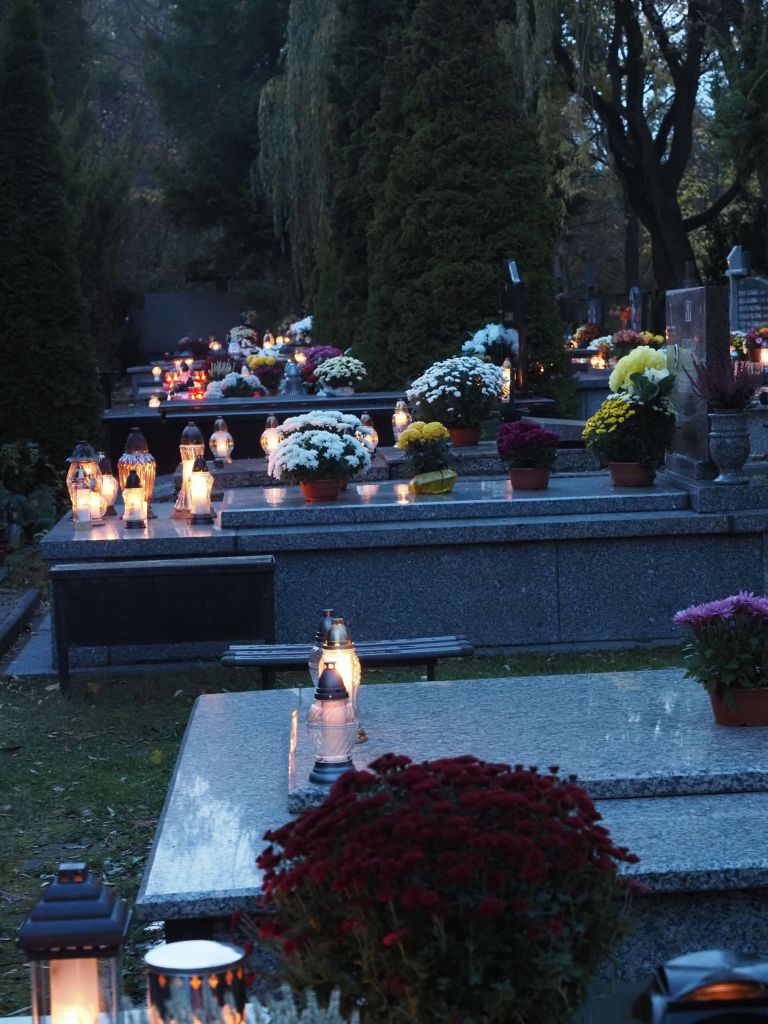
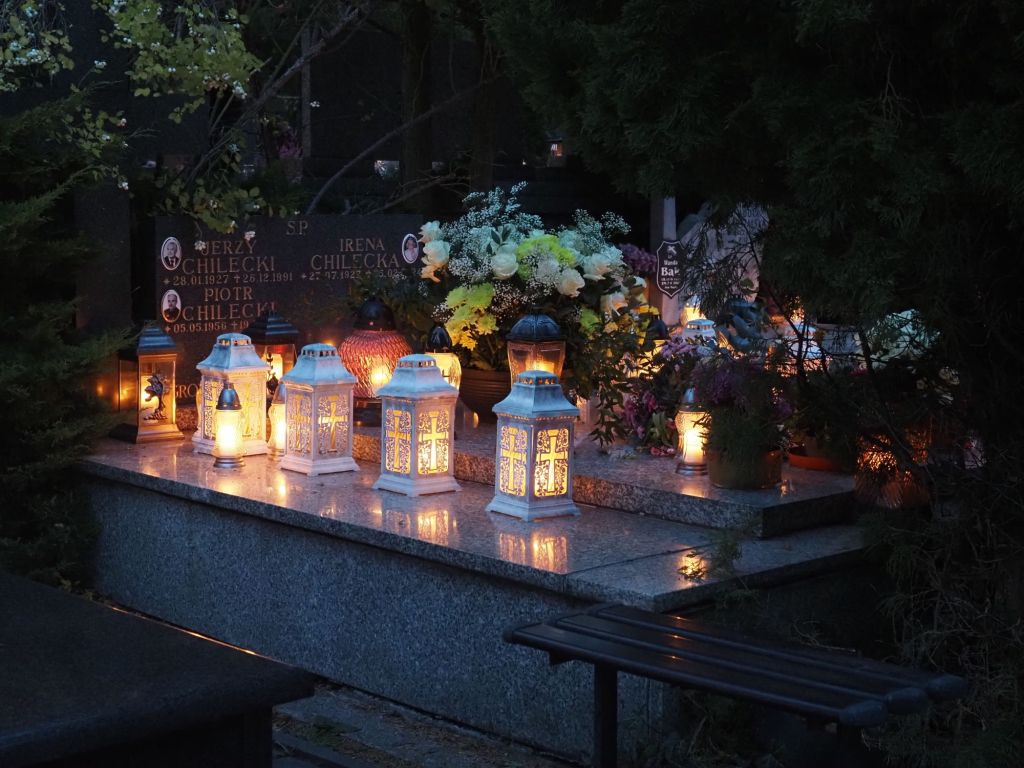
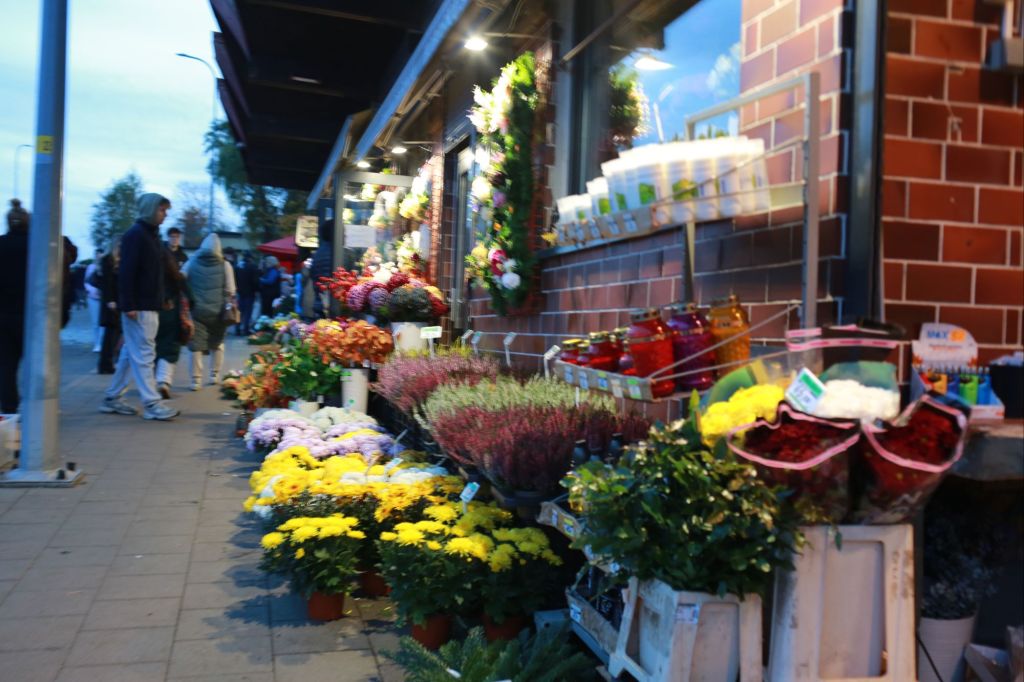
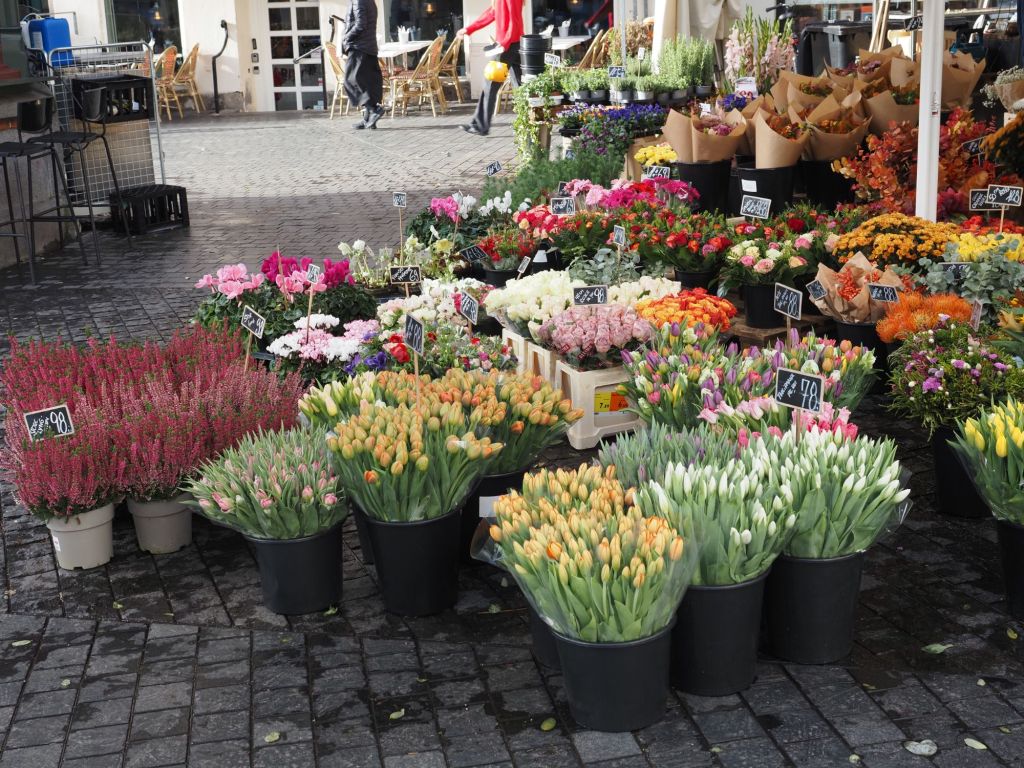
At dusk we took a taxi to Gdansk’s largest cemetery – Cmentarz Lostowicki. There, thousands of locals had gathered to light candles, place flowers and pray at the graves of family members or friends.  Some were weeping, some were laughing, – all were respectful. It was an incredibly touching scene and a deeply moving way of remembering and commemorating those who had passed. I don’t know if this same tradition is practiced by some in Australia, but the mere scale of the crowds making that pilgrimage in Gdansk today made it special for these two travellers. There were stalls upon stalls of flowers and candles for sale – from our observation every grave bore at least one bunch of flowers and one candle for remembrance.

It is said that the principal of the Sister Mary McKillop School in Toowoomba tells a story of a phone call made before the school was opened. The caller demanded to speak to Mary (of the McKillop variety), with urgency as she wanted to enrol her kids at the school. The caller was told that she is perhaps a little late, as Sister Mary was about to be beatified in Rome. ‘Never mind,’ the woman replied, ‘Just get her to call me when she gets back.’

I suspect that caller had not had a long association with the Catholic Church, although that may now have changed. However I do think that she might have developed an even deeper appreciation of Catholicism had she been given the opportunity to visit a Gdansk cemetery at dusk on All Saints’ Day

F C-S

Father Franciszek Rogaczewski’s statue

Places for silence

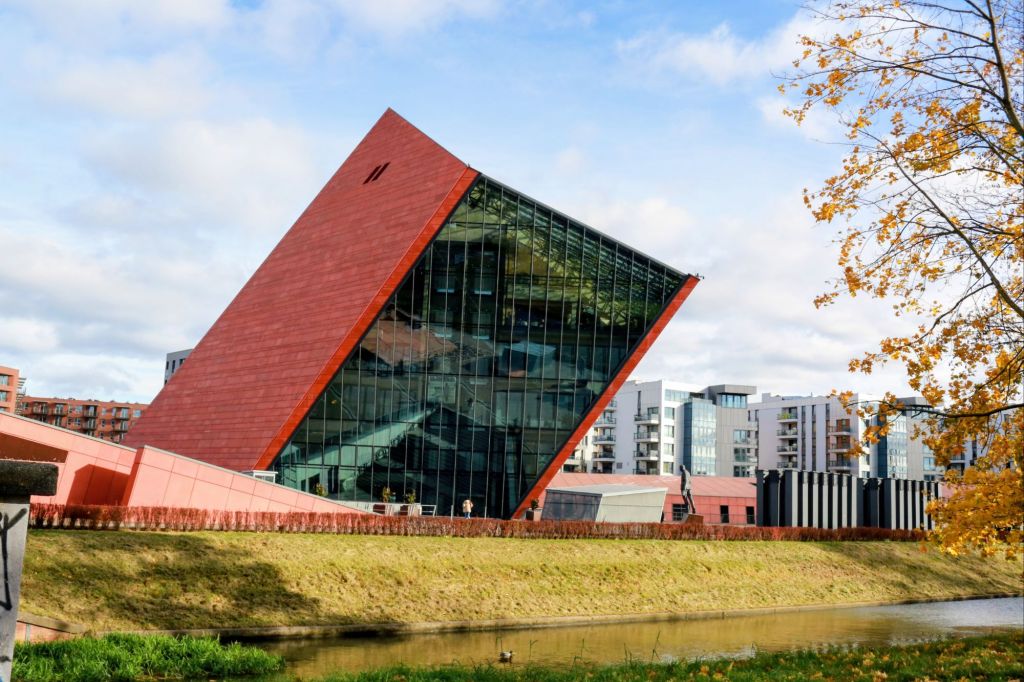
There are places that you visit when travelling that inspire you to silence, the Museum of the Second World War in Gdansk is one such site.

The main post office in Gdansk is considered to be the site where the first shots of the European combatants  in WW2 were fired when German forces attacked the building defended by 52 Polish posties. The museum is about 400 metres from that site, and its 18 rooms cover the period from the rise of Totalitarianism in the 30’s until the fall of the Berlin Wall in 1989. Without doubt it is one of the best and most moving exhibitions we’ve had the privilege of seeing.

Poland in the 30’s was caught between two states that had secretly signed a pact dividing the nation between them – Nazi Germany and the Soviet Union. Germany invaded from the West on the 1st of September, the Soviet invaded Poland from the East on the 17th. In the next six years approximately six million Poles would be killed – almost 20% of Poland’s pre-war population. In this war, no other country would suffer such a percentage of casualties – especially terrible because the vast majority of those killed were not combatants but civilians.

Tomorrow is a public holiday in Poland; All Saint’s day. It is a day when candles are lit and flowers are laid on the graves of family and friends. On many streets there are flower sellers, there are candles for sale in shop after shop throughout the city centre. It is a day of commemoration and reflection throughout Poland.

Yes, sometimes travel demands silence, reflection and a deep appreciation of a country’s history. We are, after all, just visitors. Lest we forget.