There was once a time when I quite liked cork.


There was once a time when I quite liked cork.
Christmas in Portugal has been a treat. All of us have been able to catch up with kith and kin thanks to the miracle of Whatsapp or global roaming. Nat spent the morning at her school in Melbourne cooking and serving lunch for her students and their families, most of whom are in fairly desperate circumstances. She soon heads off to Columbia to demonstrate her navigation skills to the local populace. Mitch and Grace are in The Land With no Christmas, but have been provided a magnificent lunch by their Iranian host in the house where they are staying on the Caspian Sea. The four of us are having a very Iberian Christmas.
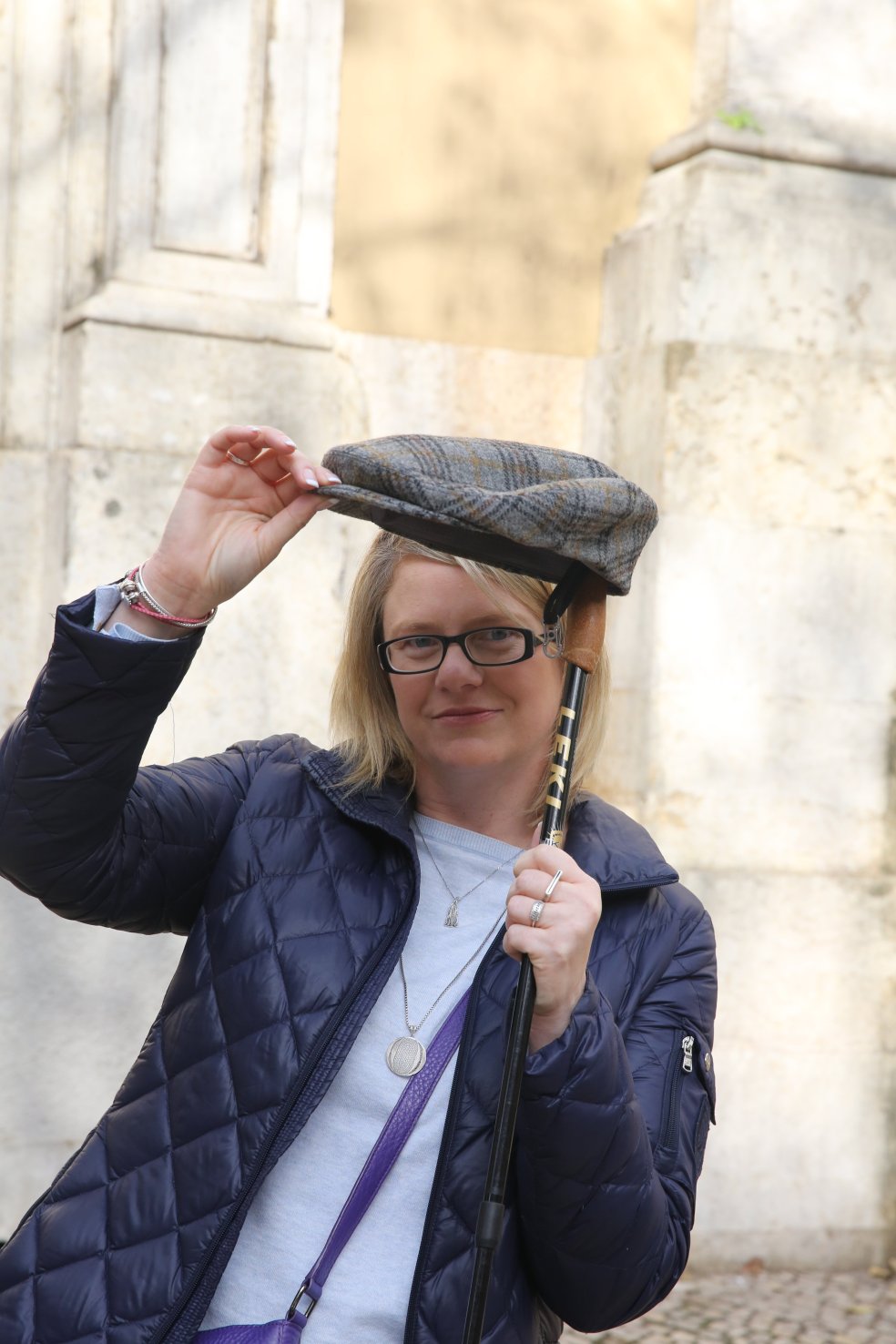
What else to start a Portuguese Christmas day but tea and natas, followed by gifts? My children, you know how much my wardrobe is desperately in need of another hat and fortunately your mother was aware of that. Coffee followed at our local cafe made by a very homesick Tilly from the UK. Then it was to mass on the stroll home.
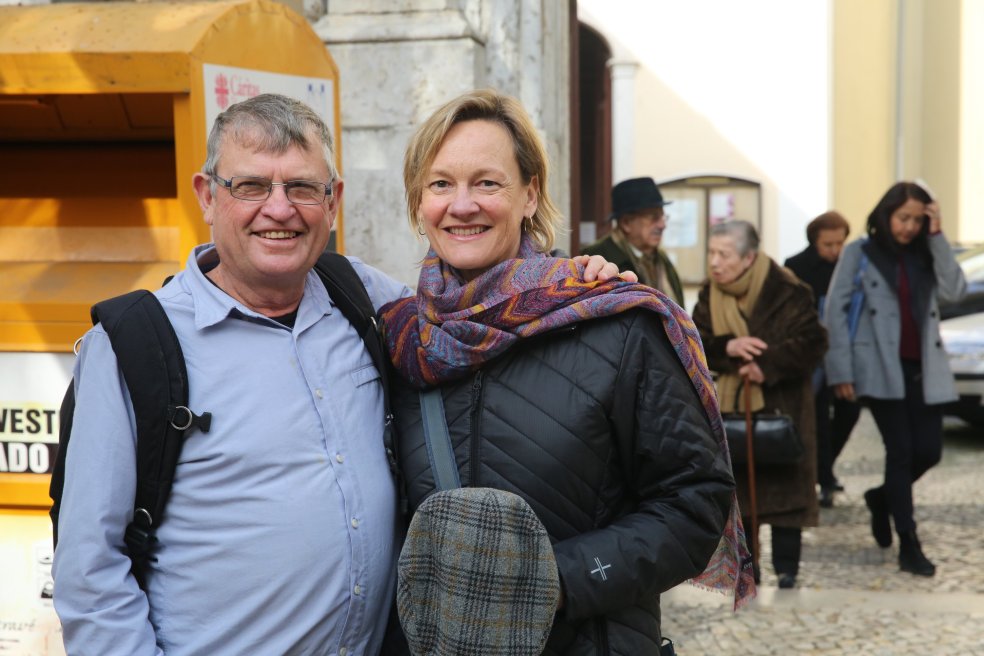
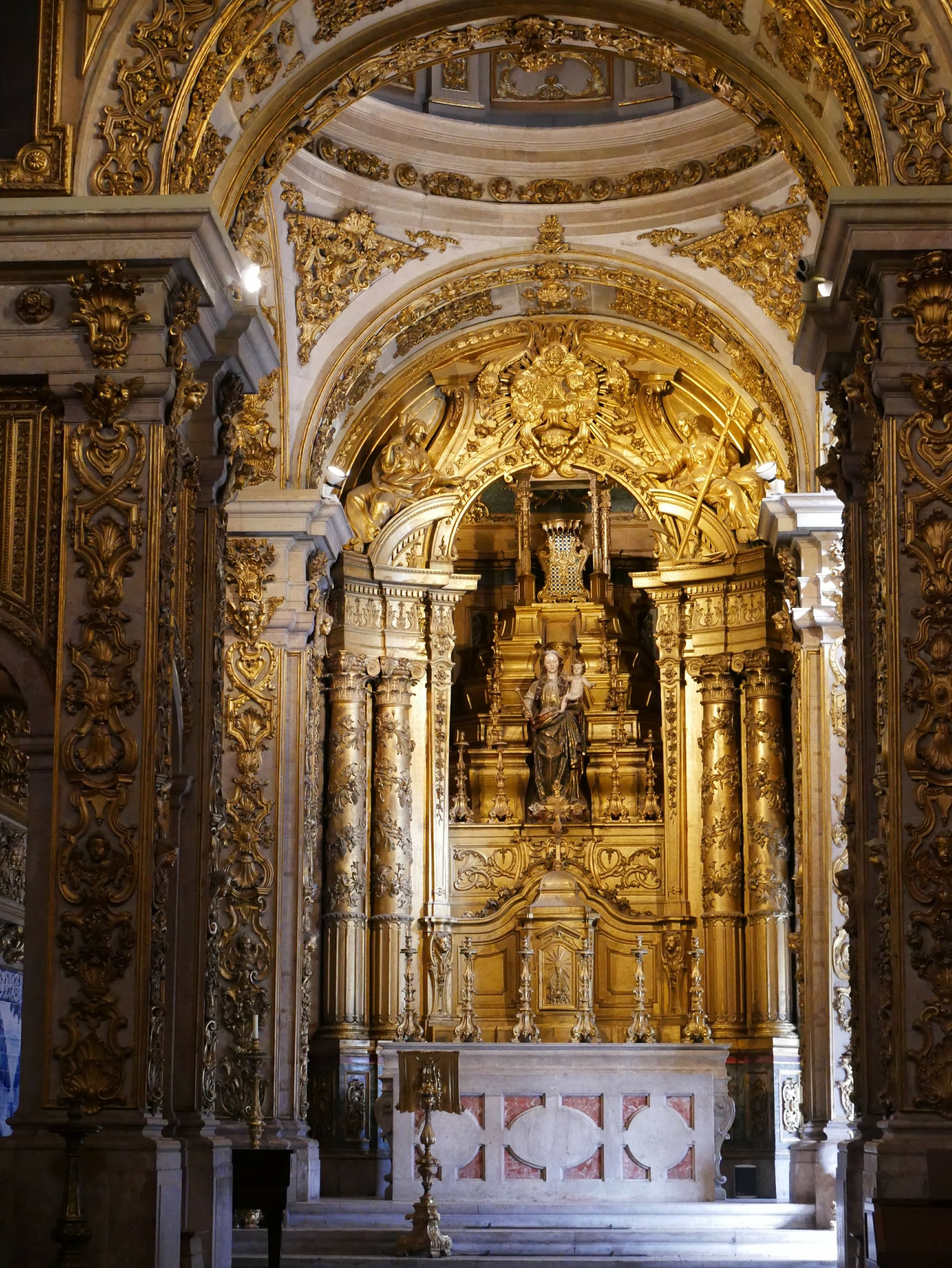
Catholic mass in Portugal is not for asthmatics, such were the clouds of incense. An acquaintance of ours, a disgraced Gatton altar boy, would be more more familiar than I with the ceremonies of Margie’s people – the service itself was interesting, although I didn’t think much of the sermon. The acoustics were amazing and I was also amazed at the age of the congregation. Obviously a seafood diet promotes longevity, stooping and the wearing of fur, however sometimes it does bring comfort to feel that you may in fact be one of the youngsters.
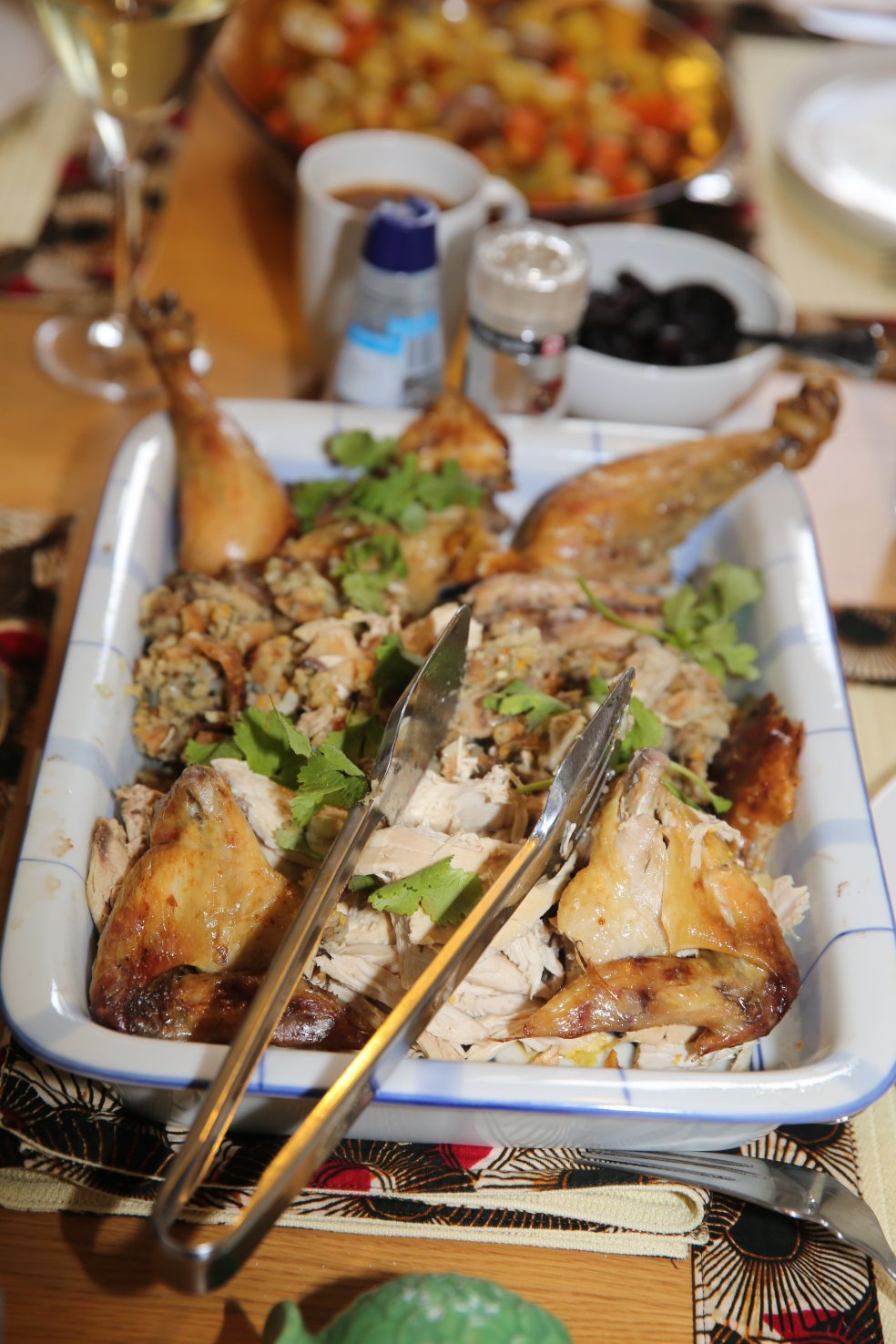
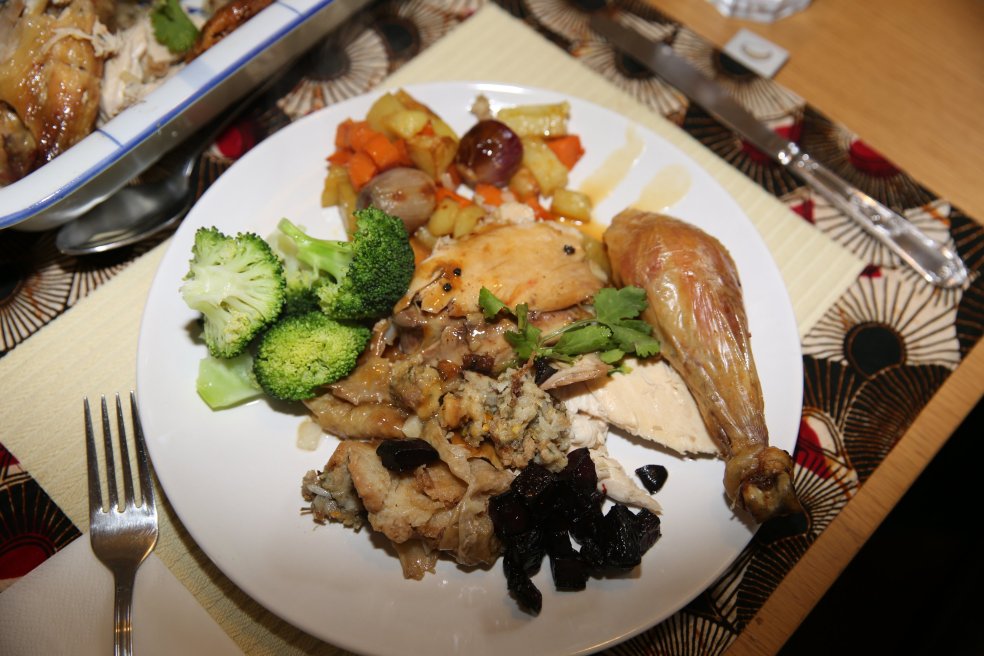
Our Christmas meal will be a chicken chosen for us by St Celeste the Ageless at the local market, veges from surrounding farms, Portuguese wine and cheeses with a berry crumble dessert. Travel is difficult my friends, so as my Christmas gift to my vast audience of six readers Dr Cunnington-Smythe and I intend to continue putting ourselves through such hardships so that you may experiece these things vicariously in the comfort of an Australian summer, such is my magnanimity. Somebody has to I guess, so it may as well continue to be me.
Merry Christmas to you all
Farley and Lady C-S
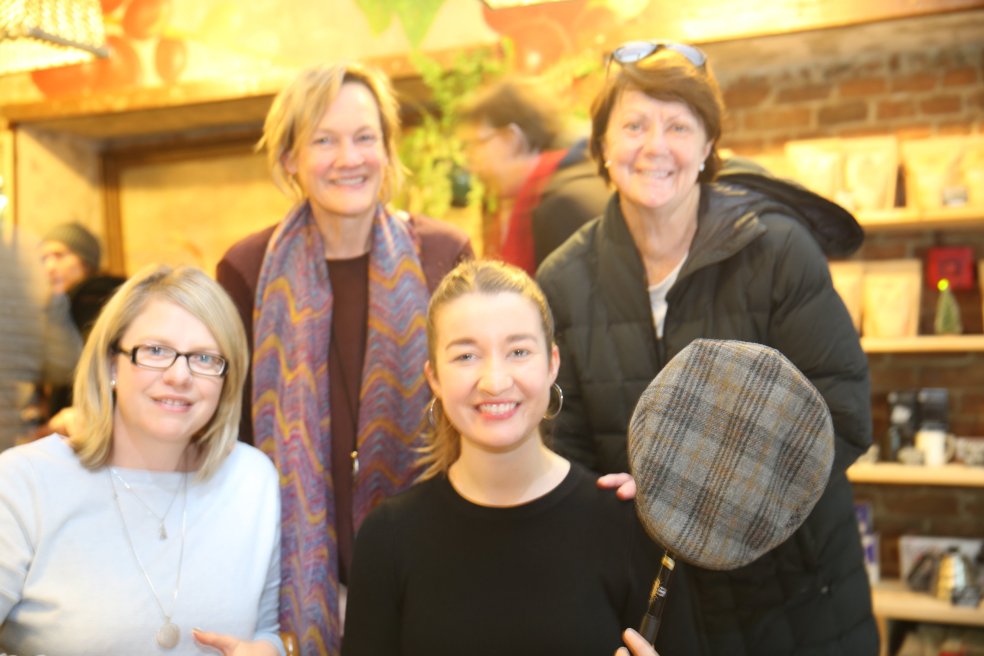
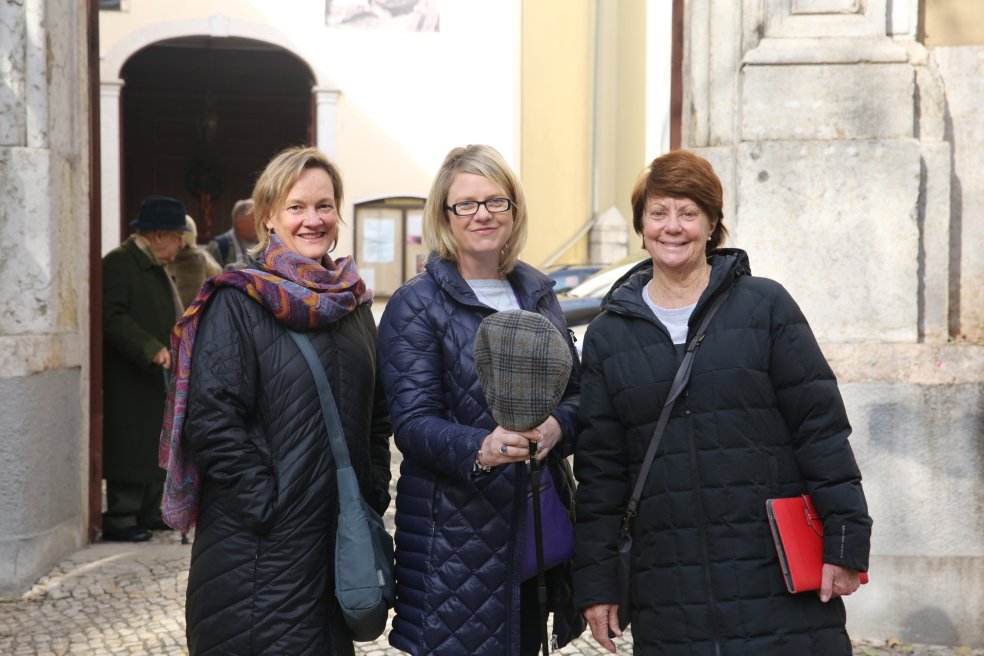


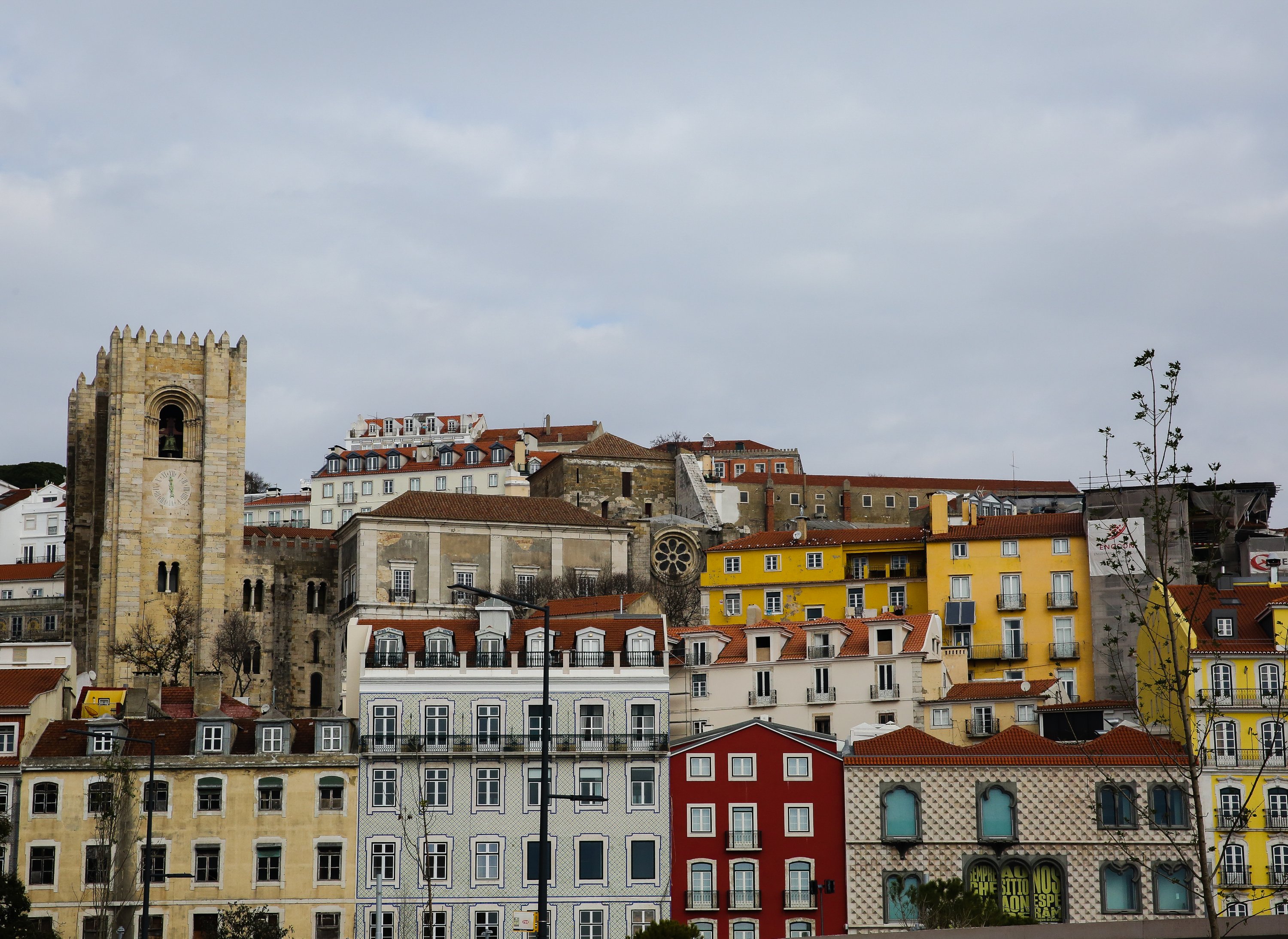
Today was a day to get the last of our Christmas shopping done. Despite being a predominately Roman Catholic country Christmas seems a little more low key than in Australia. Again the emphasis seems to be more about people than stuff, more about family than feasting. The Christian population of Lisbon has not always been able to celebrate however.
The tower in the photo above is actually part of the Lisbon Cathedral that we visited today. It was designed as a fortress, a refuge for locals when an attack by Islamic Moors was imminent. The doors are massive steel numbers and the aisles were built wide enough for cavalry. The first Bishop in the 12th century had ‘English Knight and Holy Land Crusader’ on his CV. The building survived the 1755 earthquake, only to be swamped minutes later by the consequent tsunami. At least the tsunami put out some of the raging fires.
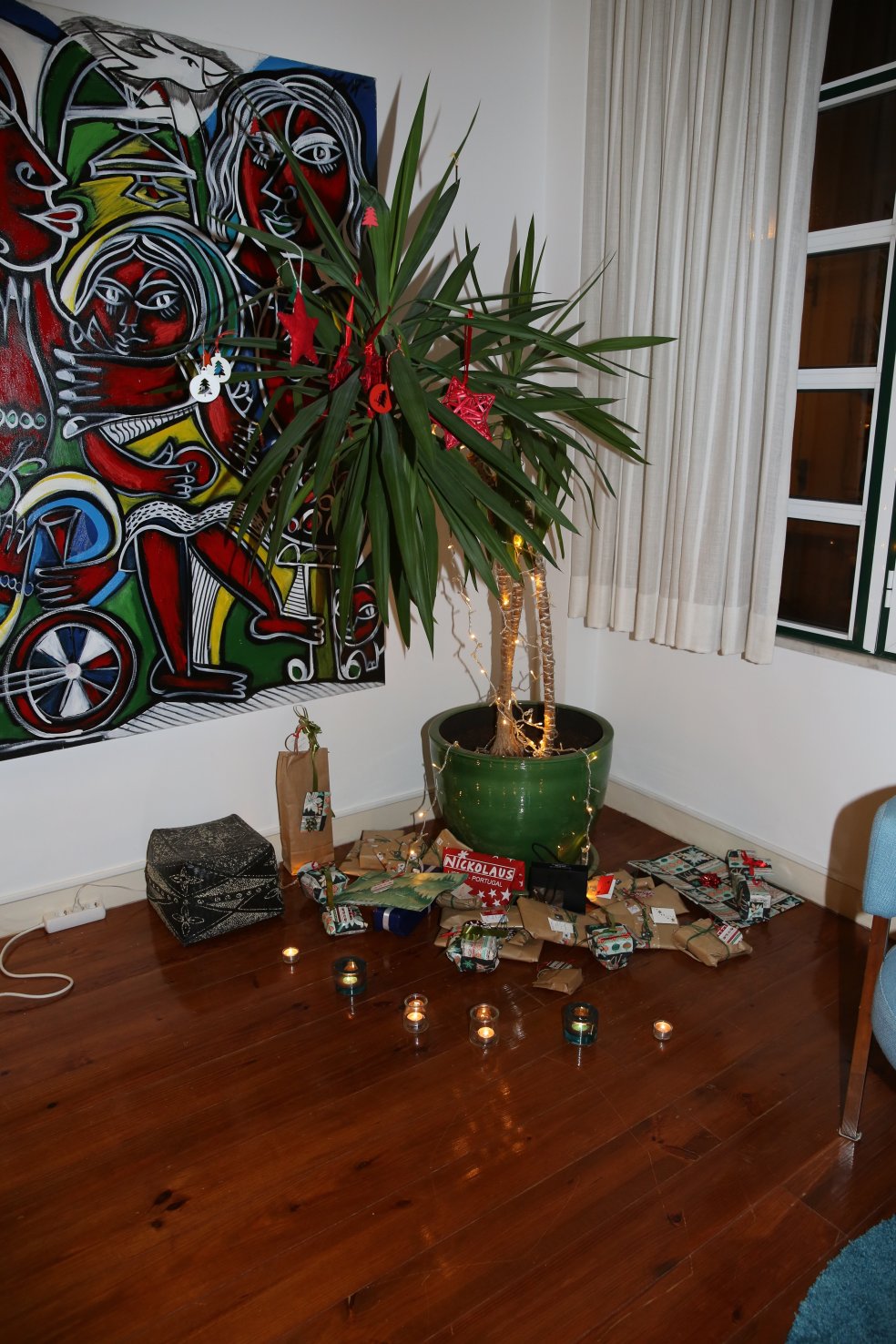
The meal tomorrow? We bought a chicken at the local market from an old lady called Celeste – she survived the Moorish invasions and the earthquake and has been selling chooks for 987 years at Mercardo Arriois. Part of our meal came from a more recent invader – a Spanish supermarket chain. Linda has baked a cake, Catrina has decorated the Christmas pot-plant (a step up from the Christmas Chair of previous Yuletide celebrations) and Maryanne is making sure we have enough to drink.
I’d best let you all go, I have presents to wrap and place under the pot-plant
F C-S
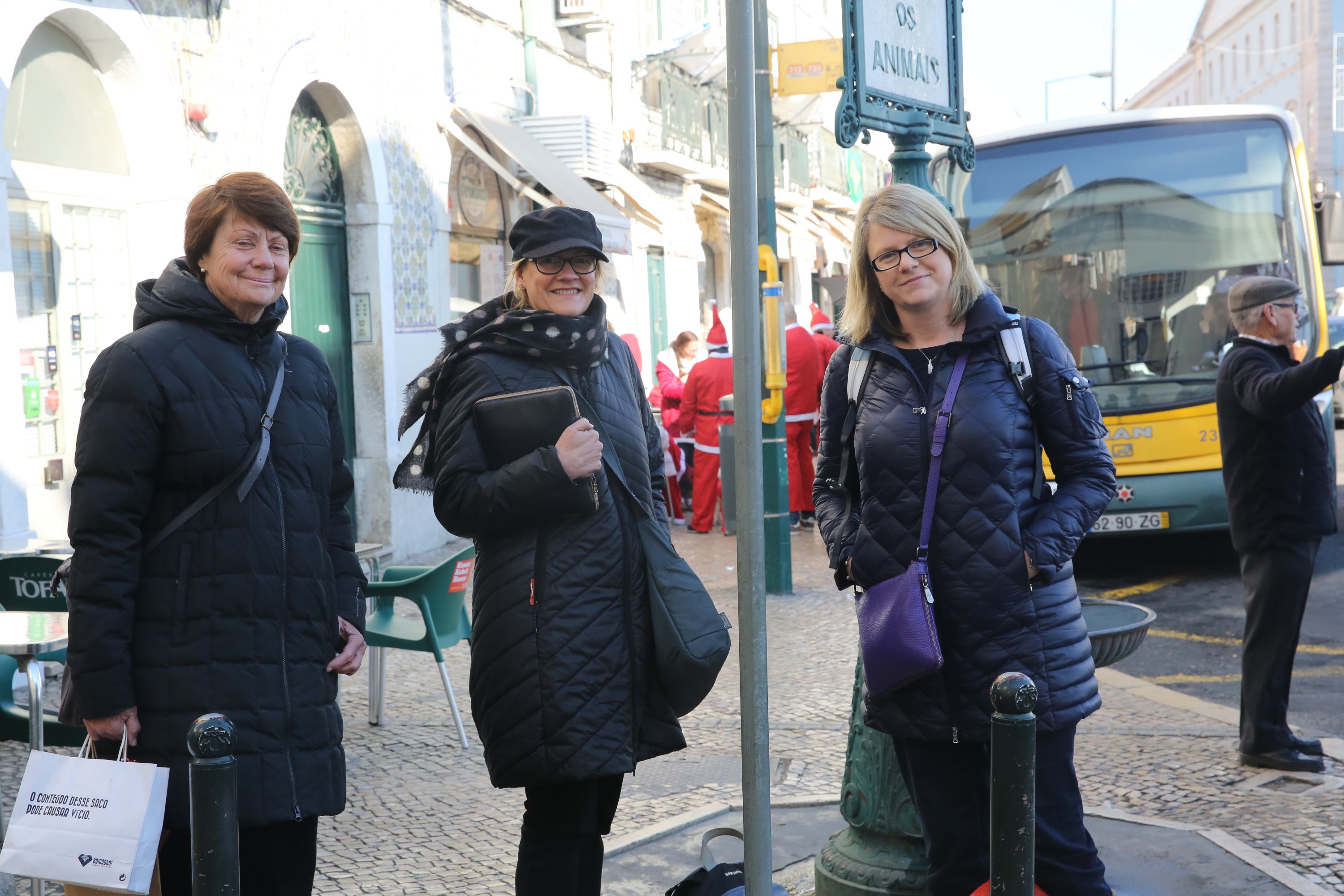
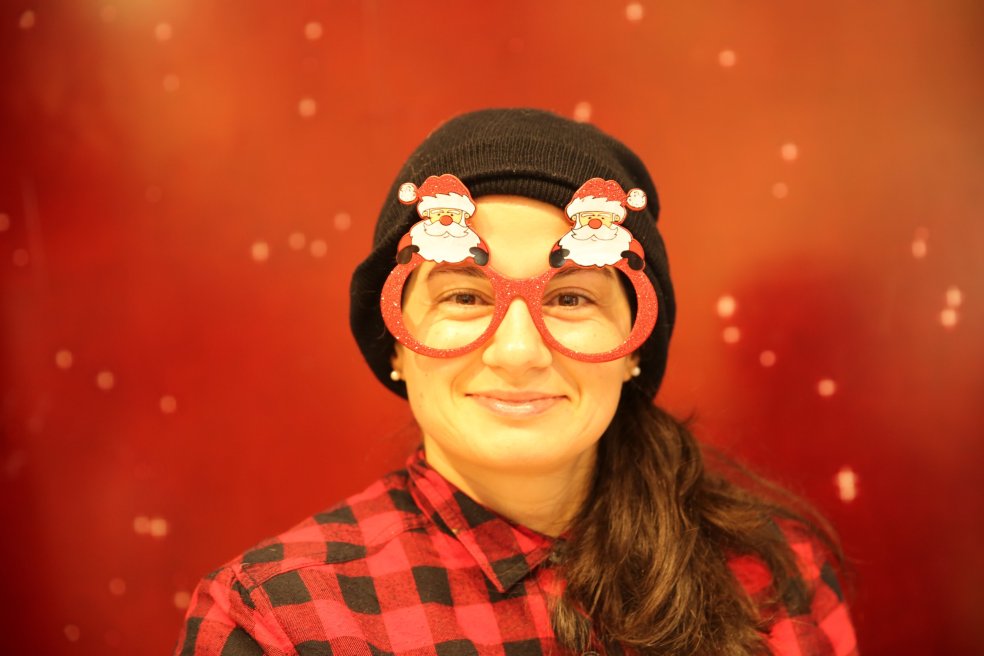

Scary Santa


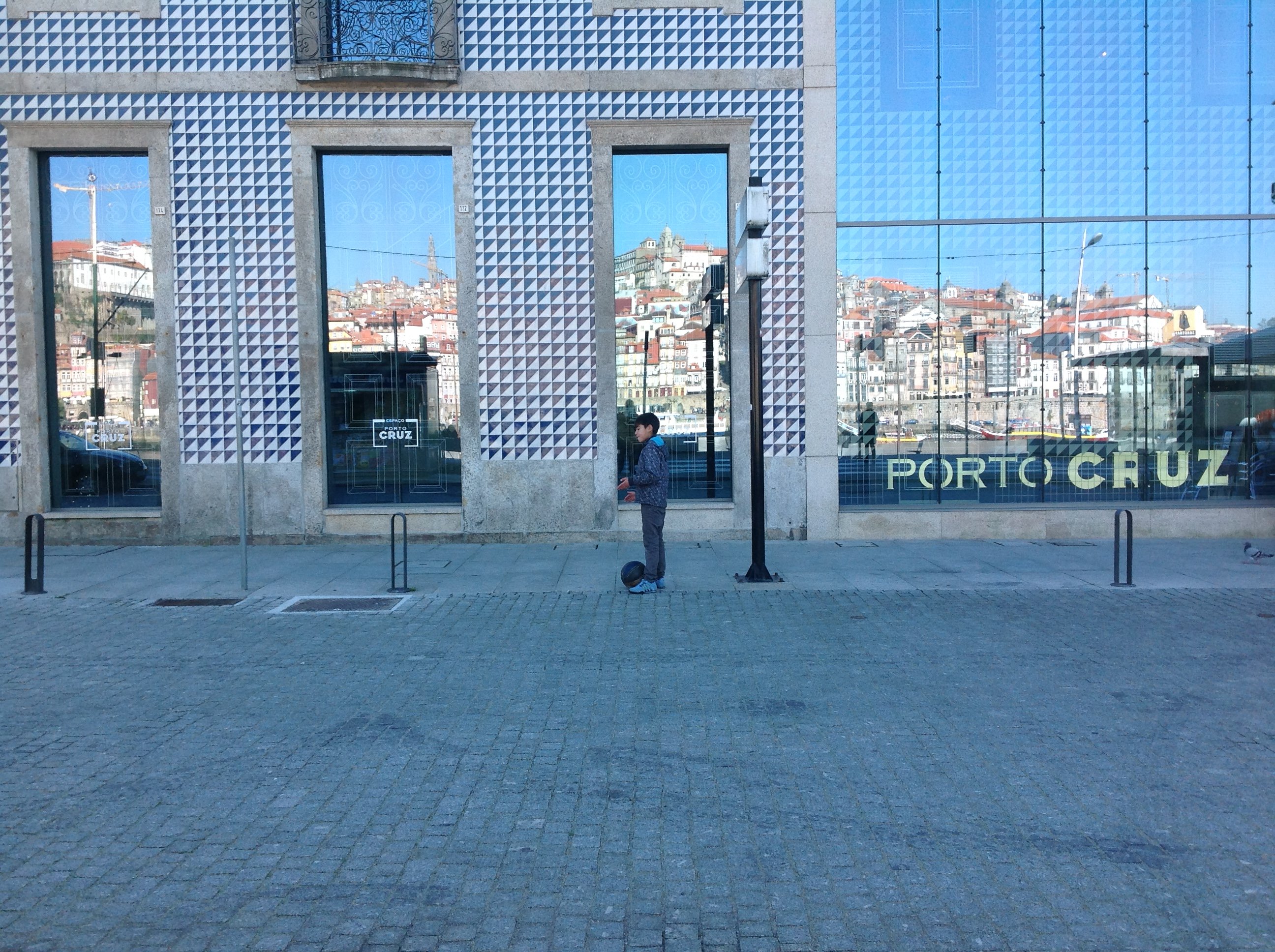
We spent today wandering and wondering on both sides of the Duoro River. What has struck us throughout our travels has been the friendliness and helpfulness of the locals. For example when Maryanne required a trip to the doctor for medication the owner of our apartment didn’t just advise, he took time off work and accompanied Linda and Maryanne as an interpreter. This type of hospitality has been repeated in different ways over and over again. No wonder Portugal is shooting up the ranks as a travel destination.
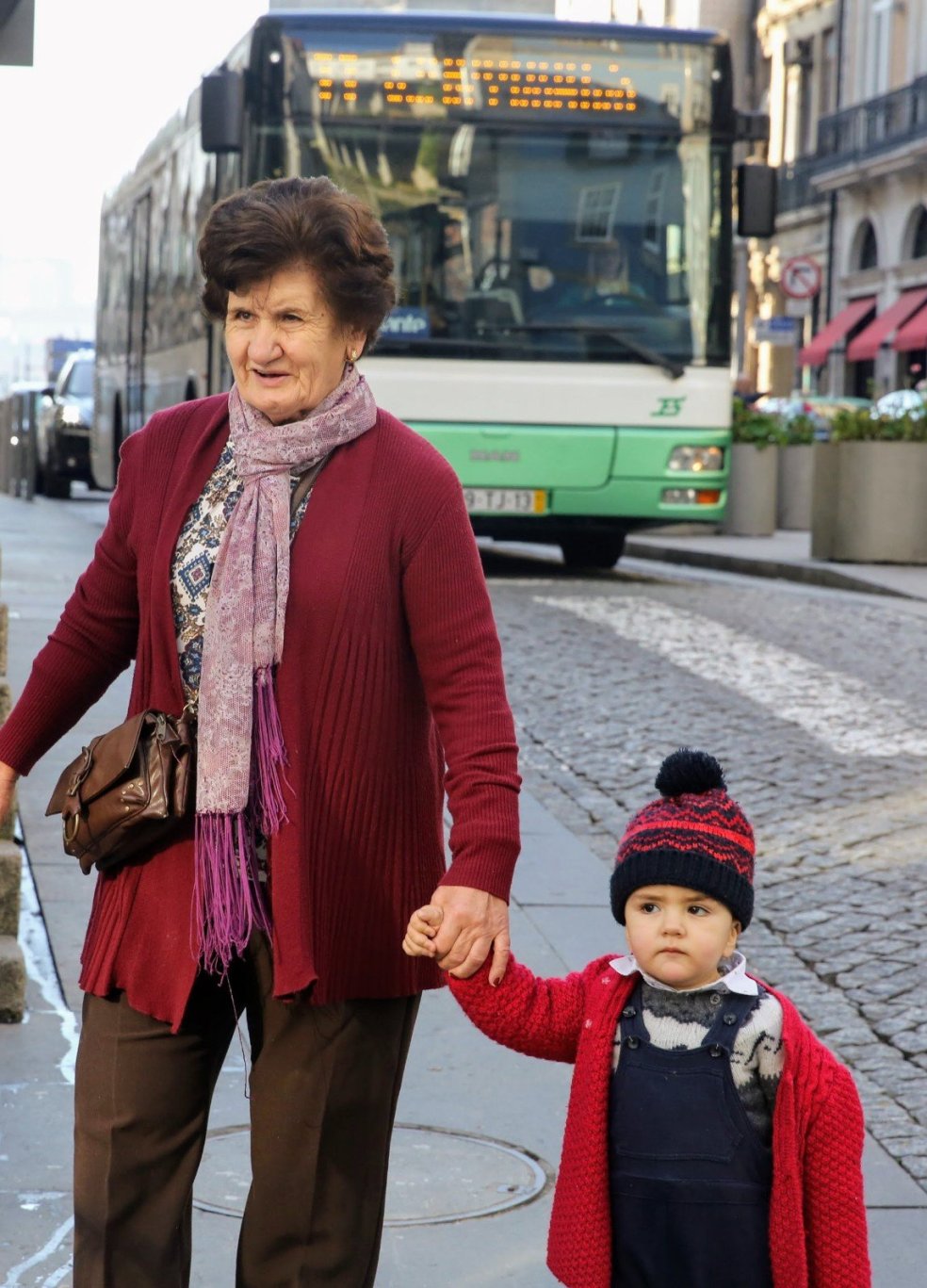
This has only been a fairly recent thing however, it was always the poor man of Western Europe and rarely on a travel destination essentials list. Many older people are very small in stature because of the poverty and malnutrition of their childhoods. Doctors still only earn €3000 per month before tax so there has been a diaspora of the educated seeking fortunes elsewhere, (but then again the Portuguese young’ns once headed to the colonies – in particular to Brazil, Angola, and Mozambique to start a new life, only now it is France and Germany). Growth has brought its own challenges.
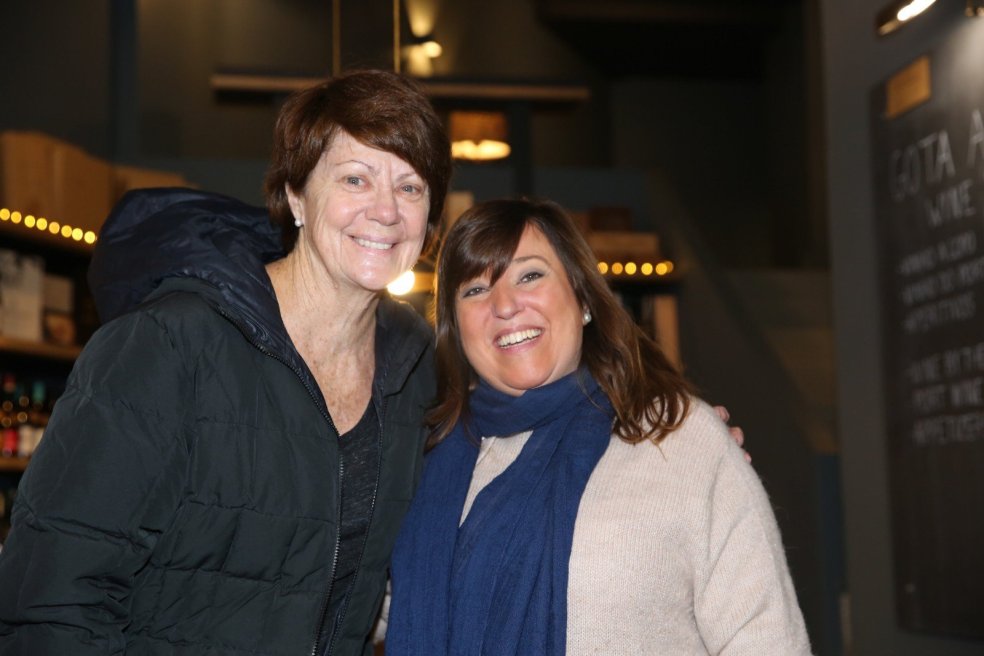
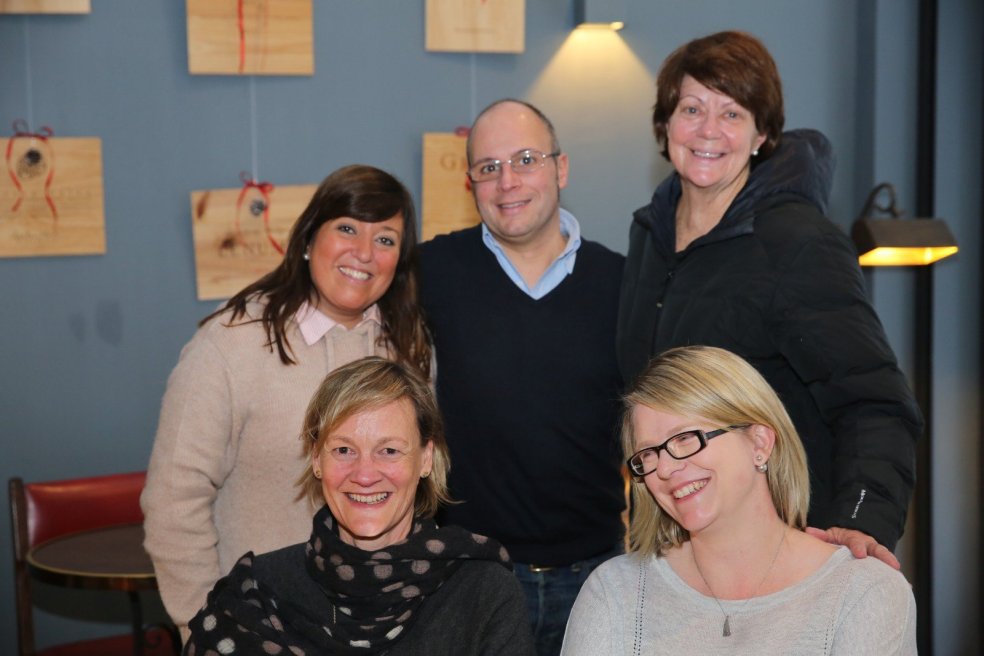
Portugal is a family country, it seems people by choice won’t move far from home, even moving to a new neighbourhood appears adventurous for some. We went to a wonderful wine bar this evening. Later as we were talking to the young owner and his wife – he told us he lived most of his life two floors up in the same building his bar is located. His parents still live there but now he lives 10 minutes away. The growth in tourism and the consequent increases in rent is putting pressure on the yearning to stay in your neighbourhood for life.
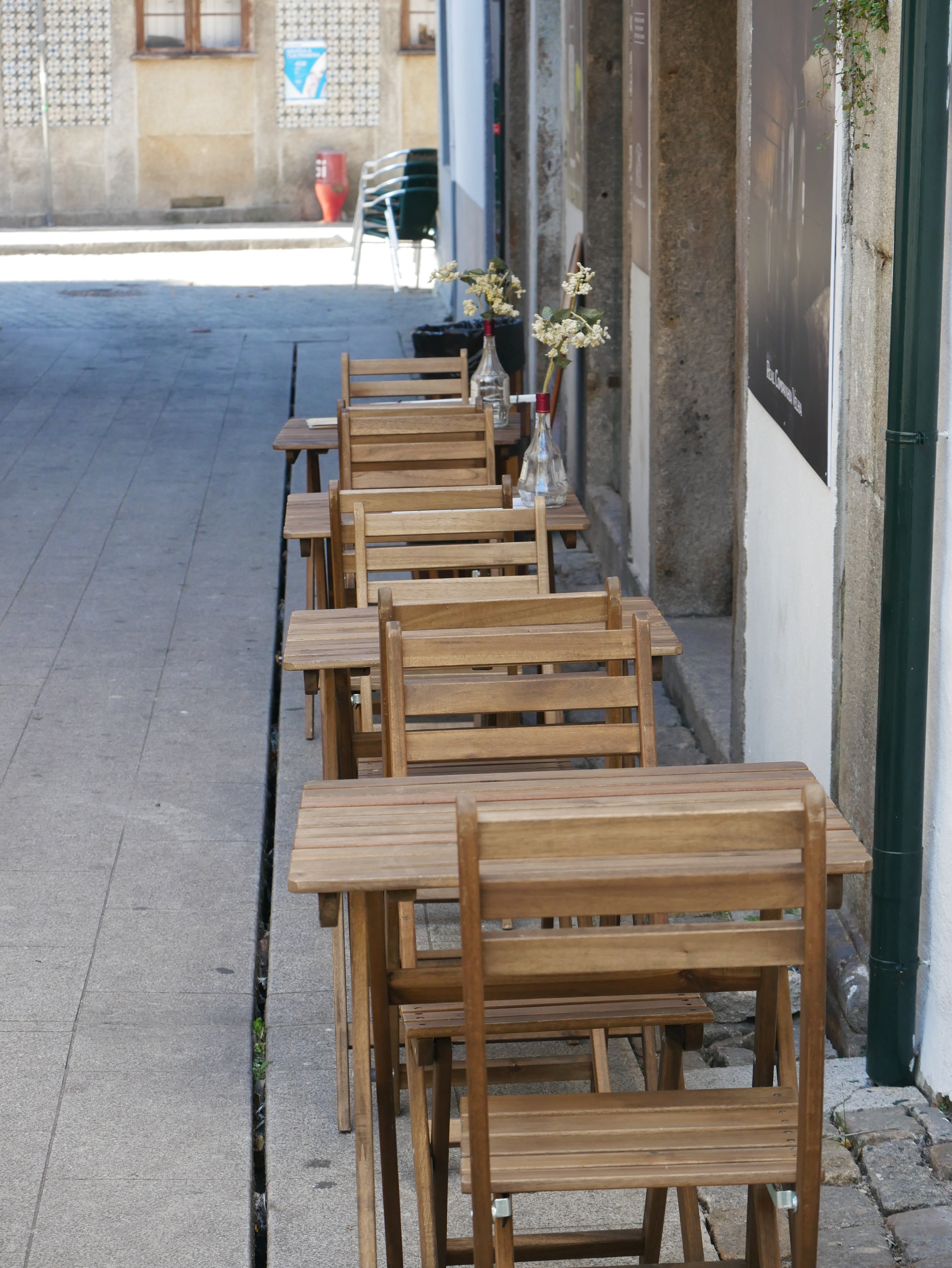
There seem to be no giant supermarkets, instead each neighborhood still seems to have oodles of small businesses, fruit shops, butchers, bakers, candlestick makers. There are small cafes in almost every major street where people meet for coffee, beer or wine after work. There are small bakeries everywhere. Sadly this might change here, just as it has been lost to us in Australia.
It seems incongruous that a people so attached to place became the great explorers of Europe, that a people so attached to home exported millions of its young people to the rest of the world. We will just enjoy wandering and wondering, enjoying those that have stayed home and have been so welcoming. None of us ever expected to travel at all as children, perhaps to London at a pinch. How fortunate we have been to have spent time here as the guests of these Portuguese in their own cities, cities of which they are so proud.
Farley of Porto







My father, Ted, had the worst internal compass of any person I’ve met or even heard about. Our annual excursions to the Brisbane Ekka were legendary. Every year we would set out early in the morning from Rosewood, get close to the showgrounds without actually finding the parking area, head back to Sherwood RSL then catch a train to the Ekka and back from Sherwood. I can’t remember him actually finding the Brisbane show grounds in a car.
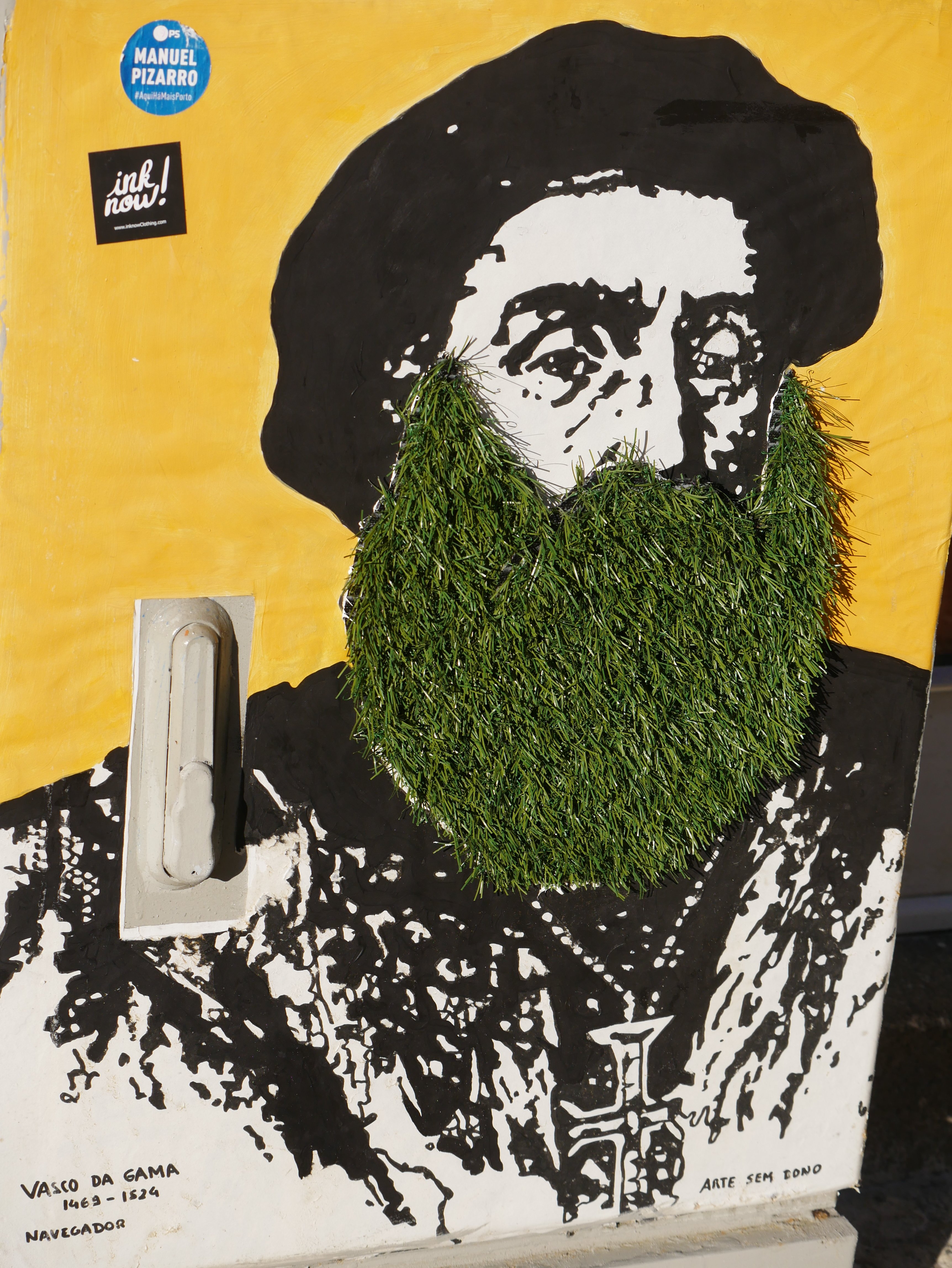
The Portuguese, by contrast, were renown navigators by the 15th century.
Christopher Columbus became the last person credited with finding the Americas- he was beaten by Inuits, Indians from North, South and Central Americas, and lots of Vikings. He was also beaten by Portuguese cod fishermen who headed off every year to the rich grounds off the east coast of America, dried and salted their fish ashore then headed back to make a fortune from each journey. They were doing this for at least 200 years before Chris set out, but wisely kept their mouths shut.
Prince Henry of Portugal recognised the skills of his sailors and built a navigation school and provided free boats for those who wanted to go further. Da Gama made it around Africa, Diaz to the Cape. Eventually Portuguese even made it to Japan where the idea for the curry sauce that goes on their chicken today was introduced by Portuguese traders and missionaries who arrived via India from 1543 onwards. All of this started because of the Portuguese love of fish. The sea was rich, their lands poor.
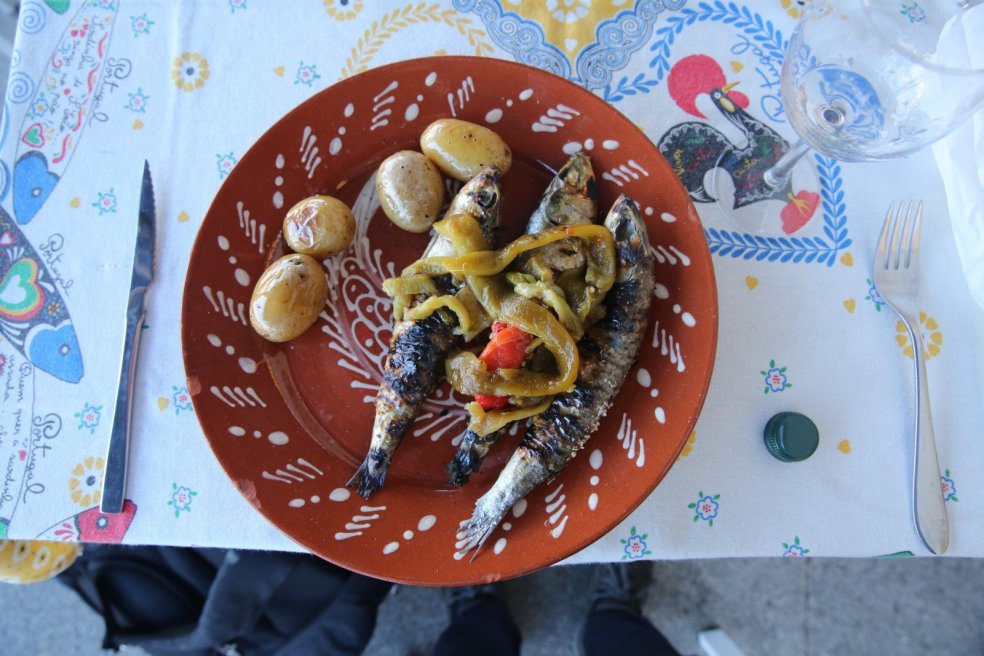
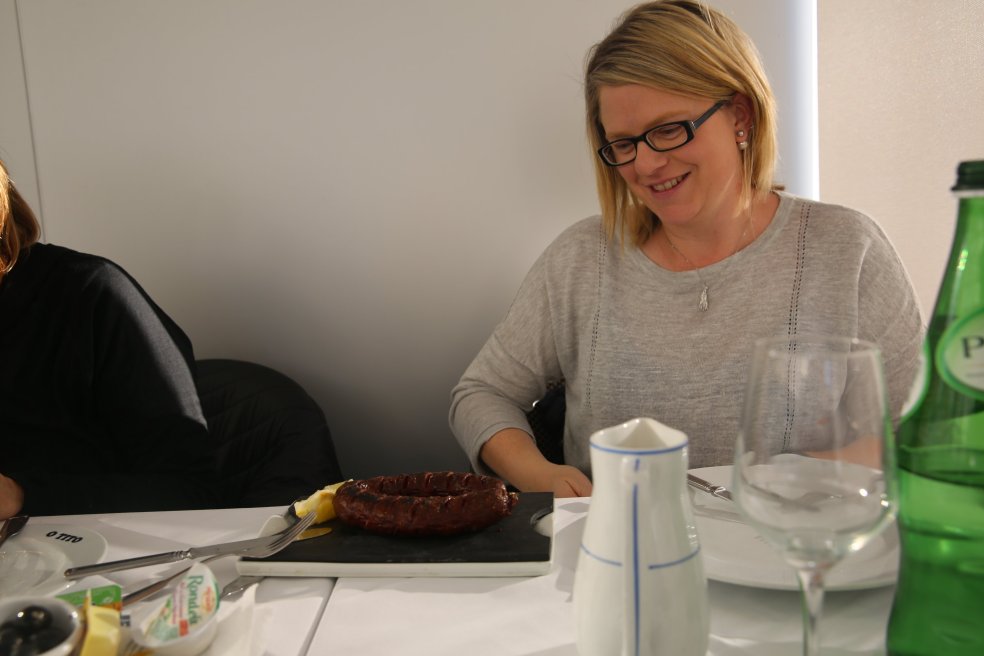
We benefited today from the Portuguese love of the sea. For the first time in my life my knees and I saw the Atlantic Ocean at the coastal town of Foz. We had lunch at a beachside cafe – Linda calamari, Catrina pork sausages, Ross sardines followed by a whole roasted sea bream – all with vegetables. It was simple food, incredibly fresh and superbly done.
As we ate lunch I couldn’t help but wonder what would have happened if it had been Ted the Navigator who’d set up Portugal’s navigation school. Their sailors would have set out for Africa, ended up in Finland, and today it would have been reindeer roast with braised lemming. The Portuguese seamen got it right when they went with Henry. Well done those sailors – wise choice indeed.
F C-S

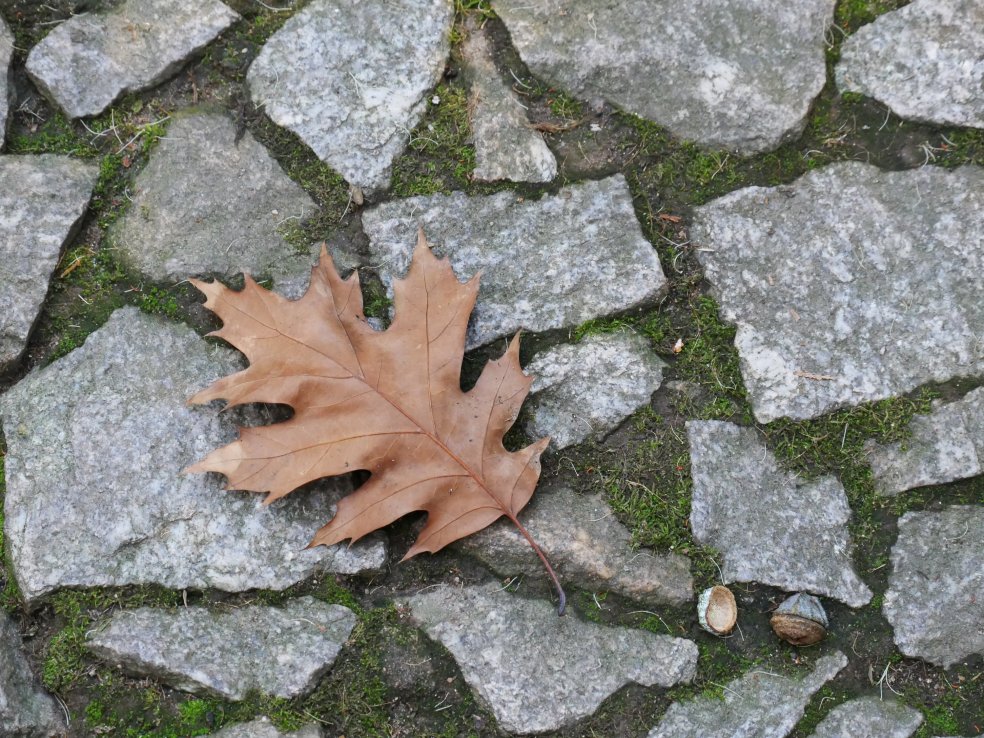
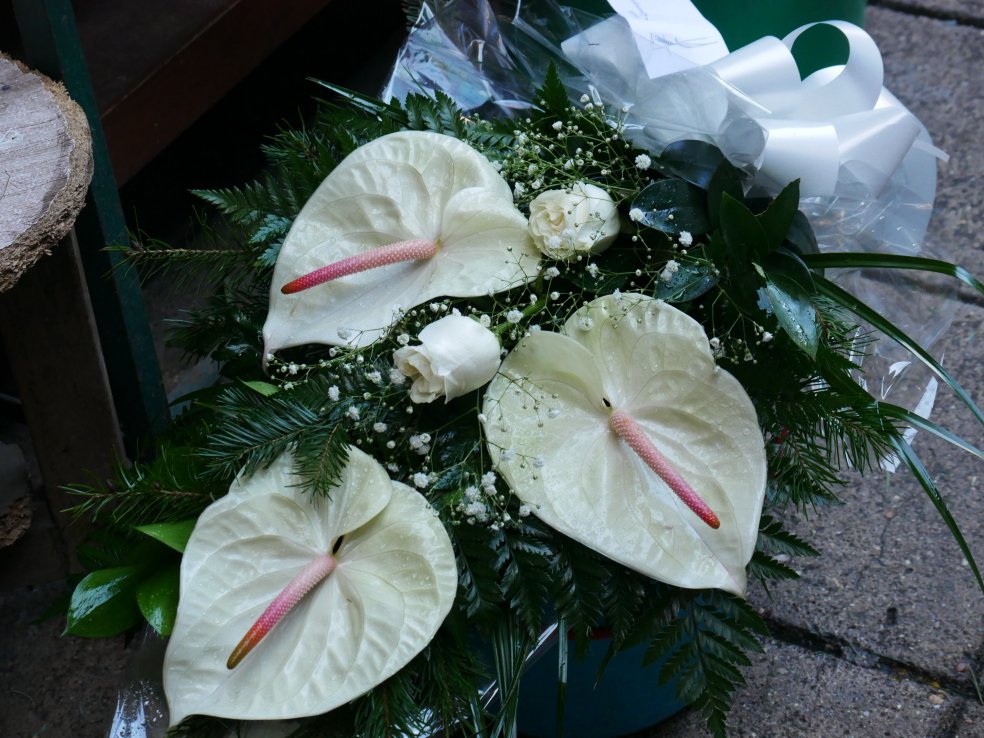


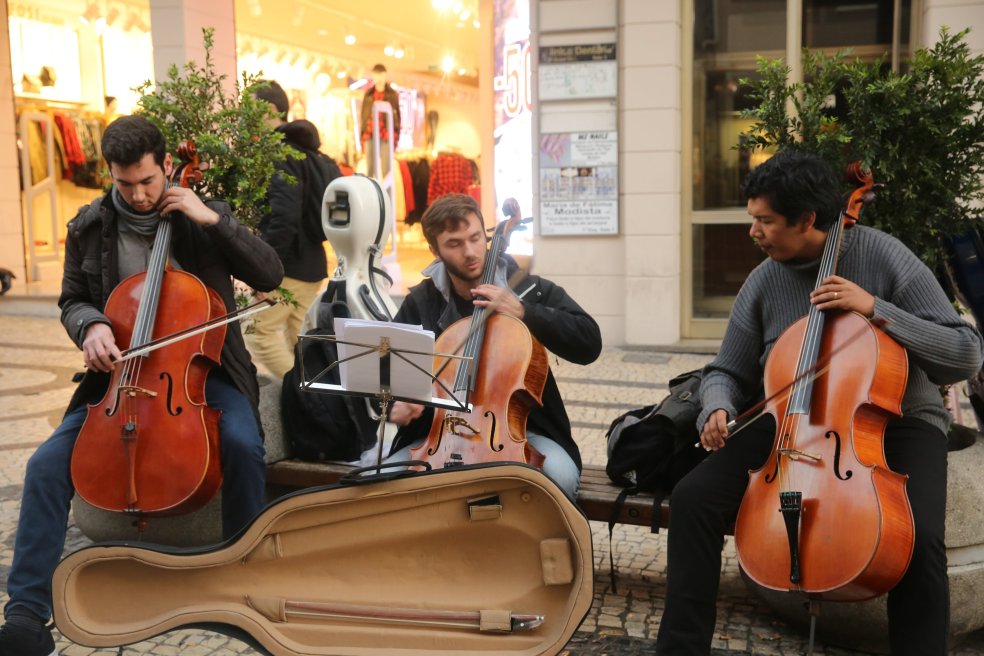
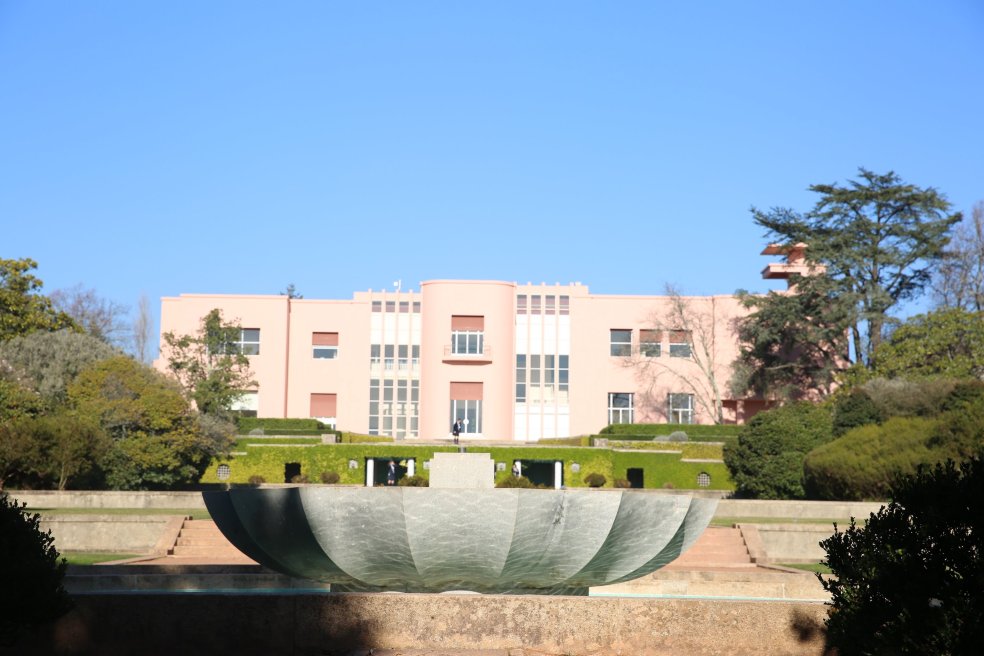

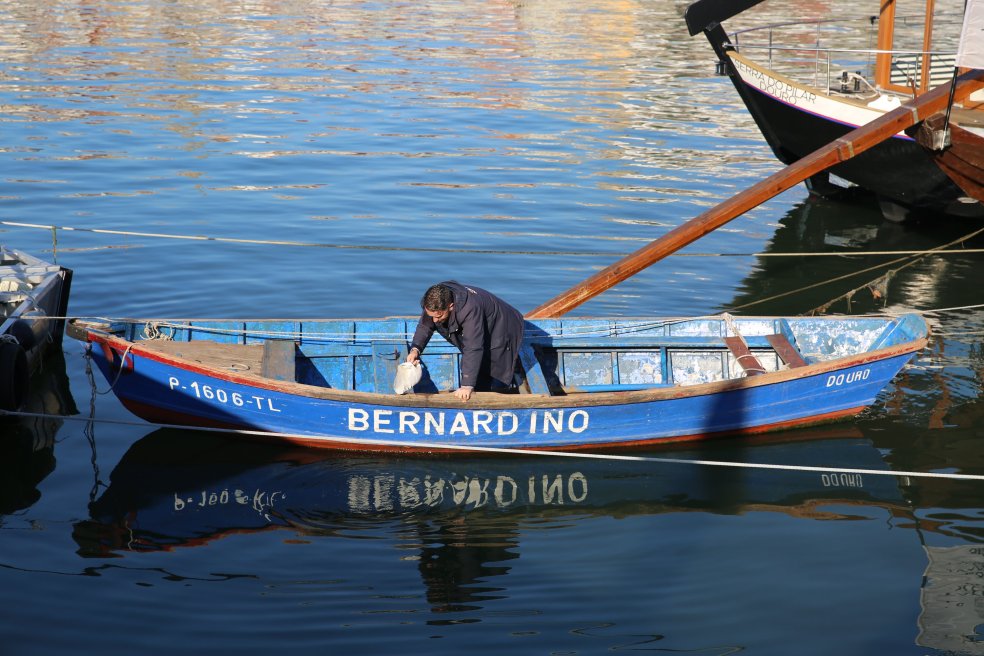
We are in Porto for a few nights and its history is interesting. The north of Portugal has always been more liberal than the south, partly because of its proximity to France, partly because of ties with England going back to the 1700s. England had manufactured goods that Portugal wanted, Portugal had little to offer in return. The wine they produced in the north was a sweeter, quite average red. British merchants started mixing it with cheap, very average brandies from the south of France- port was born and a whole industry took off.
British wine companies found a ready market for their Porto Wine in the clubs of London. They took over all of the natural caves found along the south bank of the Porto’s river and used them as giant natural cellars. Wine was carted down-stream from hinterland producers in shallow bottomed boats and sold to fat bottomed Poms – England had found another product that they could export around the world whilst the Portuguese remained poor.
It was the same story with the sugar the Portuguese were producing in their Brazilian colony – England provided slaves, shipping and the markets. British merchants turned some of the raw sugar into a cheap rum, but sold the rest at enormous profits to a sugar-craved Europe or to their British colonies. The Brits did bring to the Portuguese table radical ideas like democracy and liberalism. These took hold in Porto and in the Portuguese colonies but not in the Royal Court down in Lisbon. Of the four attempts to move towards a more liberal society; on separation from Spain, in the rise of Portugal’s Brazilian expats in the 1800’s, during a brief period as a republic in the 1930’s and on the death of Salazar in the 1970’s, only the last was enduring.
Portugal had at last become a liberal democracy and then part of the EU. At last they could begin to modernise, but that has been slow. Now fat-bottomed English tourists go up river in flat-bottomed boats navigated by locals dressed as peasants, get drunk on port in the wine caves still owned by British corporations on the south bank of the Douro River, and then head to British-owned resorts on Portugal’s beaches. Money still foods out of Portugal to the UK.
This may change with Brexit and with the rise and rise of Portugal as a tourist destination. Apart from a stretch along the river filled with souvenir shops we have loved Porto and its people. There is so much to see and do – even if we never get to go on the tour of the cave cellars with free port followed by a romantic dinner on a wooden boat being served by Portuguese peasant wenches singing Fado and selling cork hats, cork wallets and cork toilet-seat covers. We have loved this vibrant and beautiful city, but a history or art museum is more our thing – believe it or not.
Better let you go Farquar, our punt is waiting….
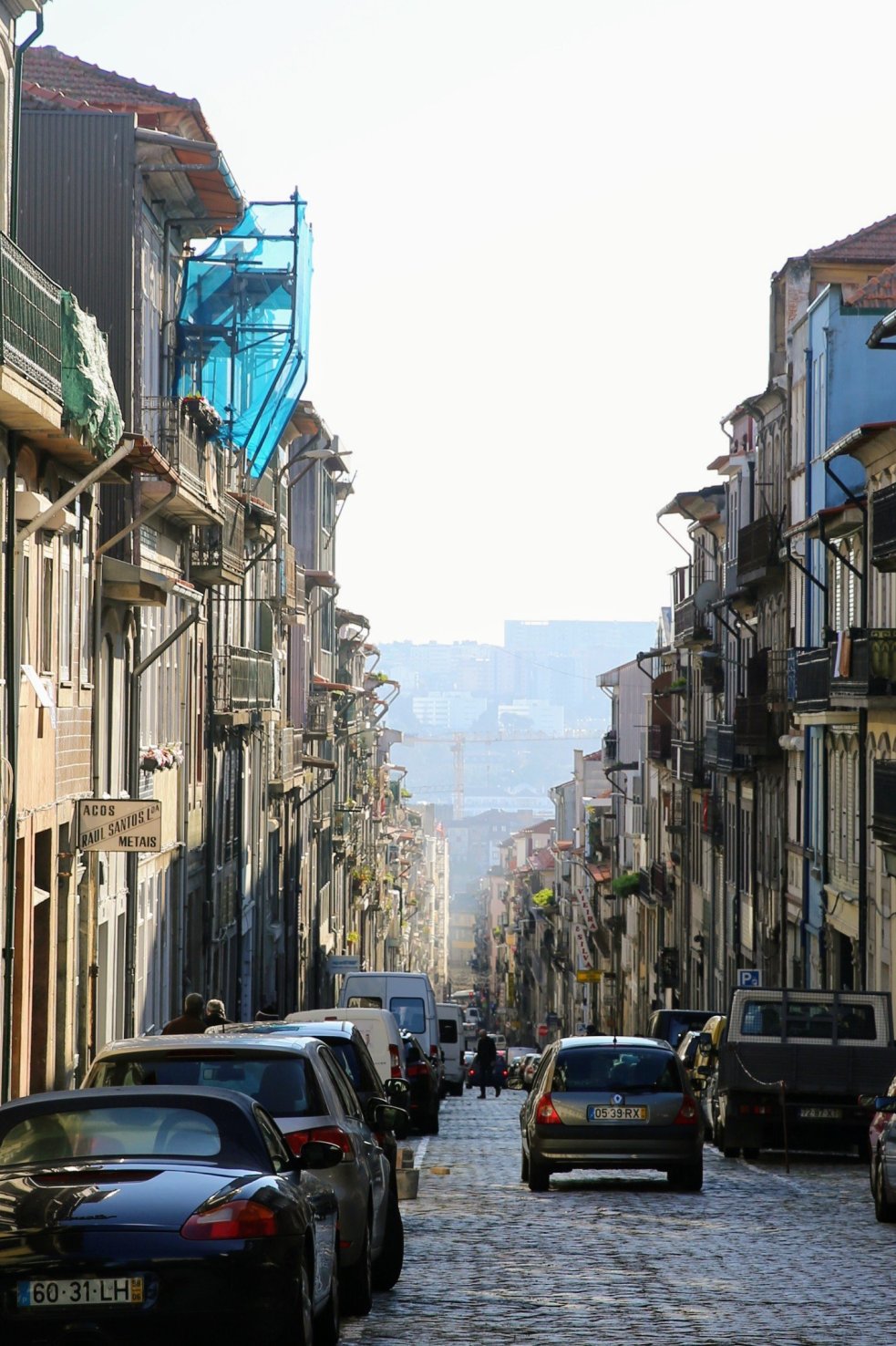


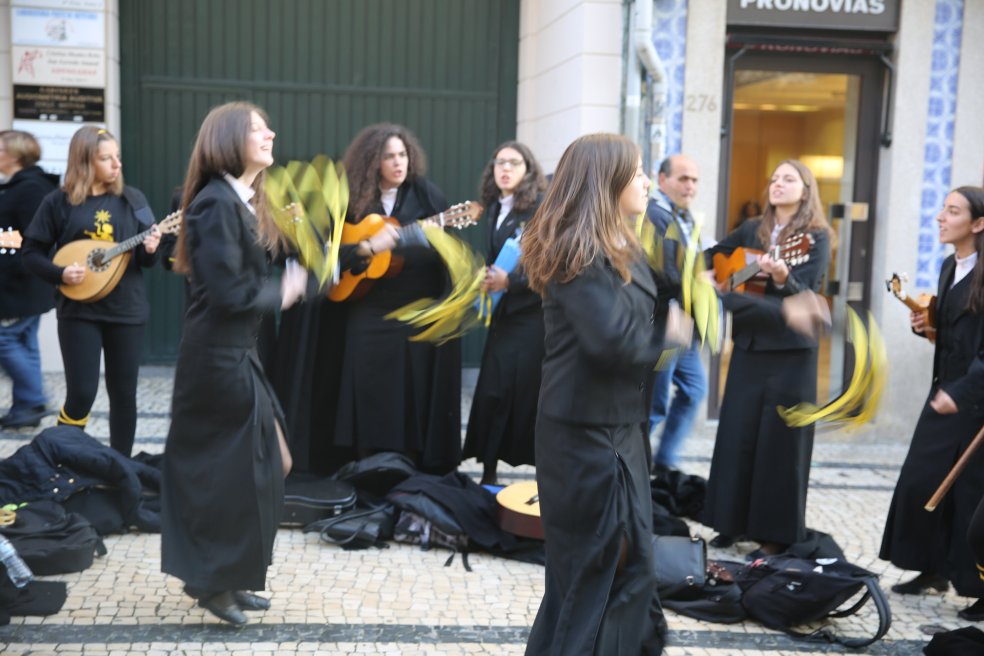

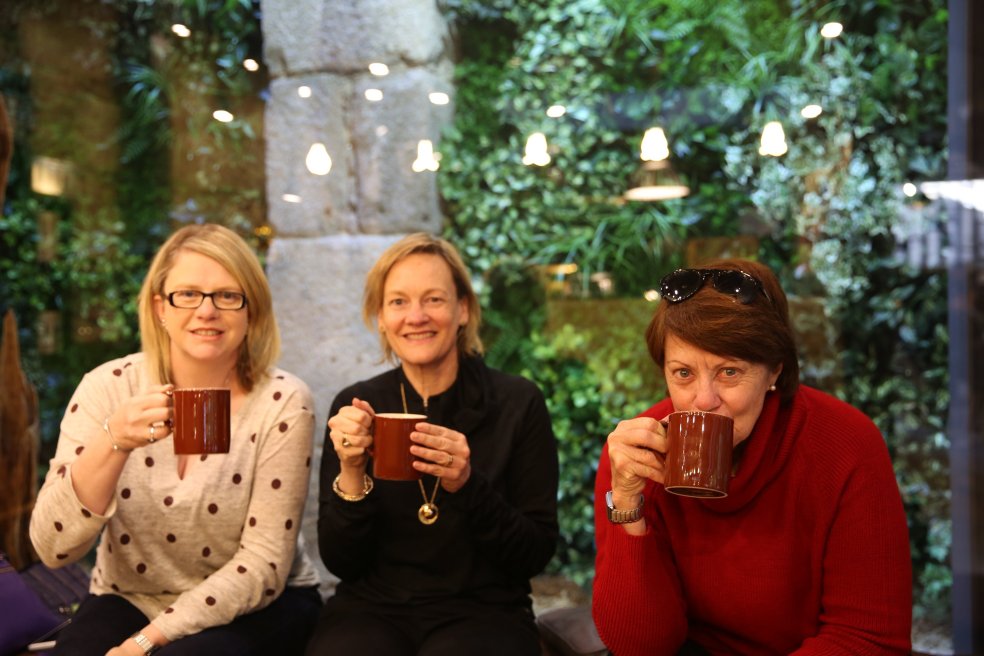

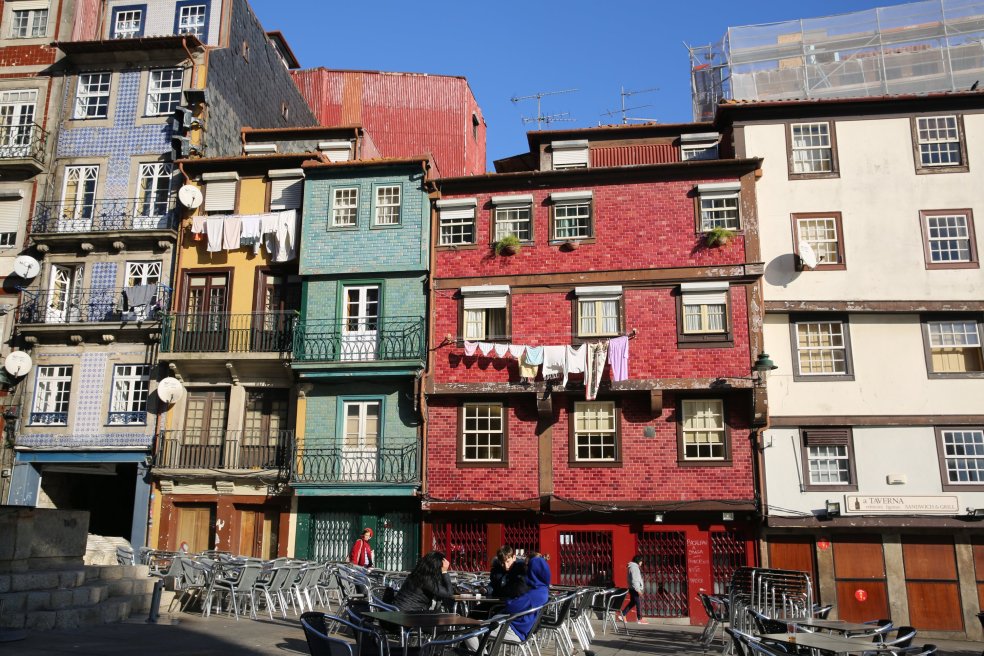
(Even in a beautiful city like Porto, you still have to hang out the undies)
F C-S
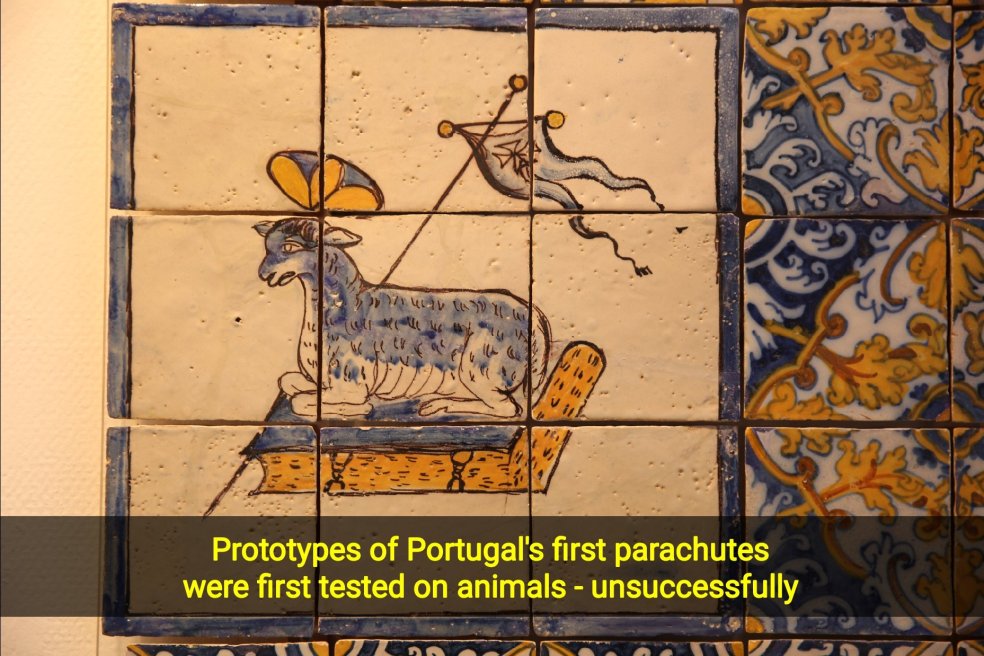
Miss Moneypenny was my Art, Music, Dance and French teacher in my formative years at Rosewood High. As most of you are aware, thanks to her, I am the complete package when it comes to the Arts – singing, acting, painting, but especially interpretive dance are all around about the same level of excellence.
Therefore I am certain you will appreciate my opportunity to provide a Rosewood interpretation of various pieces that have caught my eye….
.
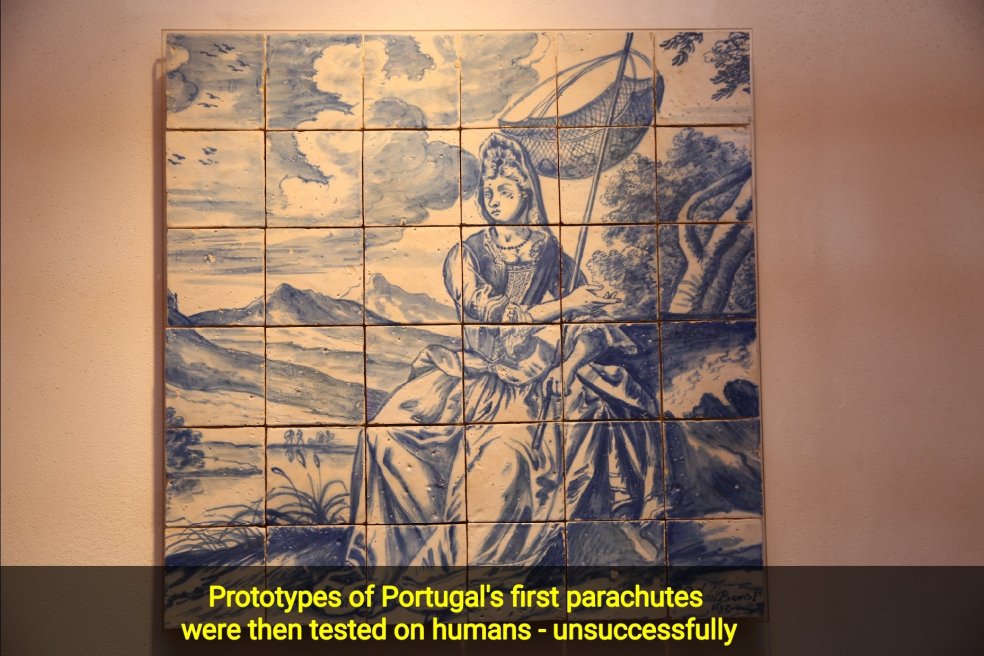
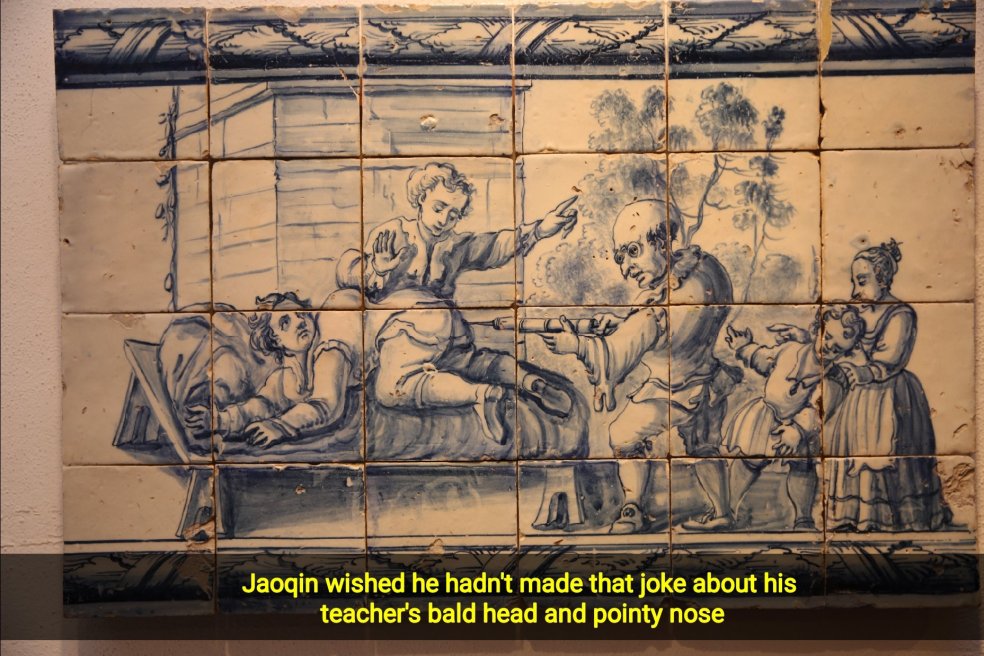


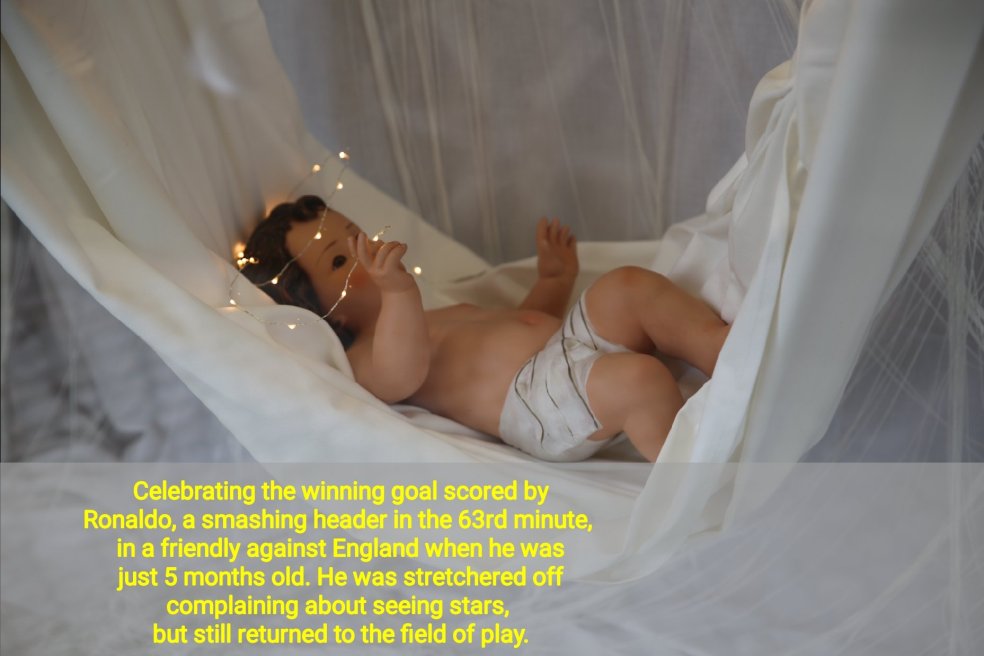
Ted Evans, my father, always wanted two things for Rosewood – an old people’s home and a museum. Any time we went to the tip with a load of rubbish Ted would return with a ute full of ‘treasures’ to be stored under our house, usually greater in volume than those bits we had actually dumped. Just in case Rosewood ever got its museum.
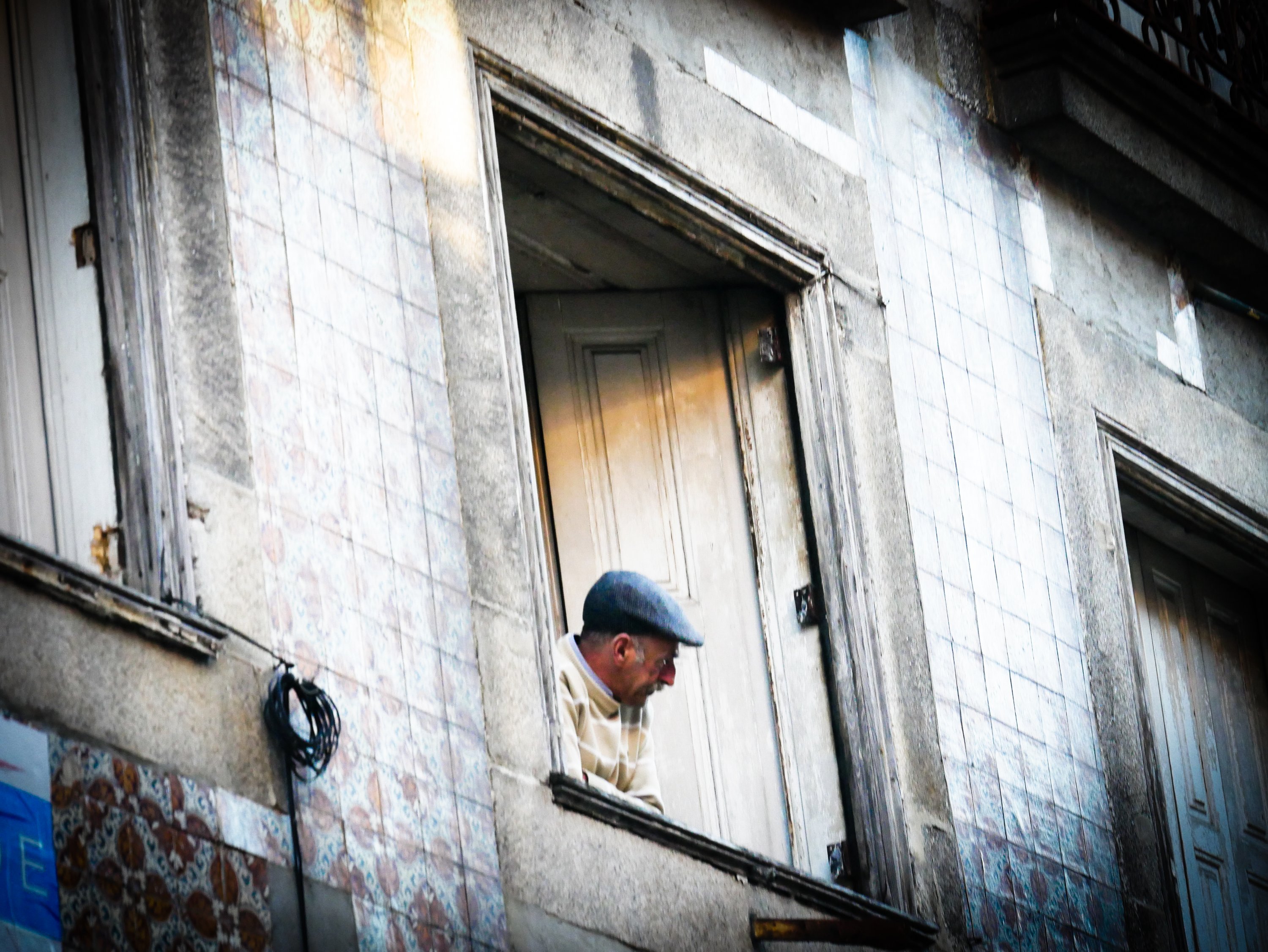
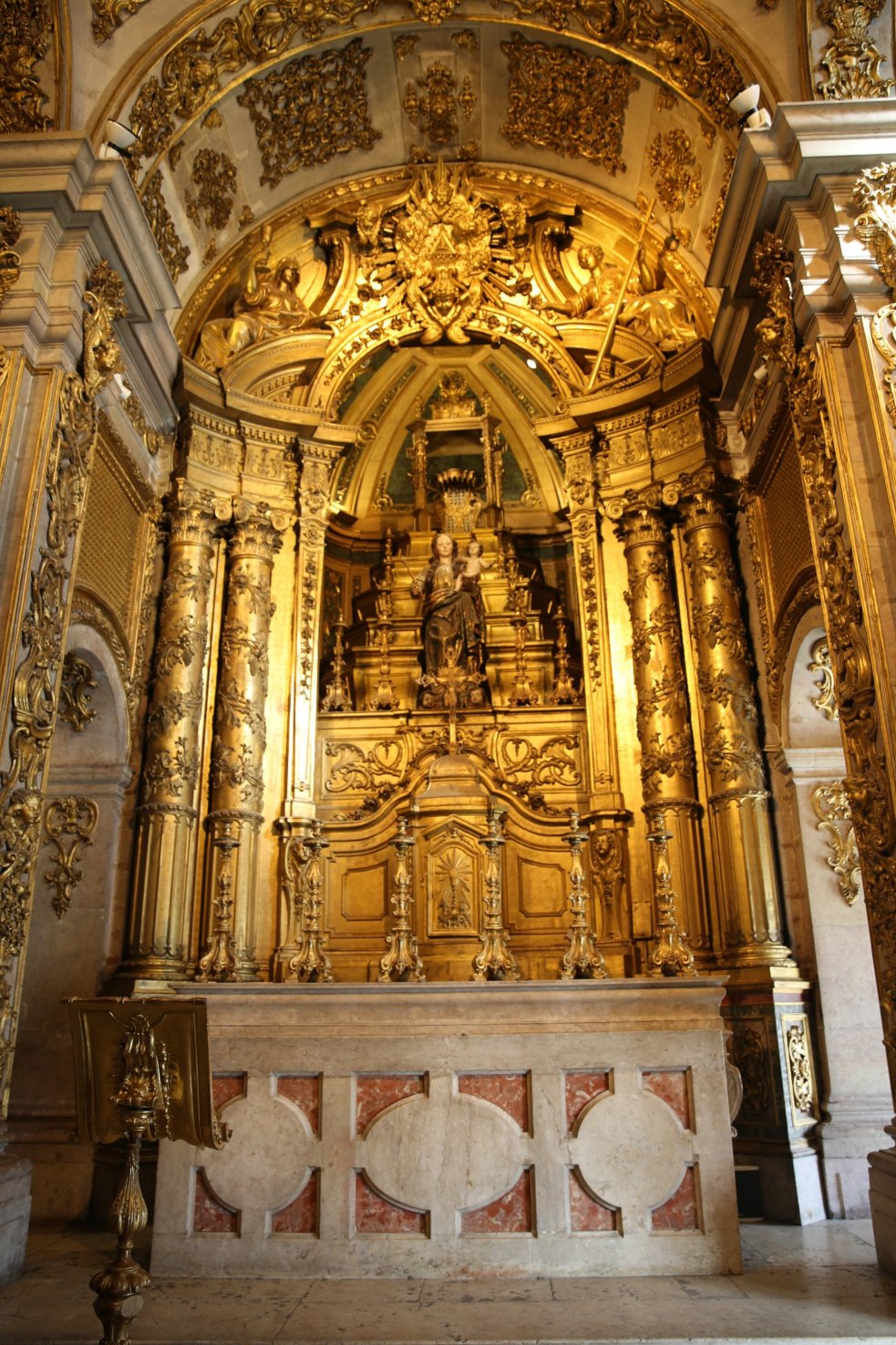
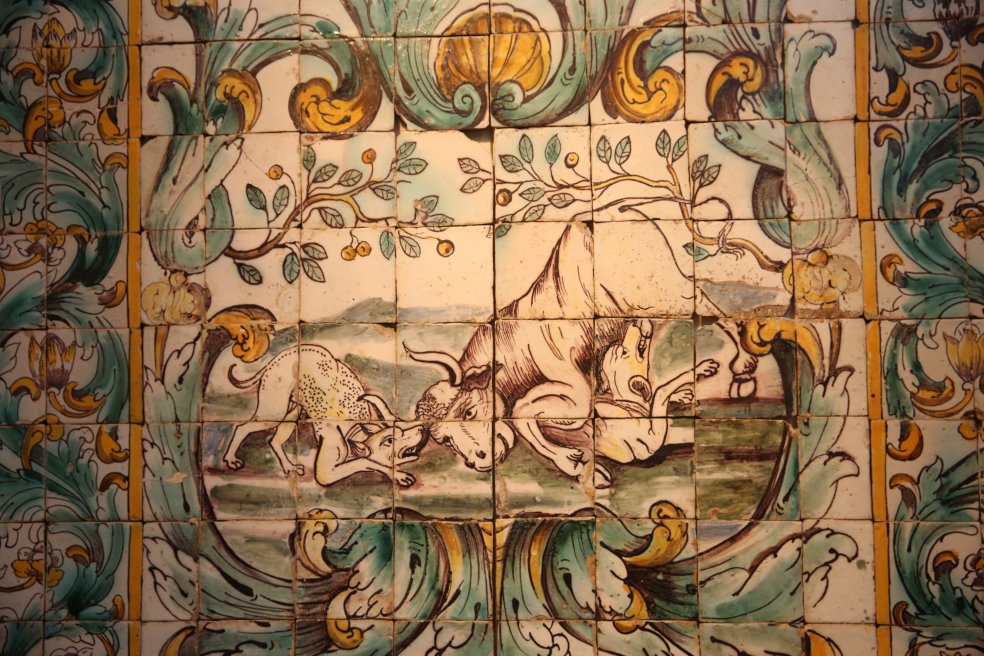
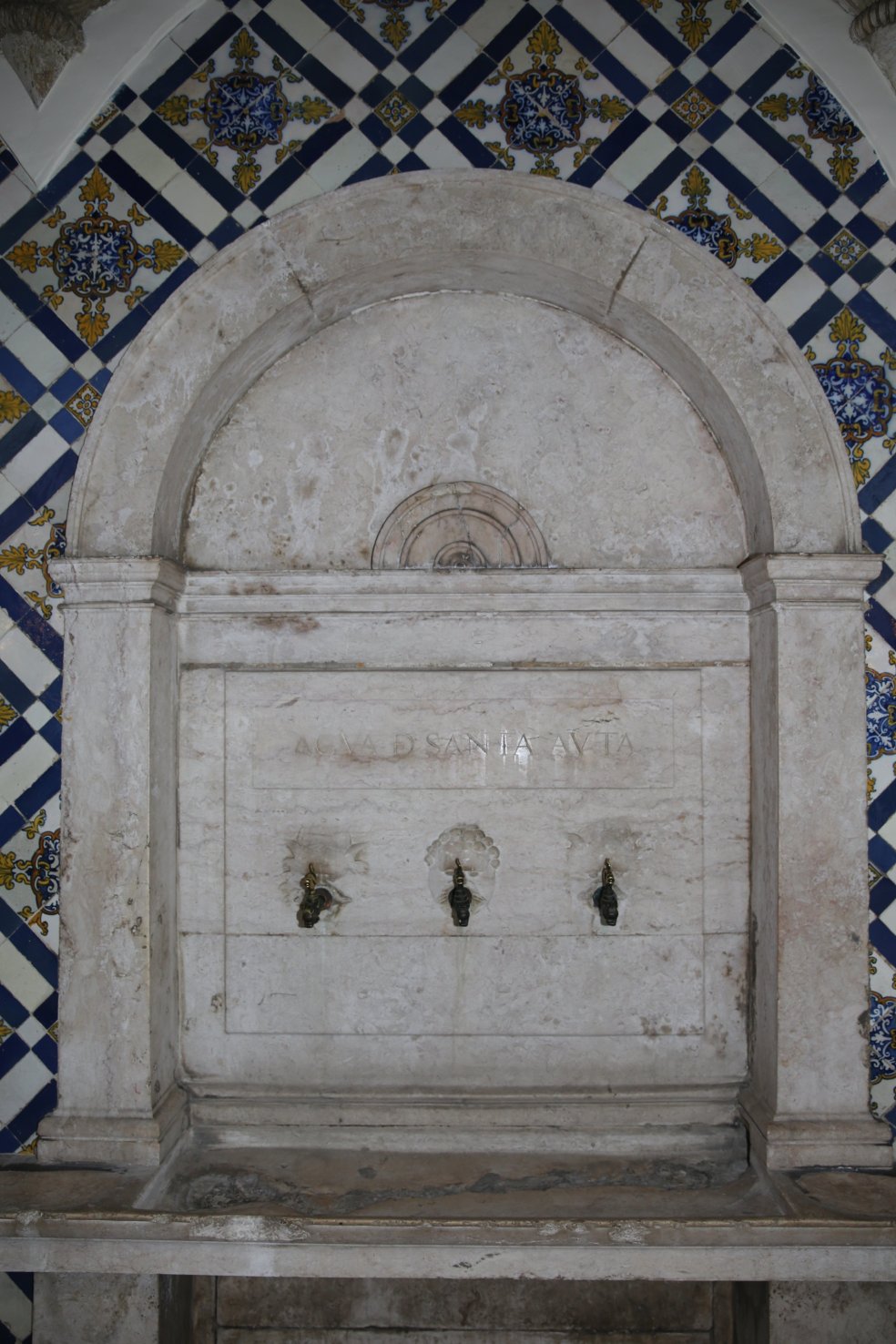
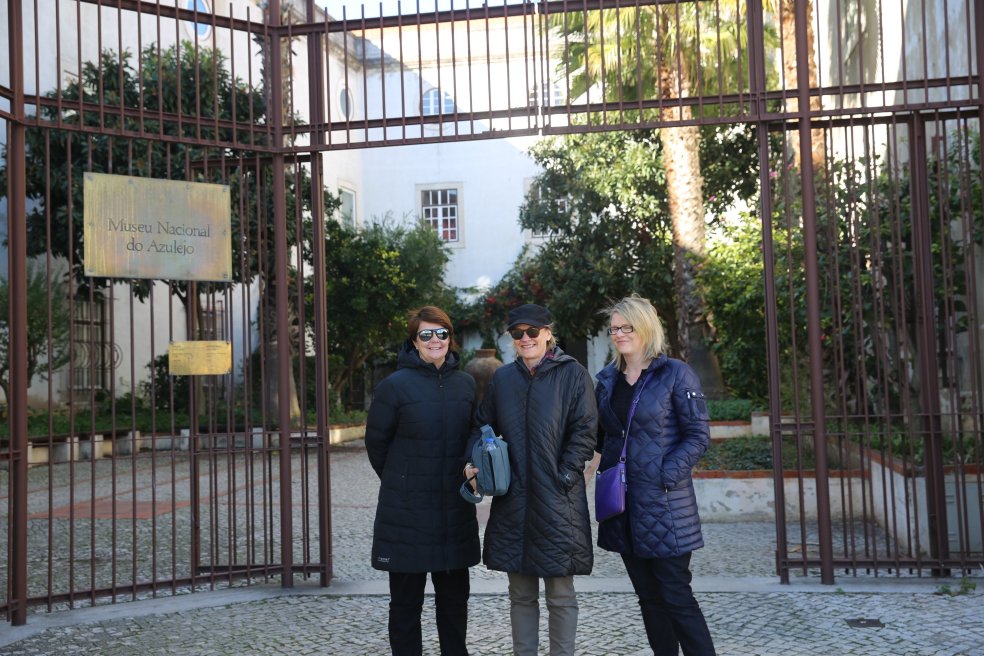
Lisbon has at least one cracker of a museum. One would think that the idea of a National Tile Museum would be right up there with ‘The National Collection of Historical Cow Bells’ or a display entitled – ‘Socks Through the Ages’. I am pleased to say the two hours spent at this Portuguse institution was actually fabulous. Portugal’s tile mania actually was started by the Moors. They of course do not show the human form in most of their art, tiles were used to create sophisticated geometric patterns. A whole industry was created when glazed tiles were used later as external cladding throughout Portugal, but Lisbon in particular. This continued until the 1950’s when concrete and Dulux or British Paints became the vogue.
Tiled buildings sadly were being torn down or left in a state of disrepair, and much of this part of Portugal’s heritage was lost. Then Jorge Nuno Palcato stepped up. Jorge had written books on tiles and somehow he convinced the government to purchase an old convent and set up a national tile museum. His collection was added to others, and it has grown into what is today a wonderful historical resource.
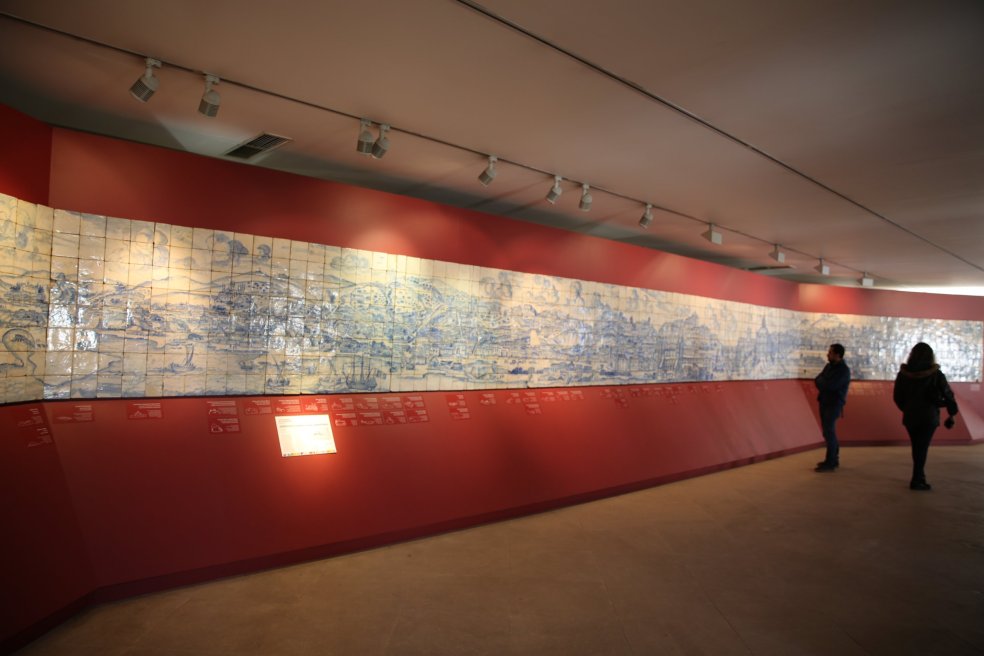
The convent that houses the display is itself stunning, the chapel in particular. The collection of tiles ranges from the 7th century to the present day and they have some real treasures. A diorama 23m in length is the best and most accurate representation in existence of Lisbon before the 1755 earthquake and fire. The progression from Arabic patterns, to religious motifs, then secular designs is fascinating. The whole place was well set out and the displays more than interesting. Good on you Jorge, good on you.
Rosewood did get its old folk’s home, thanks in part to Ted. There is a walkway through the town that bears his name. But it still hasn’t got a museum – all of Ted’s treasures stored under our house were taken to the dump after he died, never to be seen again.
Unless, of course, Rosewood has a Jorge I didn’t know about…
Farley
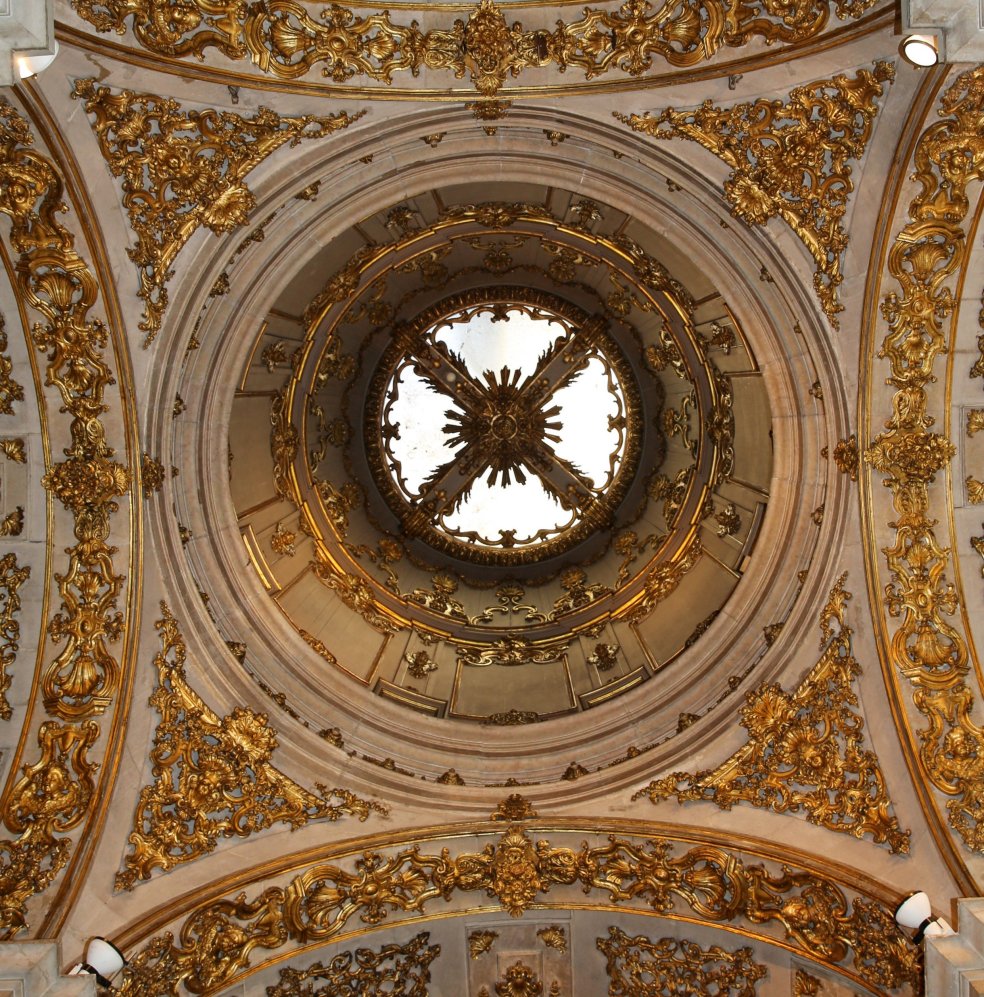

A friend of mine who doesn’t wish to be named, so I shall just give him the pen-name of David Vidler, often criticises my parking. This is in spite of me pointing out that the lines on the road are only parking suggestions.
Well Mr Vidler Portugal takes the parking cake!
The first is my all time favourite – quadruple parked, on a corner, next to a pedestrian crossing, in a no parking zone!
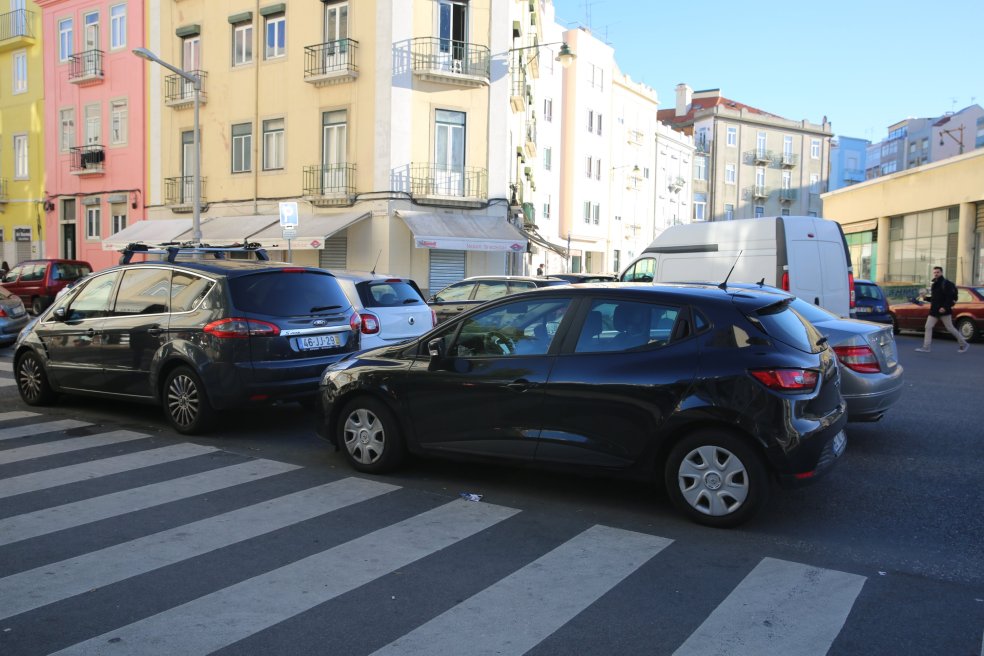
A solution for spots that are a tad squeezy.

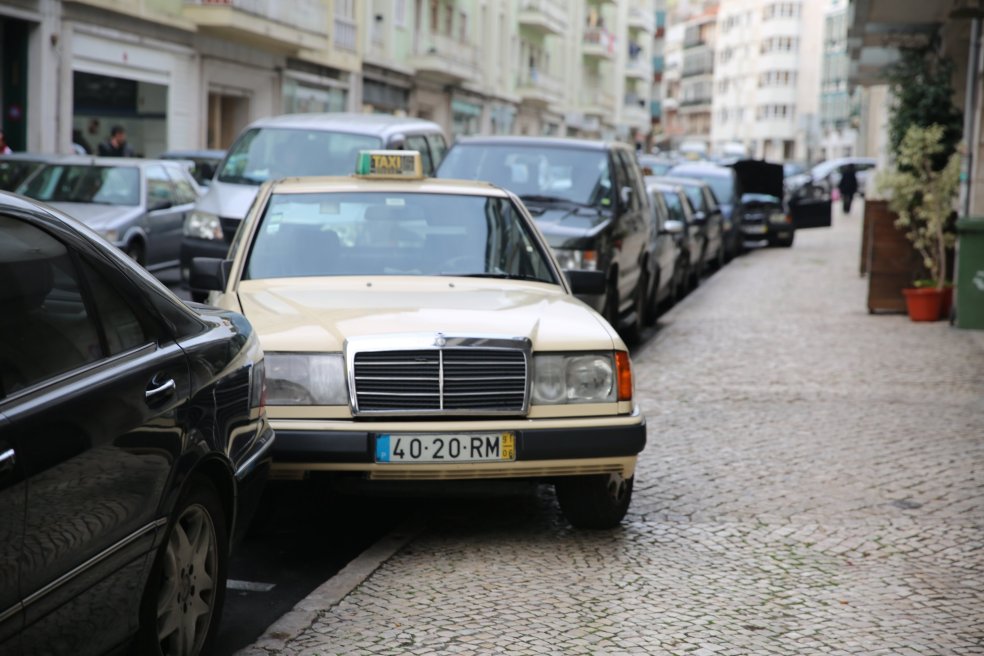
Chorizo – “Where are you parked?”
Vasco – “I got a great spot right in front of the markets, you can’t miss it.”
(The owner stopped in the middle of the intersection, locked his van and went shopping)

There is always a time in the interactions between travellers when the conversation turns to toilets. Now is such a time. As a lover of history (and of really bad names) I think a discussion about Thomas Crapper is overdue. Thomas Crapper (his real name!) was a pioneer in a number of areas – his company had the first ever plumbing showroom, he received a royal warrant to put flushing toilets into Sandringham Castle and even after he died in 1906 sewer covers with his name on them were being produced by a foundry he owned (you will find pictures of them on the internet). I suspect he may have also made the toilet I used yesterday.
In 1906 it would have been a modern affair. Paper was dispensed with the push of a button, flushing occurred upon arising, and the whole cubicle was sprayed with a scented mist on exit. All of this for just 20 cents my children!
Those who have been to Japan would have experienced wonder when using the latest in electronic marvels. Those who have been to India or China have also been struck speechless no doubt. I confessed to one of my travelling companions last night that I am wracked by uncertainties when forced to use the hole in the floor variety – what do you do with your trousers, which way should I face, why is there no paper and where should I put my shoulder bag? None of this was of concern when using Crapper’s 1905 Model Iberian Railways Auto Deluxe Water Closet found outside a local railway station.
My children, as you travel through Iran and Columbia, I just know how much you will wish that Thomas Crapper and Sons had spread their plumbing even further. But then, just think of the rich conversations you will be able to bring to the toilet-talk table next time we meet,
Your Loving Father
F C-S

 The Very Excellent Adventures of the Cunnington-Smythes