Solving Mysteries

I have been fortunate in my travels on the fringes of Empire to have been able to see some wonderful museums – The Pergamon in Berlin is outstanding, a number of institutions in Italy figure in my top ten, as do some of those in London. None of course compare favourably to the collection of ancient farm machinery that is found in the Kraatz’s back paddock at Rosewood – this goes without saying. The Archeological Museum here in Istanbul though is particularly interesting.

It has a featured exhibition with rooms displaying relics from the ten layers of the ancient city of Troy. At the very bottom of the excavation were found pieces of hand-shaped pottery and stone implements. Another layer of settlement that produced turned, glazed ,and baked pottery follows this. Then you can trace the development of metallurgy – copper, followed by bonze, then iron. Around 500BC the site was so hastily evacuated that the inhabitants left behind beautiful gold and silver trinkets. Then came the Greeks and Romans. At some stage the whole place was abandoned as it no longer had access to the sea, and remained undiscovered until Heinrich Schliemann did his Indiana Jones thing in 1870. 

This has led me to regularly ponder my fascination with Man’s ability to tell the complete story based on mere fragments of the whole. Then I realized it is something that my Band of F Block Brothers and I do every day! I must explain.

We have my dear friend Remington in our staffroom (I call him Remi, however for some reason others call him ‘Chris’ or even ‘Thommo’). He provides us with constant opportunities to hone this particular intellectual skill. Either through the fog of a failing memory or because of an overactive mind he will often walk into our workplace and make statements like; 

“Hey BCF have got a really good……..” This is followed by, 


“I’m really….looking forward to eating…..”
This statement is immediately followed by, 


“ I MUST go to see this girl about ……….”
He will then walk out without uttering another word. 

Sentences are left infuriatingly unfinished. However from this scattering of mere shards of conversation, by deduction we are able to determine that BCF apparently have a wonderful range of hard-bodied lures currently on sale (along with some fine fishing rods), and that his daughter Selena cooked a magnificent roast pork dinner the previous evening – the meat of which is filling the very sandwiches he intends to eat for lunch today. 

Despite our best efforts, sadly, none of us have ever been able to present a plausible theory around who the mystery girl might be, or why he would willingly forego such a lunch in order to meet her. This remains a puzzle for future lingual archeologists to solve. 

Perhaps my visits to some other treasures in this fascinating  city will provide the trigger of a clue?   

Enough for now – I’d best let you go. I have mysteries to solve. 

F C-S
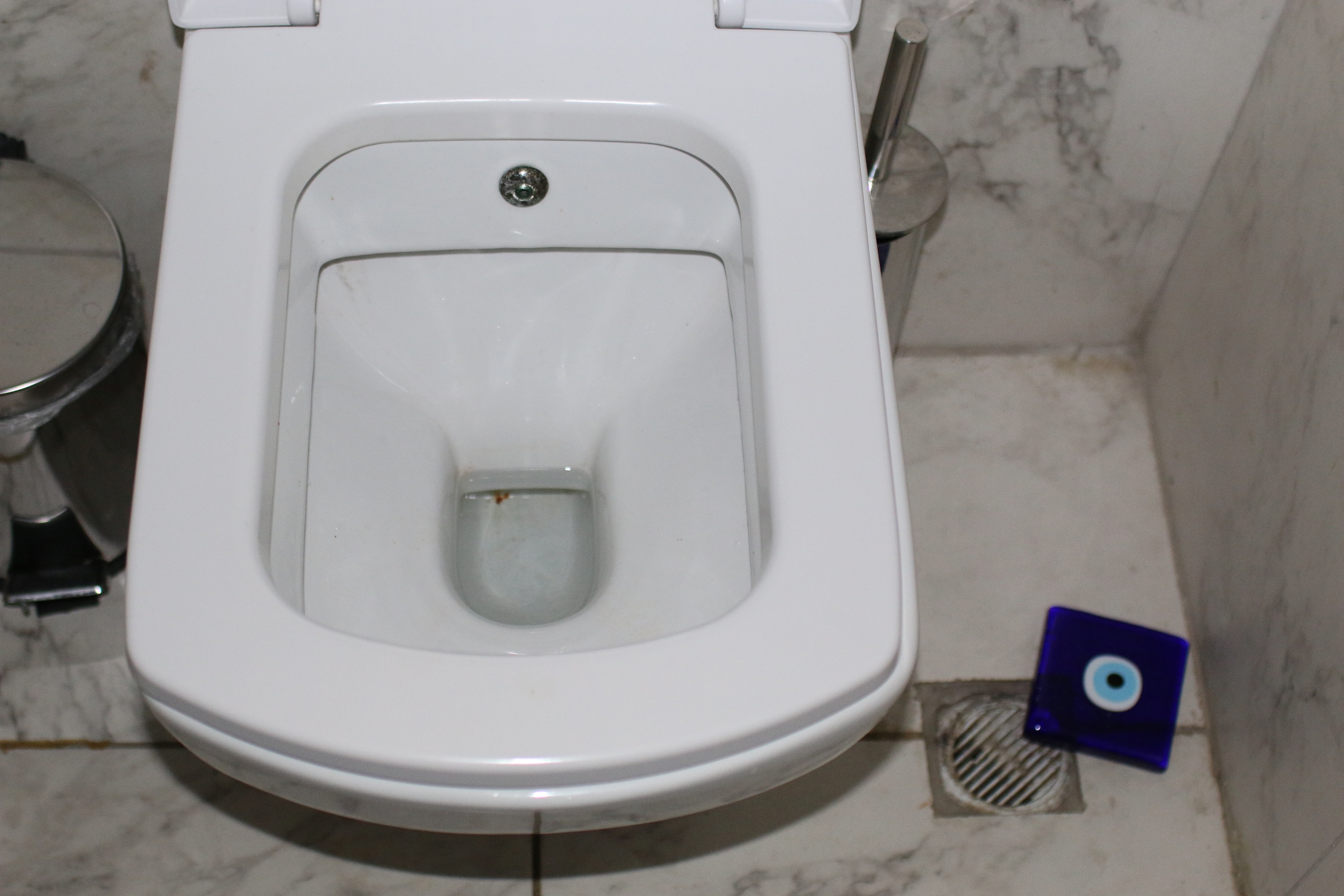
All shapes and sizes

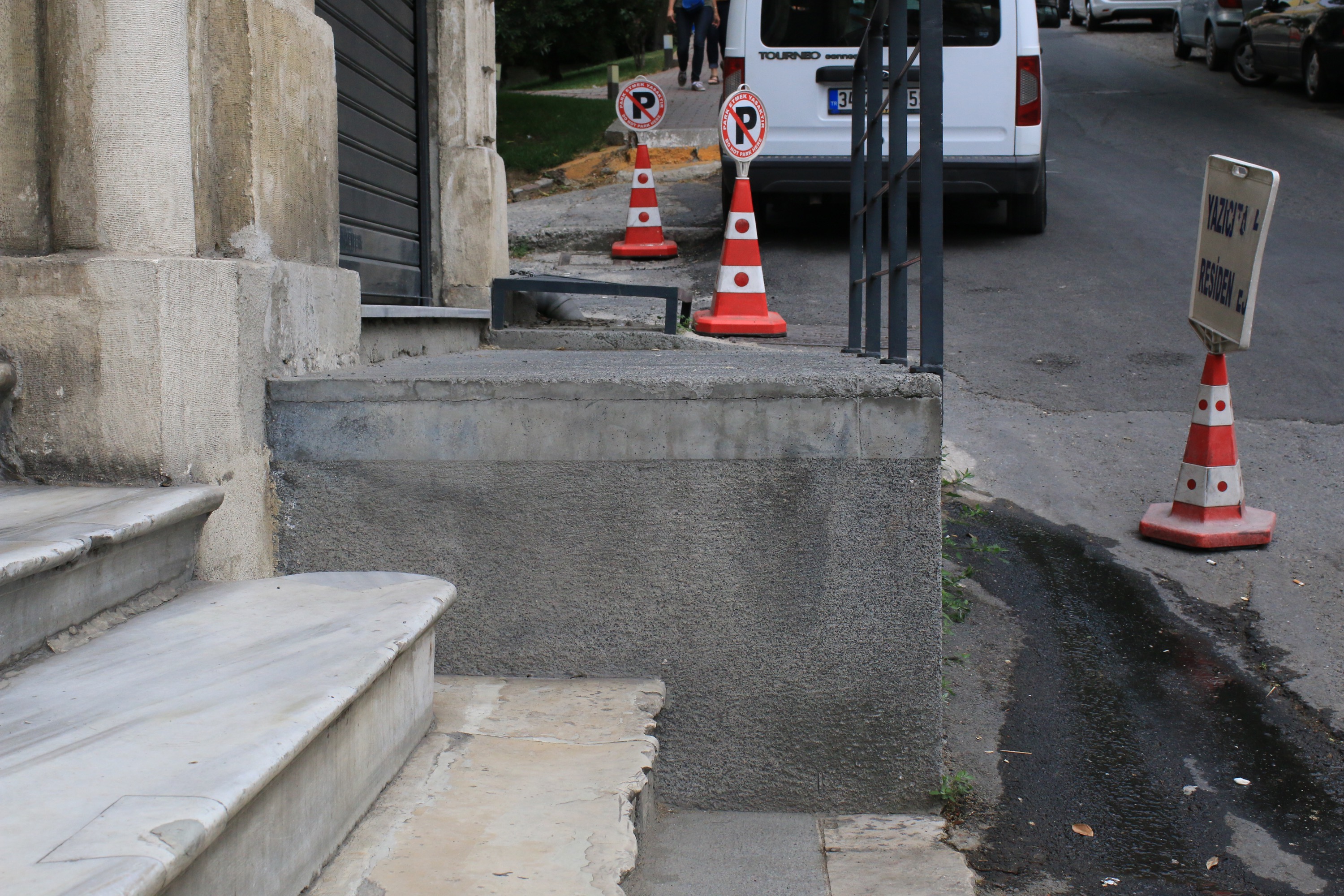
Murray Freeman played front row in our Under 14b team.  He had a most unusual body shape- even for a Rosewood lad. But I don’t remember even Murray as having a perfectly rectangular bottom……….???

This is the Land of Mysteries indeed!


A Stroll Through the Hills

A Stroll Through the Hills

Old Istanbul is built around seven hills, atop each was once a major church – now a significant mosque. Today, children your Mother and I strode around a number of these hills. I chose that particular verb on purpose. My athleticism comes to the fore when faced with obstacles similar to the Minden or Marburg ranges. The lack of footpaths, the inclines themselves and the random nature of Turkish driving only added to the overall impression of a man who cannot be stopped. We were on a mission.

We were in search for a coffee place of some renown – Kronotop. After about ninety minutes of walking (or rather – striding) we found it. The coffee machine had sprung a leak and died about thirty minutes before we arrived. No problems – could we perhaps make use of the WC? No – it got flooded when the coffee machine de-flooded. Could we just sit for a while? No point – we are closed for at least an hour. Tantrums are pointless on occasions such as this, however weeping bitter tears is more than warranted. 

Having had our fill of striding for the moment we took the tram to the other side of the Golden Horn for some quiet, contemplative time in the Grand Bazaar. Children – imagine a shopping precinct on an even larger in scale than the IGA in Rosewood!. For centuries this part of Istanbul was the equivalent of the New York and London Stock Exchanges combined There was so much money tied up in the gold and jewellery market that for a number of centuries it served as the Ottoman Empires Reserve Bank. In actual fact Kinder, it was probably wealthier than all of the shops on BOTH SIDES of the main street in Rosewood! 

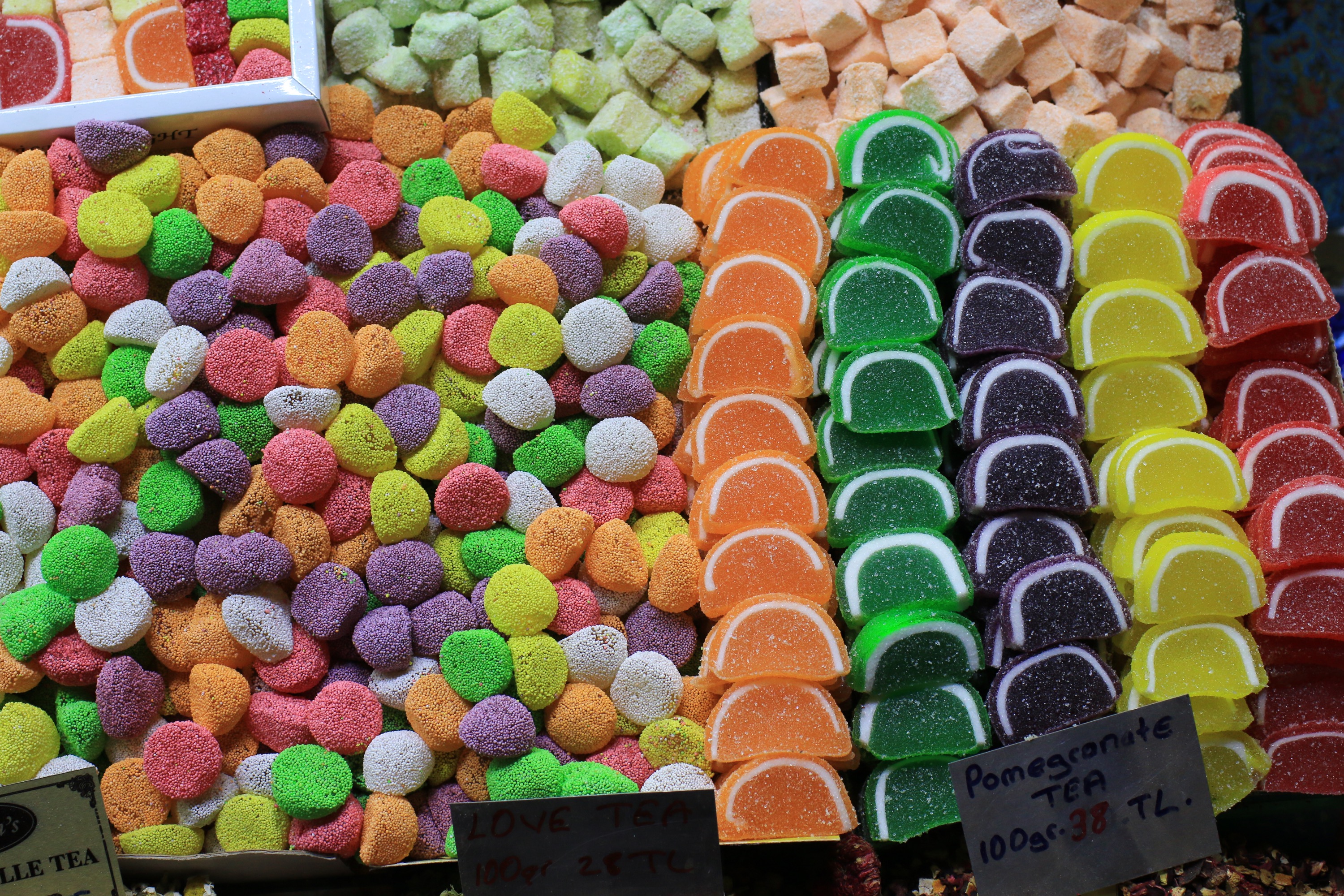
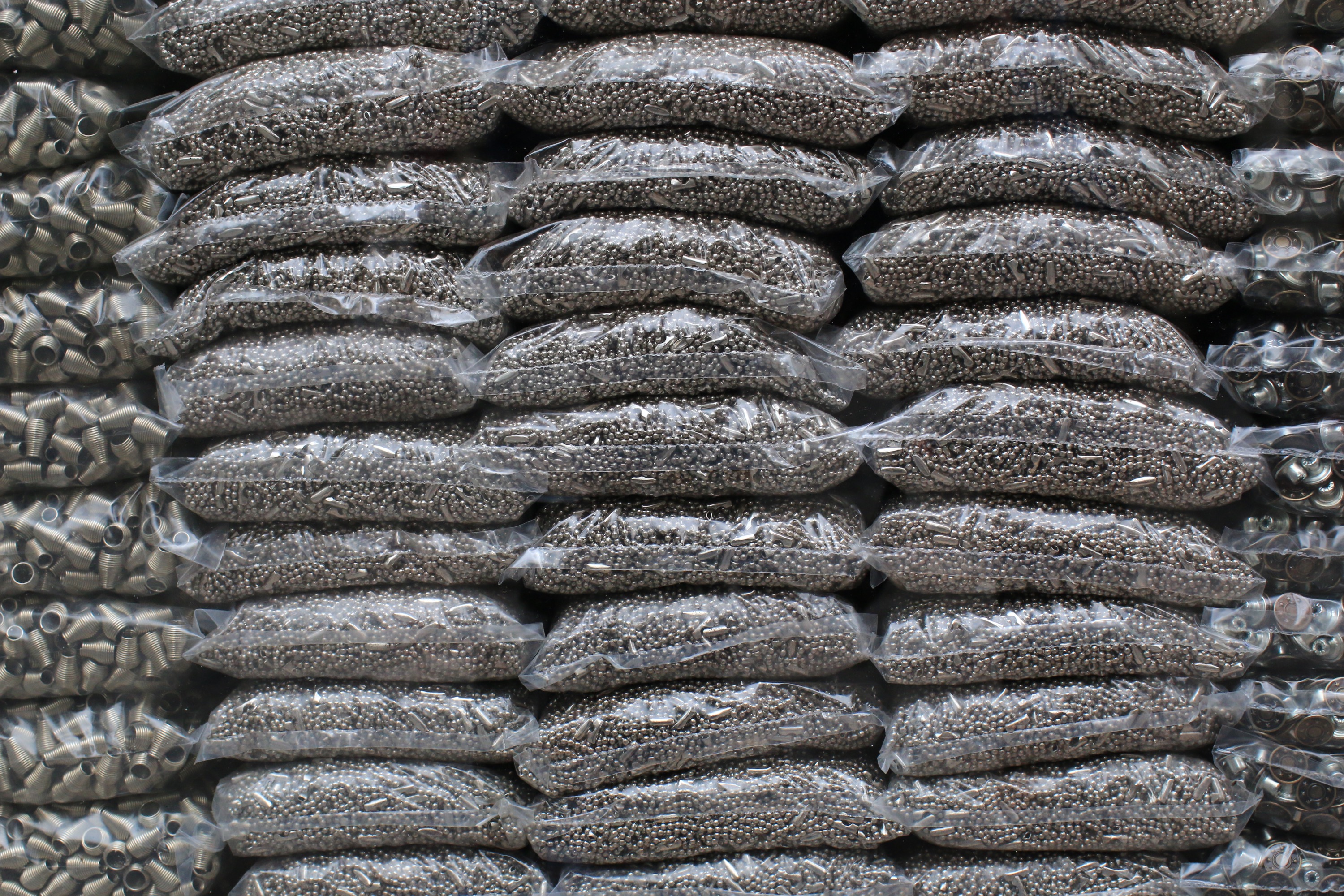
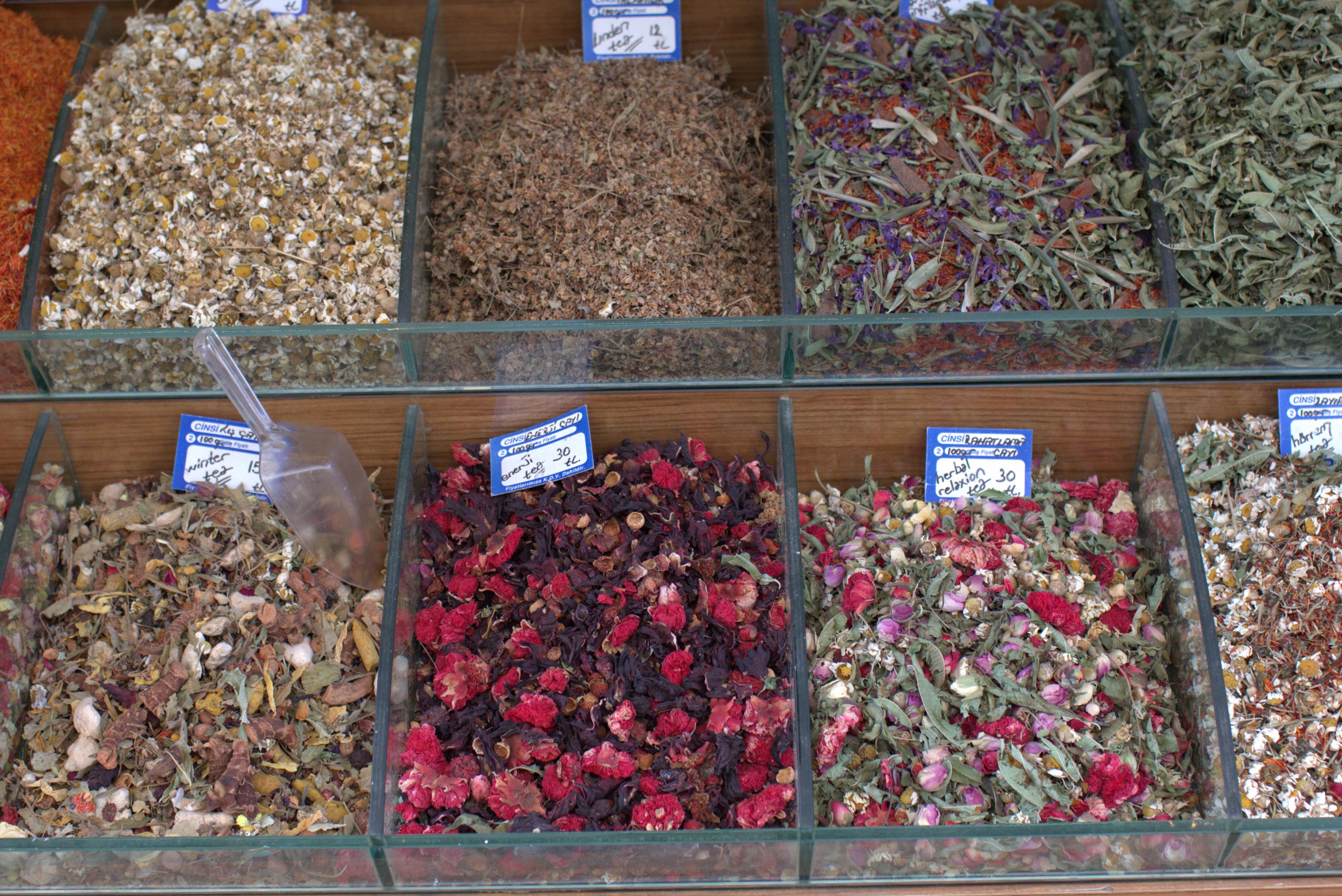
There are different sections in the kilometres of shops. I saw the ‘Useless Junk for Tourists” Bazaar, the Kitchen and Plumbing Supplies Quarter, a section that specialised in buttons, another section that translates as “Crap from Turkey That You Take Home Then Wonder What The Hell Are You Ever Going To Do With Matching Fez and Camel Bone Letter Openers” Bazaar. There is one section where I could have bought any number of weapons – shotguns, pistols, submachine guns – however I would need a license to buy grenades. (No kidding) Turkey has had wee problem with home-grown militants. Just can’t seem to work out where on earth they get their arms?

After this – more striding, more hills and a little rain. How I love the challenge of steep slippery hills, crazy drivers and no footpath! Ipswich’s “Man of Iron” and “The Bremer River Classic” watch out – Farley is in training. The defending champ – Thompson the Gatton Grinder, is now on notice. There is a challenger from the East. 

Best let you go my little hatchlings.. You dear Mother and I sleep soundly knowing how peaceful your time together will have been and how immaculate you will have kept our nest.

Mother and Father  


Rainforest Cities

 Rainforests Cities

The part of me that was once a Biology teacher is still in love with coral reefs and rainforests. The rainforests on Fraser Island are some of my favourite places on Earth. The wealth of diversity in a rainforest is enormous. They have cycles of birth, death, decay, regeneration that give them a life of their own. Monocultures are the epitome of boring compared to a rainforest or a tropical reef.

The cities that I enjoy least are monocultures. Singapore is a monoculture, Dubai is a monoculture. The only really interesting things about a field of wheat are the weeds on the edges or the small group of occasional pests. The cities I love as a traveller have the same cycles as a rainforest.. for centuries they have experienced birth and rebirth, death, decay and regeneration. They have enormous diversity and an ability to evolve, almost as if they have become single organism quite independent of any human designs. New York, London, Berlin are rainforest cities. Mitch would add Bangalore and New Delhi. Hong Kong is a rainforest city. Rosewood – need I say more.

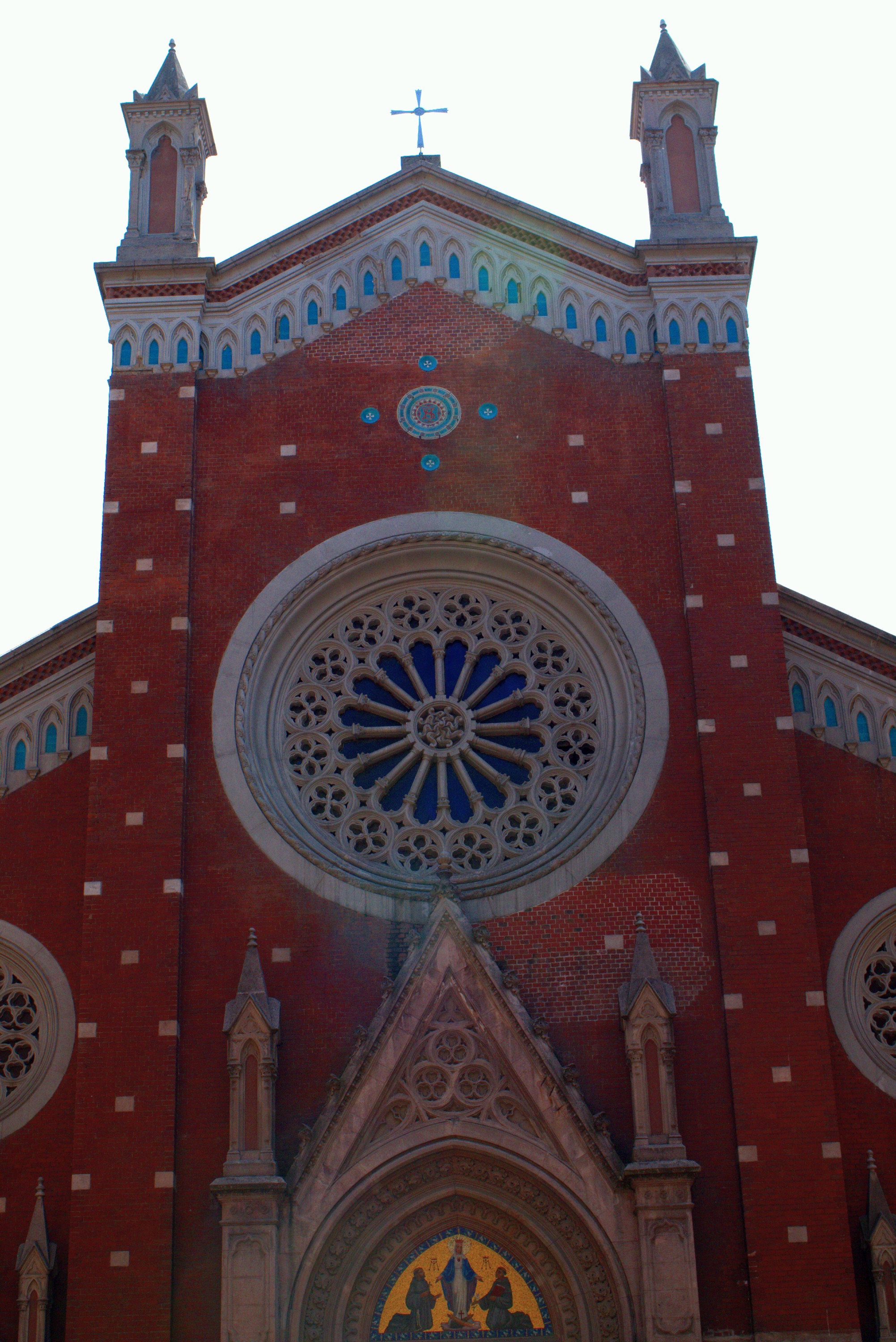
Istanbul is absolutely a rainforest city. For centuries it has been at the crossroads of the World’s major civilizations – those of Asia, Africa and Europe. It was the centre of Christianity for nearly 1000 years – until it became the most influential Islamic city for the next four or five centuries. Until the 1500’s only the civilizations in the Americas had no link with Istanbul. Even today we simultaneously heard the peal of church bells, the Muslim call to prayer and the constant hum that signifies a more Earthly interest in trade – trucks, cars, hawkers with carts, the sounds of ships’ horns on the Bosphorus. The population of 20+ million come from everywhere on the globe. (A slight exaggeration – really there aren’t that many Eskimos or peoples from Tallegalla or Gatton in our neighbourhood)

Today it is much quieter than our tear-gassed visit of 2 years ago. No screams, no sirens, no whistles or chants from the protestors. Erdogen has evolved into the President, but the stench of decay indicates that a new era is inevitable. In Istanbul there will be aging, death, decomposition and regeneration. Istanbul is its own living organism. Humans, even those in Presidential palaces, can’t prevent these cycles. This city won’t allow the cycle to be stopped.
 I love Istanbul

Enough from me – Best let you go Farquar

Farley C-S


Once More to the Land of the Turk!

Lady Cunnington-Smythe and I are soon to head once again to the mysterious East – land of the dreaded Turk.   (Of course you, her dearest friends, tend to use the informal ‘Doc’ in preference to her actual name when referring to my wife. However in order to prevent confusion to the reader I will use her full title in all susequent posts).

In 2013 we were in Istanbul and Gallipoli for 4 weeks – it was a time of great unrest. The Erdogen government announced that they were acquiring a public space – Taksim Square, in order to allow developers to build an Ottoman-themed shopping centre.  Erdogen’s son was an interested party of course. The forced removal of the protest site led to widespread unrest, a number of deaths, and both of us getting tear-gassed in a locked railway station.  My children have often retold the story of how I carried their swooning mother in my arms through the lines of riot police and up seventy-two steep, winding stairs to the relative safety of our apartment. All those years of calisthenics in readiness for a moment such as this!

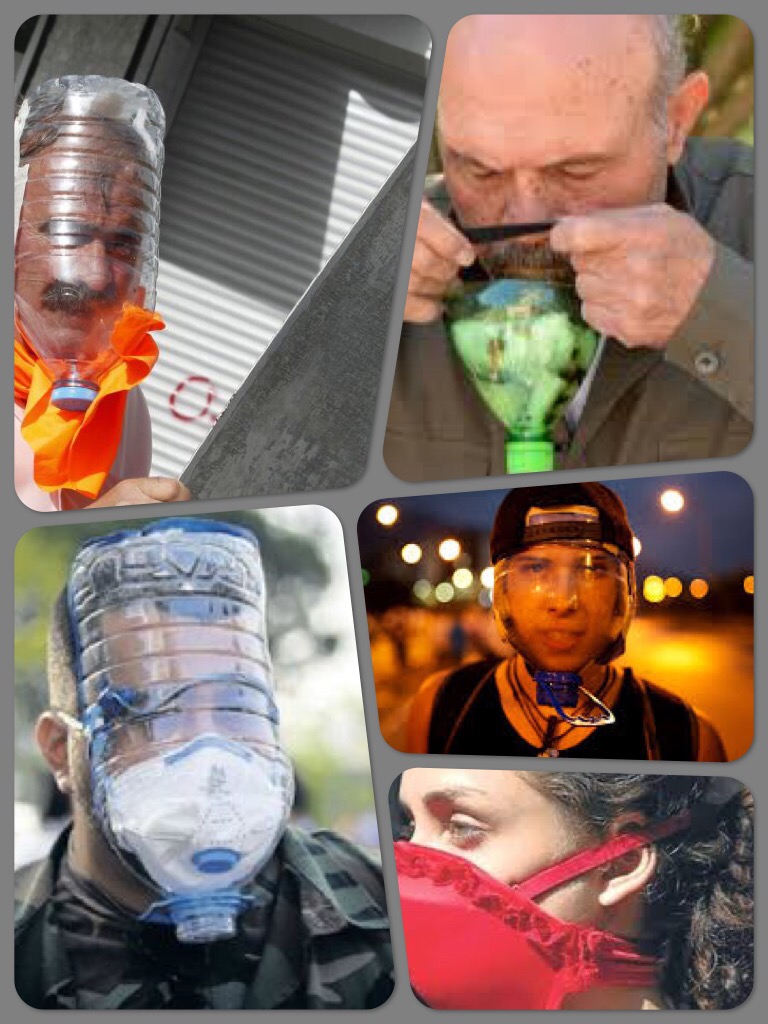
The response from the locals to the police actions was immediate – and an object lesson in courage, persistence and improvisation.  When peaceful protests were halted one day, they returned the next. When the injured and the doctors were taken from hospitals and arrested, they set up clinics in apartments.  When mobile phones were jammed – they communicated by banging saucepans and blowing whistles.  And when gas masks sold out – they made their own.  


We developed a deep admiration for all the locals we had contact with during our stay – their courage, their commitment, and especially their hospitality.  We are looking forward to visiting in more peaceful, less gas-filled times.  

Having experienced this first-hand we also understand why Churchill’s plans to take Turkey out of the war were a Hankey Banister fog fantasy. No Turk we met was ever going to surrender – not the police, not the politicians and not the protesters.
The poor Anzacs never stood a chance.

Enough from me Farquar – we have a plane to catch so I’d better let you go.

F C-S


Dr Cunnington-Smythe

To my vast reading public.

It has now been confirmed that Lady Cunnington-Smythe will be more accurately addressed as Dr. Cunnington-Smythe after a parchment ceremony in April (pending the completion of some grammatical corrections)

My gracious, giddy, aunt – there will be a floppy hat party that evening!

Well done Linda!!!

Where forth art thou Romeo’s House?

Today we travelled to Verona,  and what a beautiful city it is.  What is amazing however, is the number of people who turn up and want to be taken to the Capulet’s or the Montague’ place,  particularly ‘THE BALCONY’.   Even Shakespeare himself didn’t manage to see that particular tourist attraction

There are of course lots of places that sell R & J trash.   Far more important to the town however is the Roman Arena.  It is one of the best preserved of the remaining arenas and is used regularly for outdoor concerts. The quality of the acoustics is apparently first class – the Romans wanted to hear every scream and gurgle. Outside it is guarded by Rob from Toronto dressed in full Centurion kit.  He tries to get 5 euros from any poor sucker who takes a photo of him.  I was interested in taking a free shot of Rob on the phone and having a smoke, however he didn’t want to play that game with me, 

The trip home was a little out of the ordinary.  We travelled to Verona on one of Italy’s fast trains – 25 minutes. To return to Venice we arrived at the station just two minutes before our train was due to depart.  Children,  if only you could have seen your father running through that Stazzione how proudly your little hearts would beat. You may remember the incident in Constantinople,  (largest city in the lands of the dreaded Turk),  when I was forced to sweep your dear Mother into my arms,  run through clouds of tear gas, then, carrying her, force my way through the police lines to safety. This required similar degrees of athleticism, as today’s sprint involved a series of tunnels and stairways.

Even without a walking stick I was able to leap gracefully onto the train just in time – only to discover we were 20 minutes early. Your mother and her friends must have seen an amusing local whilst waiting for me to catch up, because by the time I boarded the carriage laughter had rendered them speechless.  The return journey with RyanRail took two and a half hours (not including the breakdown). My company had almost stopped laughing by Venice but were unwilling to share the cause of such mirth. It remains a mystery to me.

I would like to spend more time in Verona. It has the feel of a vibrant,  confident town.  There are a number of arts events throughout the year,  particularly in summer,  this alone would encourage a return. And I would happily negotiate a price to get just one photograph of a New World centurion talking on a mobile and having a smoke.

Pity we didn’t have time to see all of the balconies though.   Maybe next trip.

image
Even The Bard himself would be surprised to find Juliet's house so easily.

image

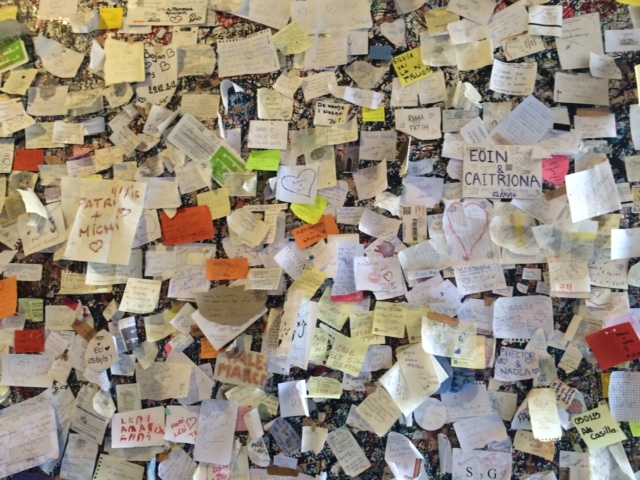
Modern day wordsmiths leave touching sonnets under the balcony (‘For a good time see Rob outside the arena. Can’t miss me – wearing helmet and carrying wooden sword’)
image

Depending on the taxi driver you talk to, this is one of the many balconies that Juliet used. They are spread throughout Verona, above banks, pubs, dress shops and private houses.
.

Padova

I wonder when the last good old fashioned sacking happened? A real sacking, not just a bombing followed by an invasion, but the real thing – pillaging, enslavement, and of course the sacking of the city –  the whole deal. Today we went to Padua – it’s probably right up there in the ‘Oh-oh it looks like we’re about to be sacked again!’ list.

According to the Wikipedia historians Padua was established by a Trojan prince, taken over by the Romans and was going along nicely for about a thousand years until 452ad. That year was sacking number one thanks to Atilla and his Huns – and this event really set the wrecking ball rolling.  Atilla’s destructive work was followed by a Byzantine sacking in 540, one by Lombardy in 613, the Maygars in 899, a massive fire that destroyed the place in 1174, and back to a sacking again by the Prussians in 1866.  In between all these events the city was invaded regularly and just changed hands without being totally destroyed.

The Padovans have to be some of the most resilient humans on earth,  or some of the stupidest. Every single time they simply started again from scratch, but only once in all that time did they think it might be a good idea to build some walls. Or moats. Or anything. The one attempt to build city walls was in 600, and it was actually quite successful because these ramparts kept the attacking Lombards out for 12 years.  After that particular invasion they didn’t bother too much with anything like a defensive system.   They must have just said – ‘What’s the point Fabio?   We’ re just going to get sacked again anyway.’  At least total destruction by fire in 1174 was a bit of a change.

Somewhere in all that they established one of the oldest universities in the world, a university that is the second oldest in Italy after Bologna . They gradually became industrialised, going from the poorest city in Northern Italy to one of the wealthiest, and managed to keep some of their buildings intact long enough for us to want to visit the place today.

We really enjoyed Padua.  It was great to wander around the city
and get a feel for the place.   It has the buzz of a wealthy, old university town.  It feels optimistic and vibrant. There are great produce markets and kilometres and kilometres of really interesting streets. Besides, they haven’t been properly sacked for about 150 years.  They’ve gotta be happy with that.

Enough history,  better let you go Farquar.

image
The Duomo survived the Christian sackings
image
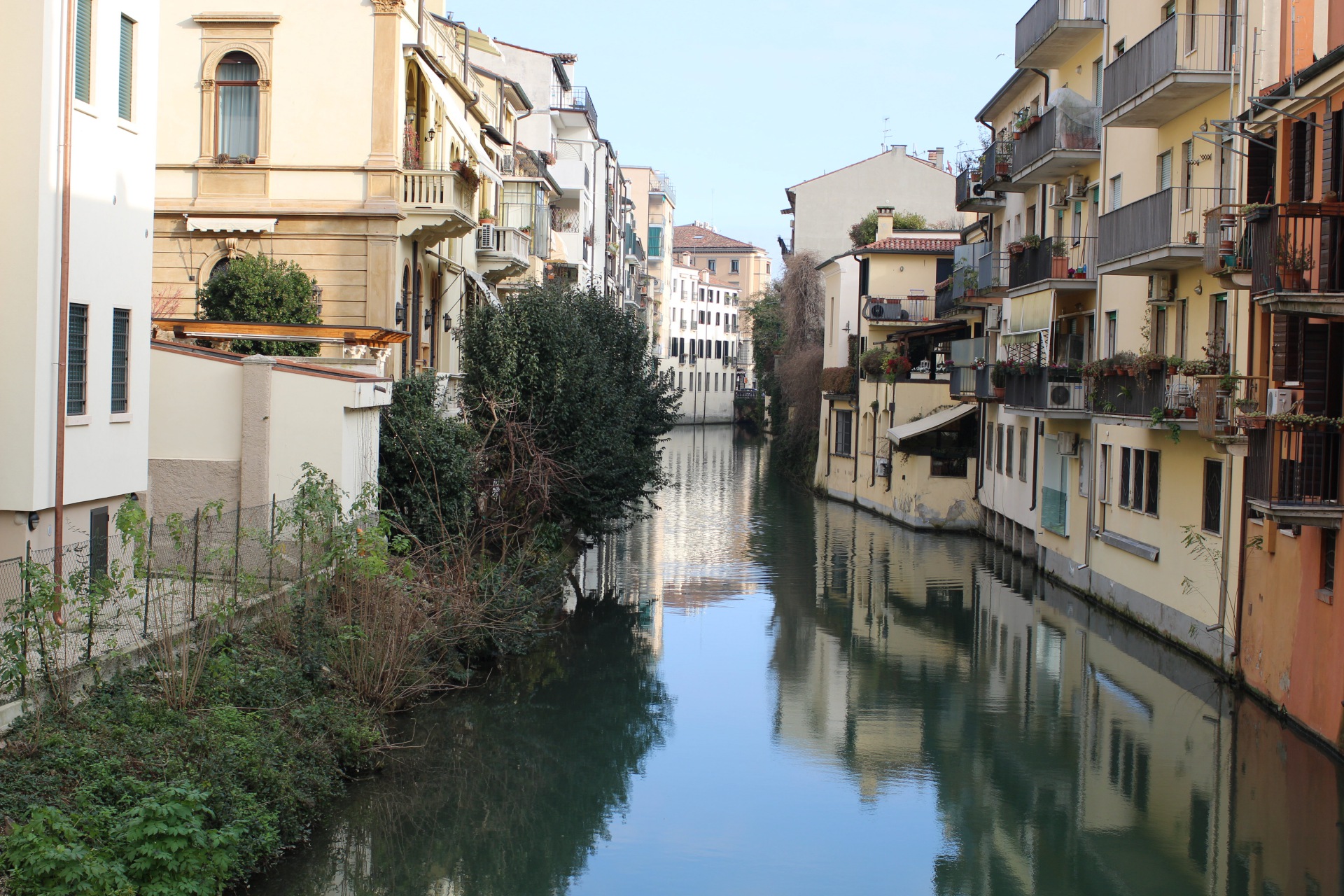
Someone once suggested using the river as a natural moat - however Padua had pretty much rolled over by that time so nothing came of the idea.

image

image
A wandering Padova minstrel.
image
Garibaldi saved the city from destruction( again)
image
Perhaps they could have made walls out of calzone like these? It was big enough.