Silver Town

  
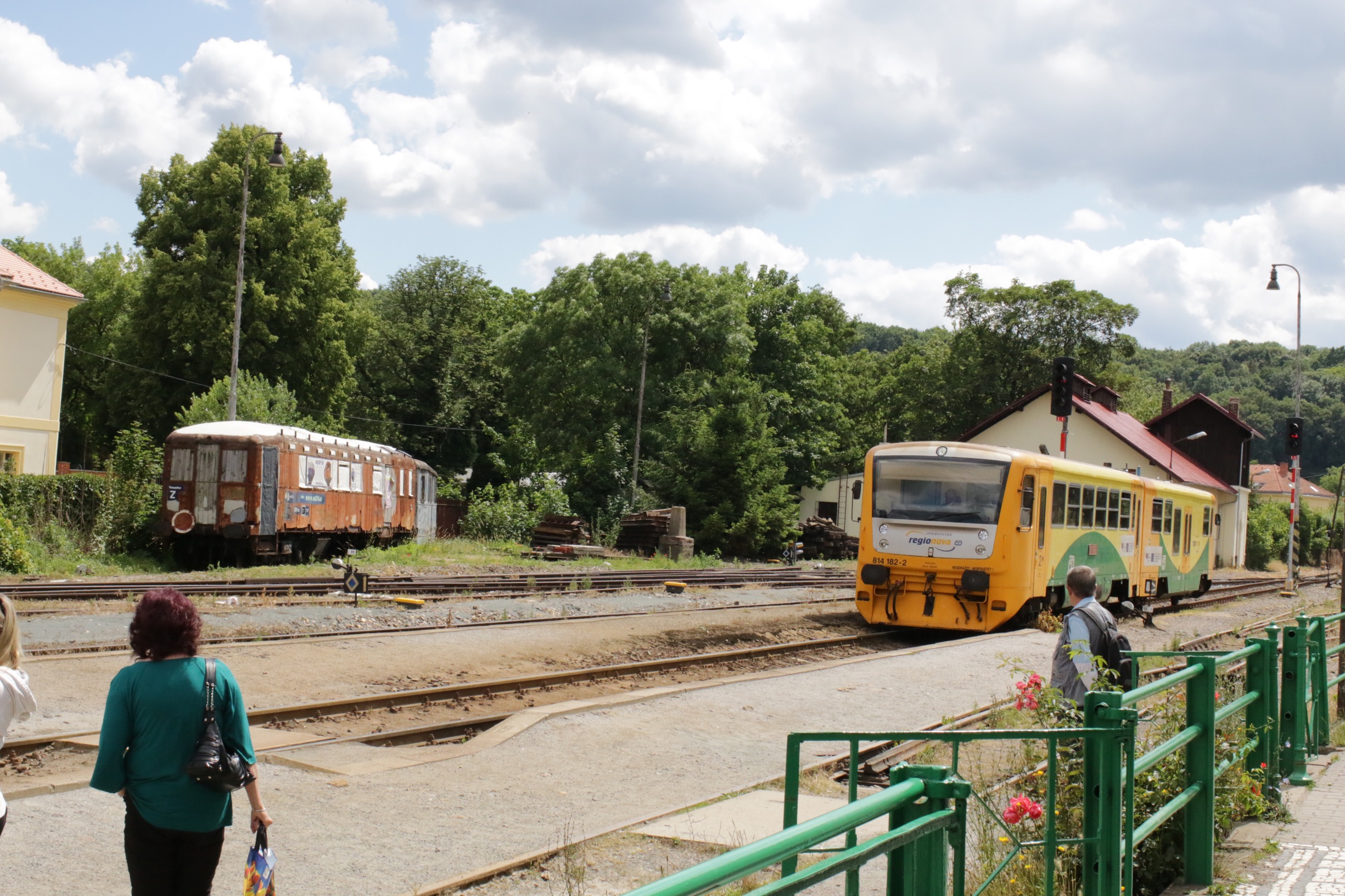
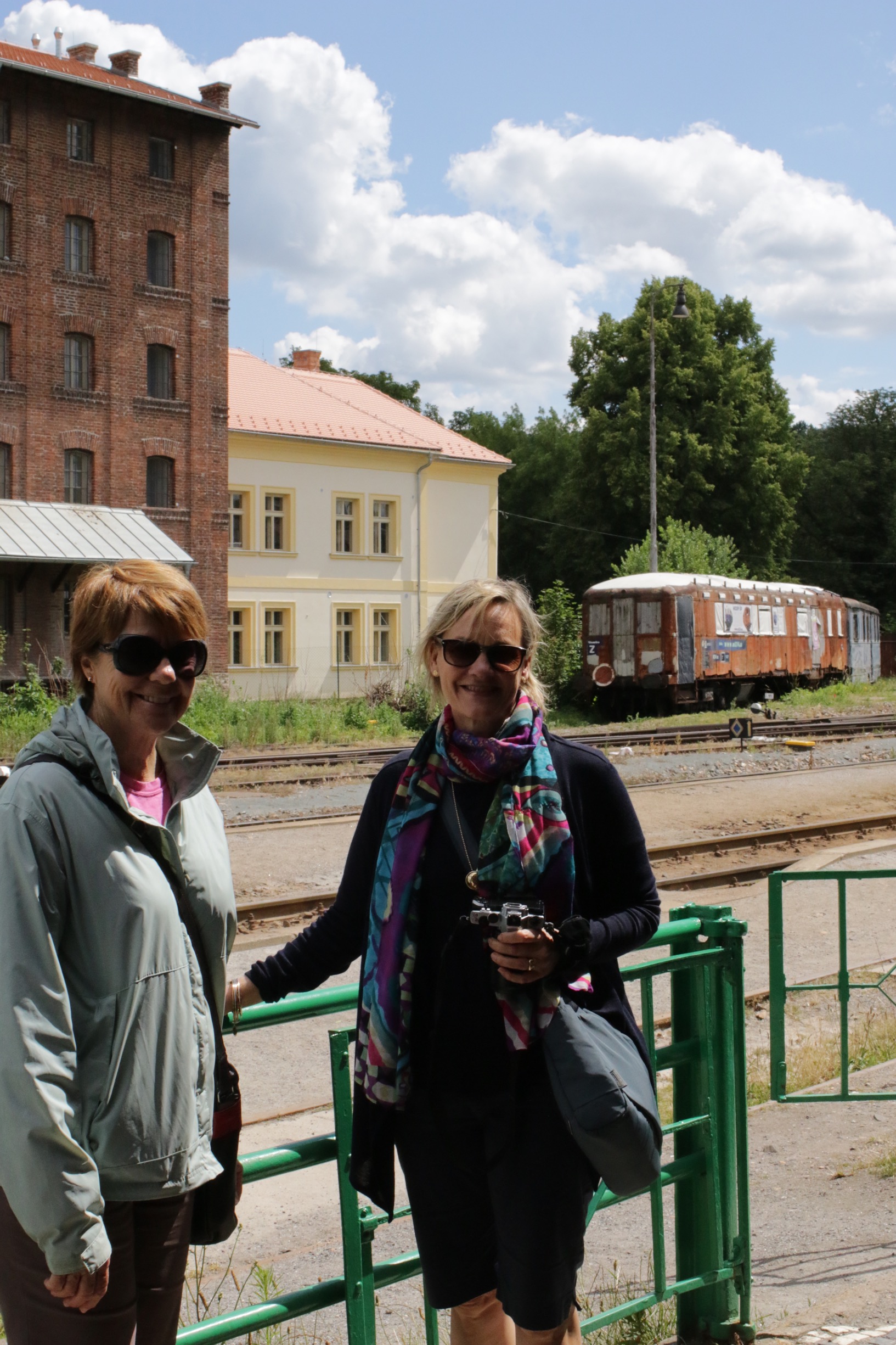
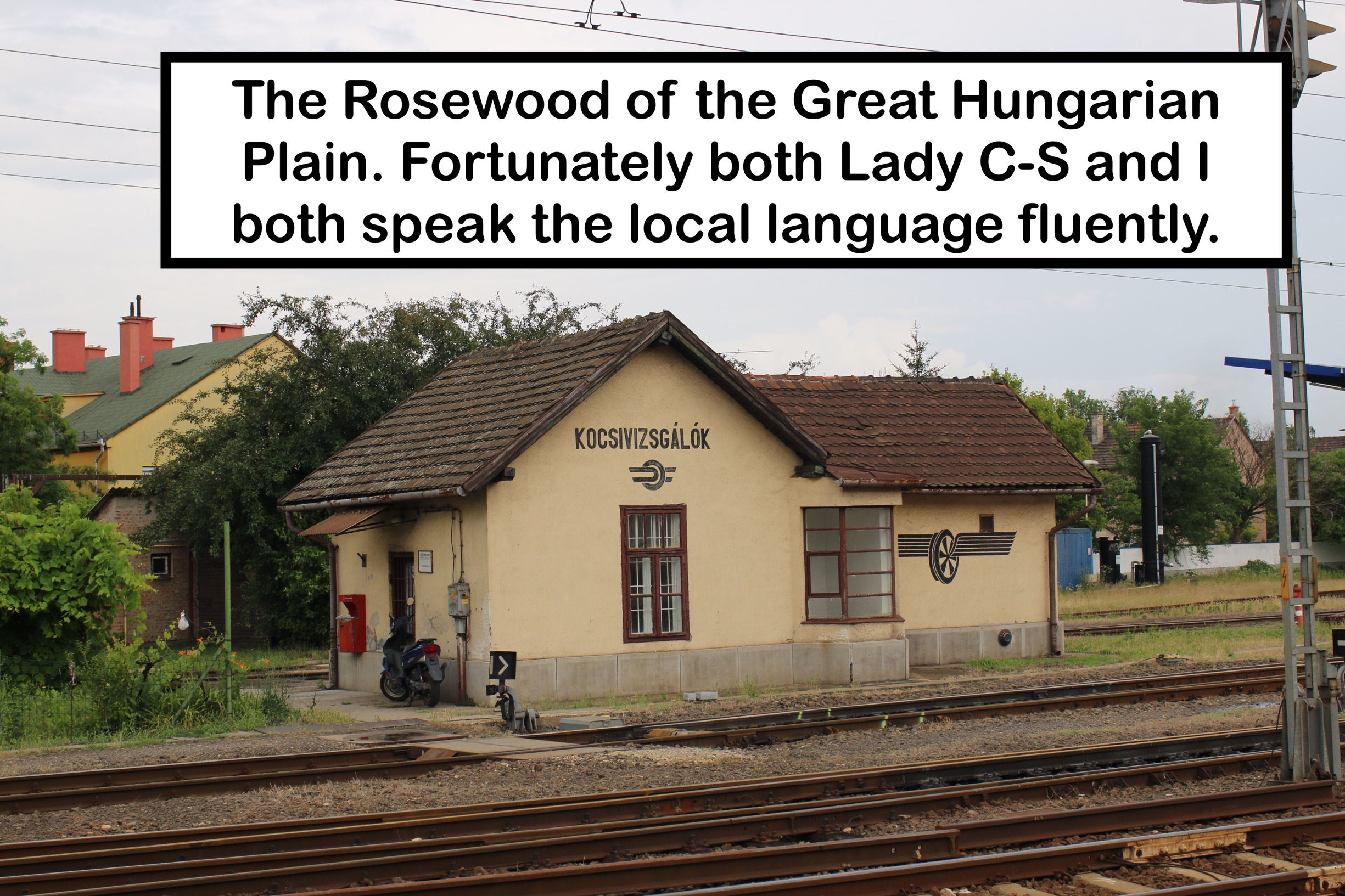
Yesterday we went to Kutna Hora, a place that is either sixty minutes or two and three quarter hours from Prague. Kutna Hora was once a particularly wealthy city that made its money from the silver mines in the district – the name translates as Silver Town. For some time it competed with Prague politically and economically – but then the silver ran out. To get there we took the express train to Kolin (I quite like towns that just have a boy’s name – a town called Trevor would be even better) then a small rail motor to Kutna Hora.

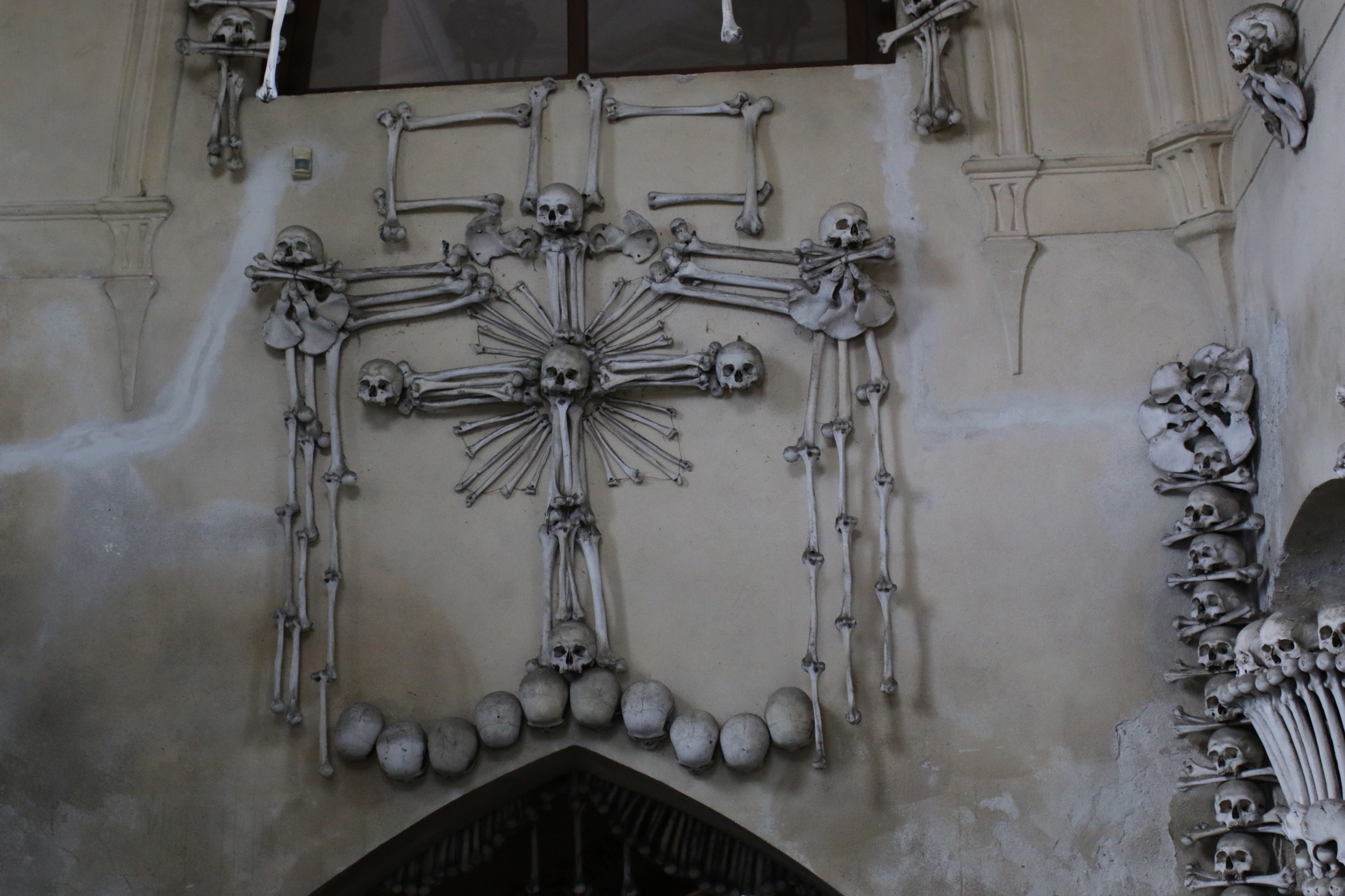
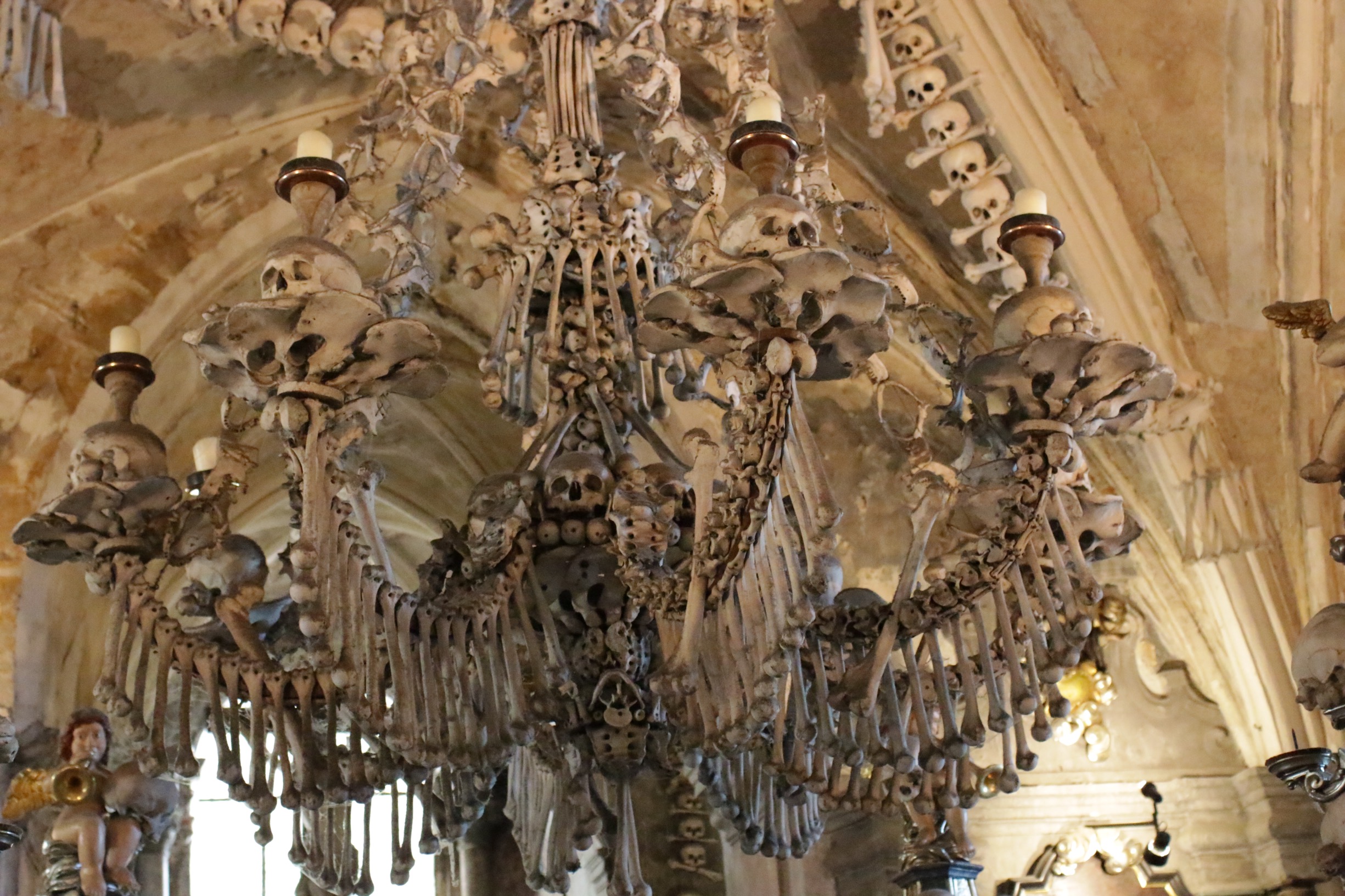
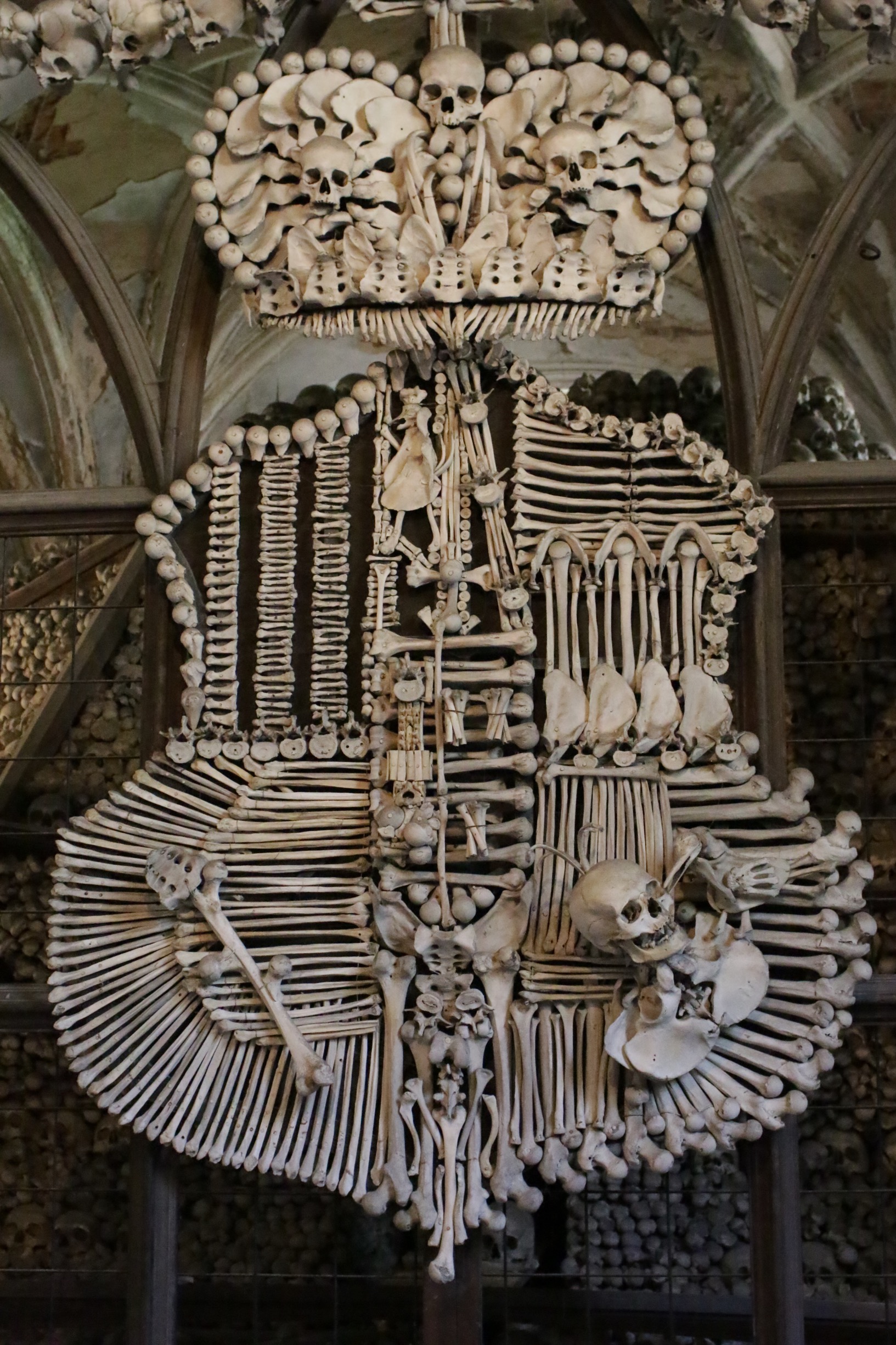
Most visitors go there for two things – the UNESCO listed city centre, or to see what Margie’s people did in the Sedlec Chapel when they had between 40,000 and 70,000 skeletons to play with.

When someone in Rosewood died we either buried them or cremated them, put up a plaque and that was it. The leftovers were left alone. When Myrl was asked if she wanted my father’s ashes sprinkled around the farm she rejected that immediately because she ‘couldn’t stand the thought of getting Ted all over her washing on a windy day.’ As far as I know even the Catholic parishioners in Rosewood left their forebear’s bits in the ground – I sure Brad Robinson would have told me if Father Brown was a bone arranger. Not in Kutna Hora – not on your Nellie.

The cemetery was always popular as a burial site as the first priest in the 11th Century had returned from Golgotha with some soil that he sprinkled about. The various plagues and the Hussite wars added more raw materials. Then in the 19th Century someone from the ruling House of Schwarzenberg had an absolute cracker of an idea – why don’t we dig up all those bones and do something with them? 

Their go-to-guy for this commission was a woodcutter called František Rint – and what Frank lacked in taste he made up for with ardour. Frank made candelabras and hat racks out of bones. He fashioned the Schwartzenberg coat of arms out of bones. He put bones around mirrors, around doors, in the ceiling, the walls, and floors. He made bible verses out of small bones and four model churches out of hundreds of thousands of longer bones. And when he finished he signed his name – in bones. Frank made the set designers for ‘Pirates of the Caribbean’ look like restrained minimalists. It is all supposed to demonstrate the ephemeral nature of human being’s earthly existence. It also shows what happens when no-one in the Scwarzenberg family says to their obsessive-compulsive woodcutter turned ossuary attendant – ‘That’s quite enough now Frank.’

 After that experience it was just the normal wandering through a Renaissance town with lunch in a 400yr old building until it was time to return home.

The homeward journey was full of surprises. The lady in the ticket office at the station is actually the last remaining Nazi official in the Czech republic from the time of the German occupation. She insisted that the train we get on would go express to Prague. Under no circumstances were we to disembark. The tiny rail motor we got on didn’t even go express to Kolin – ten minutes away. There we were all ordered off and told to catch the afternoon express to Prague. At least it was express between all the stops. The return train trip took nearly three hours.

My darling children, as your dear Mother and I wander around Europe we are comforted knowing how wonderful must it be demonstrating your kindness and patience toward each-other as you toil ceaselessly cleaning and tidying our house. And even though I may never understand the people of the Central European plains, they have given me an idea as a way for us to remember Charlie when she finally goes to dog heaven!
Perhaps Margie will help with the arranging.

Best let you go

F C-S


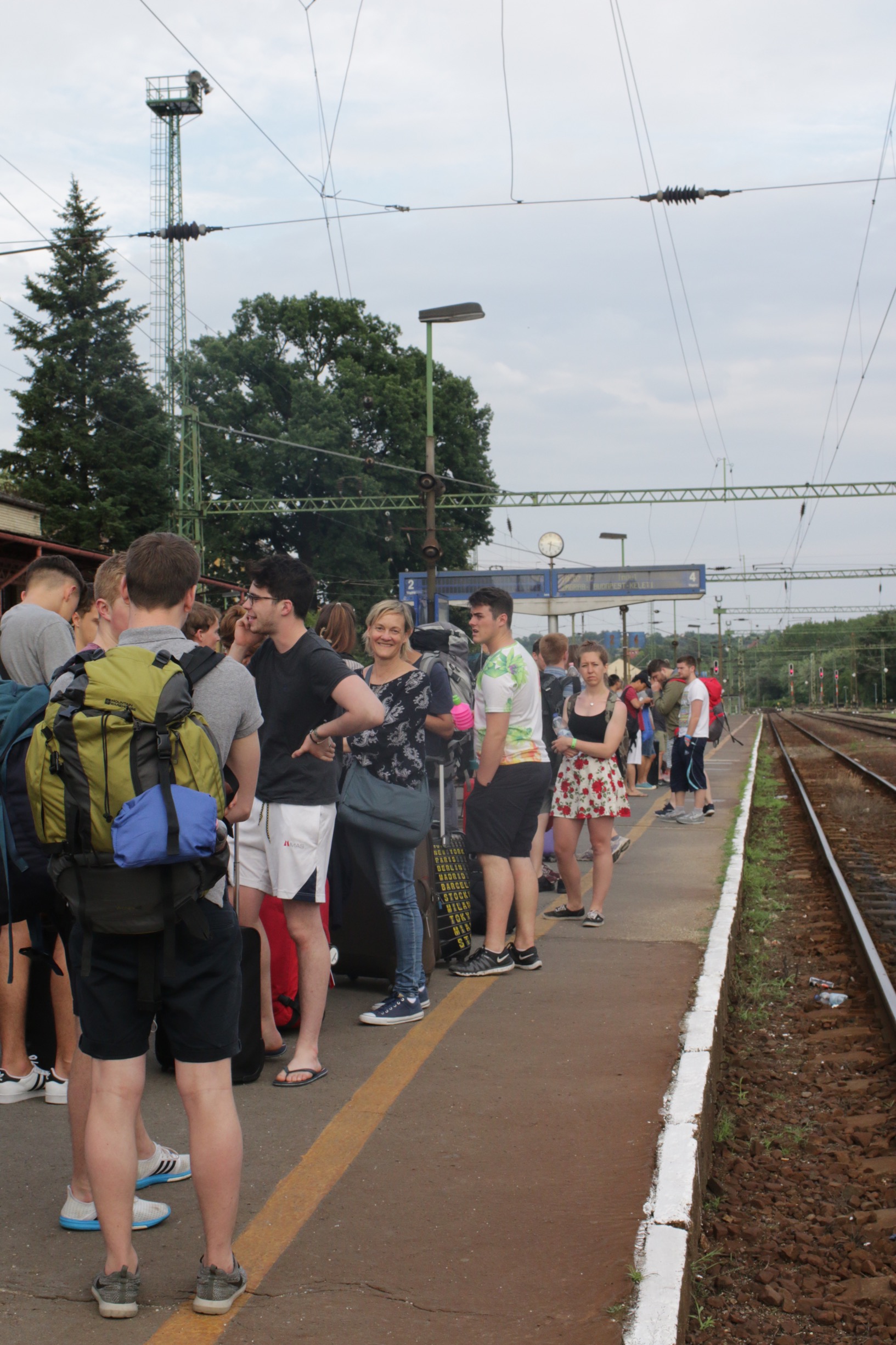
The Kutna Hora ‘Express’ to Prague
   

Wandering and Wondering About Prague.

I have spent a couple of days wandering around Prague wondering why I haven’t really warmed to Prague. Perhaps Linda said it best when she said it reminded her of an ‘untidy Singapore – it lacks heart.’ Prague was the first European city we visited ten years ago when we came here with our children. It was the first time three of us have ever seen snow – but it still can’t inspire the depth of passion that many first-time experiences tend to evoke. The presence of so many tourists (like me) hasn’t helped – Prague hosts SIX MILLION visitors each summer in a city that numbers just 1.2 million.
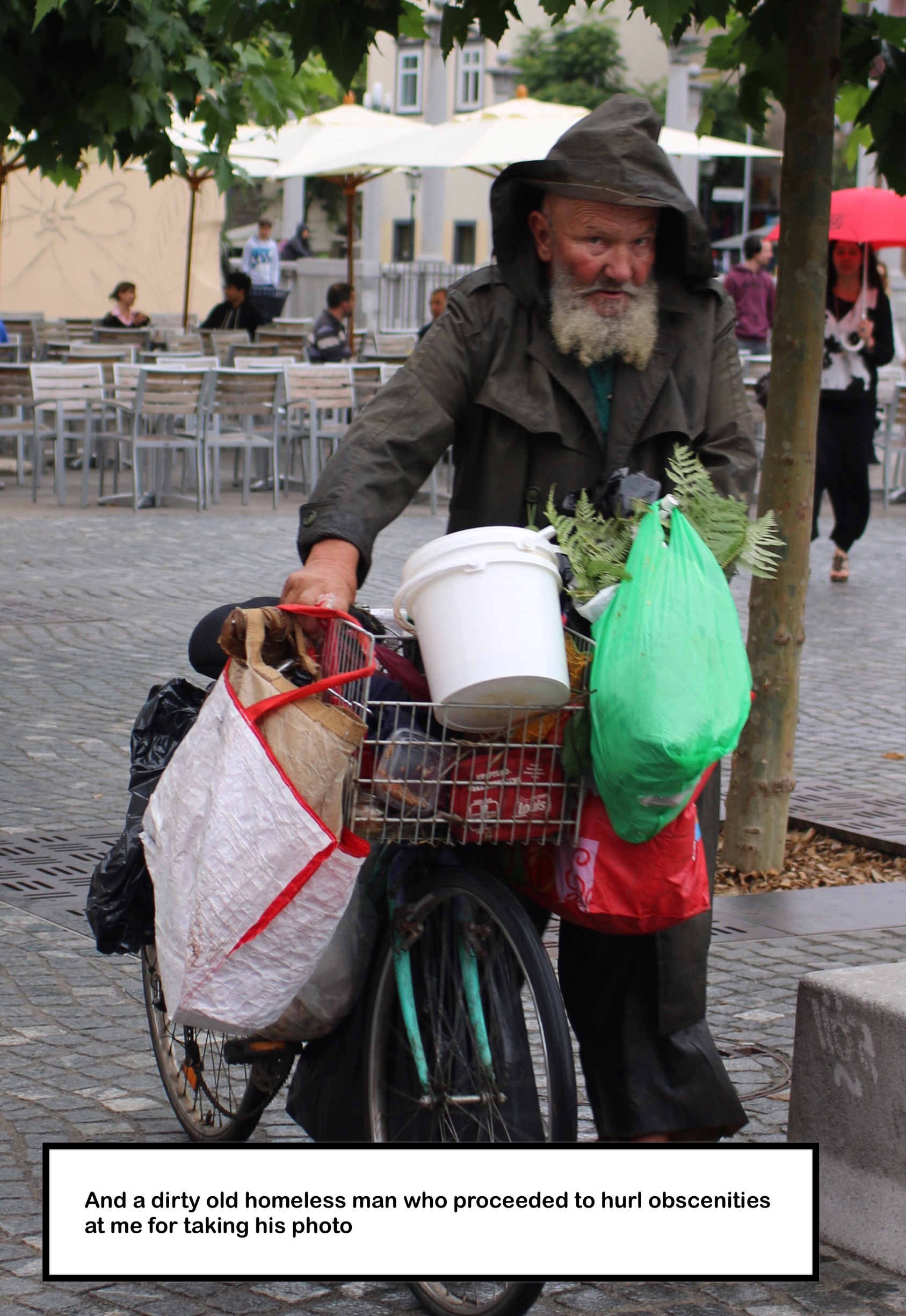
    

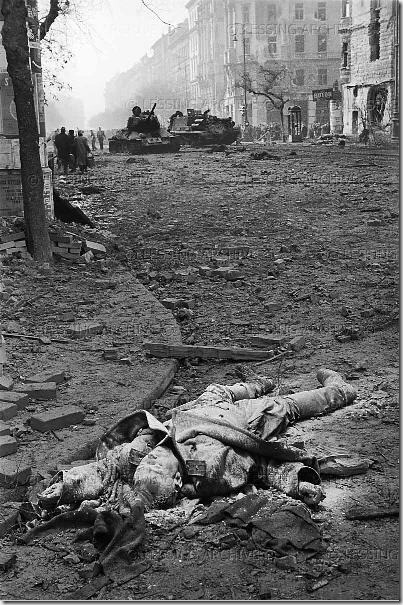
There have been experiences I have loved of course. We saw a photo exhibition of the photos of Erich Lessing. Lessing was a colleague of Robert Carpa – both were displaced Jews, both worked for Magnum Photos, both were photojournalists, both photographed the seminal events that occurred in Europe during my lifetime. Lessing left Vienna when the Fascists took power – his mother stayed and died in Auschwitz. After the war Lessing photographed the effects of the war on Eastern Europe, capturing the plight of Poles, East Germans, and Austrians as they struggled to regain some sense of normality – sometimes maintaining, sometimes showing the complete loss of dignity that goes with deep poverty. Carpa stood on a land-mine in Vietnam and died at the height of his fame while Lessing , now 92, went on to become one of Austria’s living treasures.
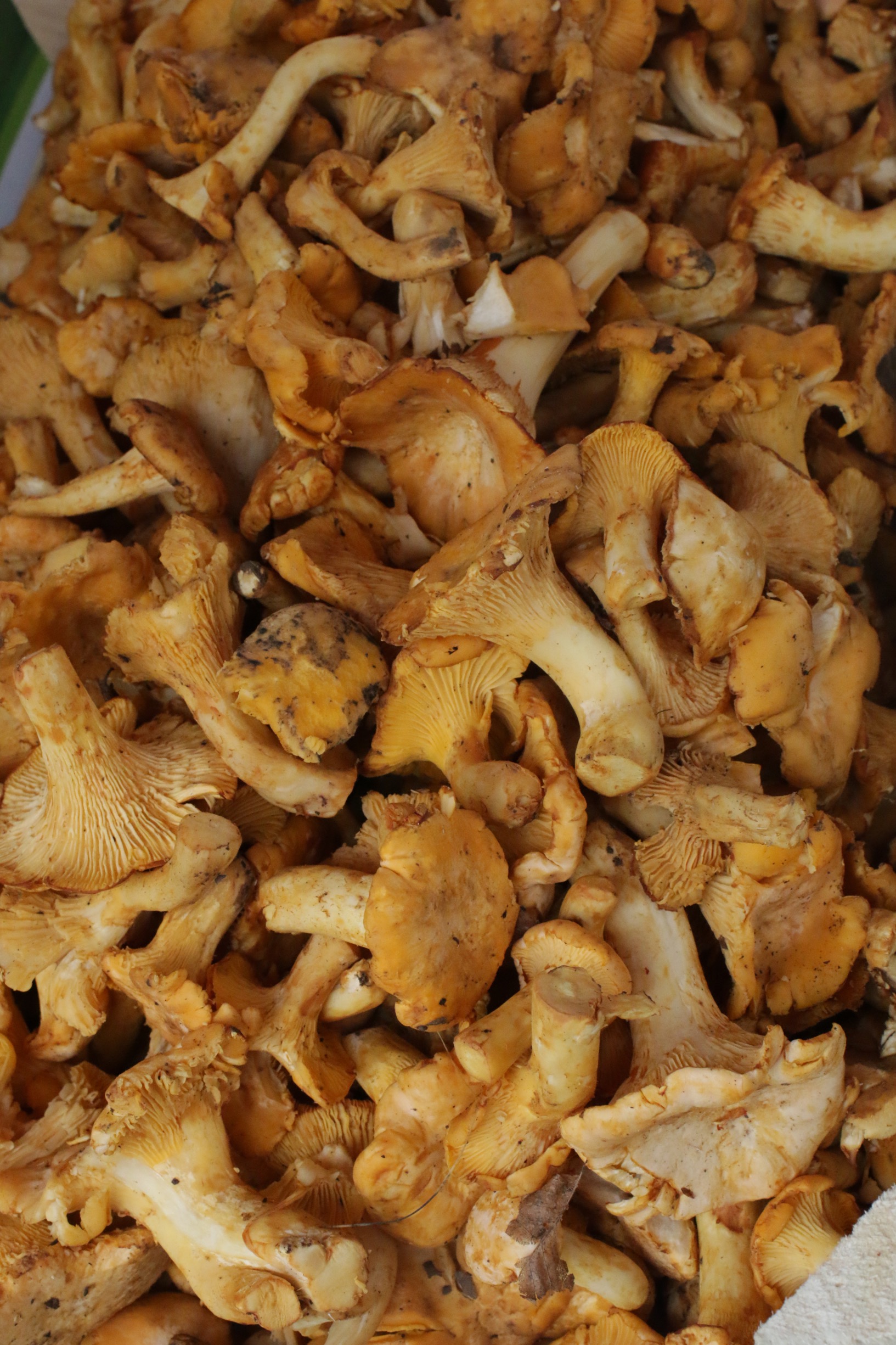
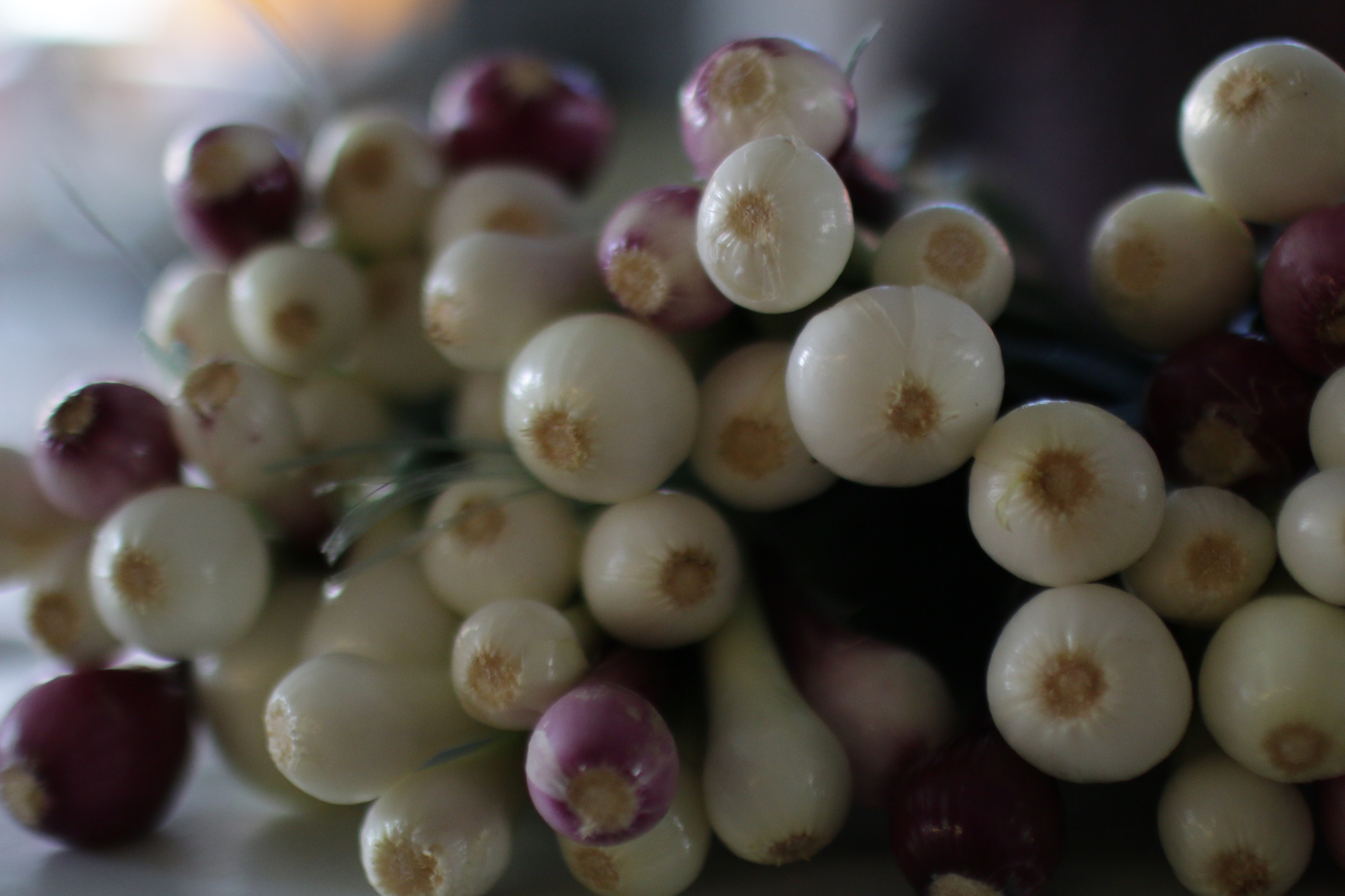
Despite the prevalence of Tesco and Sainsburys we have found farmers’ markets with wonderful food. (Tip for travellers – when you see a queue of people linking up to buy sausages and ham, it is a queue well worth joining.)  Tonight for dinner we had ham, sausages and farmers’ cheeses, the most beautiful strawberries and cherries, and real bread. I hereby reaffirm my vow to give Coles and Woolworths the least amount of my income possible.
We probably won’t return to Prague. I fear it may become wealthier, busier, more crowded. The things we love about travel in Europe – talking with locals, the markets, the great food,  will be even harder to find in this cleaner and tidier ‘Singapore’. Pity really.

F C-S


‘Sorry, where am I?’

A photo taken by an Australian traveller from Toowoomba, of a refugee from Guinea dressed as a Chinese rickshaw driver, trying to sell a ride around the sights of Prague, to an English couple from London. 

Sorry, what country is this. Where am I?


To The Very Edge

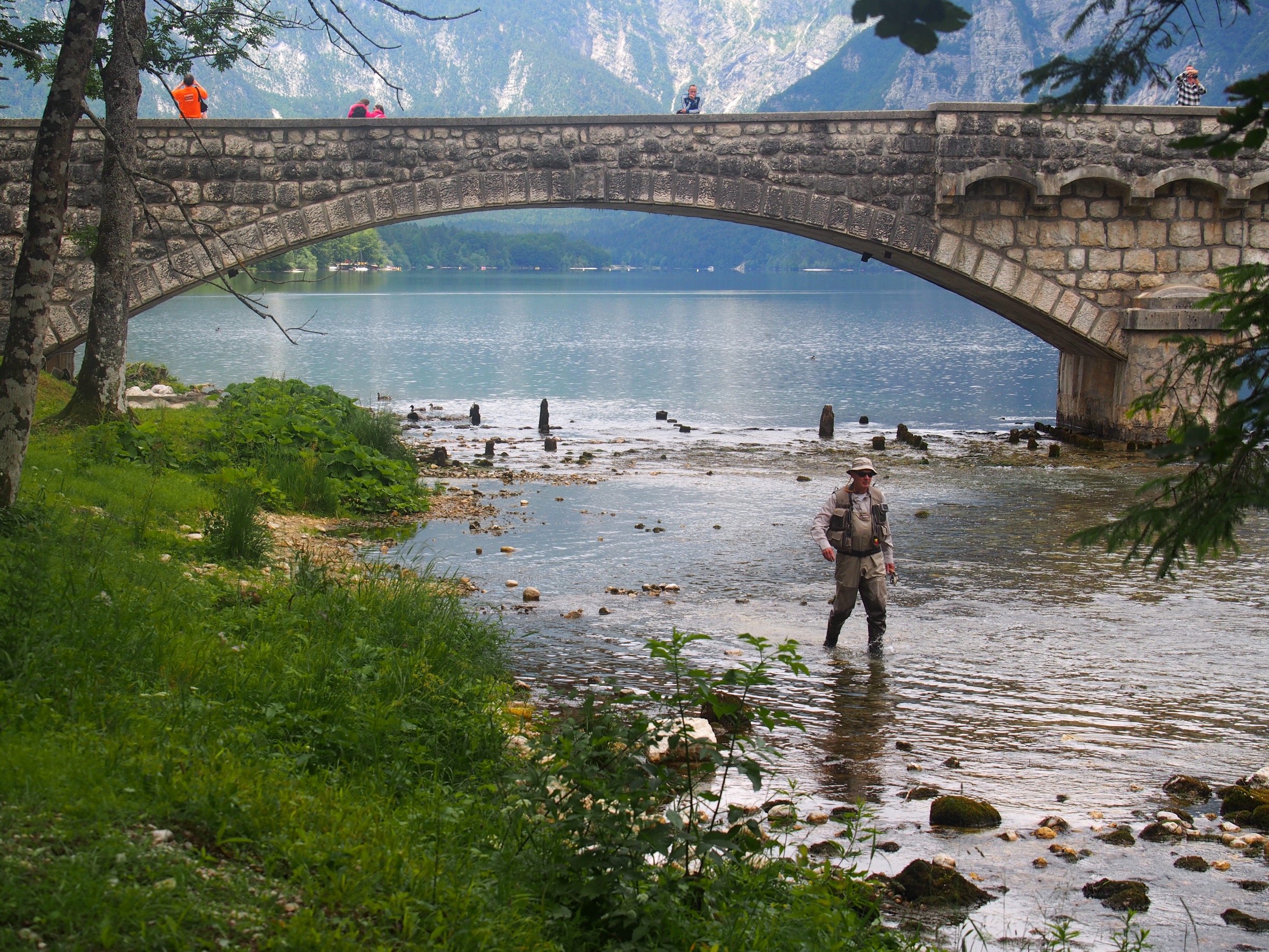
Sometimes an adventurer needs to take risks in order to encounter experiences that can then be shared with one’s legion of readers. Yesterday we travelled to the furthest reaches of Slovenia – to Slovenia’s ultima Thule. The outward journey alone took nearly two hours and because of the route chosen there was to be no turning back once the travel had commenced – no matter how difficult the day. Some residents of Ipswich – with their sophisticated, big city, airs and graces unkindly say that to get to Rosewood you go west 15 miles…. and back 100 years. Slovenia however is a little like that.

The Kranskje region is on the border with Austria. The first railway there only happened 30 years ago. It is still the home of alpine dairy herders who head to the mountain pastures in summer, turn all their milk into a type of emmenthaler cheese, and descend with their herds (and cheese) with the onset of cold weather. Meanwhile their womenfolk make the Kranskje sausages that are traditionally eaten in Australia by drunken men rummaging through the fridge to sate the beer munchies. (Here Krankje isn’t deep fried – rather it is always brought to the boil, then allowed to sit in the hot water for 20 minutes before serving – have they got some things to learn about Kranskje sausages in Slovenia, even if only how to spell it correcly!)

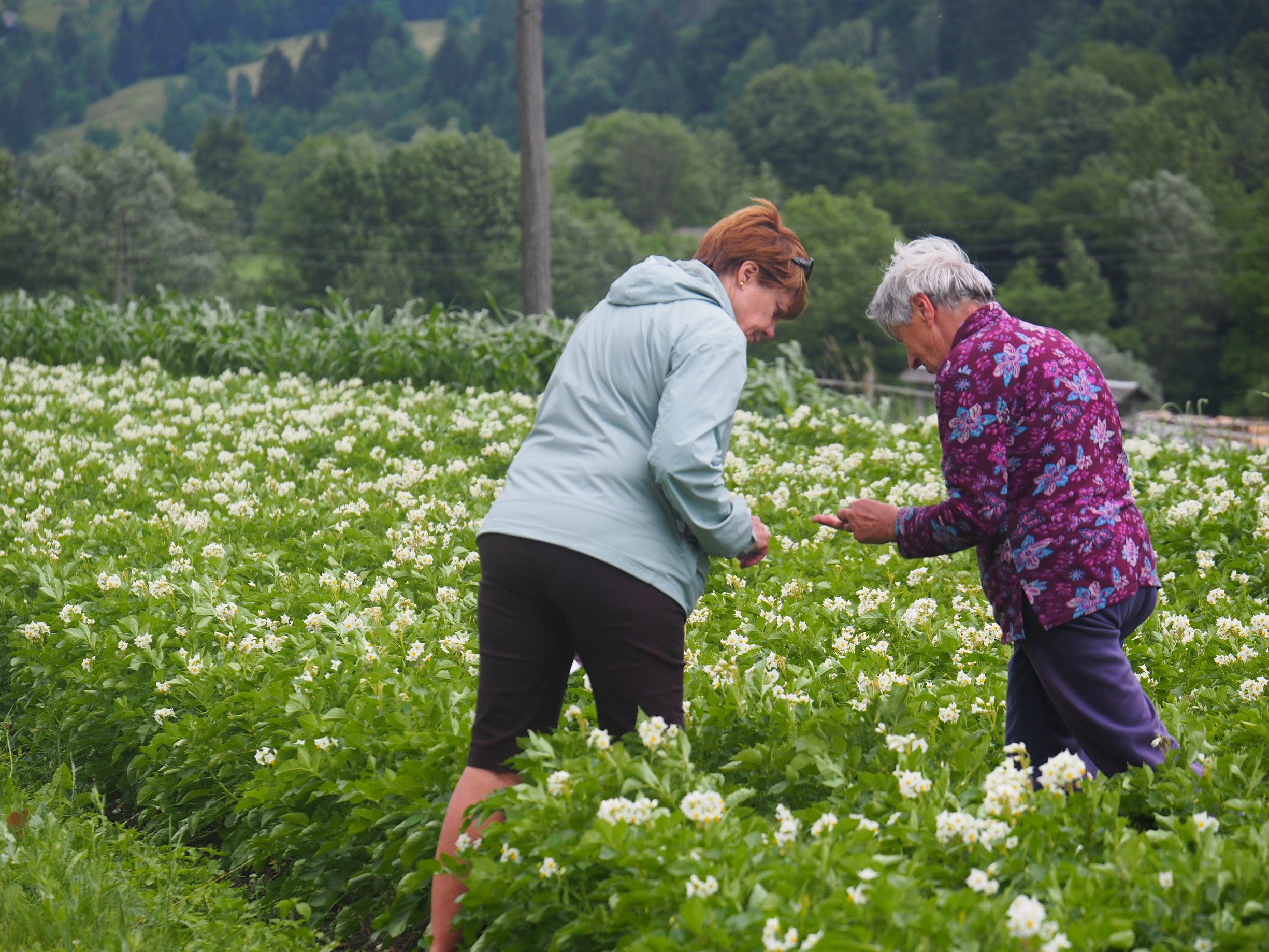
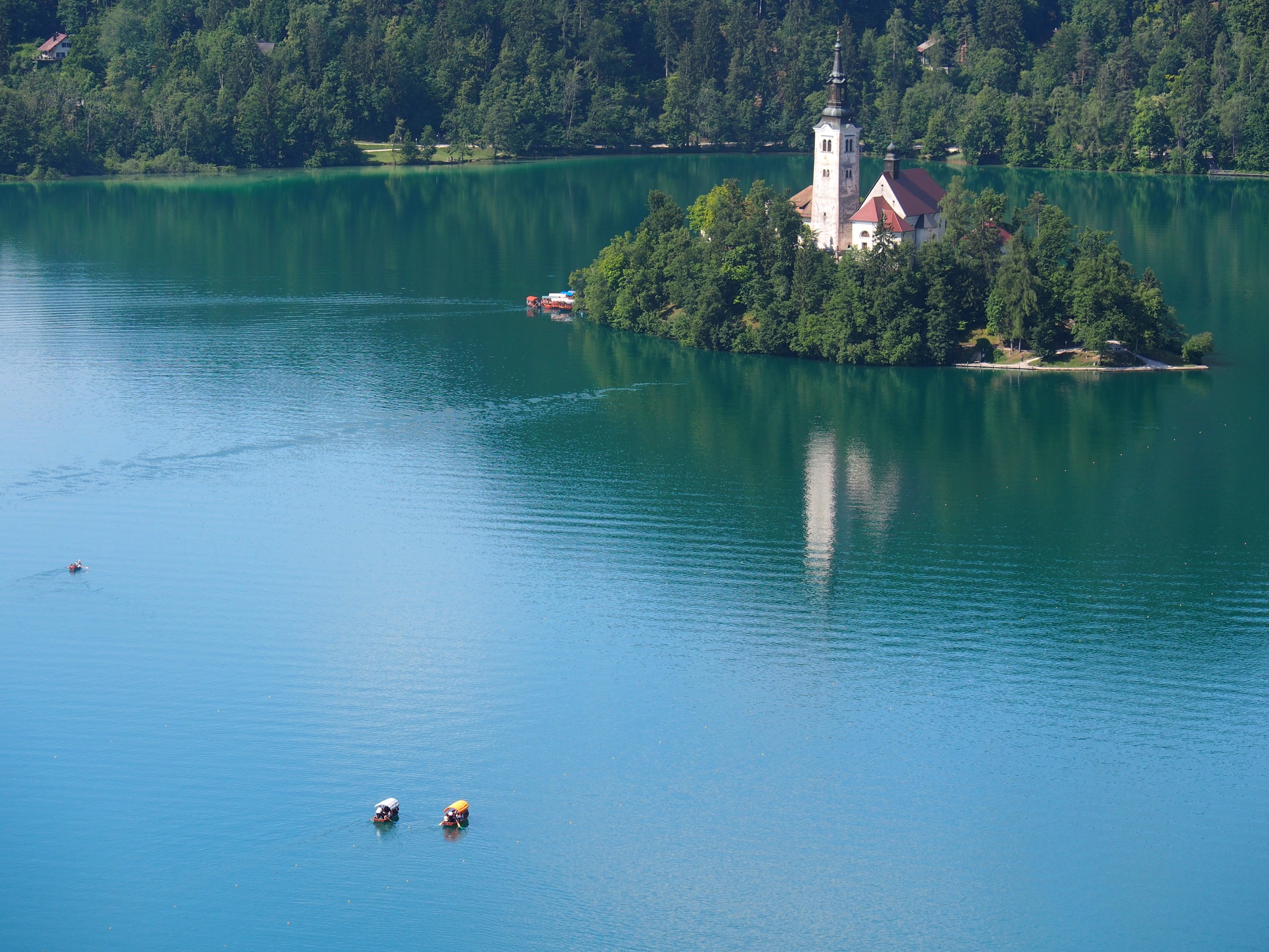
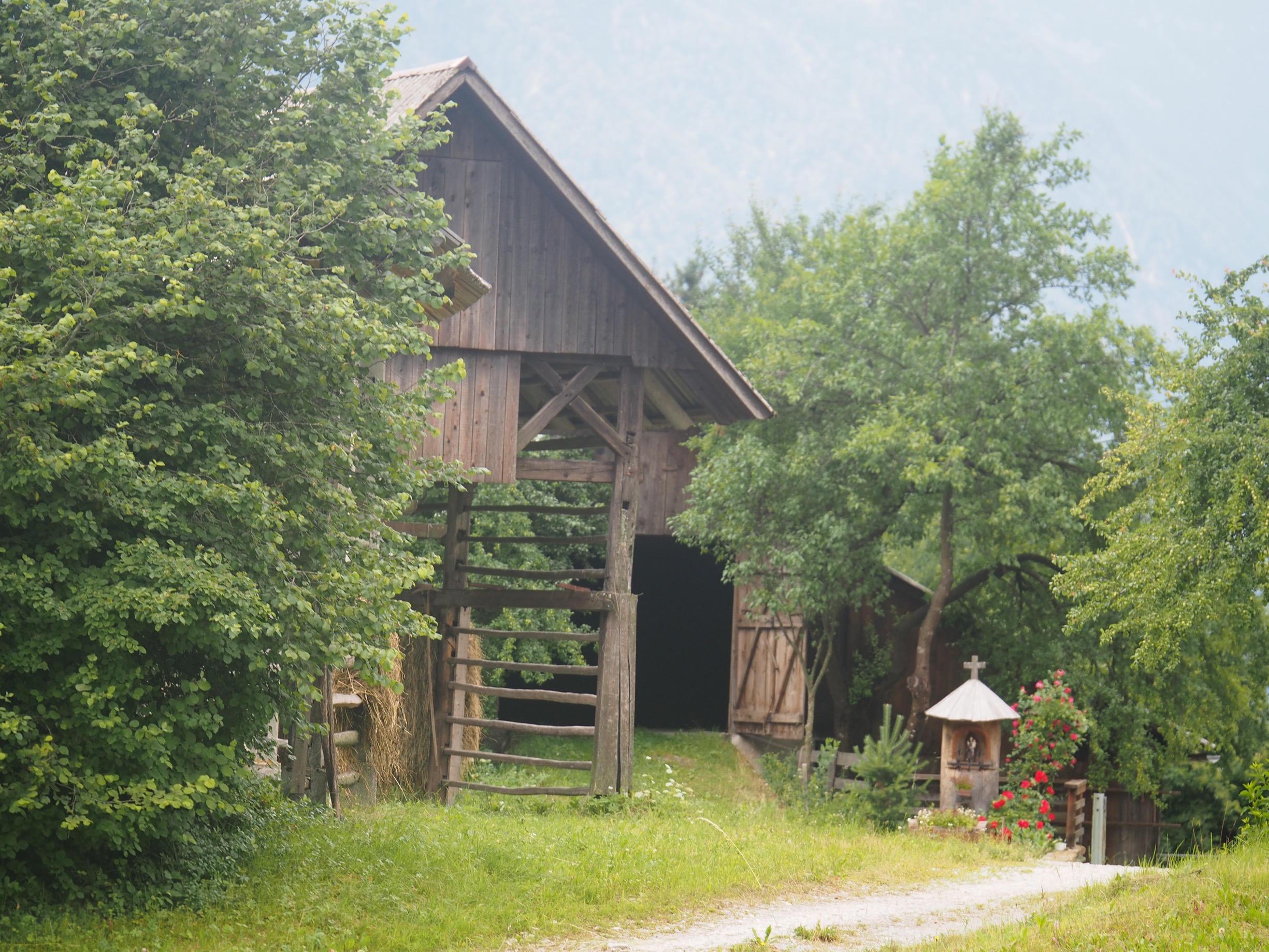
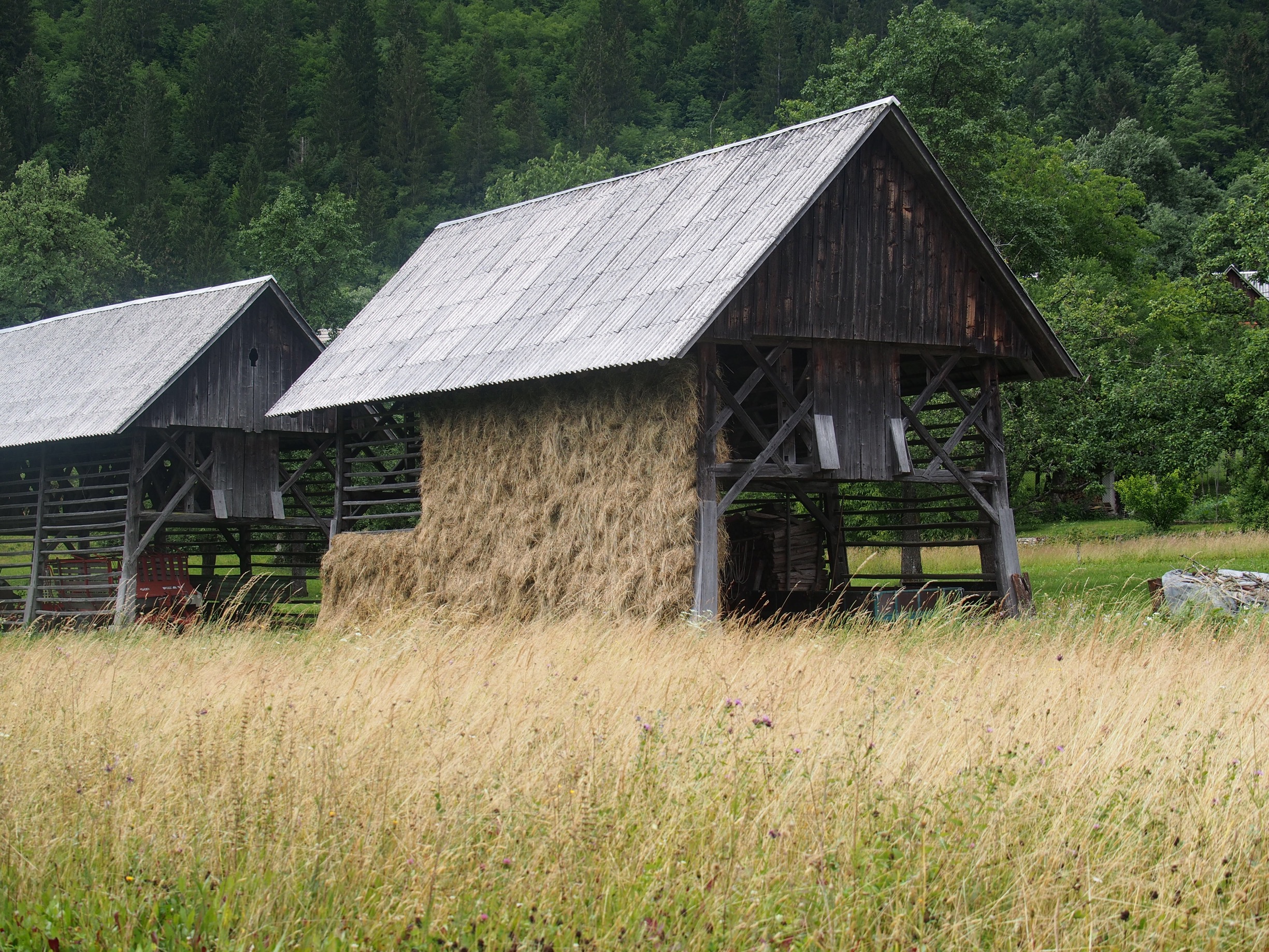
The day was spent driving around this region, thousand year old villages with two-hundred year old villagers. Hay racks dotting the countryside and beautiful lakes to punctuate our route. Lunch was simple – fruit, bread, cheese and another local delicacy – bear meat sausage (‘twould be a shame to let a good bear go to waste). Beside us was an old lady pulling the bugs off her potato crop by hand – they’ve never bothered with chemical sprays, and now their ‘organic’ produce fetches a premium at health food shops.

The afternoon was more wandering, more mouth-agape sight-seeing before stopping for a tea, poppy seed apple cake and a krem shnit (a local cream custard dessert – even if it does sound more like something that comes out of your nose). Then home to beautiful Ljubljana.

Afterall, someone has to take these risks or there’d be no blog.

The things I am prepared to do for my readers!

Yours etc

Farley


Eastern Saints

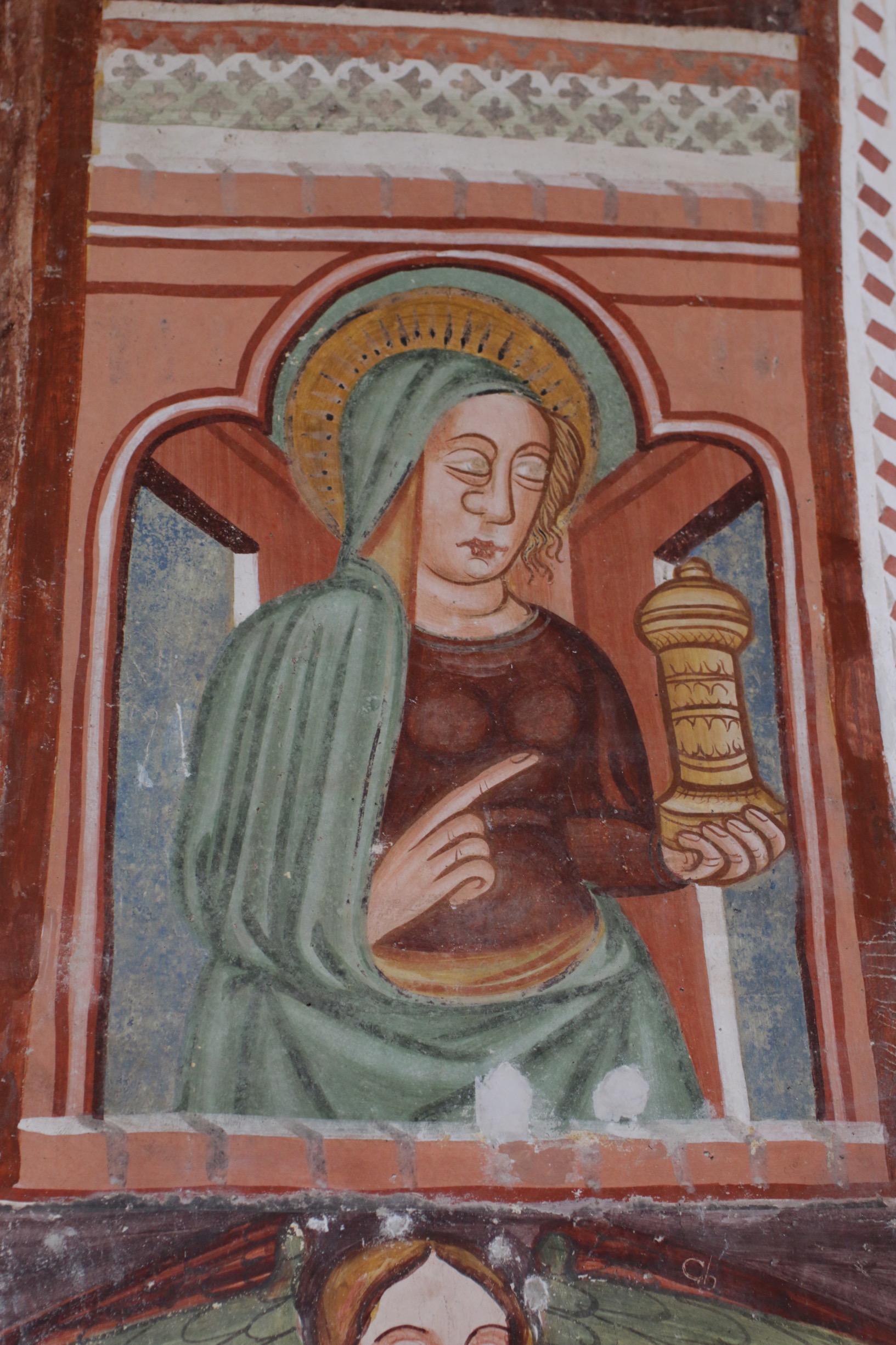
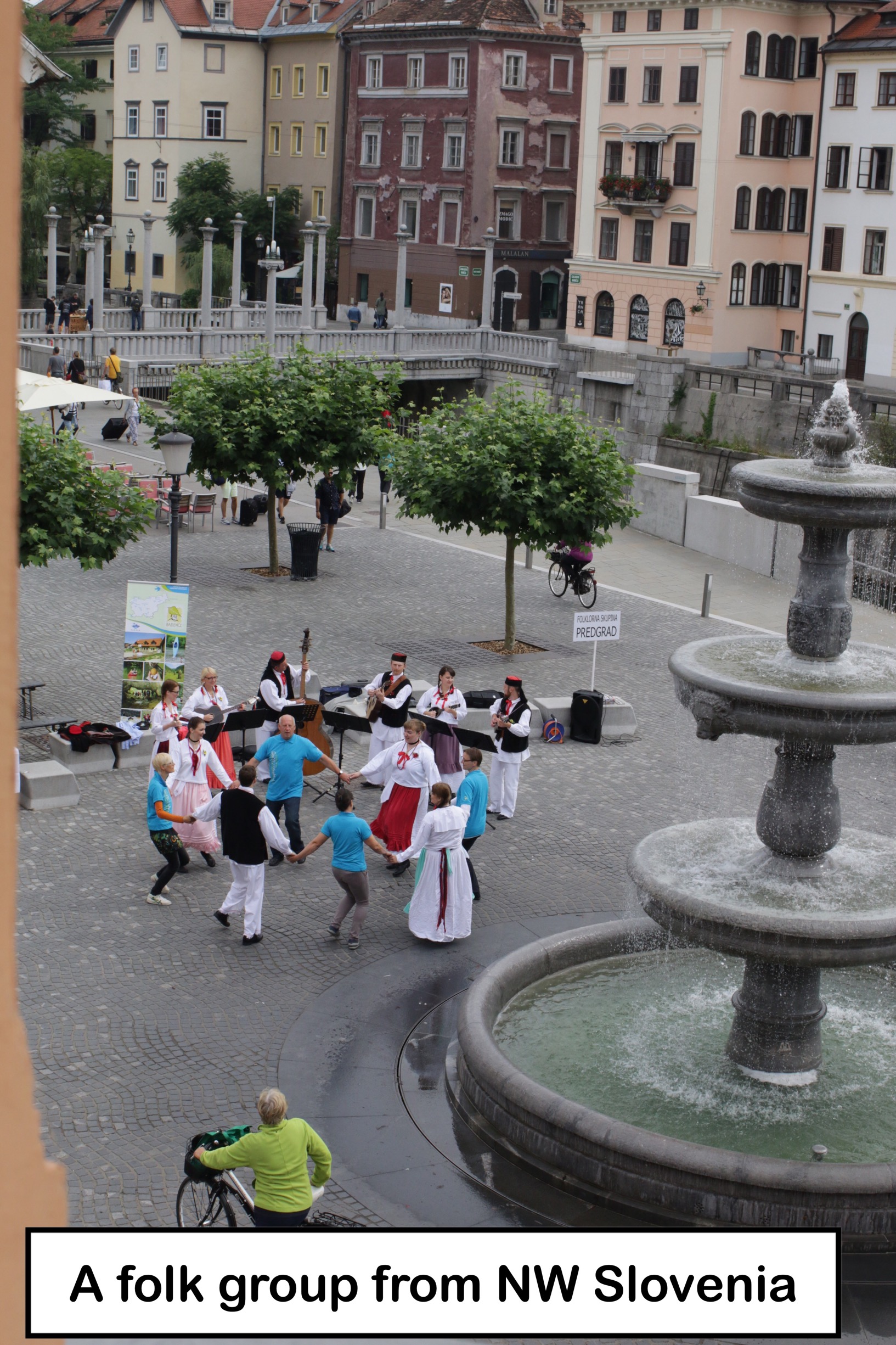
Today we travelled to various shrines, including those of lesser known saints -Saint Gingivitis (the patron saint of Slovenian dentistry) and Saint Digitalis (The patron saint of…..? Our tour guide simply blushed when asked)

 And what exactly is that lamb doing? 

Sadly I may never fully understand Eastern Orthodoxy.


Can’t Have It All.

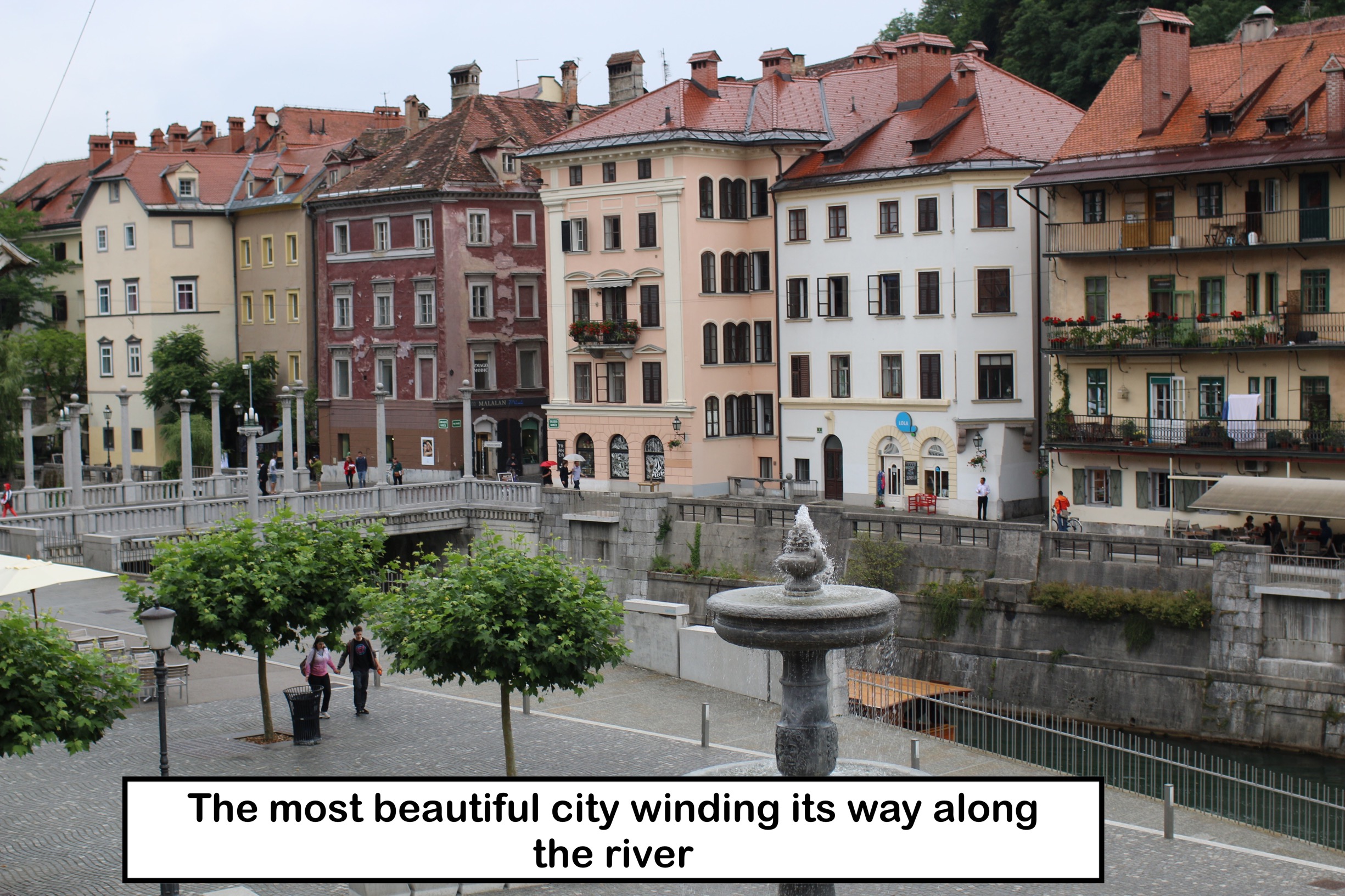
We are now in Ljubljana. This morning before breakfast from the windows of our apartment I took photos of ……


Even in beautiful Ljubljana you just can’t have it all Remington. You just can’t have it all.
Farley C-S 

Securing a Private Compartment

There are any number of methods that can be employed in an attempt to secure a private compartment on European trains.  Music – however loud or whatever the genre, will repel some but attract others.  Food, no matter how pungent, will repel some but attract others. There is one method that we are now using that has proven particularly effective – I perform loud vocalisations, rocking actions and copious dribbling whenever a stranger approaches seeking a seat.

Whether the reuluctance of fellow passengers to share our six-seat compartment is out of concern for my ‘carers’ or out of a need to ensure their clothing is spittle free, it is quite immaterial as the effect is the same. So long as my two carers can control their mirth, (both Maryanne and Catrina have, at various times, let the team down in this regard) we are almost invariably guaranteed a space without the need to be polite to strangers.  This ruse has worked  in Italy, in Poland and once again on this very train to Lubljana!

Ah children, the travel tips you are yet to learn.
Your Dear Father etc 


ICE

  
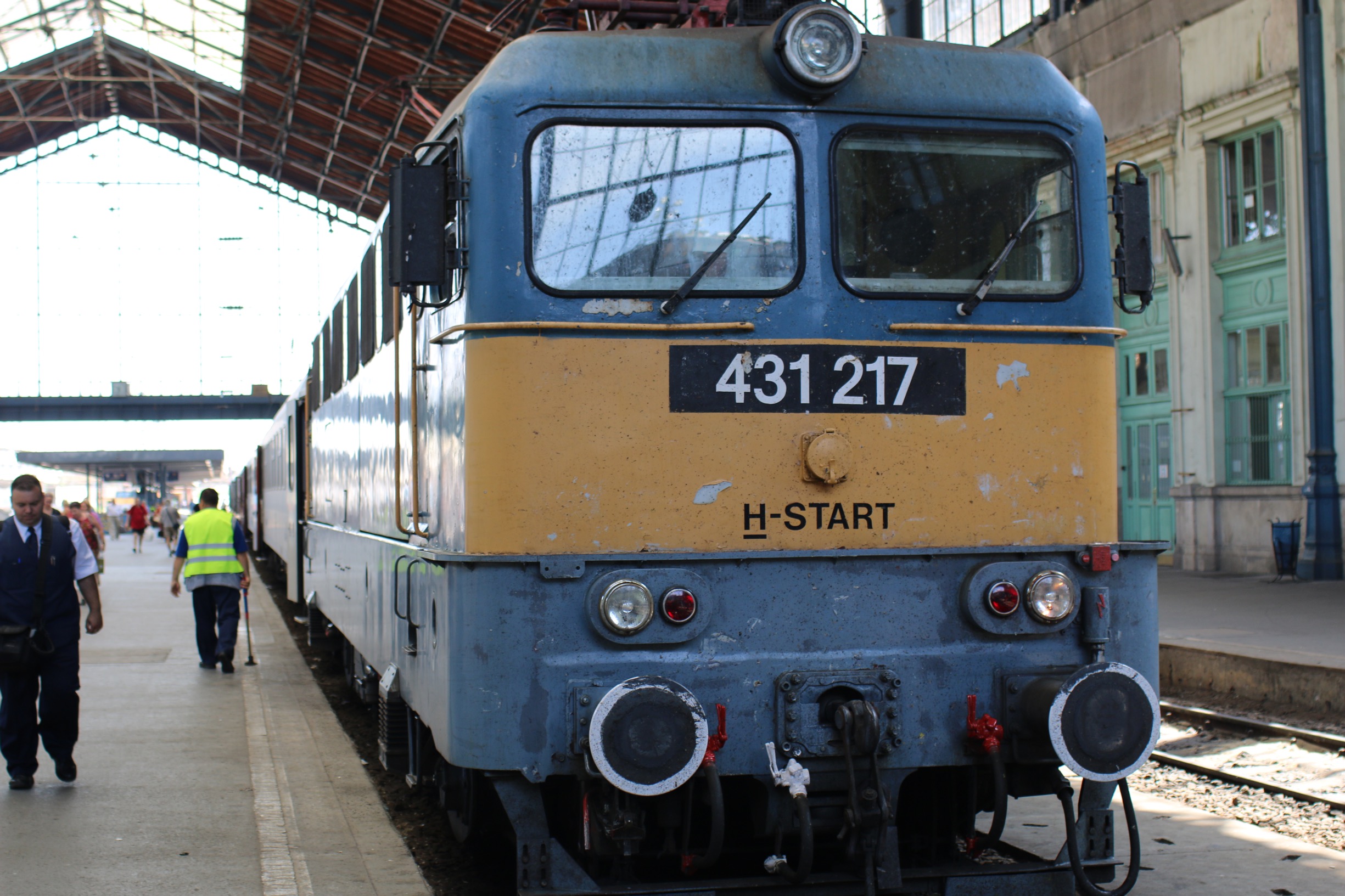
Mussolini made the trains run on time. I’m not sure that Admiral Horthy, the Hungarian WW2 leader, had quite the same effect on Magyar Rail. When I negotiated tickets from Budapest to Zagreb the lady behind the counter suggested we take the afternoon Inter City Express – Hungary’s finest. It would go straight to the destination, she said. Much faster than 3 Hours on a bus, she said. No stops, no changes, she said. The woman is a filthy Hungarian liar.

The Rosewood to Ipswich Express rail-motor only stops at Thagoona, Wulkuraka, and will also occasionally stop at Thomas St, but only if there are passengers who wish to disboard. We stopped at every Hungarian hamlet from Budapest to the border. There we were instructed to disembark, and were herded on to a bus. After nearly two hours we were once again herded out of the bus and on to a railway siding called Magzojokjli (or some such) only to have to wait for the next ‘express’ to Zagreb. After a journey of nine hours finally we arrived at Croatia’s capital. I hope the ticket lady has to eat the same lunch I had today.

However we do love Croatia. Zagreb was a tense place during the war with Serbia. Cluster bombs were dropped on outdoor markets during market days killing scores each time. The opera house and other landmarks were shelled -sixteen ballerinas were injured in one attack on the opera house. (Vicious fighters those ballerinas – no wonder the Serbs wanted to take them out of the war.) After the war there has been a slow but steady recovery. They were last a separate nation in 800ad and it has taken a wee time to get back to that, but it is something that is cause for great pride. Stick that up your nose Mr Milosovic.

Yesterday Ivana and Ksandro – the couple who own this apartment, drove us to Samobor, then to lunch at their weekender in the hills above the valley. I could live there. It might be a bit of a commute to Lofty, Charlie would need feeding, and the kinder would have access to our cellar and our cars – all arguments against. However to eat food that is grown by the people who sell it to you, to drink wine made by the people who sold it, to share a meal with the people who have just made an absolute killing renting their apartment to us is very special indeed.

Tomorrow we head for Ljubjiana, again by the ICE. This time I am prepared. I have practiced a smirk (a particularly difficult face to do my children) ready for the moment when the ticket lady suggests we take the Inter City Express. I have practiced the knowing smile for the moment when she says there are no stops. Then I will tell her that even the Rosewood to Ipswich express rail-motor sometimes stops at Thagoona. And Thomas Street. At that moment she will know that a man from Rosewood is not to be fooled.

Can’t wait.

Farley C-S


The Kiss

  
I have just been kissed by a man. 

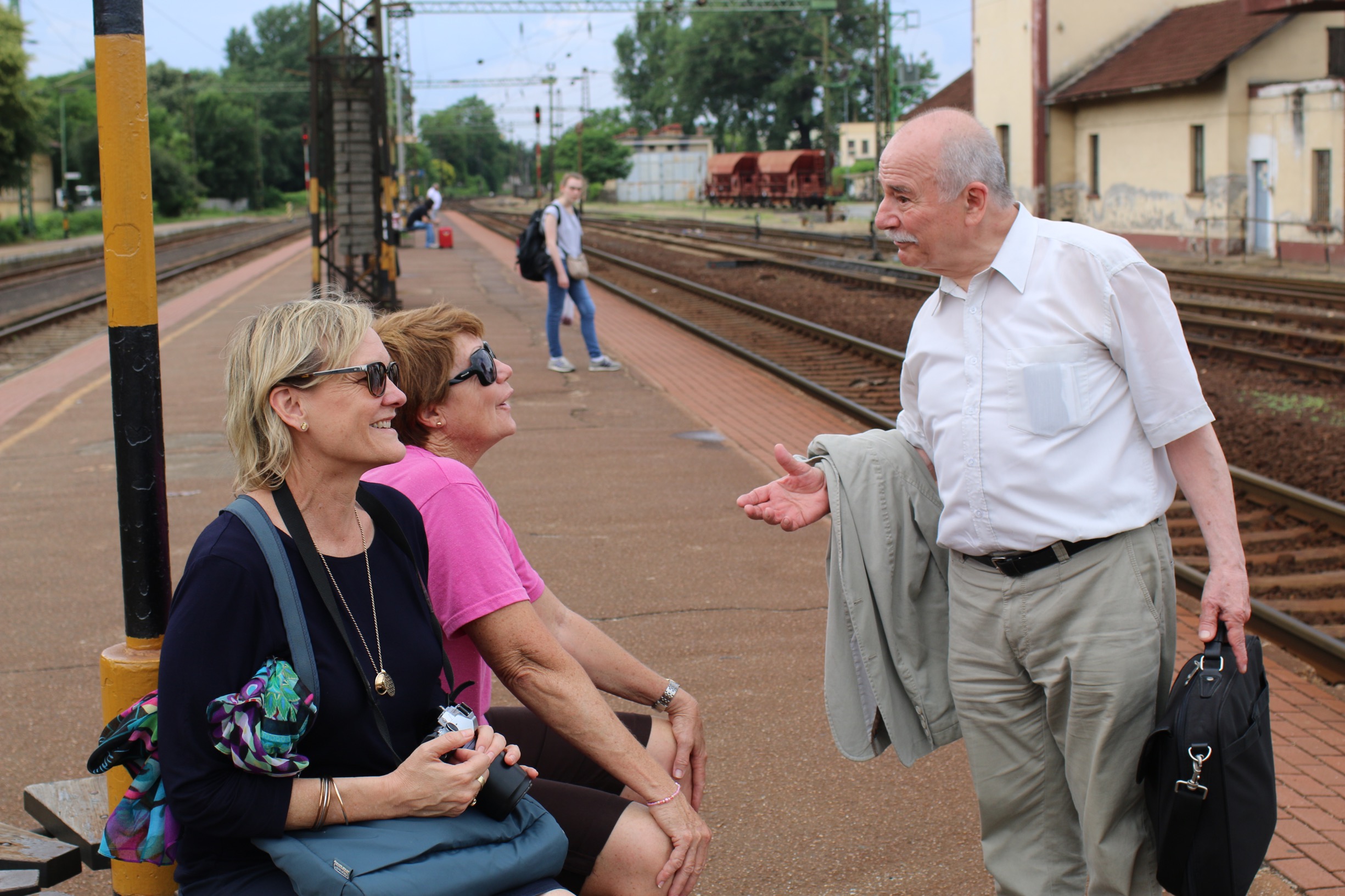
I don’t remember my father kissing me. I would have been terrified if my grandfather Evans tried to kiss me. My brother NEVER kissed me. But Czarba from Kecskemet kissed me, not once – but twice.

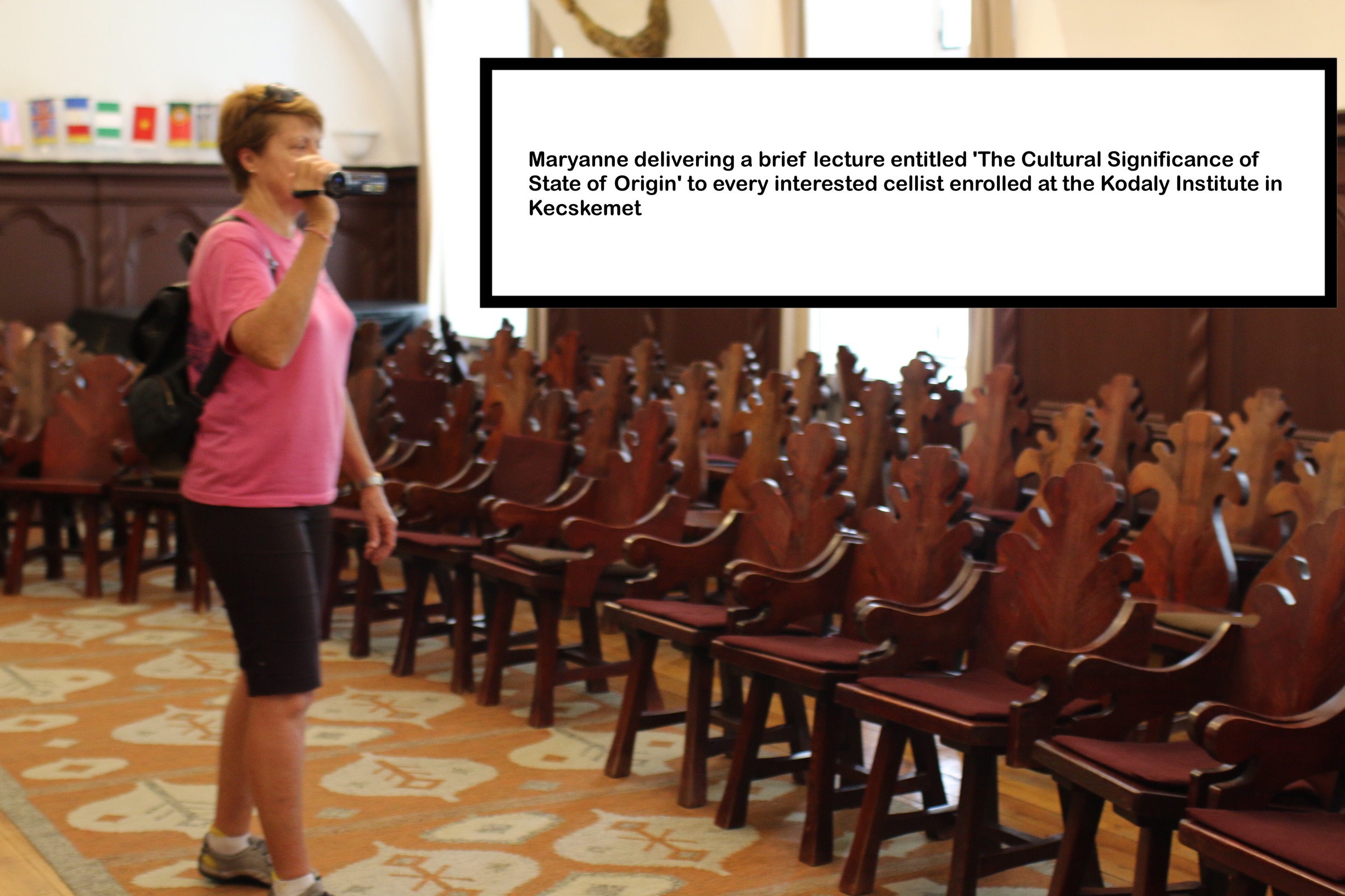
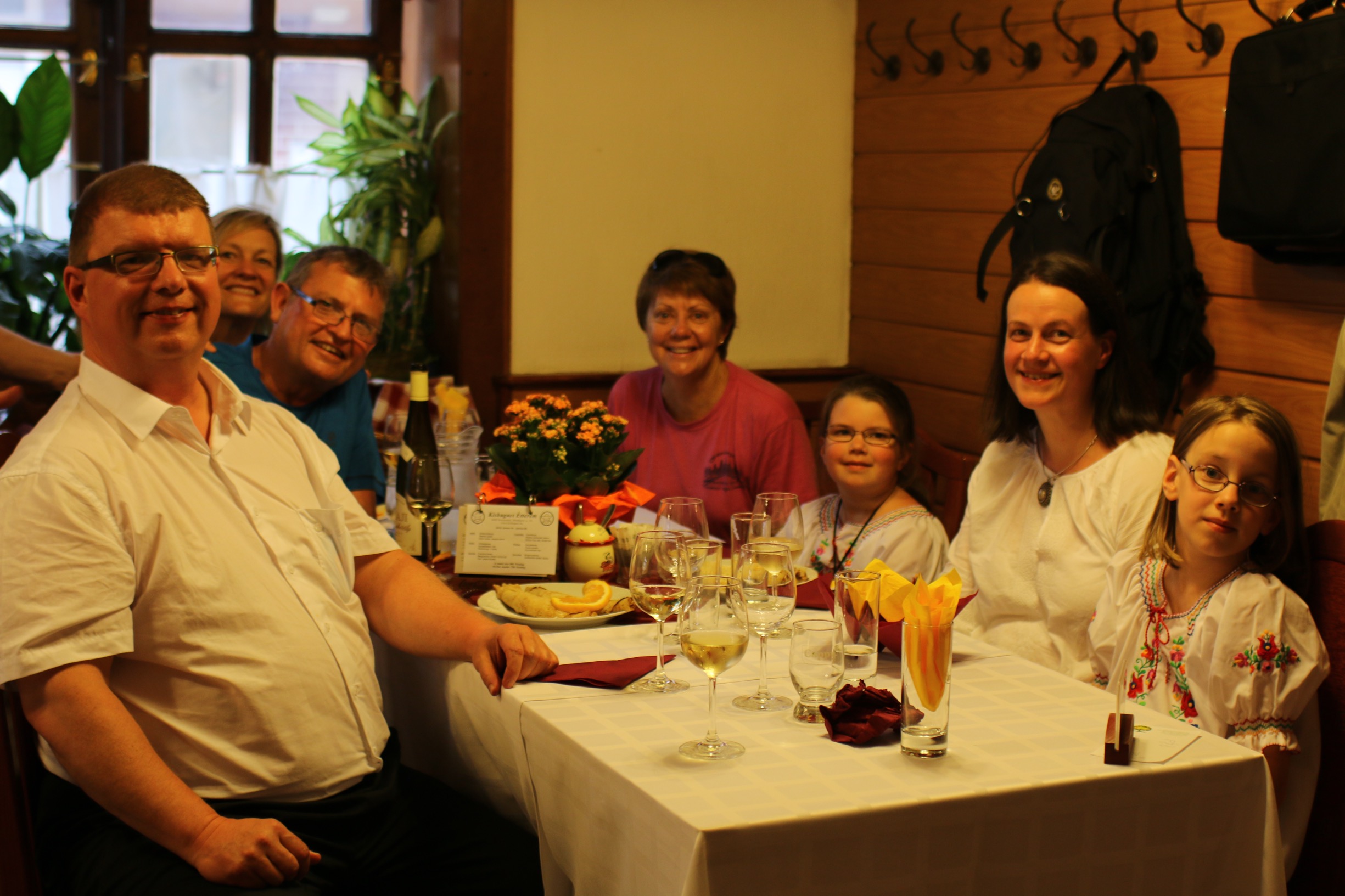
Czarba is a cello teacher at the Kodaly Institute in Kecskemet. He has taught some famous musicians (though, strangely, he had never heard of the Rosewood Renaissance Quartet). He has done workshops across the globe, and last year worked with some of Australia’s best at Fairholme, hence the connection. He invited us to share a restaurant meal in Kecskemet, and in doing so gave us all a lesson in true hospitality.

He had hopped on the train two stops before our destination so that we wouldn’t miss our stop, found us somehow, then escorted us off the rattler. There we met two of his past students – a Finnish couple who were on tour doing a series of concerts across Europe but who had taken time out to dine with Czarba. We were given a guided tour of the Institute before eating a traditional Hungarian meal – soup, goulash, pancakes and way too many different varieties of alcoholic drinks. He was the perfect host throughout the afternoon.

After lunch it was stroll/stagger to the station to catch a slow train back to Budapest. It was then he kissed me. Twice. Once on each cheek. As he only kissed Linda’s hand, I am taking this as a sign of how much he obviously enjoyed my company and that he immediately recognised the enormity of my prodigious, though somewhat untapped, musical talents.

The greatest of lessons afforded by travel are those that are unexpected. I didn’t realise how much I would enjoy a trip to this small Hungarian town. I never thought goulash tasted like that. I never imagined that I would ever dine in a Hungarian restaurant with a pair of Finnish concert cellists and their much adored 72 yr old master. And I didn’t expect to be kissed by a man, twice, in one day …