The Best of Iberia

A summary, biased of course.

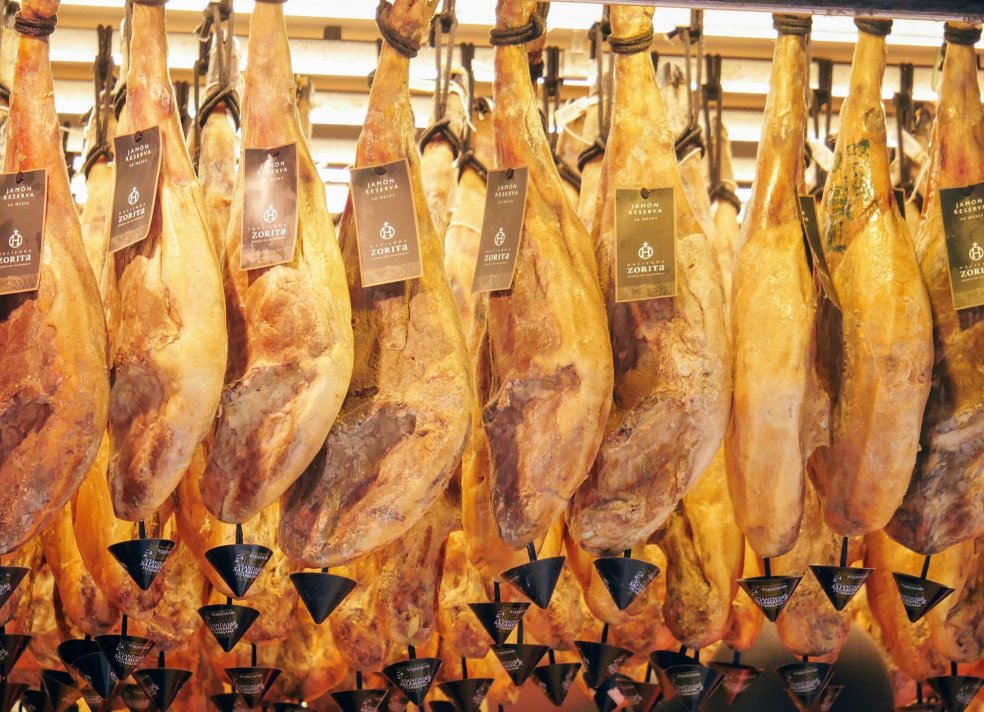
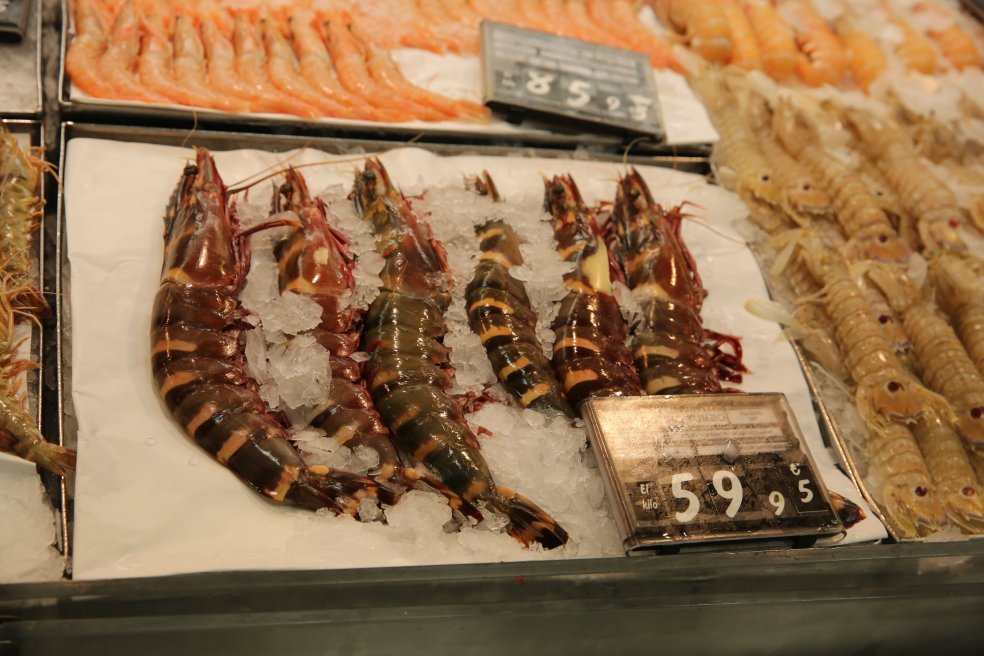
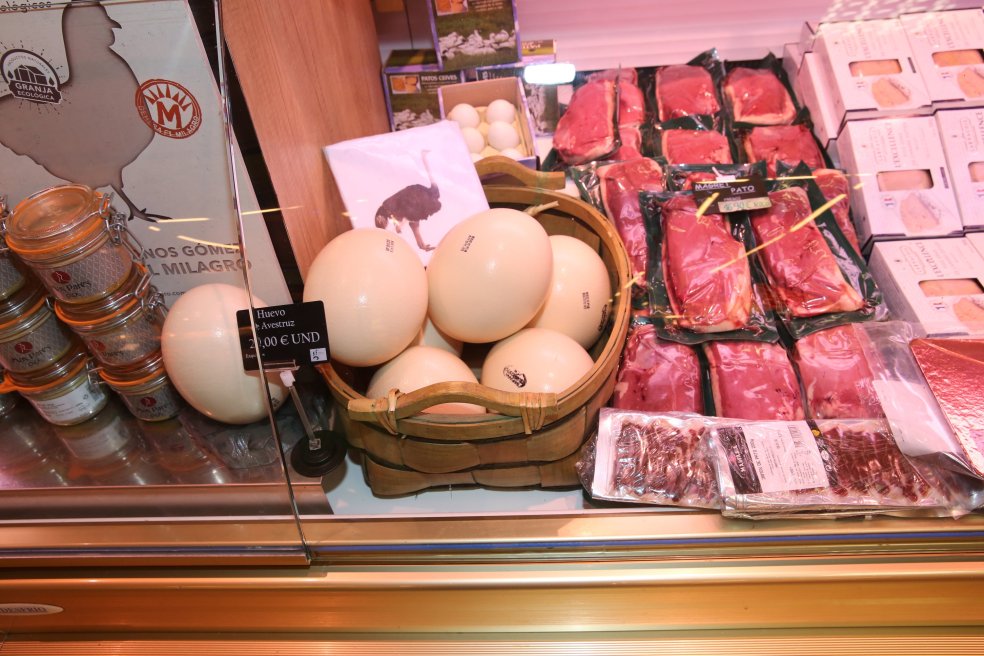
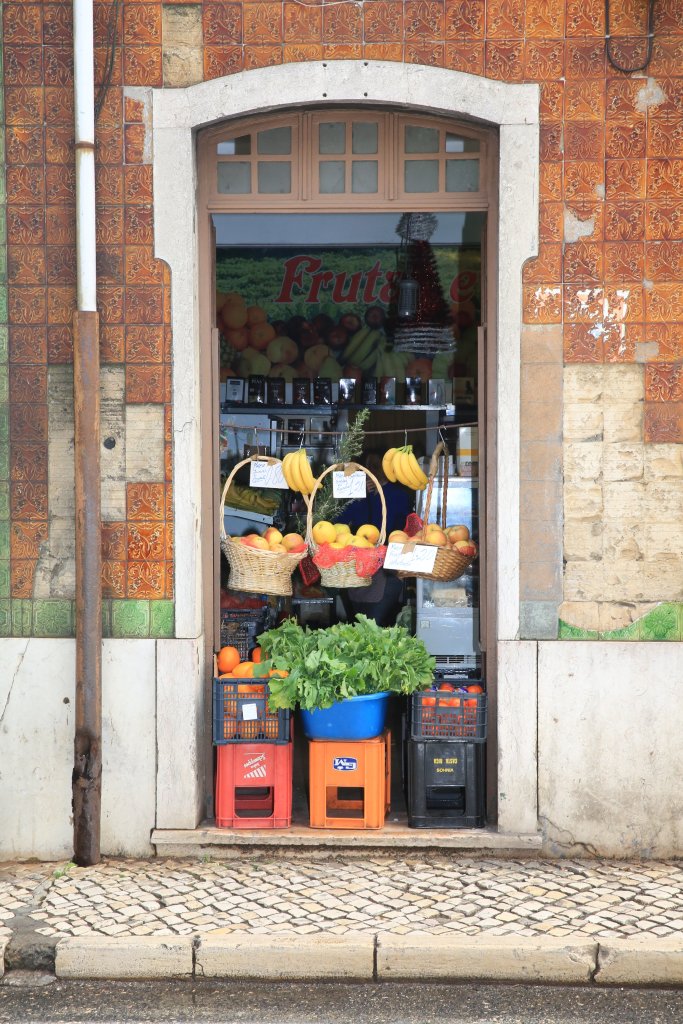
Best piece of food – Jamon Iberico Black Label  ham from the Chamartin Mercardo

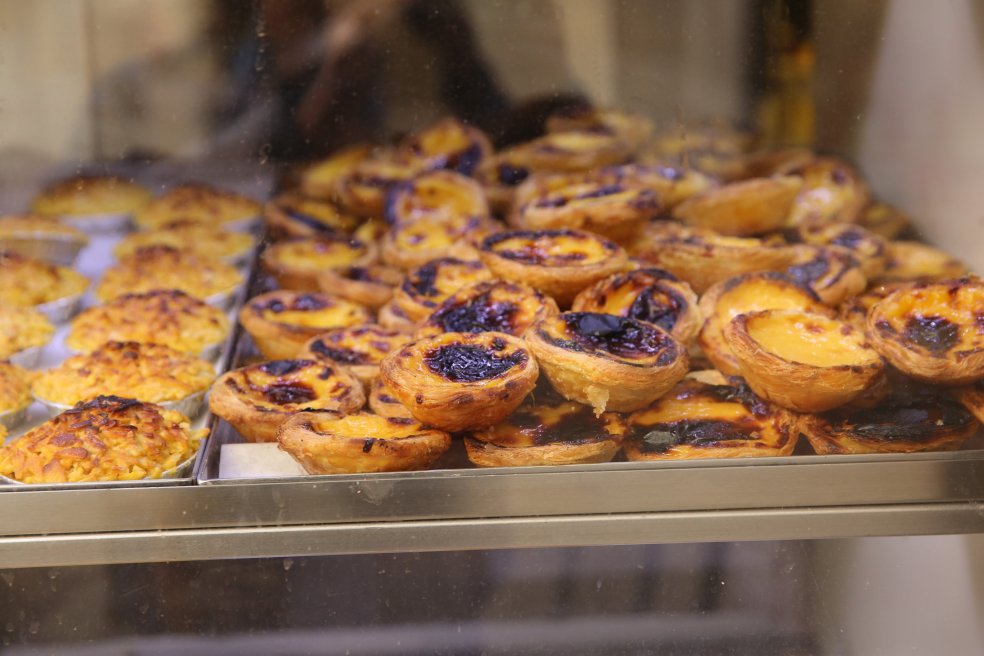
Followed by nata. I went for the world record, but at 346 nata in 8 hours I fell just 6 short

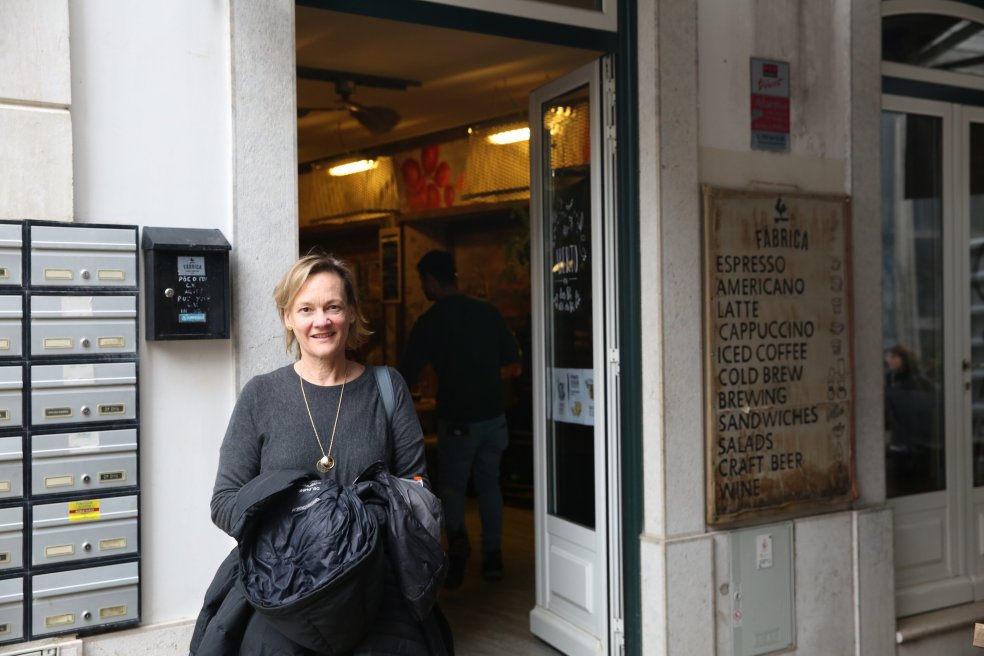
Best Coffee – Fabrica in Lisbon

Best Meal – Grilled sea bream on the waterfront at Foz

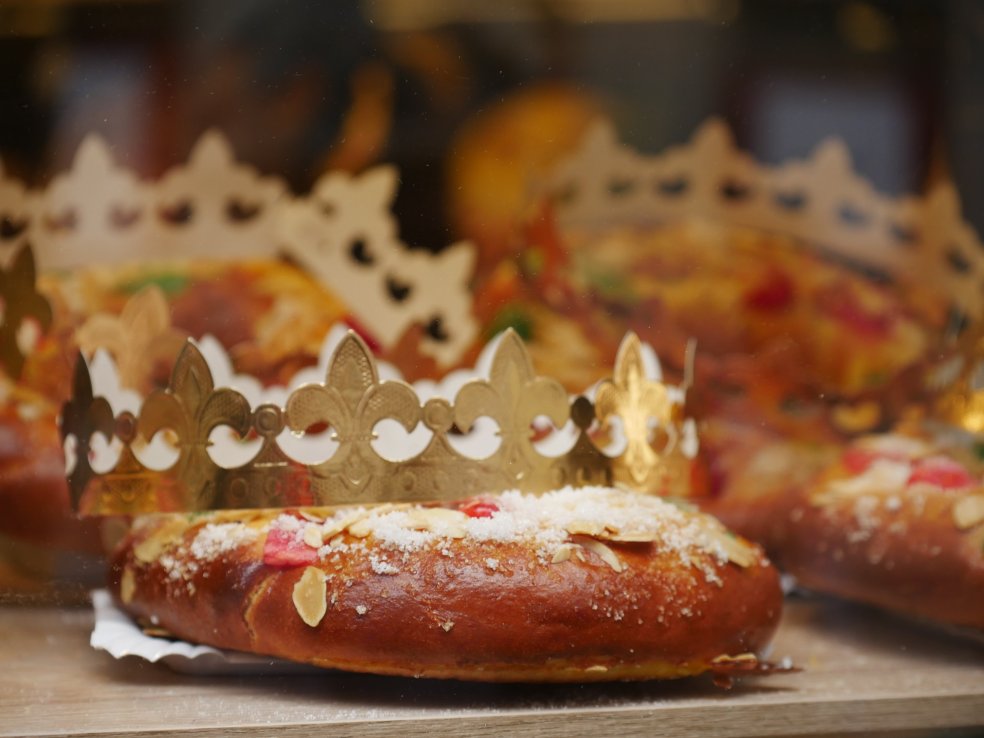
No Way I’d Pay That Much for That Food –  The €40 King’s cake

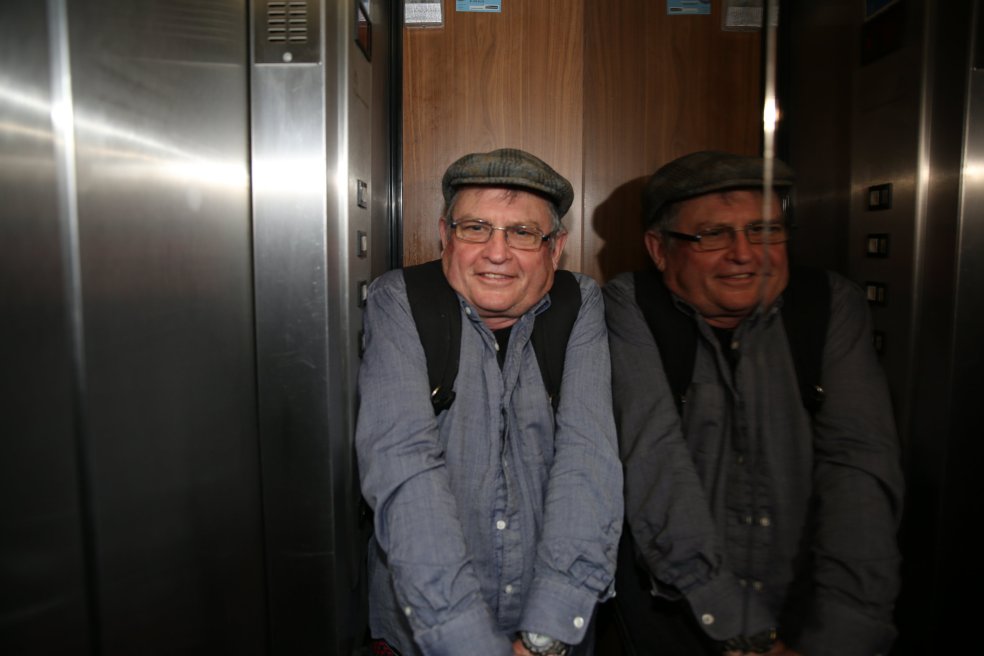
World Record – The World’s smallest lift!

Best Museum – The Gulbenkian

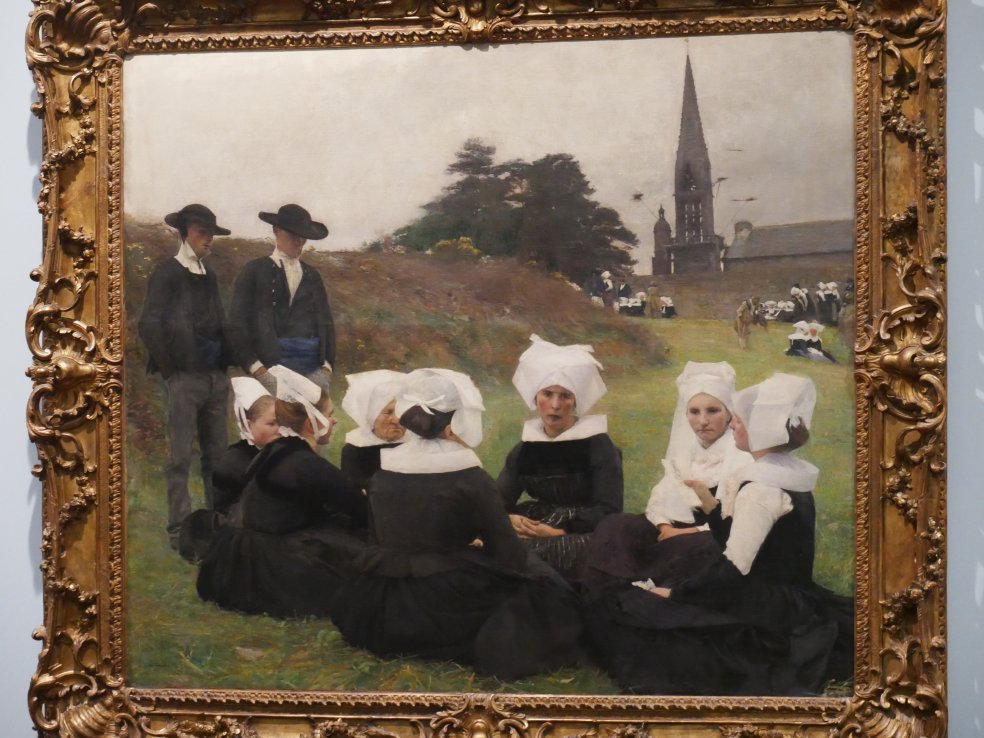
Best Museum Moments

Most Stunning Views – Porto, Porto, Porto

Most Passionate Local – The owners of Ha Tapas Mercardo.

Favourite photo – ones Marguerite took when she was here.

Best Place to Wander wth a Camera – Alfama District – or Porto

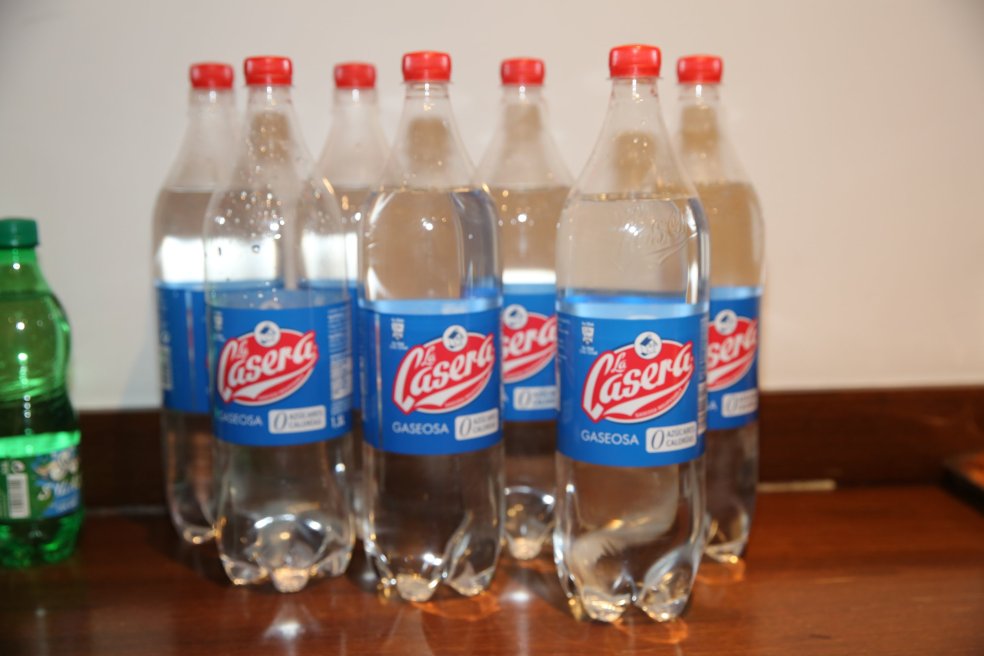
Worst Purchase – Eight bottles of low-cal lemonade (thought they were sparkling mineral water)

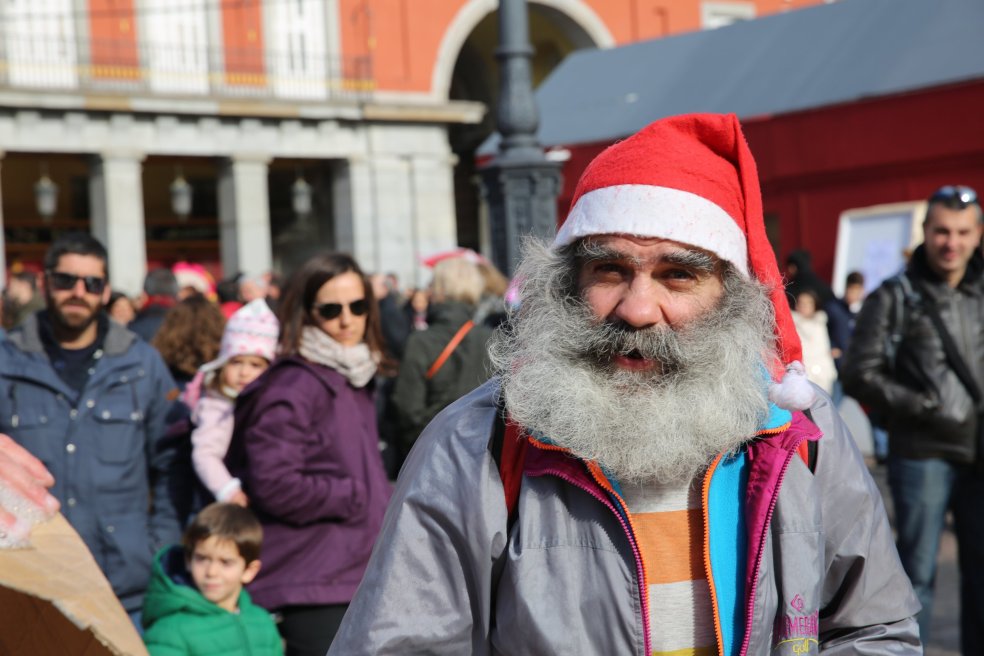
Best Look alike – Noel Pearson doing Spanish Santa

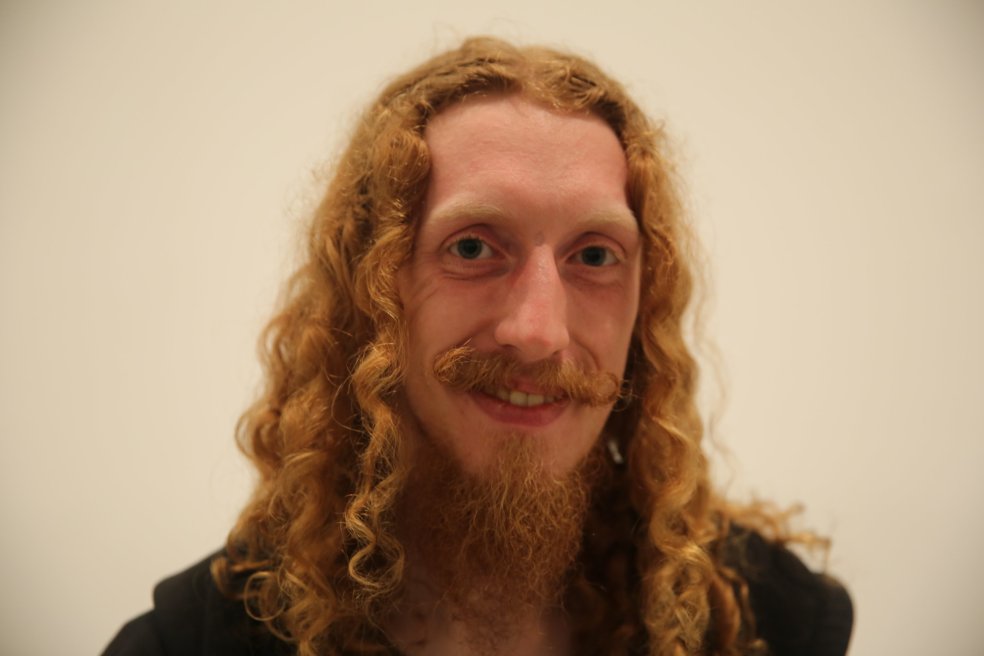
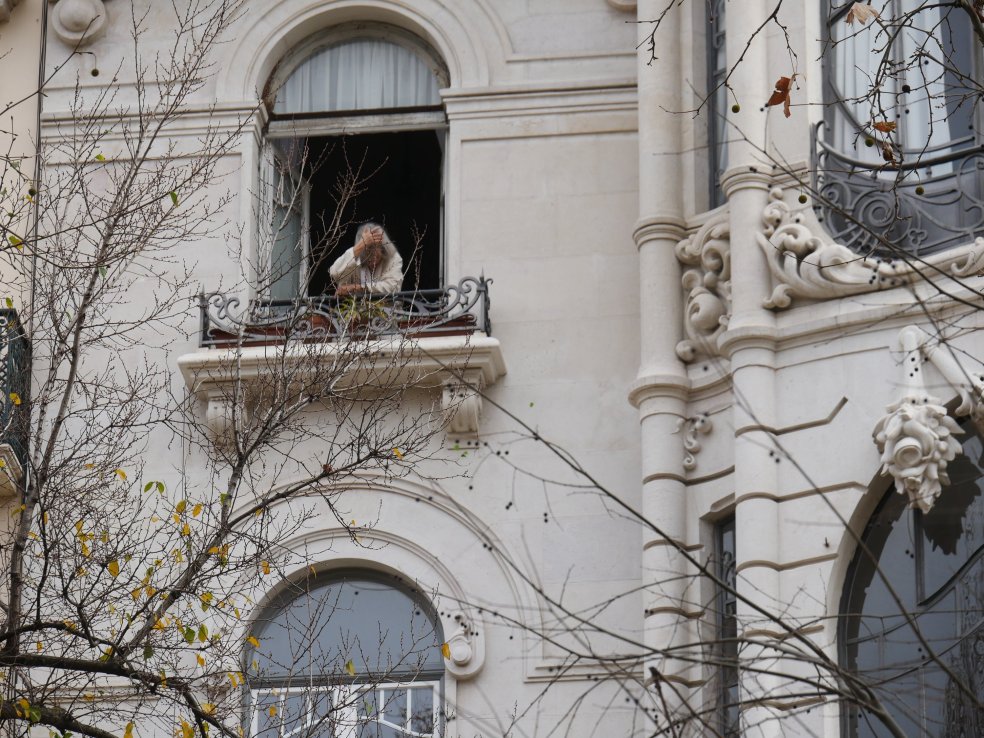
Or perhaps Savidor Dali’s nephew (or D’Artagnan – one of the three Musketeers?)

And the Shittiest thing – 24hrs travel to get home!

JC the King, Capa and My Knees.

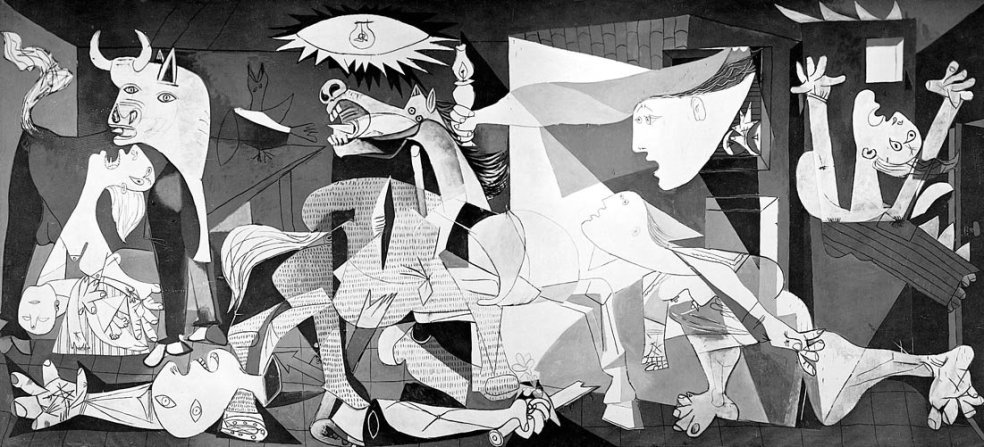
Today I took my knees for their final wander around a European city – they are becoming less appreciative of Madrid as the holiday continues. We all went to Madrid’s 20th Century art museum yesterday (ie me, Lefty, Righty, Maryanne and Linda) and spent time there. Spain saw the origins of the Cubists, the Surrealists and some other ists – Picasso’s ‘Guernica’ is the centrepiece of the museum. Picasso and its owners refused to allow it to be shown in Facist Spain however it finally returned home after democracy was restored in the ’70s. Despite being one of the World’s most recognised pieces of art, for me it wasn’t the highlight. The highlight was an exhibition of photographs.

Linda and I are Orwell fans and his book, ‘Homage to Catalonia’, is an autobiographical account of his time fighting for the Republican forces against Franco’s troops in Spain in the Spanish Civil War. He became very disillusioned towards the end of the war, he also became shot in the throat. He would have appreciated some of the spaces in this gallery. The museum has four or five rooms dedicated to the art produced by supporters of the Spanish Republic, ‘Guernica’ is part of this collection. (For balance it does have one very small room for the art of those who supported Franco). However it wasn’t Picasso or Orwell, but Robert Capa who captured my attention.

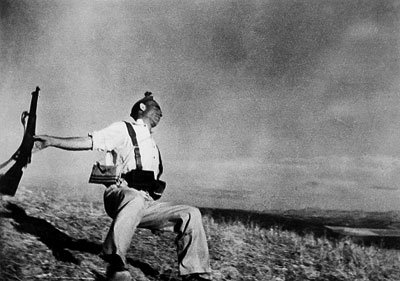
There is a whole wall in one room dedicated to Robert Capa. Capa was a Hungarian Jew who worked as a photojournalist and is the most famous war photographer in history. His image ‘The Falling Soldier’ is the iconic image of the Spanish Civil War, arguably the most famous war photograph ever taken. He also took some of the most recognised photos of WW2. He became famous, he became wealthy, and he became lots of little bits when he stood on a land mine in Vietnam in 1954. The photography and the art in those rooms was first class.

Tomorrow is a public holiday to celebrate the ex-King’s birthday. Juan Carlos, who has now abdicated, is a revered figure in Spain. Franco appointed him as heir, and the King assumed power on Franco’s death. Within months he called for democratic elections. Later when there was a seige of the Spanish Parliament as part of an attempted coup by right-wing Royalists, Juan Carlos immediately gave a televised address ordering the rebels to surrender, the Army to retake Parliament and for democracy to be restored. The coup failed, go King JC!

It wouldn’t be all bad if the Spanish felt a little less enamoured with their king. The only thing sold in bakeries today are Royal Cakes (they look like a €40 sweet cream buns) nothing will be open, the streets will be packed in some places and deserted in the rest, and Spain will be fully occupied celebrating His Royal Highness with parades, wine, fireworks and buns. It will be difficult to get food, it will be difficult to get anywhere except by taxi to the airport.

Probably a good day to head home I reckon.

See you back in Oz.

F C-S

Farley’ Pig Heaven

King Cake

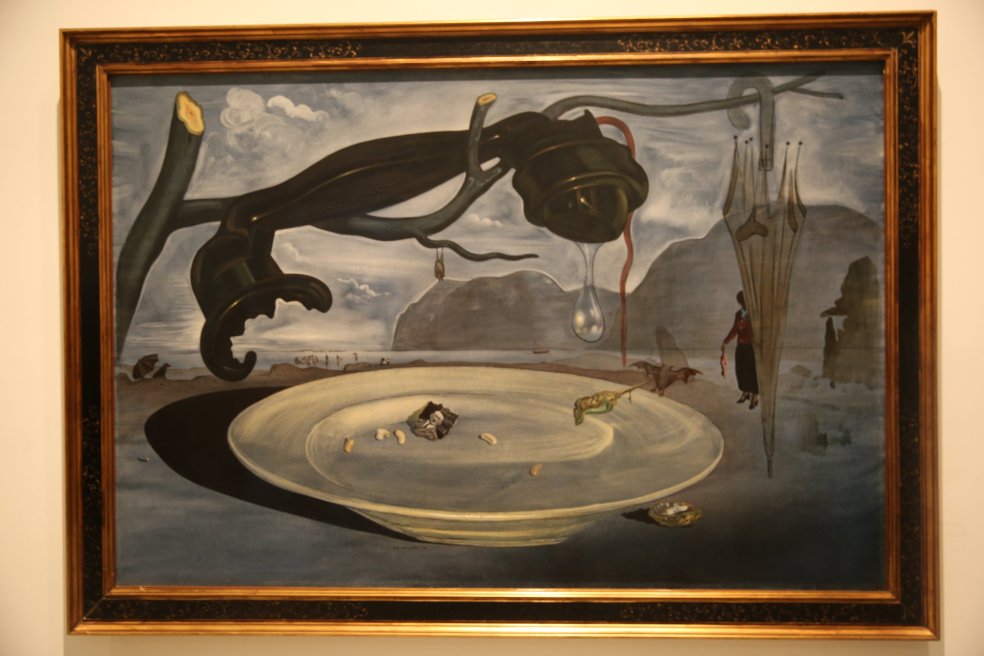
There are some 20th Century Spanish art pieces that are more appealing to me than others works.

Thankyou Miss Moneypenny

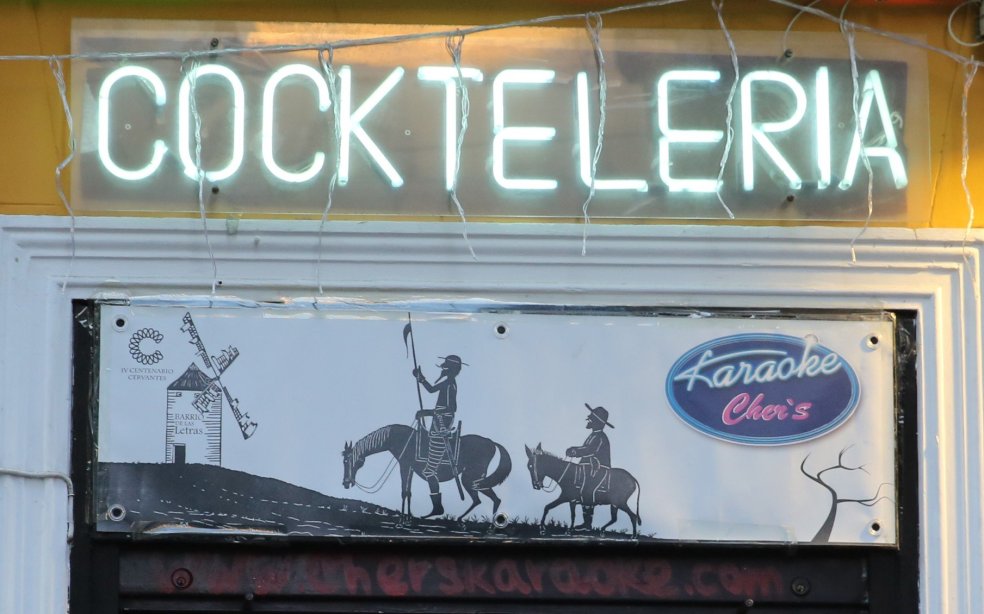
A dear friend of ours, Lord Farquhar of the Hinterland, shares with me a love of Miguel Cervantes. Cervantes was a native of Madrid and is by far the most loved and most influential of all Spanish authors. His parallels with Shakespeare are many, they even died on the same date of the same year (April 23rd, 1616, but 10 days apart because of different calendars). However it is very unlikely they would have even heard of each other. Their respective effect on their own language was enormous, they have each affected the lingua franca of the other (‘When in Rome do as the Romans do,’ was the advice given to Sancho, and I have been known to tilt at windmills when attempting to teach Brian maths)

This apartment is in the same neighbourhood where Cervantes spent most of his life. There is a convent 30m away – he would often jump their fence to pinch oranges from the garden. Somewhere around here would have been the two prisons he spent time in for tax fraud. Nearby would have lived the family members who paid the ransom to buy him back from captivity as a Turkish galley slave. He also fought in one of the defining battles of that age, the Battle of Lepanto. And he wrote That Book.

Don Quixote is usually credited with being the first novel written and Cervantes with creating the genre. It starts out as a series of short stories and then, as if a light comes on, one chapter then leads on to the next. It starts out as a series of comic tales, but becomes an insightful commentary on Castilian Spain and the ruling classes – chivalry, entitlement, the effects that a crusading sense of purpose has on others. Miguel Cervantes is alive, well and still much loved in Madrid.

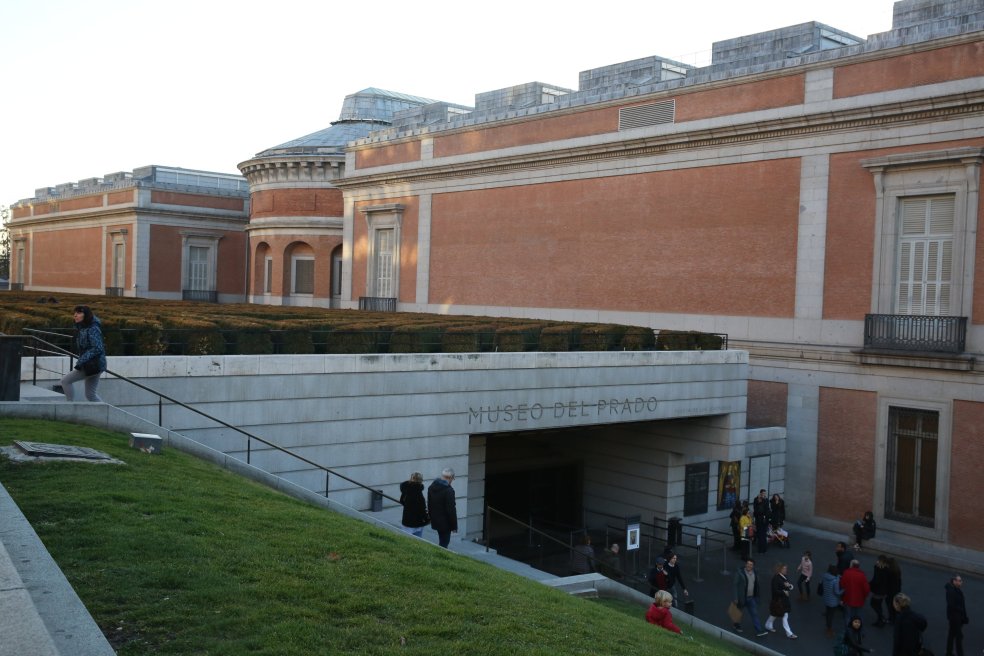
The other artists we experienced today were the painters. What started as ‘We need to visit the Prado’, ended as a whole day spent there. It is pointless to compare the great museums of the world and the Prado is one of the greats. I will confess to being a tad over the birth, death and resurrection of Christ as executed by European artists from the 14th Century onwards, but rooms filled with pieces by Goya, Greco, Titian, Veracruz, Rubens, Rembrandt, etc, etc, can do that to a Rosewood boy. The pieces in one room, if sold, would pay off Australia’s foreign debt, and there are more than 160 rooms filled with treasures.

Whilst I would have been happy to just wander the streets of Madrid, wandering Cervante’s streets is even more special. Wandering around a significant part of Europe’s art history is very special indeed. Miss Moneypenny, my art teacher in Yr 8, might have been more than a little surprised by the enjoyment in the Arts one of her ex-students experienced today. Enjoyment is much too bland a word. Thankyou Miss Moneypenny.

F C-S
On a personal note, today marks the 37th anniversary of our marriage! Wine, cheese and a toast to family and friends is entirely in order. (A friend of mine says he has had 22 years of happy marriage, but unfortunately he’s been married for 31.)

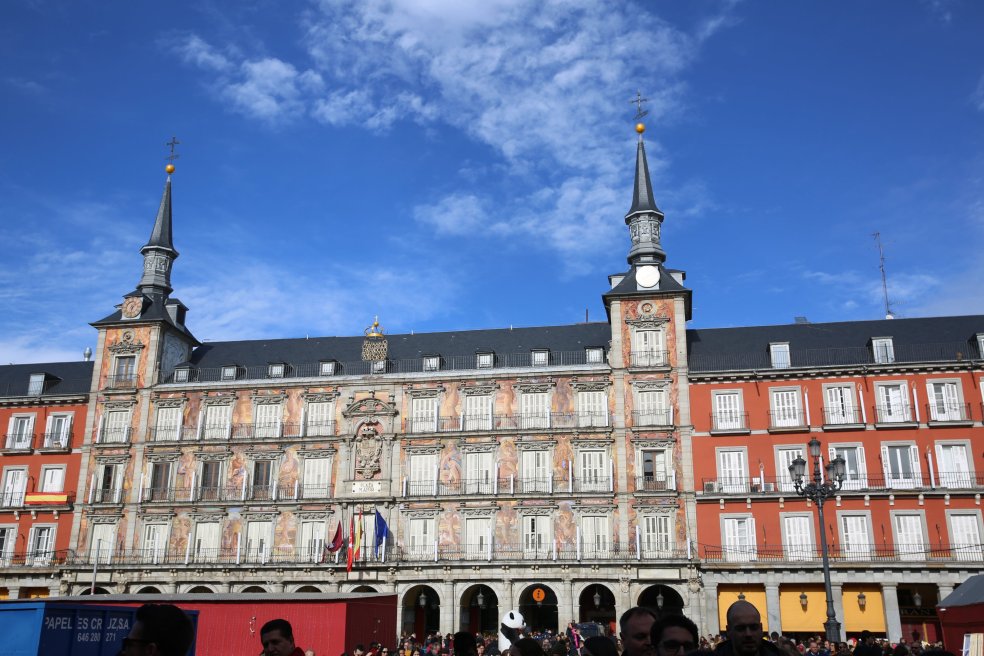
Madrid

We have been in Madrid now for all of 10 hours, so not enough time to really understand anything about Madrid. We did learn that our carrier, Air Europa, and Ryan Air have a similar business model (‘Sorry sir, but the fine print on Page 6, Paragraph 4b clearly hints that a 20kg suitcase will be an extra €60 each.’). We’ve been learning about our lack of Spanish, and we have reinforced our dislike when travelling of spending lots of time with lots of people like us.

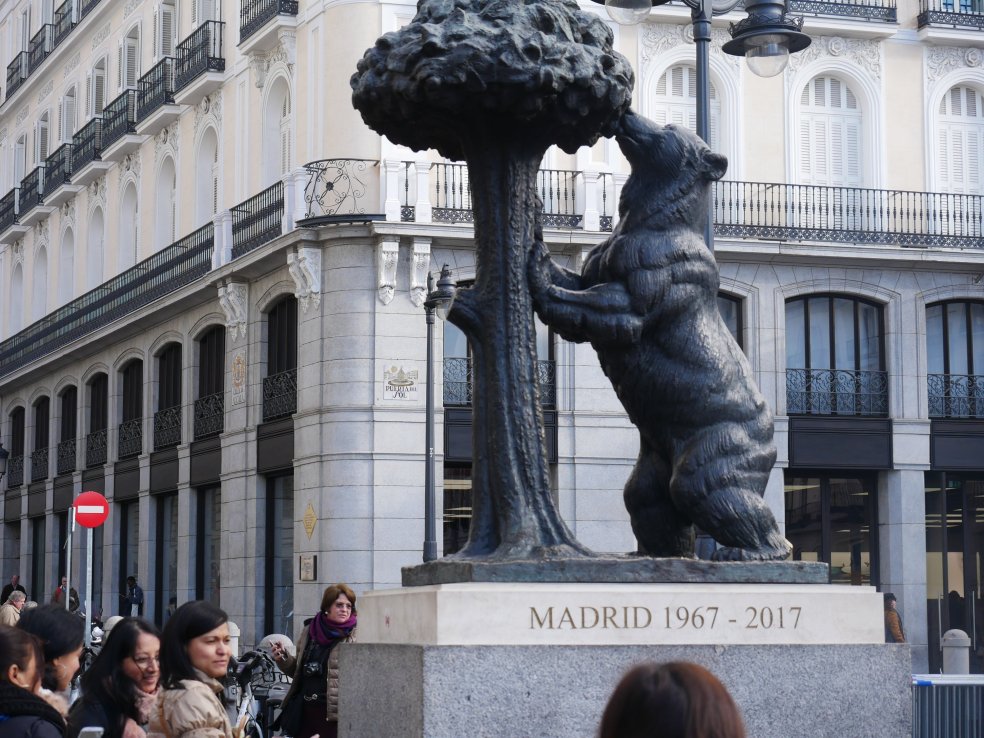
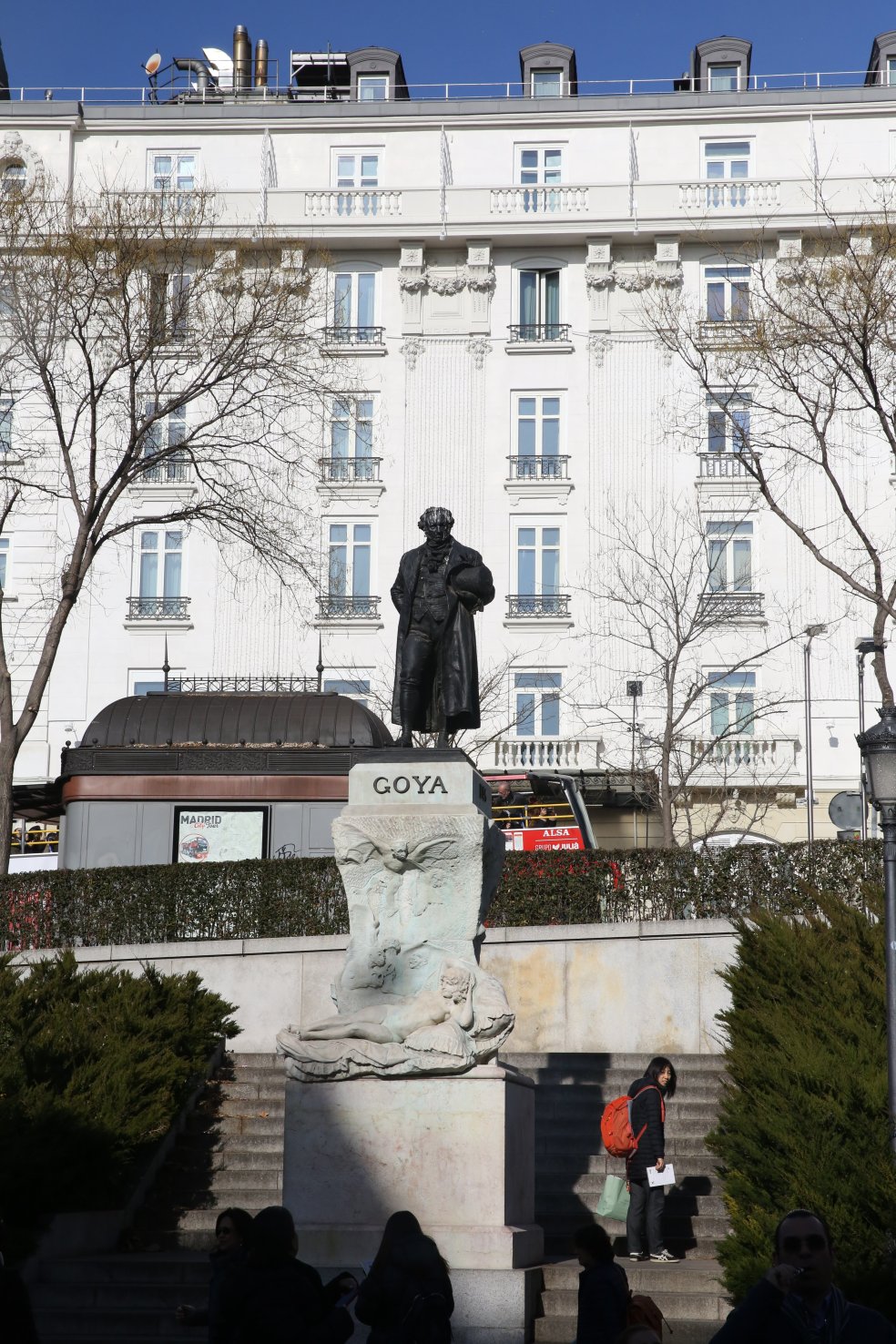
I have learned, or at least suspect that if I was even the least bit famous and there wasn’t a statue of me somewhere in Madrid then I’m actually not even the least bit famous. Madrid is statue central. If you get a statue with a horse, you’re one up on just the basic model, if you get troops or natives or other animals, that’s two, if you get a flood-lit fountain with all of the above, that’s three. But to be really big in Madrid your statue needs all of that – the horse, the natives, the water buffalo, the flood lit fountains – and to be in the middle of a major roundabout, or outside somewhere like the Prado Museum. Then you are Big in Madrid.

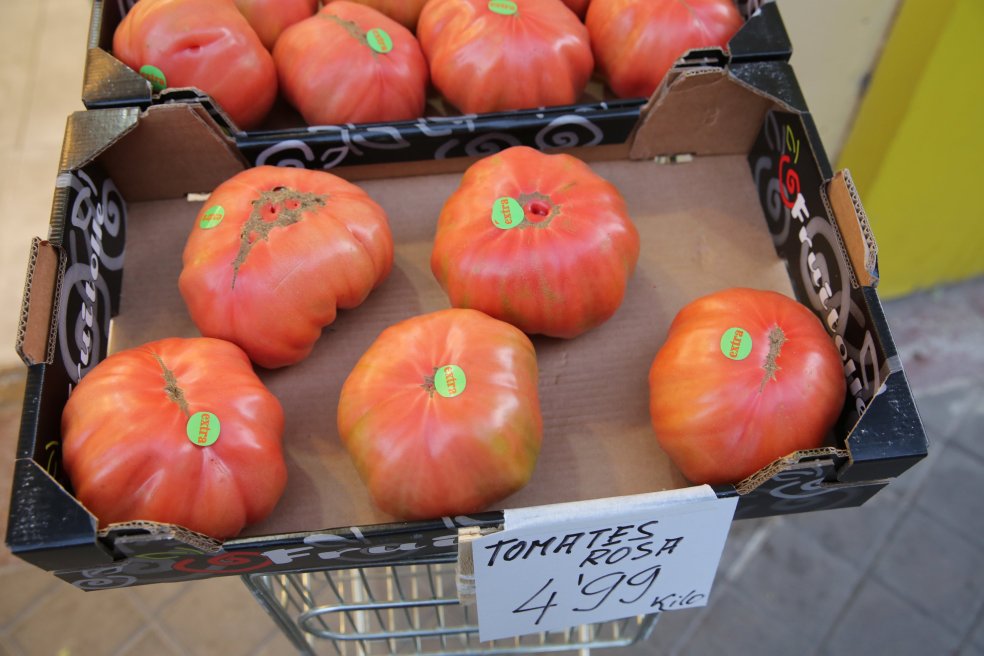
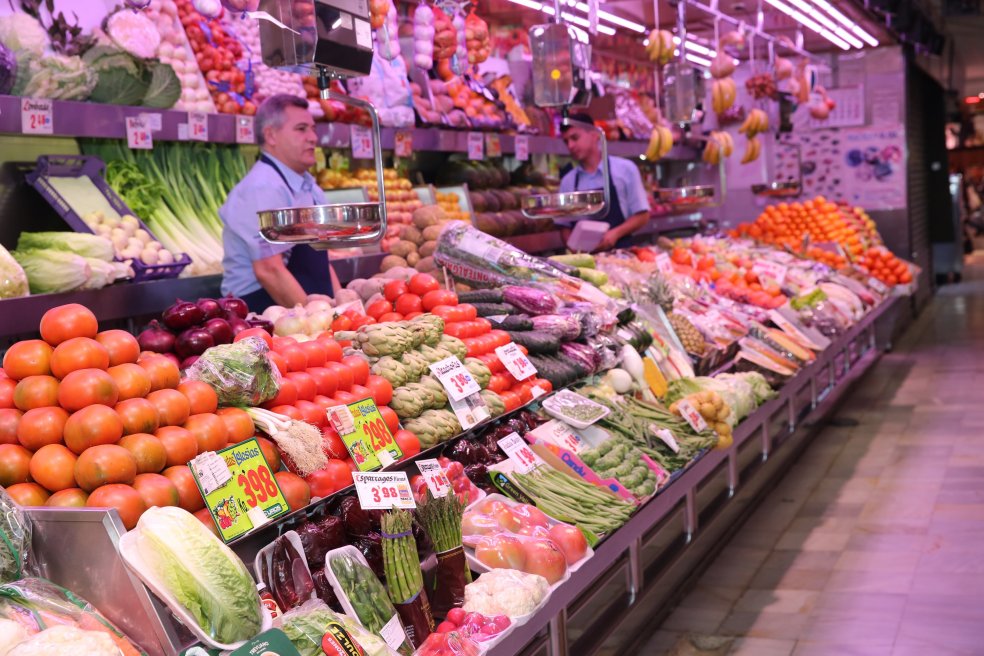
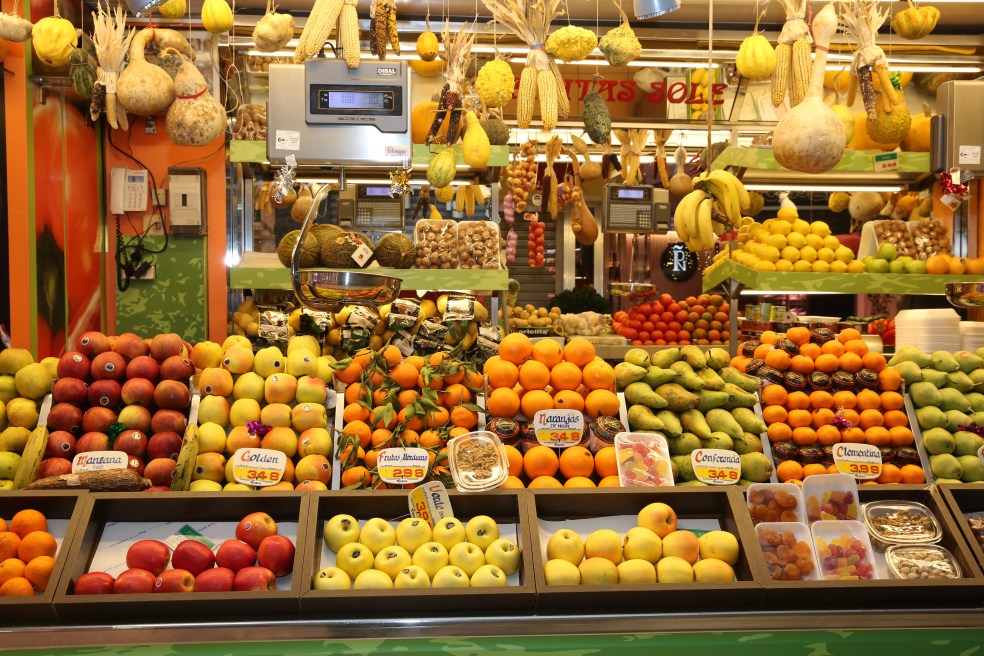
We have been in Madrid long enough to walk quickly through the most famous market, but then grab an Uber to get to a market about 6km away that only locals frequent. There we bought the best Serrano style ham I have ever had the fortune to taste, wonderful fruit and veg and some local cheeses (We were assured that the blue was ‘velly smelly’, and it is). We have been here long enough to befriend a Morrocan Uber driver whose grandfather came over to Spain with Franco in 1936 and who will be our driver when one is needed.

Tomorrow will be a museum or art gallery day, tomorrow will be a Serrano ham and velly smelly cheese day. Tomorrow will be a day to wander in a new city. We’ve been in Madrid long enough to know that we’ll love the place, I’ll even see a couple of statues I reckon. Maybe even one with a horse, native troops, fighting bulls and a fountain at a major roundabout. Can’t wait…

F C-S

Feliz Ano Novo

When Napolean III gave Baron Haussmann the brief to redesign Paris in 1853 the standard was set for other European cities to emulate – wide, tree-lined avenues leading to significant national monuments along which triumphant troops could march. Many cities, including Lisbon and Budapest followed Haussmann’s lead.

Hungary unfortunately was never on the winning side of any war after they finished their project (In my day, if two captains were asked to pick teams Hungary would be left standing there at the end, – “You can have Hungary, we don’t want him.”) Portugal was pretty much the same. They lost Brazil in the 1800s, at a terrible cost they were on the winning side in WW1, then lost the rest of their entire empire bit by bit. Earthquake, Empire, and the EU seem to be the bits that have defined modern Lisbon.

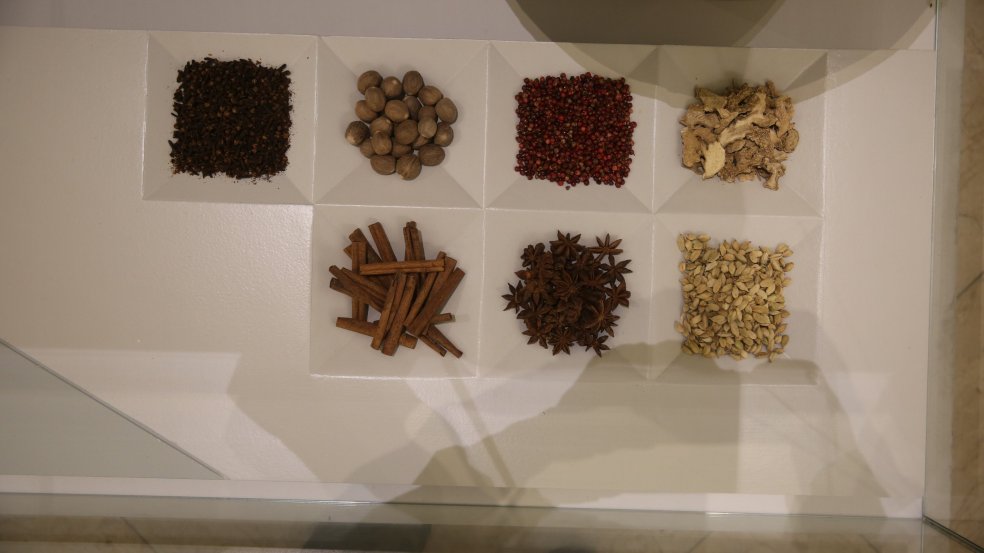
The maritime museum was all about empire and the wealth that flowed. There was a shipwreck discovered near the mouth of the Targus in the 1980’s – the chronicles at the time of the wreck said it had the equivalent of €200m worth of treasure on board, something that excited 20th Century pirates. When it was excavated it was found to be filled, not with gold, but with pepper, cardamom, coriander seeds, dried ginger, cummin and cinnamon. It also had Japanese swords, Indian temple carvings and some pieces of jade. Priceless treasures from empire and exploration.

Portugal has also been plundered. The same museum has a display of a Viking long boat that was part of a group that paid a visit around 890 a.d. Monasteries were easy pickings for your average Viking. Fortunately for Portugal the Vikings converted to Christianity soon after, so there were only a few more raids. Crusaders, French armies, British businessmen, home-grown dictators and the Church all did their bit to keep the Portuguese poor. There is finally an EU light, albeit one that flickers and is still quite dim, at the end of the Portuguese poverty tunnel. The last 4 years have seen steady economic growth at last.

We have loved Portugal and the Portuguese. The food and hospitality has been outstanding, as has the passion of the locals for their country. (We have been assured many times it is the best country in the world, has the best wine, best seafood, best music, even the food here is MUCH better than that of France). I wish I could stay longer, but Spain beckons. There’s always a city somewhere you haven’t seen.

Feliz Ano Novo

The Cunnington-Smythes
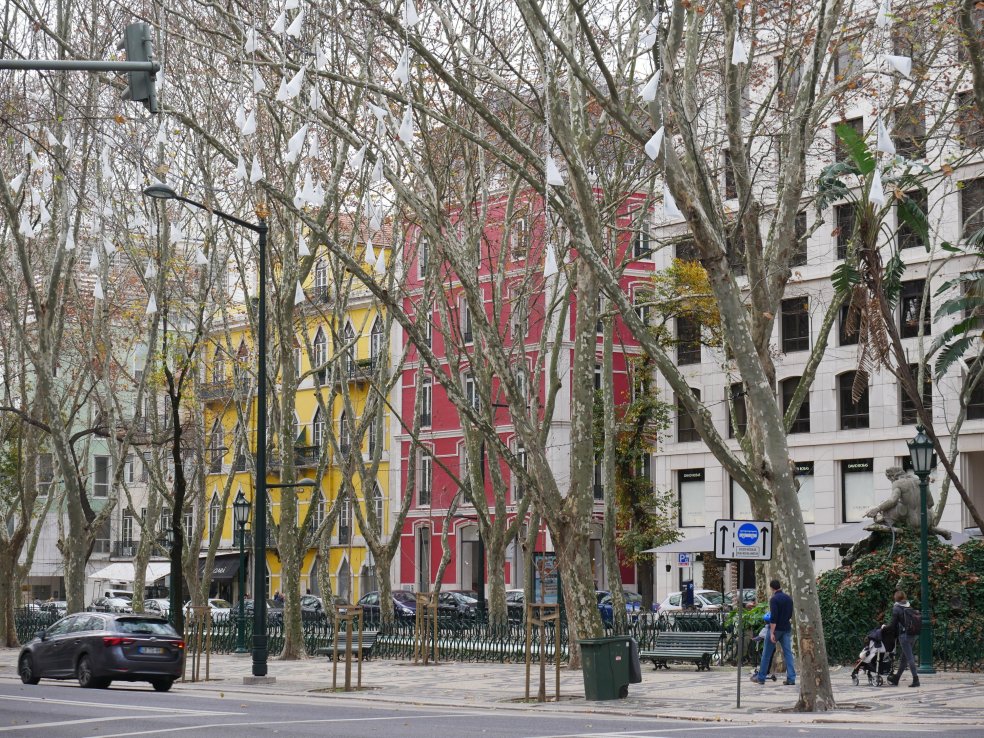
Almost all parks have a nod to empire in the form of bananas or palm trees, plus a nod to the Moors by way of a fountain or water
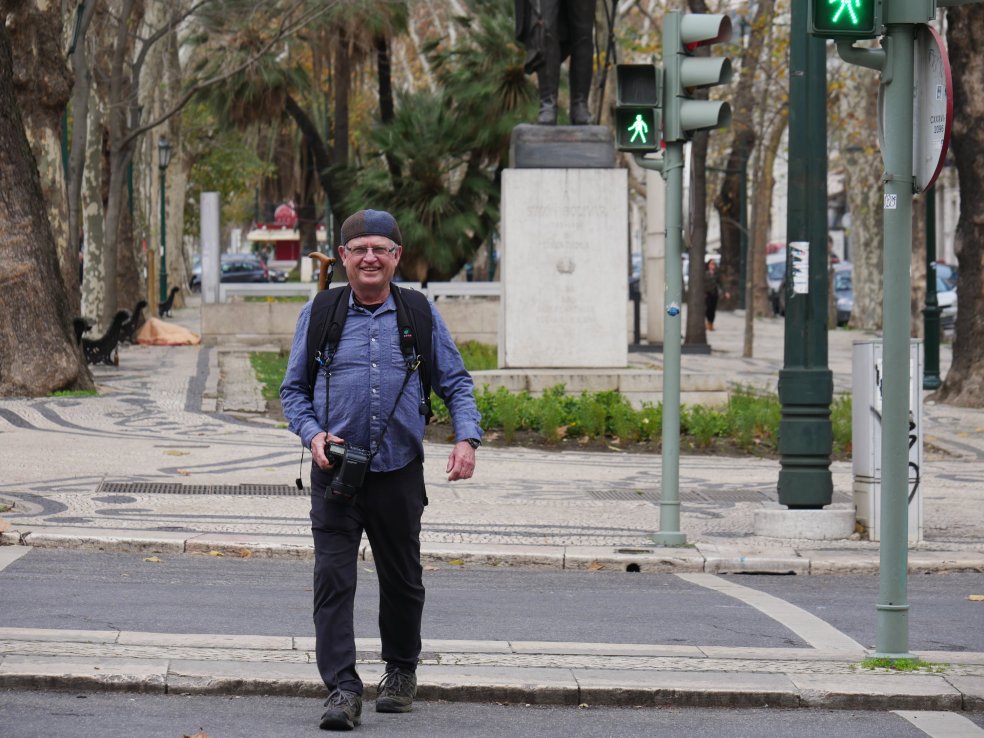
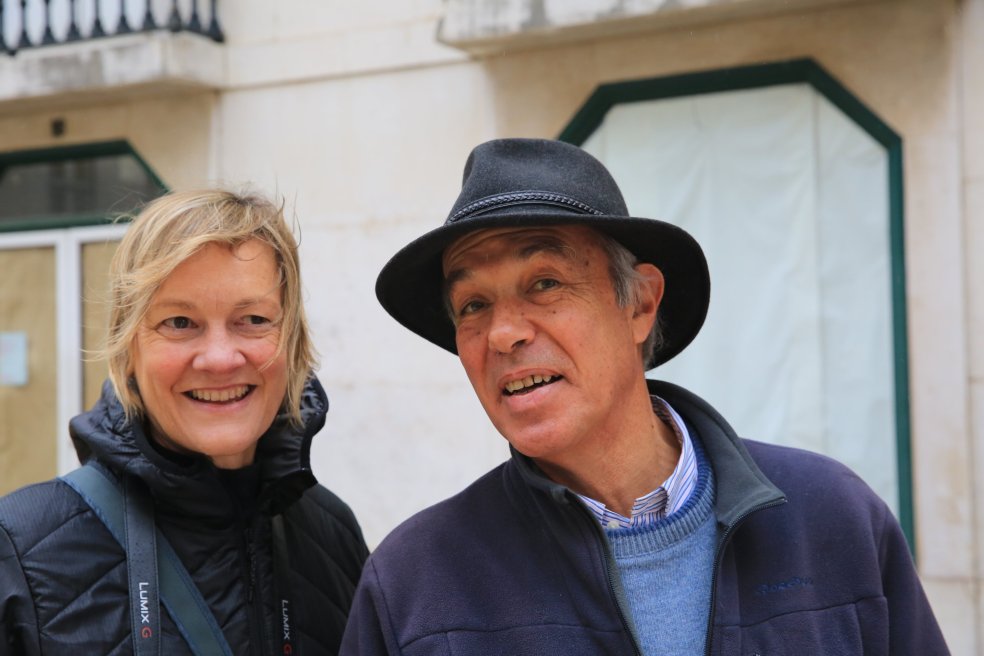
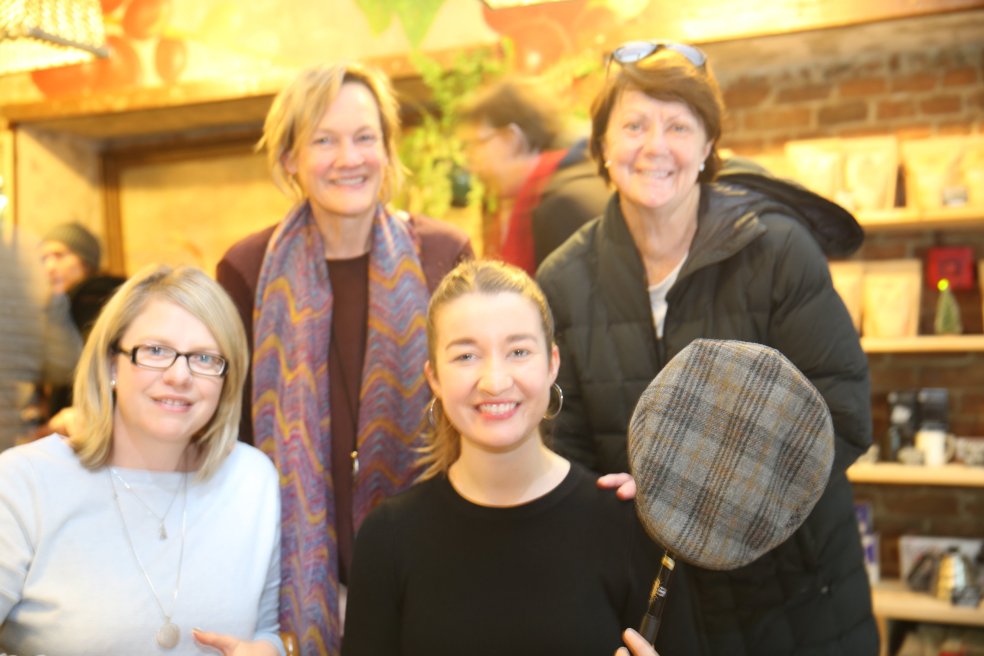
He likes my hat.
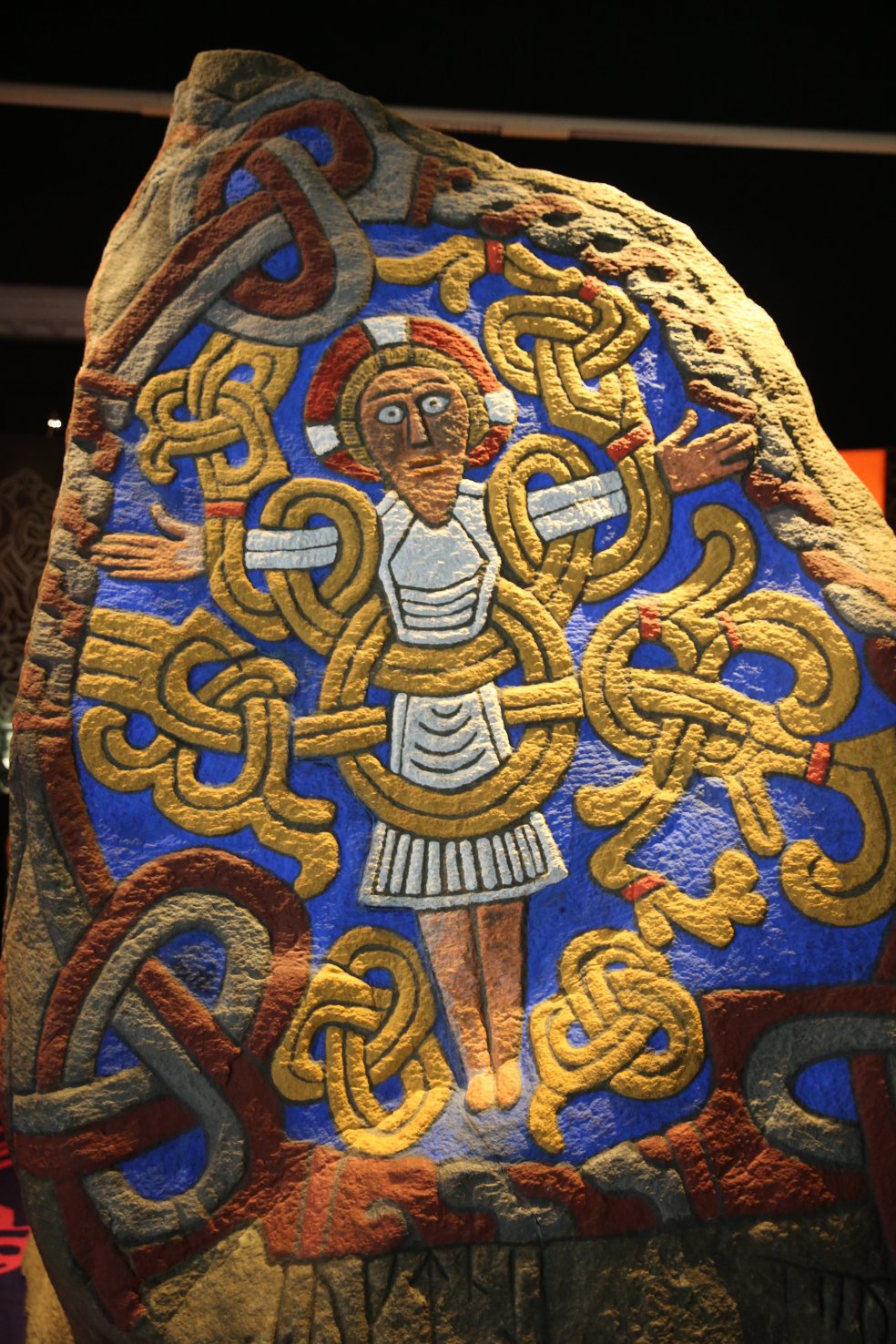
The Vikings became Christian, turned woossie and stopped raiding after about 1000 a.d. (Try making a TV mini-series about Vikings going with their wives to church!)

From Da Gama’s boat. His version of SatNav.

Directions on how to get to India in 1512.
Part of the €200 million trove. Enough to make a decent curry.
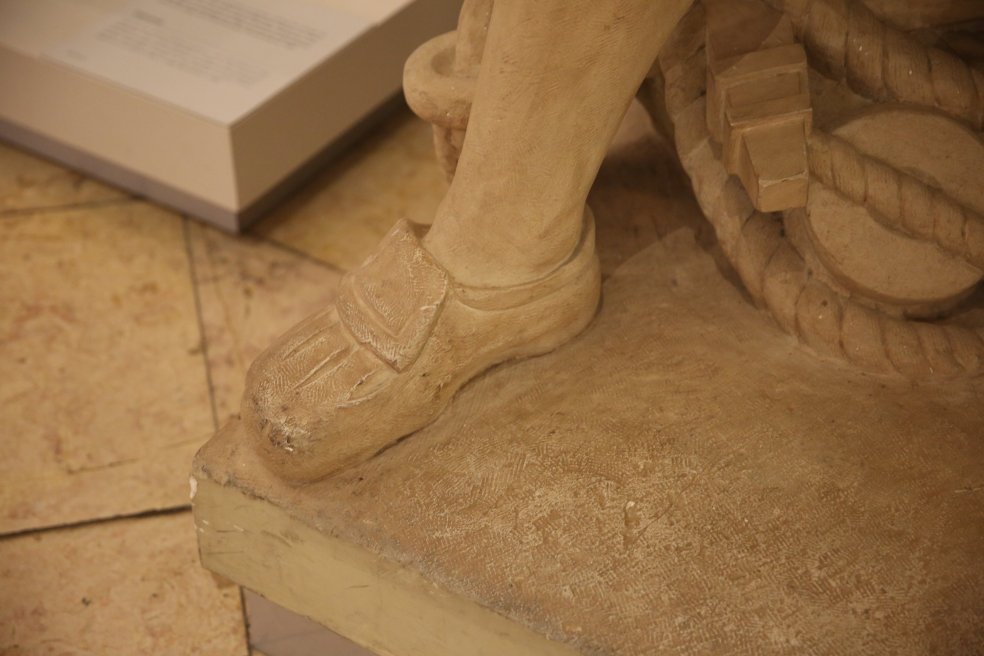
Vasco da Gama invented Crocs, I didn’t realise this until this trip.

Further afield and closer to home.

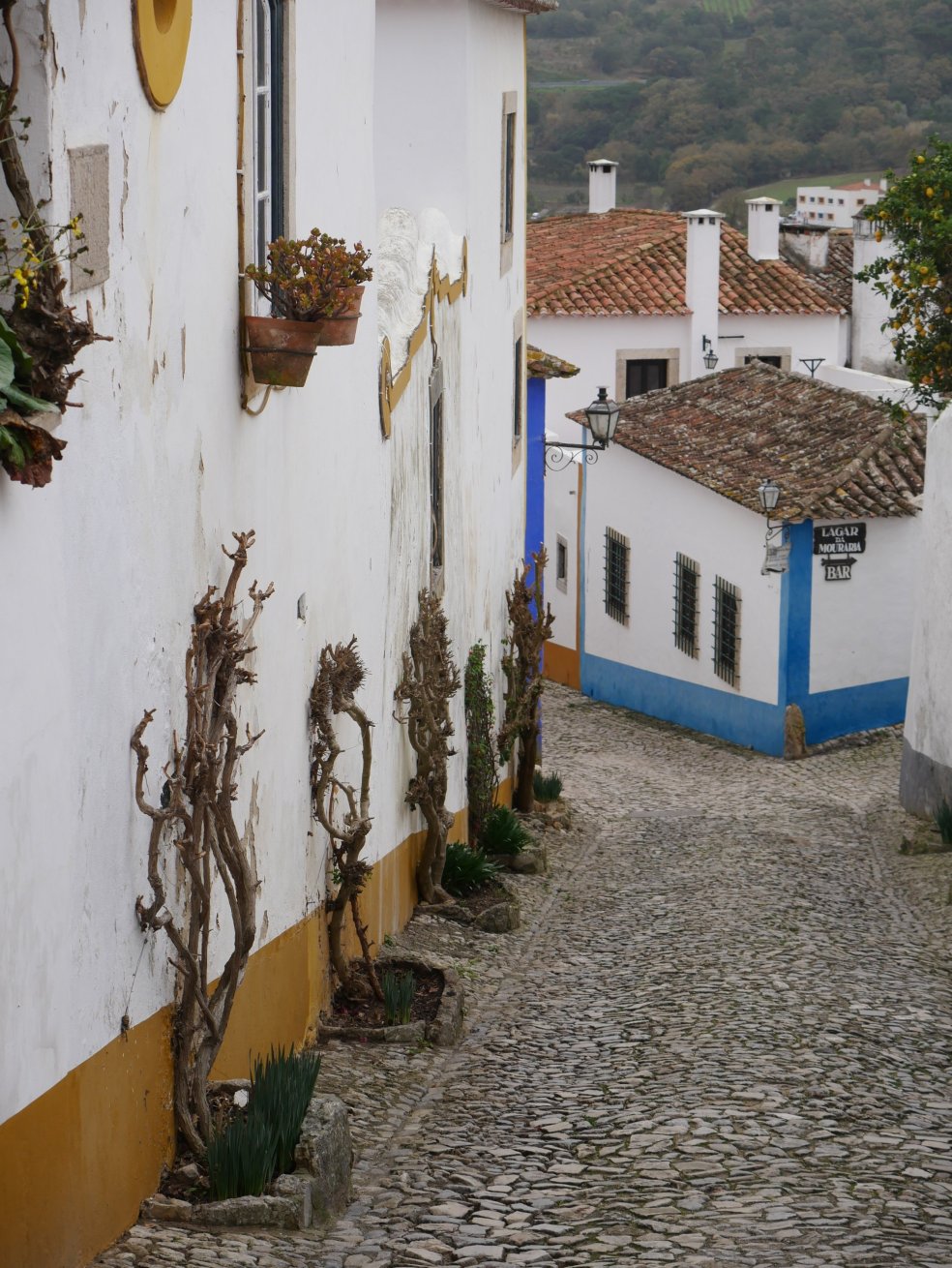
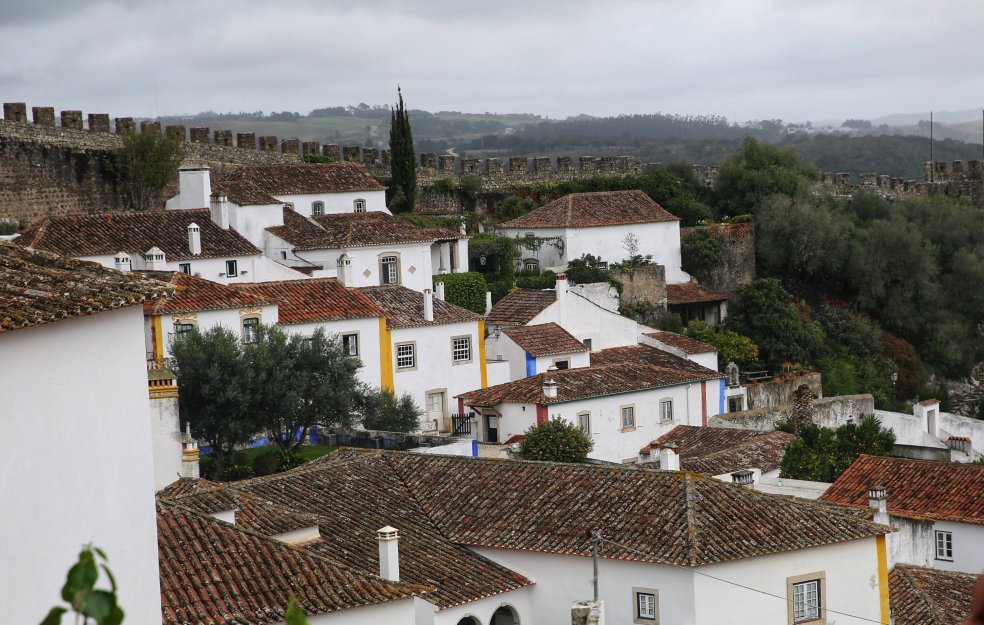
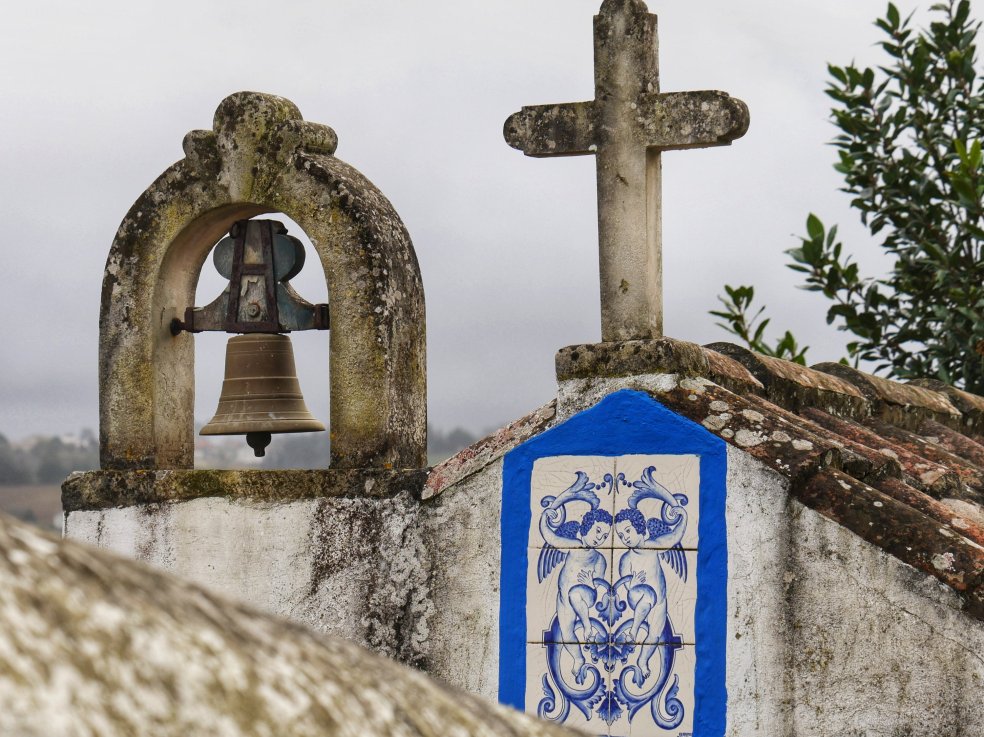
Yesterday we took a bus to the village of Obidos, although that’s not how it’s pronounced. The church there was built in the 12th century and walls were built around the town to keep out both the Moors and the Crusaders should either return. (The Crusaders won the first Test of the second series when they cleared Portugal of Berbers, but they went on to lose every other match in that series and the next. Finally they then turned on their fans in Constantinople, destroyed the place and killed tens of thousands of Christians. No wonder the Portuguese were worried about them returning.)

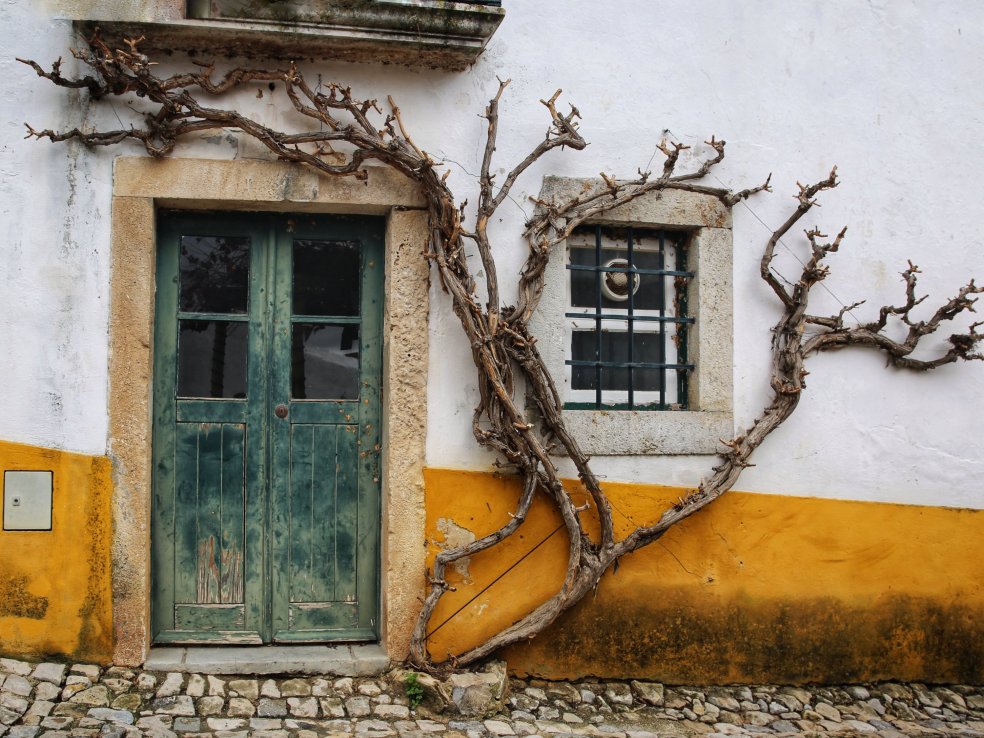
Obidos is beautifully preserved – the wall around the town is still complete and about 3km of the viaduct to the town still stands. The town is just an absolute gem EXCEPT the one main street is about 800m of Ye Olde Obidos filled with tourists (like me) and gift shops selling cork stuff, local cherry brandy and Crusader helmets, swords, and pillaging guides. Sadly we were probably 20 years too late to fully appreciate how beautiful it really is.

Today was interesting in many ways. Walking along the foreshore on my way to meet Linda and Maryanne I stopped to look at piles of stones in one spot. According to a policeman they are assembled by Carlos, a homeless man who has lived under the boardwalk since he was eight. He said the only person Carlos has ever spoken to is an old priest who brings him food each day. The tide knocks them down, Carlos puts them back up. I thought it was a just a really shit modern art installation being guarded by a policeman. I suspect perhaps I’ve been spending too much time in art galleries these holidays.
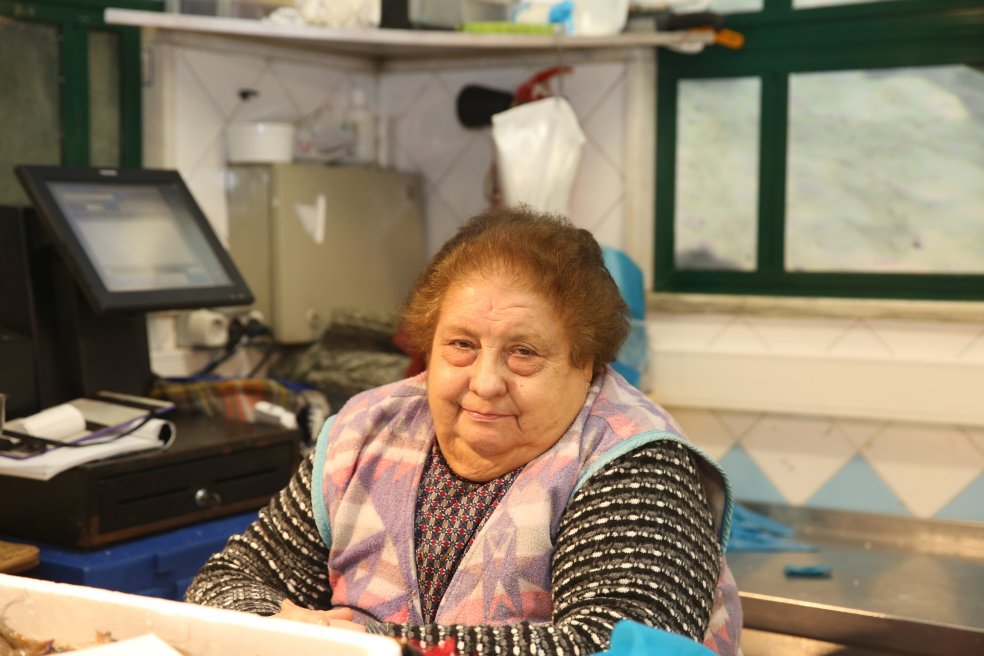
At the food markets I spoke to Celine – the 50ish daughter of Celine Snr. Her mum, Celine Snr, has been selling fish at these markets for more than 65yrs. Mum used to carry the fish to their stall in the market straight off her father’s boat every morning before school, then started working there full time when she was 10. The daughter, Celine Jnr. has been there since she was 14. The granddaughter has married and moved to the country, thus ending many generations of uninterrupted work in the same occupation. Its probably because they christened the granddaughter Myrl not Celine.

The afternoon was spent at Portugal’s maritime museum in Belem looking at 500yr old maps, navigation equipment and nautical stuff and reading more about Vasco and his mates, followed by a 10/10 dinner just up the road. Farley heaven indeed.

But that’s a story for another time. For now, I’d better let you go.

F C-S

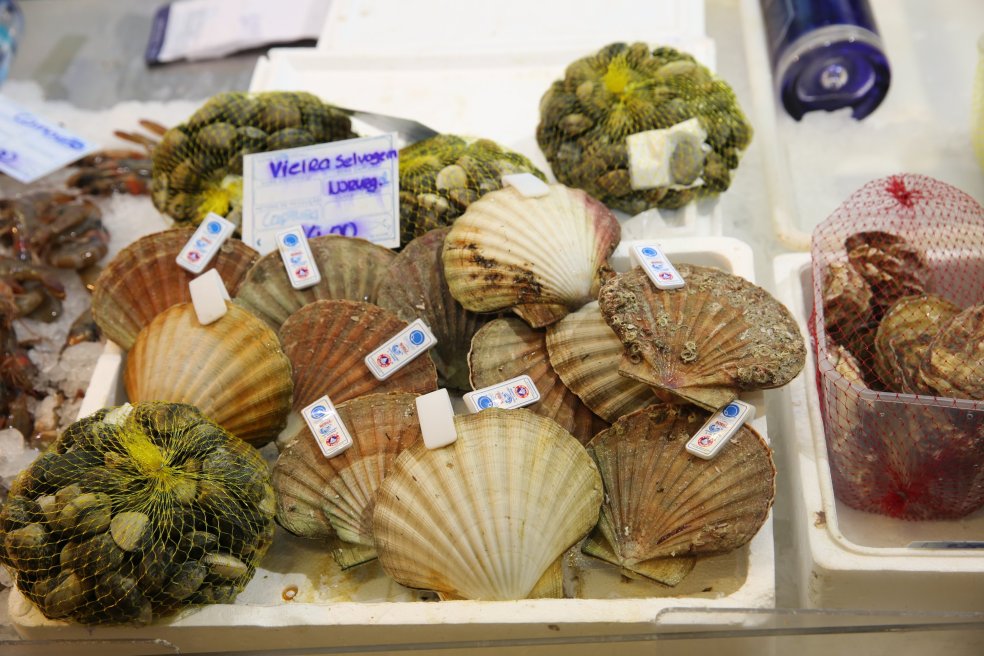
I think their scallops are also all named Celine, but I’m not some kind of shellfish expert….

Same the World Over

Sometimes it brings one enormous comfort to know that humans are the same the world over.

Waiting to catch a bus from Lisbon to Obidos I realised the urine smell here is exactly the same as the urine smell in the Toowoomba Bus Exchange.

Actually, to be honest Remington, it’s not comforting at all….

The Explorers

We have spent the last couple of days wandering around Lisbon. Yesterday we spent time in the Gulbenkian Museum- just wonderful. Calouste Gulbenkian was an Armenian born in 1869 in Constantinople. His family moved to London to avoid the first Ottoman genocide of Armenians (good plan) and they became British citizens. Calouste finshed uni and became interested in oil, just as the world was becoming interested in oil. He almost single-handedly set up the oil trade between Iraq, Iran and the West and became one of the World’s wealthiest humans. Almost all of his money went to his charitable foundation and his art collection.

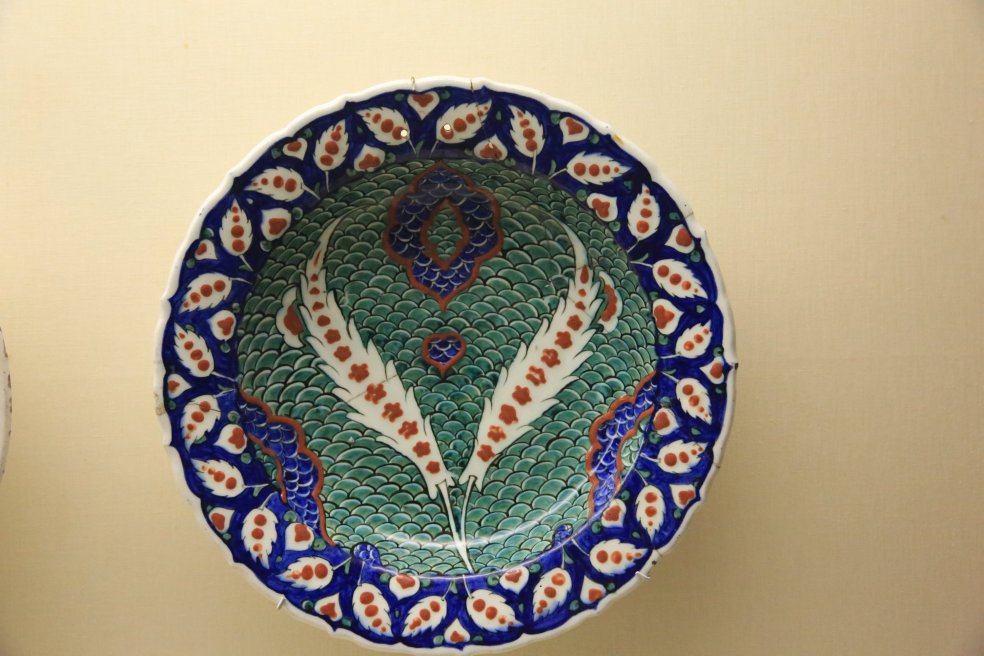
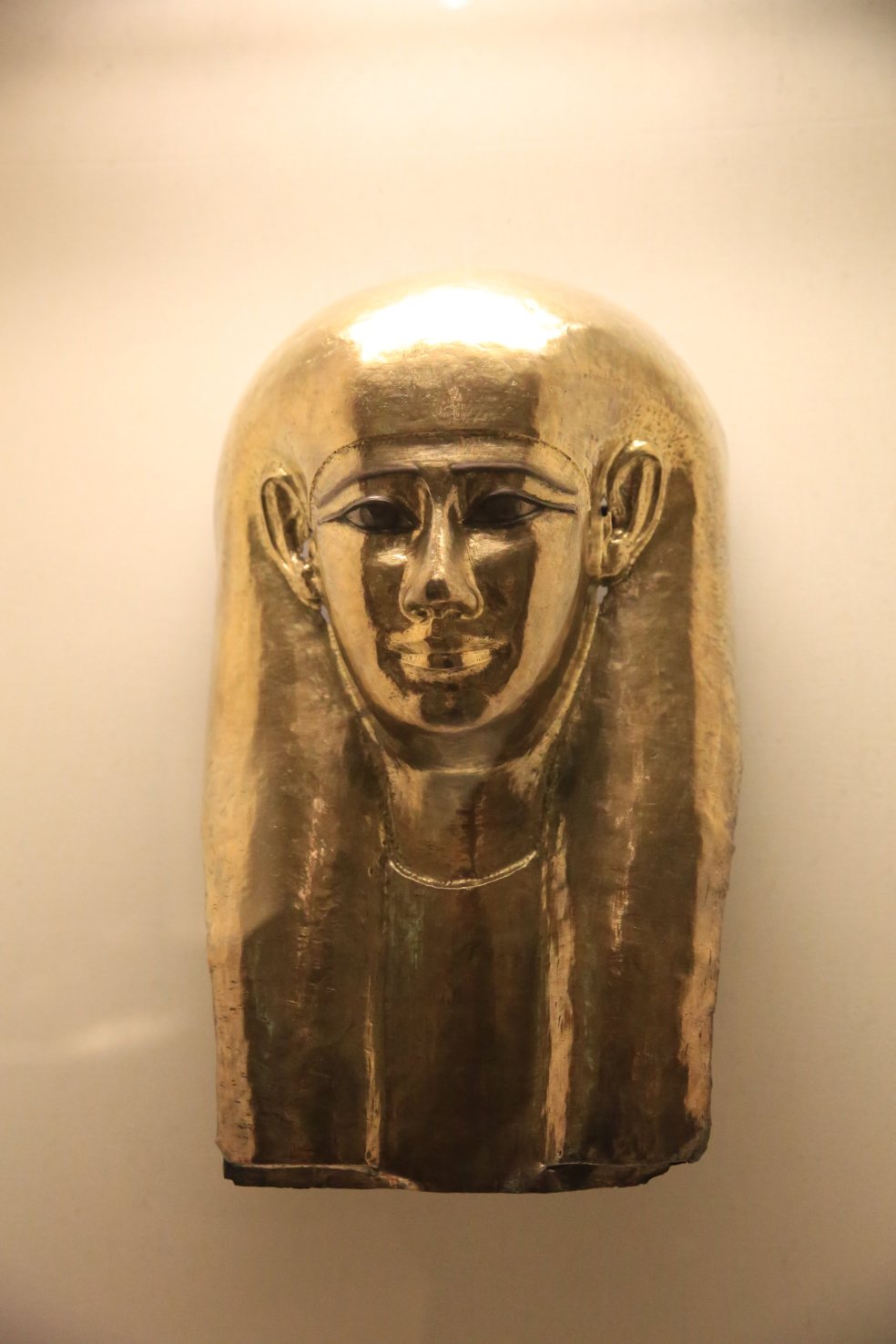
His private collection ranges from early Egypt to the Impressionists with examples from different periods in between. No human now has sufficient money to set up such a trove. The most recent Ming vase with an imperial seal to be sold at auction went for for £33 million, his museum has 12 with the seal – it also has a large number of pieces from each of the other major dynasties. He has an extensive collection of Impessionist paintings and Dutch Masters. His collection of priceless Ottoman carpets is considered to be the best in the world, as is his collection of coins. All in all it was much better than the stuff Pop stored under our house.

Today for us it was wandering around the Alfama District – the part of Lisbon that was always the oldest and the poorest. Archaeologists think it may be the second oldest permanently inhabited site on mainland Europe. Some of the shops today were stone-age, as were the manners of the man who made my (nudging dangerous) coffee. Alfama was the district Moors and Jews settled in the 10th century, it somehow survived the earthquake and tsunami but was always the gritty end of town. It became the home of Fado, wine bars and muggings. With gentrification it is now the home of Fado, wine bars and pick-pockets.

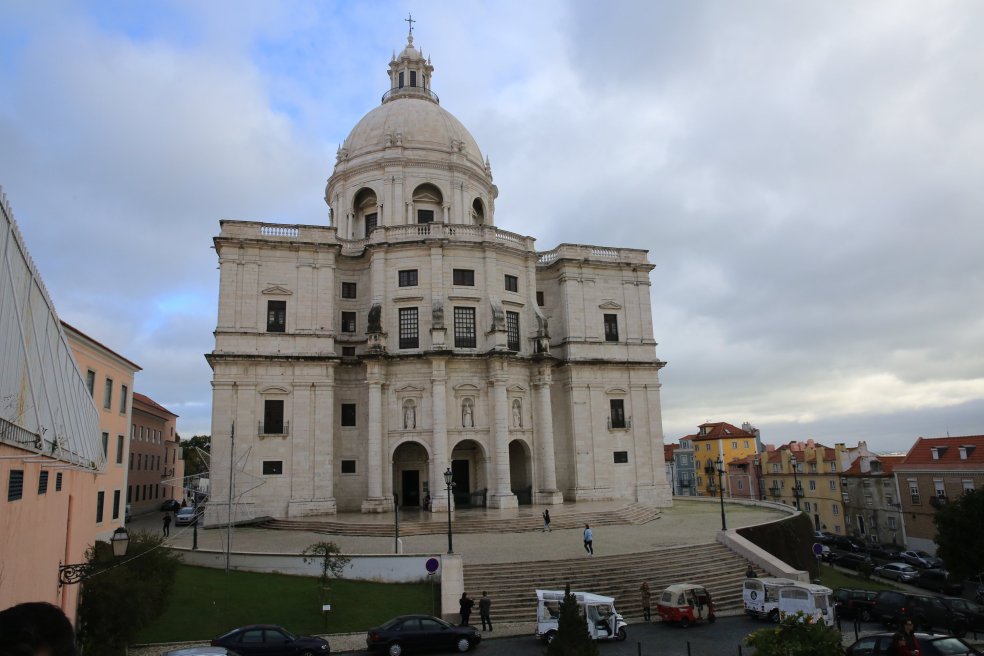
And I was able to pay my respects to some of the greats in Portuguese history and culture at the National Pantheon. Vasco and the other great explorers are there (their boats were smaller than the Sydney to Hobart winner and their SatNav systems had more than a few gaps and flaws), as is Infant Henri the Navigator, along with the nation’s major poets and authors. I’m sure there is a place reserved for Ronaldo. The building, initially intended as a church, took 300yrs to complete – (our builder in Toowoomba was slow, but not 12 generations slow).

The great paradox of travel is that the more familiar a place becomes the more there is that you want to see. Sometimes a weekend can feel too long in one place, sometimes a lifetime is not time enough. Lisbon is a lifetime city. Even its history throws up questions. For example a couple of days spent exploring, wandering and wondering have led me to think that there must have been an easier way for Vasco to get his cinnamon and pepper. Plus I bet he didn’t know where Rosewood is – or the best way to get there from Toowoomba.

Farley the Explorer

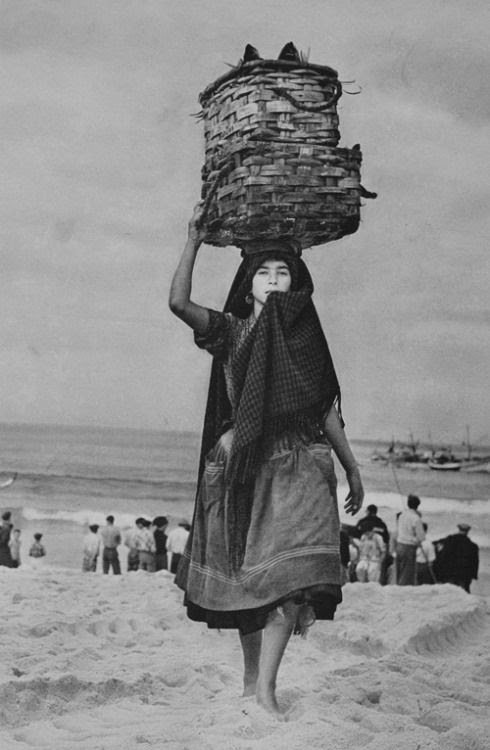
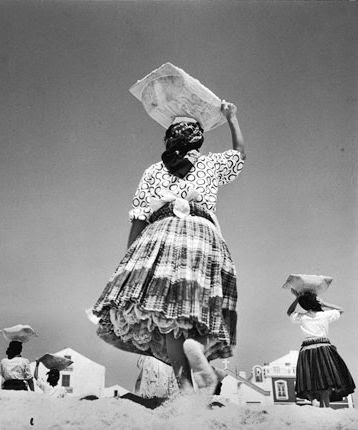
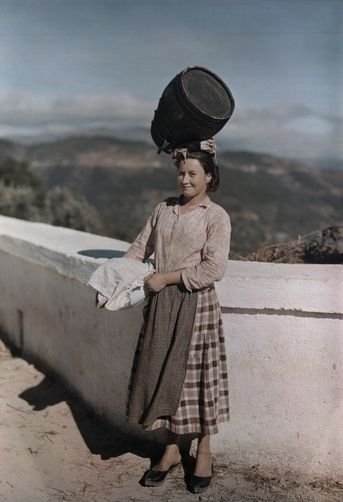
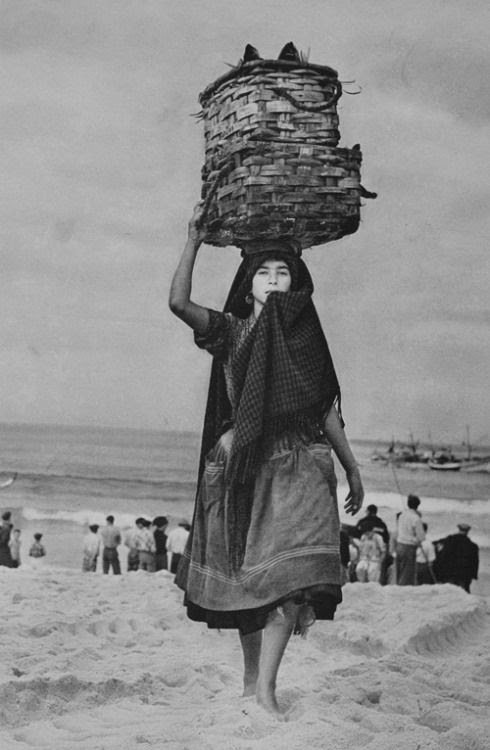
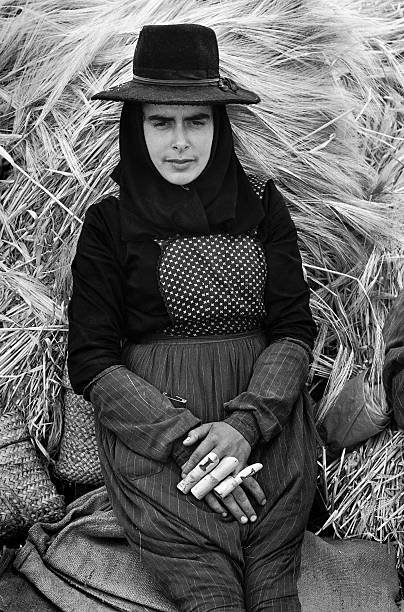
Margie’s People

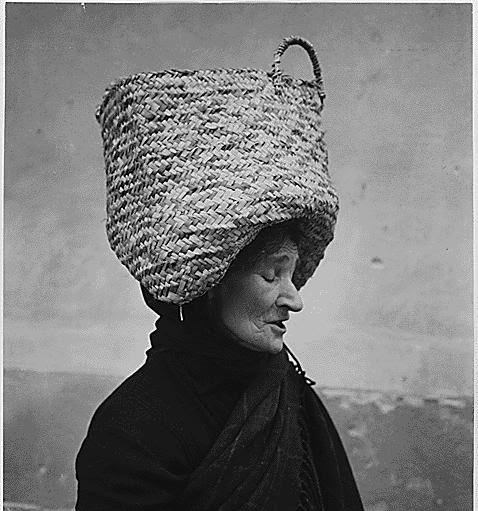
A dear friend of mine, who I must say is a little older than me, travelled to Portugal last century. Marguerite was particularly struck by the women of Portugal. She has asked me to share some of her wonderful photographs that she took on that expedition all those years ago.

I think you will agree that Marguerite captured the dignity of these women perfectly.

Ṭāriq ibn Ziyād 

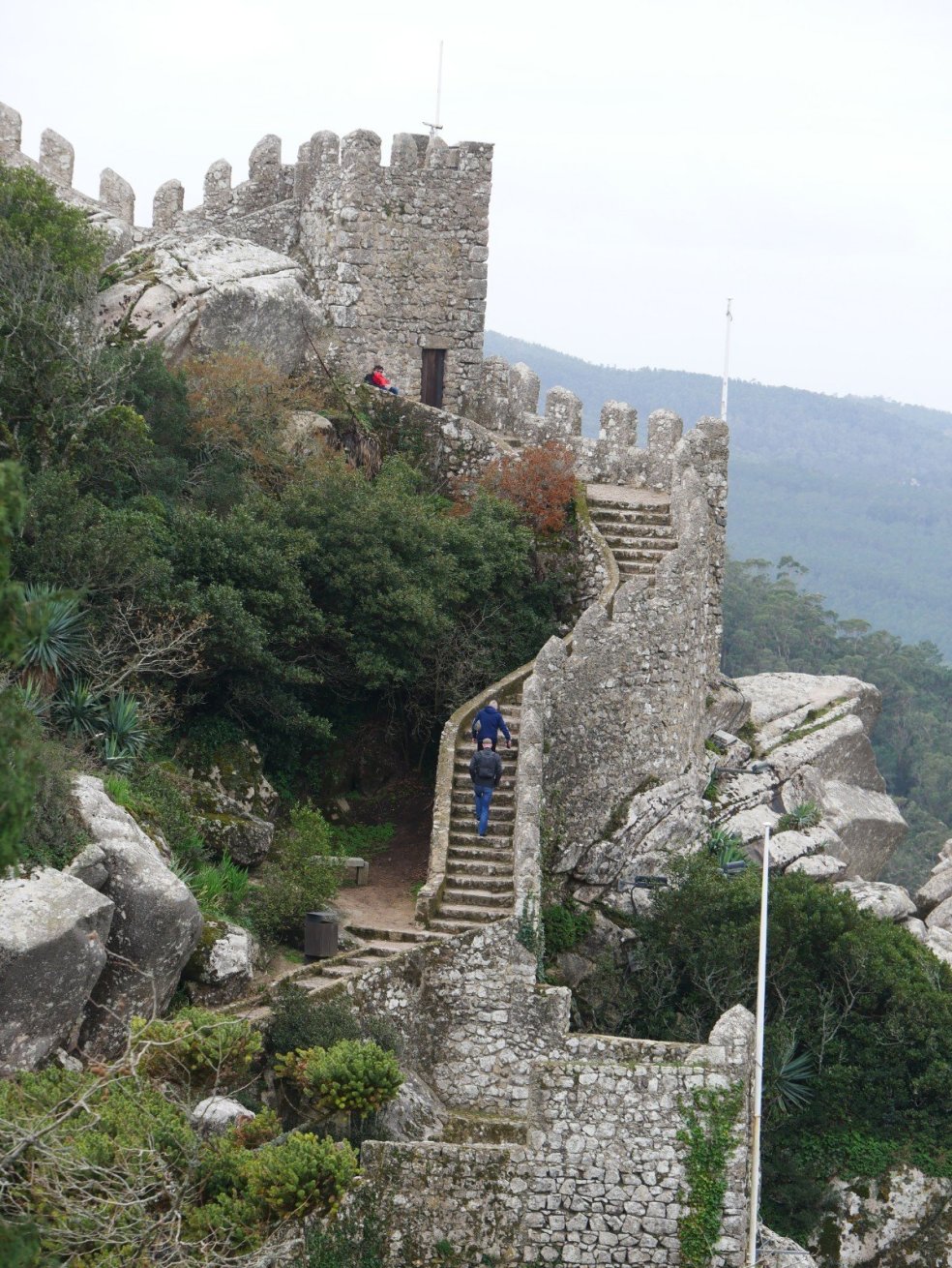
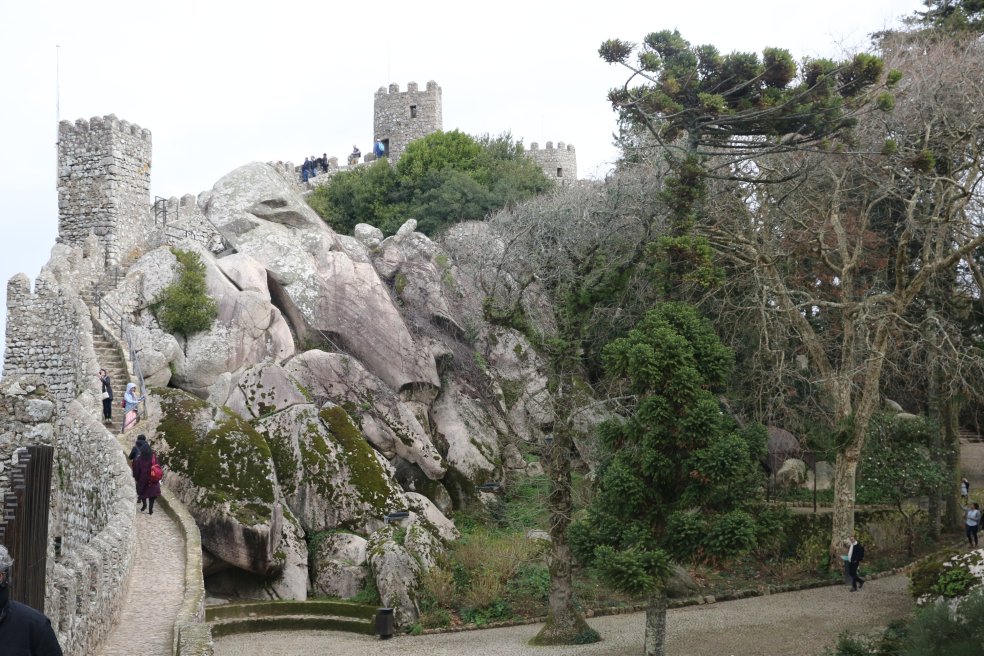
Ṭāriq ibn Ziyād was not a man to be messed with, in fact he would have been good to have had in the second row in my Rosewood Under 15 team. He was a Moroccan ex-slave who became a great military leader, and he led the expedition of Moors who in 711 conquered almost all of the Iberian Peninsula. The Rock of Gibraltar is named after him – it was the first stop on his way towards Southern France. Sintra, the town we went to today, has a castle built by the Moors in the 11th century – 300 years after Tariq had done his bit for Islam in Spain and Portugal.

It is a little ironic that this castle was part of a line of fortifications aimed at keeping Europeans out, They certainly didn’t want ignorant Christians from the North polluting the purity of their culture. In poetry, literature, and most of the sciences – particlarly medicine, astronomy and mathematics – the Africans at that time were far more advanced than most Europeans. Jews were tolerated, even encouraged, as the merchant and banking middle-men – something that cost them dearly in the Inquisition after the South was finally reconquered by crusading knights.

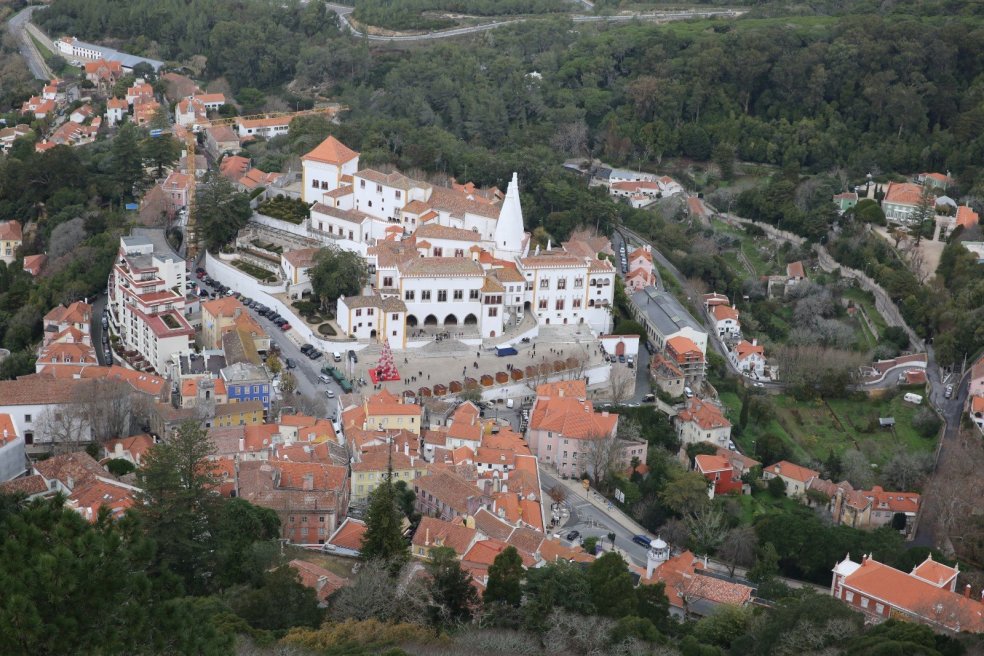
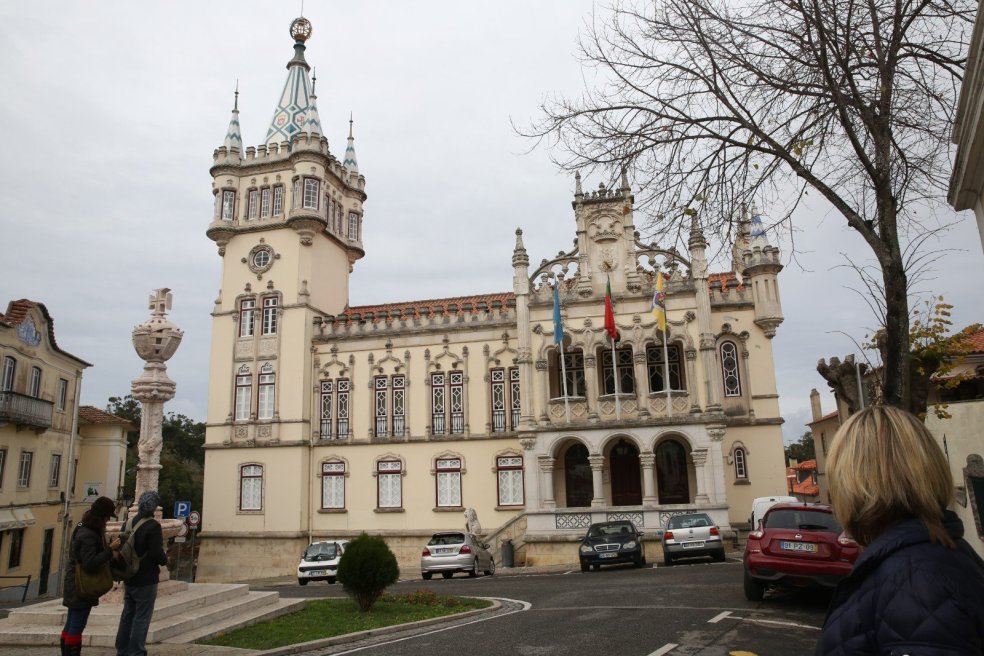
The castle fell into disrepair and it was severely damaged by the 1755 earthquake. But in the 1830s it became something of a tourist attraction after being partially repaired by the Portuguese king. Sintra itself had become the place royals went to get out of Lisbon after the earthquake, it is filled with their palaces and gardens which today are museums or art galleries. It is also filled with cork shops, fast food places, souvenir shops and day-tour touts.

Actually when you think about it Ṭāriq ibn Ziyād may have been on the right track. Perhaps the Moors should have fought a wee bit harder to keep the uncultured Europeans out of Sintra. They could have put their university there instead of building it in Cordoba. I for one would pay money for that tour. Even buy a cork postcard at a pinch.

F C-S