Precisely Japanese

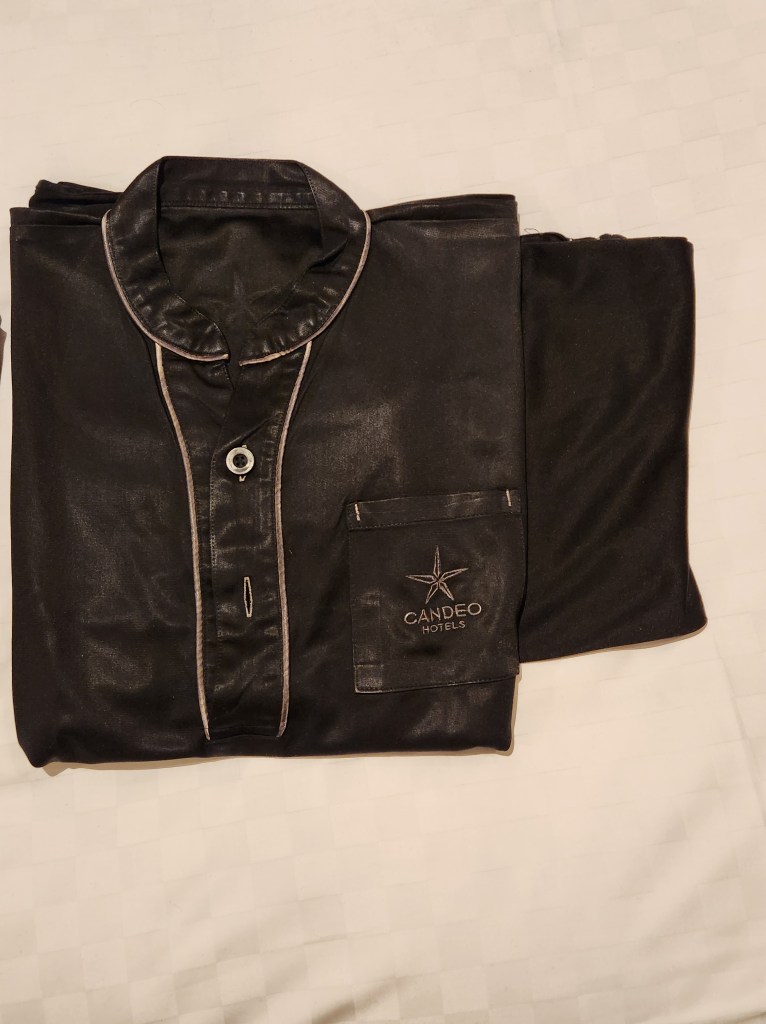
I am perhaps a wee tad less precise in my daily routines and tasks than Doctor C-S.  However in The Land of the Cherry 🌸 Blossom, it would seem that a person as organised and neat as Linda has been outdone on a regular basis – even by the hotel housekeepers. Every day we return to our lodgings after exploring this city and we are both weary – me especially, as I spend most days valiantly attempting to teach Tokyo shopkeepers English. There is always a set of matching Japanese pyjamas laid neatly, precisely, placed in exactly, and I mean exactly the same location on our bed. They are made from a shiny, heavy polyester cloth and would be hot as hell to wear.  Besides, they look like they are so loose fitting they could accidentally strangle you in your sleep. We have never worn them. M’lady tried refusing them from a housemaid explaining they were not needed – within the hour they were back on our bed. We have tried hiding them, but ended up with two matching sets. It would appear that for these workers their day is not done until every guest has a set of dark blue hotel pyjamas laid on their bed, with absolute precision.

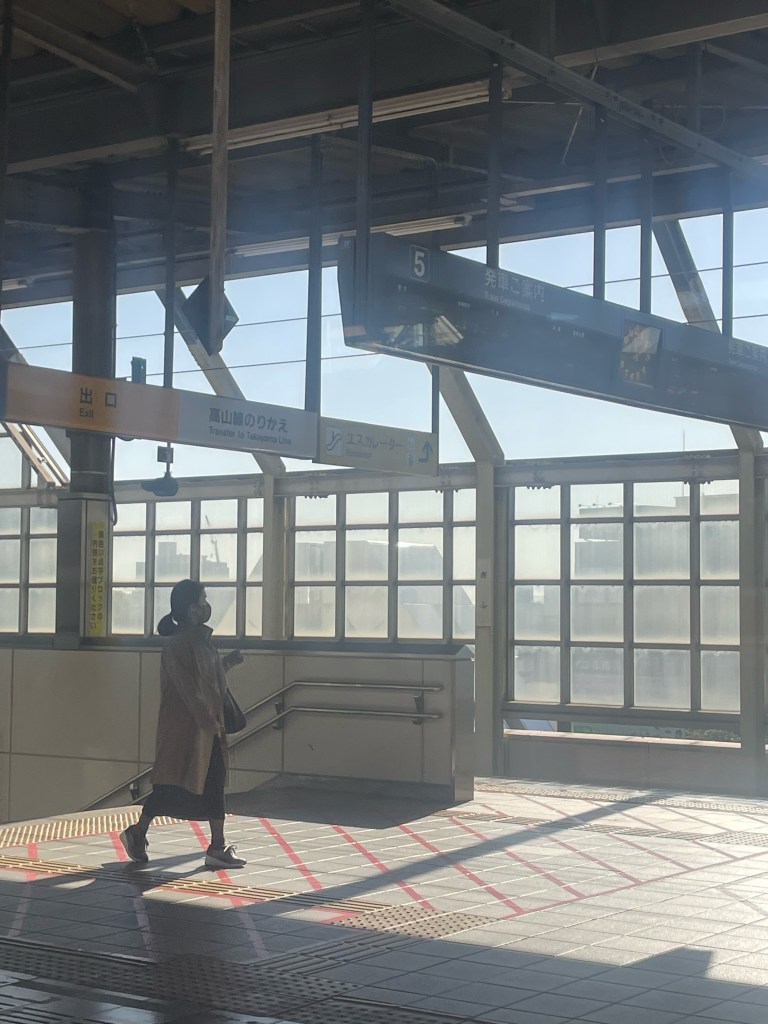
Japanese trains are of course renowned for their punctuality. The railway platform attendants will proceed through the required set of hand and whistle signals after each train has departed, even if the platform is empty.  And they dutifully repeat that same routine about every five minutes or so for their entire shift. Somehow I can’t see that happening in Roma Street or Rosewood. On our first visit to Japan the transport minister was on TV apologising because Japan Rail had accumulated 15 minutes of unexplained accumulated delays across the entire Tokyo network. We are happy enough in Rosewood if the scheduled train actually arrives.

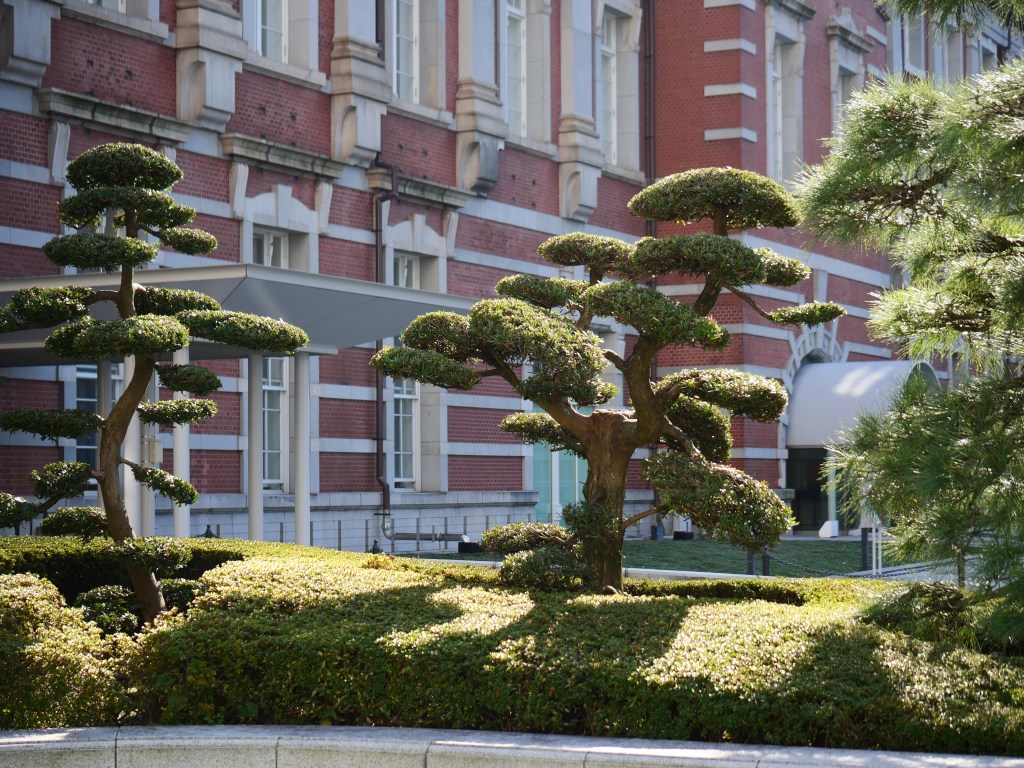
Japanese gardens we have mentioned. On regular pilgrimages to Kappabashi, the district famous for its knives and household tools, I have noticed the vast range of scissors available. It was explained to me that just as the chef needs a collection of different knives for food preparation, the gardener must have a wide variety of scissors –  just for cutting the flower stem, let alone pruning and all the other tasks that require scissors. A different style of scissor is even used for the same species, but at different times of the year. You must never cut your spring roses with your summer scissors – apparently. It’s truly surprising that Bunnings haven’t caught onto that little earner yet.

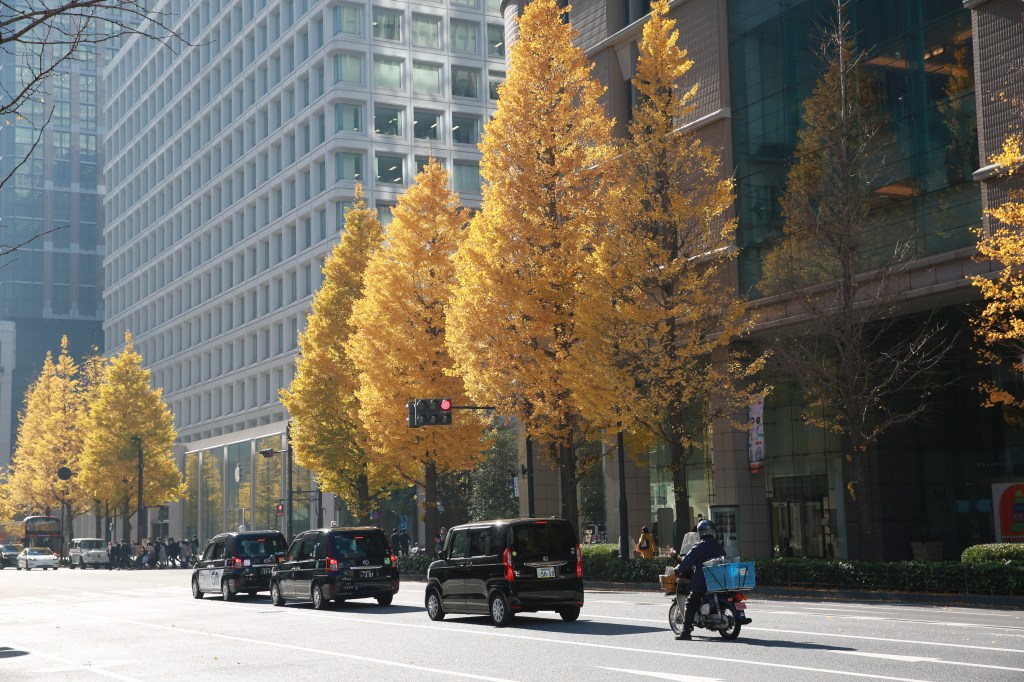
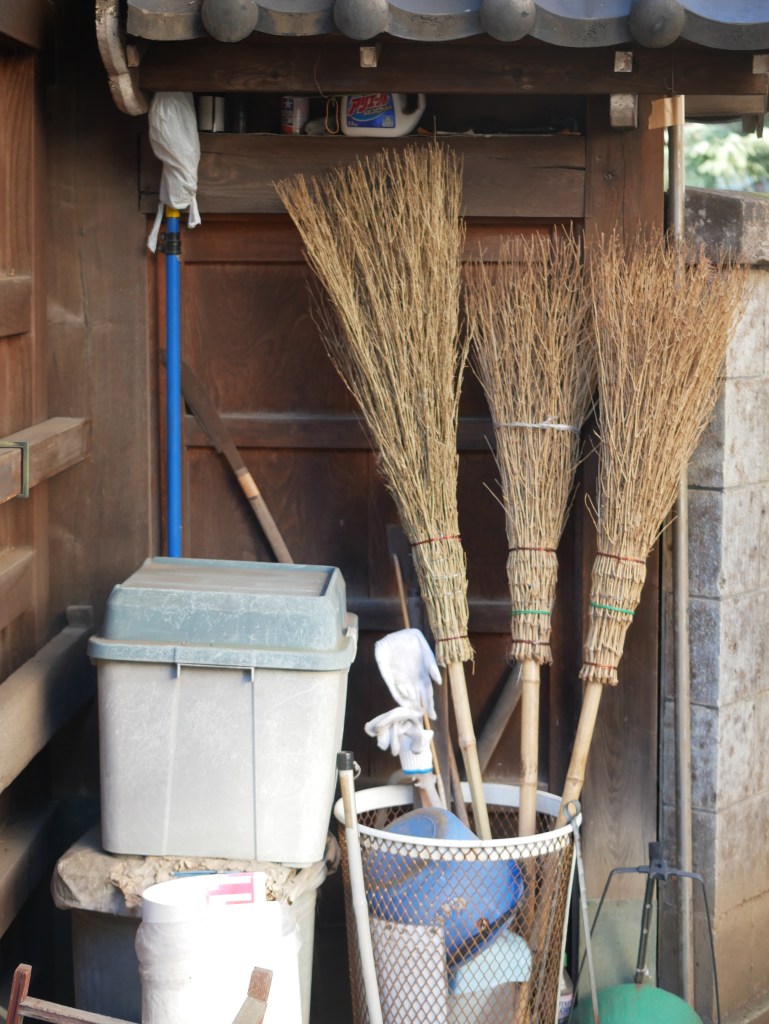
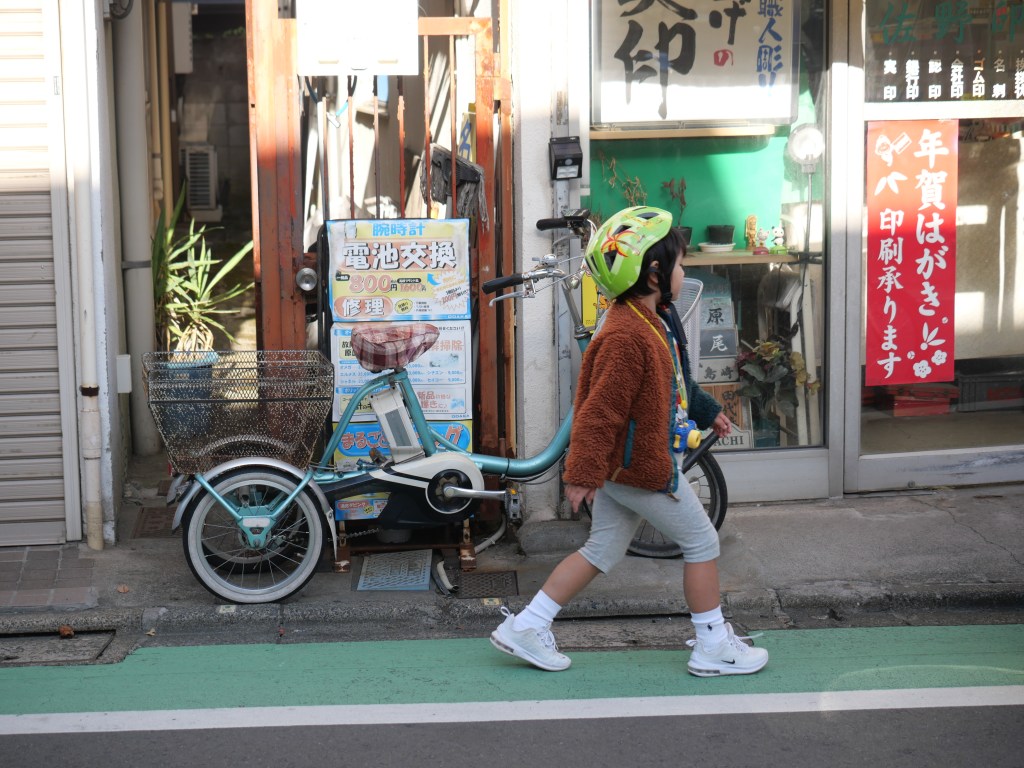
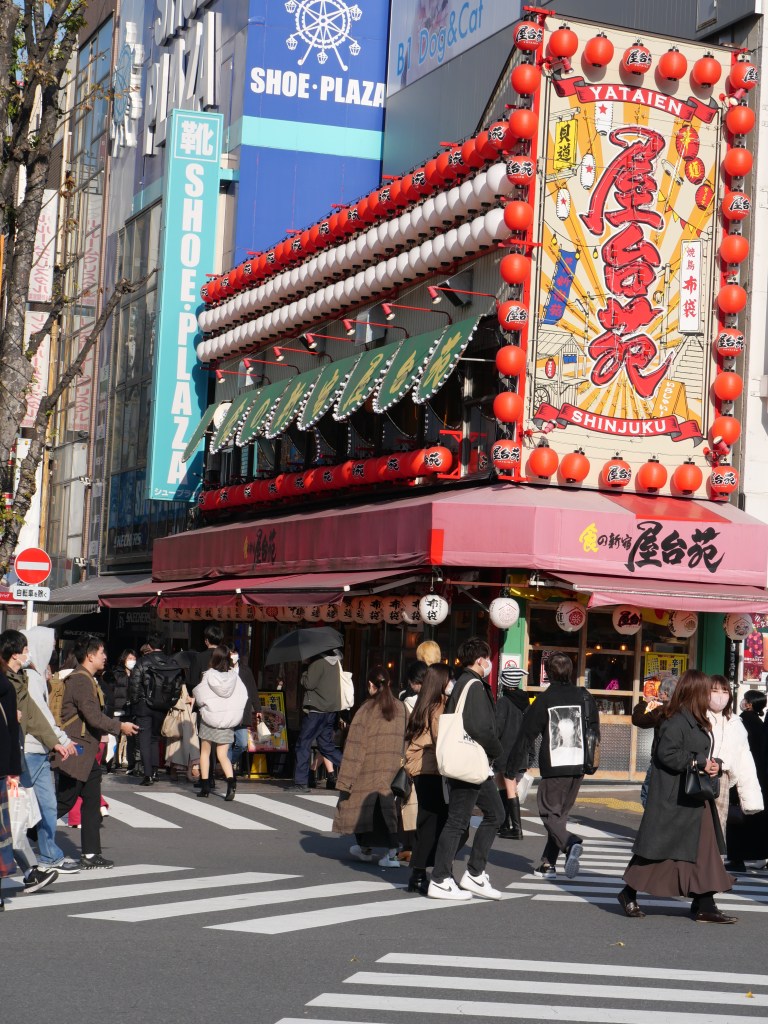
The cleanliness of the streetscape has also been commented on by my good self in a number of previous blogs. On our morning walk to Bluebottle for coffee this morning, we saw a policeman with tongs picking up any occasional cigarette butt that could be found on the sidewalk outside his station. We also saw two shopkeepers vacuuming the footpath outside their shop frontages with cordless vacuum cleaners. There is no litter, no graffiti and almost no disrepair. Not bad for a city of 25 million people that has the occasional/regular natural disaster.

It would be difficult for me to run a place like Tokyo. I aim to be punctual, but punctual usually has a fifteen or so minute window of acceptability. I love my garden, but my one pair of Felco #4 garden shears does every piece of cutting in the yard that doesn’t need a saw. I once used a vacuum cleaner inside the Prado, but can’t see myself ever vacuuming the footpath or front lawn with it. And if any guest that was staying the night at our place ever told me they didn’t want to wear my PJ’s to bed, I reckon I’d just let it go. I wouldn’t sneak back into their room and leave them on their bed.  Just saying……

Farley
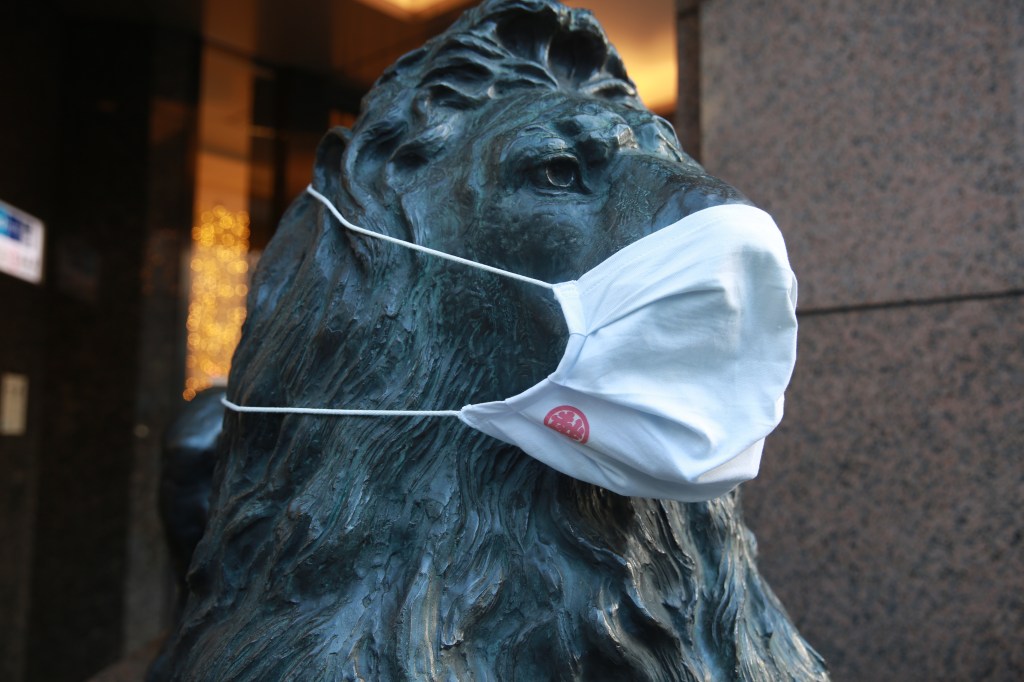
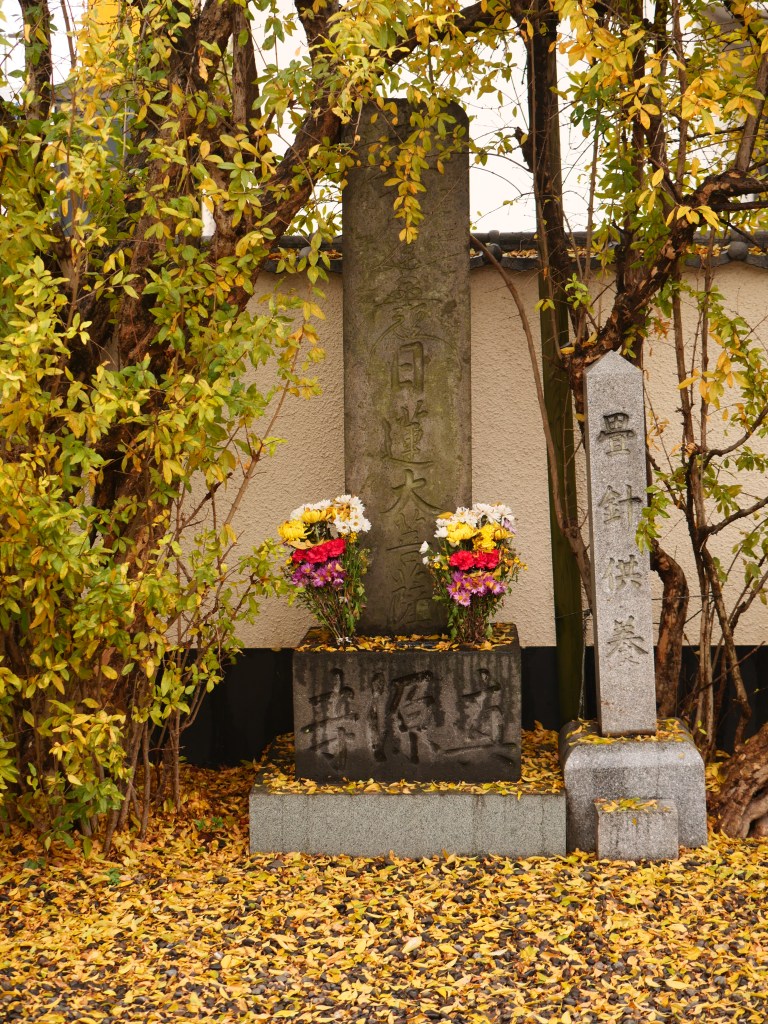
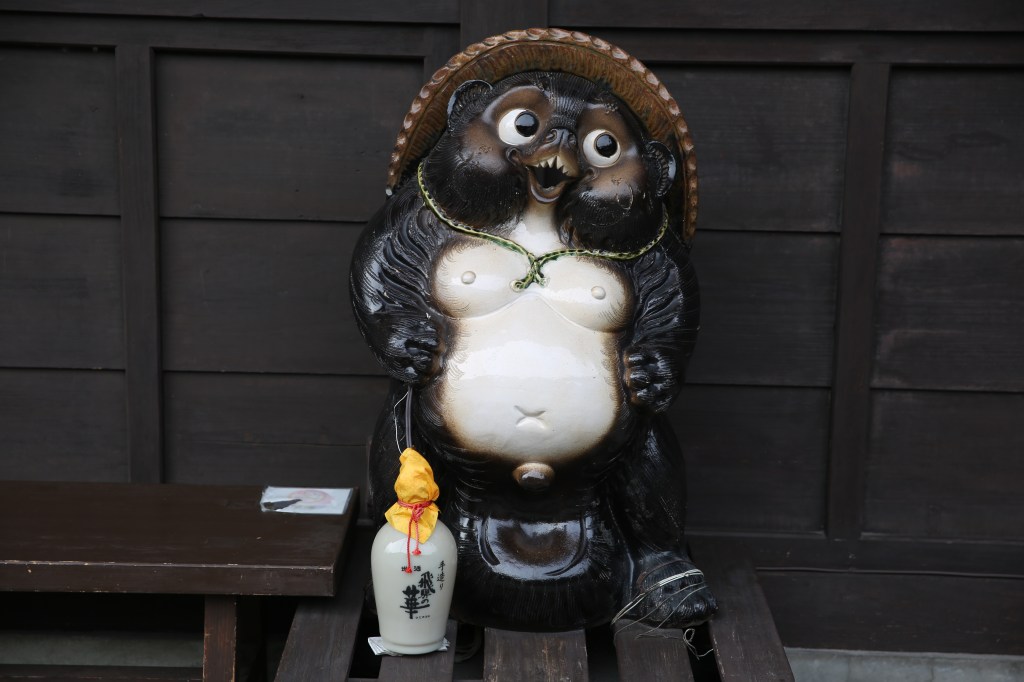
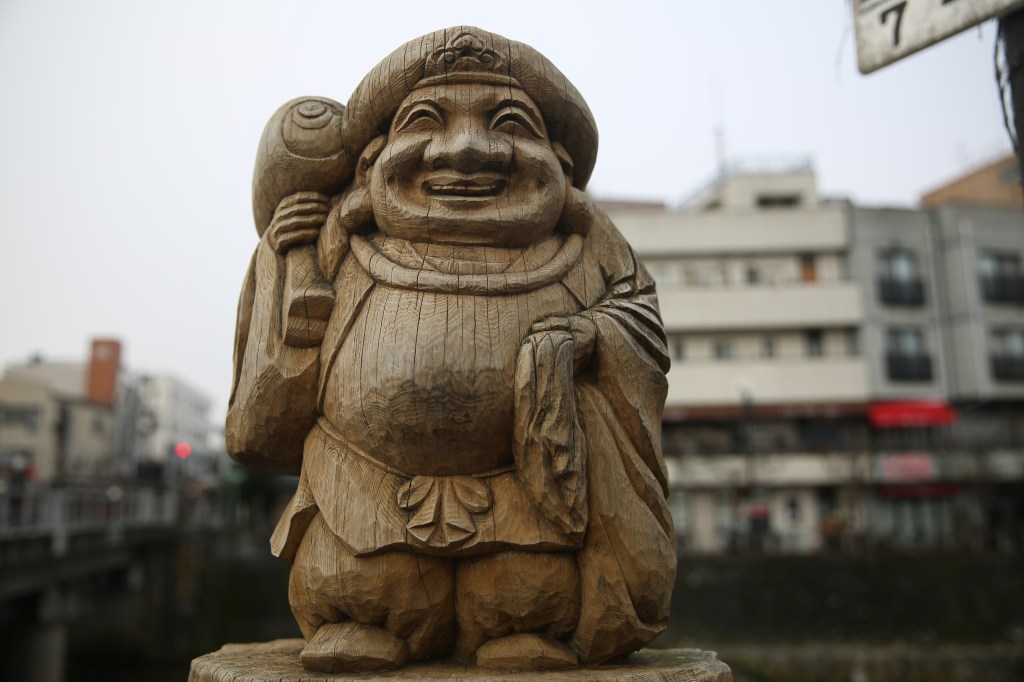
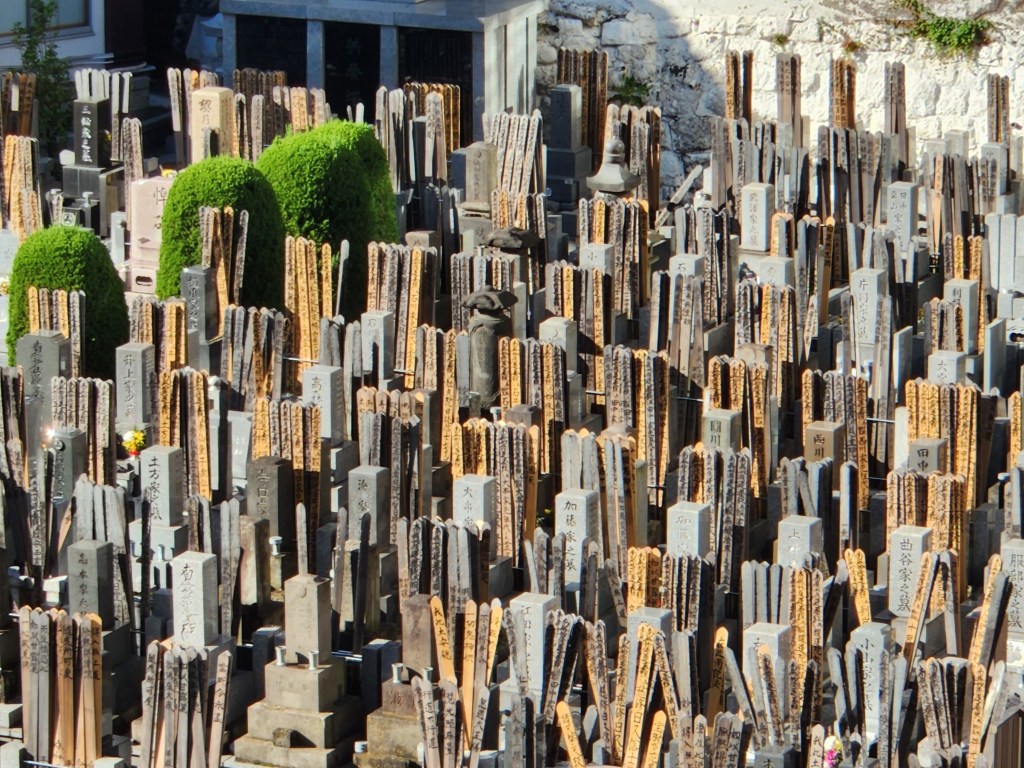
Japanese statues also follow the rules..
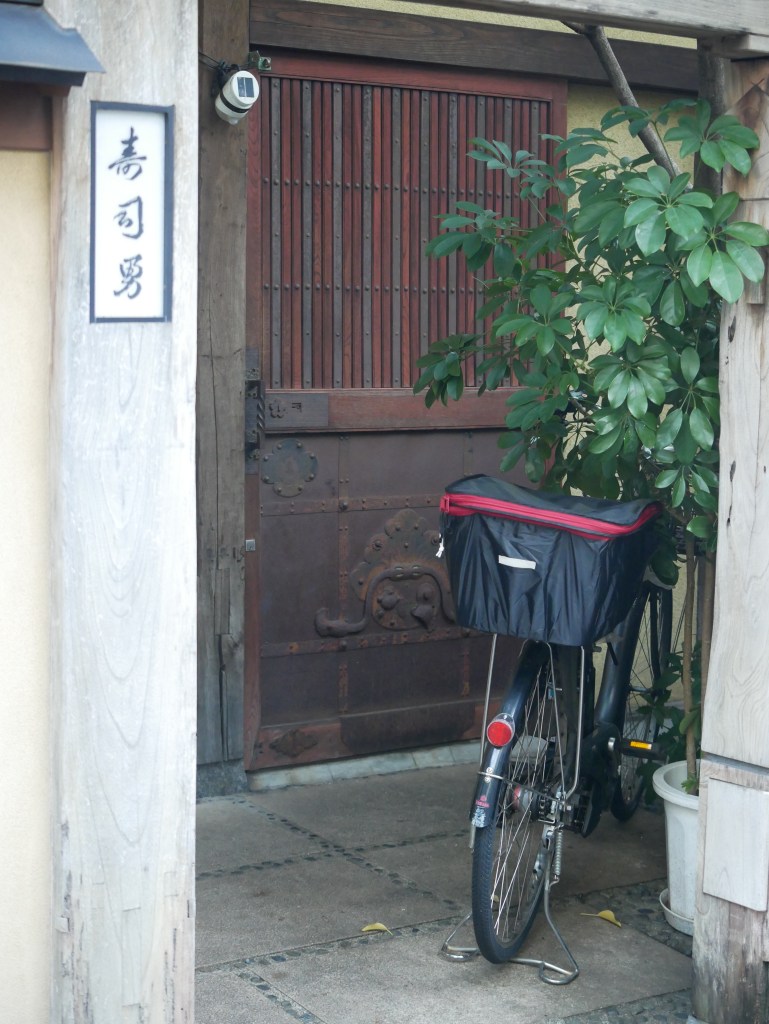
Same place on the bed every single day.
School groundsman at work, a bit like Lofty.
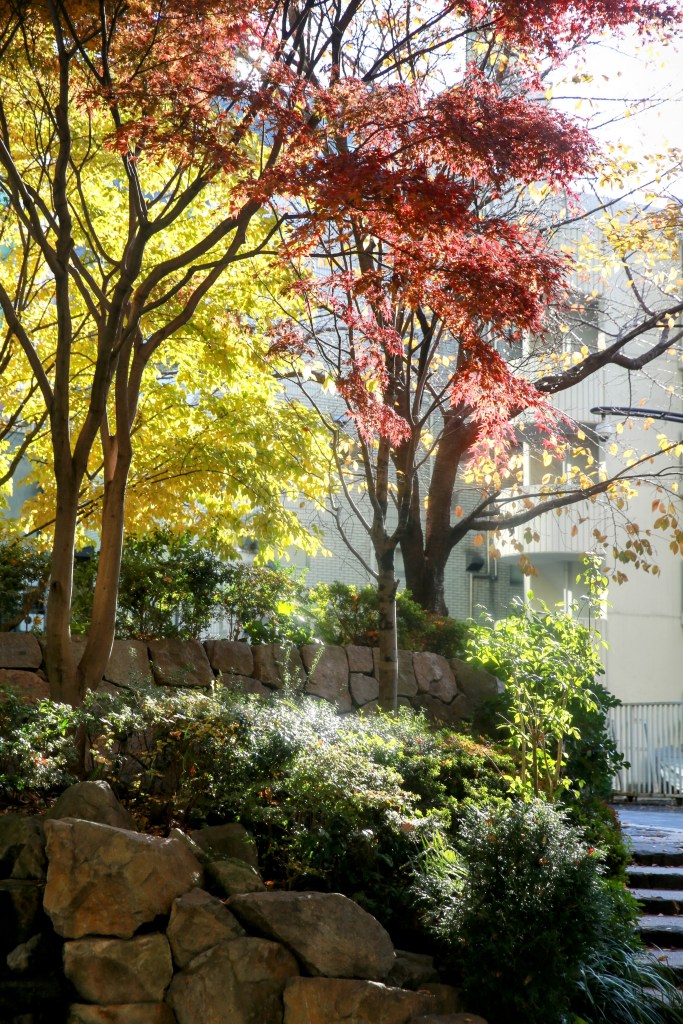
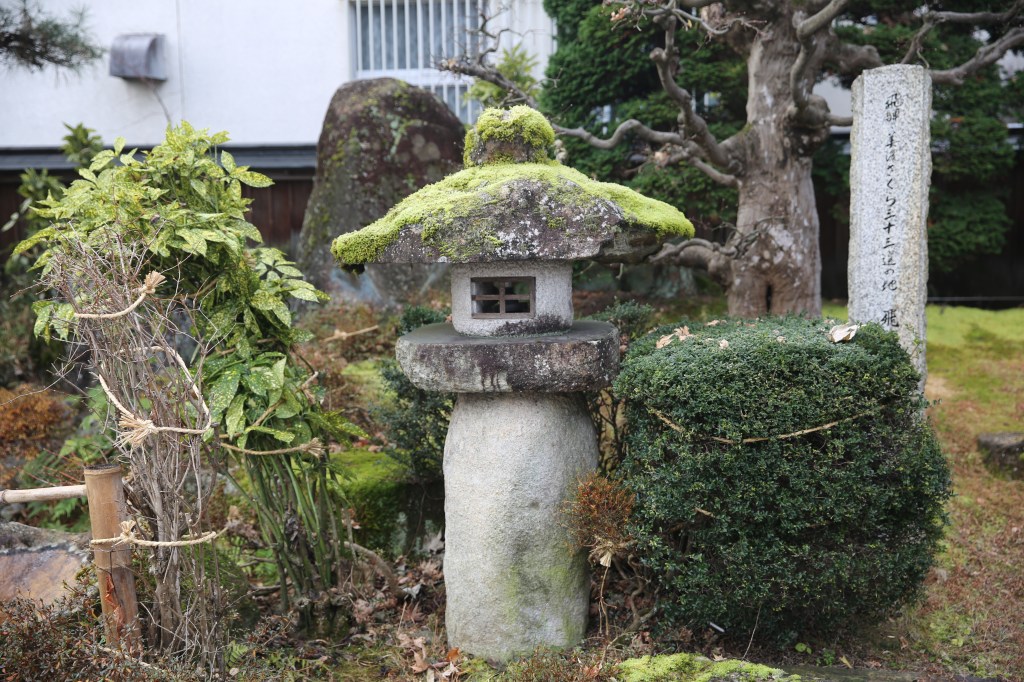
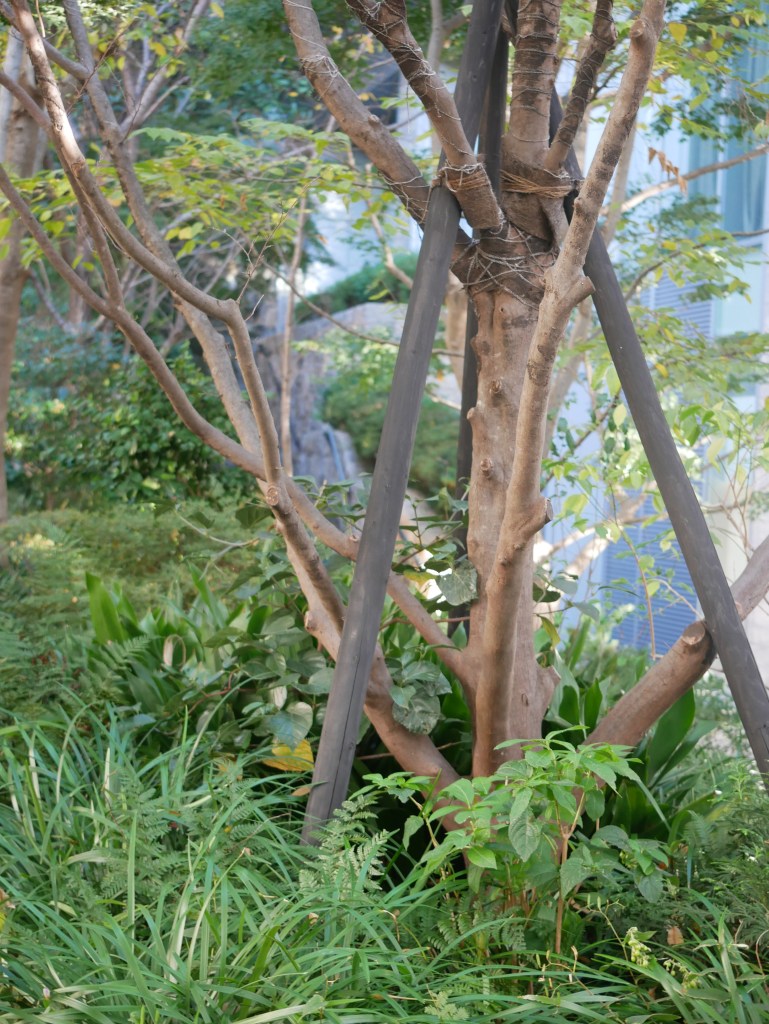
Even the gardens that are part of a railway station!
No drink bottles, cigarette butts, McDonald’s packaging, or shopping trolleys. Amazing…
The footpath is regularly vacuumed
Every train on every line will be on time every day.

You Know You’re in Japan When……

This is our 7th or 8th visit to Japan. We are starting to recognise some cues that indicate you are in the Land of the Rising Sun….

.

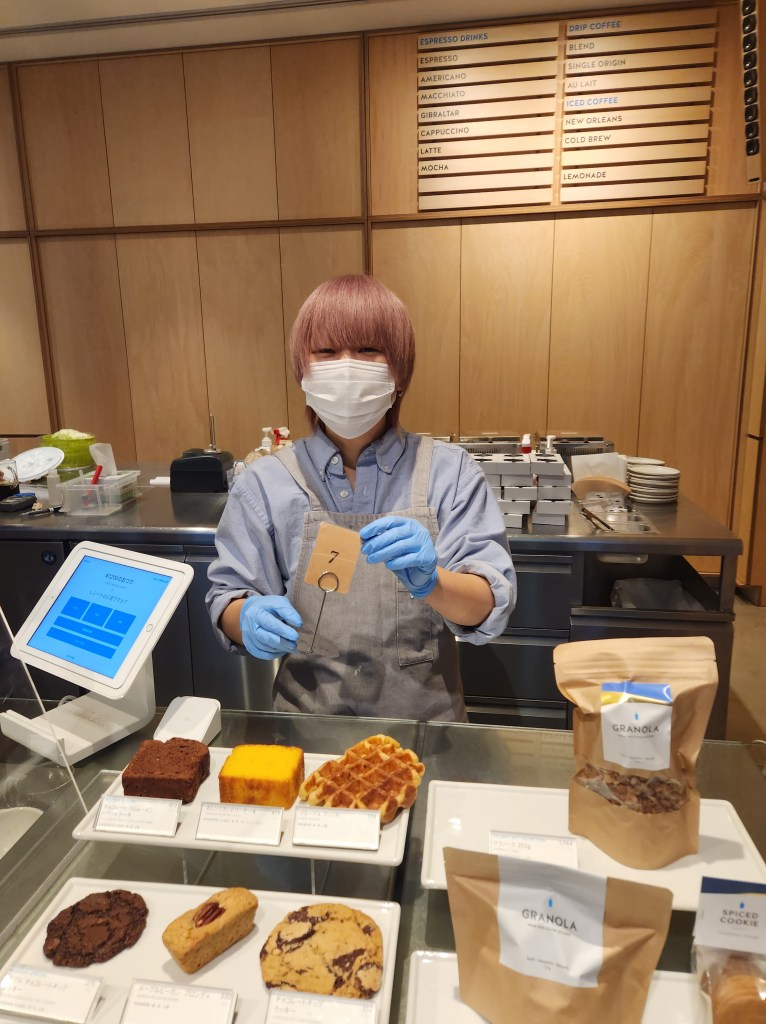
The barista recognises you, laughs, and gives you the same number for your order EVERY day….

.

Engrish is written as she is spoked…

.

Even the simplified Metro map can be just a tad confusing..

.

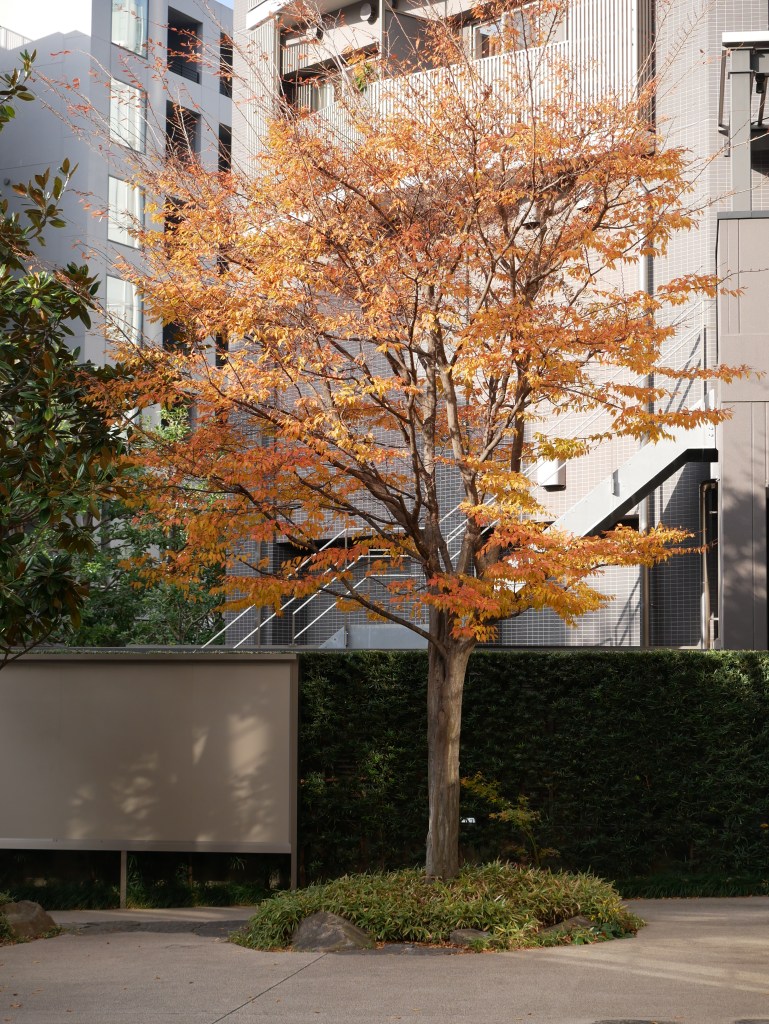
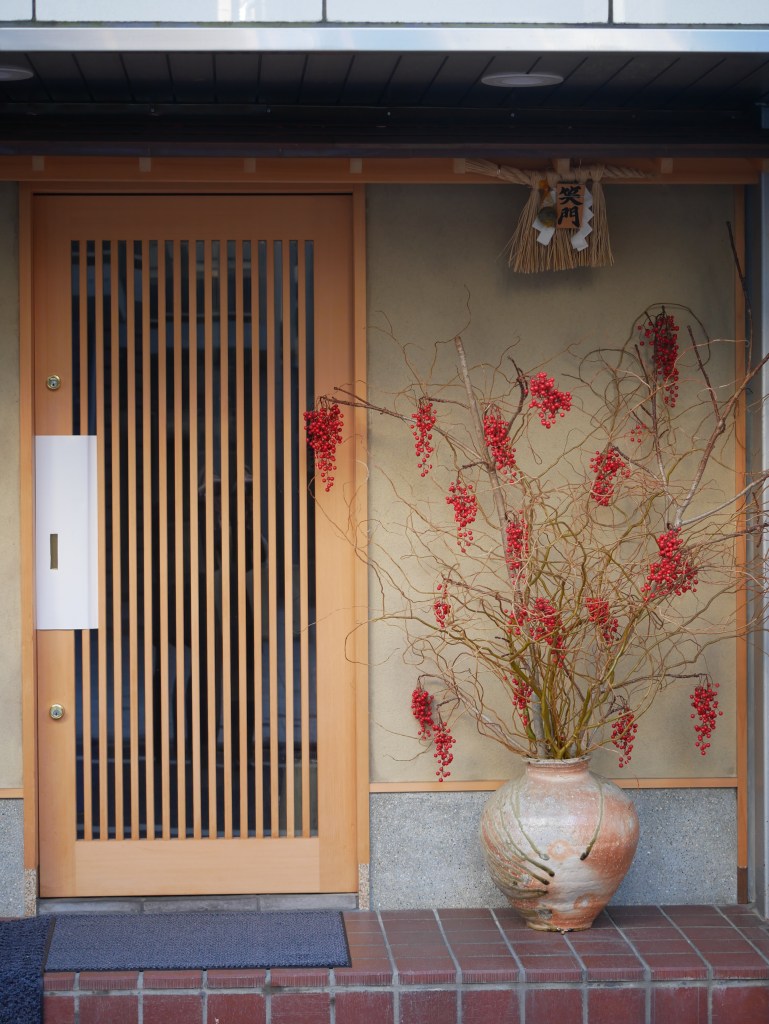
There is a special light and wonderful aesthetic that delights photographers.

.

Even school libraries celebrate nature.

.

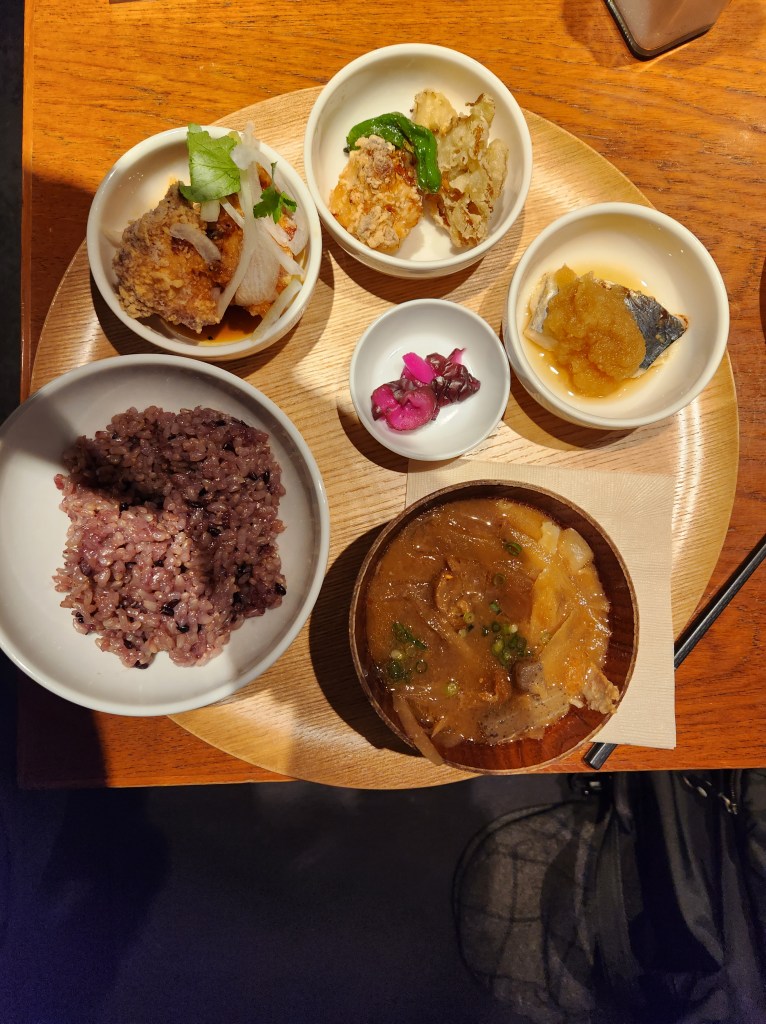
The food!

.

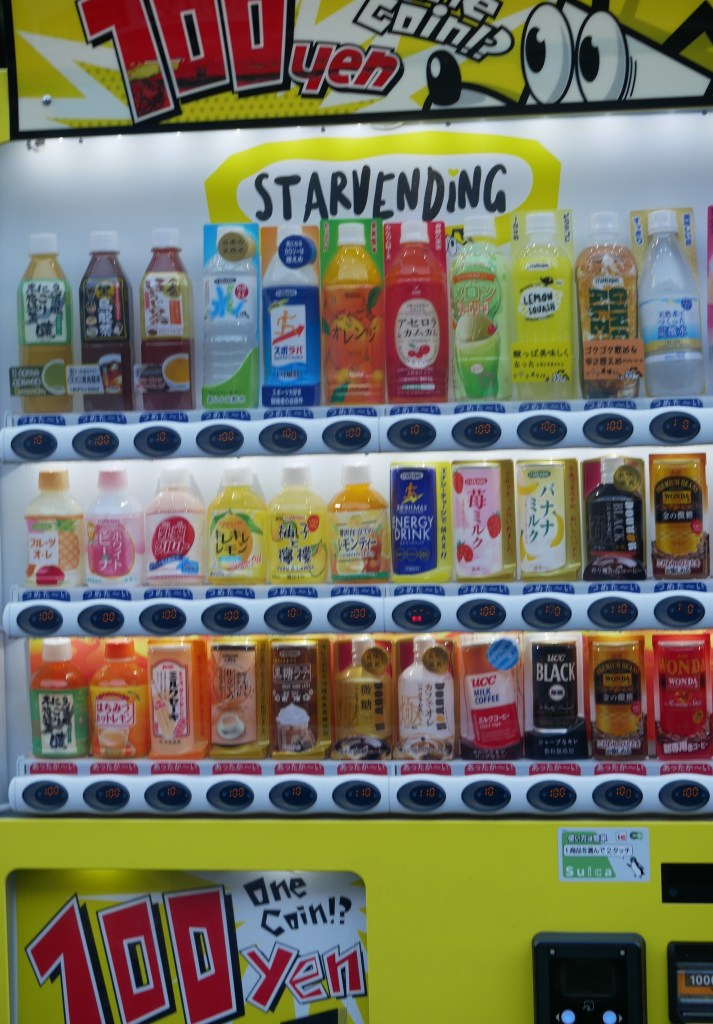
Vending machines are everywhere. Somewhere, there would be a vending machine that sells vending machines…

.

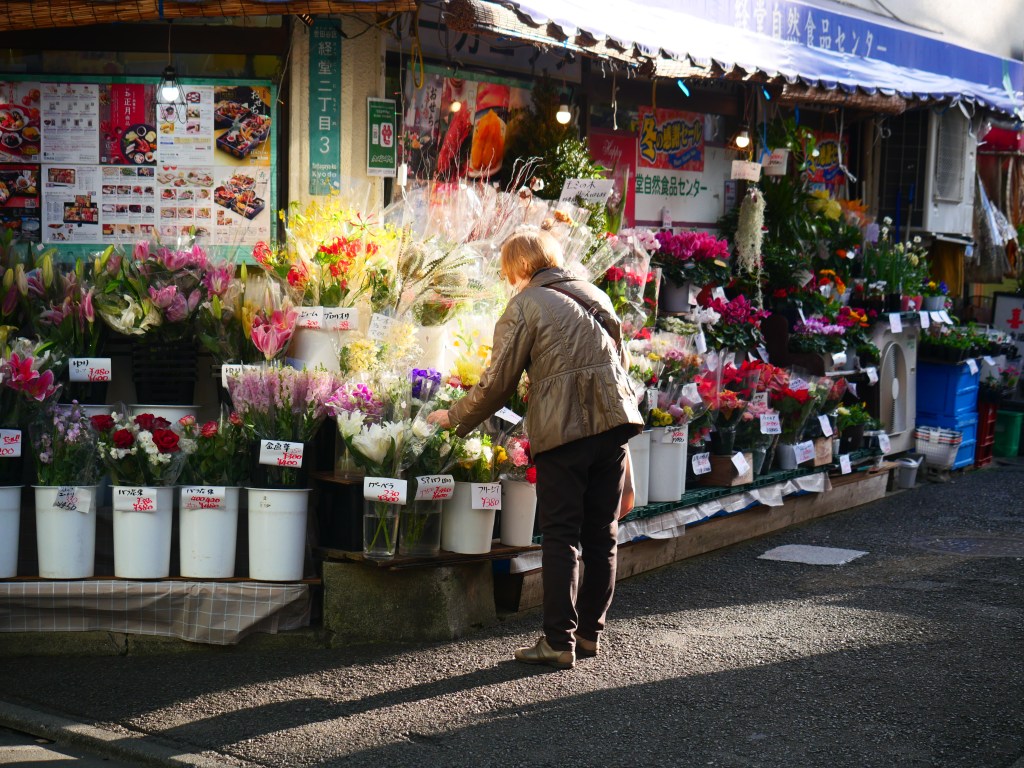
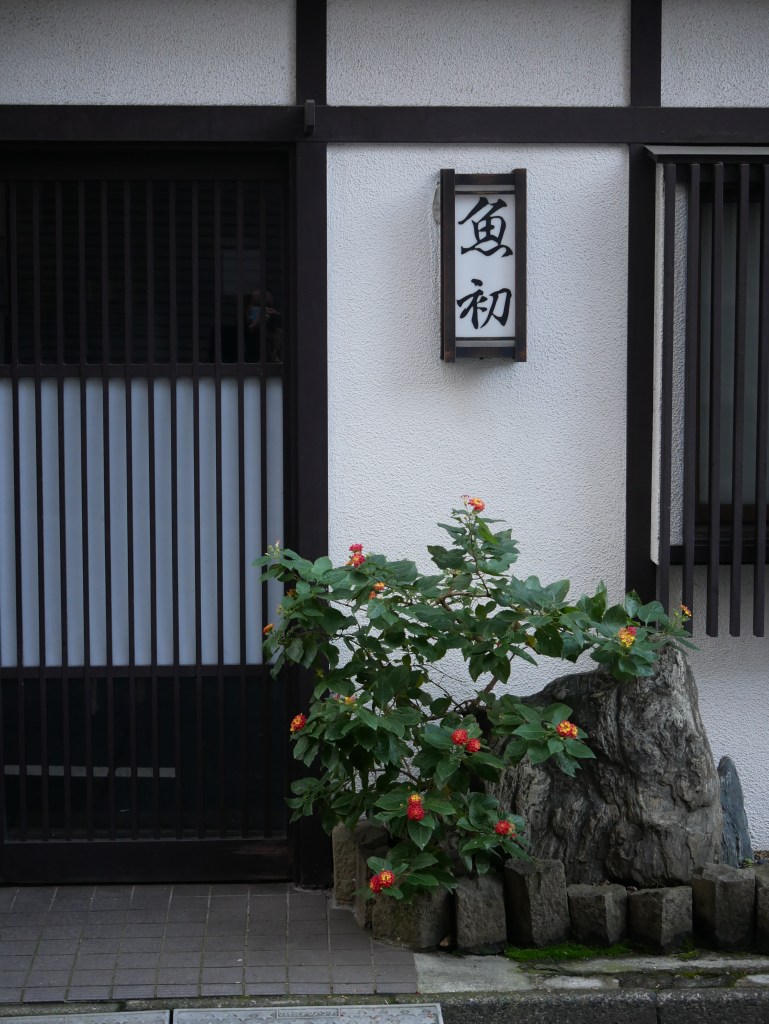
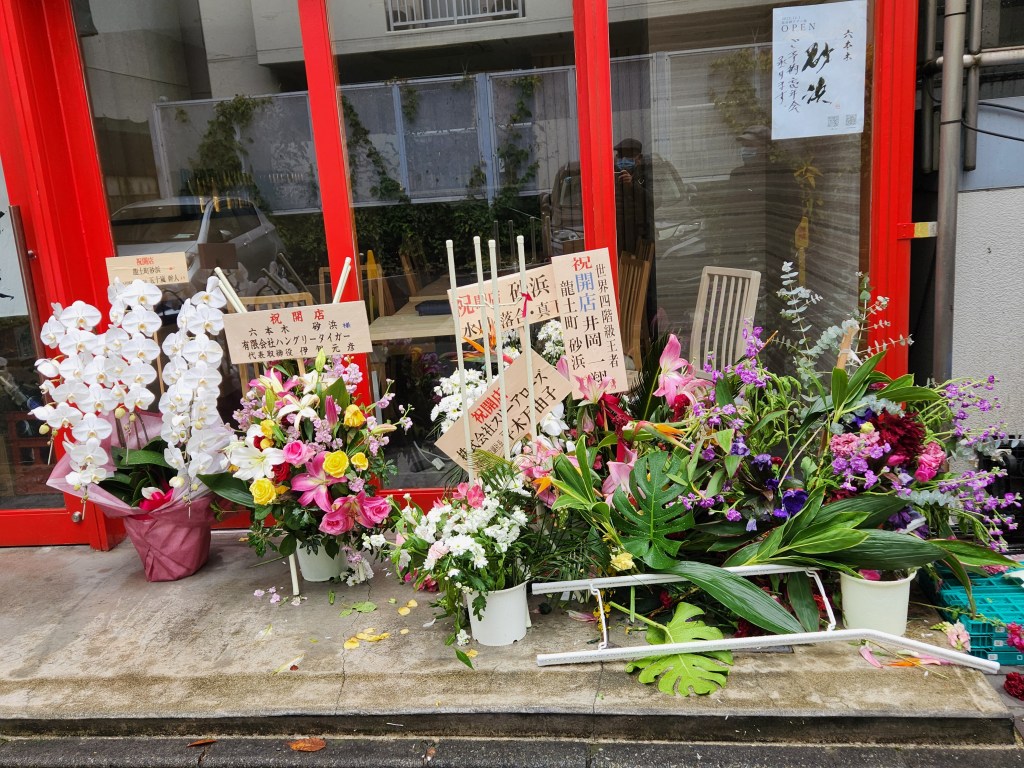
The flowers..

.

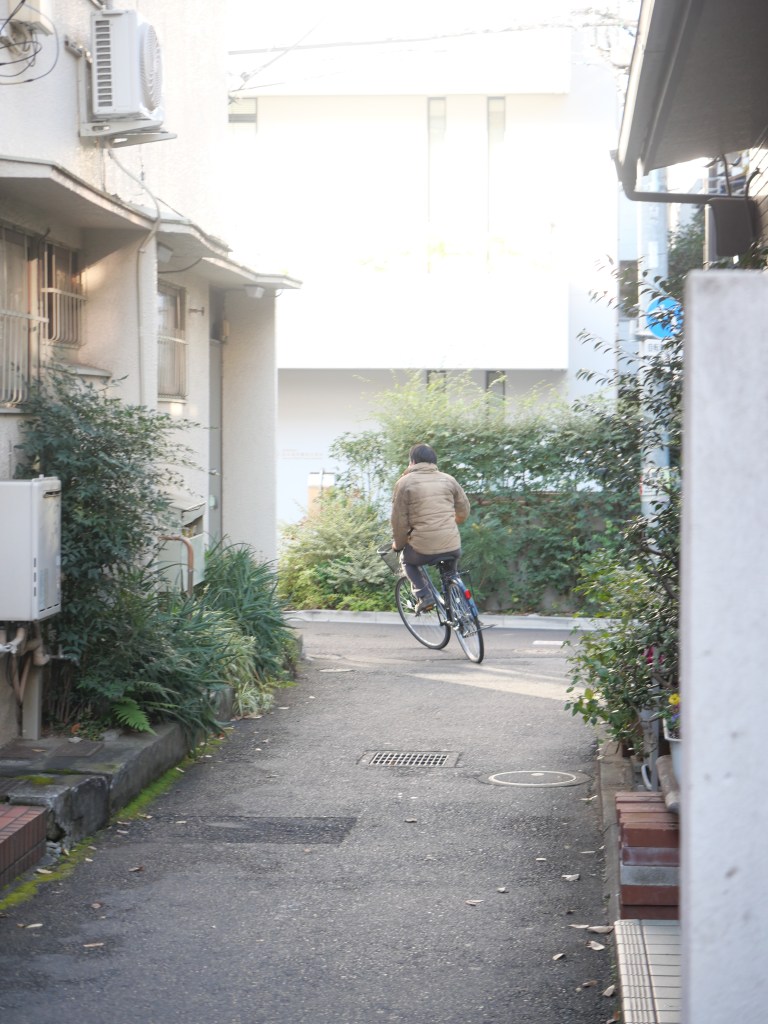
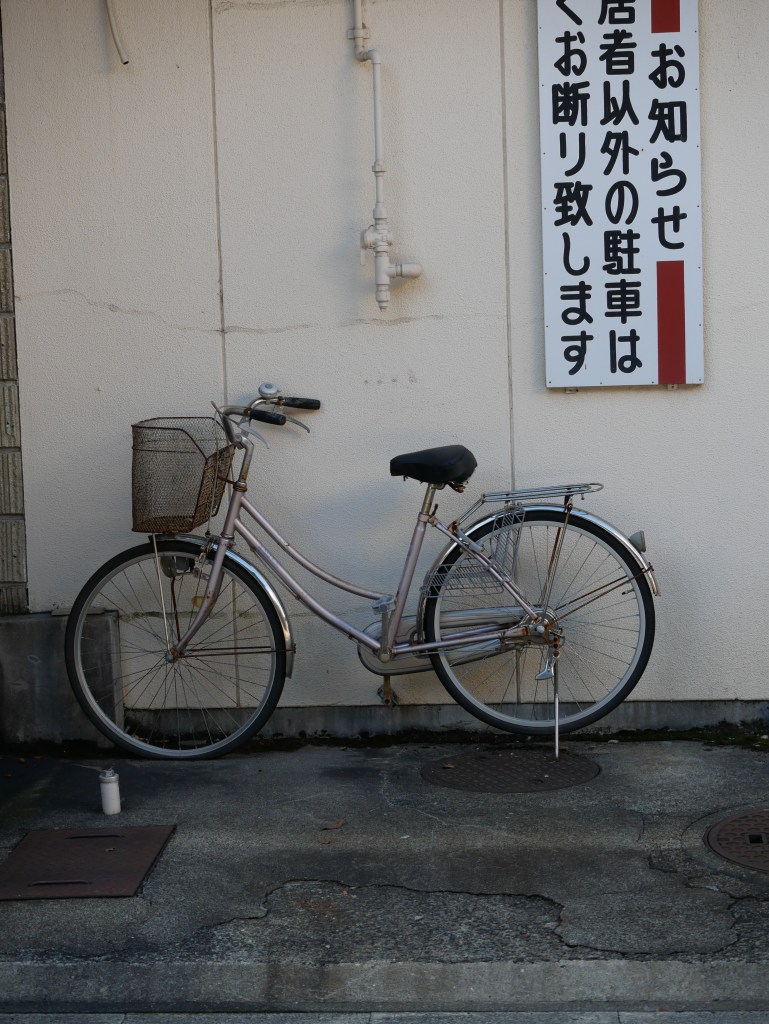
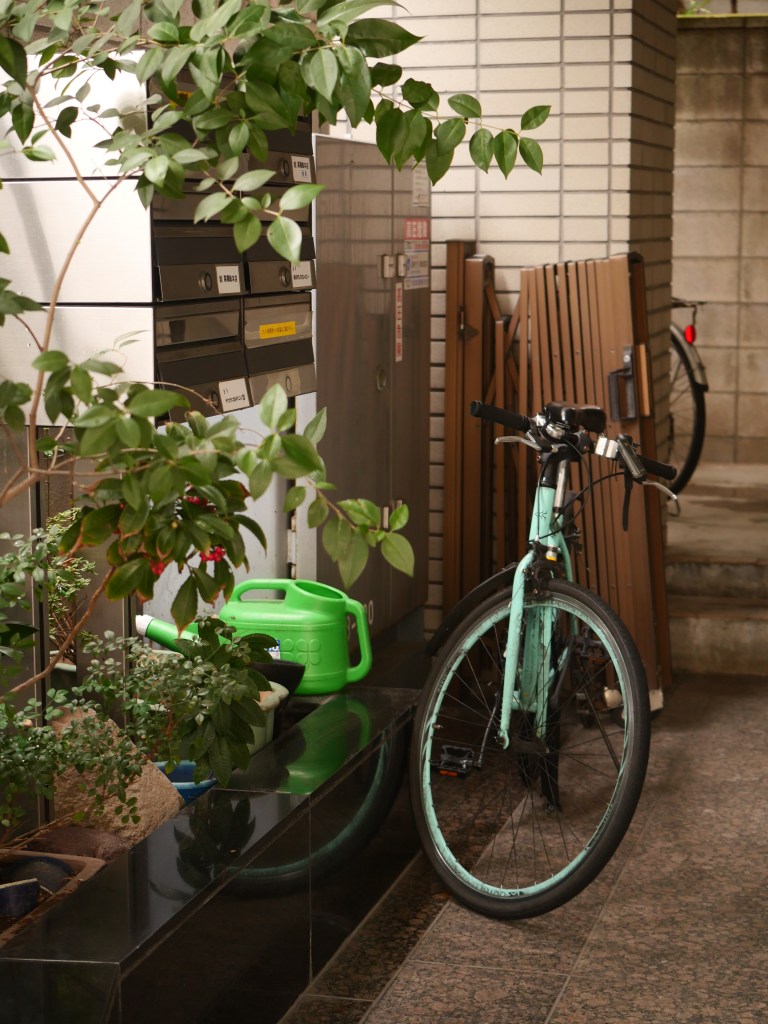
Bikes are everywhere

(This suburb even has a six floor bike parking station next to the Metro)

.

Also Farley and Lady C-S are forever smiling! Even if it is behind a mask
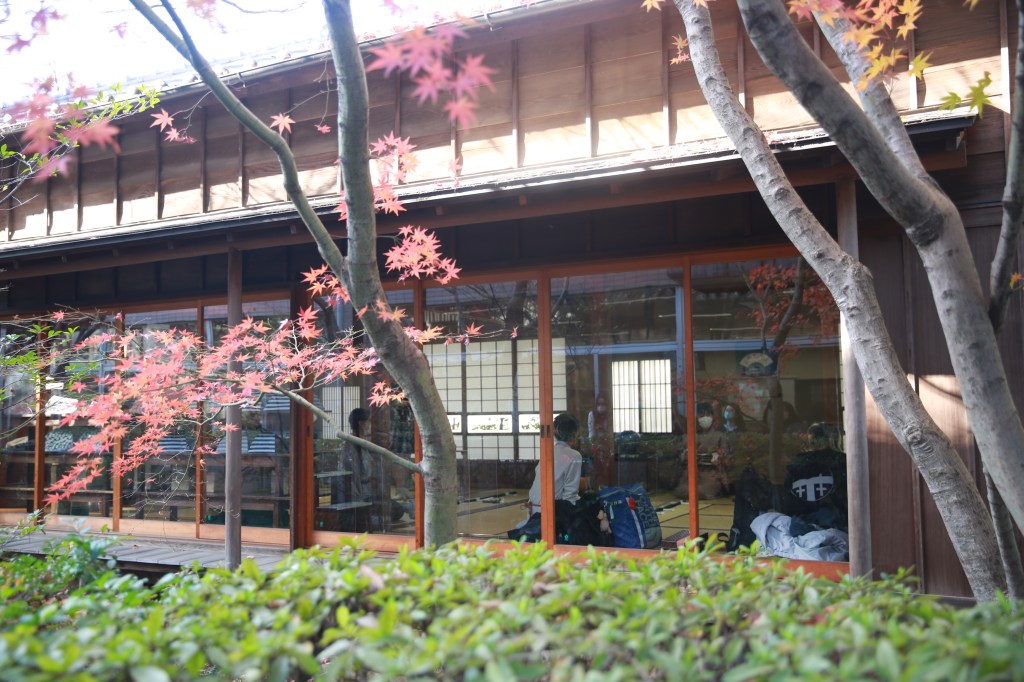
A City of Contrasts

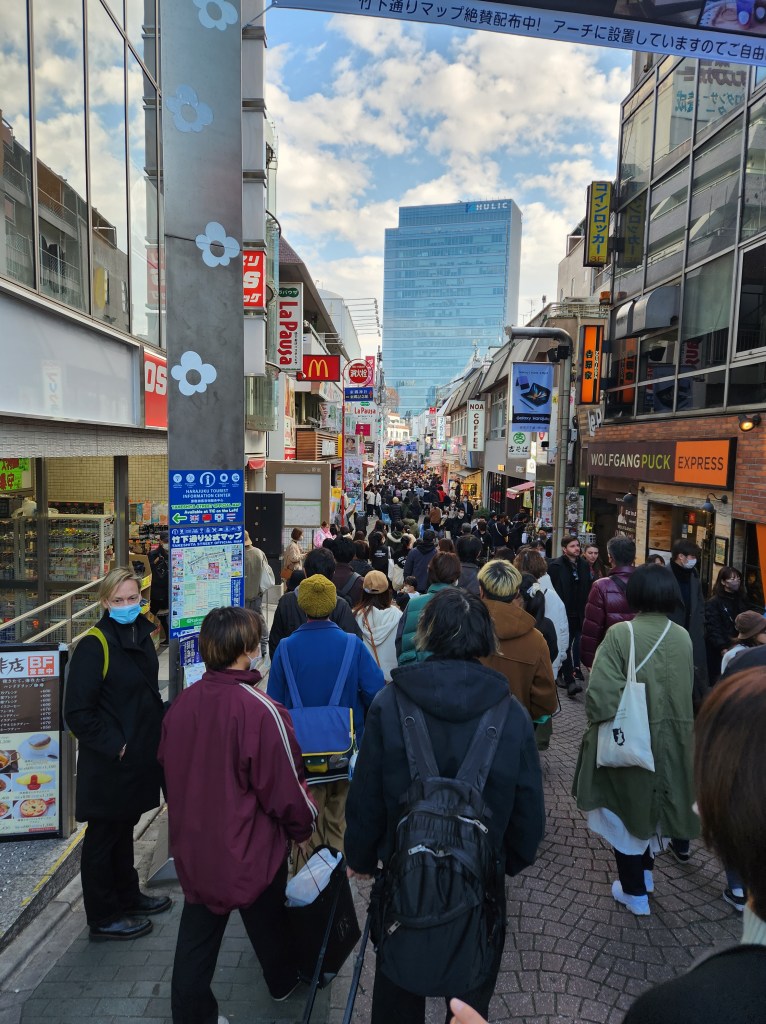
Tokyo is a little like Rosewood in that both places have at least two sets of public toilets.  And the cars drive on the left.  However it is the contrasts within Tokyo itself that fascinate me.  On an earlier visit we were shown the view from the top of one of Tokyo’s skyscrapers.  From the observation deck on a clear day you can see the residences of more than 25 million inhabitants – almost the population of Australia. (As a child from the top of our chook shed roof I could see the homes of three of my mates …)  Tokyo is one of the busier cities in the world without doubt – but one that always surprises.

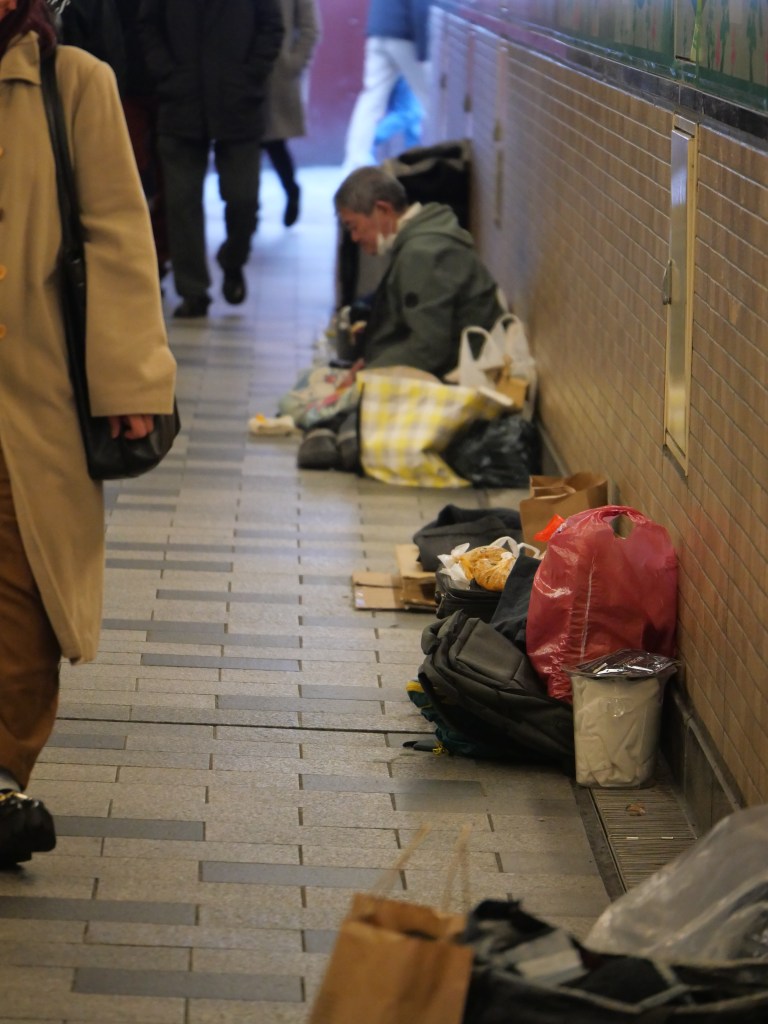
We have always stayed in the heart of Tokyo, but there is very little street noise. It is a 24hr city  but cars do not blow their horns, people are silent on the train, children don’t seem to complain – even the babies don’t cry.  I suspect even the emergency service sirens are polite if not apologetic for their wail. The homeless, camped in the subway tunnel, just metres from the opulent Isetan department store, are respectfully quiet and oh so neat.  Shadows in a city of light.

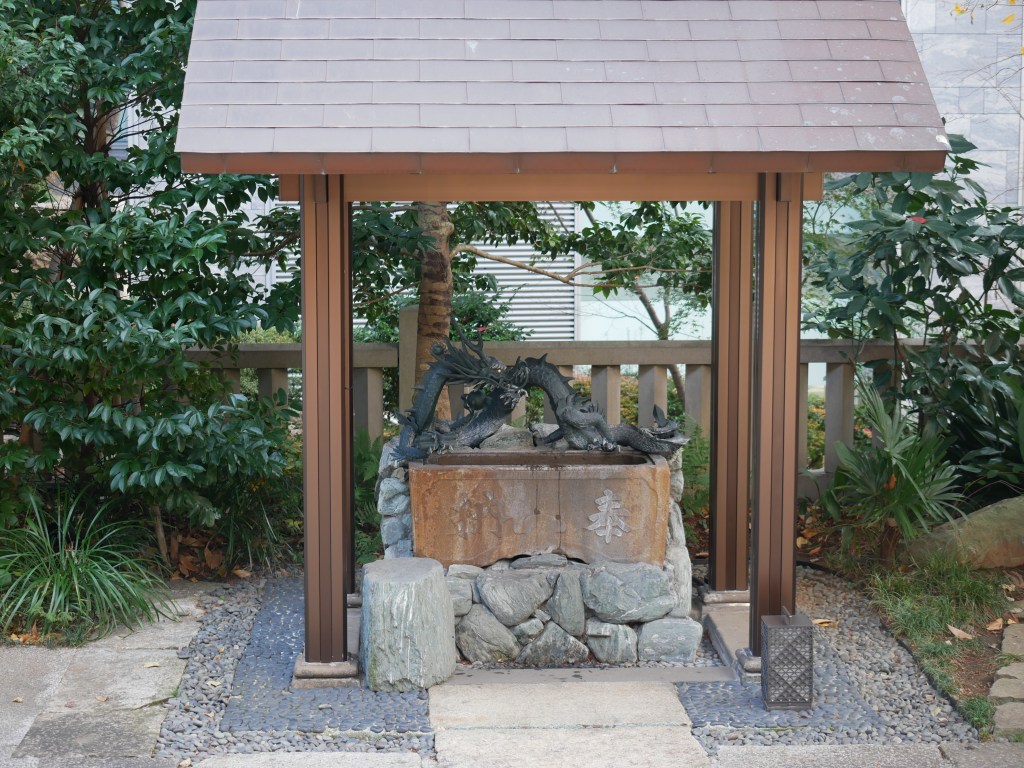
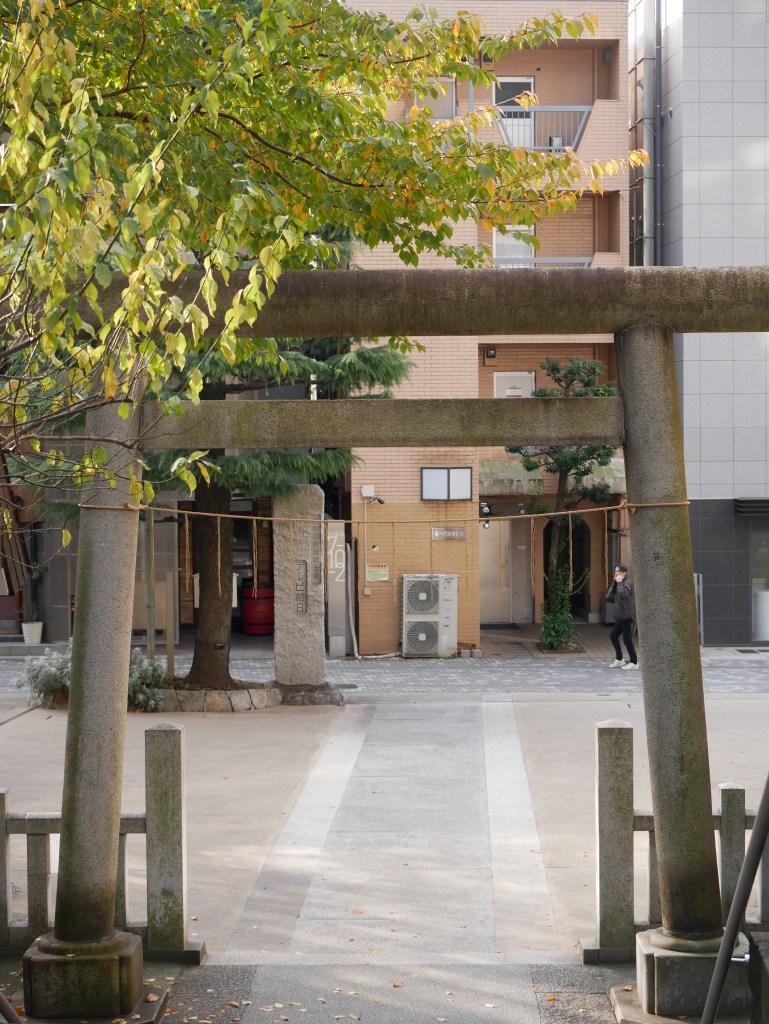
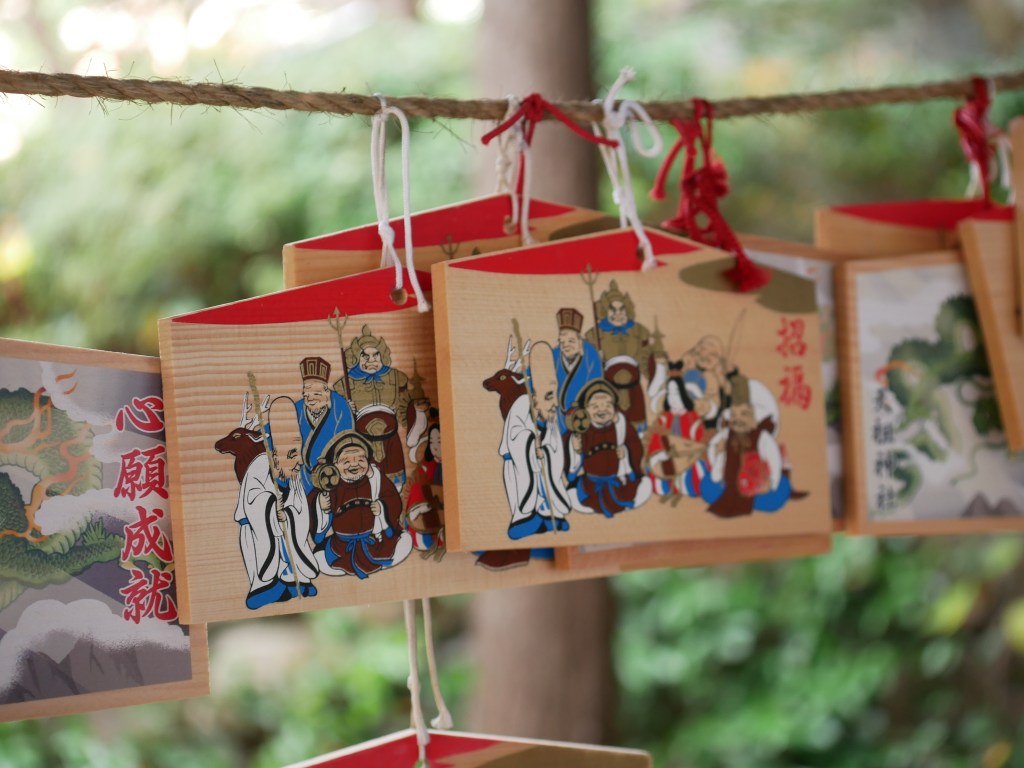
In one of the busiest cities of the world there are shrines and sanctuaries from the bustle of the street. Shinto shrines are themselves a microcosm of the entire Japanese aesthetic. The Shinto religion seems to the outsider to be almost pragmatic.  You can purchase a divination of your future – if you don’t like the prediction you take the piece of paper it is written on and hang it on a line in the temple grounds – the wind and rain will remove it in time.  Hopes for your future can be written on small wooden tablets then hung on another frame..  Each New Year the old tablets are burned and you can try again next year.  Whilst in Takayama, we were witness to a Shinto priest in full regalia, giving a blessing to the concierge in the lobby of the hotel in which we were staying – it was one of those magic moments that only come with travel. Twenty twenty-three is the year of the rabbit – so if you’re hoping for a big Japanese family, this might be your chance.

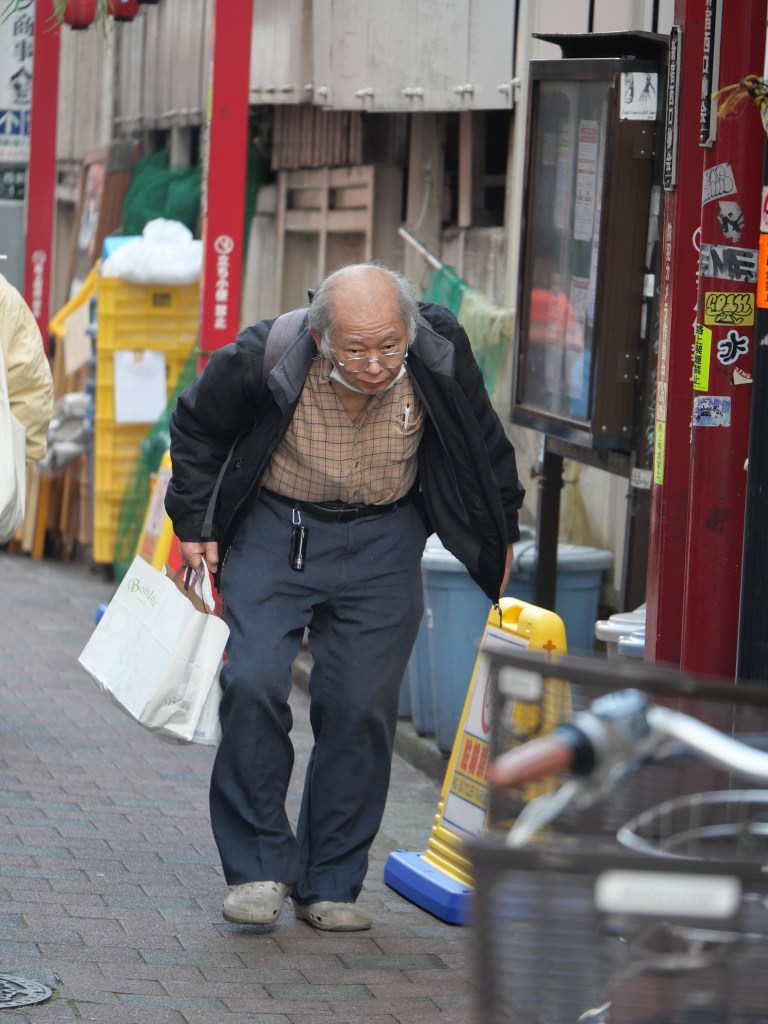
Most people in Japan do not have big families.  In a seemingly young and vibrant city the population is ageing, ageing, ageing. Japan has a very low birth rate and takes in very few refugees or migrants. This has been the case since the end of WW2 and this ageing demographic is expected to cause real economic difficulties in the near future. It will cause real problems for their economy.

One part of their economy that is highly developed and booming is recycling.  Japan has always been relatively resource poor and therefore almost forced to recycle where possible. This is a good thing when you see the amount of resources that go into packaging department store purchases.  Every item, no matter its worth in dollar terms, needs to be carefully wrapped, arranged and delivered to you in its own bag. Great pride is dedicated to the curation of a gift – and with that, more paper that needs … recycling! Ted of Rosewood was a great recycler too, he loved his trips to the dump and would often come home with more than he took… I did say that there are uncanny similarities between Rosewood and Tokyo, and not just the public toilets

Farley
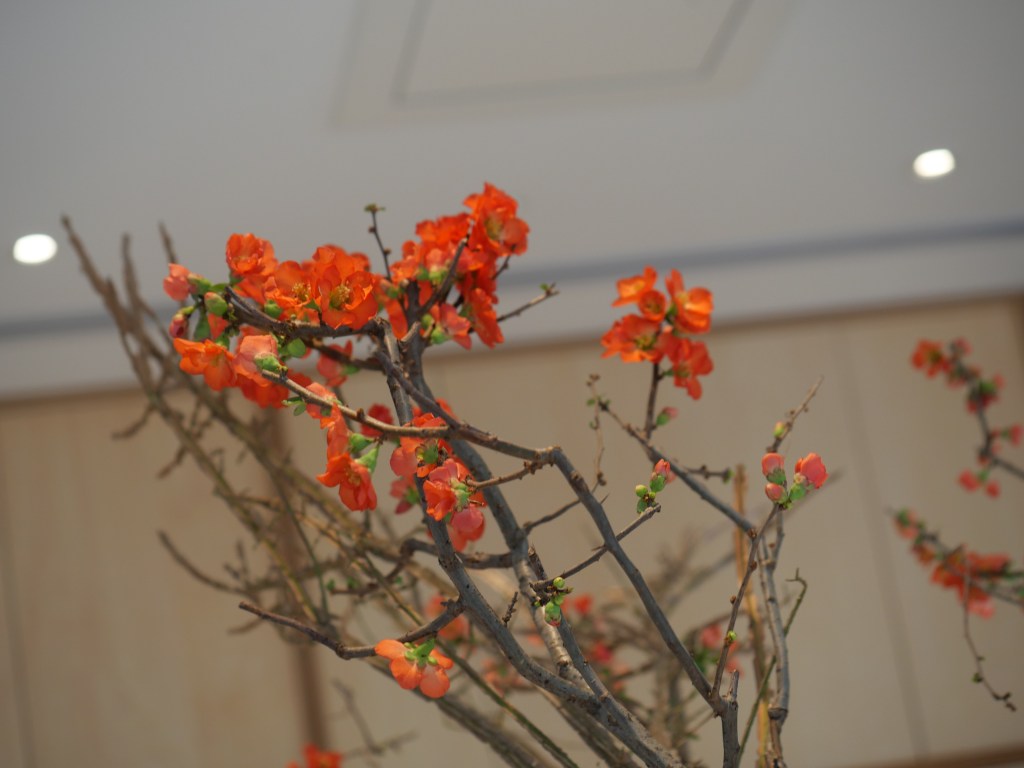
Here’s to Another Hundred Years.

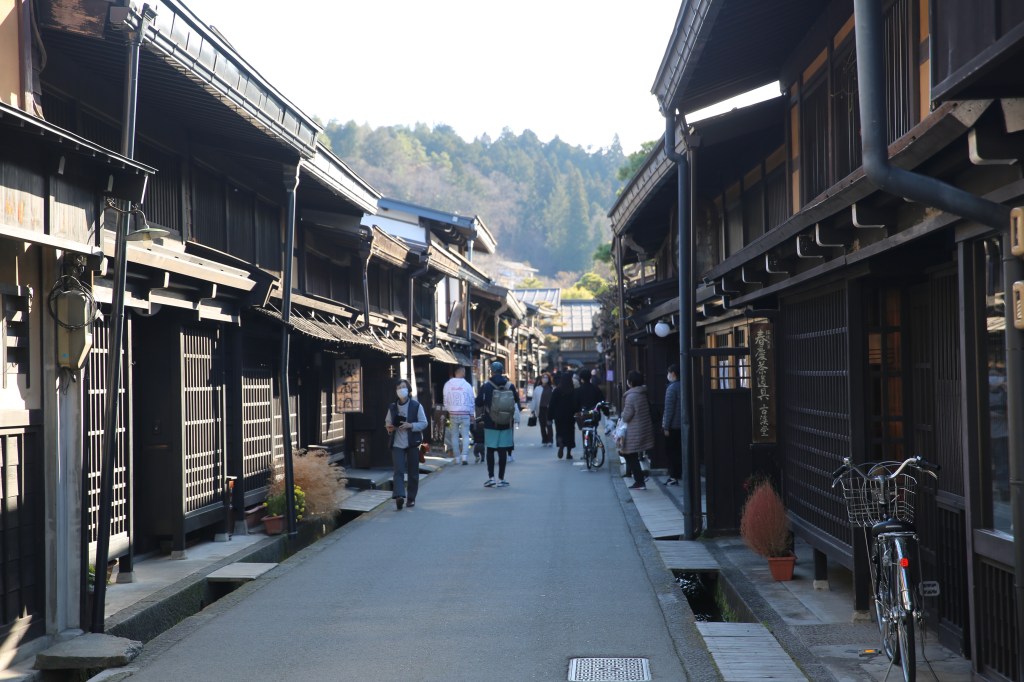
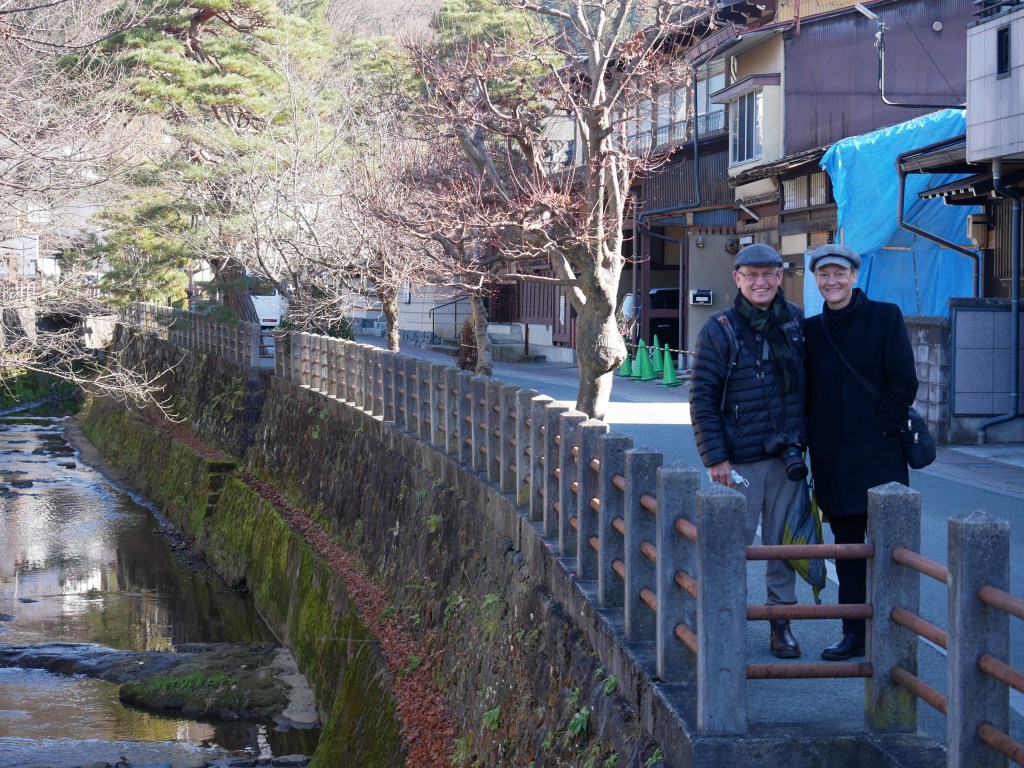
Takayama, where we spent last night, is a beautiful town. In some ways it is similar to Rosewood in that the cars drive on the left side of the road and many of the older people wear glasses. As Takayama is in the southern alpine region of Japan it tends to snow heavily in winter and surrounding mountain sides are heavily forested, hence the history of timber crafts. Damion Fauser – a good friend who teaches furniture making, would drool over some of the table-top sized planks of raw timber being sold in a number of businesses around Takayama.  I too own a saw, a hammer and some nails, and although my woodworking skills are perhaps not quite at Damion’s level I can appreciate the craftsmanship of much of the furniture being sold here.

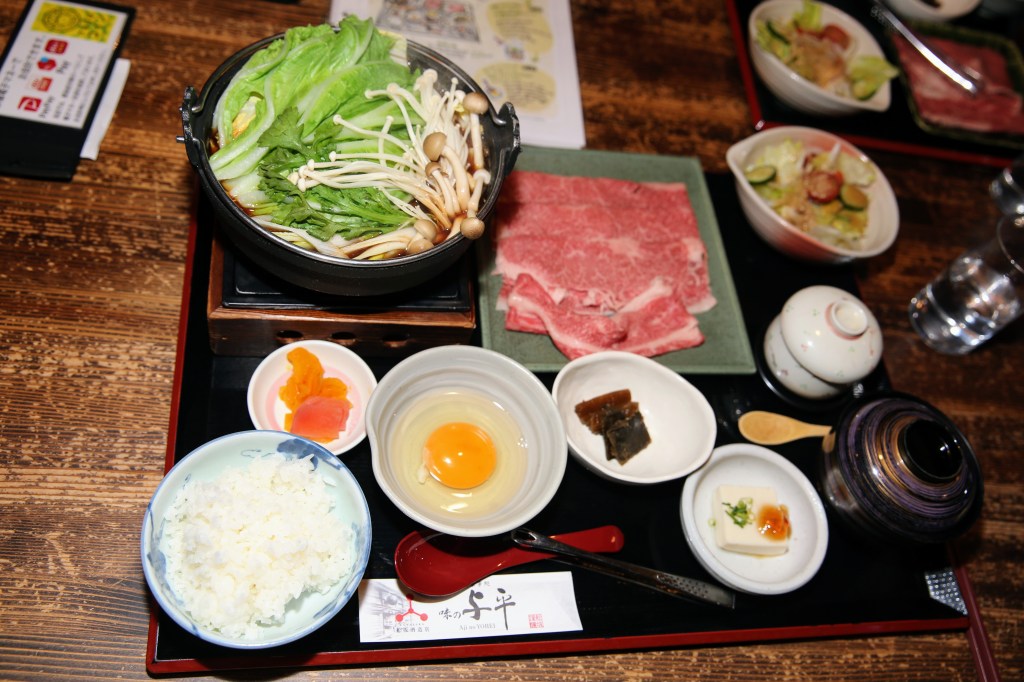
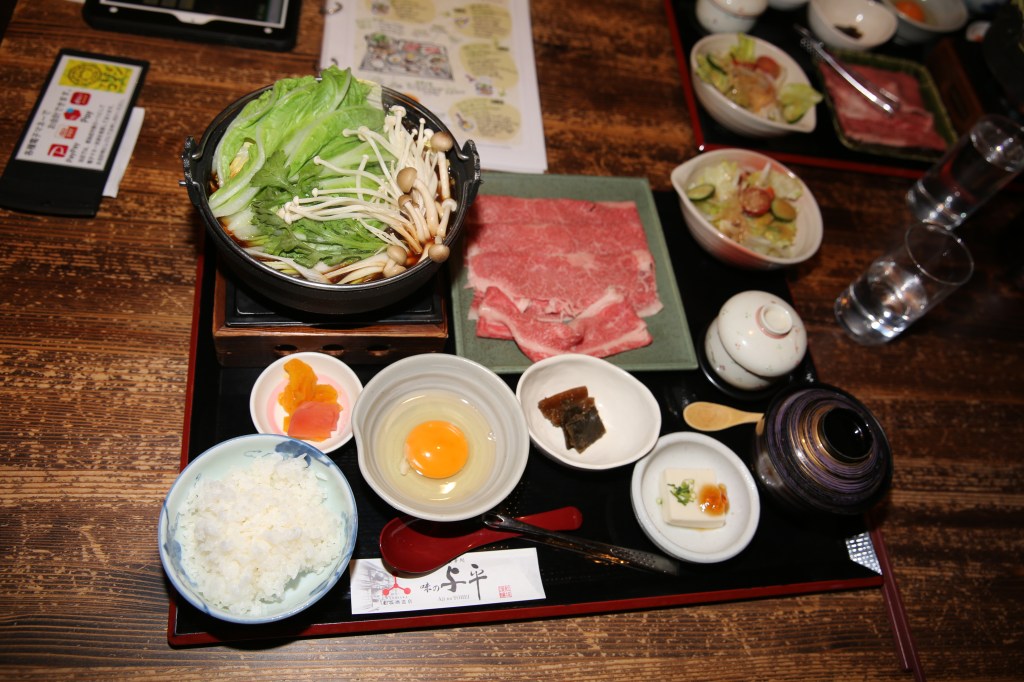
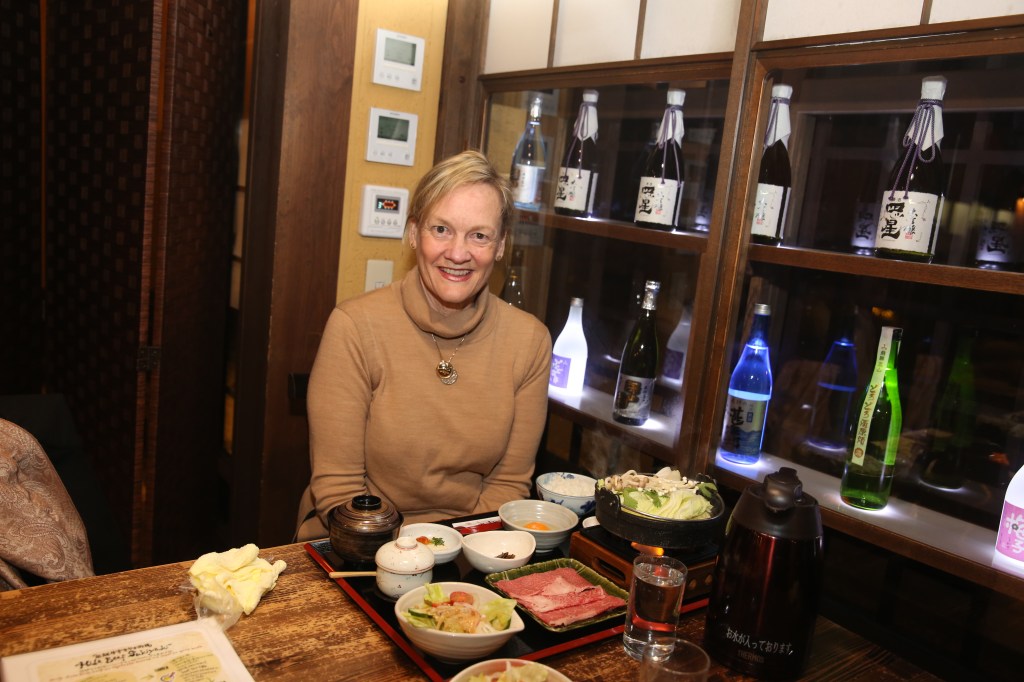
This part of Japan is also famous for its (incredibly expensive) beef. We ate sukiyaki at a restaurant recommended to us by our local barista – it truly was one of the more memorable meals I have ever eaten – for all the right reasons. A sizzling hot plate held a bowl of sweet and sour broth, with a mountain of vegetables – cabbage, leeks, mushrooms. Additionally were bowls of condiments, egg custard, rice and …. a plate of finely sliced hida beef (I chose the double serve, never one to entertain conservatism in food selection) which we dropped delicately into the broth as instructed by our ever vigilant wait staff. Not so, for the restaurant patron at the table next to us, who looked confused and more than a little concerned when his $75 meal arrived and he realised it consisted of just 4 small cubes of beef, aesthetically arranged pieces of potato, leek and some plain rice. I understand now why the gods of  feasting treated us so sparingly on the train trip up to Takayama – they were preparing us for the wonderful dinner last night.

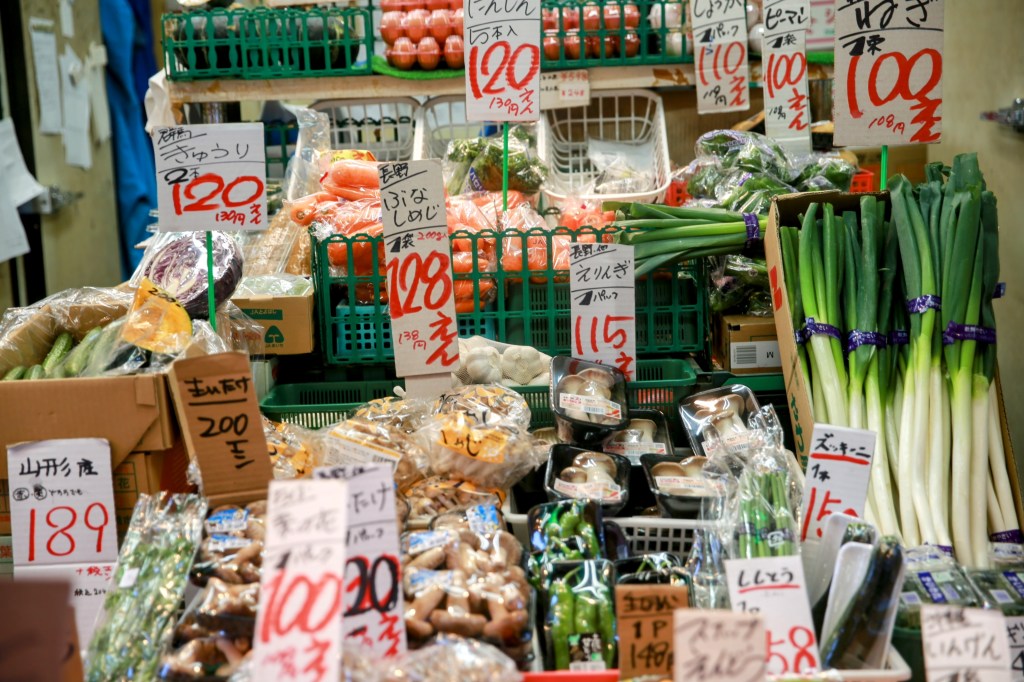
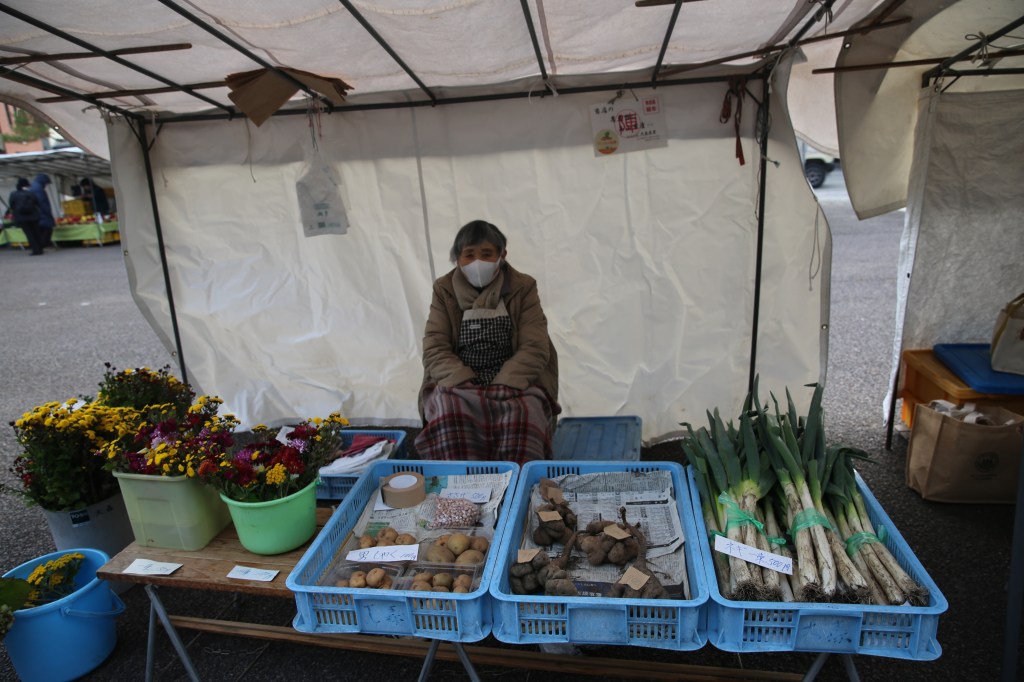
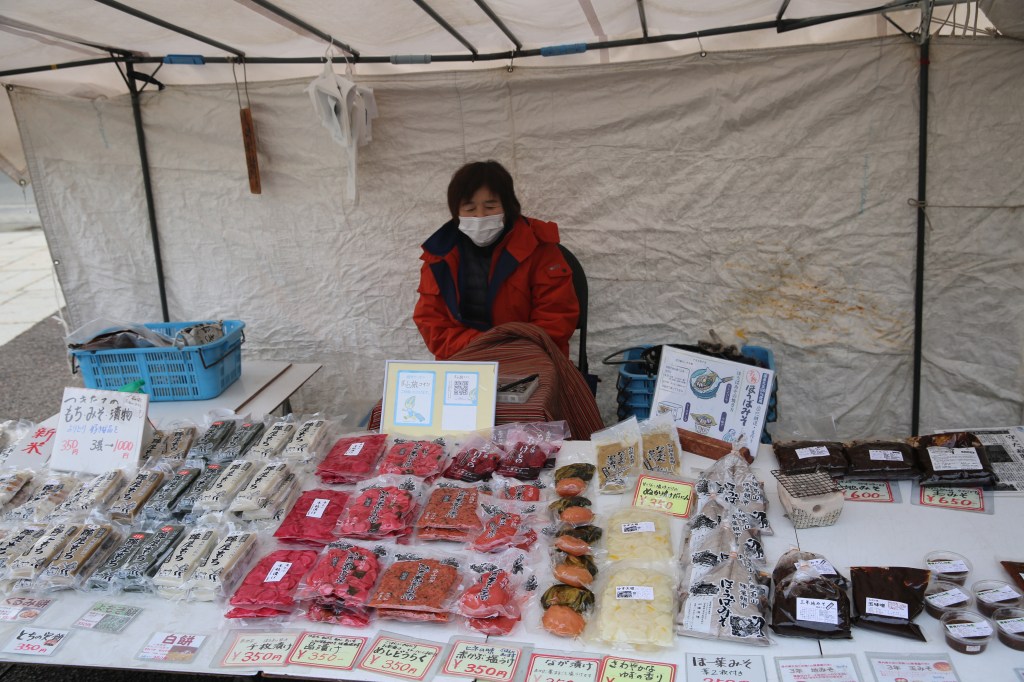
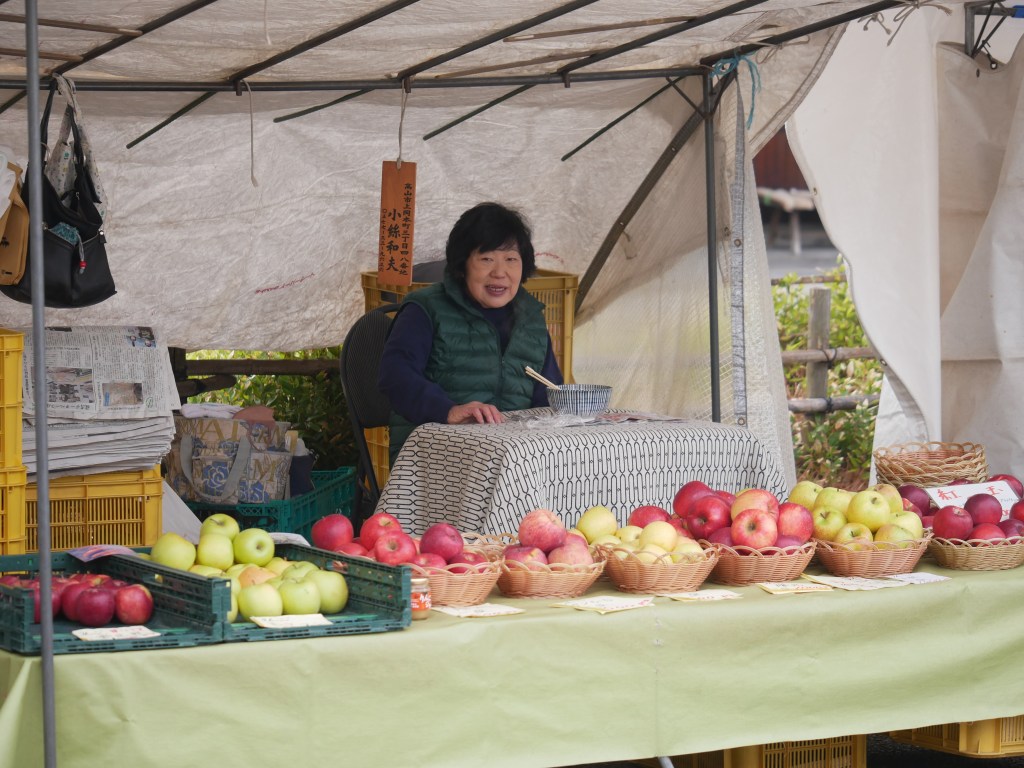
Our last hours today were spent wandering the wending streets of Takayama.  There are two morning markets, one full of tacky crap for tourists, the other filled entirely by farmers selling their own produce.  Guess which one I loved?  The farmers market has been running in the same place for more than 300 years.  Almost all of the stall holders were elderly women selling the product from their own fields or kitchens.  At this time of year radish in its various fresh or pickled forms feature regularly, as do mushrooms,leeks, and shallots. The women selling their goods reminded me so much of the women selling cheese in the outdoor market in Zagreb – the same worn faces, the same pride in their product and the same robust humour. Although I am not fluent yet in their particular Japanese dialect, I am sure they were saying how young and sprightly I appeared and that wasn’t my wife a lucky woman.

We are now on the Takayama Rattler heading back to Tokyo with all its bright lights and bustle.  As people from Brisbane would say about Rosewood, ‘One hundred kilometres back out west, one hundred years back in time’.  Tokyo residents probably say the same about Takayama.And I’m sure the inhabitants of Takyama will be happy to keep it that way for the next 100 years.

Better let you go cube that beef for your teppanyaki, Farquhar

Farley

The Takayama Express

I have never written a blog at 300km/hr before.  We were on the Shinkasen heading for the hills – Takayama is a small town in the mountains behind Nagoya and we decided that it would be a good way to spend m’Lady’s birthday. A four hour train journey is well worth the effort. \We have been to Takayama before and it is a beautiful place – in some ways it reminds me of Rosewood in that both Takayama and Rosewood have cars which drive on the left side of the road.

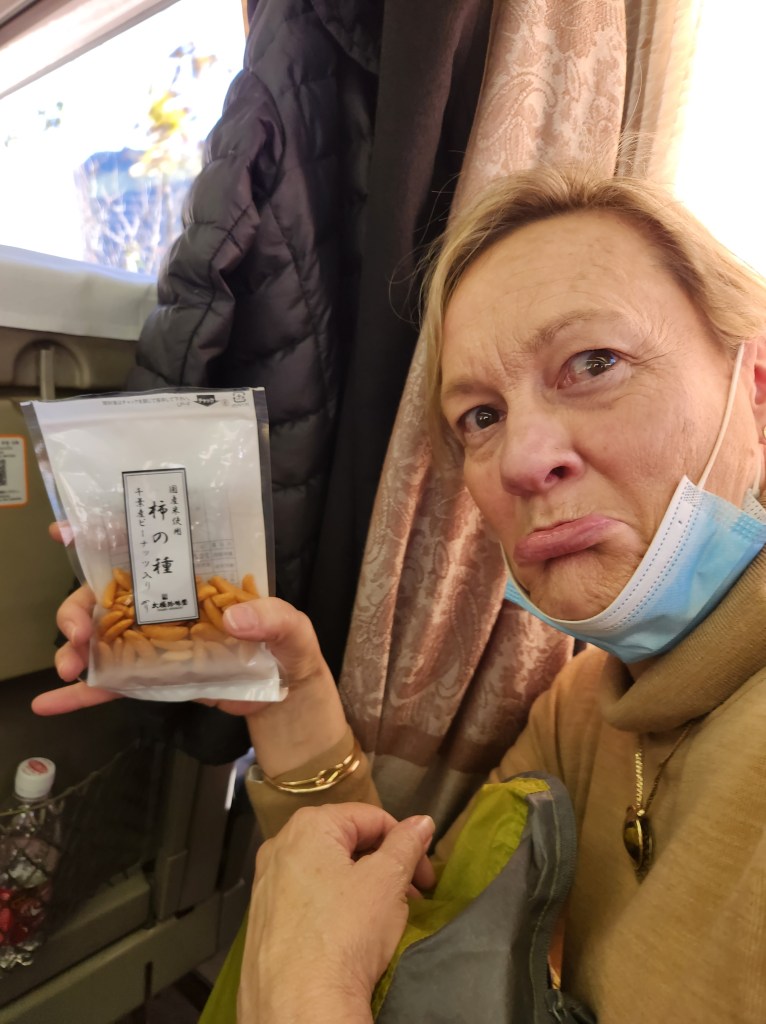
The other similarity is that the last leg of the trip to Takyama, the one we are on now, is aboard a small motor rail – similar to the one that ran between Rosewood and Ipswich stopping at all stations in between. Most Japan Rail trains are incredibly efficient. For a start – several uniformed gentleman resplendent with white gloves, inspect tickets regularly and nod wisely as they watch us fumble through the selection of seven tickets that cover today’s travel. (A tad different from the regular ticket to Thomas Street Station that allowed one to travel to and from Ipswich for a threepence). The Takayama Flier, however is different. It stops at sidings from time to time in order to allow other trains to pass, always a good plan when on a single track railroad. We expected to be able to buy food from the vendors on the Shinkansen, but there were none. I don’t expect to see any on this tiny Takayama train which means that whilst our fellow passengers will be feasting from their bento boxes we will be rationing out our two sparkling waters and a 50gm packet of peanuts. Linda has already stopped me from introducing myself to our next-seat neighbours on the pretext of Aussie friendliness, with the barely hidden intention of stealing food.

Takayama was home to the Hida people, the indigenous people of this part of Japan. The crafts of pottery and woodworking were particularly highly developed and the work of their artisans is still sought after. The Hida were primarily beef farmers and Hida beef is justifiably highly prized throughout Japan today and can be prohibitively expensive – a bit like the  premium prices one of Joyce Reick’s sponge cakes would fetch at a Rosewood CWA street stall.

Our accommodation is at the aptly named Wood Hotel. I am envisaging wooden walls, wood floors, tatami mats to sleep on, no doubt wooden eating bowls and a wooden toilet – a long way for a lad from 14 Waight Street, Rosewood “Heights”. There are fabulous craft markets along the river tomorrow and lots of small restaurants to sustain us as we wander. With any luck we may even be able to sell one of our children into slavery so that we can afford to eat  Hida beef at dinner tonight?  Can’t wait.

Better let you go Scotty, the bloke in front sitting by himself has just gone to the toilet, I think he could have some chicken karage and rice in his carry-on

They’re sleeping, and they have food
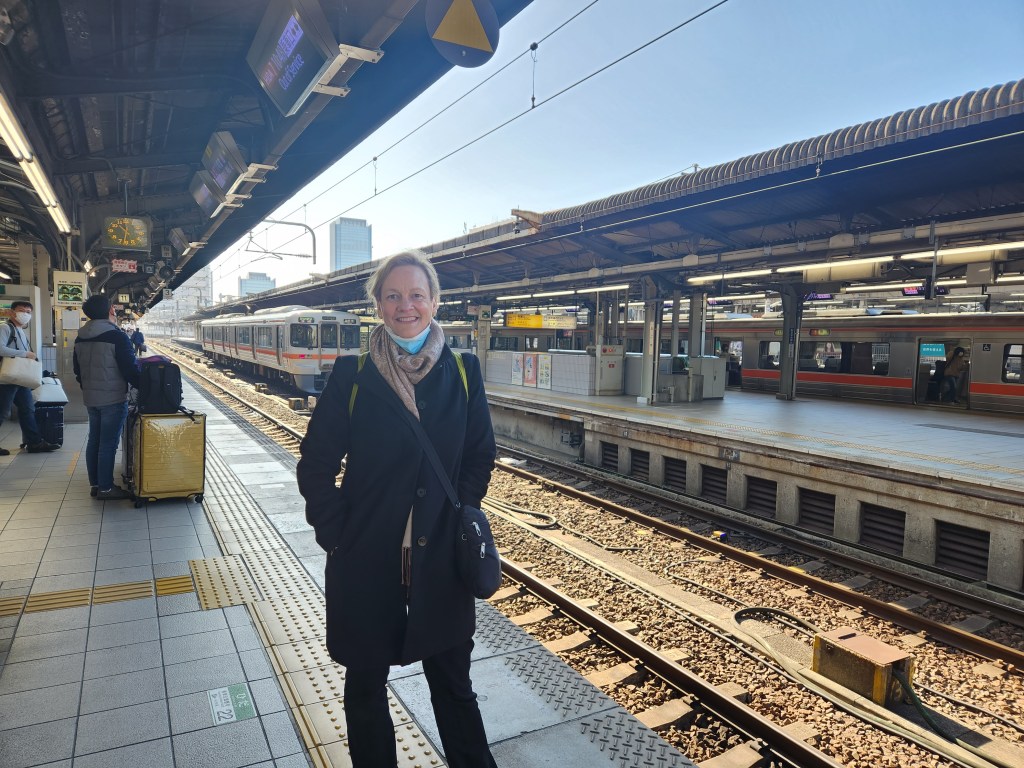
Waiting for the Takayama Express

Why Japan – Why not Laidley?

I have often wondered why some people wander and others are content to stay at home. Why do some people leave their home town and live or work somewhere else, whilst others never leave, even for a holiday. Or even more interestingly, why do some people (some nationalities far more than others) choose to emigrate and start a new life somewhere else, but others never leave the country of their birth, even for a holiday? Some of the lads I went to school with have never been interstate let alone overseas – the Gold Coast or the Sunshine Coast is the limit of their travels – North or South, yet remain enviably content with life.

In a book I am reading by an Irish author – Fintan O’Toole, he talks about the Irish diaspora from the mid 1800s to the 1980s. The population in that country halved between 1840 and the end of WWI. Despite this, most of the Irish left for the one place they felt greatest animosity towards – England. (That would be like half the population of Rosewood moving to Laidley in a 70 year period – unthinkable.)  His description of the Ireland of his youth is that of a ‘decrepit, isolated cottage with wolves at the door, scratching and howling – trying to get out, not in’  Those same wolves would later bring ‘The Troubles’ to Ireland. All of the departees sought to start a new life, and as they did so, it wasn’t in the land of the rising sun.

The modern Japanese are great travellers, but do not have a history of emigration themselves.  There are stll only two cities in the world with an expat Japanese population greater than 50,000 – Los Angeles and Bangkok. This is our 6th or 7th visit to Japan and as always I am fascinated by the place and do wonder why. Perhaps this is because it was partially hidden from my view as a child.  My father, like many of those of his generation, wouldn’t even buy a Japanese car let alone go there on a holiday. There were no Japanese restaurants in my entire childhood experience, although I’m sure Myrl would have had a crack at tonkatsu had she been asked.  There were no ‘Japantowns’ in the same way that every major city seemed to have its own Chinatown – Greek and Italian food was about as exotic as it got. I was raised on stolid British fare cooked with Myrl Evans flare – or at least dutifully attempted.  This is perhaps why this place draws us back so often – its unfamiliarity is so, so alluring.

Lady Cunnington-Smythe and I will continue to do here what we love doing whenever we are researching for my vast reading public – wandering back streets and laneways with our cameras, stumbling upon unexpected moments, marvelling at the aesthetic beauty that emerges in the most unanticipated places, eating with gusto at local diners when possible – and pausing reverently to drink coffee every day at our local haunt – Bluebottle Coffee in Roppongi.  (There are some things one should never stray too far from – good coffee is one).  We tend to choose to spend our days like this whenever we travel, but Japan is particularly good for back street wandering and tiny restaurant dining.  It’s hard to get fat whilst walking kilometres every day – but I am willing to give it a shot (such is my dedication to my vast reading public of course). We will get outside of Tokyo briefly, but the capital will be our base for this particular research assignment – someone has to do it I guess. I am certain though that none of this would have been possible had Myrl and Ted emigrated with their family to a foreign place like Gatton or Laidley in the 60’s (perish the thought).

So I think I’d better let you go Scotty – there is a little seafood tempura place nearby that I do need to check out before it closes, and some more suburbs to wander.

Farley.

Farley Flies Again
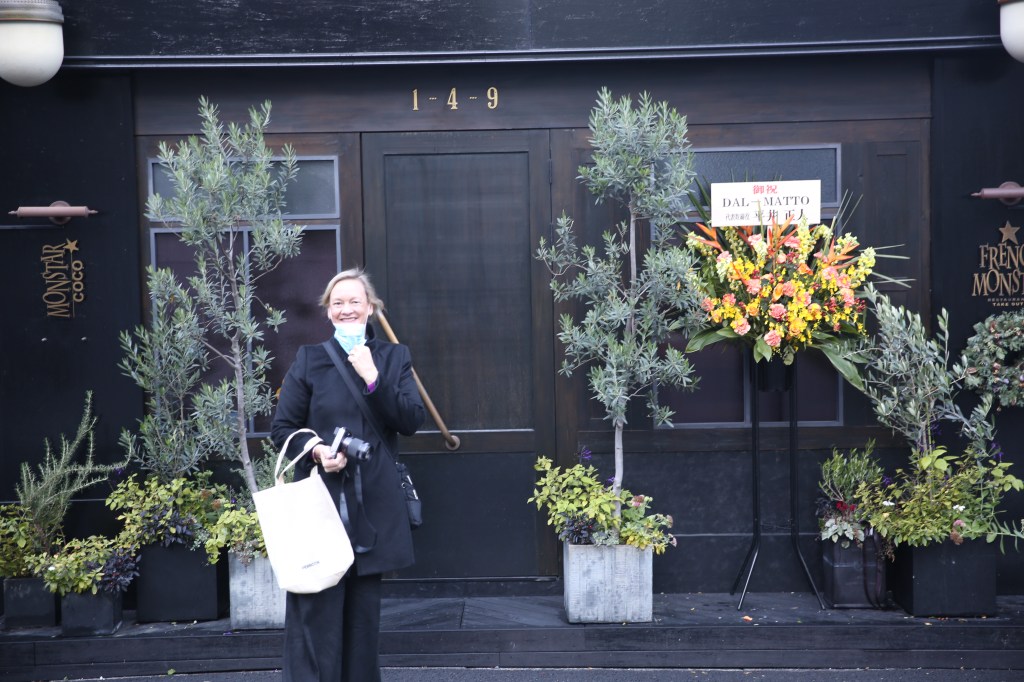
The last time Lady Cunnington-Smythe and I hopped on an international flight, there was no such thing as Covid, I had never heard of My Aged Care, and our kinder were planning more overseas travel. Now the borders are opening, I have heard a bit about Covid, I’ve learned more than a bit about My Aged Care, however our kinder, as always, are still working out how best to spend their savings in-person in a foreign country. And so are we

We are in the QANTAS lounge, however our flight has been delayed. QANTAS are looking for someone who is willing to have a crack at flying their plane. The flight has been scheduled for 18 months, so I suppose this hasn’t given them enough time to find a volunteer. The last flight we had out of Brisbane was with Thai airways, and they were looking for a new fuel pump for their jet but took off anyway. Not sure which one is better…..

We are off to the Land of the Rising Sun, where Linda aims to visit some schools and I aim to see how many new Japanese delicacies a Rosewood boy can eat in 2 weeks. The neighbourhood we will be staying in is familiar, (our sixth visit), but as always there will be new sights, new tastes, new sounds, new smells Can’t wait, but will probably have to. . Hope they can find someone who wants a turn in the pilot’s seat.

I’d better let you go Scotty – that is unless you want to have a shot at the front seat of a 767?

Farley
Sofia, Sinterklaas, and St Nicholas

Today is our last day in Bulgaria – assuming that Thai Airways are not still using a jet that has been patched up with coir matting, sisal string, and prayers. We spent some time farewelling Mitch and Grace before having a last wander around Sofia.

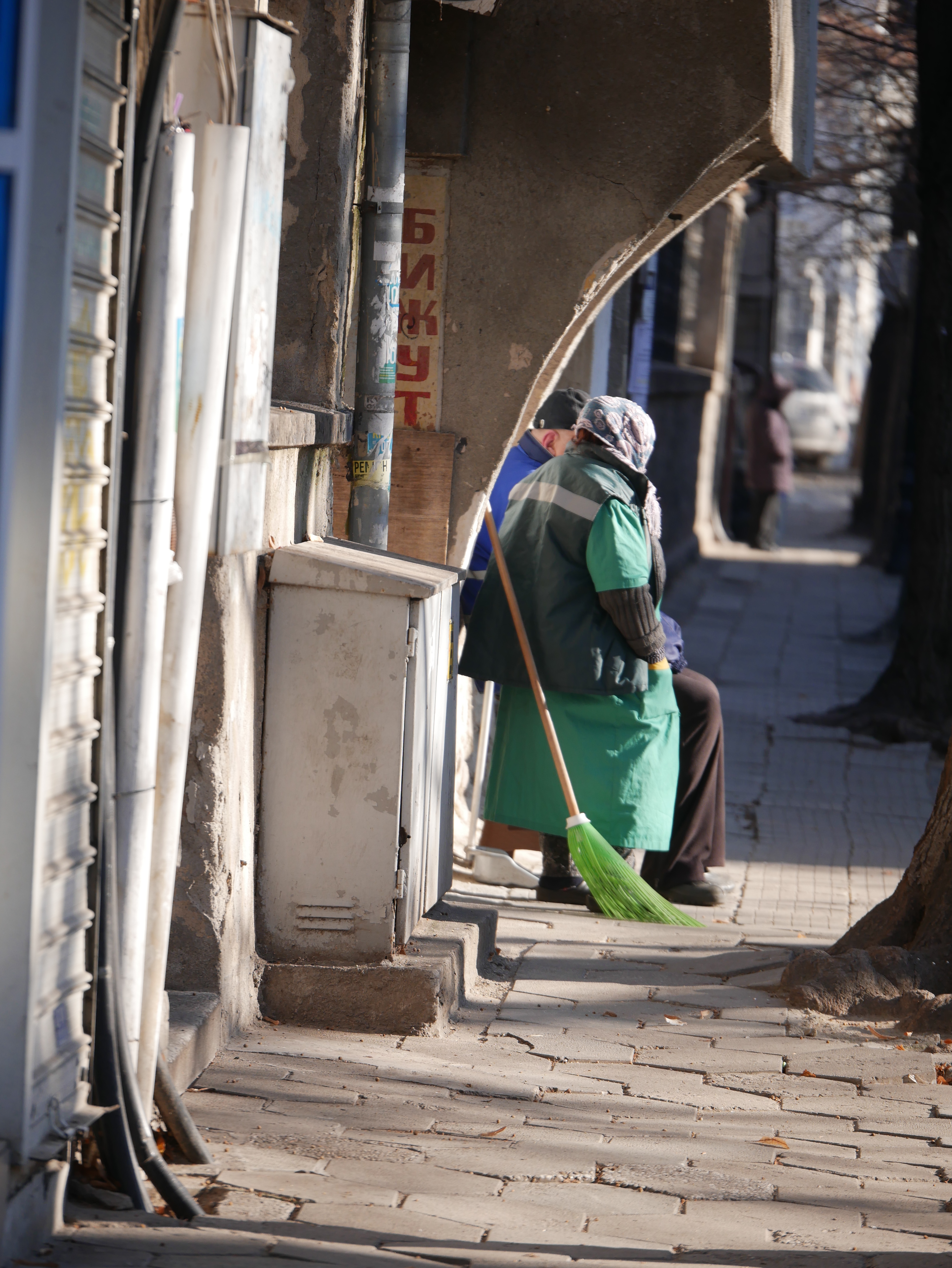
Every day that we have been in this city we have walked along a road that was built by the Romans in 125 AD. It is on the way to our coffee shop and the main produce market – the Ladies Market. No Farquar, I didn’t forget the apostrophe. It wasn’t a market where ladies shopped, rather a market where ladies were bought and sold. It is in a part of the world that St Nicholas frequented and performed some of his miraculous deeds.

St Nick was Greek, born in what is now Turkey, and spent time in Sofia. The UNESCO chapel we saw recently is named after him. He became famous for giving (not so) anonymous gifts to children – for girls valuable items for their dowry, and for boys tools to be used in a trade. The meant that girls could be married, rather than sold into prostitution at the Ladies Market, and boys could start a job rather than becoming thieves. St Nicholas became the patron saint of children, thieves, prostitutes, fishermen and Boxing Day Sales.

He came to us in the west via the Dutch, where he was called Sinterklaas (Saint Nick). Somehow, he became the deliverer of X Boxes and excess, rather than the deliverer of children from bondage and poverty.

We have been fortunate to have experienced this time of year in a number of different countries, including one where Christmas didn’t figure (Bosnia Herzegovina) , others where Santa doesn’t get a look in (Poland, Italy) but often where Christmas is still more about family than feasting, more about gratitude than gifts. Bulgaria still has links to its Thracian past, and is definitely family focussed at this time of year, as are we. Especially today.

This morning we farewelled Mitch and Grace – they are off to Viernheim to sample Weber breakfasts for a few days before setting up in Glasgow for x years (probably two) This morning we heard from Nat, who, in typical Natalie fasion, decided to have some dental work done in India – hopefully it will be more appealing than the hair dressing work done in Colombia! And we leave tonight to head back to family and friends in Australia.
Provided the work done in Bali on the fuel pump of our plane holds together that is…

Better let you go Farquar, I think they’re trying to push-start our plane.

Farley C-S

The Eye Has It

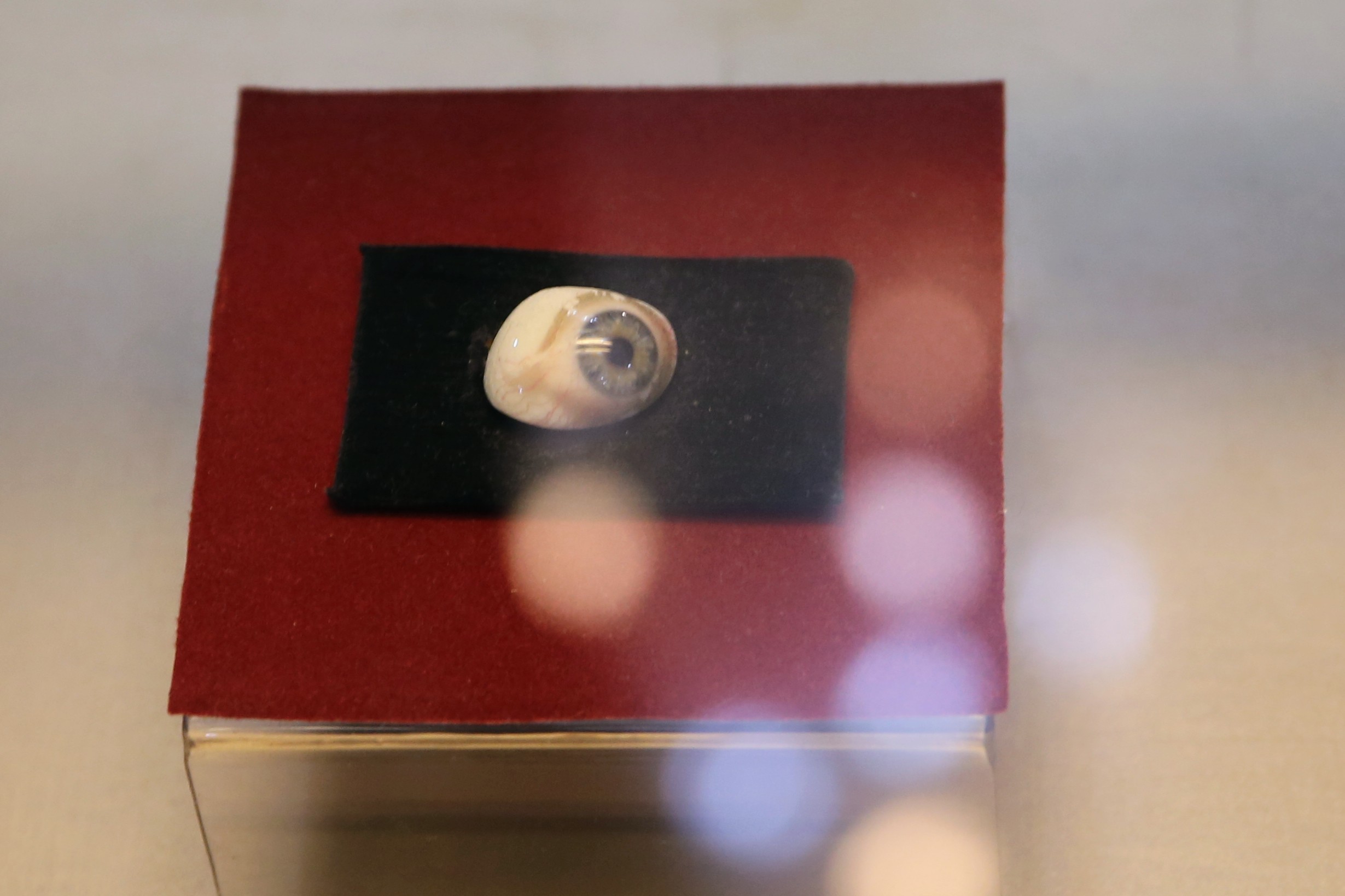
In a museum is the glass eye of one of their citizens who was killed in the 1924 uprising – nothing else. I’m not some sort of eye expert, but it is just a bit weird.

Straight to the ugly album!

Bulgaria the Vincible – and Ballet


From my, albeit limited, reading of Bulgarian history it is a county prone to invasions and defeats. Even as allies they often picked the losing side. They did have two wins in the last 200 years of regular wars, one against the Serbs and another against the Turks. But generally it has been 2000 years of slim pickings for those wanting to organise victory parades for Bugarian armies.
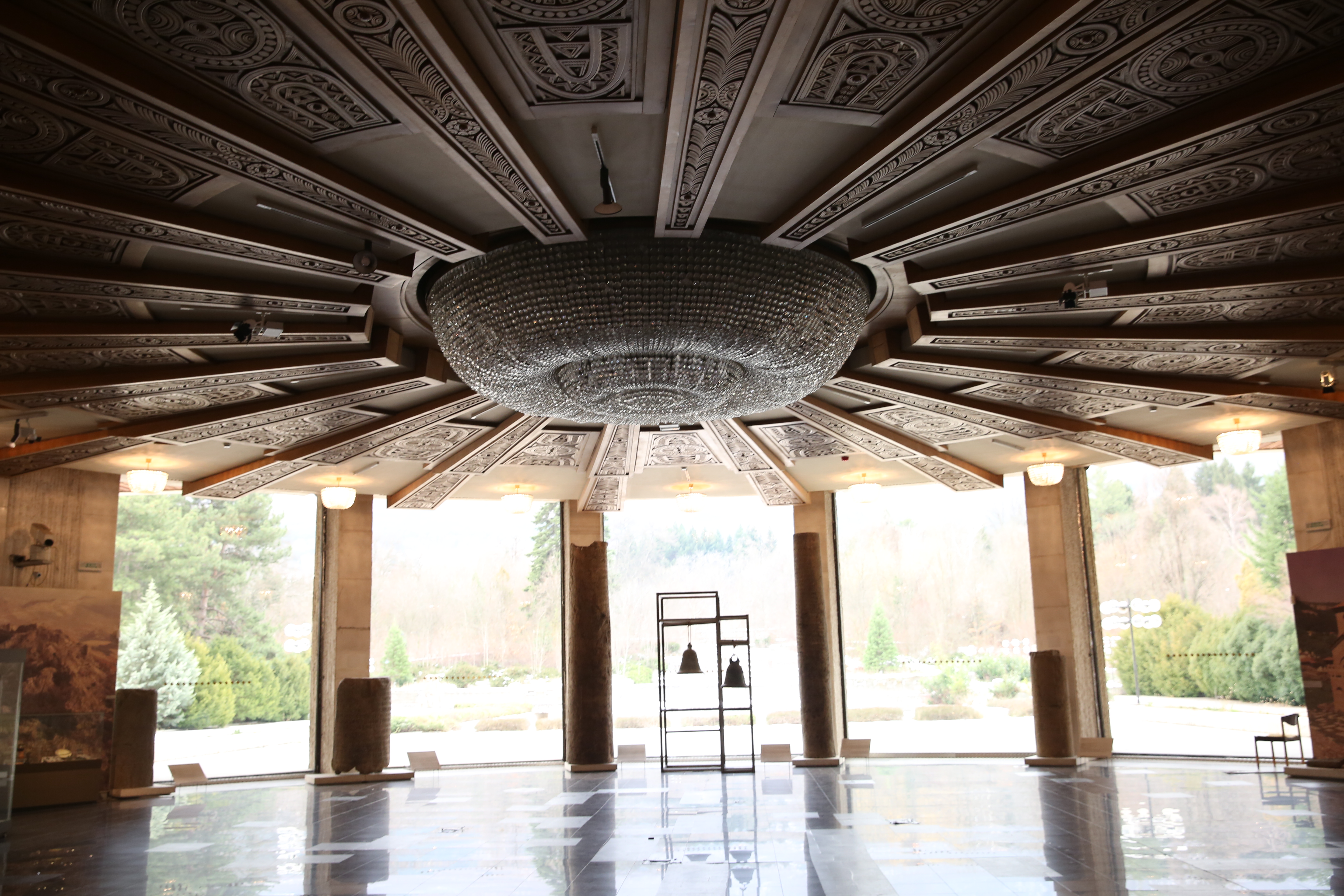
Today we visited the National History Museum which is housed in a magnificent building that was once the Communist Party headquarters. It does have a whole floor dedicated to the smashing Bulgarian wins against the Turks and the Serbs, but the rest of it is dedicted to the history of Bulgarians living with invaders – Macedonians, Romans, Huns, etc, etc, etc. The most interesting displays for me, however, were those from the 5th century BC until about the year 0, when occupation of this place by foreigners started in earnest.
The earliest copper tools ever found were made around here – in other words today I saw some of the first metals made by humans. Today I saw some of the oldest pieces of gold adornments ever made by humans, and some of the oldest bronze tools made by humans. Some of the tools would have been used for digging soil – there is some anthropological evidence and arguments that the first crop planted for human consumption was artichokes not wheat, and in the Balkans not Mesopotamia. It’s just that wheat is far more productive and so allowed civilizations to develop. And not everyone likes artichokes.
The ticket also included entrance to a 10th century UNESCO listed site, the Boyana Church. Visitors are only allowed 10 minutes inside because of the risk of damage caused by humidity. Again a wonderful experience for someone who, until his teenage years, had never seen anything older than his Evans relatives. Or more cultural than the Rosewood State School concert in Grade 6.
That concert did not include ballet – the thought of Piggy Franklin in ballet pumps is a little disturbing frankly, but yesterday Dr C-S and I saw the Bulgarian Ballet perform The Nutcracker. I don’t care one bit that half the audience was under the age of 10, the experience was wonderful. Bulgaria is a poor country, and at interval most people bought out a plastic bag with sandwiches or snacks. (At least the Rosewood State School P & C put on free tea, coffee and cupcakes – much classier) It is still hard scrabble for most Bulgarians, mainly because of upper level corruption, but I can’t remember ever sitting in a more captivated or appreciative audience, which made it even more special for both of us!
We are starting to think of farewells – to Mitch, Grace and Bulgaria, we continue to think of all those affected by fires, but we are also determined to make the most of our last days here. In fact, if I found out that Piggy Franklin was making his debut in a ballet choreographed by Miss Moneypenny, you know what? I might even be tempted to stay on for a bit.
Farley


The 12th century artist had his brother and his nephew sit for him. That’s why Mary has a beard and Jesus looks 8 years old

Sav, the Thracian god of sausage making.

5th Century BC. Exquisite!

A worshipper of Sav, and the Thracian Sausage