The Bridge

Edi Hilla

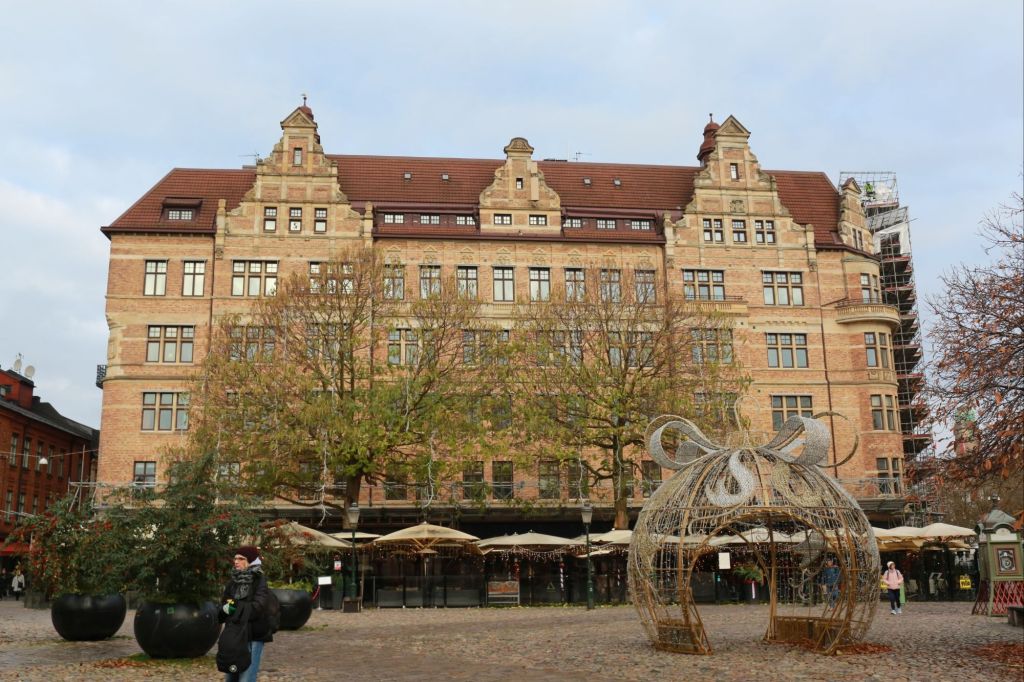
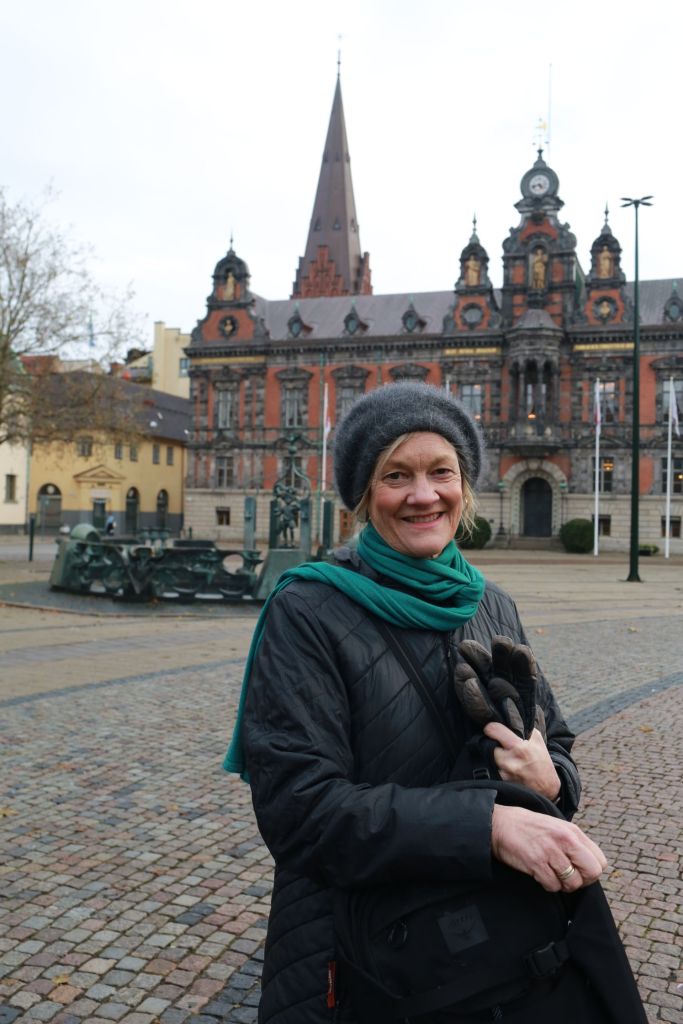
We have watched so much Nordic Noir over the past decade that crossing the bridge from Copenhagen to Malmo, Sweden this morning felt strangely familiar. I half expected Wallander to hop off at the station along with others who commute between countries  (many on a daily basis), or to hear of the discovery of a body at the mouth of the tunnel…

Just 25 minutes from our station to the centre of Malmo: third largest city in Sweden. No wonder the thought of travelling for 22 hours to get to Europe horrifies so many locals. Inconceivable when country hopping can be as casual as a 25 minute train trip across the second longest bridge in Europe.

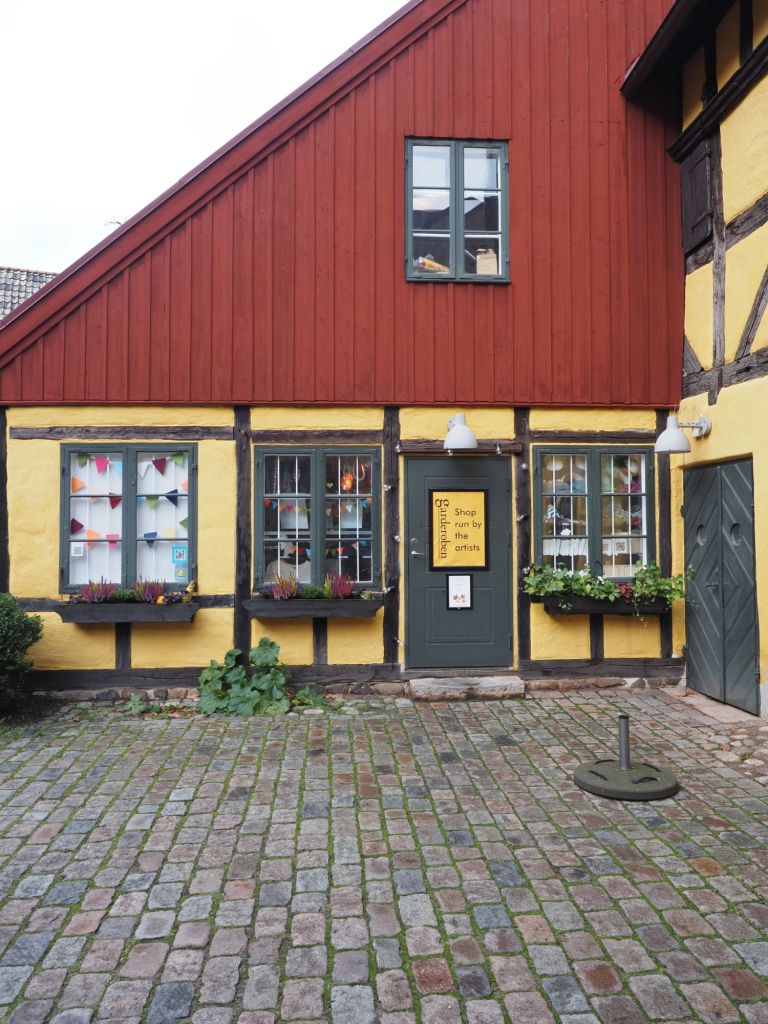
Did Malmo feel different from Copenhagen? Absolutely. We exchanged a capital city for one half its size. Sort of like leaving Ipswich for the dizzy delights of Rosewood: no comparison. And in Malmo, we found the perfect place to revisit some time in the future. It may have been luck, but the locals were impressively friendly, the coffee – perfect, the accompanying ‘fresh out of the oven’ cinnamon bun – beyond superb and the exhibitions at the Malmo Modern Art Museum – poignant.

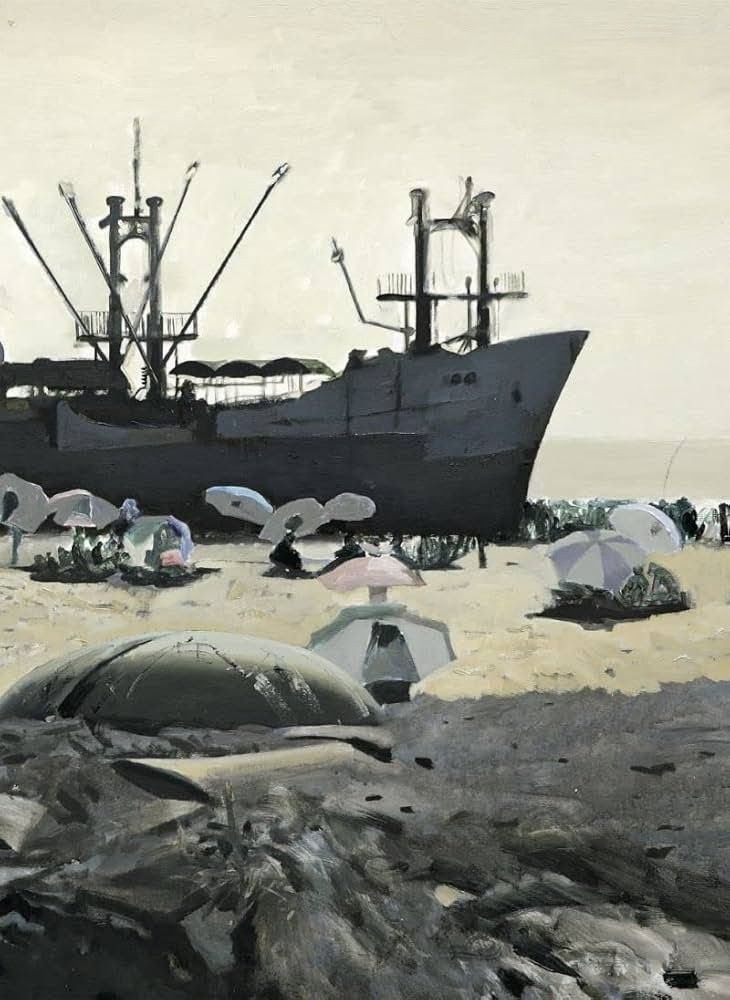
Somehow Miss Moneypenny (Rosewood fine arts teacher) failed to instill a deep knowledge of the Albanian arts scene in her students  – I’m sure she too rues her deficit. But, the exhibition today of Edi Hilla’s beautiful paintings was enlightening, and an insight yet again into the effects of war, repression, and civil disruption. Albania was a harsh, dictatorial state effectively ruled by Enver Hoxha until his death in 1985, and a rigid police state until quite recently.  Additionally, the work by Taiwanese artist Lee Mingwei – with an invitational participatory base, was deeply moving. Both worth crossing the bridge for …

Both of us would gladly stay longer – as a service to our many readers of course! We would go back to Malmo, Brno, Gdansk etc in a flash. We would be willing ambassadors, wandering new towns in order to raise the locals’ awareness of the Jewel on the Bremer.  We would love to continue our search for the perfect coffee. But instead, tomorrow the lady and I start our journey back to the Homeland … 22 hours to bridge the gap, as they say in the Nordic world.

Better let you go Farquhar, bags to pack …

FC-S

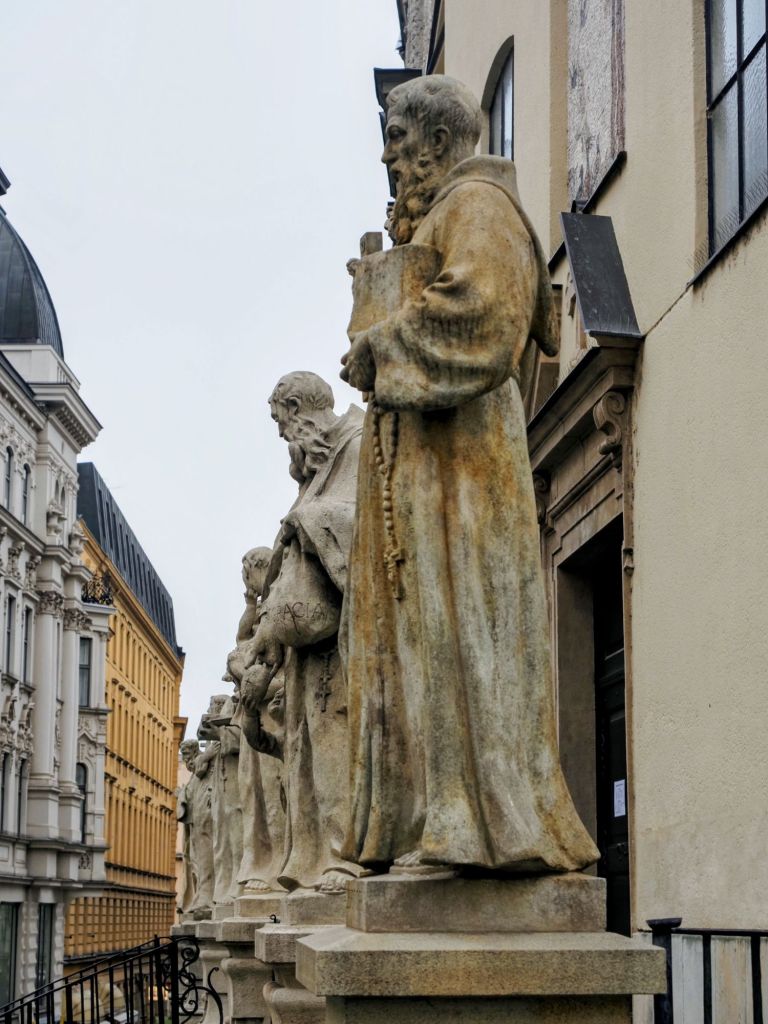
Swedish heroes seem rather more stout than their Polish counterparts. Perhaps that is why their horses also tend to be rather thickset?
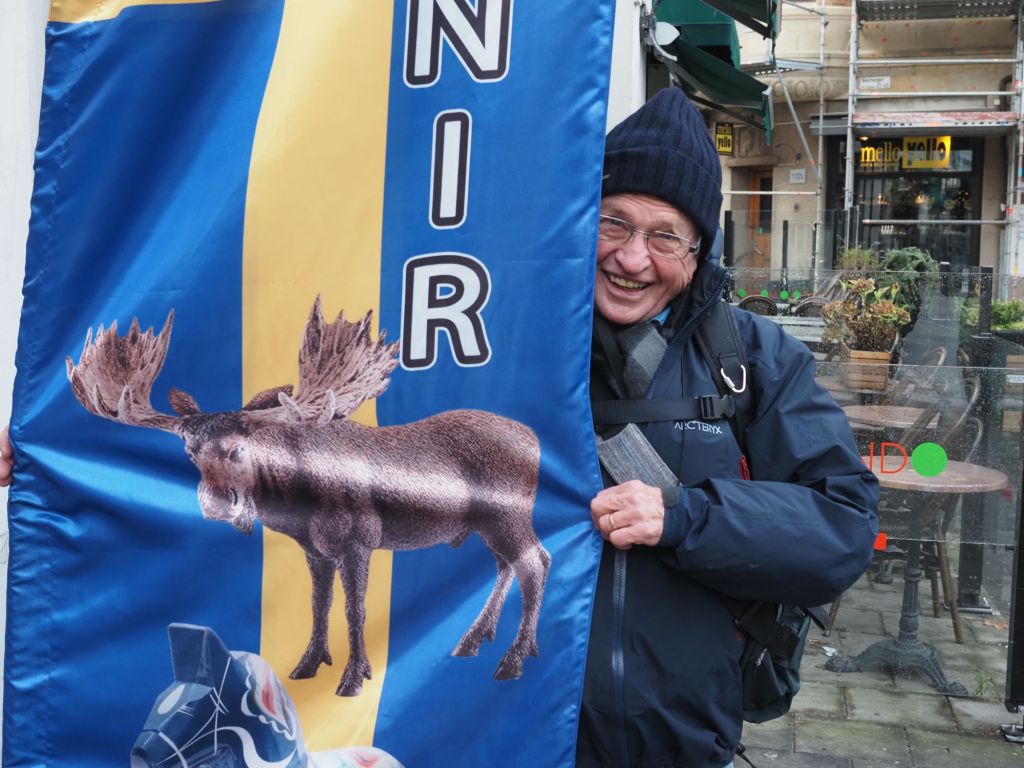
Aaah- The Swedish moose, – everywhere!

Service does not always come with a smile …

As we bid farewell to Poland it seems apt to reflect. And reflections have landed me today, in the curious space of customer service. It isn’t always ‘nice nice’. When Polish is not your strong suite (although my Lady and I have French and German covered with all the confidence of schoolbook accuracy) you long for … patience in any interaction. Humour is a delight and the occasional conversation in English, a refreshing bonus.

Yes, you guessed it, cafes are often the place for a chat, the curious conversation and … the perfect platform to scrutinise customer service.

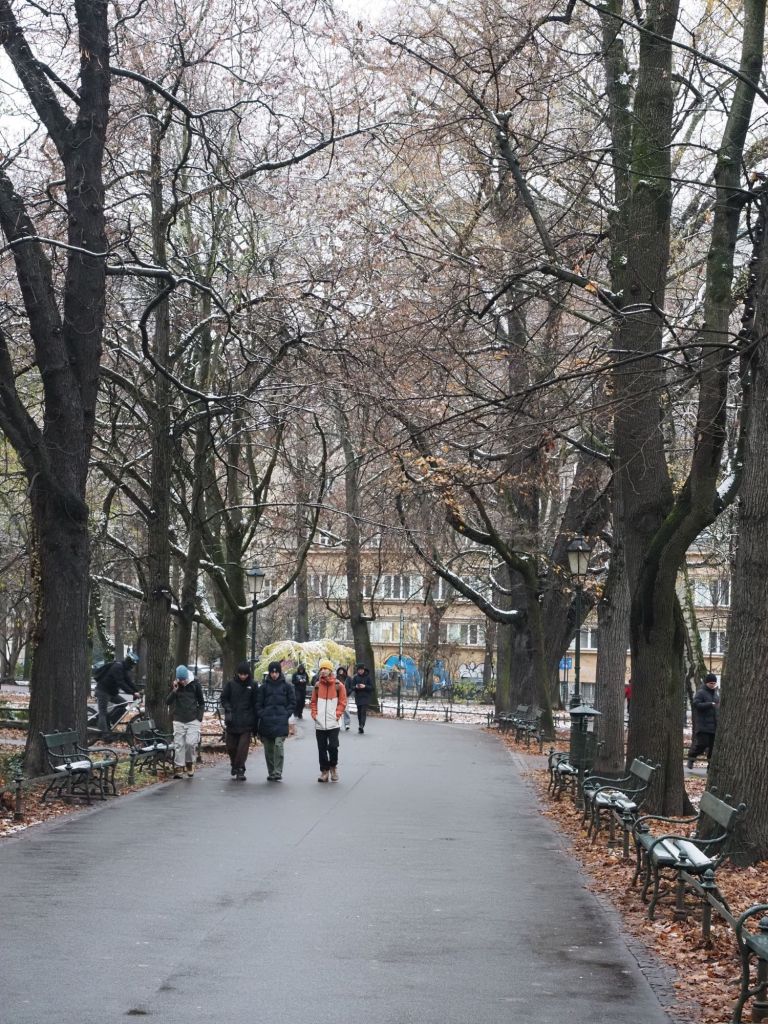
Yesterday gave us a wonderful opportunity for such scrutiny. We began our morning with a ‘spot on’ latte at Karma Coffee … a brisk 30 minute walk from our Airbnb along the Vistula River, past the Krakow Castle and through the broad boulevards of  Planty Park, all touched by the stunning effect of winter falling from the sky: snow, so much snow.

Here, the barista greeted us like old friends and confirmed: ‘ Two lattes with regular cow’s milk? Can I tempt you with something sweet too?’ Not bad, after just three visits. We talked weather – obviously, apparently this is the first deep snowfall in three years and the locals are genuinely excited! We talked Australia – huntsmen spiders seemed to be the fearful focus and we talked … about the freshly cooked pastry that we were obliged to taste. Service. Nice. Nice.

The local deli has been another regular haunt. We have been served by three different women all named Magda. All were patient, all were helpful, and two of the Magdas were very forgiving – because only one is actually called Magda, but I only discovered that yesterday.

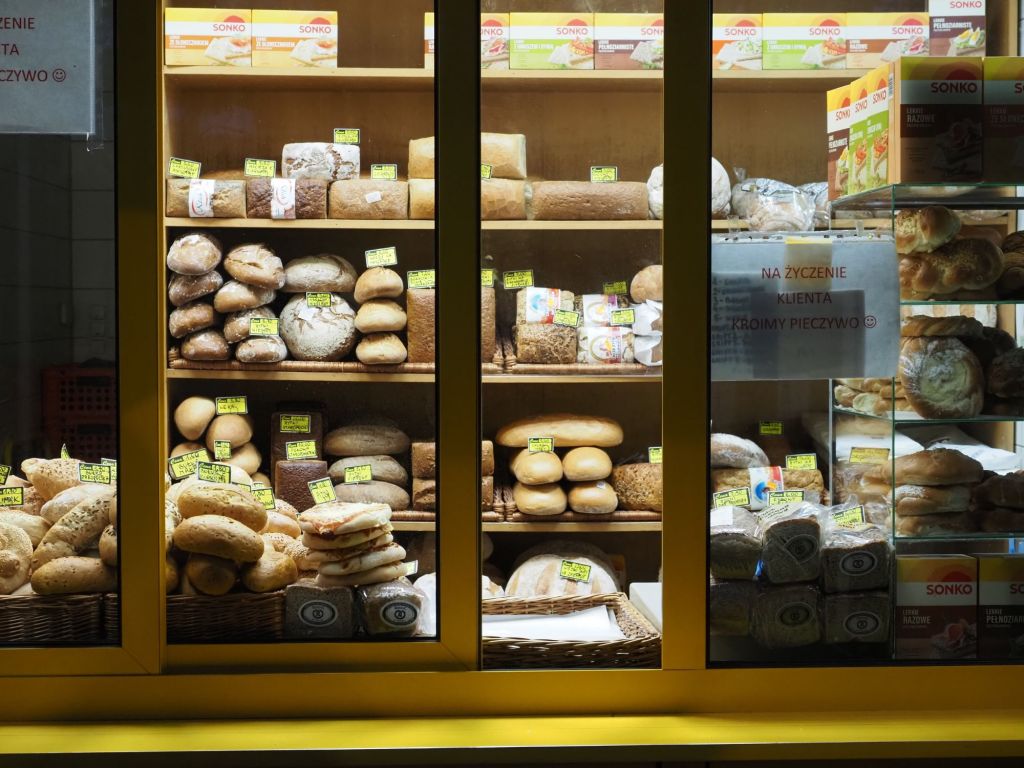
The local baker however does not seem to have the patience of a misnamed Magda. He is Georgian, but has a sign in his shop that says ‘ Do NOT ask me about my nationality.’ Perhaps he’s tired of explaining that he comes from Tiblisi, not Atlanta, perhaps he’s sick of people asking about the Georgian baking scene, or perhaps he’s just really rude- or at least he was yesterday. There was something about his aggressive, ‘I’m not stupid, your know’ comment yesterday that gave him away. My goodness, it is fortunate that his bread and pastries are better than just ‘nice nice’.

I was hoping to ask him if he has ever visited Josef Stalin’s neighborhood in Tiblisi but let that one go, a very wise decision … or so the good lady tells me. Farquhar, I am certain you too would have been keen for his answer.

We have loved our time in Krakow – we could have stayed longer and would gladly return for a fourth visit. There are still museums and art galleries to visit and districts to wander. I would love to sit again at Karma cafe and talk more with their beautiful barista. And I would even go back for a Georgian pastry in our neighborhood bakery – only because I’d love to learn more about how Georgians now view Stalin.

l’d just have to warn Lady C-S in advance about that conversation I suppose.

Our Barista at Karma

Duck!!!

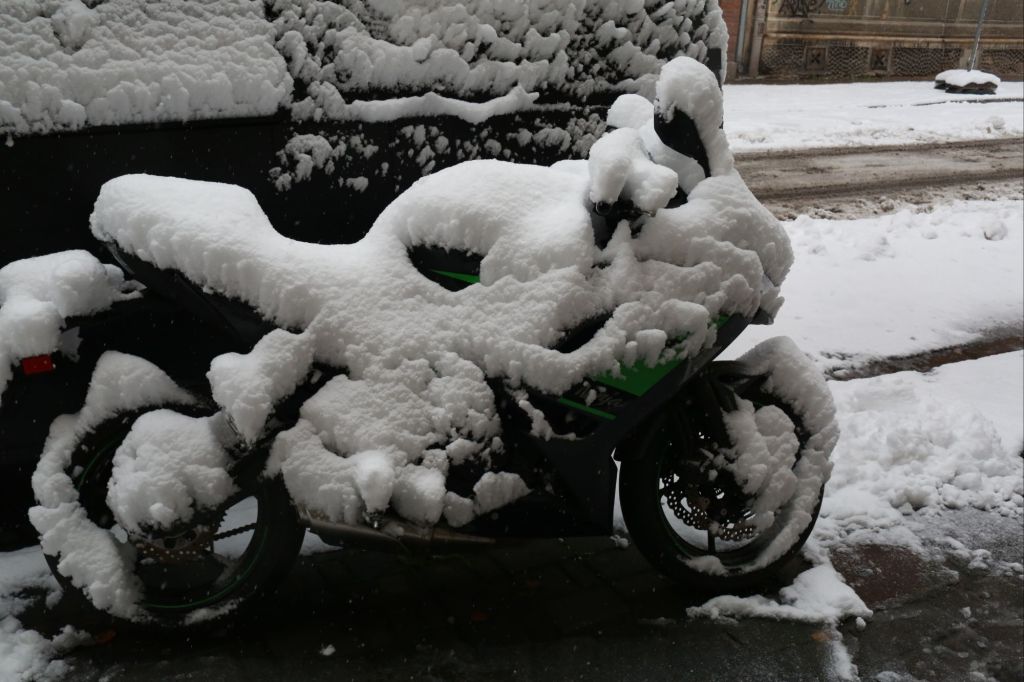
Imagine riding your Kawasaki to work in Krakow!

Eros Bound

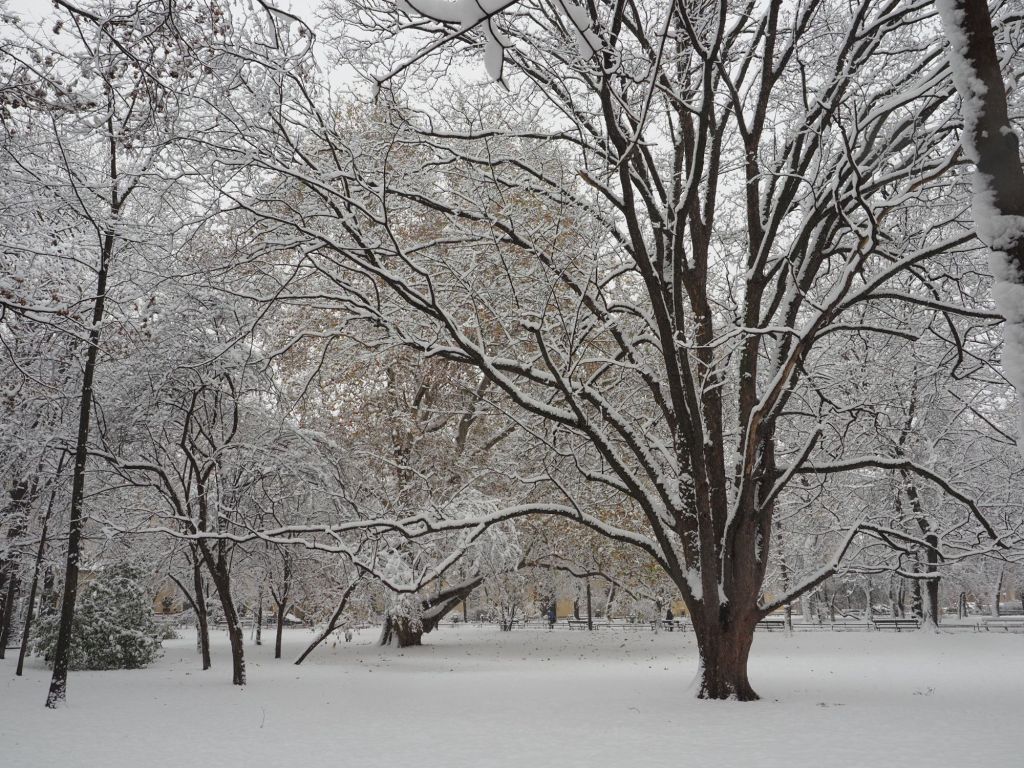
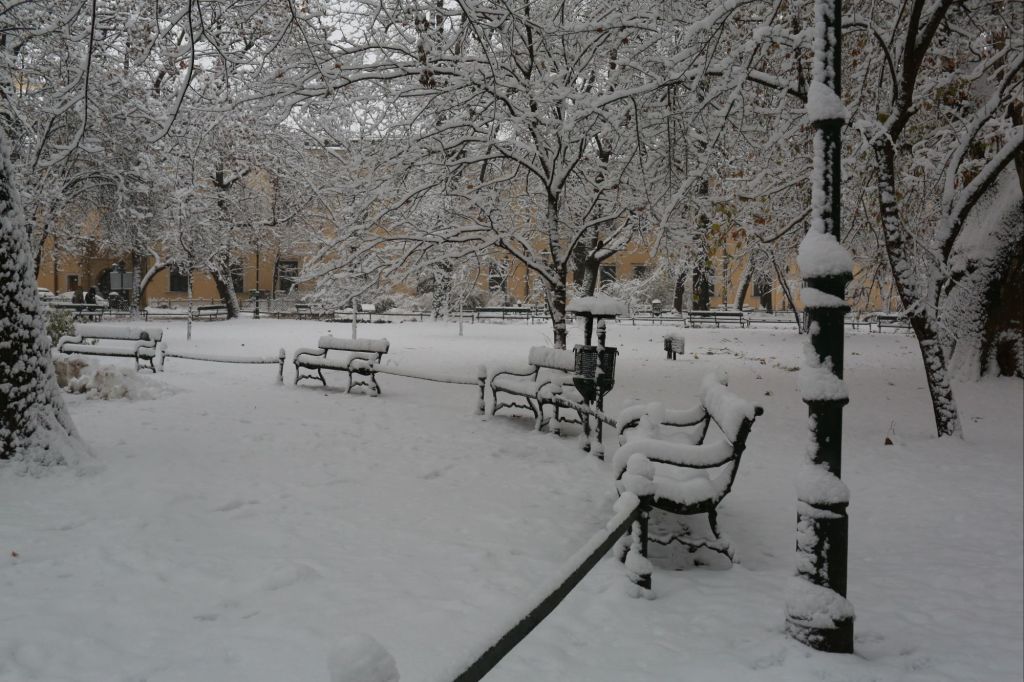
Krakow’s Planty

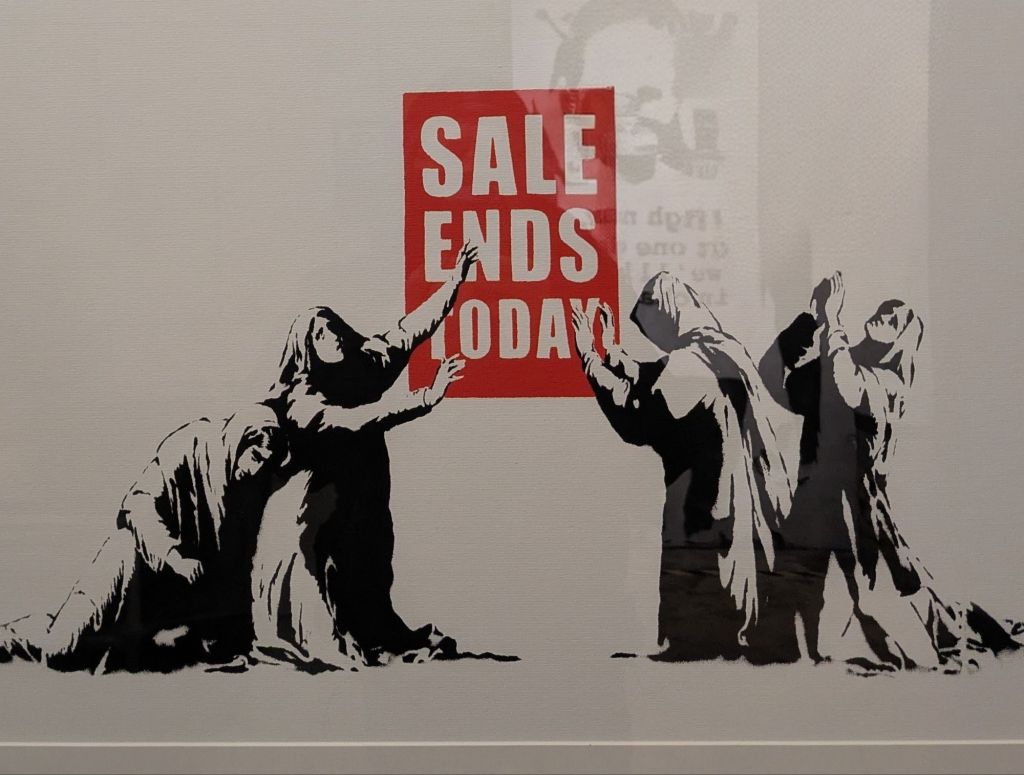
I Wonder What Banksy Would Say?

Not all art is equal.

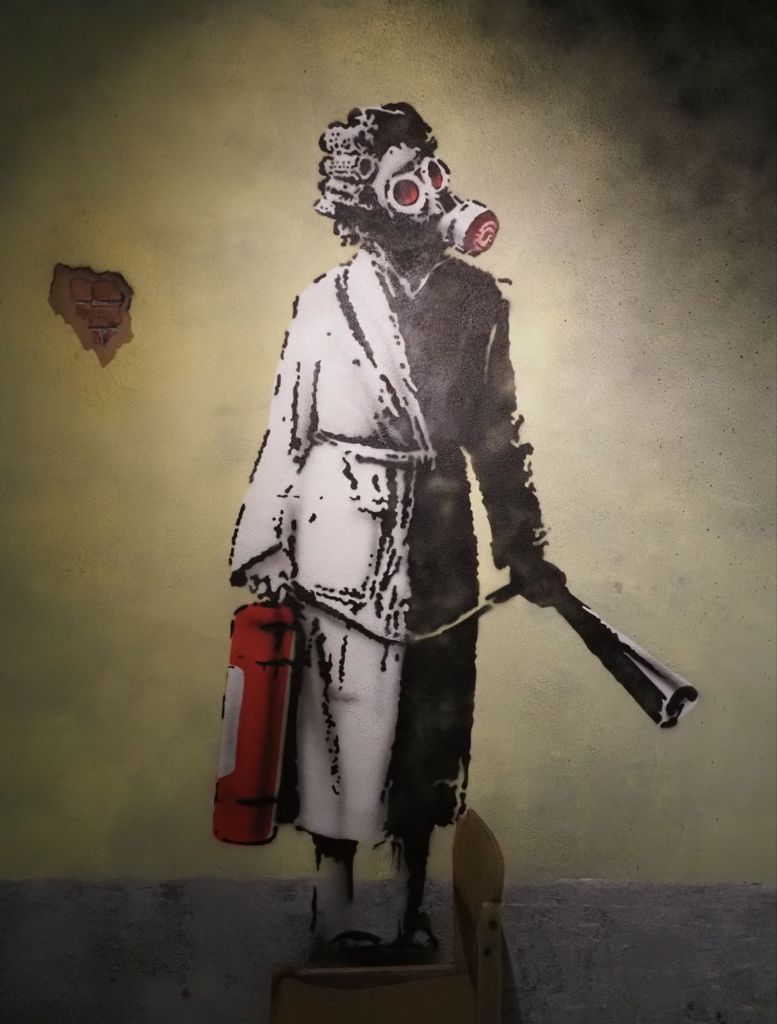
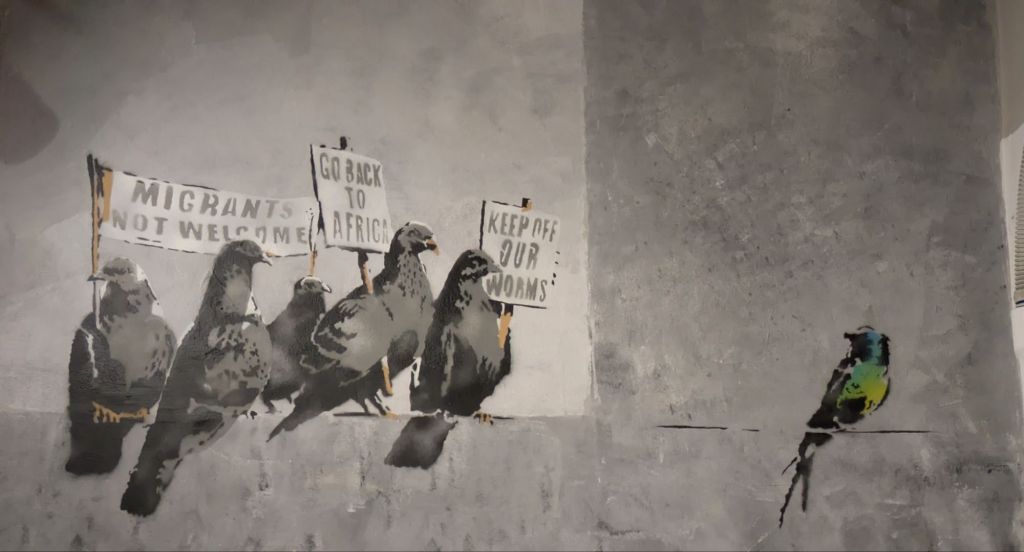
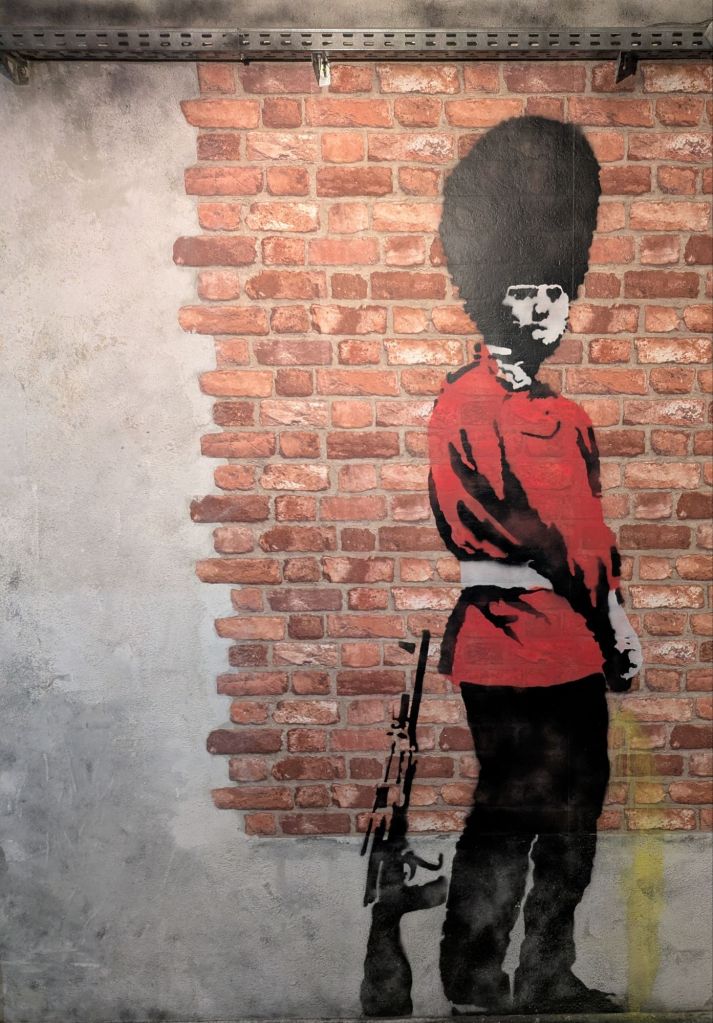
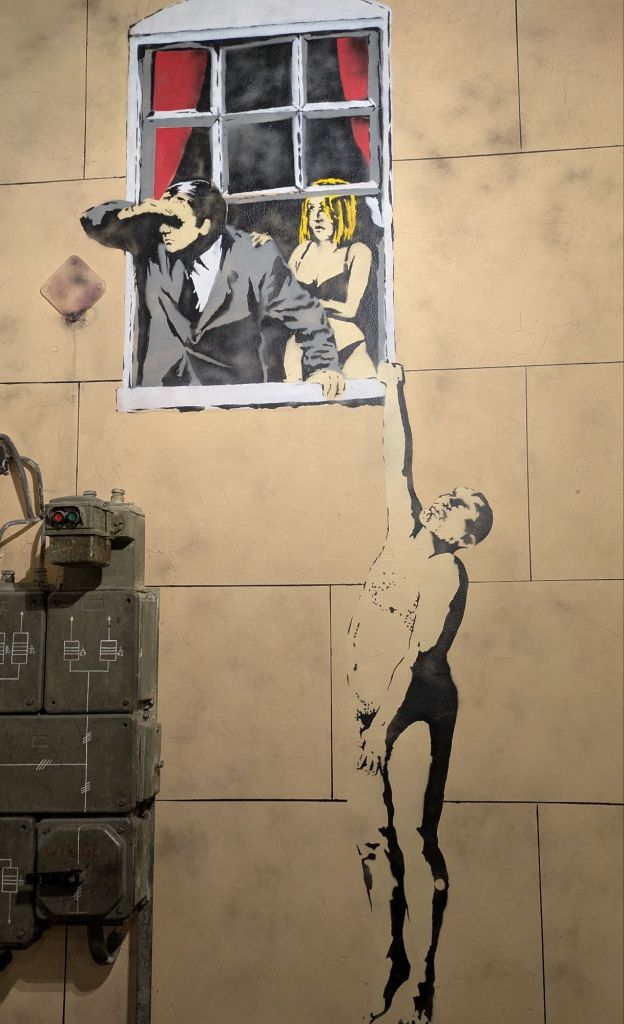
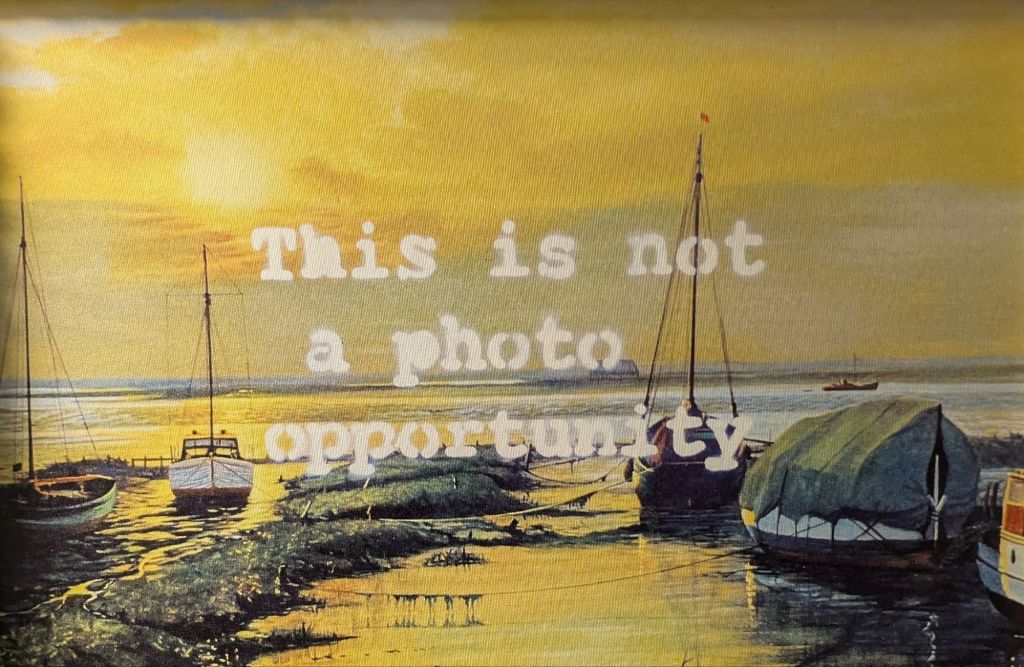
There is a museum in Krakow that only exhibits Banksy’s street art, and it is interesting on so many levels. It is situated in an old factory in Kazimiercz, and it is the ideal space for such a collection – concrete walls, around 30 spacious rooms with perfect lighting for display, and really well written synopses of the works. However none of the art pieces were done by Banksy, they are all replicas.

Banksy is of course a pseudonym, the artist himself is famously anonymous. The only dealer licenced to sell original works is a company called Pest Control, and they refused to allow the curators to contact the artist. So copies it is.

There are videos of famous Banksy moments – the shredder slicing a recently purchased piece at Southerby’s – it sold at auction for around $3 million, and the mutilated piece is now worth 10 times that. It showed a film of the stall holder on a NY street with real Banksys for sale, he sold 3 in 12 hours, and took in $43. And it played a documentary of his Walled-Off hotel project in Gaza.

His art can be funny, poignant, or biting – sometimes all three. He has a gift for placing his work on/in the most appropriate of settings- outside jails, inside hospitals, even on the Gaza side of the wall that encloses part of the Gaza Strip.  With a resonating commentary on so many  modern issues – poverty, violence, the internet, isolationist politics, and so on, he stretches our thinking. Yes, the exhibition was truly thought-provoking. But none of it was his.

Or maybe it was?  Perhaps Banksy’s yet again is playing with the way we view the world, or at least the way we consider art. Now I’m wishing I’d bought one of his signed prints from the gift shop!

After all, not all art is equal.

‘You Can Never Go Home Again’ (Thomas Wolfe)

Lady C-S and I arrived in Krakow late yesterday. A mistake that many travellers make is to go back to a city that they loved, hoping, expecting it to be the same – cities change and so do we (though perhaps Rosewood and its citizens are exceptions?). Our family visited Krakow on our first trip to Europe in 2004 – the time we spent here was magical. Our second visit in 2011 with Catrina, also. But, last night, we went back to the Old Town Square….

Not so magical. Crowds. Souvenir hunters. Tourist touts. Boozy bachelors on bike tours. In a whirl of lights, St Mary’s Basilica and the Cloth Hall were glorious, as always, but the press of raucous crowds pushing to buy, to see the next site, clambering for a selfie … took the shine away. Should we have returned, we wondered – is it a case of third time unlucky, perhaps?

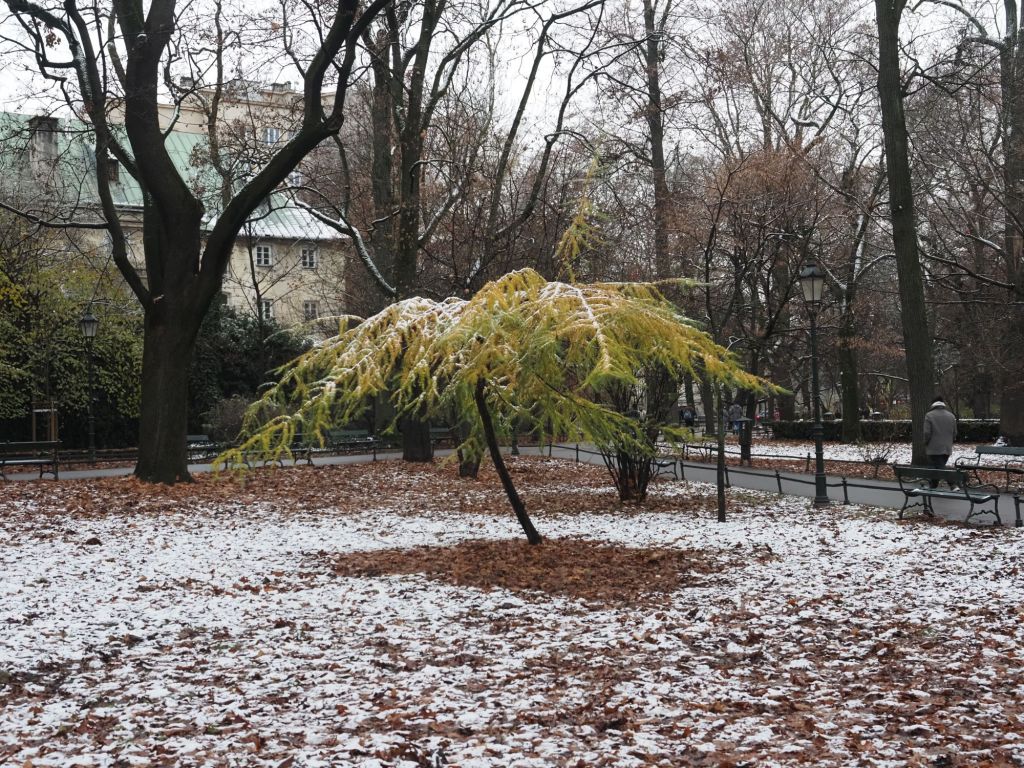
Of course not. Venture away from the madding crowd and you find yourself strolling through a snow-filled Planty Park built on the site of the city’s  destroyed medieval walls. You can wander along an impressively wide walkway for four kilometres – all the way to the fortress walls of Krakow’s imposing castle. Or, you can meander across one of the bridges spanning the Vistula River from the edge of Kazimiercz towards what was the second world war Jewish ghetto.

Here you can pause at a monument square filled with empty chairs. Each of the 70 chairs represents one thousand lost lives – none of the inhabitants of the ghetto survived. Yet again, Poland demands a remembering of its brutal history and demands an honouring of those sacrificed to war. It’s sobering.

Yes, you can return to cities where you have walked before because you can never see it all. There are always new places to explore through different eyes.

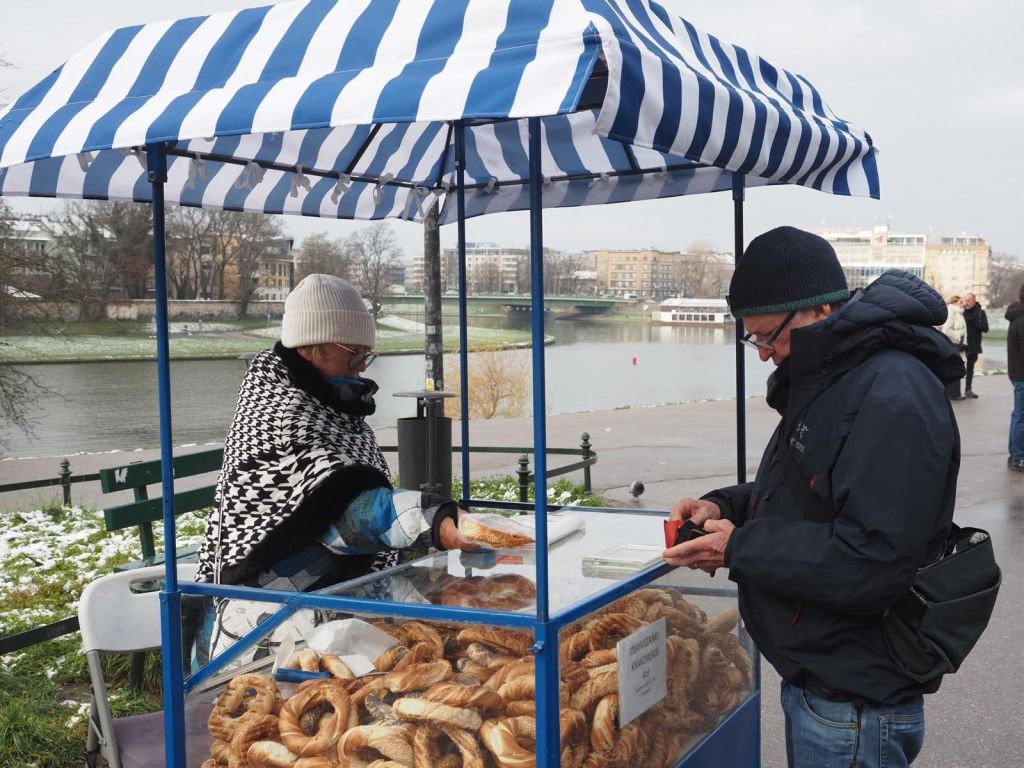
We find ourselves doing our own remembering. Exploded champagne bottles we had left to cool on our apartment’s veranda one Christmas Day we shared with Catrina. Twelve year old Mitchell sitting on one of the many benches in Planty Park surrounded by snow, or the profound impact of a visit to Auschwitz-Birkenau. The vendors on corners selling bagels. Or Natalie as a fifteen year old begging for time at the town’s internet cafe: pre her first mobile phone!
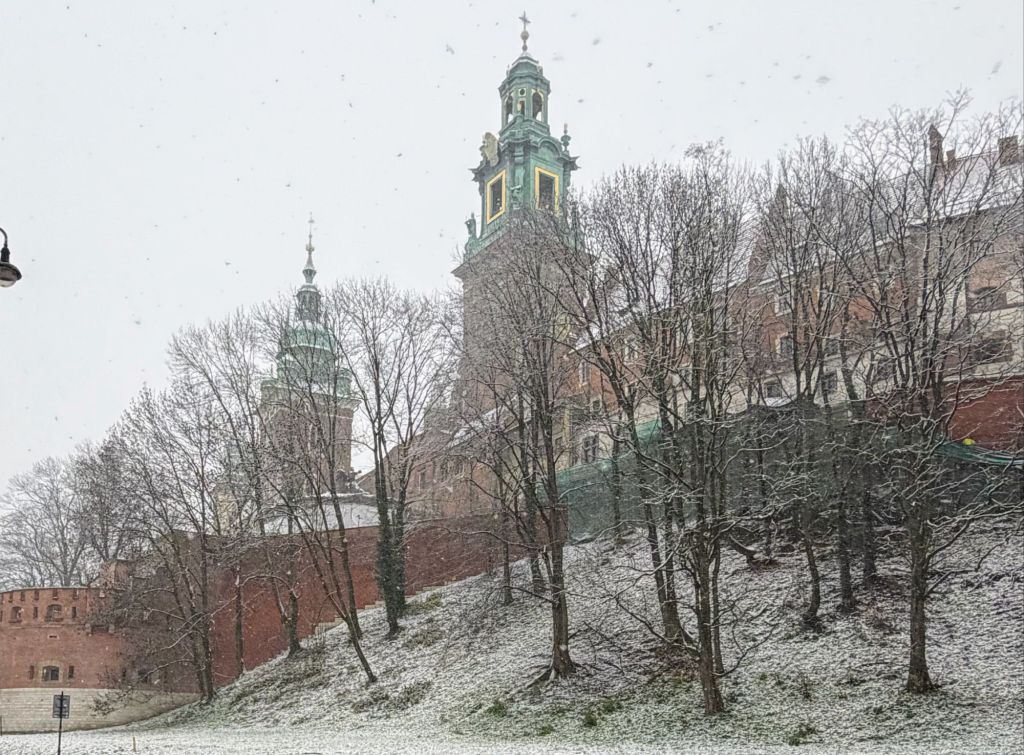
Travel to places is about viewing the world anew, we change and towns change (well, most towns). The chance to return to a city again yields this, as well as a remembering. Tomorrow we will avoid the main square, but will revel in finding undiscovered corners or unexpected revisits – all the spaces and places that a return to Krakow provides so generously. Just like a visit to the old country: Rosewood by any other name.

Farley

From our first visit to Krakow

Planty Park

Seventy empty chairs ..

Our street

Brno Barista/Tour Guide

Michaela is our Brno barista and our Czechia travel consultant. As half our reading public (Dave and Sue) know, we tend to use cafes as travel agencies. Their baristas are often young and have been travellers themselves. And they also often speak English – an advantage for those who like coffee but don’t have my ear for the local lingo.

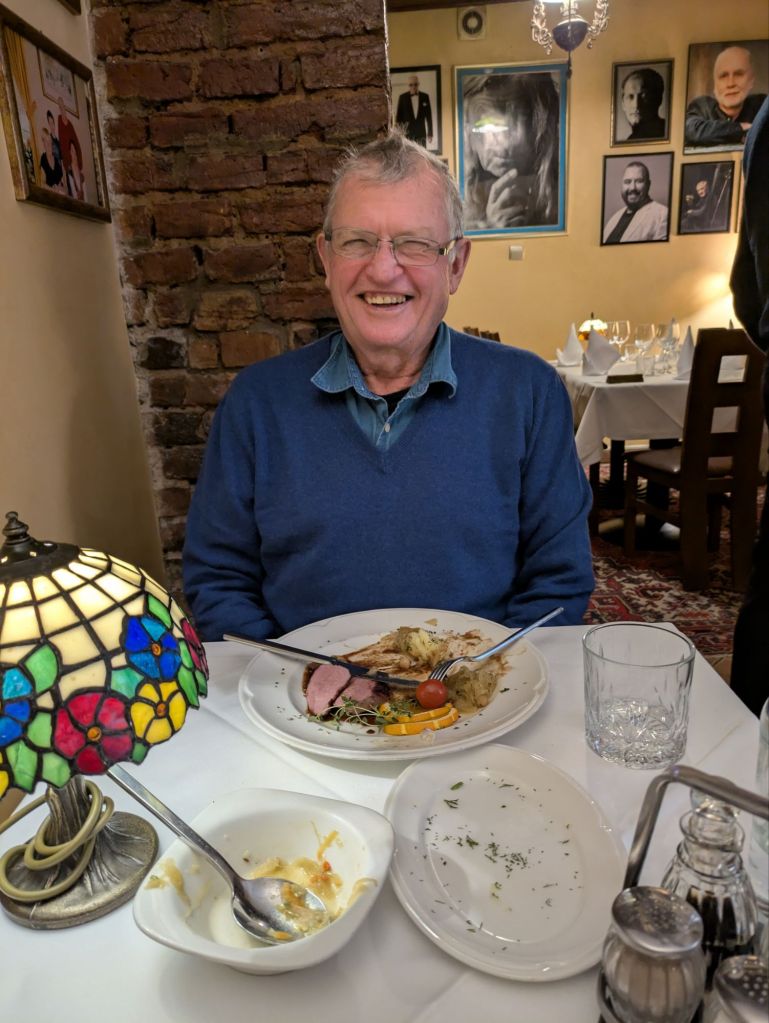
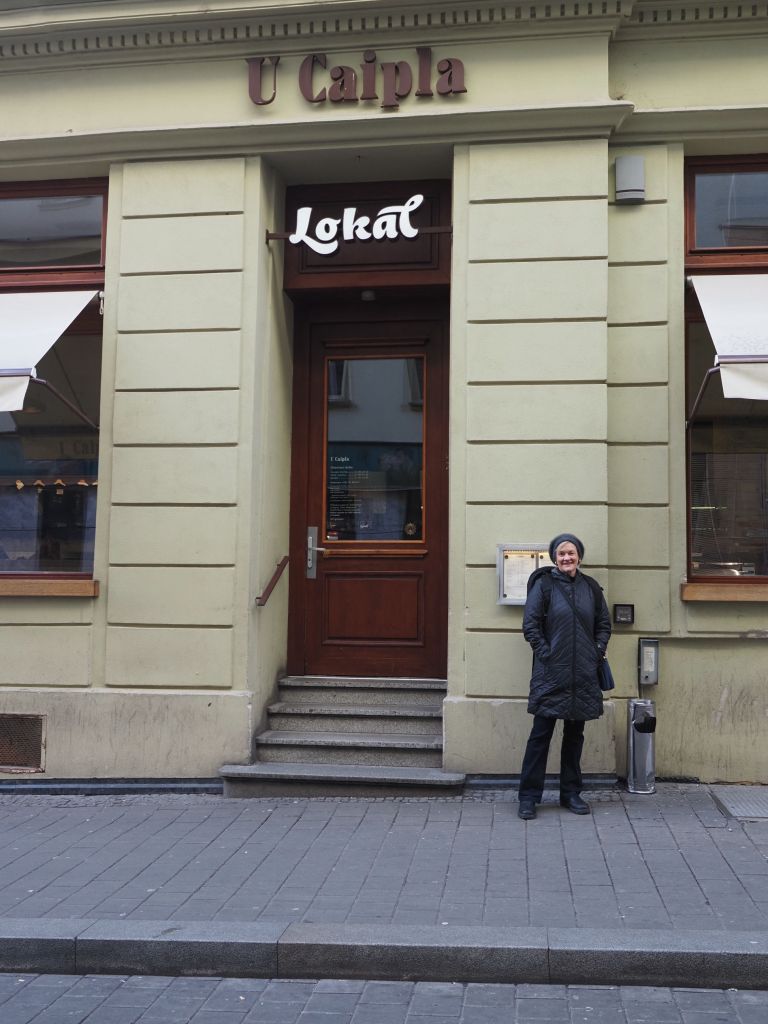
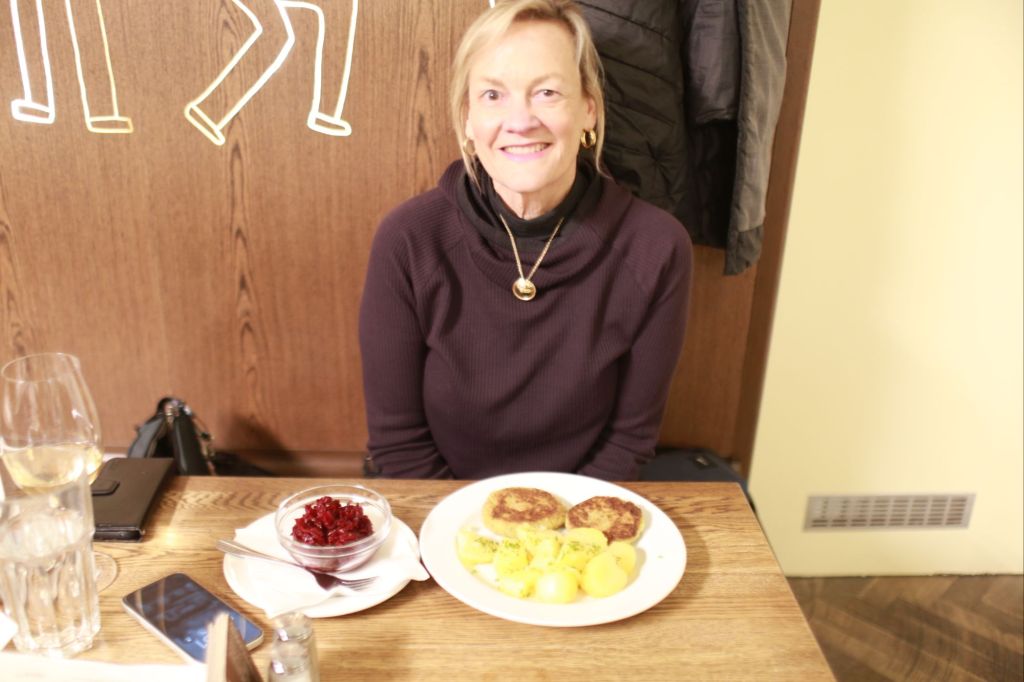
Her suggestion today – was to go to Lokál U Caipla, a 100 yr old tavern with home style food and an in-house brewery. The food was good Czech pub fare, the service – great, and the beer was cheaper than bottled water. We ate cabbage fritters, roast pork belly along with some wonderful sides – and still got change from fifty dollars.

As is the way, we have received our best travel advice from locals – places to visit (the shop assistant at an outdoor store), places to eat,  (baristas), and, the benefits of bus travel (from a young Italian/Czech Economics student) who we met on a delayed and then further delayed train journey to Bratislava … apparently trains are chronically late in this Czech neighbourhood.

Tomorrow, we’re catching the bus to Krakow……

F C-S

Farley and Fine Arts

Rosewood had a vibrant arts scene when I lived there as a youngster. People would drive in from Tallegalla, Marburg –  sometimes even Mt. Walker, just to hear Joyce on the organ, or to watch your travel correspondent dance a Gypsy Tap. It’s no surprise that now, whenever Lady C-S and I travel, we always seek out the finer arts on display as it invariably brings back memories of that time in my formative years.

Last night we were privileged to attend a performance by a Slovakian quartet, the Janoska Ensemble with a ticket we had bought months in advance. The group consists of three Janoska brothers and their brother-in-law (their family has produced 5 generations of virtuoso classical musicians). To simply be inside the stunning 1884 Mahenovo Theater was worth the admission price, last night’s Vivaldi concert was a captivating bonus. All three brothers have had solo careers performing with world class orchestras, even so, playing together as an ensemble was an obvious joy – for them and for their audience.

Talking to them in the foyer after the concert I was surprised to learn that none of them had learnt of any of the virtuosos from the Rosewood School of Arts, either when they were studying as students in Vienna and Berlin, or later as they toured the world as professional musicians. The twin tyrannies of language and distance I suppose?

On our endless pursuit of the arts we traveled by train to Bratislava today, to spend the day in Slovakia’s rising capital.

Our continuing fine arts focus – a photo exhibition by Polish photographer Jan Brykczynski (one vowel surname) was on the agenda. He is a documentary photographer, this exhibition told the stories of urban farms. He calls it guerilla farming- people attempting to grow food in an urban environment, often in spaces without permission, but usually simply to ward off hunger. It is his mode of bringing our attention to the plight of the urban poor – sometimes they are those who live in wealthy Western cities such as London and New York, and his work has won numerous awards for both their ethical and artistic sensibilities. For two Aussies who love wandering with their cameras it was a wonderful (and dry) way to spend an hour in a European city besieged by rain.

I might not mention that we spent a lot of the day drenched and shivering with the cold, or that a long platform wait for our train back to Brno was extended by delays, then extended again, and then extended some more. When our train eventually materialized, we discovered that our return ‘home’ meant two hours of standing in a crowded carriage … Such are the inglorious aspects of travel – the times could colour our accounts of journeys.

But these moments are inconveniences, they are sweetened by, and over-compensated for, time and time again – through the big moments like the Janoska brothers’ performance or the Jan Brykczynski photography exhibition. And more significantly, they are sweetened by the small personal interactions – like talking with and being served an excellent Slovakian flat white by a young woman named … Linda.

Yes, I have work still to do in order to raise awareness in this part of the world regarding the contribution to world art of the Rosewood Art Movement in the 70’s. And, to be truthful it could sometimes be a disheartening ambassadorship, especially when wet and cold in a foreign city. But the deeply human interactions that occur as I pursue this task will reward and reverberate long into the future..

Yours

Fine Arts Farley

p.s.  Thank you to the similarly drenched  and weary young man who gave up his train seat on the trip back to Brno for the bedraggled Lady C S  … that is what makes travel memorable..

The stunning Mahenovo Theater

Amen

Linda and Linda – One  Linda is a vibrant uni graduate of Art and Design who is now working in a Bratislavan cafe. This was her first day in that job. (Sadly she also hadn’t heard of the Rosewood Arts Movement of the 70’s – unbelievable. She has now!)

Our Bratislava baristas – beautiful coffee.

The photography of Jan Brykczynski

A very wet Farley!

Never Smile at a Crocodile

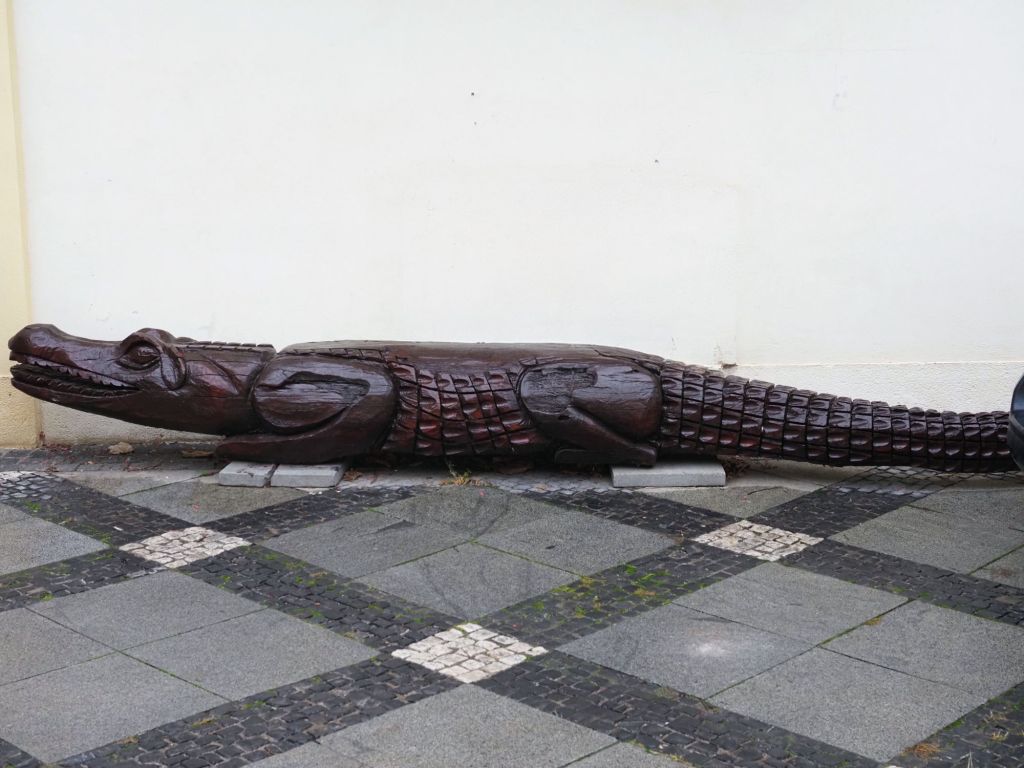
Brno has a particularly vibrant arts scene – and a lot of crocodiles. Vibrant arts scenes are often in response to periods of suppression – and Eastern Europe has had that in spades. But not many European cities have a lot of crocs.

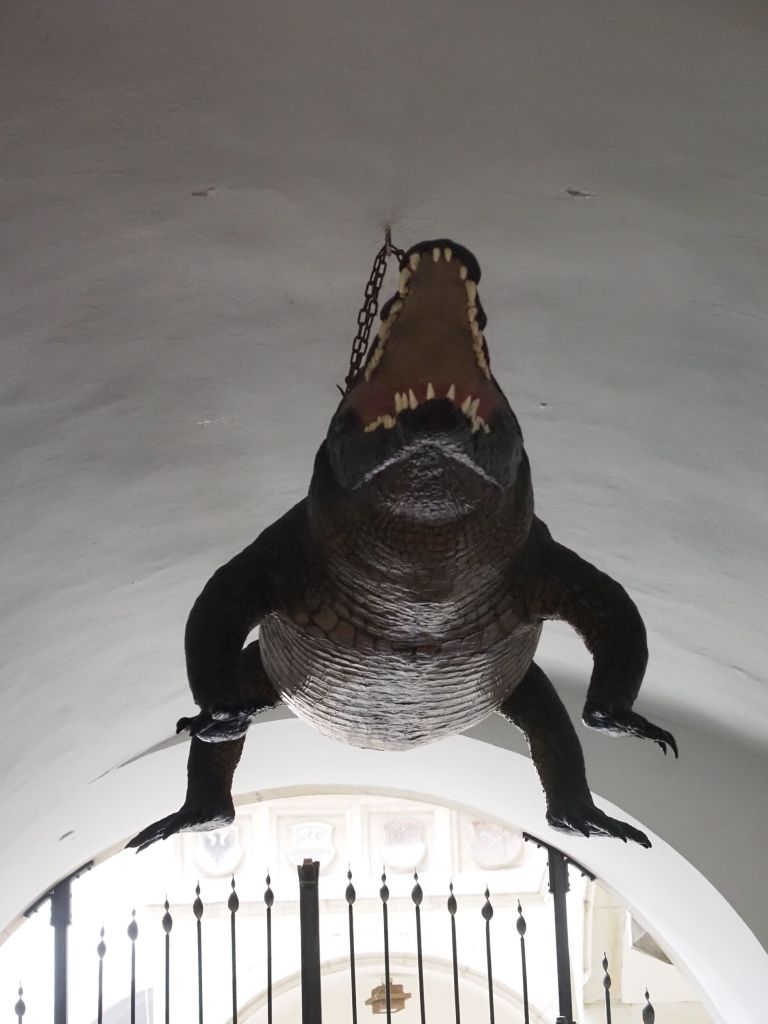
The strange thing about Brno’s crocodiles is that nobody really knows how it all started. The city hall has a centuries old, six metre stuffed Nile crocodile – one theory is that it was given to the city by a Middle Eastern sultan in the 11th century, one story has it brought back to the city by Moravian crusaders in the 12th Century, one story has the animal captured in a nearby river by fishermen in the 1500’s. Whatever the actual origin, the original Brno croc has multiplied. And multiplied..

So too our coffee choices have multiplied – given that there is an abundance of establishments still to visit. Our ‘regular’ cafe was closed today, but we had little difficulty finding a suitable replacement. It seems that the art of coffee is as prolific in Brno as souvenir crocs! However, gaining access to a coffee at the right temperature is rarer than a Rosewood Rembrandt – sadly, most are those crucial few degrees too cool for an Aussie palate. We love heat in the land down under.

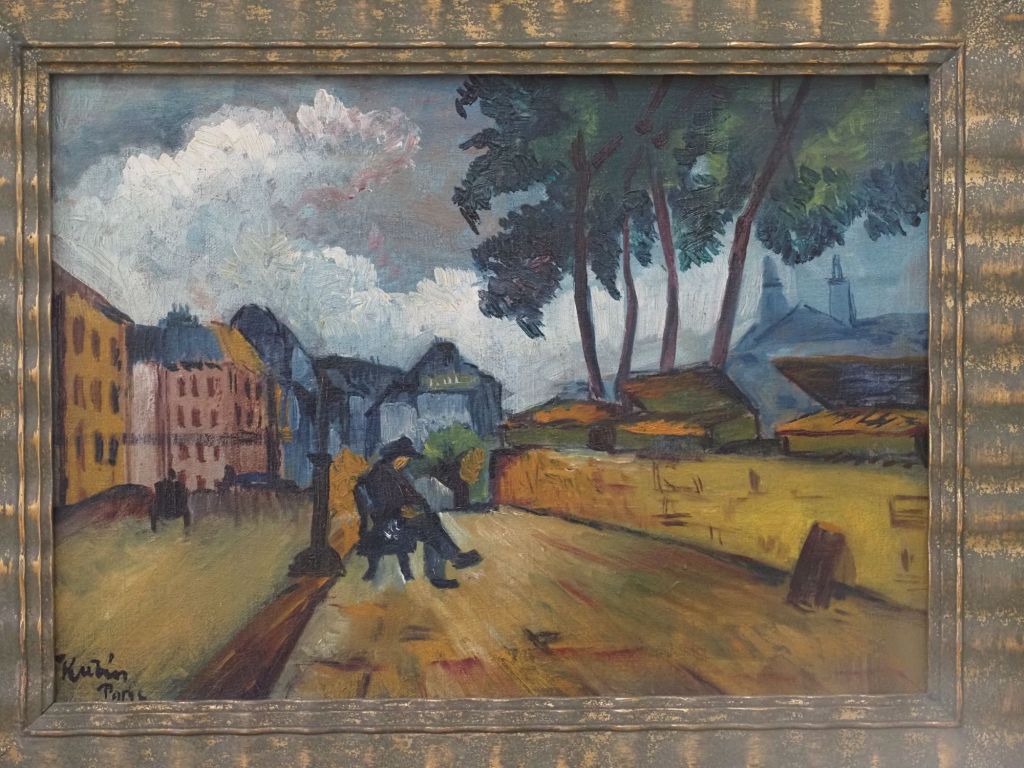
In the spirit of a penchant for studying a Rosewood Rembrandt, we visited two of Brno’s art galleries: the Moravian Gallery of Modern Art and the Museum of Design. I enjoyed the Gallery of Modern Art almost as much as I enjoyed Mendel’s Museum – except the Mendel Museum has a wax figure that looks human. There was a strong feel of modernity which left us pondering meaning.

Nonetheless, there were some beautiful 20th century paintings that we would be happy to transport back to Toowoomba and we were quite captivated by a social project involving two thousand shirts of the exact same pattern.

Katerina Seva’s motivation was to utilize shirts to connect people in a huge impersonal Brno housing estate. She sent identical tops, ostensibly a gift from another estate tenant, to everyone in the complex – about a thousand people. The gift came with an invitation to the art gallery on a specific date to meet the donor. She then recorded the recipients’ reactions at this gallery. Wonderful!

The Design Museum was a great way to spend a couple of hours. Its focus was post WW2 Czech design- everything from glassware to push bikes. Porcelain was prominent, as was furniture. I once sat on a chair in the corner of a room in New York’s MOMA – it was a priceless display according to the security guard. Fortunately today I didn’t sit on a sofa, pick up a ceramic jug and pour myself a drink in a crystal goblet today – anyway the jug was empty when I picked it up, so I couldn’t.

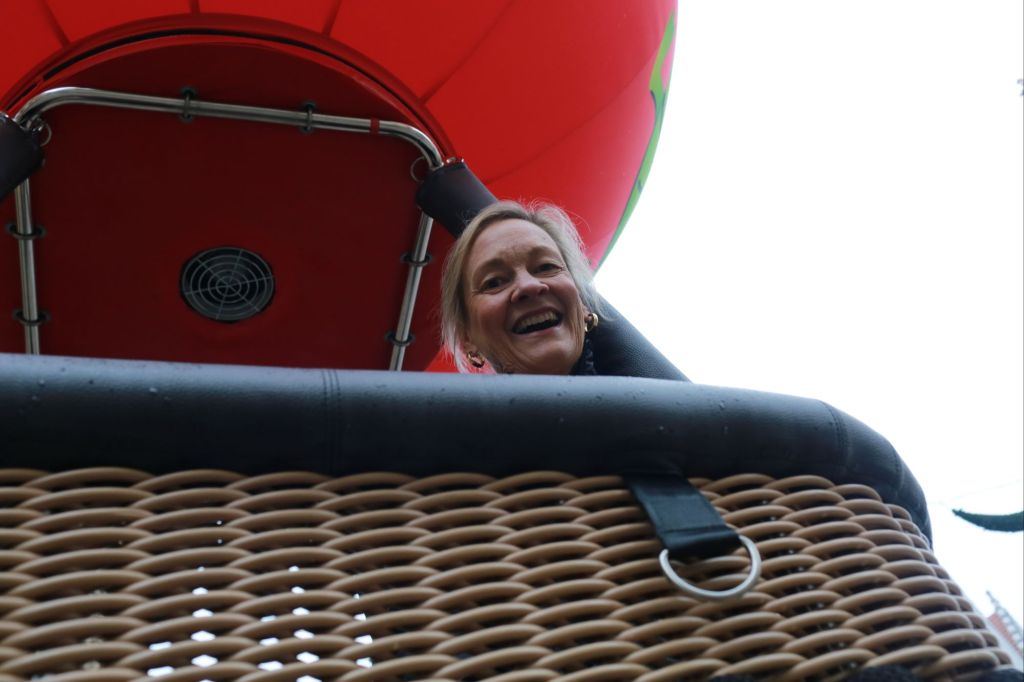
No doubt, my artistic sensibilities will be further celebrated tonight when the good lady and I attend a musical event – a Slovakian ensemble performing Vivaldi. There will be no crocodile tears as a result … unless of course the lady takes to a hot air balloon – again.

Farley

P.S. Hot air balloon rides are really popular in Brno today – perhaps because of the National Independence holiday tomorrow?

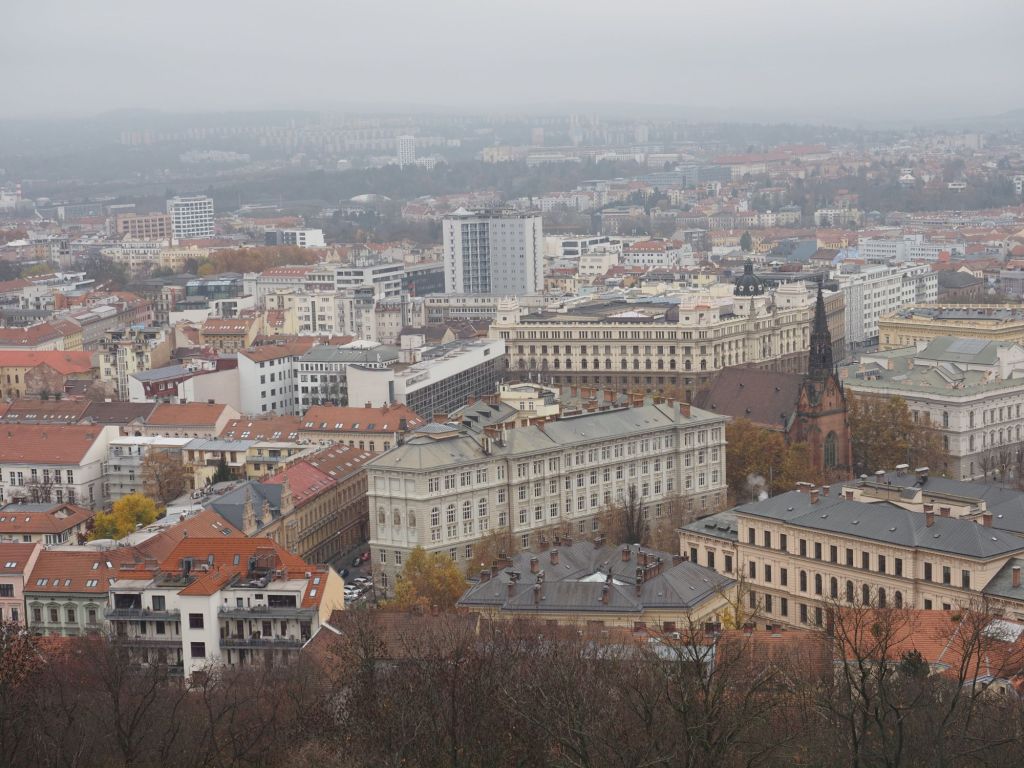
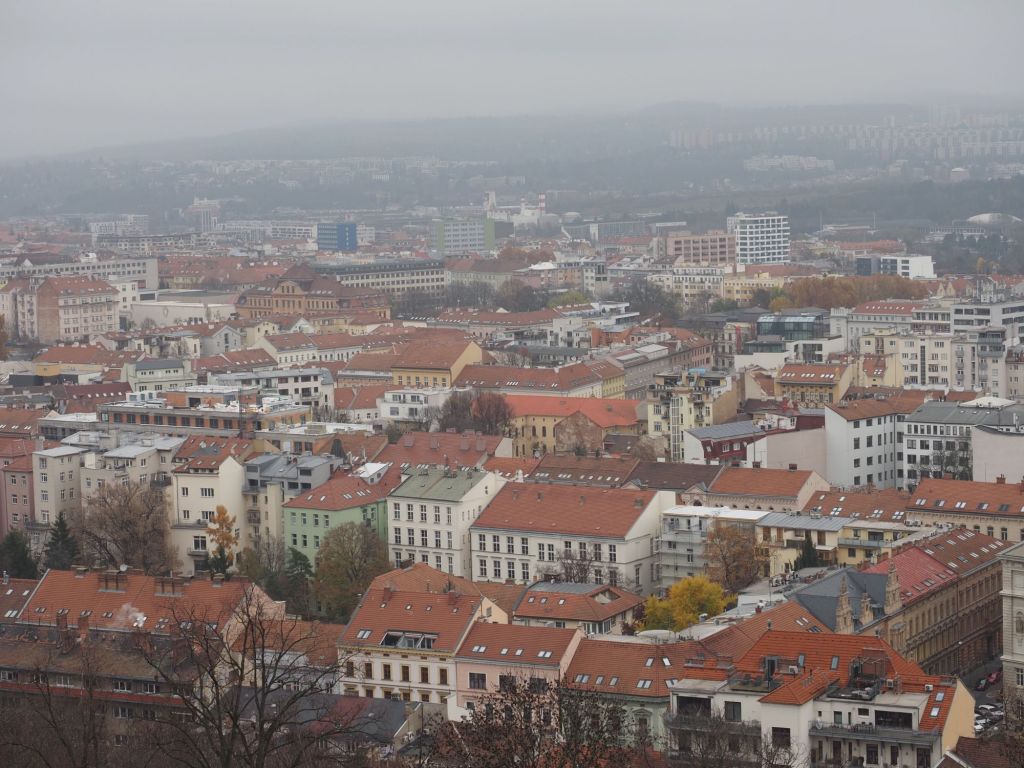
Brno from a balloon!

Another crocodile!
Katerina Seva’s shirt.

Brno coffee art.

Language Matters

With the patience of a fisherman, put children to sleep, sprinkle dots of snow at the end of a sentence, press the elevator button underground,
hide the eggs of dreams under the stones

As we wandered the Old Town in Brno today we noticed signs stencilled on walls. I thought they were ‘If you park here I WILL let down your tyres !!’  type-signs. It turns out they’re actually poems. Language matters, and little touches like this can make a city special. Why haven’t either of my readers told me what a great city Brno is?

Language also matters when negotiating castles and castle museums. Today’s focus was Spilbek Castle – once a royal palace, a jail, the barracks for German soldiers in the second world war and so on. We took an indirect route to the castle, courtesy of limited signage. We eventually found our way ‘in’ but that didn’t mean we found our way ‘in’ to the museum with ease. It felt like we were lost a lot of the time – quite possibly because we were : yes, an absence of signage.

Given almost all of the exhibition was annotated with Czech explanations, we filled in the gaps with our own narratives. The only tour guide available spoke, what I believe to be, an early-medieval Moravian dialect. (She was kind enough to let me take her photograph which I have included below) I am not yet fluent in some of the early Czech languages, so unfortunately couldn’t thank her in her native tongue.

Fortunately however, at the museum we stumbled upon a photographic display of the works of John Heartfield – a German who challenged the Nazi narrative with great courage. He was forced from Germany in 1933, walked to Czechoslavia, and managed to escape to England in 1938. Herein, his language of photography provided him a compelling medium to fight Fascism during the second world war.  Language matters.

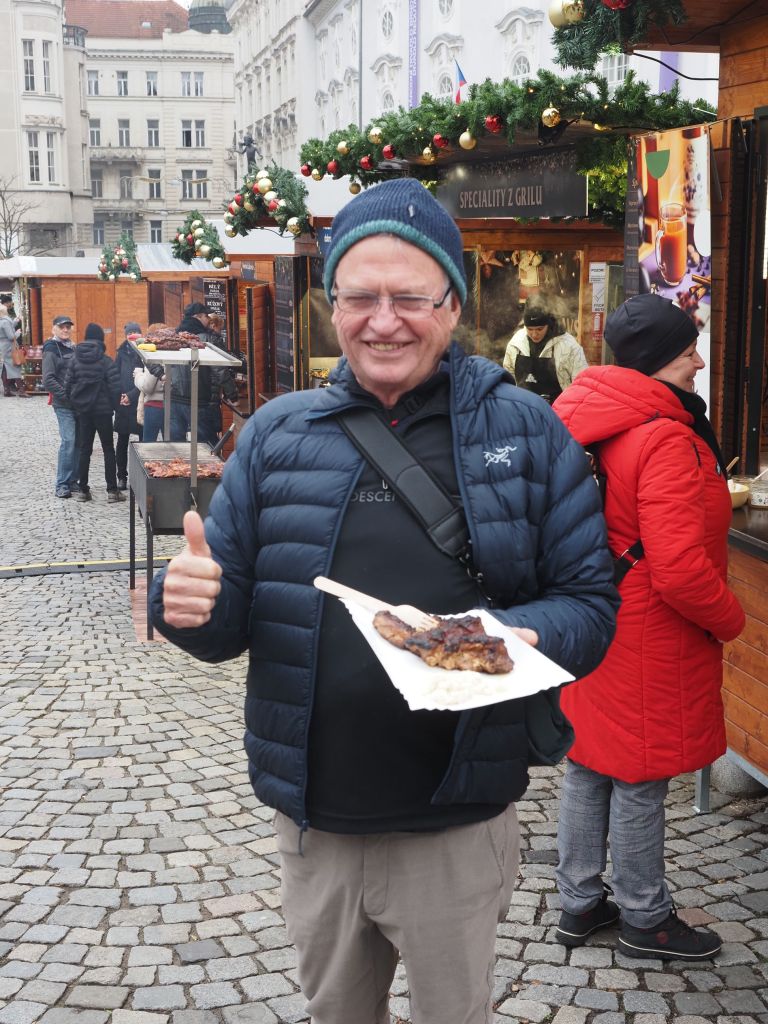
So too, deciphering food choices at the local Christmas markets requires discernment – particularly in the absence of any Czech relatives. If not careful, one could buy a sauerkraut – filled potato pancake too big for the Lord and Lady to delicately consume. Or the Farley C-S might inadvertently purchase a one kilo piece of grilled pork that required solid and prolonged attention. Yes language also matters in the culinary world.

Brno is a wonderful city to wander, the old town is special and the locals have been particularly welcoming. The Christmas markets are just metres away from our front door, and perhaps the more relaxed family atmosphere these markets induce in the city centre permeates other parts of Brno. And so, in the spirit of Christmas, I have resolved to continue to share my native language – but from now on will speak English louder and slower in the hope of making myself understood by the locals. After all, language matters….

Farley C-S

Our tour guide Marietta. Unfortunately she only spoke a form of early Czech which I struggled to translate.

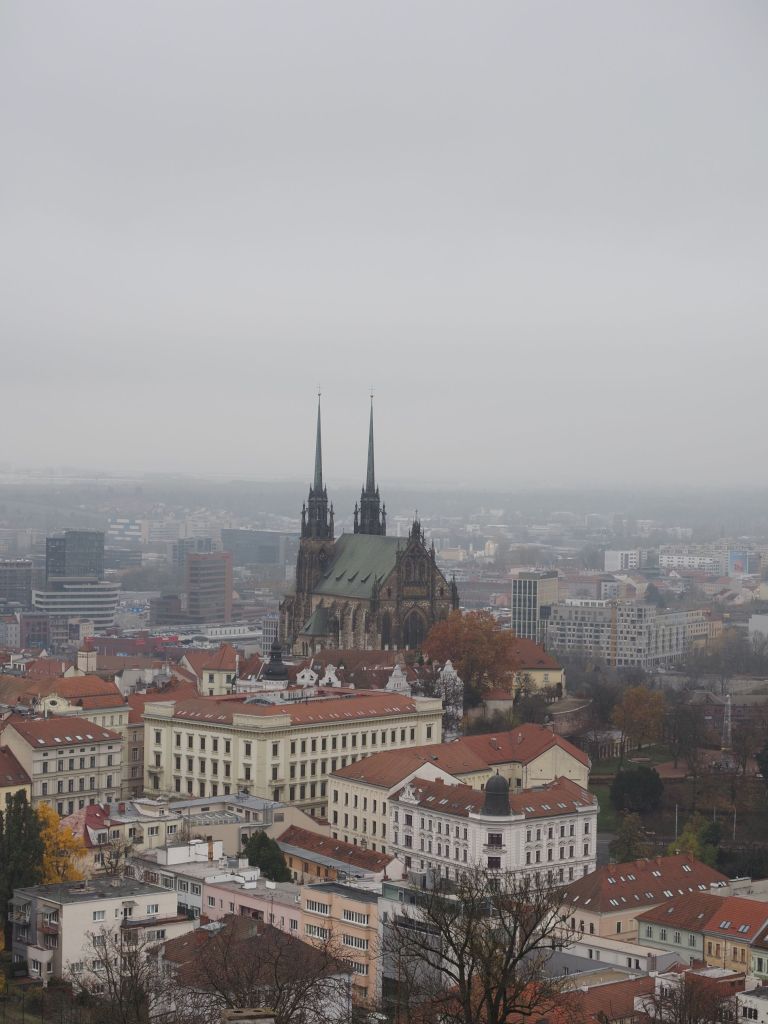
Brno

Throughout my Rosewood childhood my father would often state that this township needed a museum. My mother, frustrated by Ted’s collection of old pieces of farm machinery, glass bottles, coins and so on, would say that Rosewood had a museum – it was located under our house. I loved playing under the house as a boy, perhaps that’s why I still appreciate spending time in museums 60 years later? The three exhibitions we have visited in Brno were all memorable in their own way.

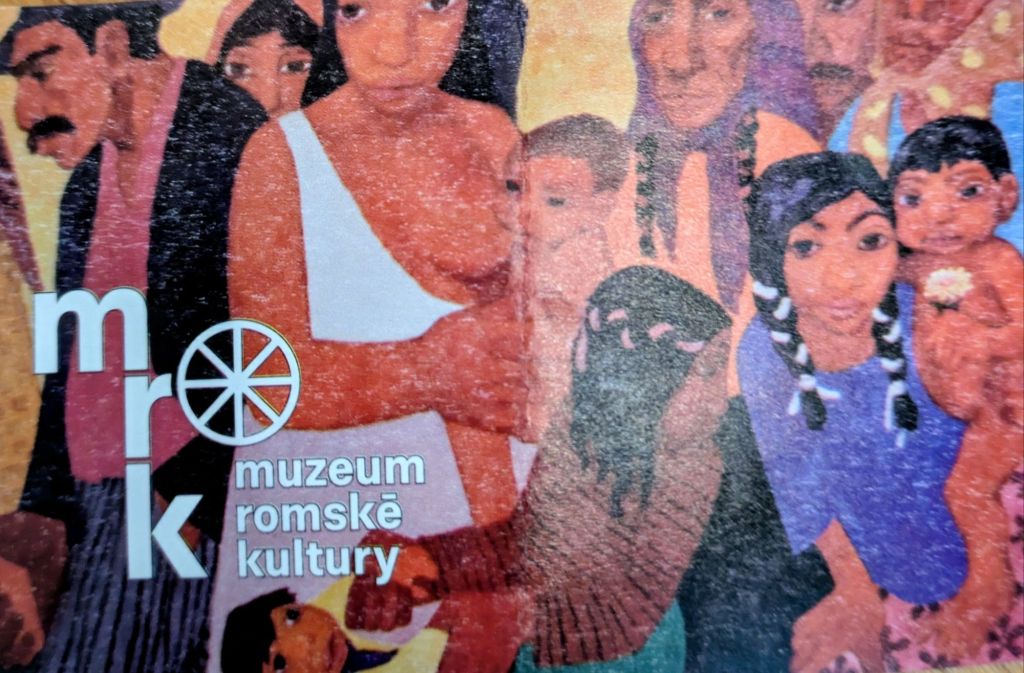
But sometimes it is the unexpected find – the serendipitous stumble that is so precious. A Google search yielded the Museum Romske Kultury as a ‘possible see’ and despite its obscurity in definition it was a treasure to traverse.  Even the desk staff were welcoming, as if they were delighted to have our company. We chose the tour with headphones and hence a narrator with the voice of a stage actor: exquisite. And so we traced the Romani journey from India to the Ottoman Empire and then to all sections of Europe. We learned that the derogatory term ‘gypsy’ was coined when the Roma and Sinta advised European locals in the 15th century that they were persecuted Egyptians, seeking Christian refuge. It worked, for a while.

The rich traditions of the Romani were celebrated in this museum, so too, their social estrangement and persecution (around 500,00 were murdered in just 3 years by the Nazis)- even the Holocaust was gently probed through artefacts and story. It was impossible not to compare the Romani story with displaced groups throughout so many nations’ histories. It was impossible not to be challenged to consider our own Australian first nations people. And it was impossible not to be moved by such hospitality, by people sooo grateful to share a largely unknown history.  It’s not often that one leaves a museum, thanked by staff with such warmth, as if we had paid a favour. Today, the favour was their’s.

Less than 50m from our front door is the entry to a Capuchin monastery and church, the Church of the Discovery of the Holy Cross, beneath it is a crypt. The church was consecrated in 1656 and for the next 100 years or so the bodies of notable parishioners and Capuchin monks were laid to rest in these crypts. Because of some unforeseen and unintentional airflows, these bodies became mummified.

The Capuchins started using the cadavers to teach parishioners about the impermanence of mortal existence – this crypt is still open to the public. Though the original educational aim of those 17th century monks has been diminished, the place felt particularly peaceful. I found my early Anatomy 101 pracs with full body specimens in the UQ lab far more confronting!
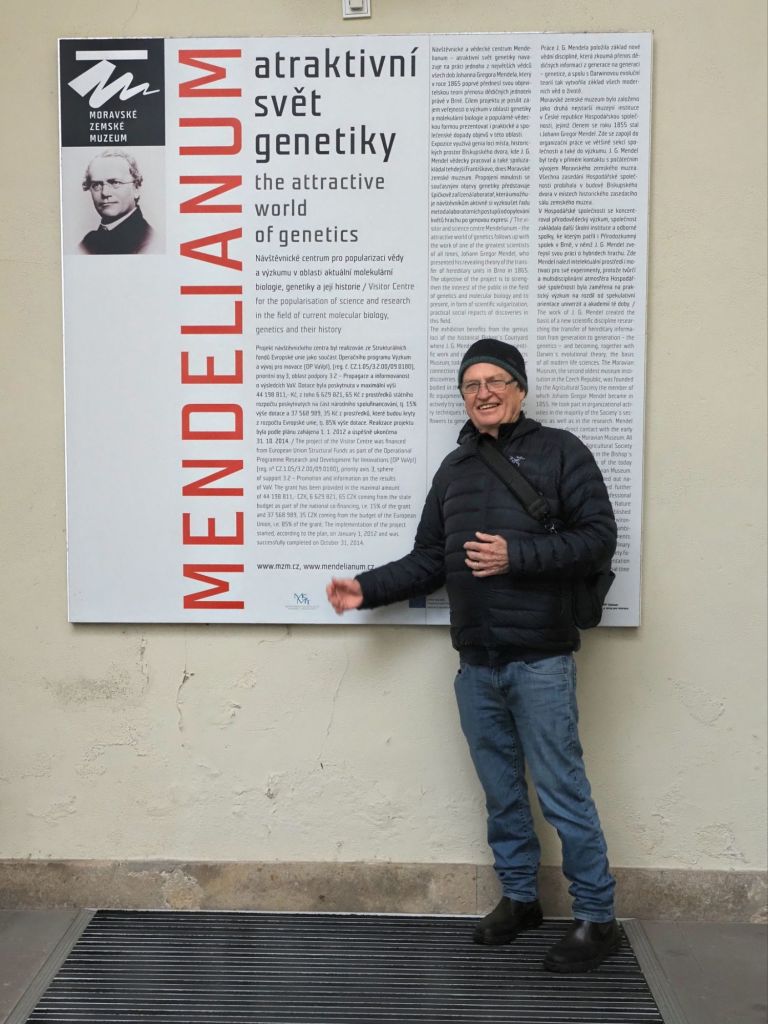
My three regular readers know my deep respect for the contributions of various polymaths and scientists in Western thought. Leonardo Da Vinci, Galileo, Darwin and Newton have all been mentioned in earlier blogs. The museum of one of my science heroes, Gregor Mendel, will also be remembered for some time by this author and his good lady. It was really disappointing.

Mendel lived in Brno for much of his life. He was a physicist, a chemist and a botanist. He was fluent in a range of European languages, however it was his work with acquired characteristics for which he is famous. He used mathematics and reasoning to explain the likelihood of inherited traits being passed to offspring. It was only the work of Watson, Wilkins and Crick in 1962 that provided an explanation of the mechanism of genetics through DNA, work that Mendel sparked more than 100yrs earlier. But the museum assistants did a good job of dampening any enthusiasm we might have had for that slice of history.

The woman in the ticket office sent us away until she finished her bread roll, then let us in 30 minutes later. We were given 2 headphones – neither worked particularly well, and she told us to keep trying. The guide upstairs also had no English but had something interesting happening under a microscope, so she waved us in, then went back to her study. And yes, we were the only visitors to the museum – so we were left on our own to wander, wonder and chuckle. 

My father also greatly enjoyed the learning that went with any museum visit. He would have been really moved by the history of the Romani, particularly in the years of WW2. He would have grilled me, seeking more information about Mendel and genetics 🧬  And he would been far more forgiving of the museum attendants!

But Myrl would not have liked the church visit one bit.  She would have been REALLY, REALLY, concerned that Ted might start thinking  the Rosewood Museum would desperately need a replica Capuchin crypt – under our Waight Street house perhaps?

I hope these poor kids aren’t heading for Mr Mendel’s Museum?

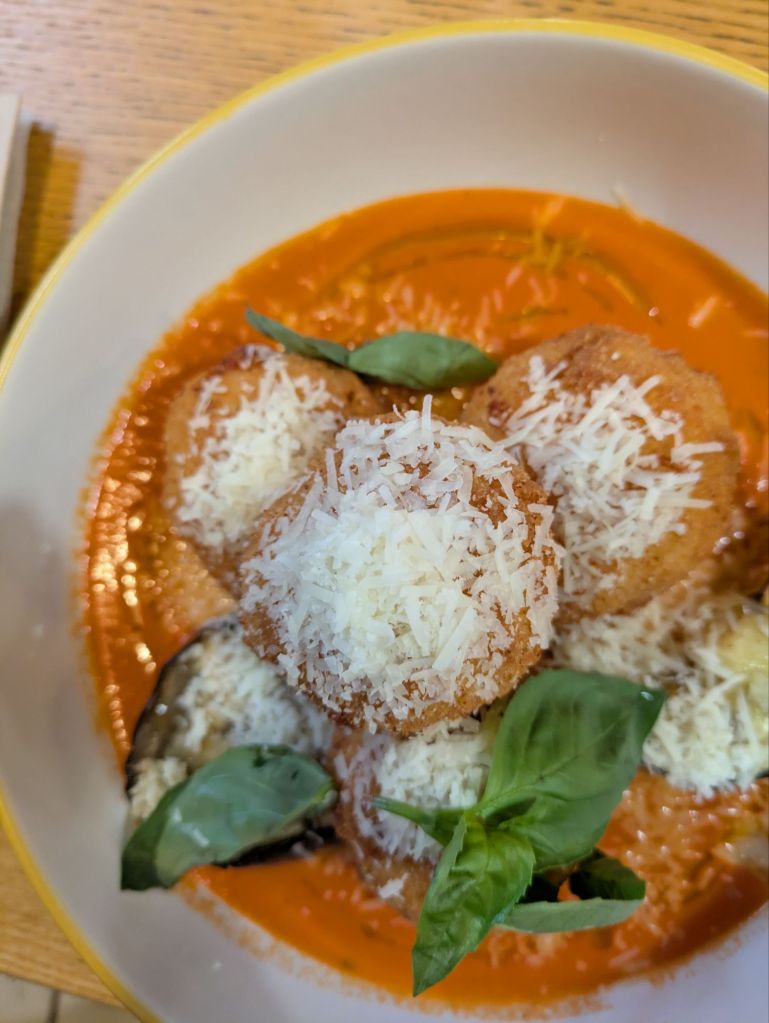
A beautiful lunch!