

Surva, surva godina,
Vesela godina,
Zelen klas na niva,
Chervena yabŭlka v gradina,
Pŭlna kŭshta s koprina,
Zhivo-zdravo dogodina,
Dogodina, do amina.
Surva, Surva year,
Happy year,
Green grass on the field,
Red apple in the castle,
Full kŭshta, with fennel,
Good health
And next year, with the friends
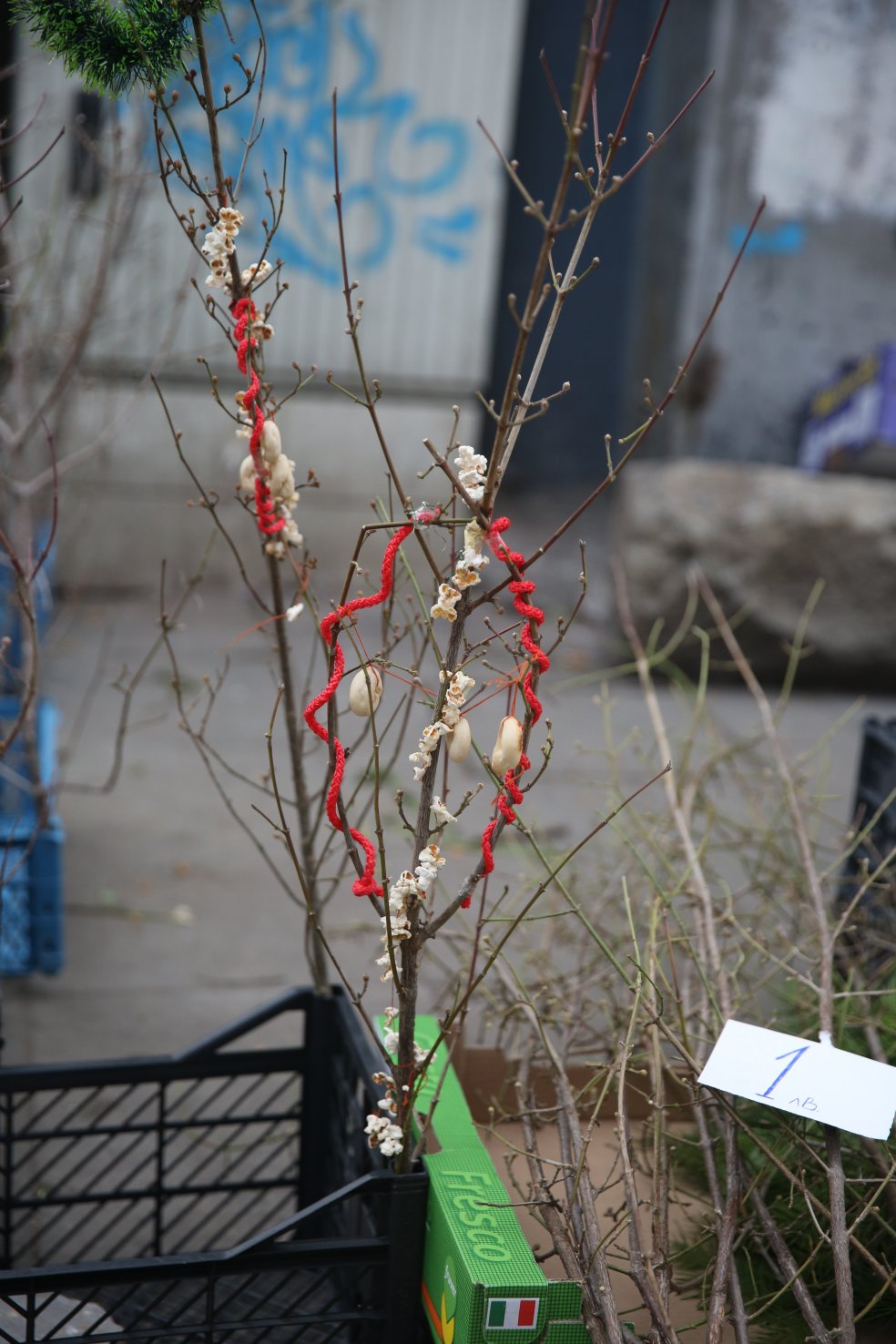
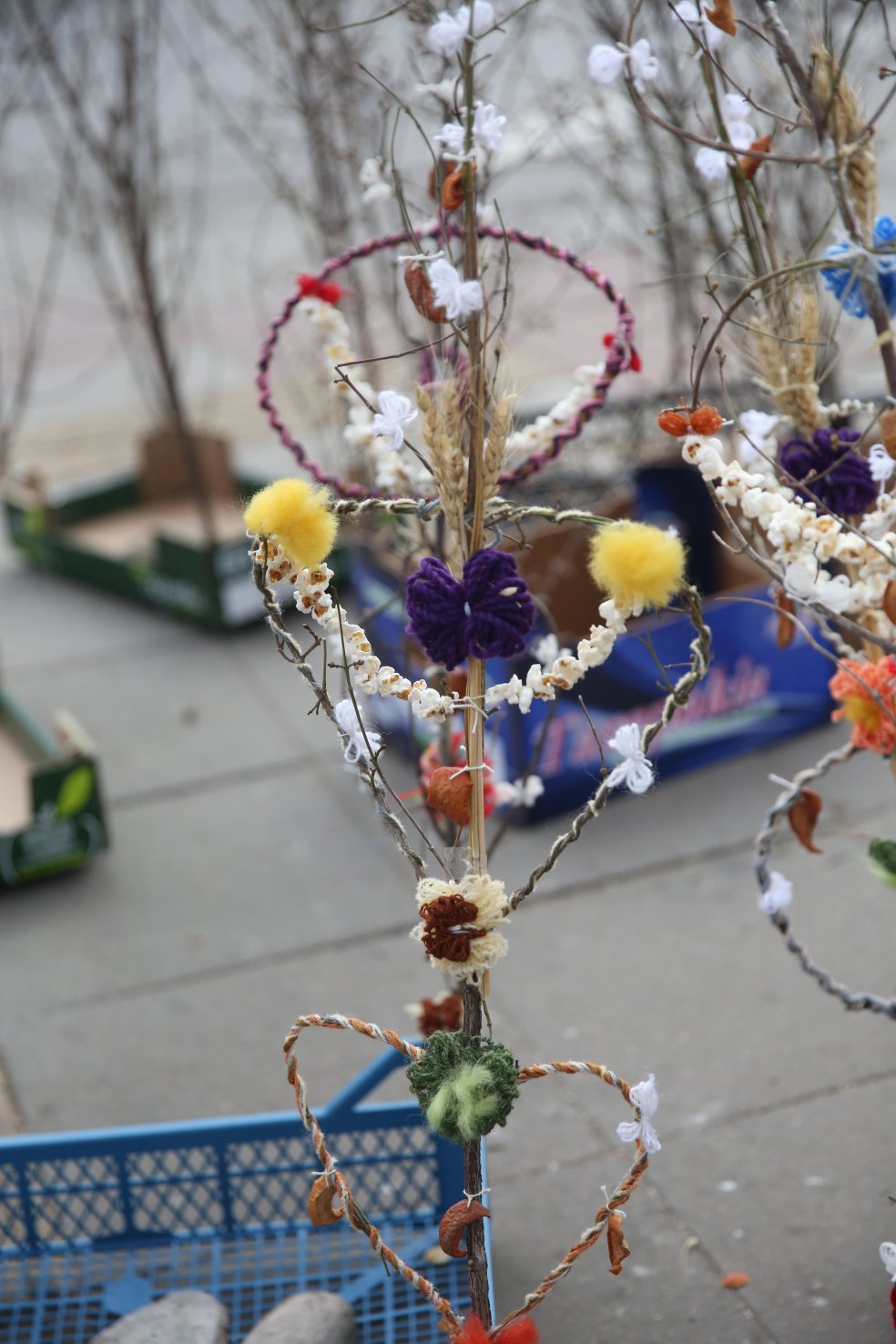
Of the counties in Europe we have been fortunate enough to visit, Bulgaria seems to be the place with the strongest continuing links to its pre-Christian history in its current rituals or practices. The survakane is one such example. These go back to a Thracian practice to see in a new year – we initially thought they were Christmas trees. Survakane are branches of a Bulgarian tree that are brightly decorated with corn, flowers, tinsel, even coins.
Children buy them or make them and will hit an adult with it on the back. The are supposed to recite the poem above, I think as a warning to the adult as well as a wish, and they will be given small coins. Both of us have avoided being hit thus far.
There are also costumes being sold or made for the kukeri – dancers whose job it is to scare away the evil spirits of winter. A town nearby is quite famous for its kukeri festival.. The kukeri dancers only perform at night, perhaps fuelled by another lethal spirit, the homemade raki. Raki and local Bulgarian wines are consumed in large amounts at this time of year and can be bought cheaply from street-side sellers, although I do wonder about quality control when beverages are sold in recycled two litre coke bottles or plastic milk containers.
Both the survakane and the kukeri dancers are thought to be Thracian in their origin (as is wine making) and these words are Indian in origin – hinting at an even earlier linguistic and ceremonial root.
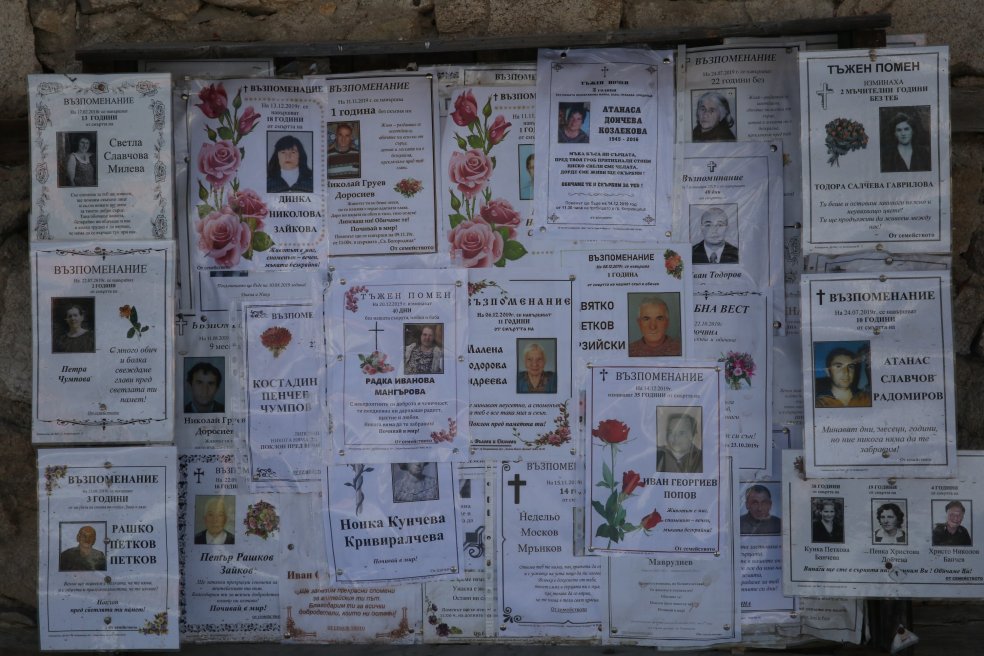
Another thing I’ve seen nowhere else in my travels is the necrolog, a poster with a photo and some words about a deceased friend or relative. These are put up a number of times in the year following a person’s death, and then at the anniversary of their death in following years. They are usually placed close to the person’s home, and can be just a tad creepy for outsiders like your scribe, particularly when coupled with the threat of beaten by a child with a decorated stick, or terrified at night by a drunken dancer in a mask.
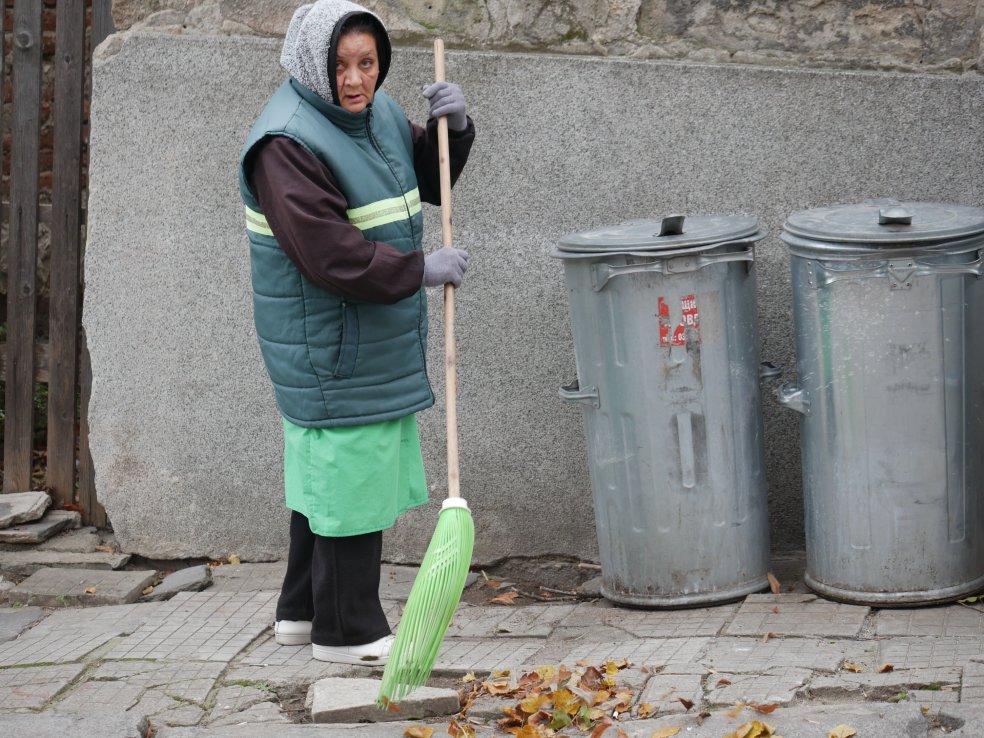
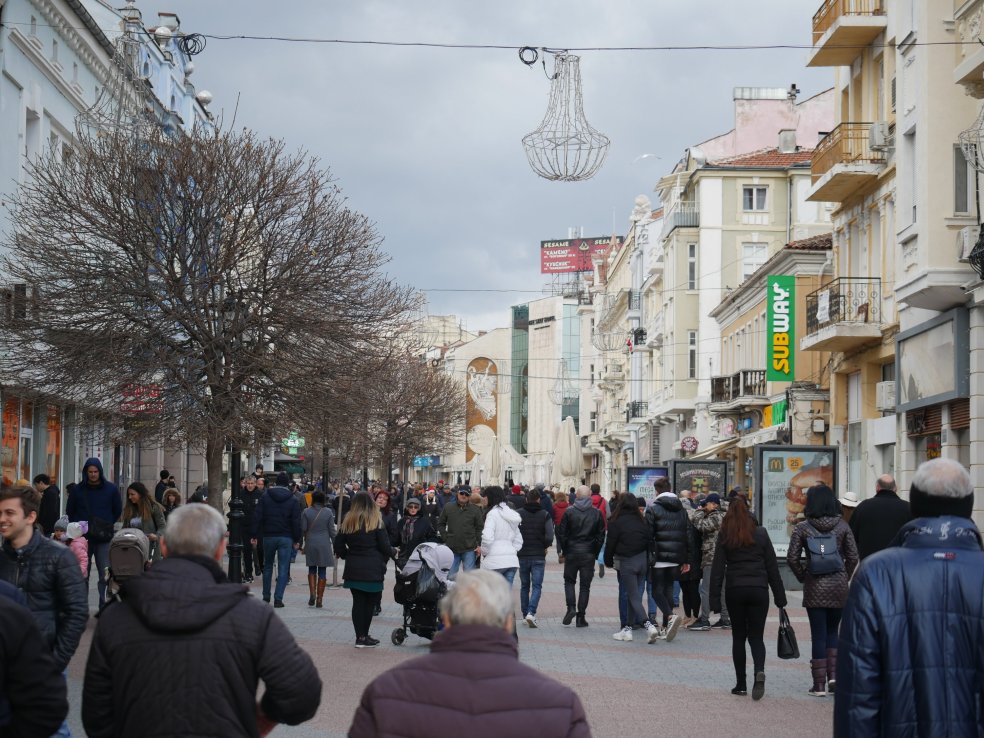
Some of the rituals of Bulgaria are at least familiar. Christmas is celebrated with family, New Years with family or friends. Last night – New Year’s Eve, the streets were filled and there was the offer of free entertainment. There were fireworks being let off all over town, and the young generation in particular seemed to be taking full advantage of the availability of cheap wine, beer and raki. This morning there was a significant amount of trash for the cleanup crew, a significant number of hangovers in evidence, and a significantly slower day.
Made me feel like I was back in Australia for a moment – until that kid tried to hit me with his stick whilst babbling some Bulgarian poem.
Happy New Year to both my readers!





 The Very Excellent Adventures of the Cunnington-Smythes