Sofia, Sinterklaas, and St Nicholas

Today is our last day in Bulgaria – assuming that Thai Airways are not still using a jet that has been patched up with coir matting, sisal string, and prayers. We spent some time farewelling Mitch and Grace before having a last wander around Sofia.

Every day that we have been in this city we have walked along a road that was built by the Romans in 125 AD. It is on the way to our coffee shop and the main produce market – the Ladies Market. No Farquar, I didn’t forget the apostrophe. It wasn’t a market where ladies shopped, rather a market where ladies were bought and sold. It is in a part of the world that St Nicholas frequented and performed some of his miraculous deeds.

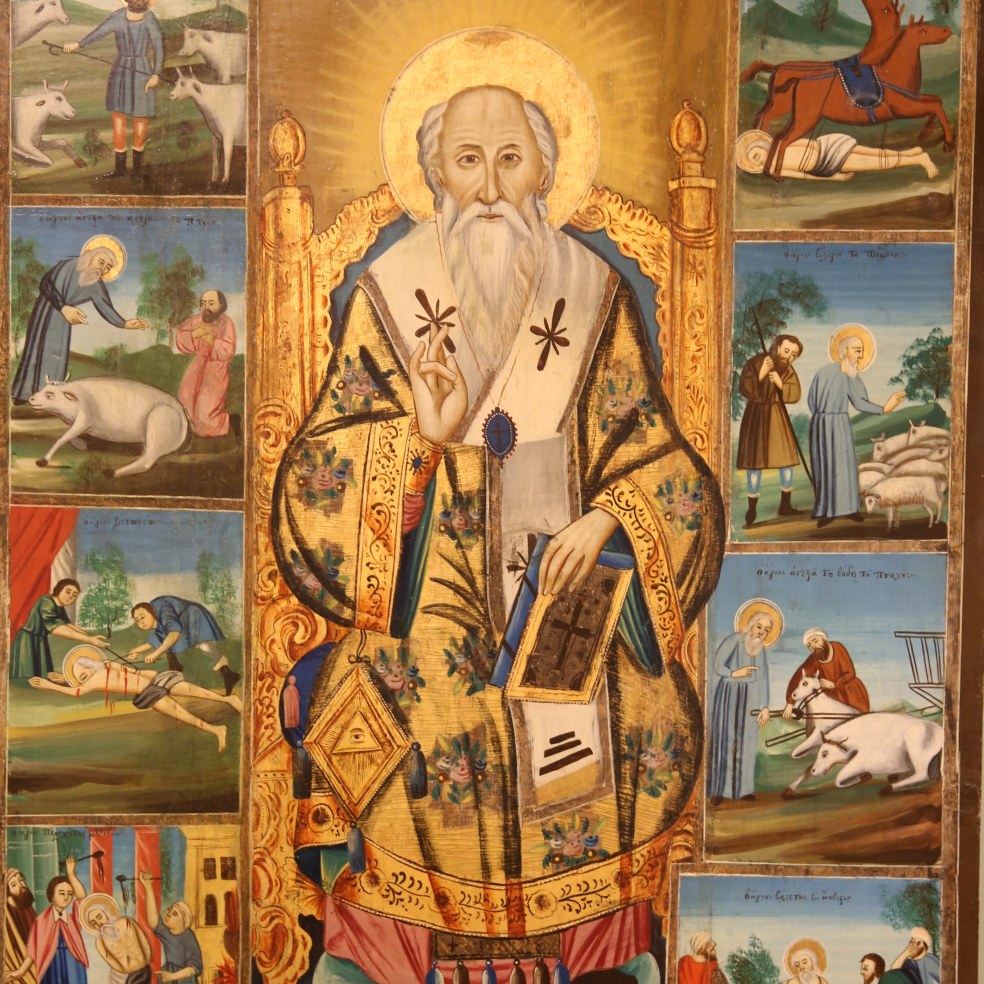
St Nick was Greek, born in what is now Turkey, and spent time in Sofia. The UNESCO chapel we saw recently is named after him. He became famous for giving (not so) anonymous gifts to children – for girls valuable items for their dowry, and for boys tools to be used in a trade. The meant that girls could be married, rather than sold into prostitution at the Ladies Market, and boys could start a job rather than becoming thieves. St Nicholas became the patron saint of children, thieves, prostitutes, fishermen and Boxing Day Sales.

He came to us in the west via the Dutch, where he was called Sinterklaas (Saint Nick). Somehow, he became the deliverer of X Boxes and excess, rather than the deliverer of children from bondage and poverty.

We have been fortunate to have experienced this time of year in a number of different countries, including one where Christmas didn’t figure (Bosnia Herzegovina) , others where Santa doesn’t get a look in (Poland, Italy) but often where Christmas is still more about family than feasting, more about gratitude than gifts. Bulgaria still has links to its Thracian past, and is definitely family focussed at this time of year, as are we. Especially today.

This morning we farewelled Mitch and Grace – they are off to Viernheim to sample Weber breakfasts for a few days before setting up in Glasgow for x years (probably two) This morning we heard from Nat, who, in typical Natalie fasion, decided to have some dental work done in India – hopefully it will be more appealing than the hair dressing work done in Colombia! And we leave tonight to head back to family and friends in Australia.

Provided the work done in Bali on the fuel pump of our plane holds together that is…

Better let you go Farquar, I think they’re trying to push-start our plane.

Farley C-S
The Eye Has It

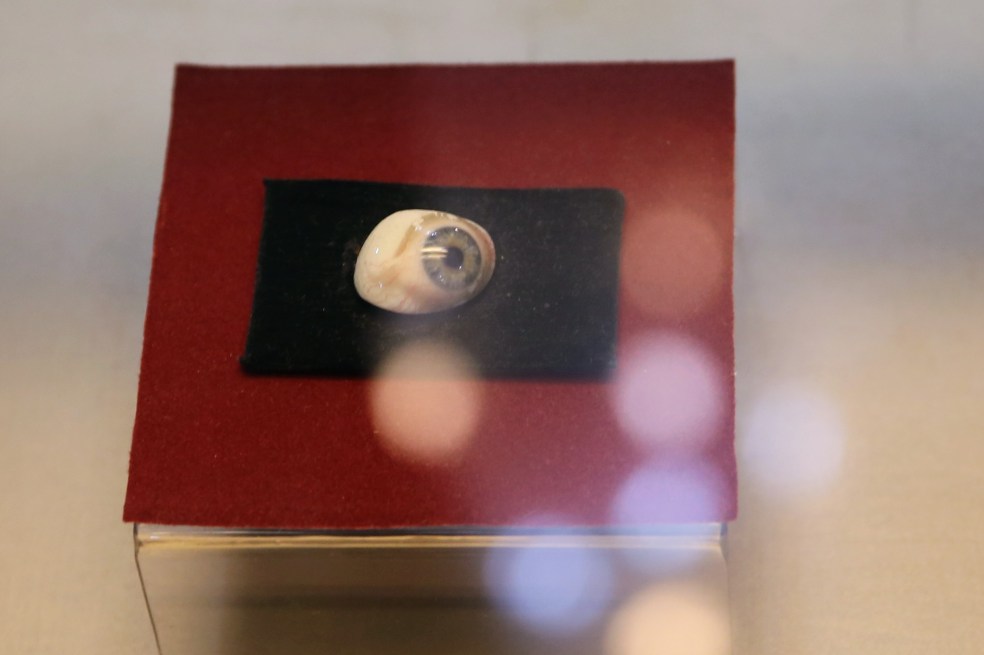
In a museum is the glass eye of one of their citizens who was killed in the 1924 uprising – nothing else. I’m not some sort of eye expert, but it is just a bit weird.

Straight to the ugly album!

Bulgaria the Vincible – and Ballet


From my, albeit limited, reading of Bulgarian history it is a county prone to invasions and defeats. Even as allies they often picked the losing side. They did have two wins in the last 200 years of regular wars, one against the Serbs and another against the Turks. But generally it has been 2000 years of slim pickings for those wanting to organise victory parades for Bugarian armies.
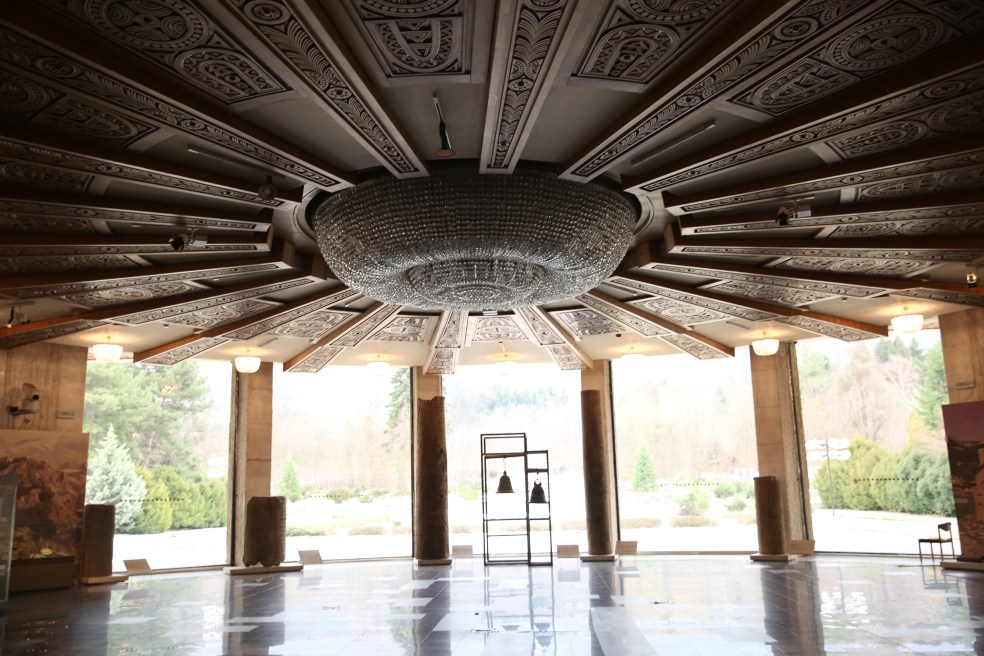
Today we visited the National History Museum which is housed in a magnificent building that was once the Communist Party headquarters. It does have a whole floor dedicated to the smashing Bulgarian wins against the Turks and the Serbs, but the rest of it is dedicted to the history of Bulgarians living with invaders – Macedonians, Romans, Huns, etc, etc, etc. The most interesting displays for me, however, were those from the 5th century BC until about the year 0, when occupation of this place by foreigners started in earnest.
The earliest copper tools ever found were made around here – in other words today I saw some of the first metals made by humans. Today I saw some of the oldest pieces of gold adornments ever made by humans, and some of the oldest bronze tools made by humans. Some of the tools would have been used for digging soil – there is some anthropological evidence and arguments that the first crop planted for human consumption was artichokes not wheat, and in the Balkans not Mesopotamia. It’s just that wheat is far more productive and so allowed civilizations to develop. And not everyone likes artichokes.
The ticket also included entrance to a 10th century UNESCO listed site, the Boyana Church. Visitors are only allowed 10 minutes inside because of the risk of damage caused by humidity. Again a wonderful experience for someone who, until his teenage years, had never seen anything older than his Evans relatives. Or more cultural than the Rosewood State School concert in Grade 6.
That concert did not include ballet – the thought of Piggy Franklin in ballet pumps is a little disturbing frankly, but yesterday Dr C-S and I saw the Bulgarian Ballet perform The Nutcracker. I don’t care one bit that half the audience was under the age of 10, the experience was wonderful. Bulgaria is a poor country, and at interval most people bought out a plastic bag with sandwiches or snacks. (At least the Rosewood State School P & C put on free tea, coffee and cupcakes – much classier) It is still hard scrabble for most Bulgarians, mainly because of upper level corruption, but I can’t remember ever sitting in a more captivated or appreciative audience, which made it even more special for both of us!
We are starting to think of farewells – to Mitch, Grace and Bulgaria, we continue to think of all those affected by fires, but we are also determined to make the most of our last days here. In fact, if I found out that Piggy Franklin was making his debut in a ballet choreographed by Miss Moneypenny, you know what? I might even be tempted to stay on for a bit.
Farley


The 12th century artist had his brother and his nephew sit for him. That’s why Mary has a beard and Jesus looks 8 years old

Sav, the Thracian god of sausage making.

5th Century BC. Exquisite!

A worshipper of Sav, and the Thracian Sausage


Driver, take us to Veliko Tarnovo!

We decided that, instead of heading straight back to Sofia, we would spend a night in Veliko Tarnovo, a town that was Bulgaria’s capital in the Middle Ages. This would require a four hour bus trip north through the mountains and to a city that sits overlooking the Danube plain.

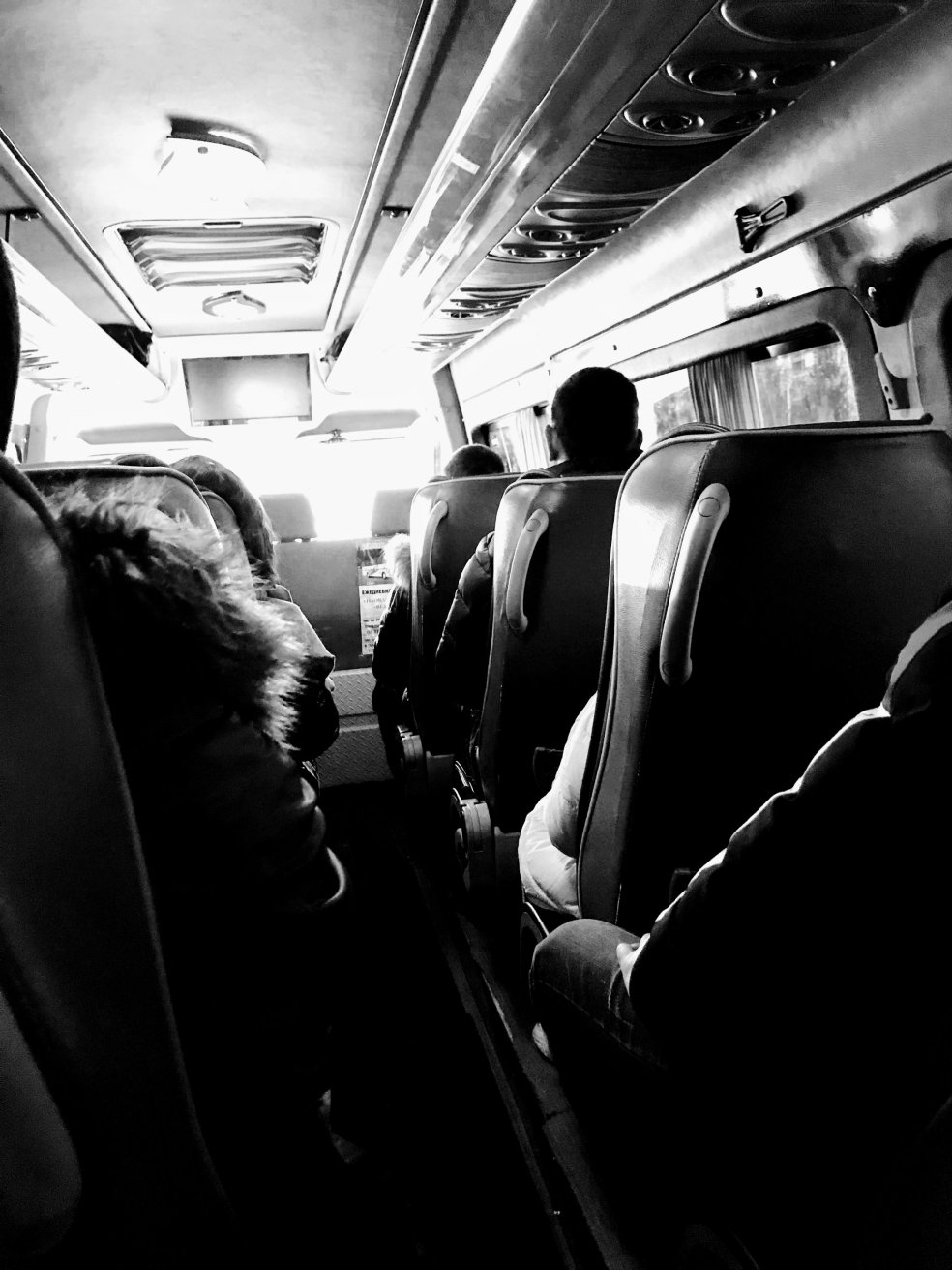
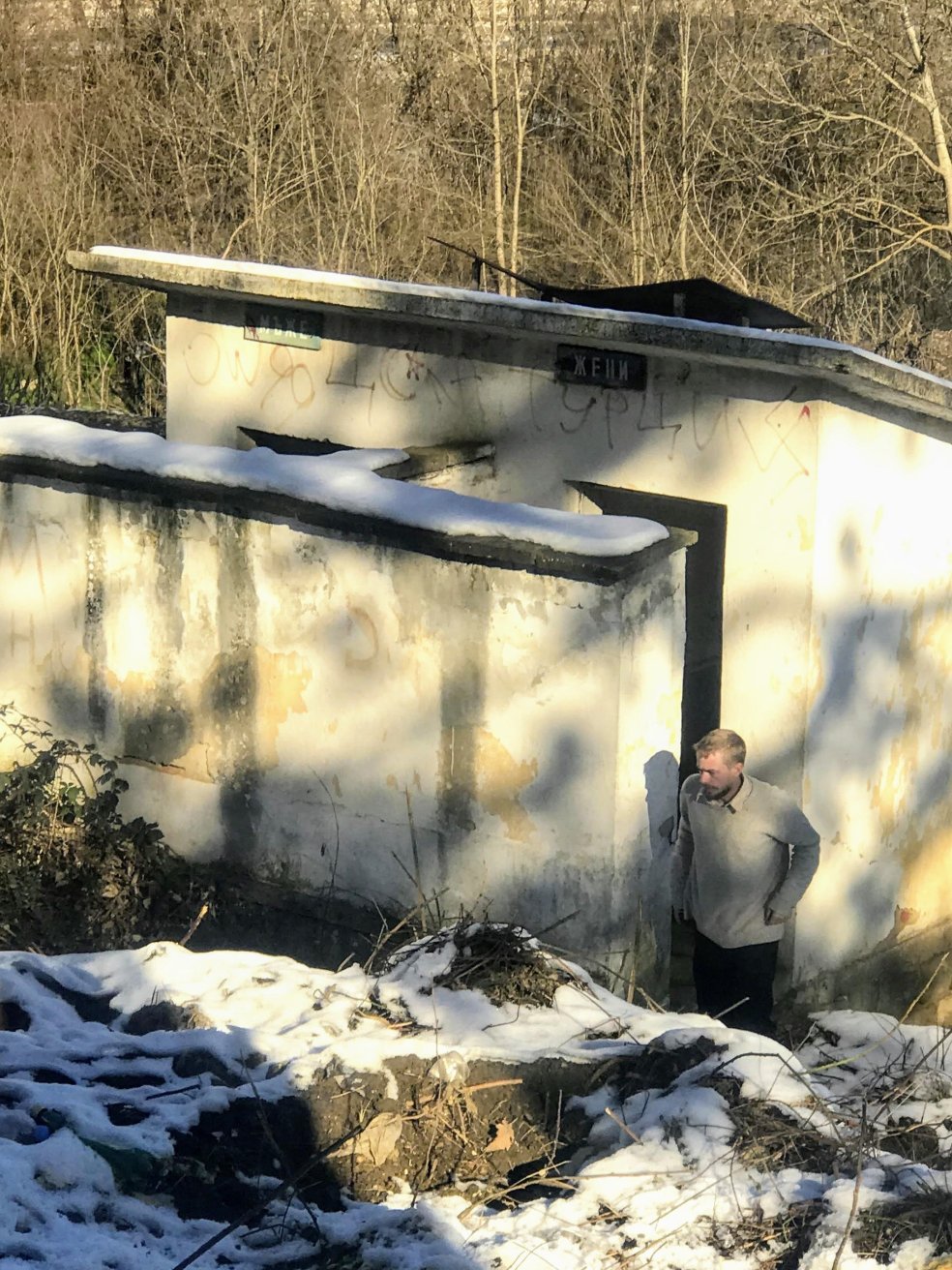
The phrases ‘Female Bulgarian bus driver,’ and ‘Faded Russian beauty’ possibly conjure up a particularly vivid image for both my readers. The bus driver was actually a wonderful and vibrant woman and couldn’t have been more helpful – the bus, however, was a Russian whose beauty had faded in the 1970’s and she has fallen further since. One highlight of the journey was seeing Mitch make an emergency visit to a Bulgarian roadside toilet, the locals on board knew better (they all looked knowingly at one another and stayed put). He has of course had extensive practice with similar amenities on his travels through India. At least he made it to the toilet and at least we made it to Tarnovo!

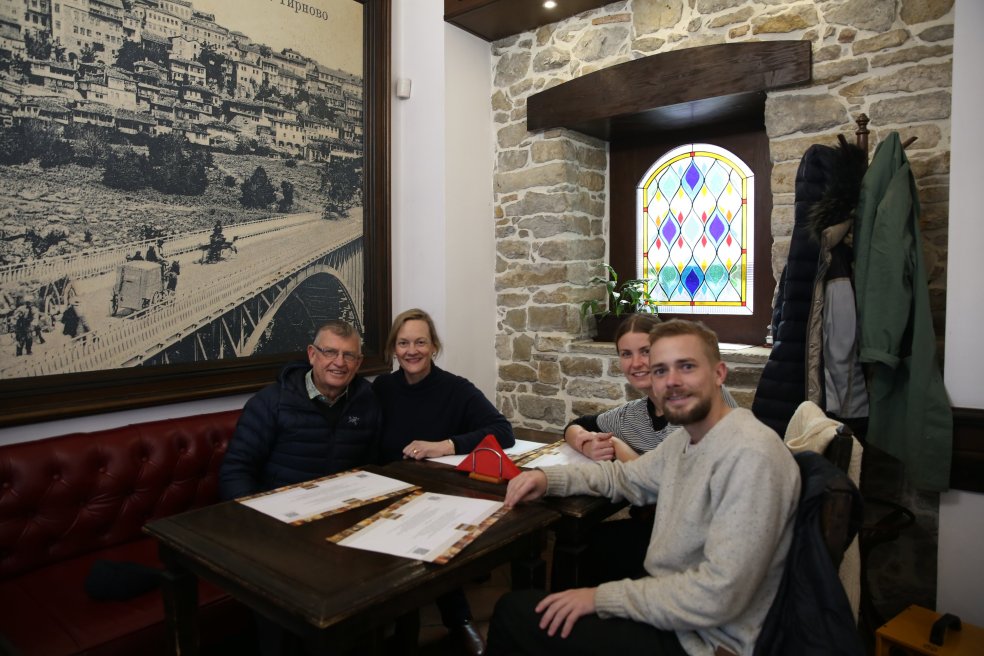
The town itself is certainly striking, and we had two of the best meals of the journey so far. But Tarnovo seemed to be a little like ‘Ye Olde Sydney Town’ in the Balkans. There were some timeless scenes, an elderly copper worker making pots and pans for locals, rather than trinkets for tourists – a scene that immediately elicited memories of Sarajevo. The city itself is a beautiful one to wander around, but we never really got a feel for the place – perhaps our stay was too brief? The bus trip was the consolation, and sometimes detours are worth it just for the journey itself.

The meals? Both places specialising in Bugarian cuisine, simple fresh ingredients perfectly cooked and beautifully presented. Complemented by wines from the Danube plain.

It also happened to be the 39th anniversary of our wedding so it was a good one to spend with part of our family and to celebrate with fine food. Plus it was a day spent doing something we both love doing together, – wandering and wondering.

Even if somtimes we were wondering if the bus was going to make it over the next snow-covered range….

Farley

Homer Simpson of the Bulgarian central mountain range.

Survakane, Necrologs and Kukeri

Surva, surva godina,
Vesela godina,
Zelen klas na niva,
Chervena yabŭlka v gradina,
Pŭlna kŭshta s koprina,
Zhivo-zdravo dogodina,
Dogodina, do amina.

Surva, Surva year,
Happy year,
Green grass on the field,
Red apple in the castle,
Full kŭshta, with fennel,
Good health
And next year, with the friends

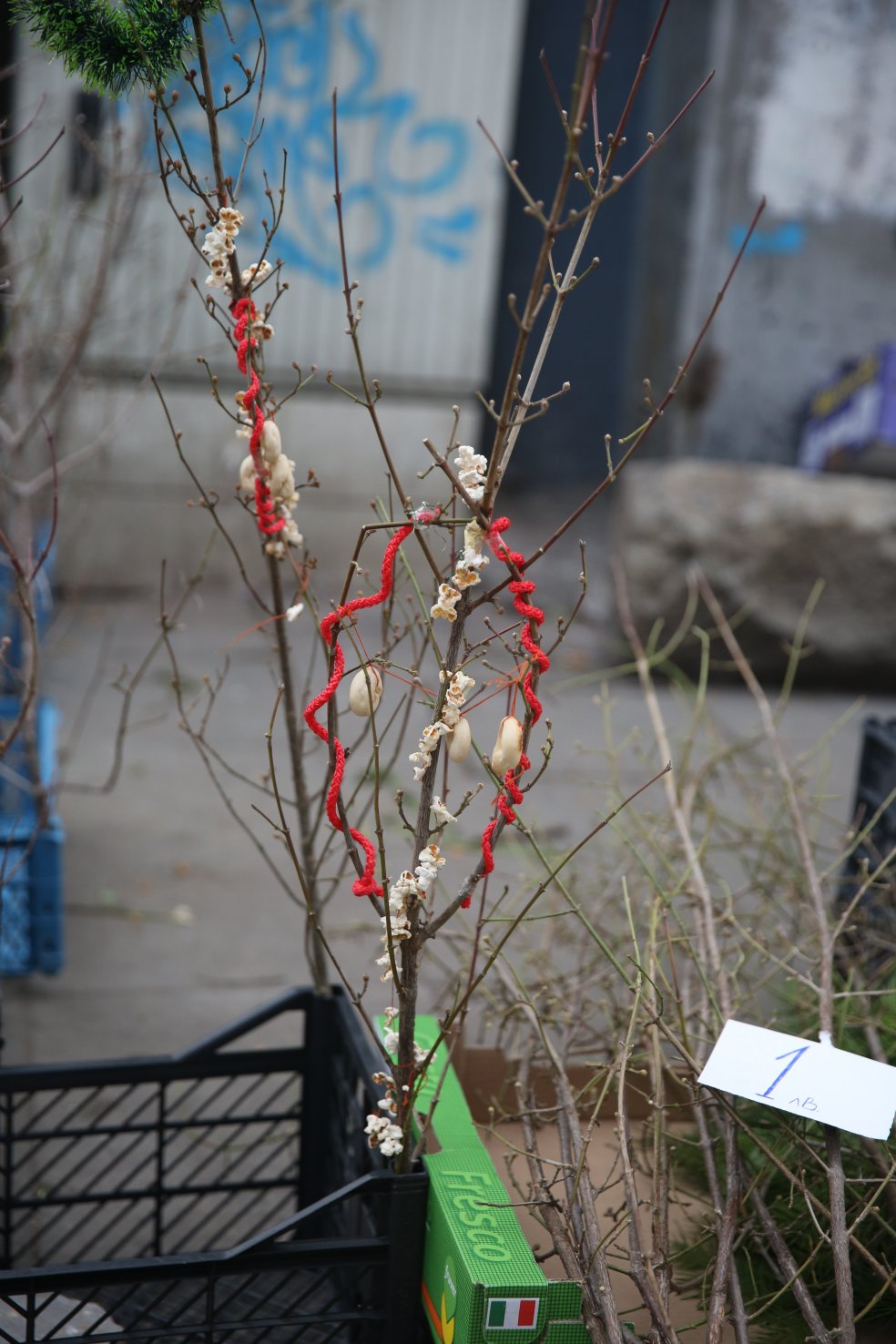
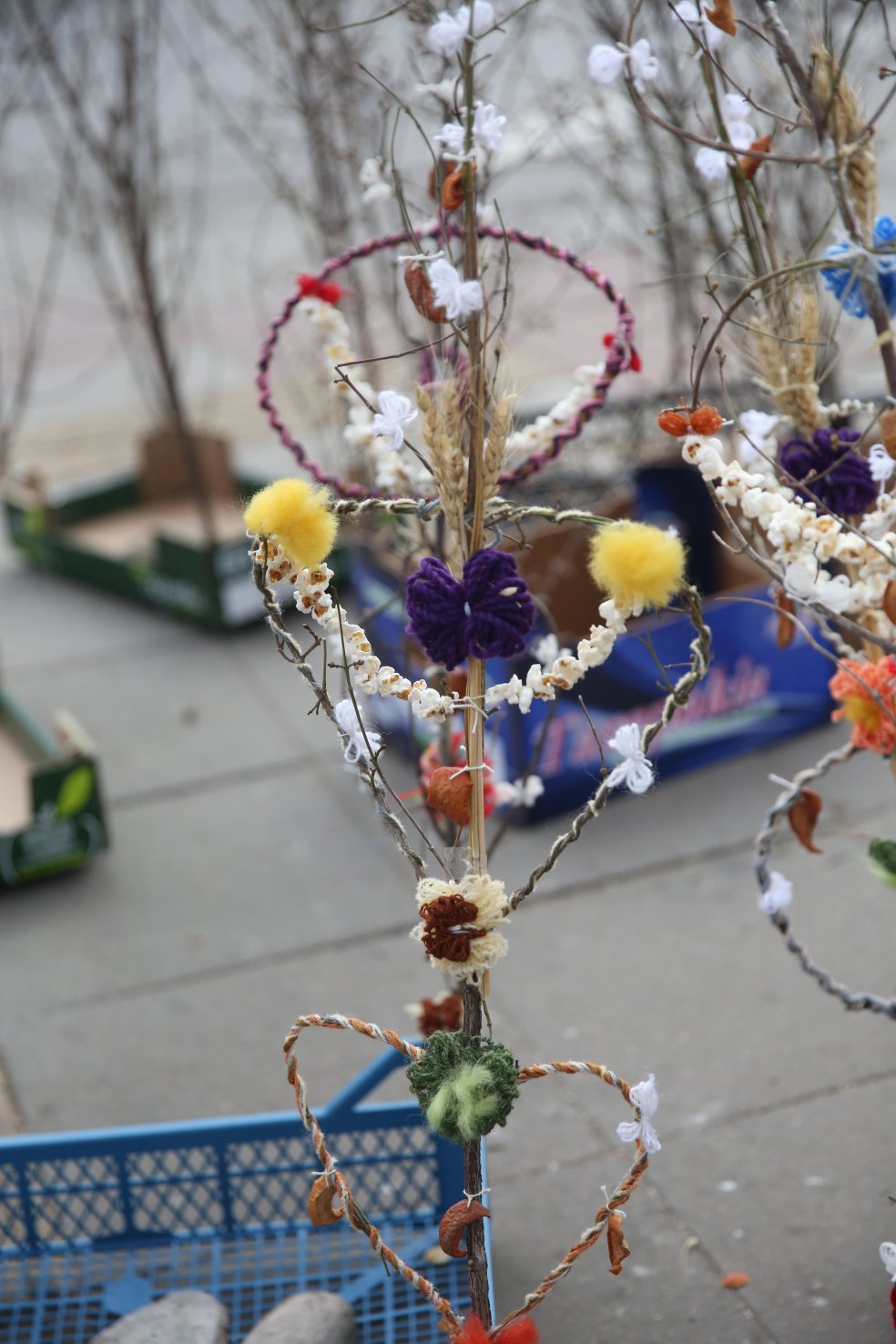
Of the counties in Europe we have been fortunate enough to visit, Bulgaria seems to be the place with the strongest continuing links to its pre-Christian history in its current rituals or practices. The survakane is one such example. These go back to a Thracian practice to see in a new year – we initially thought they were Christmas trees. Survakane are branches of a Bulgarian tree that are brightly decorated with corn, flowers, tinsel, even coins.

Children buy them or make them and will hit an adult with it on the back. The are supposed to recite the poem above, I think as a warning to the adult as well as a wish, and they will be given small coins. Both of us have avoided being hit thus far.

There are also costumes being sold or made for the kukeri – dancers whose job it is to scare away the evil spirits of winter. A town nearby is quite famous for its kukeri festival.. The kukeri dancers only perform at night, perhaps fuelled by another lethal spirit, the homemade raki. Raki and local Bulgarian wines are consumed in large amounts at this time of year and can be bought cheaply from street-side sellers, although I do wonder about quality control when beverages are sold in recycled two litre coke bottles or plastic milk containers.

Both the survakane and the kukeri dancers are thought to be Thracian in their origin (as is wine making) and these words are Indian in origin – hinting at an even earlier linguistic and ceremonial root.

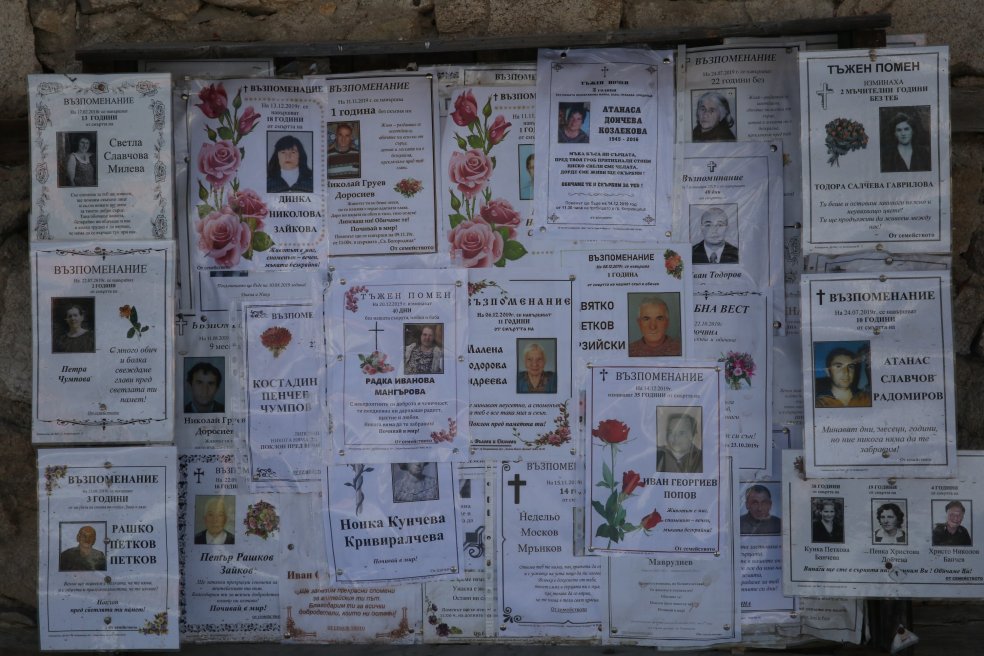
Another thing I’ve seen nowhere else in my travels is the necrolog, a poster with a photo and some words about a deceased friend or relative. These are put up a number of times in the year following a person’s death, and then at the anniversary of their death in following years. They are usually placed close to the person’s home, and can be just a tad creepy for outsiders like your scribe, particularly when coupled with the threat of beaten by a child with a decorated stick, or terrified at night by a drunken dancer in a mask.

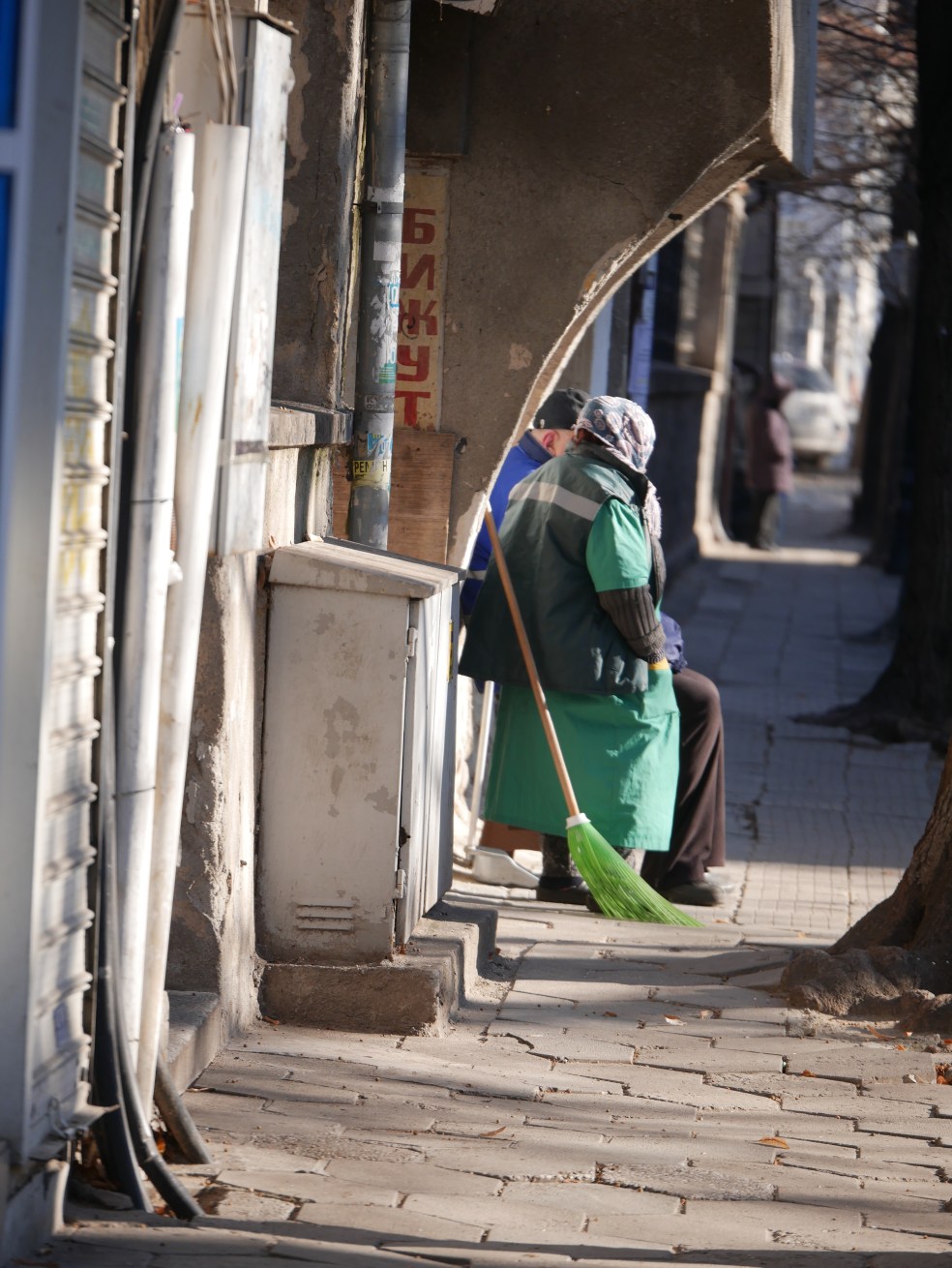
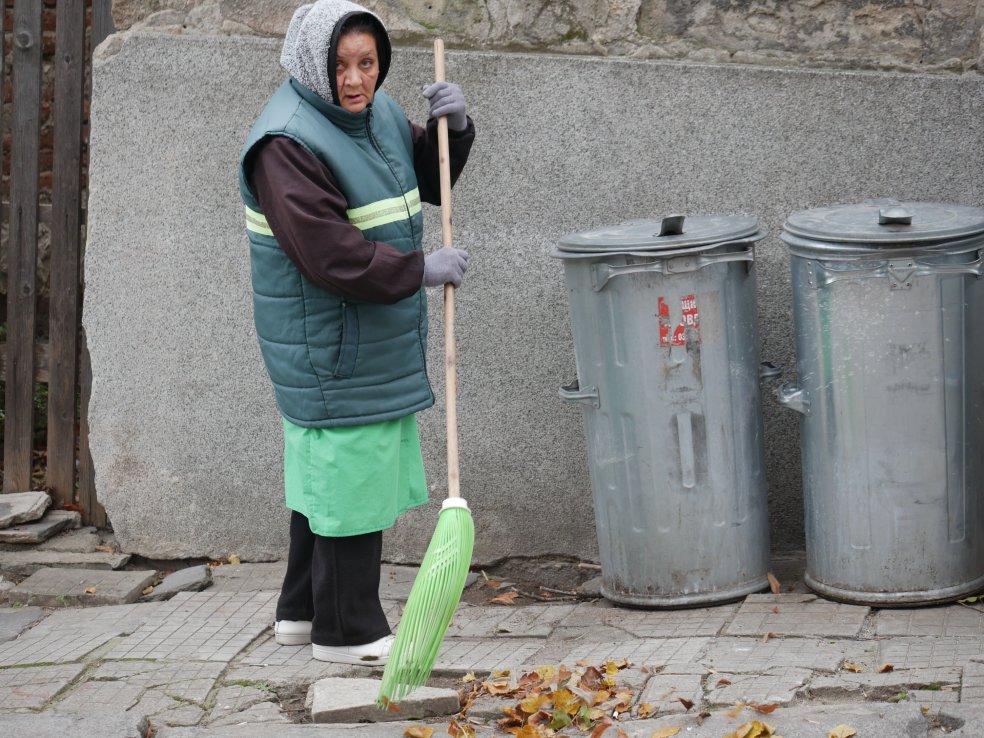
Some of the rituals of Bulgaria are at least familiar. Christmas is celebrated with family, New Years with family or friends. Last night – New Year’s Eve, the streets were filled and there was the offer of free entertainment. There were fireworks being let off all over town, and the young generation in particular seemed to be taking full advantage of the availability of cheap wine, beer and raki. This morning there was a significant amount of trash for the cleanup crew, a significant number of hangovers in evidence, and a significantly slower day.

Made me feel like I was back in Australia for a moment – until that kid tried to hit me with his stick whilst babbling some Bulgarian poem.

Happy New Year to both my readers!