Driver, take us to Koprivshtitsa!

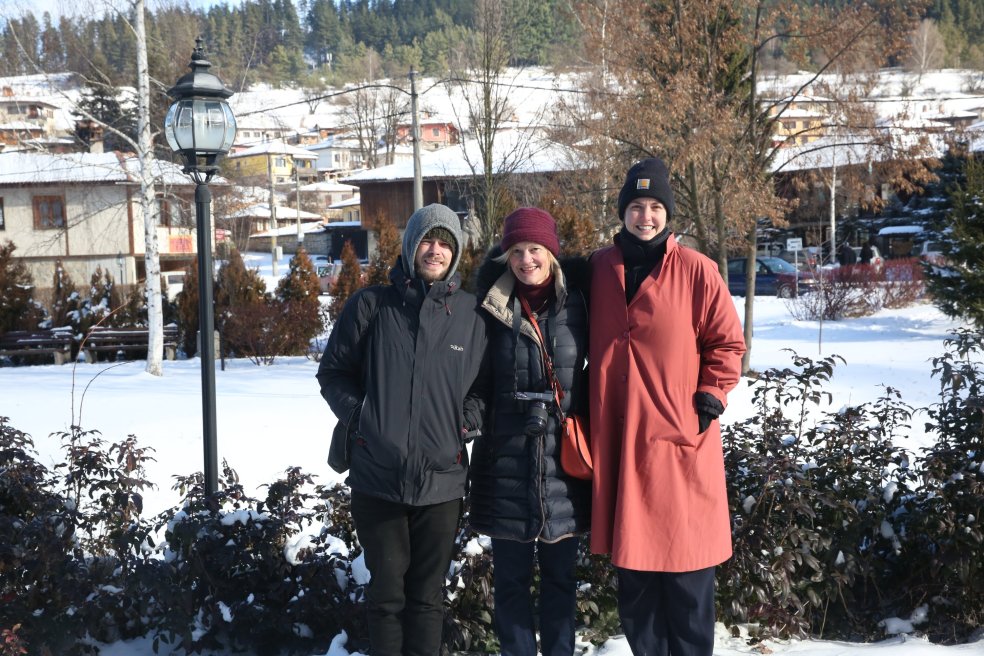
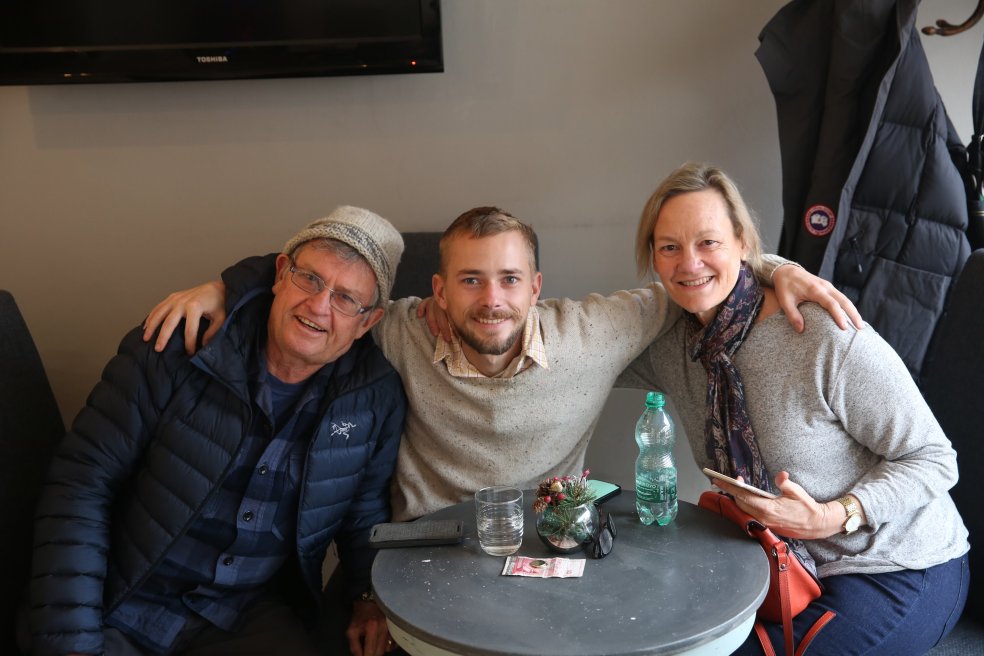
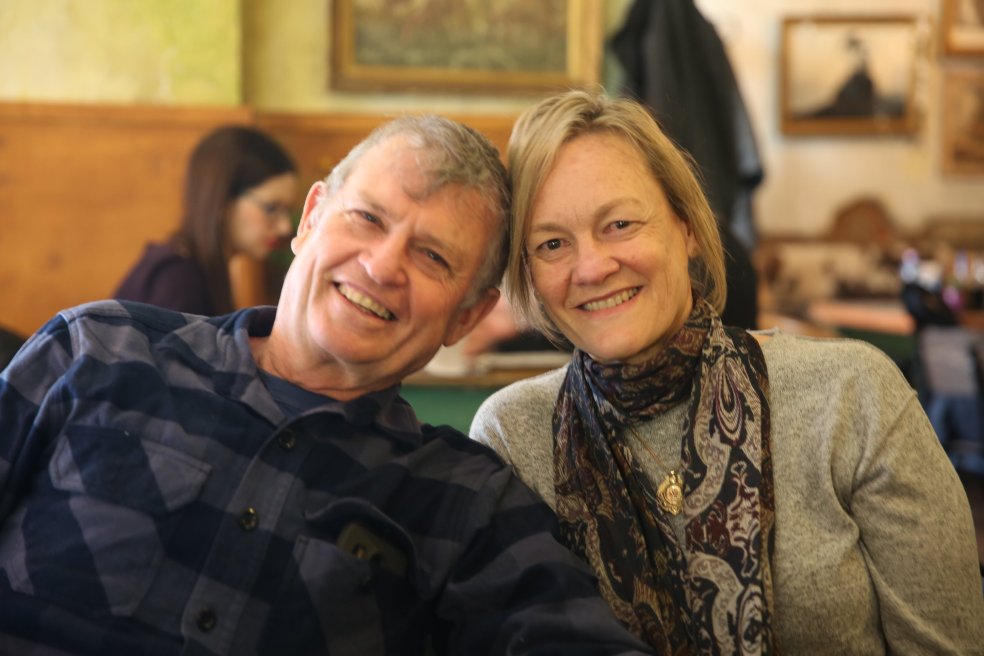
I reckon just about nobody you ever speak to will have heard of a town called Koprivshtitsa. That is unless you talk to a local Bulgarian – or one of the four of us who went there today with Yuri our driver.

However, it is a town that is celebrated by all Bulgarians, as it was here that the Bulgarian uprising against the Ottoman Turks started in April 1876. Bulgaria eventually achieved independence, but not in 1876. The Ottomans were particularly brutal in their suppression of the rebels, and the Bulgarians were particularly underprepared. Courageous yes, but their report card would definitely say ‘Not yet competent’.

The rebels only had one cannon, and it was made from cherry wood! The Turks had already been forewarned by members of the Bulgarian Revolutionary Committee, and none of the major towns in Bulgaria wanted to join in. Hardly the right time to take on the entire Ottoman Empire in a war for independence.

The widespread massacres that resulted from the suppression, however, led to a shift of opinion in the major powers of Europe. (More than 50,000 Bulgarians were slaughtered in the Ottoman reprisals – many being horribly tortured before being killed). It was probably British political pressure that had the greatest influence on the Turks, not the threat by the few surviving rebels to make another cannon out of wood. Just saying.

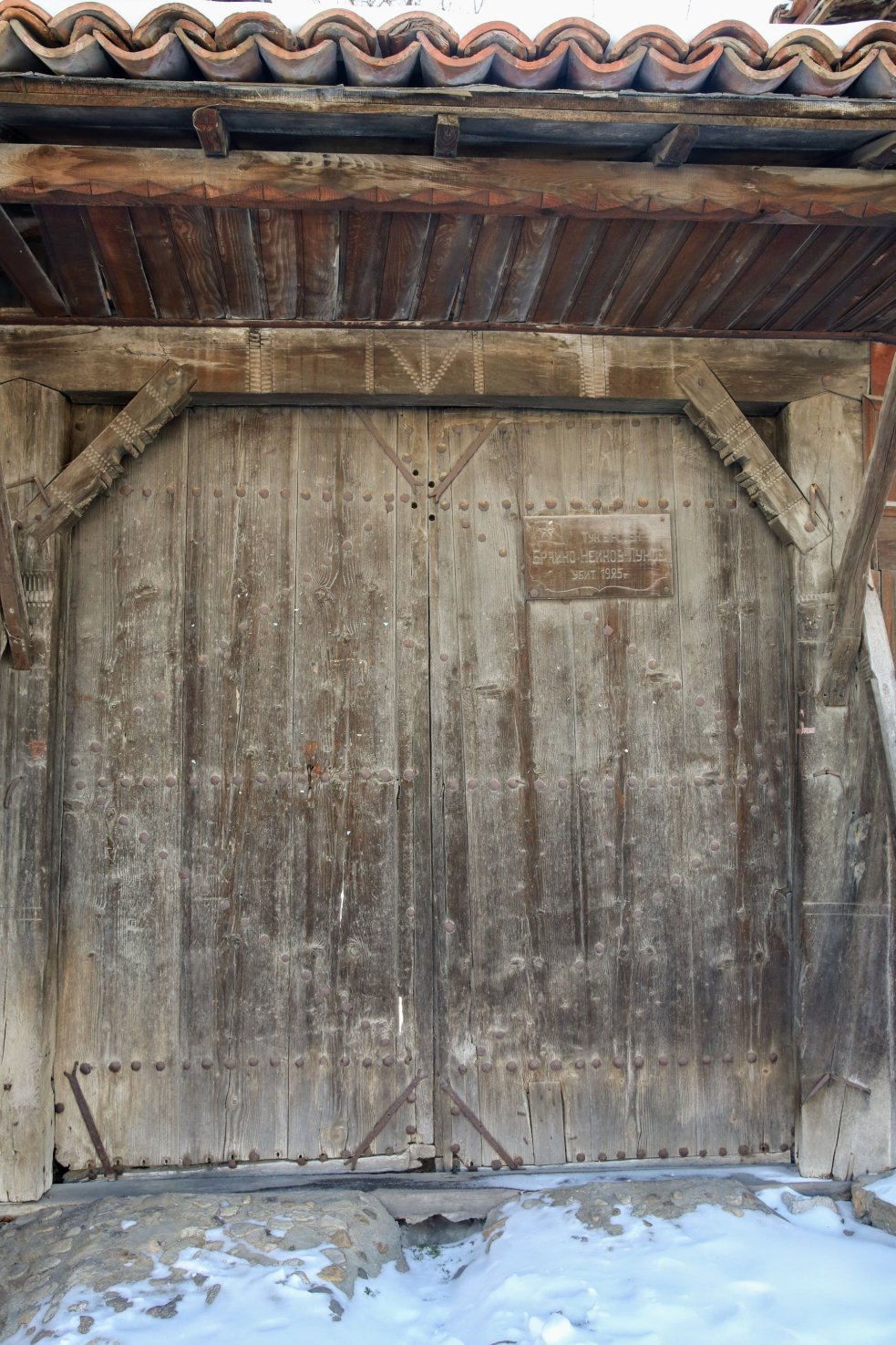
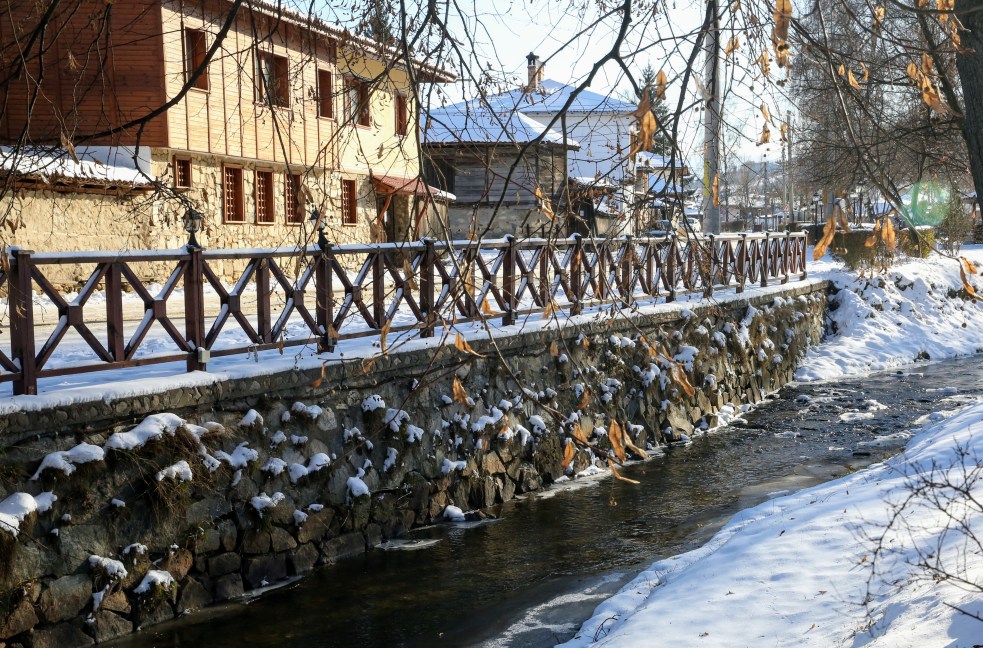
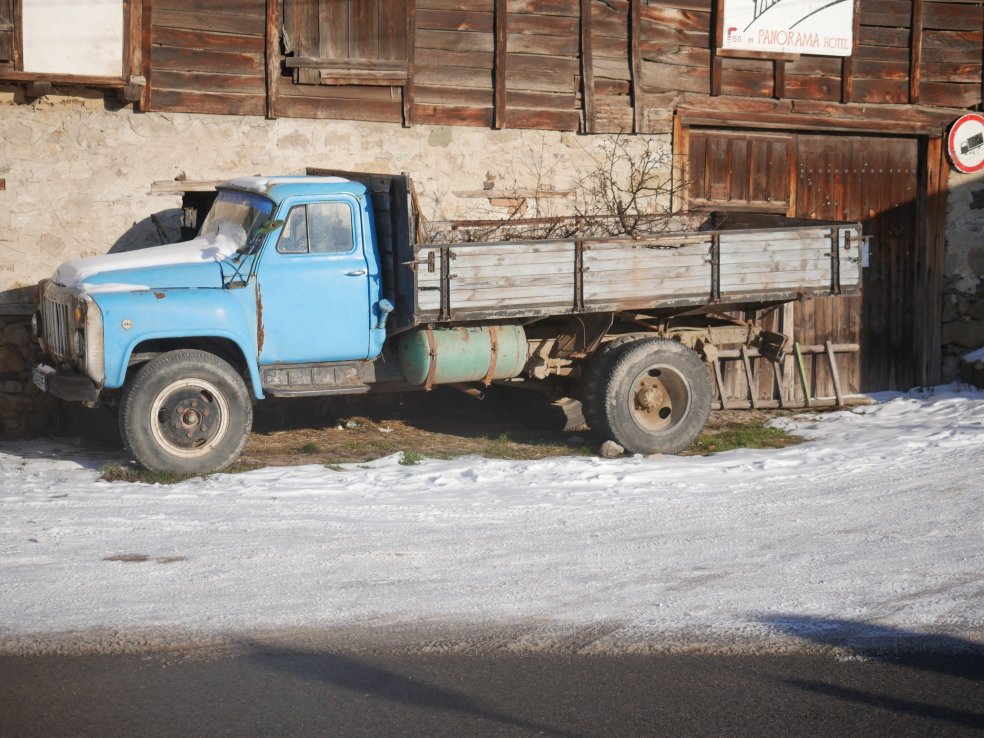
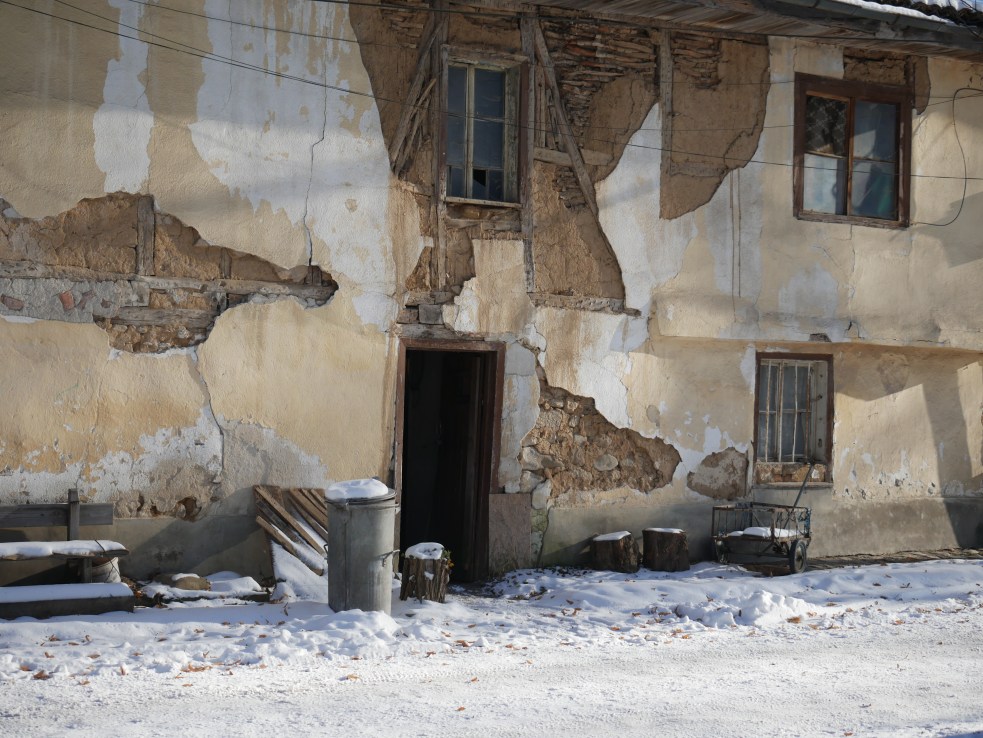
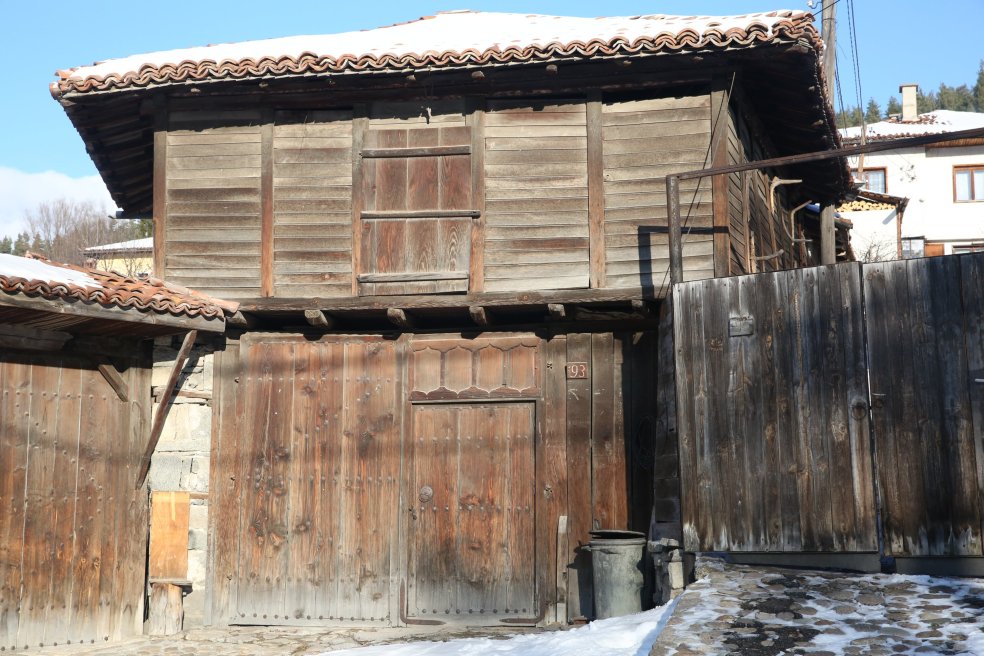
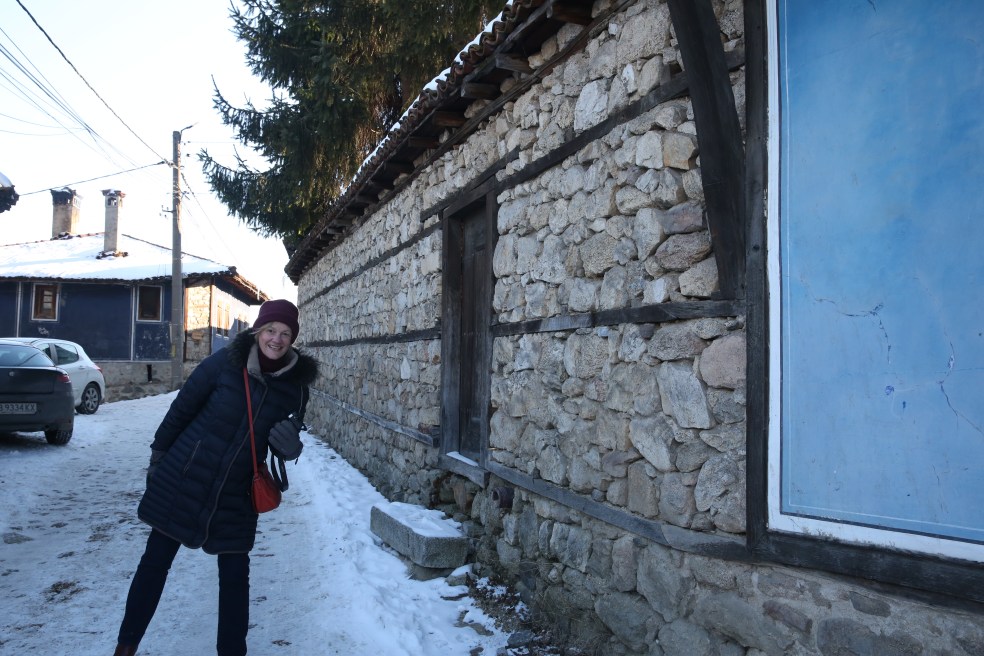
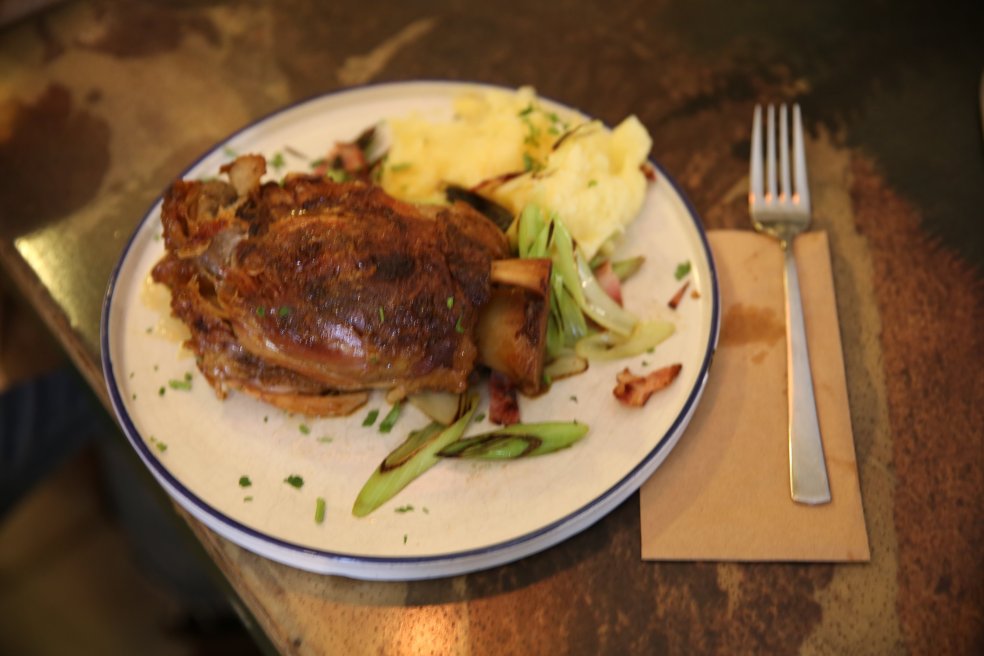
The small town of Koprivshtitsa itself is stunning. It is high up in Bulgaria’s central mountain range, and today had the bluest of blue skies and it was covered in snow. Many of the buildings are classical Bulgarian Revivalist Style – timber with an arched entrance. We dined at the one restaurant that seemed to be open, and I gladly partook in a gluttonous pork fest whilst my vegetarian companions nibbled at their baked cheeses and sipped their mushroom soups. The local wine and brandies complemented the meal perfectly.

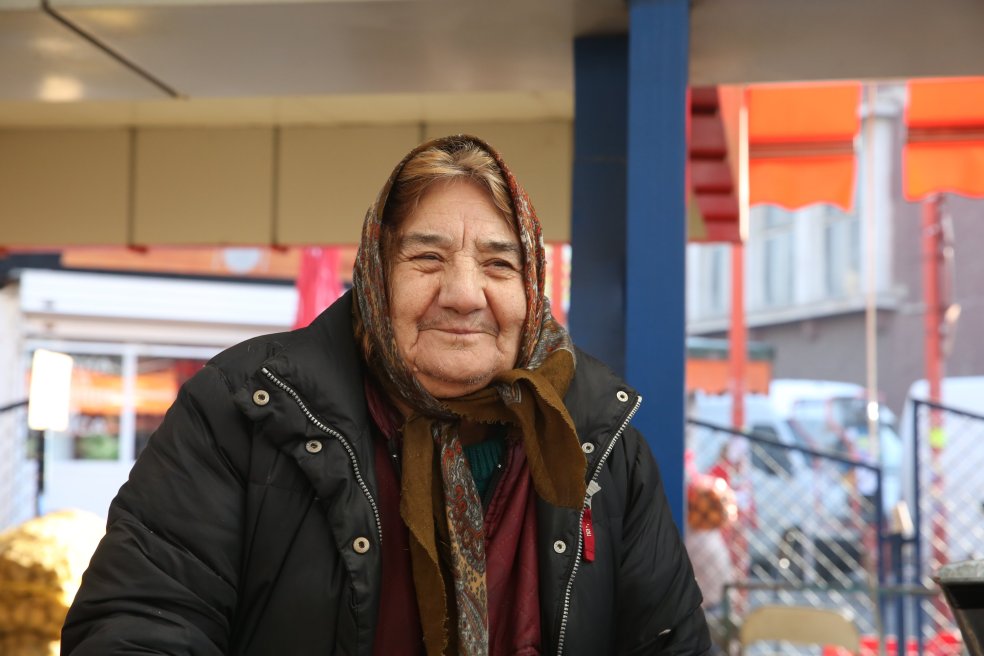
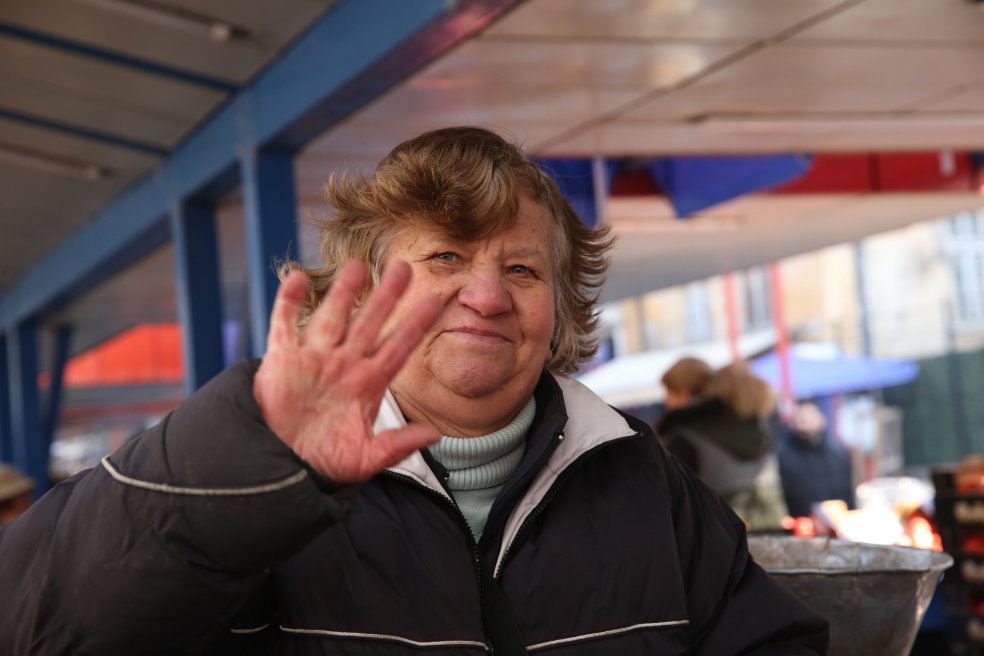
The town has about 2000 permanent residents, and probably about 200,000 visitors in the warmer months, but today it felt like just us and the locals. The woman serving us seemed to know everyone at the other tables, and knew no English. How fortunate it is that I have already mastered three Bulgarian words of salutation.

So much about today certainly had the ingredients of the type of day that resonates with us when we travel – beautiful natural scenery, historically interesting sites, a good meal and excellent company. I do wonder, however, what Koprivshtitsa would be like today had the rebels ever carved out a second cherry-wood artillery piece, so as to really threaten the Ottoman Empire in 1876?

Conundrums like this mean that I am forced to keep exploring places like Koprivshtitsa for my readers, I suppose.

If I must….

F C-S

Outsourcing Experiences

Independent travellers such as Dr Cunnington-Smythe and myself prefer to see the world as locals do, rather than outsourcing our travel experiences by entrusting ourselves to a guide.

This means that, in Bulgaria, I can now use my extensive understanding of the Bulgarian language and culture to give my own meaning, my own interpretations, to the sights of Plovdiv, something that is not afforded to the majority of short-stay tourists and day-trippers .

How lucky my readers are to benefit from this finely tuned skill of mine!

Hortskop Panko Jakobs invented Cyrillic semaphore for the Bulgarian Navy in 1916. However because he had very deep eye sockets and no eyes, and because Bulgaria had no Navy, Cyrillic Semaphore never took off as a form of communication.

Alocneh HellI’mBack was the first to propose the use carrier pigeons in the Imperial Bulgarian Army. However, as he was born without arms his scheme also failed to take off – and all his pigeons did. (He was unable to write, or to tie other people’s messages to his pigeon’s legs. Also, because of his very large moustache, even his mouth was unsuitable for attaching small parcels to his pigeons, despite his persistent attempts over many years to learn oral knot-tying.)

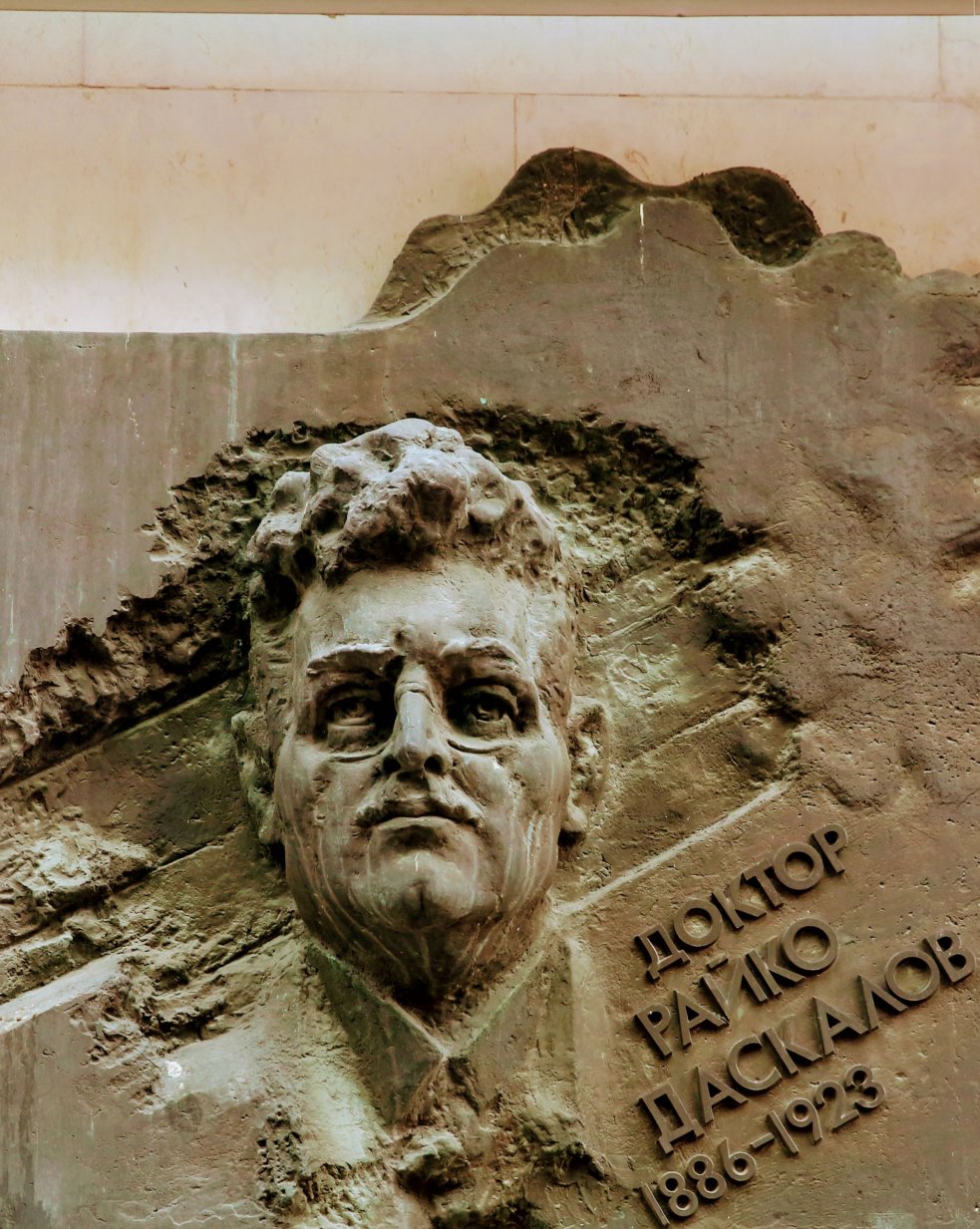
Sergei Pankov was a well known figure in Plovdiv. He would often be seen strolling in the city’s beautiful parks wearing a very long, elegant, high-waisted dress and carrying a hand-made Bulgarian leather clutch purse. Cross-dressing is still frowned upon in some parts of rural Bulgaria, despite Sergei’s pioneering efforts.

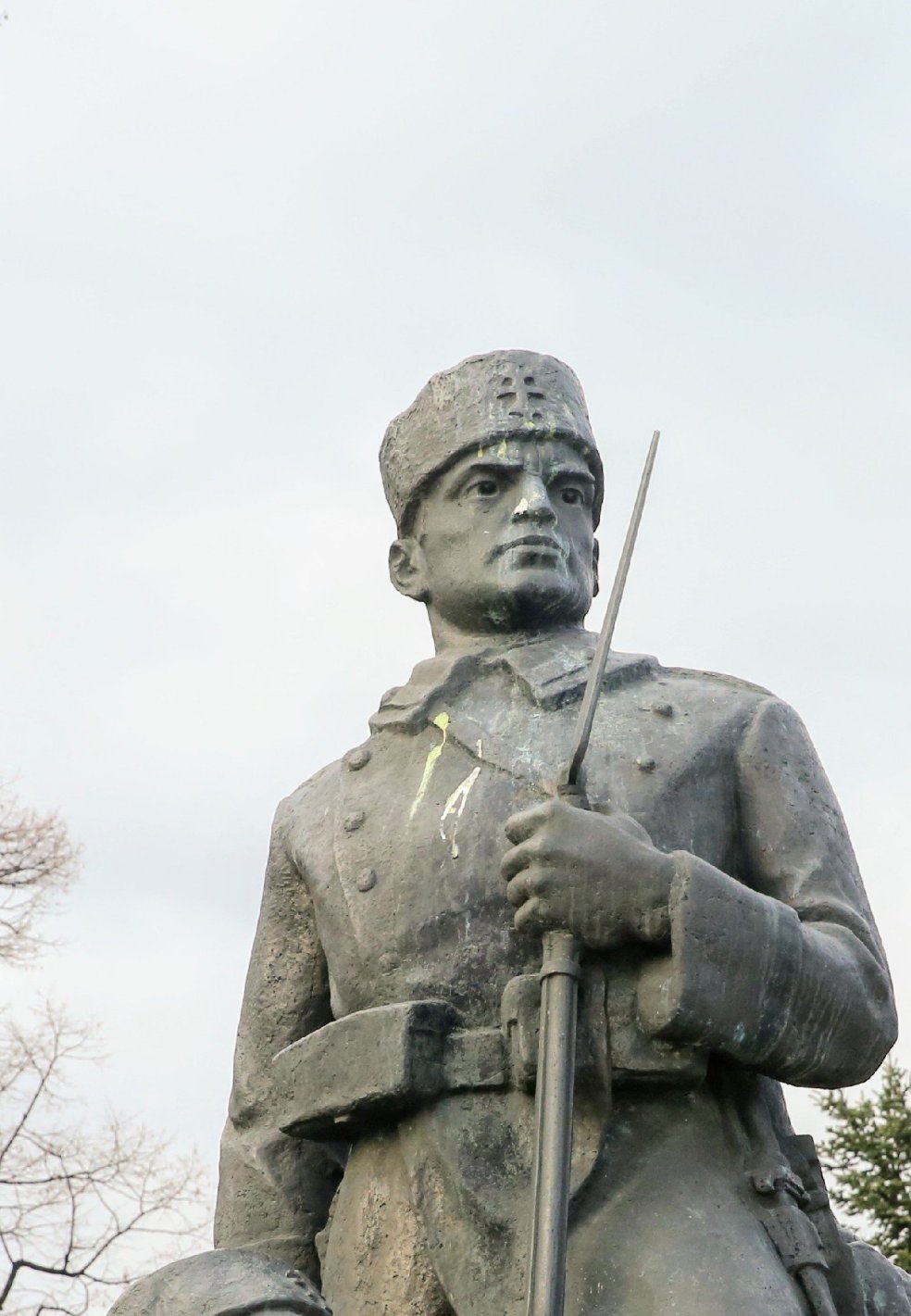
Tryllich Mankov led all Bulgarian statues in The Great Patriotic War against pigeons. He was finally defeated by sustained arial attacks, however his leadership of the Bulgarian statuary is still remembered.

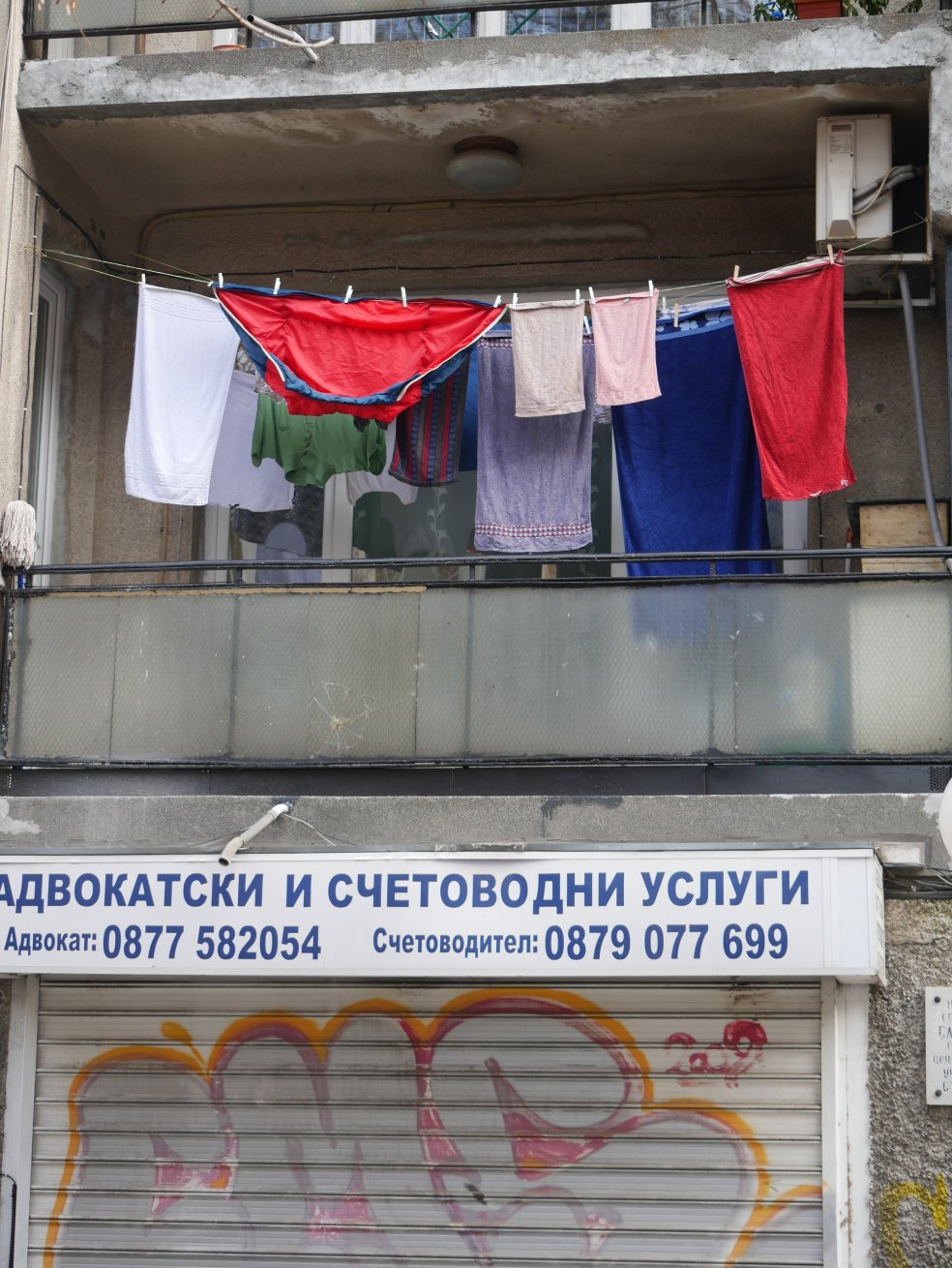
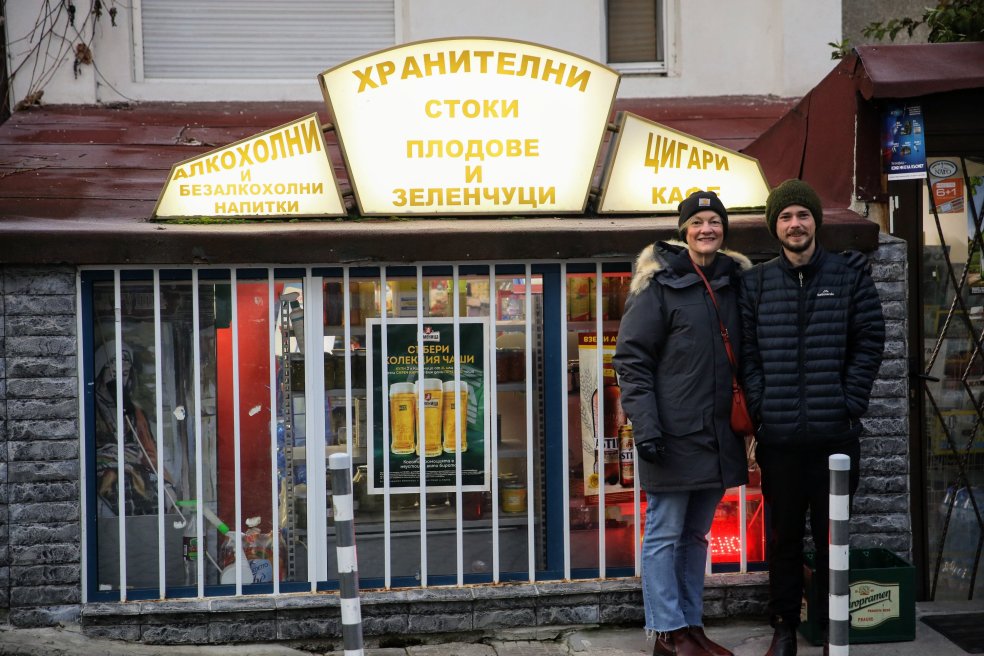
This shop sells brightly colored towels and very large, red underpants. I am surprised there is much of a market for knickers such as these? However my friends we travel in order to learn.

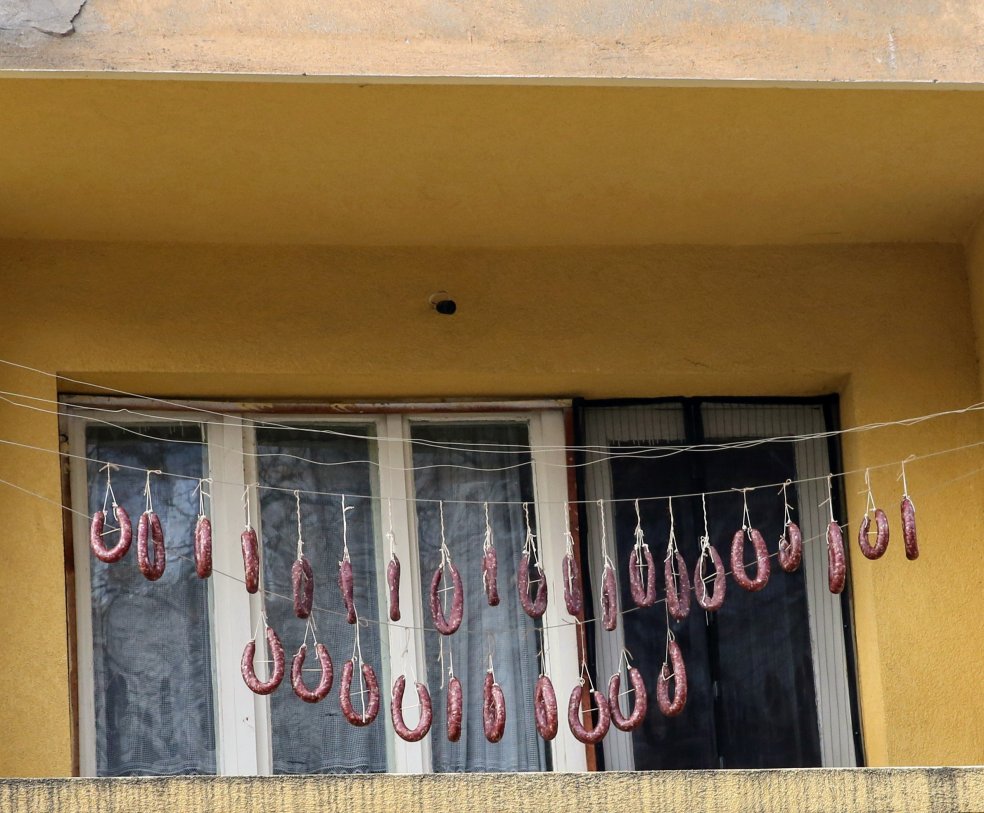
In some parts of Bulgaria, particularly in the suburban areas, salami is the preferred Christmas decoration. It is thought that this tradition was introduced by the Romans.

Some of you would not be aware that my wife has a side business – the laser removal of dark facial hair. There is an enormous oppotunity here for an enterprise such as this.

Local Plovdivians

One of the advantages of staying longer in a city whilst travelling is that you start to see familiar faces at particular locations and at regular times- the rhythms of a city. Then you may just get the chance to take photos of locals, something I love doing when exploring.

This also means that if someone gets really angry because i’ve taken their photo without permission, and they want to hit me, we can avoid that location at those times.

Farquar, the things you could learn about travel from me!

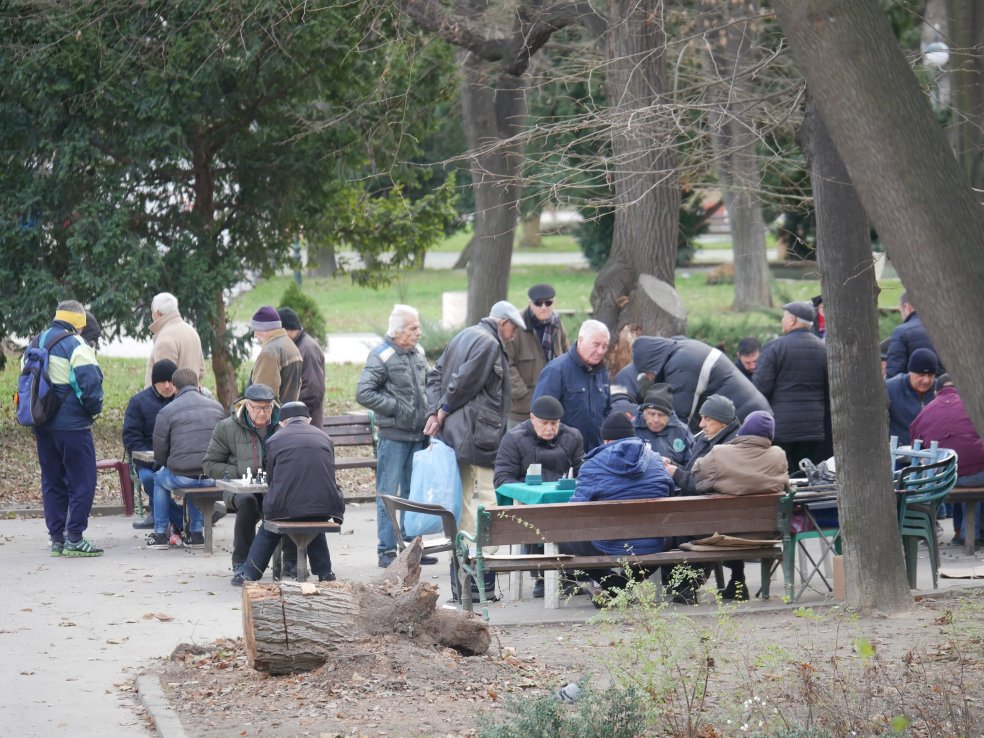
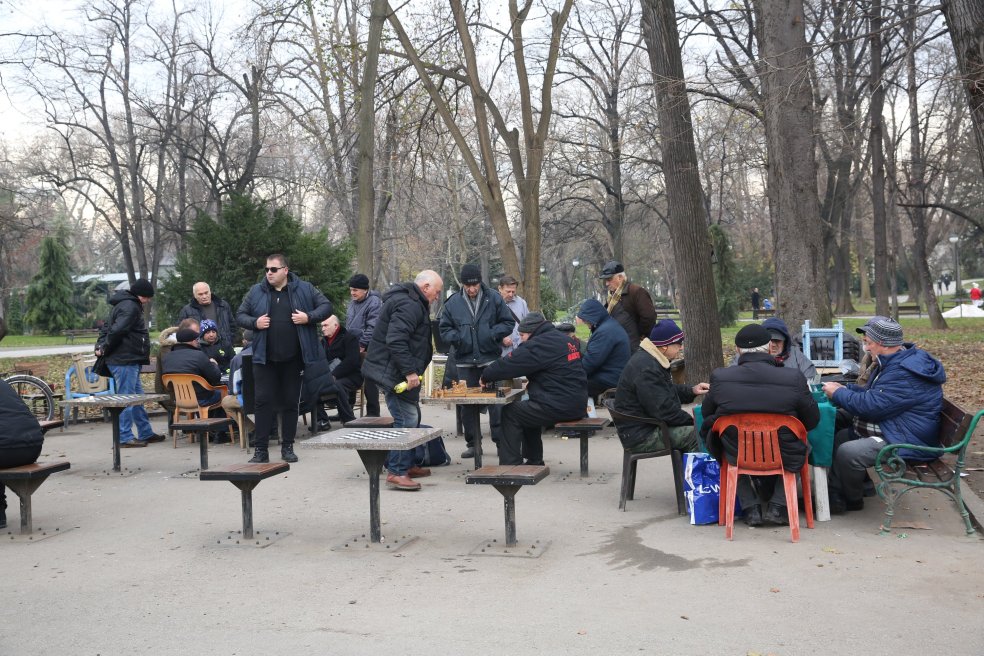
There are a group of regulars who meet every day in the park opposite our apartment to play chess. This bloke is Number One (their champ perhaps?)

I think this bloke’s name is Collin.

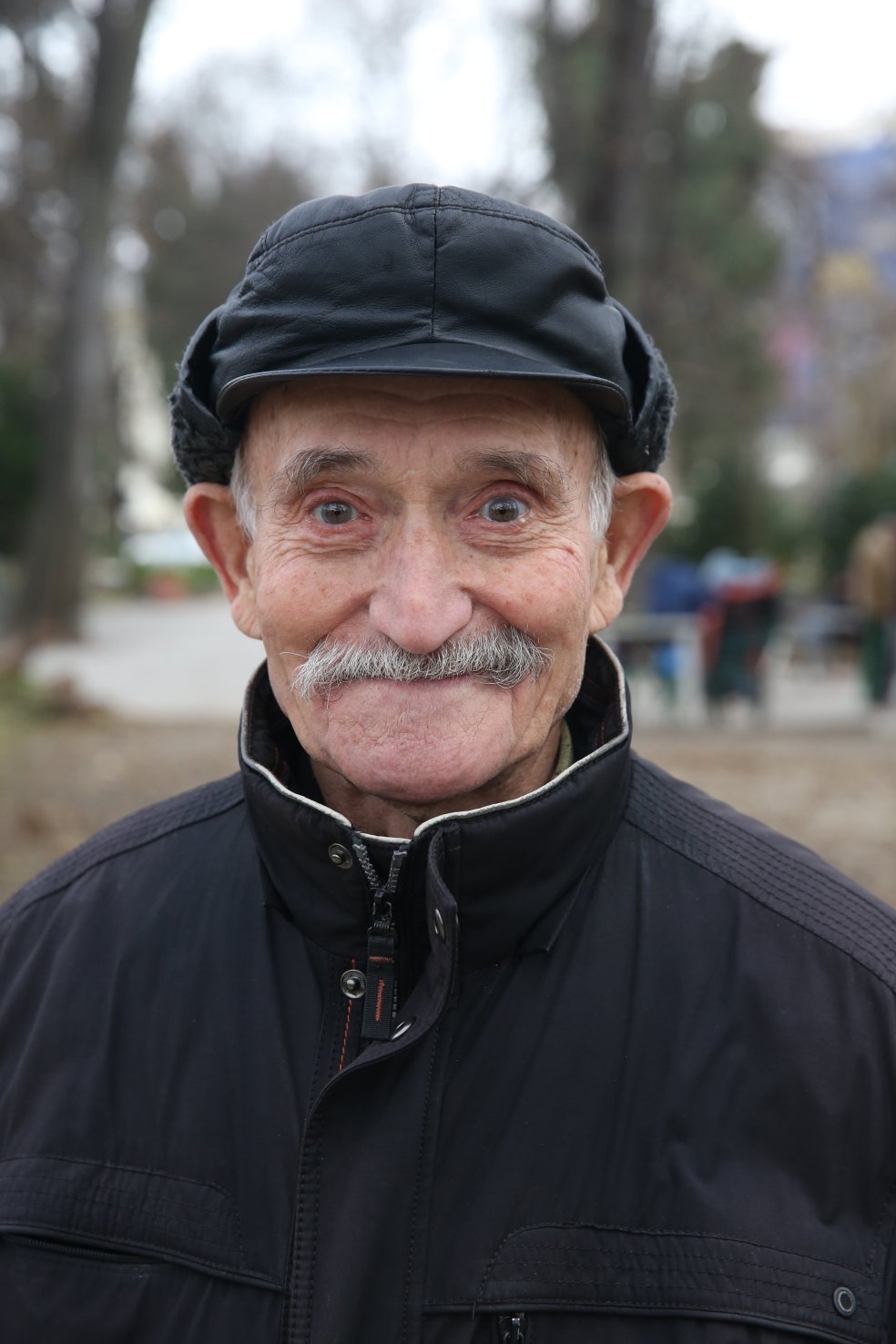
This lovely old mate introduced me to his friends. There is no way I could even pronounce their names, let alone remember them. He was keen to get them to smile for the camera. He has been there at the chess tables every day.

I think in Australia he would be called Merv and be found at the bowls club?

The morning chess crew.

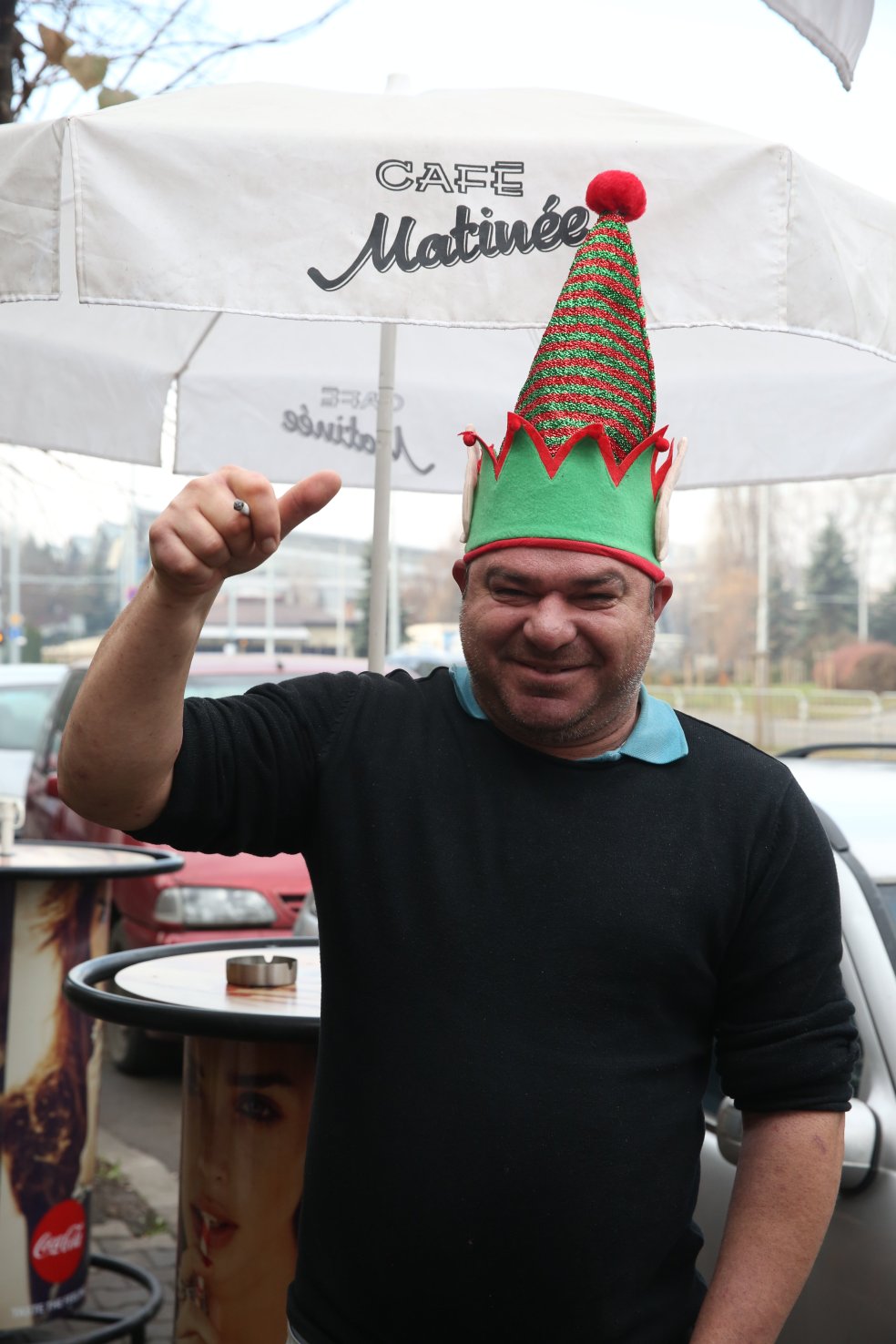
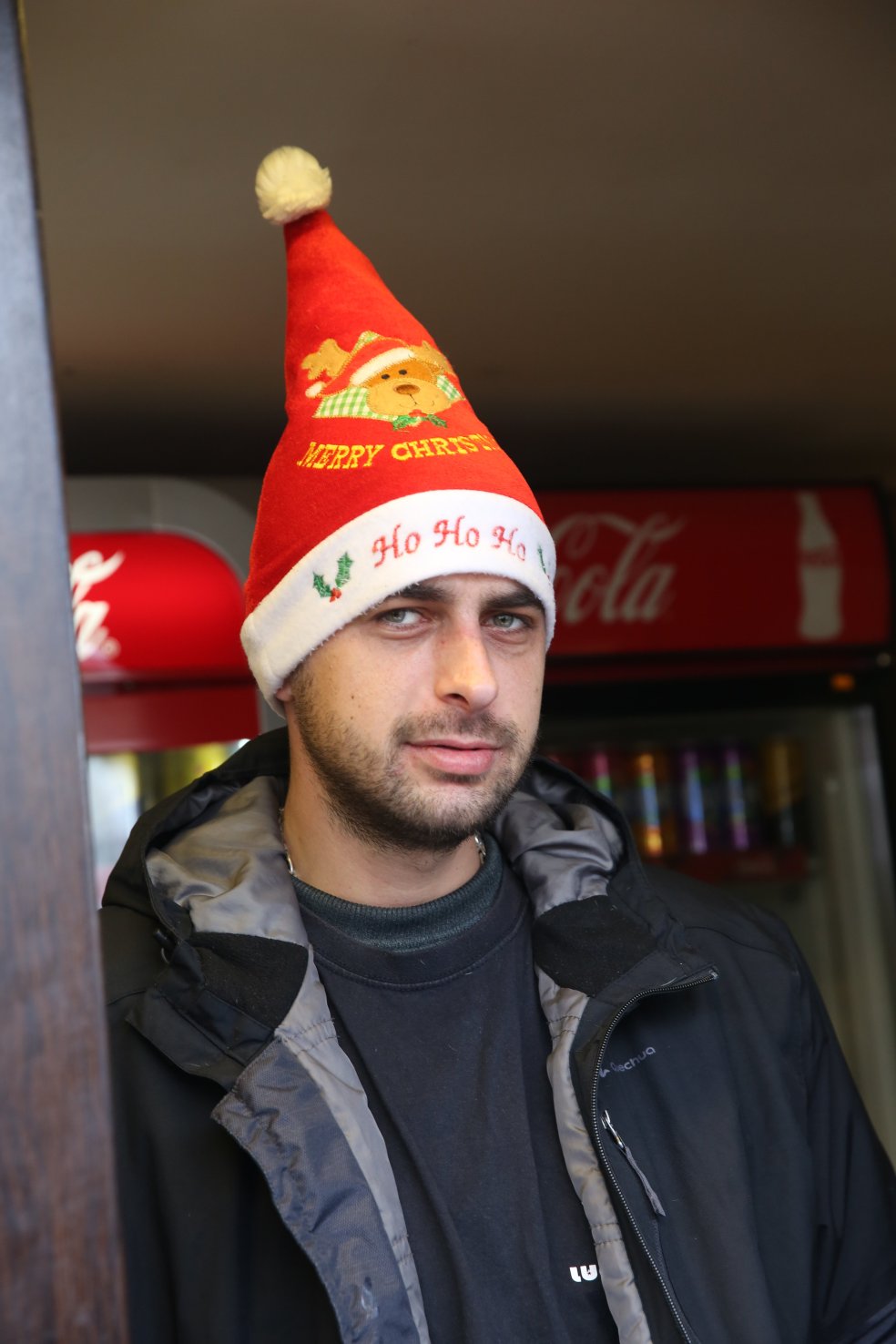
This guy owns a shop on our walk into town. Some days he is dressed as Santa, some days as an elf, but ALWAYS with a cigarette in hand, often with a beer.

I think his job was to scare the hell out of little kids so that there is no way they would want Santa or his elves visiting them on Christmas eve whilst they slept.

That way parents don’t have to buy extra presents from ‘Santa’.

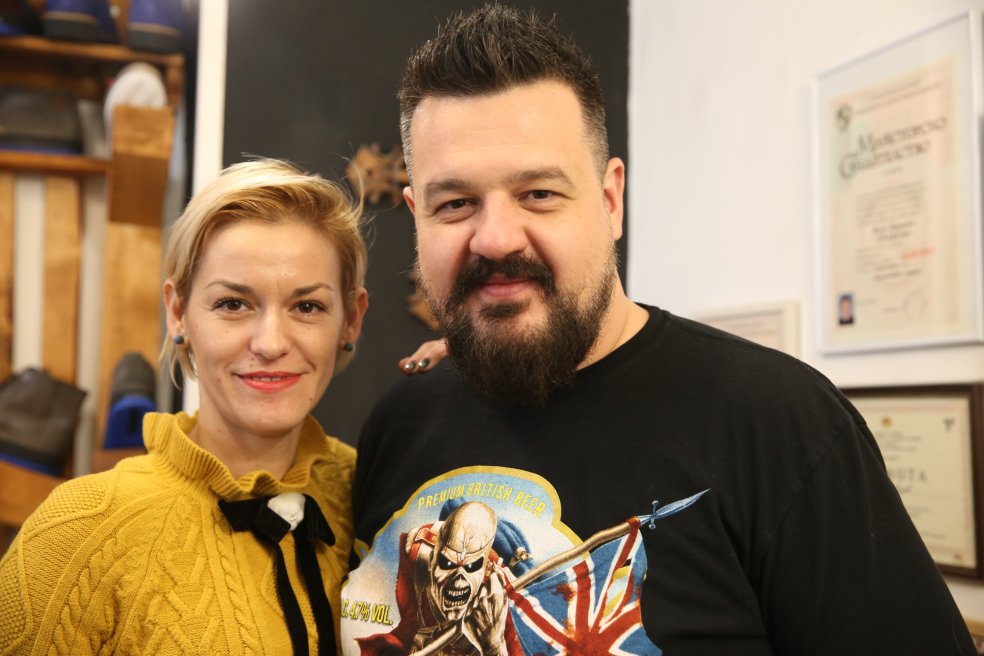
This bloke fashions hand-made leather shoes, and I bought a pair from him today. I offered to take a photo of him and his wife. She agreed, but it became a bit of a photo shoot until I got one she was happy with!

I think this guy invented special pants with shiny thighs for Bulgarian violinists and cellists. Alhough his pants haven’t been a hit with fiddle players outside Bulgaria, he is probably well known locally.

(I have already admitted that I’m not some kind of Bulgarian statue expert!)

Another of Santa’s scary Bulgarian helpers. He is always smoking outside the same shop as the elf in the photo earlier. He also has the same job – to frighten little kids.

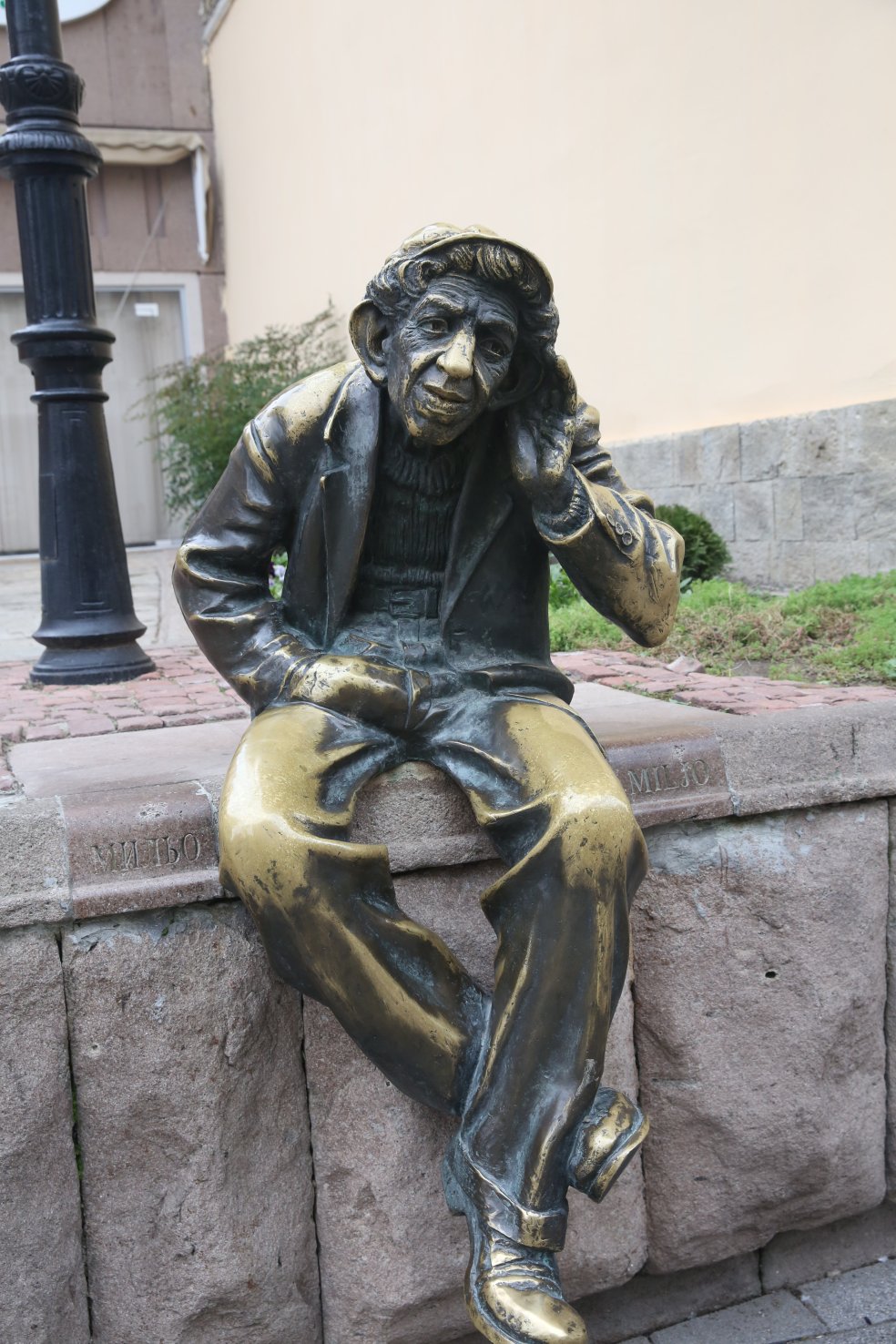
I’ve mentioned Miljo in an earlier blog. I think he was given these pants by the violinist.

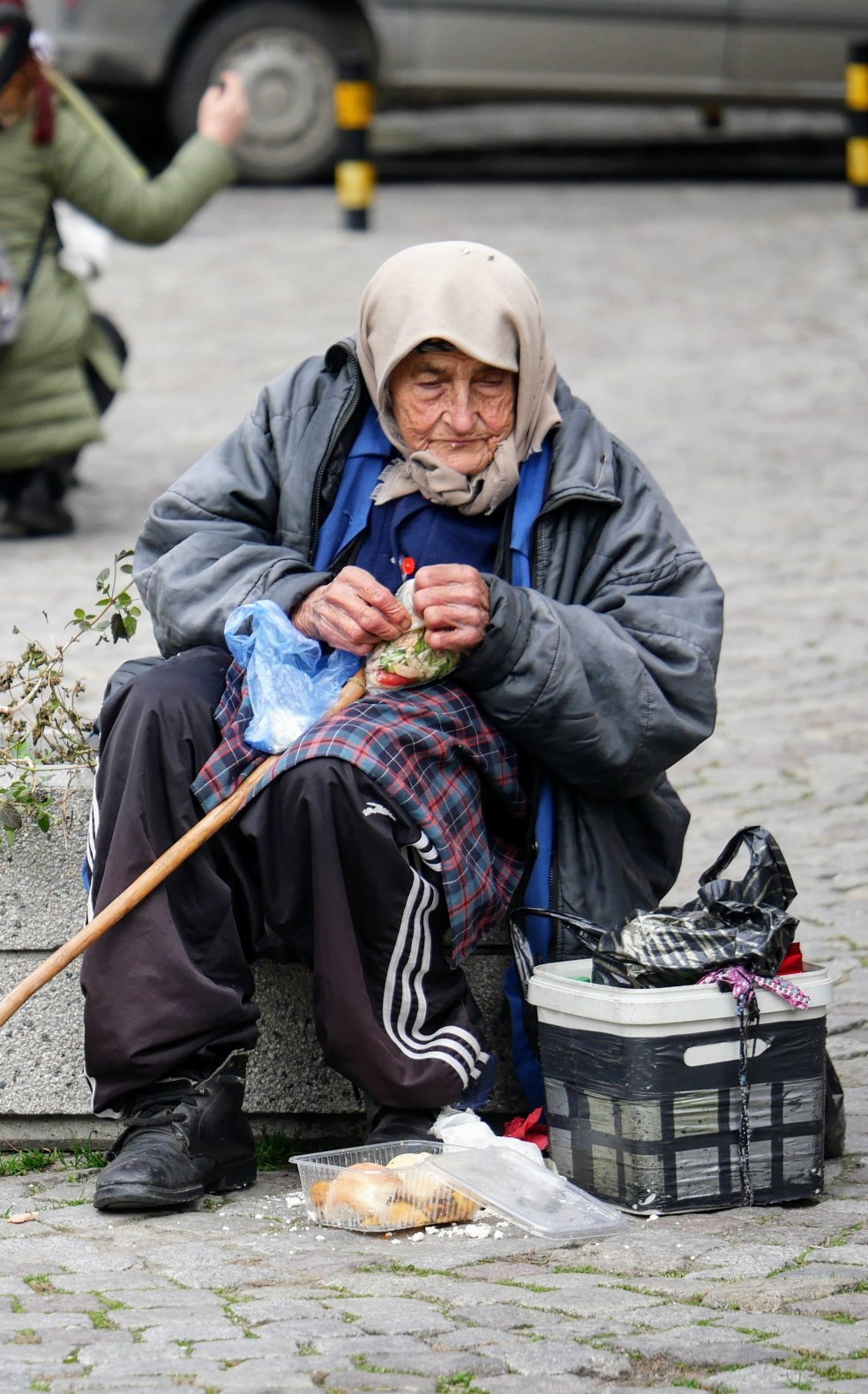
Another Plovdiv local.

F C-S

Merry Christmas

Merry Christmas to all my followers. I hope it is a time spent with family and friends, or on adventures to places and experiences that are new.

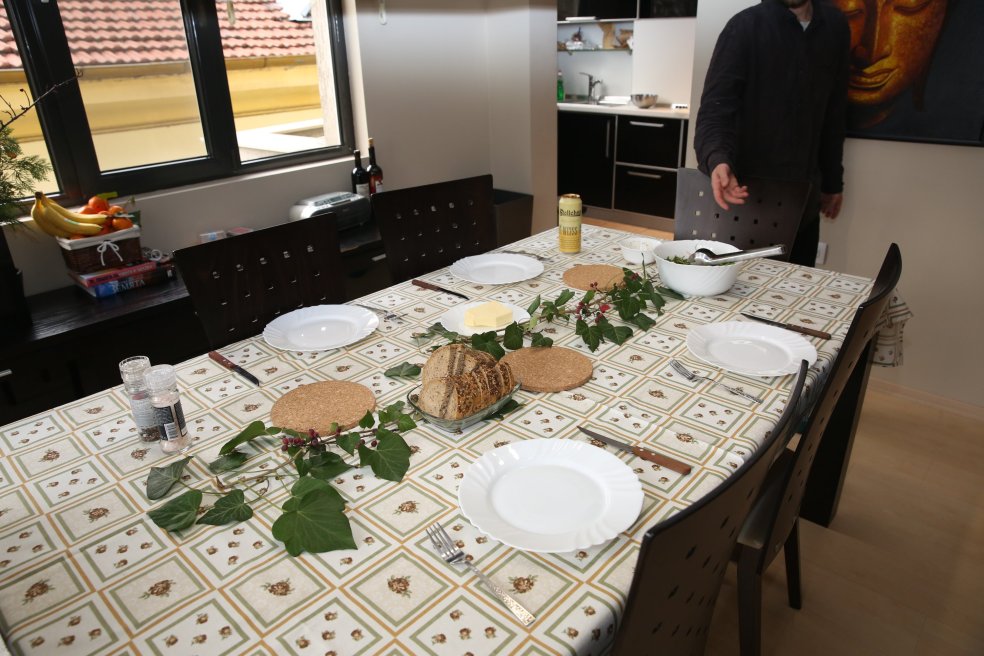
We shared presents from the Christmas chair in the morning, prepared and ate a Bulgarian Christmas lunch, but as always, had thoughts for those at home.

May this time be restful and peaceful.

Farley

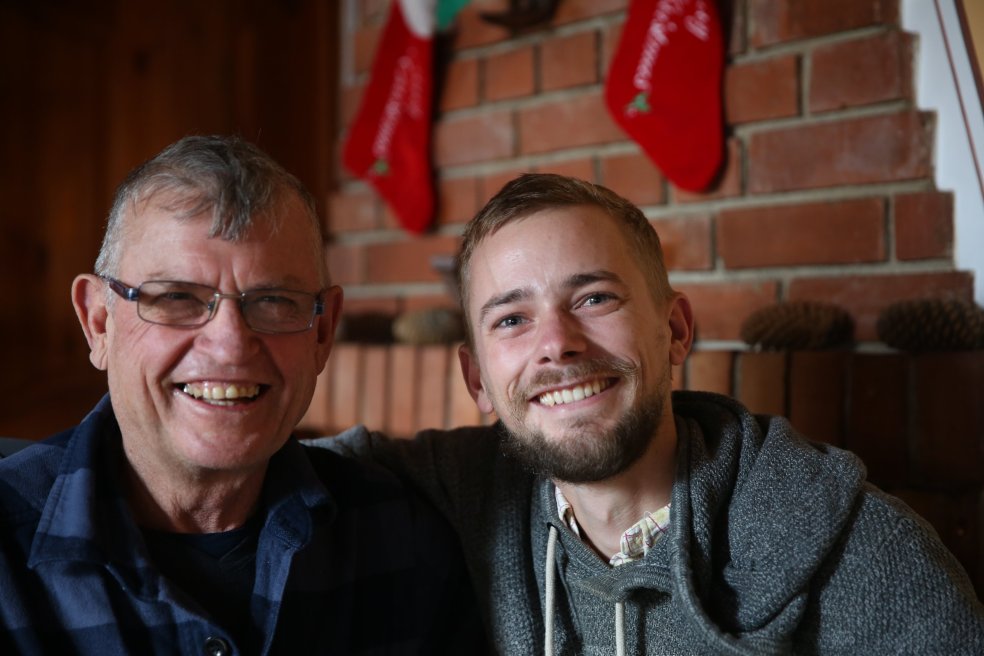
The youngest and oldest breaking the bread (Mitch is actually younger than me believe it or not.)

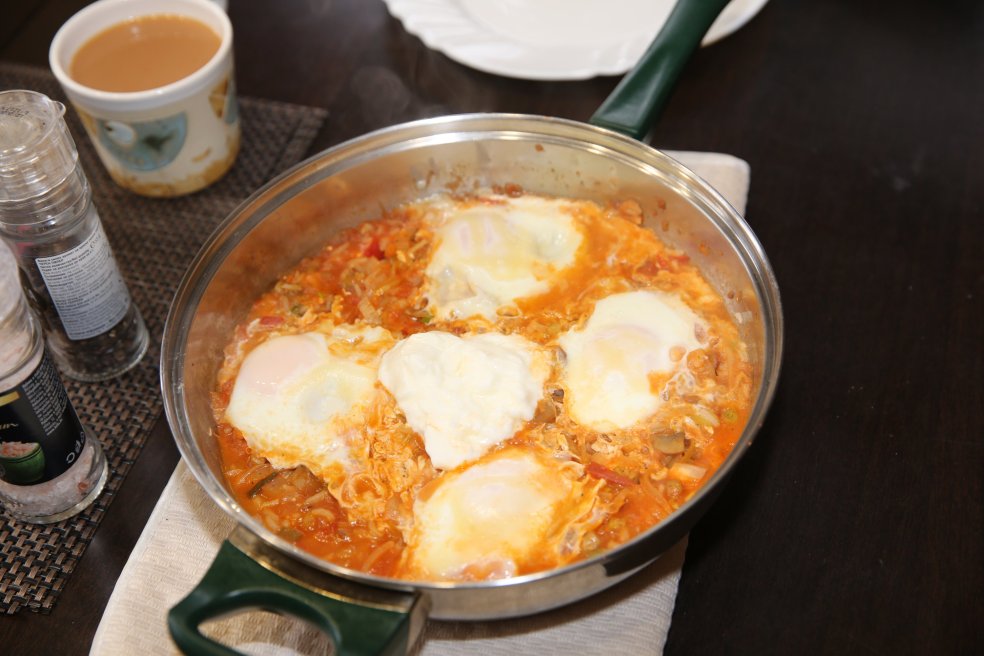
An odd number of dishes, and must not include any meat (but can include beer)

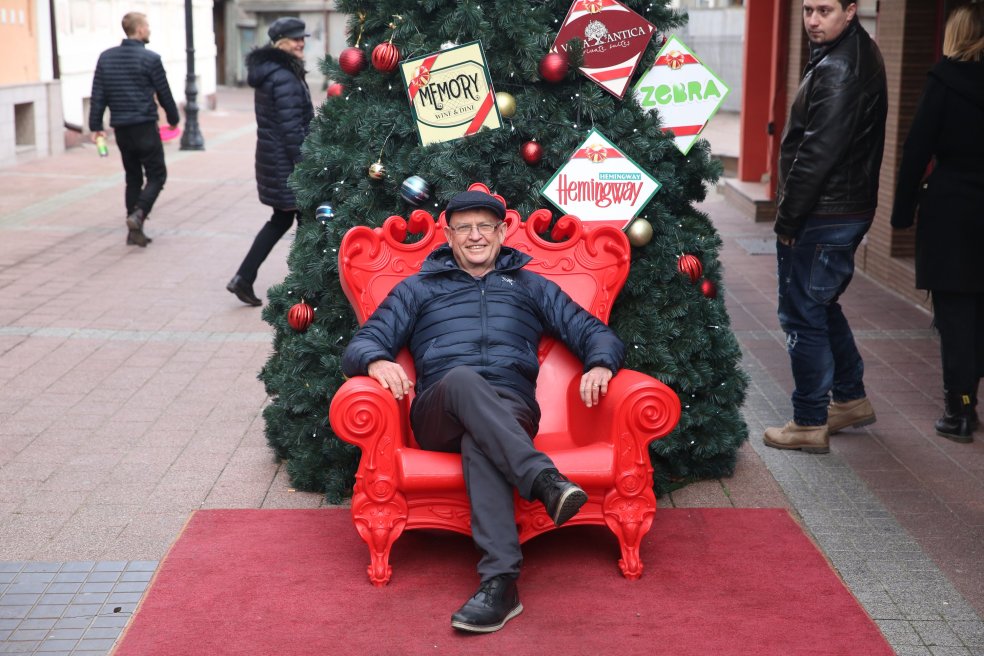
And the oldest gets his own special chair!

Christmas in Bulgaria

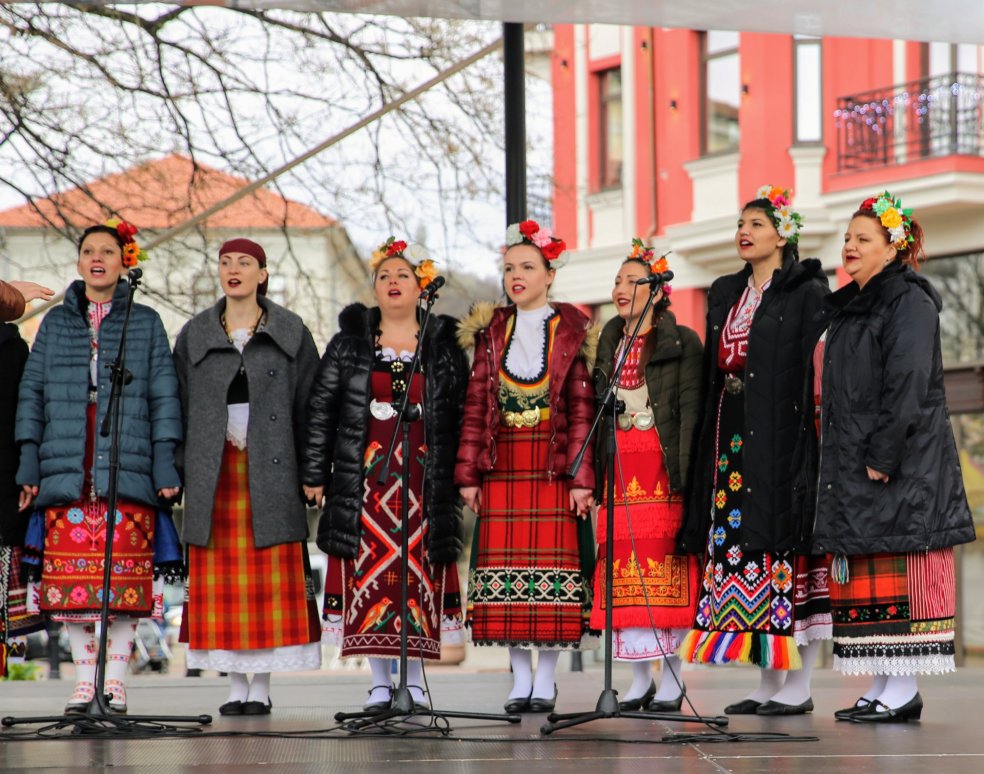
The Popalot Family Singers

Christmas Eve in Plovdiv

We spent today preparing for Christmas and celebrating our luggage reunion. Christmas dinner in Bulgaria is traditionally a vegetarian meal, always with an odd number of dishes. The bread is broken by the youngest and oldest at the table pulling from each end of the loaf. Then, before you eat, some singers from the countryside come into your house and do a folk number that sounds like a cross between Swiss yodelling and the Imam’s call to prayer. (I’m not entirely certain of that last tradition, but I am still hopeful that the Popalot sisters will make it to our place this year to serenade us. We will however do the rest of the meal in the traditional Bulgarian manner – even if the singers fail to appear.)

We have followed one Cunnington-Smythe travelling tradition and decorated a Christmas chair. Santa isn’t big in Bulgaria, but nor are Christmas trees. Instead people have been carefully selecting bare twigs/branches with great care – these sold by farmers on the street and all appear to be of the same species and are usually less than one metre tall. Some are being sold in the main market already decorated with strings of lollies or popcorn. It is also noticible that the streets and parks are emptying, Christmas Eve is a family occasion of great significance in this part of Europe.

Our Bulgarian Christmas Eve will be spent preparing food, sharing a meal with Mitch and Grace, and playing cards. Where is Marguerite when I need her in order to escape from the card table? It will be spent thinking especially of Nat, who again is at her school preparing a meal to be shared with the most needy of her families. It will be spent thinking family and friends at home. And it will be spent wondering if the Popalot Brothers (pictured below) might sing for us if the sisters can’t make it to our Chrismas Dinner……

Traditional Bulgarian Farley

The Popalot Brothers warming up their vocal chords for our Christmas Dinner.


The food hall in Plovdiv’s David Jones is particularly disappointing frankly.

European Capital of Culture 2019

Povdiv was selected to be the European Capital of Culture in 2019. I am not sure what the criteria were or which other cities were contenders, but it beats Katovice in Poland any day.

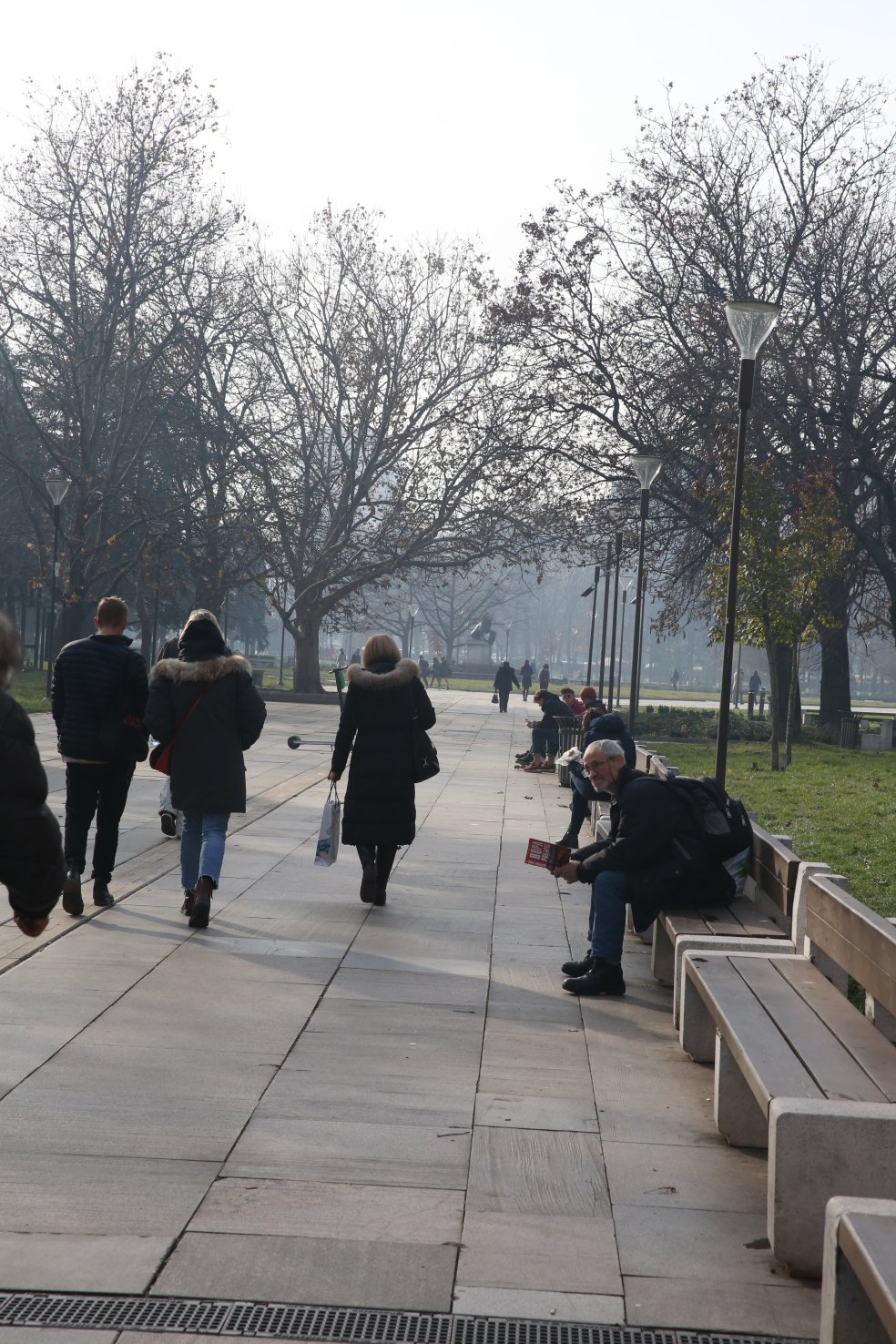
There are beautiful parks and the centre of the city is great for wandering. And there are some special Bulgarian touches. The street lights in the city centre are set to all blink in unison whenever a child is born in either of the city’s two maternity hospitals. The parks have chess and card tables where groups (mainly old men) meet each morning. And the city is filled with sculpture and art installations.

My favourite statue is Miljo. He was well known in the city and, at least now, is well loved. He was intellectually impaired and people would seek him out to bare their souls. It is said that, unlike the priests, Miljo wouldn’t judge you or tell your secrets to others. Locals still go to Miljo to talk to him. I think I’ve taught a few lads like Miljo.

The city is more Turkish than any we’ve been to outside Turkey, apart from Sarajevo. The call to prayer echoes across the Old Town at the prescribed hours. The food is Bulgarian Turkish – kebabs, filled flat breads, even the abundance of pomegranates resonates. I have become addicted to merkitza, fried dough with sweet or savoury fillings, as well as the local yoghurt and cheeses. Sadly, the abundance of cats is also very Eastern.

Plovdiv is cat heaven. It seems that every shop, every park bench, every apartment block has food out for stray cats. Some of you are aware of my feelings around cats. I felt deep shame and that I’ve failed as a parent watching as Mitchell pats stray moggies here. Or even worse, that my own daughter owns a cat. Even someone as determined as your good scribe would struggle to get every cat in Plovdiv to a different type of cat heaven were I given that task by the city authorities. Yes, Remington, I fear more gifts with a feline theme are pending.

Today we will not move far from home as Austrian Airlines has promised a wife and luggage reunion this morning. We shall see. Linda is a tad over her limited clothing choices, and Bulgarian women seem to have a thing for leather pants this season. Post-communist fashions, even in the European Capital of Culture, do not appeal.

Though I’m sure she could find a pair of leather pants with a print of different cat breeds on them….

Farley of Plovdiv

Miljo will listen to your stories.

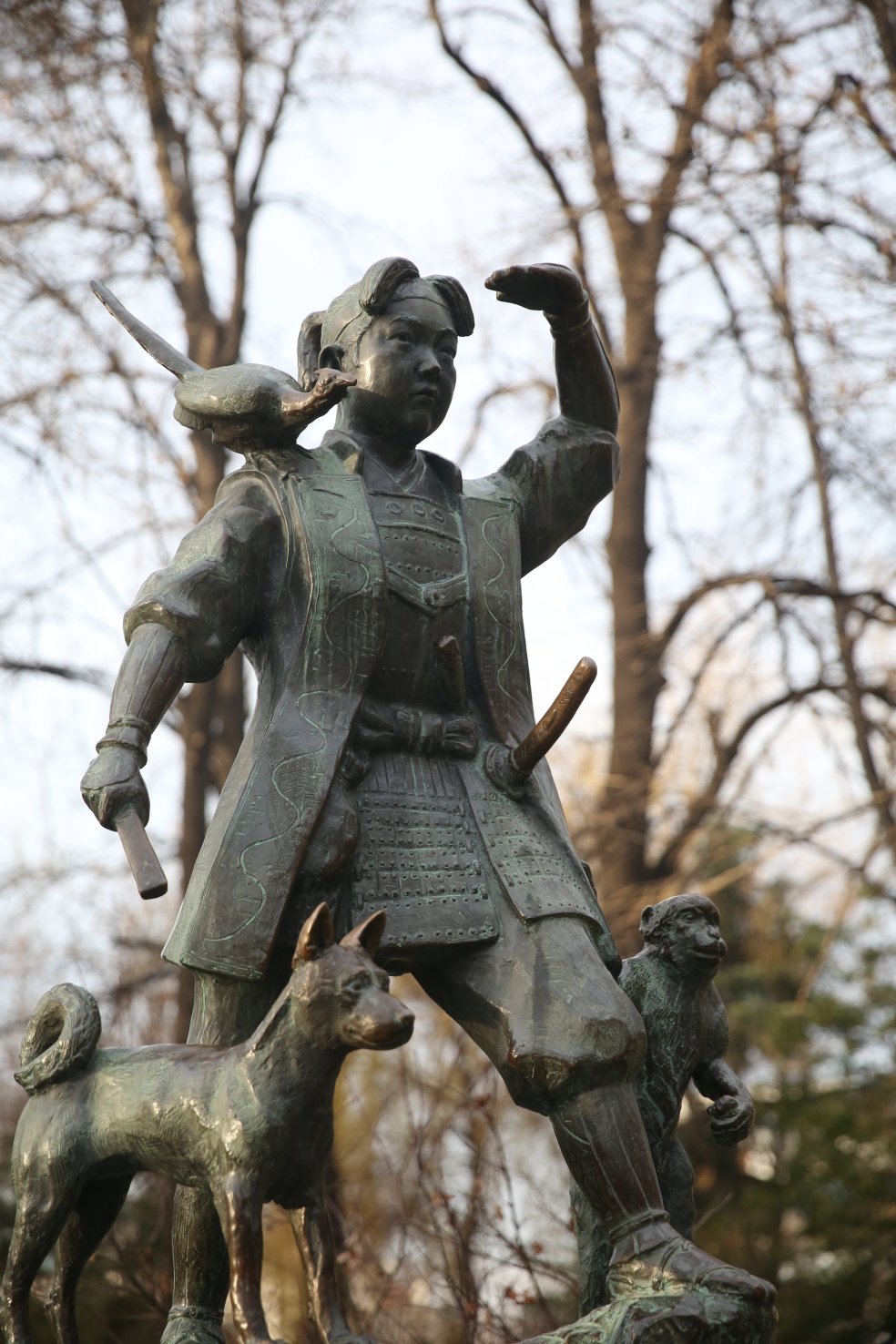
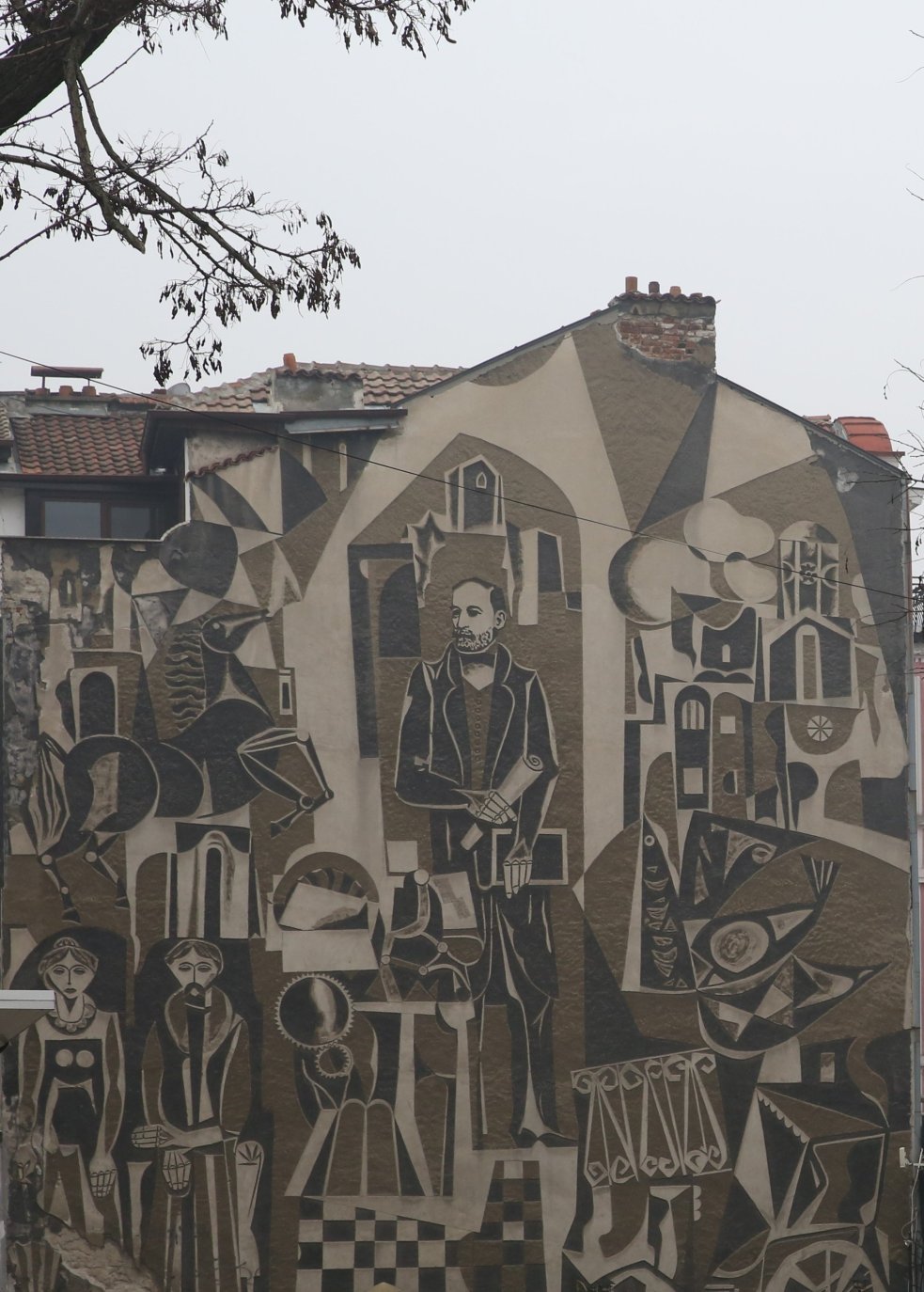
I think this statue could be telling the story of a Samurai warrior from Asia walking around Plovdiv with a Brazilian monkey, an African hunting dog, and a Canadian pheasant looking for a kangaroo so that all continents can be united?

Why ask me? I’m not some kind of Bulgarian statue expert!!

Sunday chess in the park

Dame Judy Dench

Many people do not realize that Dame Judy Dench starred in a 10th century Eastern Orthodox Bulgarian movie called ‘Sheep’ before she was cast in her most recent role in ‘Cats’. You won’t read about that in any book!

This, Remington, is why the learning that comes with my sort of travel is irreplaceable!

Farley

Plovdiv

Plovdiv

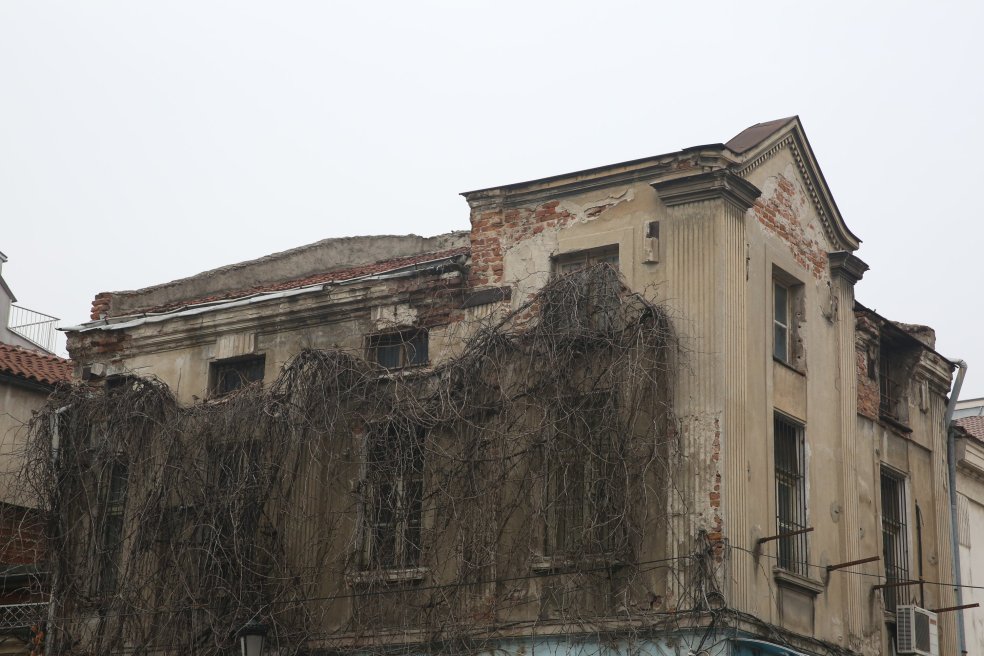
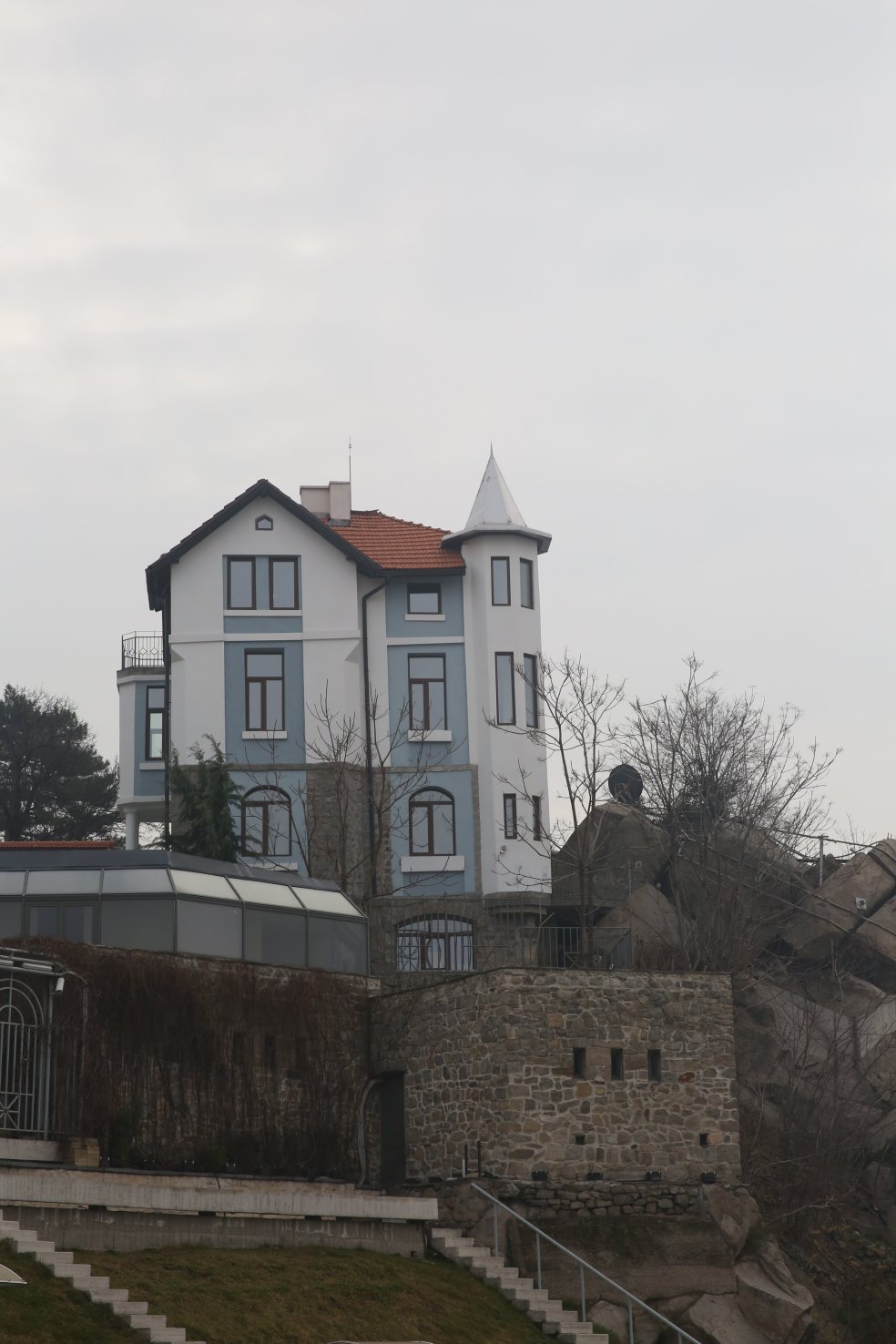
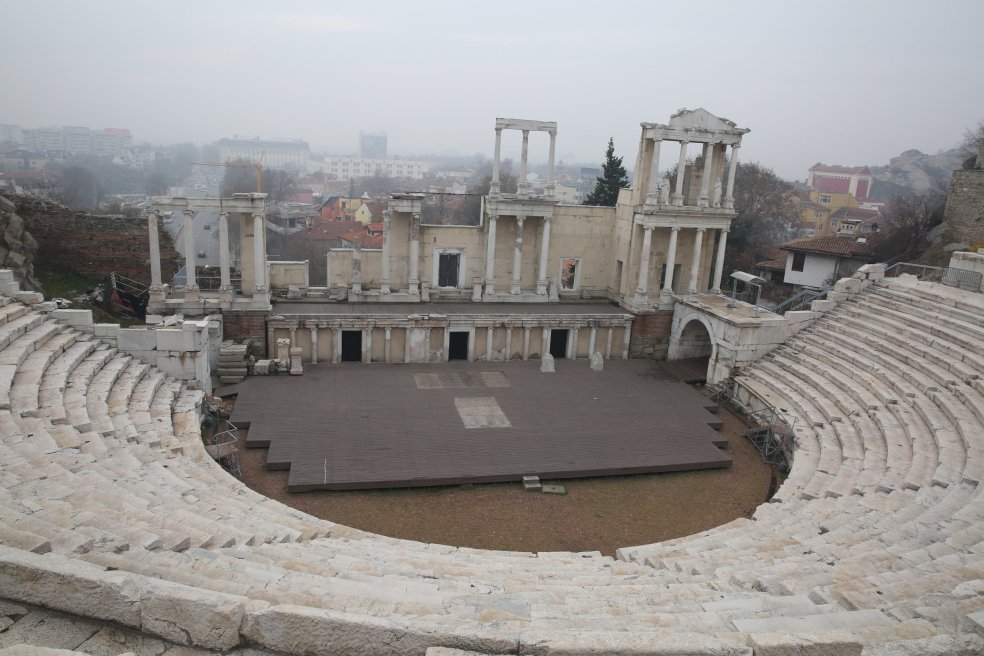
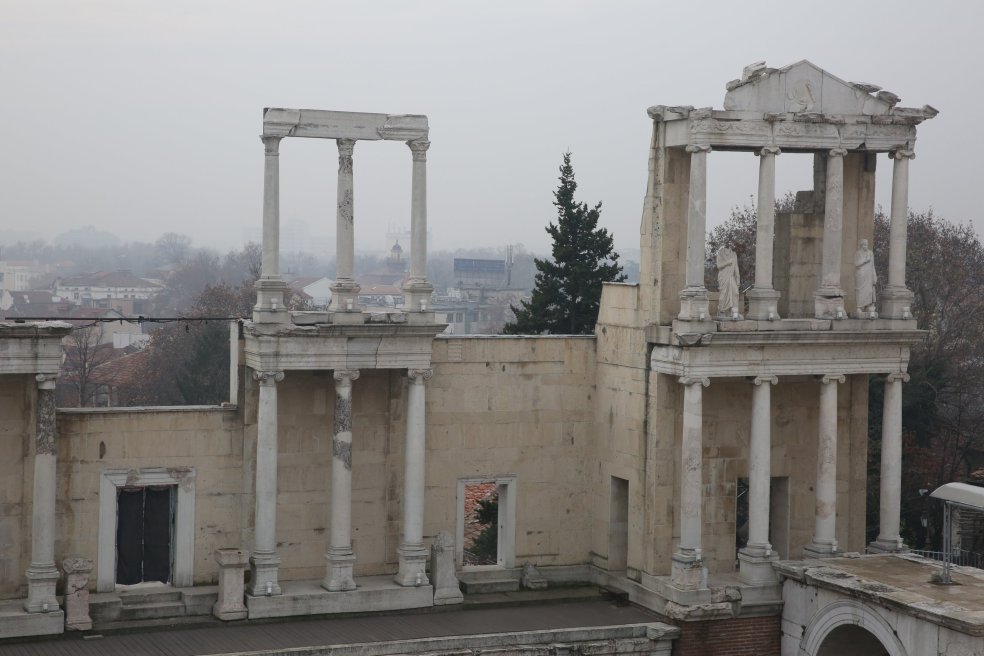
The building in the photo above was constructed around 125 years ago on top of one of Plovdiv’s seven hills. Sixty years ago there was a small quake and a large landslide. The landslide revealed some ruins and the subsequent excavations exposed a relatively intact theatre – the ancient Theatre of Phillipopolis. The theatre that had been built on the side of the hill by Phillip II of Macedon, (not Clive Berghofer) but its exact location had been lost until the soil slipped for the theatre’s second unveiling. The site is now being used again as a theatre for outdoor performances. For the folks living on top of the hill? They lost all their neighbors, but, hey, they got a nice theatre.

Bulgaria keeps accidentally revealing secrets like that. The metro system in Sophia took four times longer than expected to complete because the engineers kept coming across archeological sites that had to be preserved. Their Russian-made carriages arrived on time, but had to sit in storage for another six years whilst all the underground routes were altered and the acheological finds were cataloged and restored.

The city of Plovdiv itself is very old. (It is one of the oldest continuously inhabited cities on Earth. It existed the same time as Troy – Damascus and Jerusalum are older but Plovdiv makes the top five-oldest-cities-on-earth list) It was originally a Thracian settlement but has been invaded by Persians, Greeks, Celts, Romans , Goths, Huns, Bulgars, Slavs, the Rus, Crusaders, and Turks. In 1885 Plovdiv joined Bulgaria, but even since then has been invaded by the Nazis, the Russians and by German and Chinese tourists. Each wave caused its own destructions, each wave left new pieces of the Plovdiv jigsaw.

The oldest ruin in Rosewood was my uncle Albert – though even with modern science he could never have been restored like parts of Plovdiv have been. We did have one Greek family, a Ceylonese Anglican minister and a pile of Germans – invaders of sorts. Like the Thracians in Plovdiv, the original inhabitants of my home town were attacked, scattered and then disappeared. As interesting as Rosewood is however, I think Plovdiv my just pip it as a place for amateur historians like myself to explore. If only Rosewood had taken better care of Uncle Albert…….

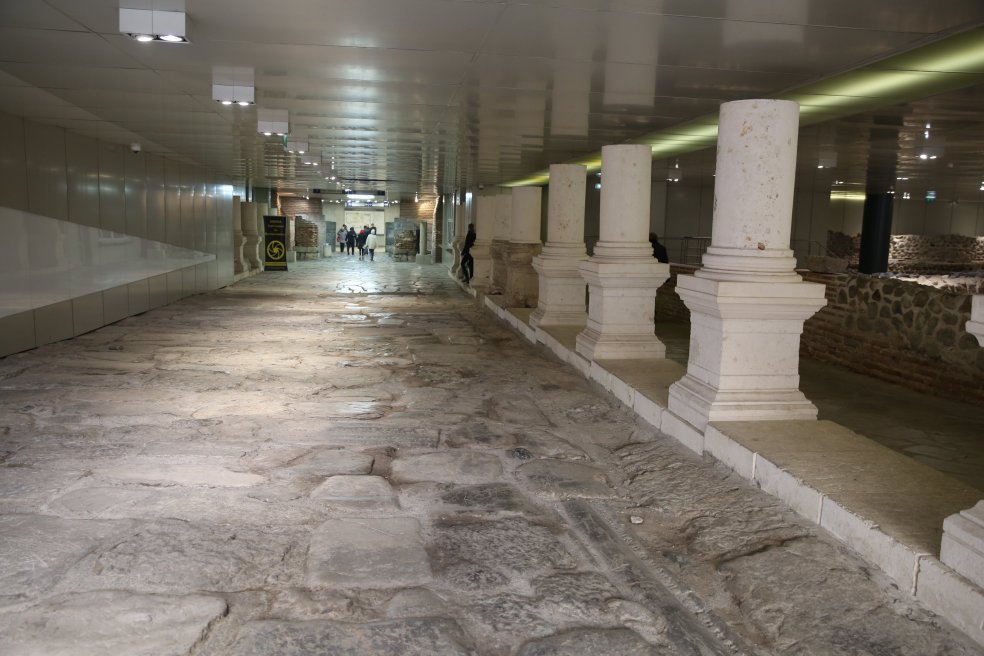
A 3rd century Roman road beside a 21st century metro system!

Exploring Food, Faces, Places

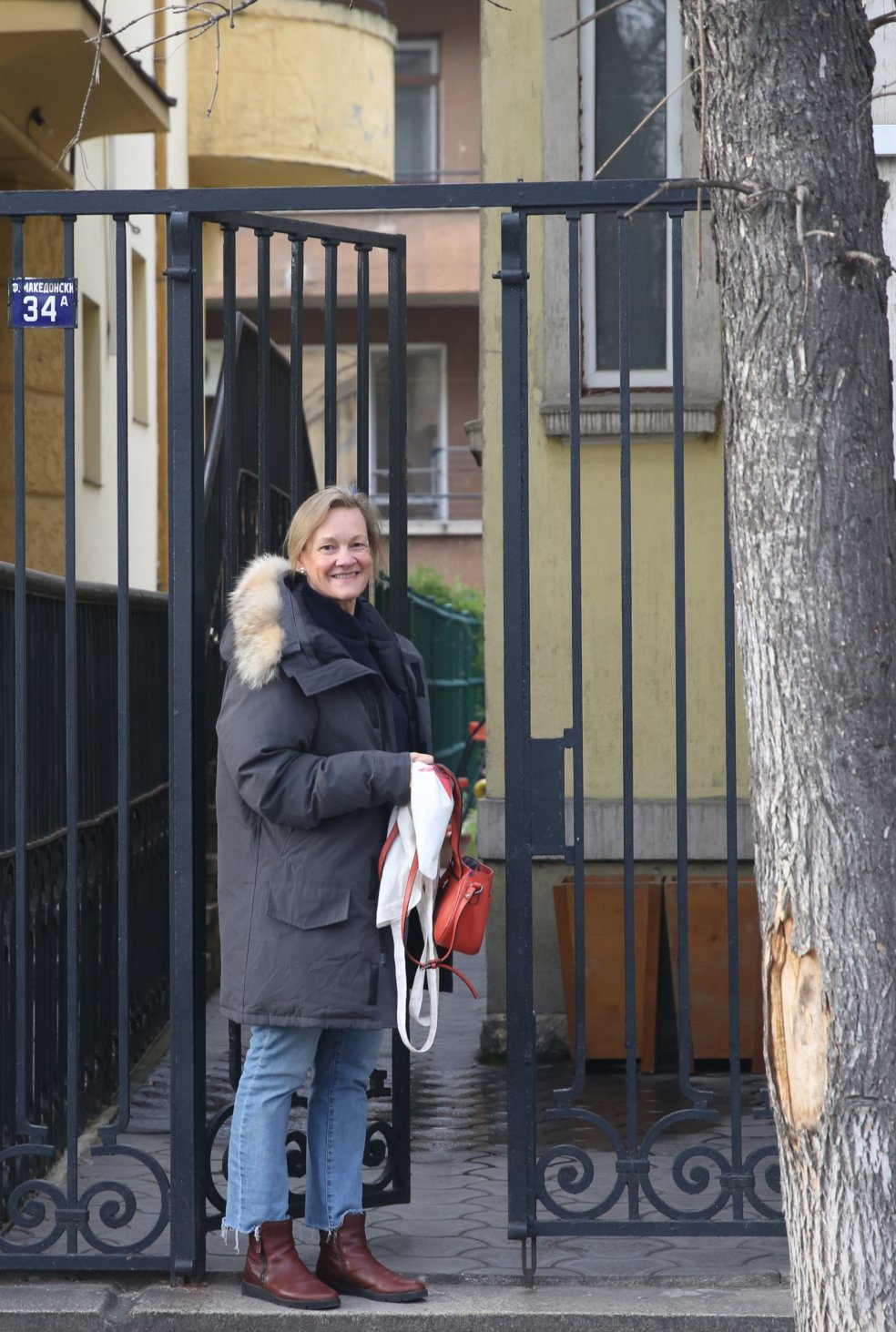
The front door to our Air BnB

The Local Bar

(The locals must be quite short)

A city of parks

A city of romance (in a Balkan kind of way)

Romance in a particularly Balkan sort of way

Good looking locals (though Mitch doesn’t trust the photographer)

Good choices for vegetarians

Even better for fat-faced pork lovers

Our local baker Stephan (He was a computer programmer 6 weeks ago, is now a baker)

Crap Motors and Ctap Spelling

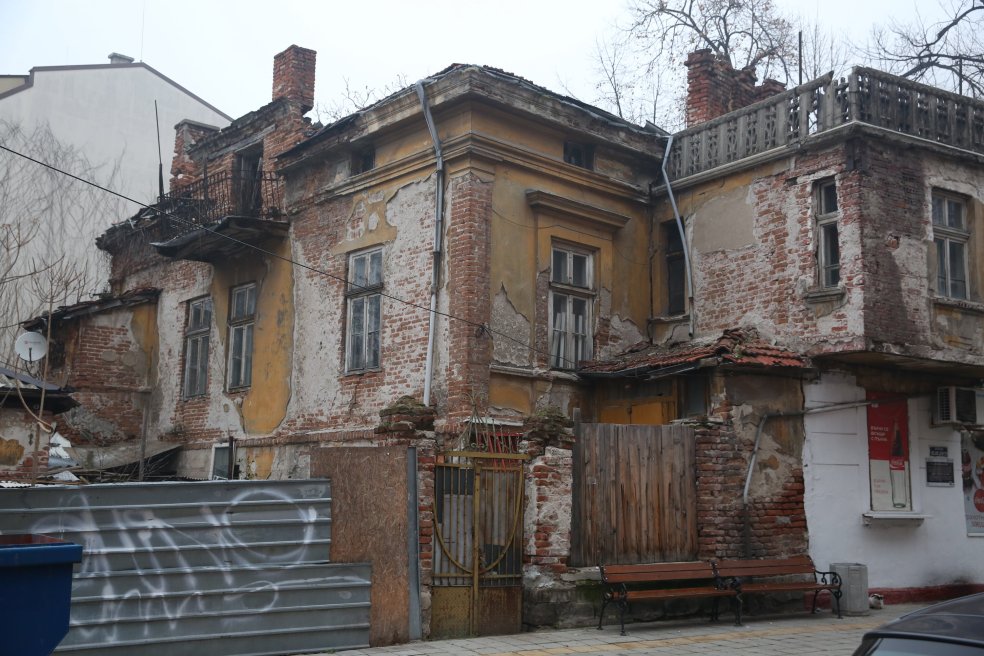
How sad, in such a beautiful city!

But how happy to be in such a beautiful city!

Farley

Bulgaria or Bust

St Sophia – the patron saint of frisbees.

The Christmas miracle wished for in my previous blog only three-quarter happened. Linda and I arrived safely in Sofia, as did my bag. Linda’s bag however…..

We were greeted at the airport by a carousel lacking one suitcase, but also with an arrivals hall that included Mitch and Grace who had been in Sofia for a day or two. All travel is an exercise in mindfulness – some travel experiences can also provide the chance to learn further problem solving skills. The lack of one suitcase would be a learning opportunity if our glass was half full, however it doesn’t quite seem to feel like a positive learning opportunity at present.

Sofia does seem like the type of city we love wandering through. We have spent some time recently travelling in the Balkans, a part of the world where civilizations meet, overlap, and often coexist gratingly. The Harmony Square in the middle of Sofia is the Balkans typified. From one vantage point I could see Sofia’s main mosque, the Orthodox and Catholic Cathedrals and the central synagogue. (Mind you, I could also see a McDonalds and a gunshop from the same point.) Perhaps also sadly typical of the Balkans – the Catholic church had been burnt down by the Turks in the 1800’s, the Orthodox church destroyed by the Communists in 1924 and the synagogue was ransacked by the Nazis in the 1940s. At least the gunshop and McDonalds have been left untouched ’til now.

In the city centre there is a great market, good coffee, many small food places and plenty to explore. Early days. We are looking forward to getting into a daily rhythm of shopping, exploring and cooking at home in the evenings. Today I doubled my Bulgarian vocabulary (I can now say ‘Thanks’ like a native Bulgarian!) Tomorrow I intend to master the Cyrillic alphabet, which will then leave me the remainder of the holiday to fine tune the nuances of some of the more complex phrases. This will allow me to blend in fully with the locals. How fortunate I am to have been provided with a quality Rosewood education in my formative years.

I am sure my legion of followers are all eagerly awaiting the stories and insights that my immersion in Bulgarian culture will afford them. Both of you, however, just need to be patient. Even a Rosewood scholar can’t do a whole country justice in just a day or two.

F C-S