
I know about half of my followers are history buffs, and both of them would be fascinated by the link between Genghis Khan, Spanish merino sheep and the incredible wealth of ruling families like the Medicis, the Sforzas et al. Let me explain.
By the 13th century the Mongols controlled everything between China and the Black Sea. So long as you paid their tolls, for the first time in history it was possible to travel overland in relative safety between the Mediterranean all the way to China – so the Italians did. Marco Polo is the most famous of the 13th century Venetians to make that voyage – he wrote about it, and others followed. By the start of the 14th century the Genovese had a series of trading ports all around the Black Sea and were bringing silk, spices, and ideas back to Italy from the East.
The Tuscans at this stage were already renowned for the cloth they had been making using Spanish merino wool. They had workshops all through the Arno River valley producing fine woollen fabrics – then Chinese silk became available. And the wealthy classes of Western Europe went nuts over their cloth. When bishops could afford wool, the archbishops had to buy silk, which meant the cardinals needed to wear velvet with gold thread inlays. And the great trading familes of Italy became wealthier and wealthier. They could afford anything they wanted. (Lorenzo Medici didn’t like the smell of the markets on the Ponte Vecchio, so he had them cleared and replaced with goldsmiths. He then had a private, covered walkway built above the bridge that led to his office – the Uffuzi. On the walls of his walkway was a great number of paintings by the Italian masters just to make his stroll to work enjoyable!)
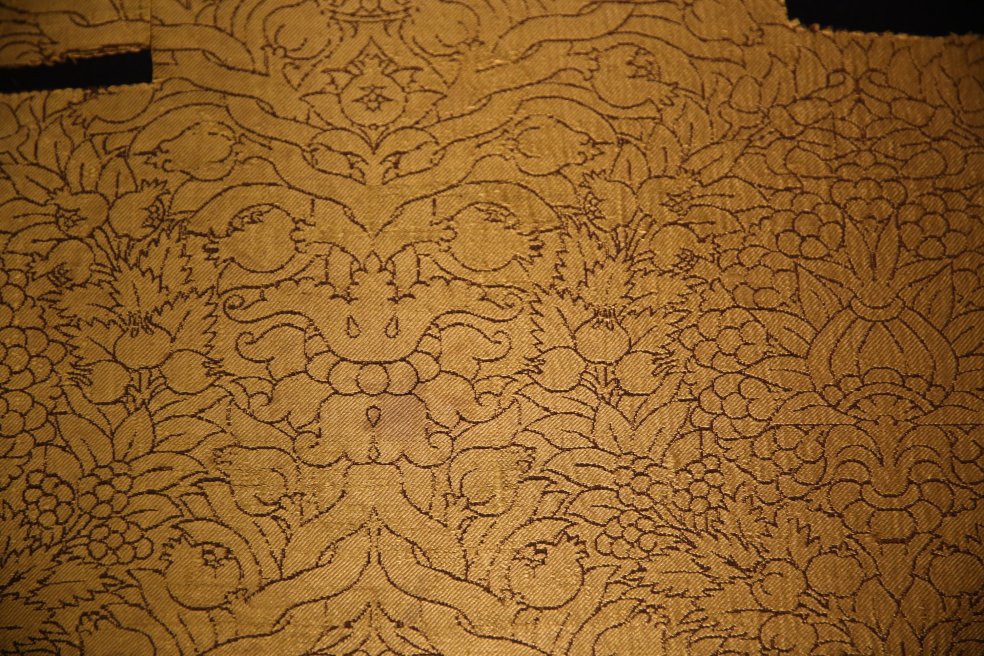
Today we had one of those chance days that can happen when you travel. What started as a ‘Let’s go part of the way to Florence with Catrina.’ ended up with a visit to Italy’s textile museum in a town called Prato. This museum traced the development of the textile industry in the Arno Valley from the Medieval period to the present. Apart from its array of cloth, it also has a collection of machinery. A whole section of the museum is devoted to looms designed for this trade by Leonardo da Vinci himself for the Duke of Sforza’s workshops, and there are working models of some of his machines. I didn’t even know he was into weaving, but he had a deep fascination for the way light fell on different types of cloth. Wonderful!
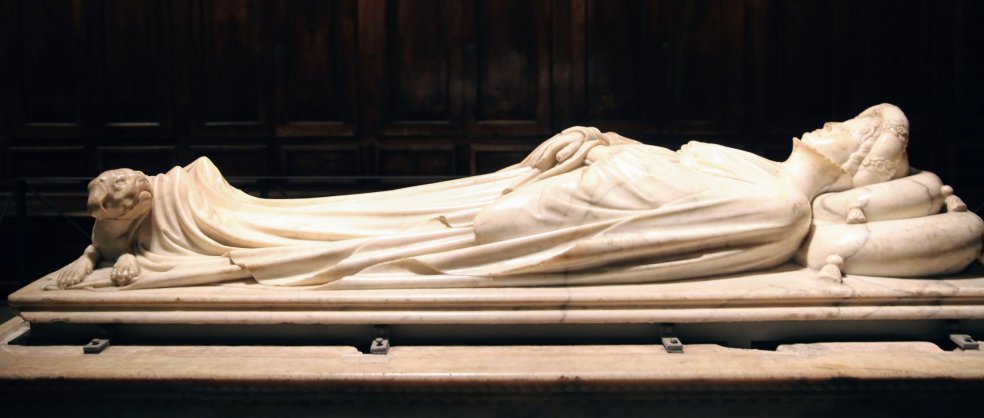
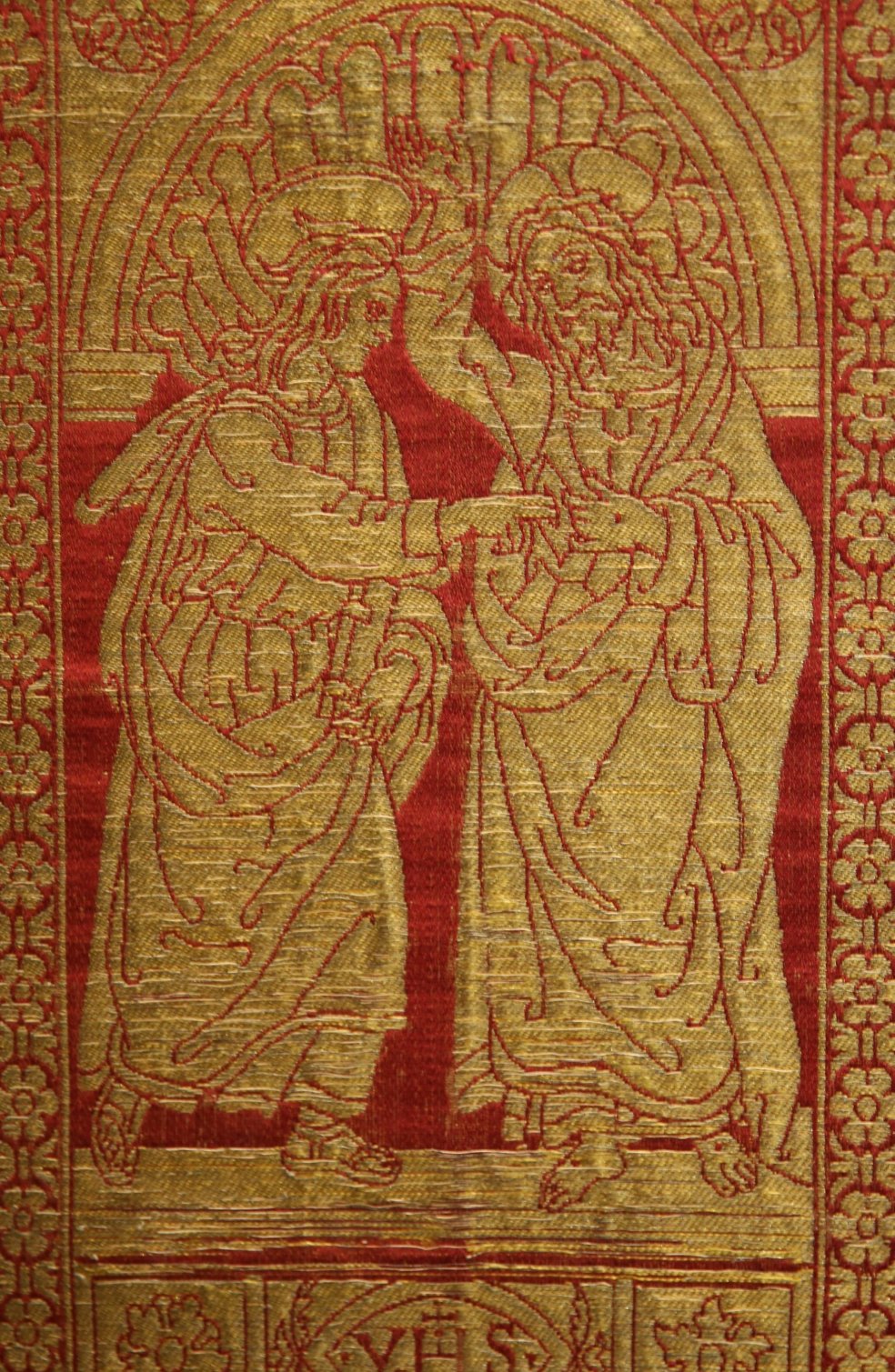
Today also helped explain the incredible wealth that is obvious in the churches of Lucca, particularly from the 15th century onwards. A church near the cathedral has an excavation underneath that shows the remains the 1st century Roman building under its foundations, through to the 13th century church above. This church and the adjoining cathedral are both decorated with priceless artworks by some of the masters such as Lippi, and has a museum that displays examples of the gold threaded vestment garments that we learned about today.
It was another great day today, a day filled with wonderful surprises and real learning. Linda’s parents would have loved the museum, Myrl would have enjoyed lunch I guess. It is a day that helps explain the role cloth played in bringing the genius of da Vinci, Michelangelo, Lippi, Botticelli, etc, etc, to the world.
In fact, I might even take out the old Singer sewing machine when I get home, who knows?
Farley
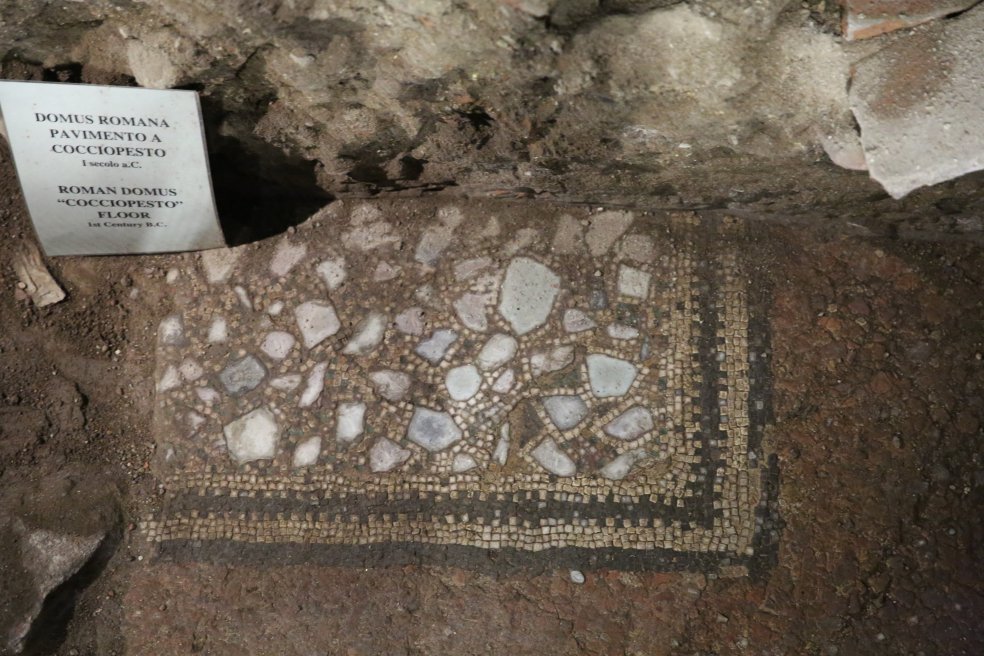
The Roman floor under the church.
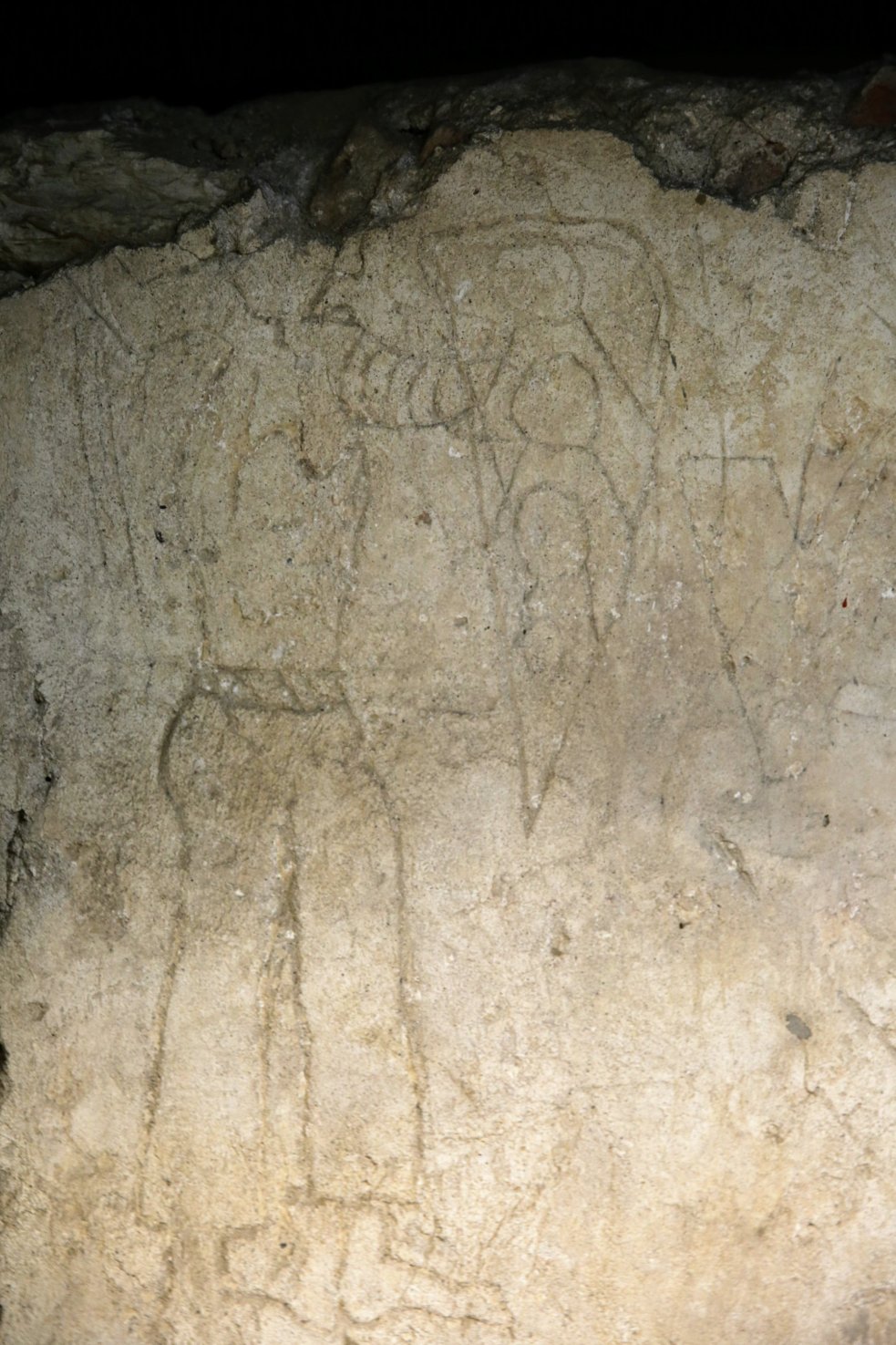
Medieval graffiti! (It says ‘Giovanni has big feet, but a really small shield’)


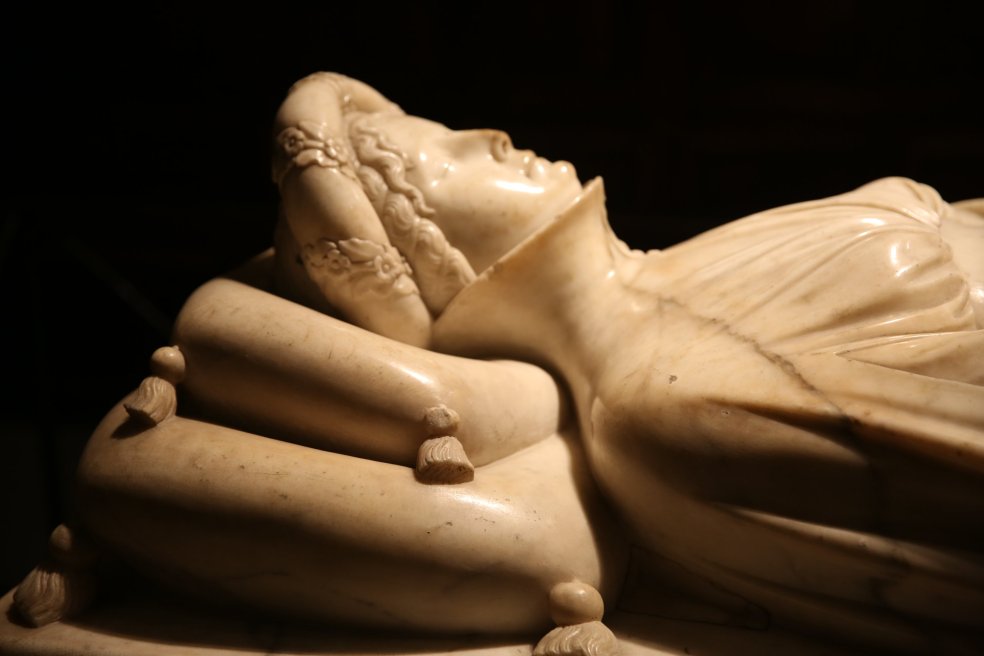
Just stunningly beautiful!
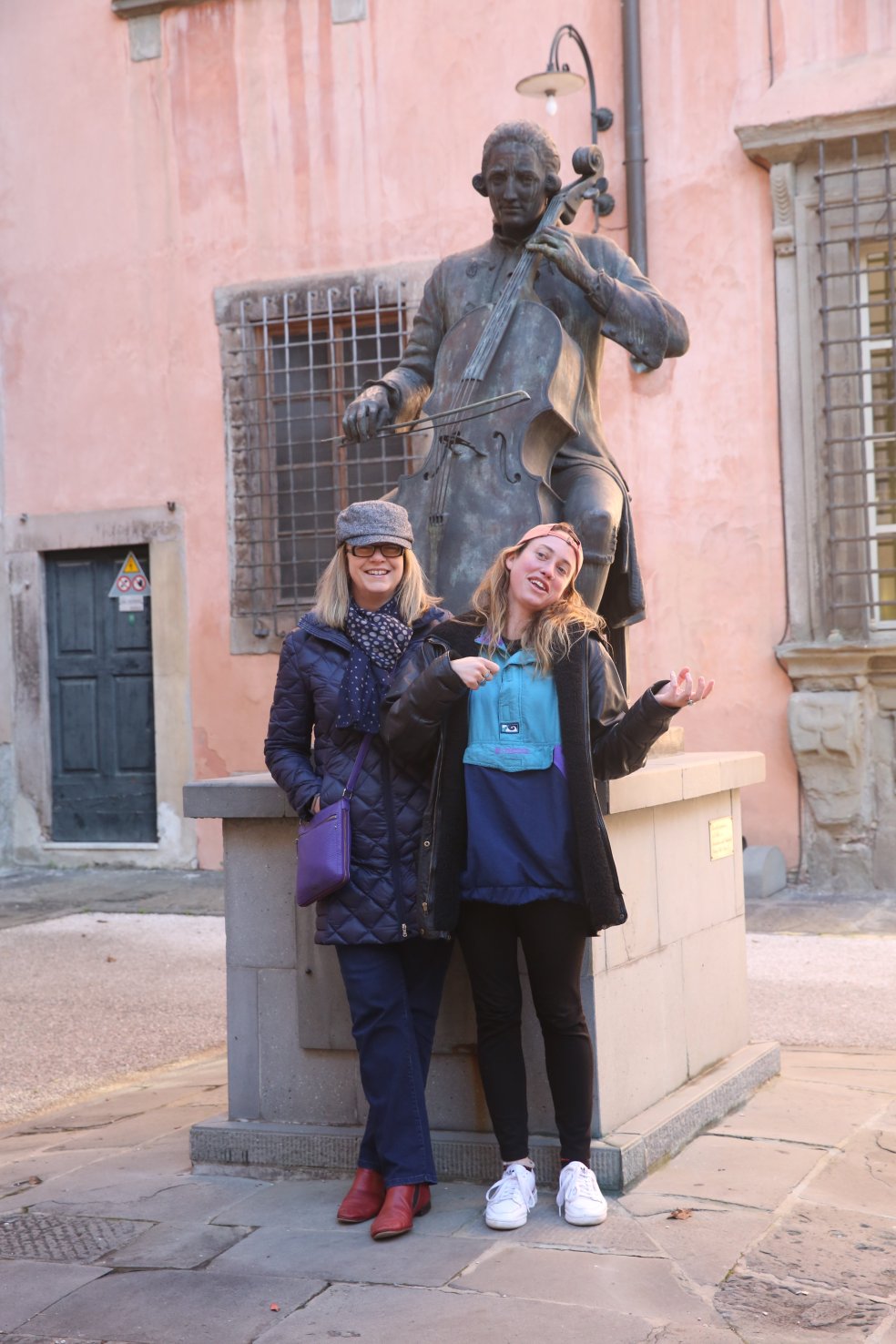
So is our daughter, except when she wears that bloody cap backwards!


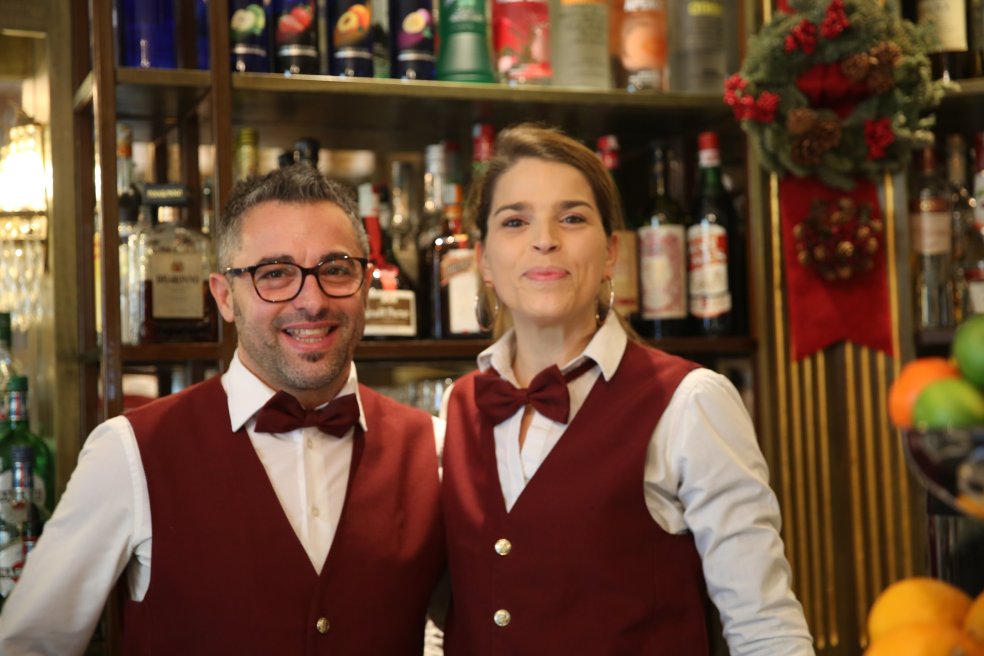
Our Luccan Lifesavers/Barristas
 The Very Excellent Adventures of the Cunnington-Smythes