Beautiful Barga


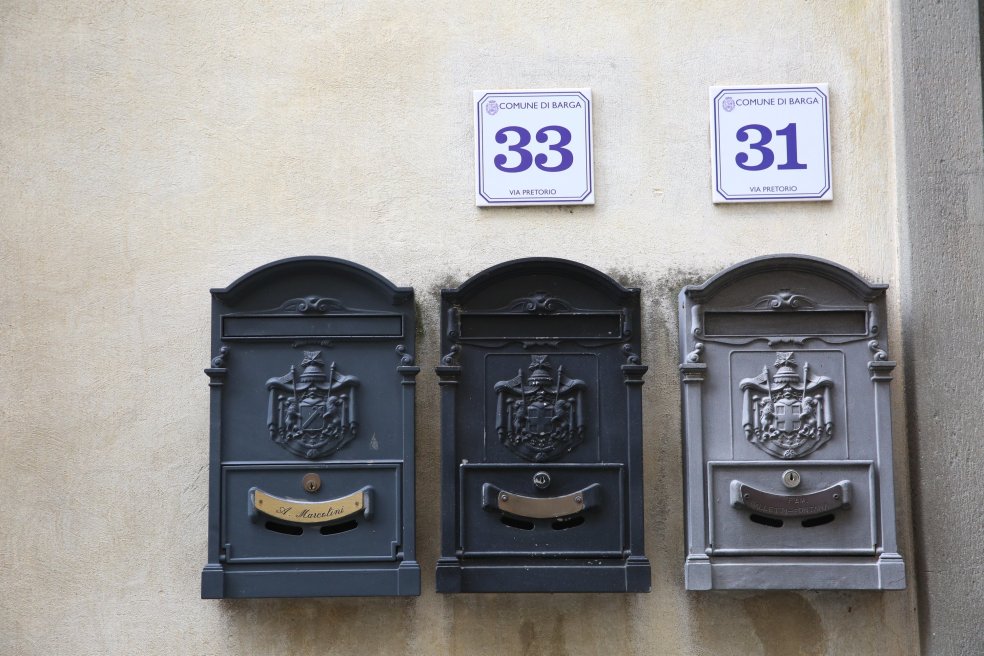
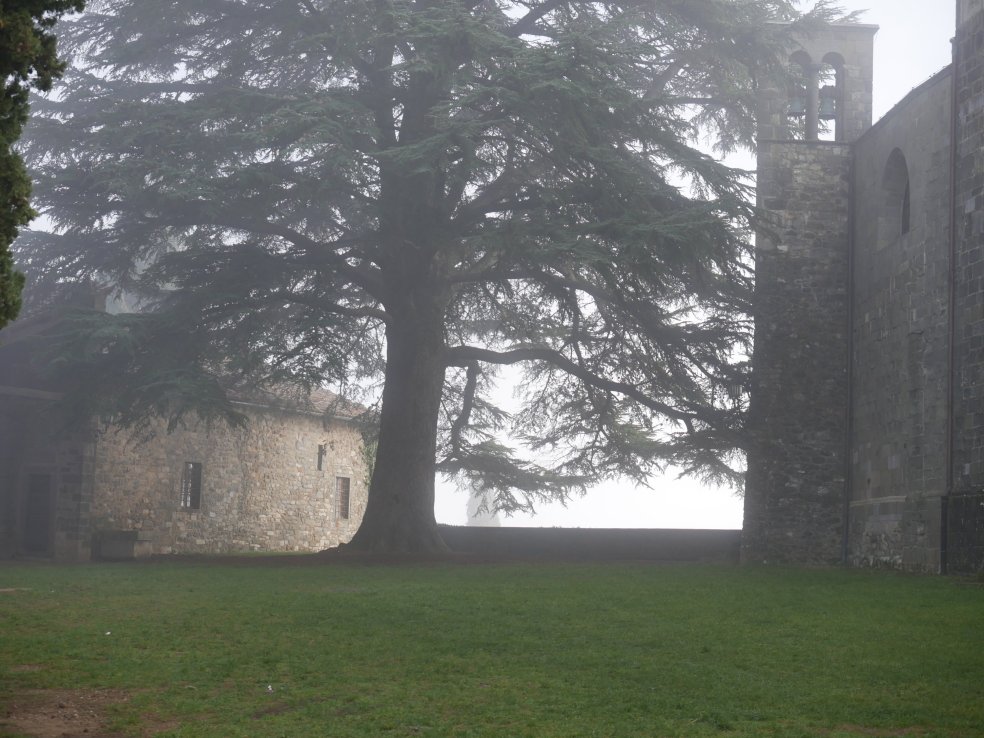
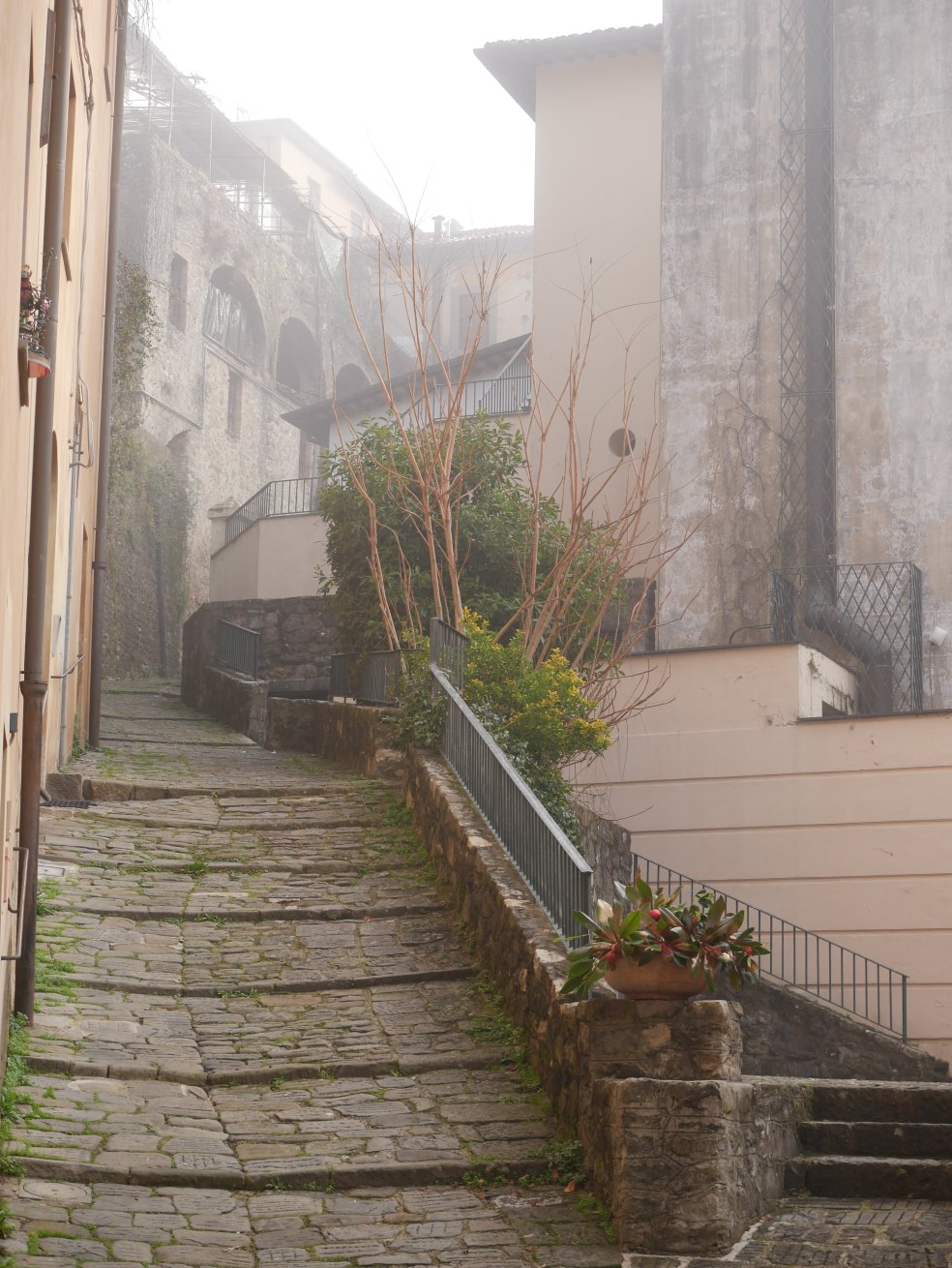
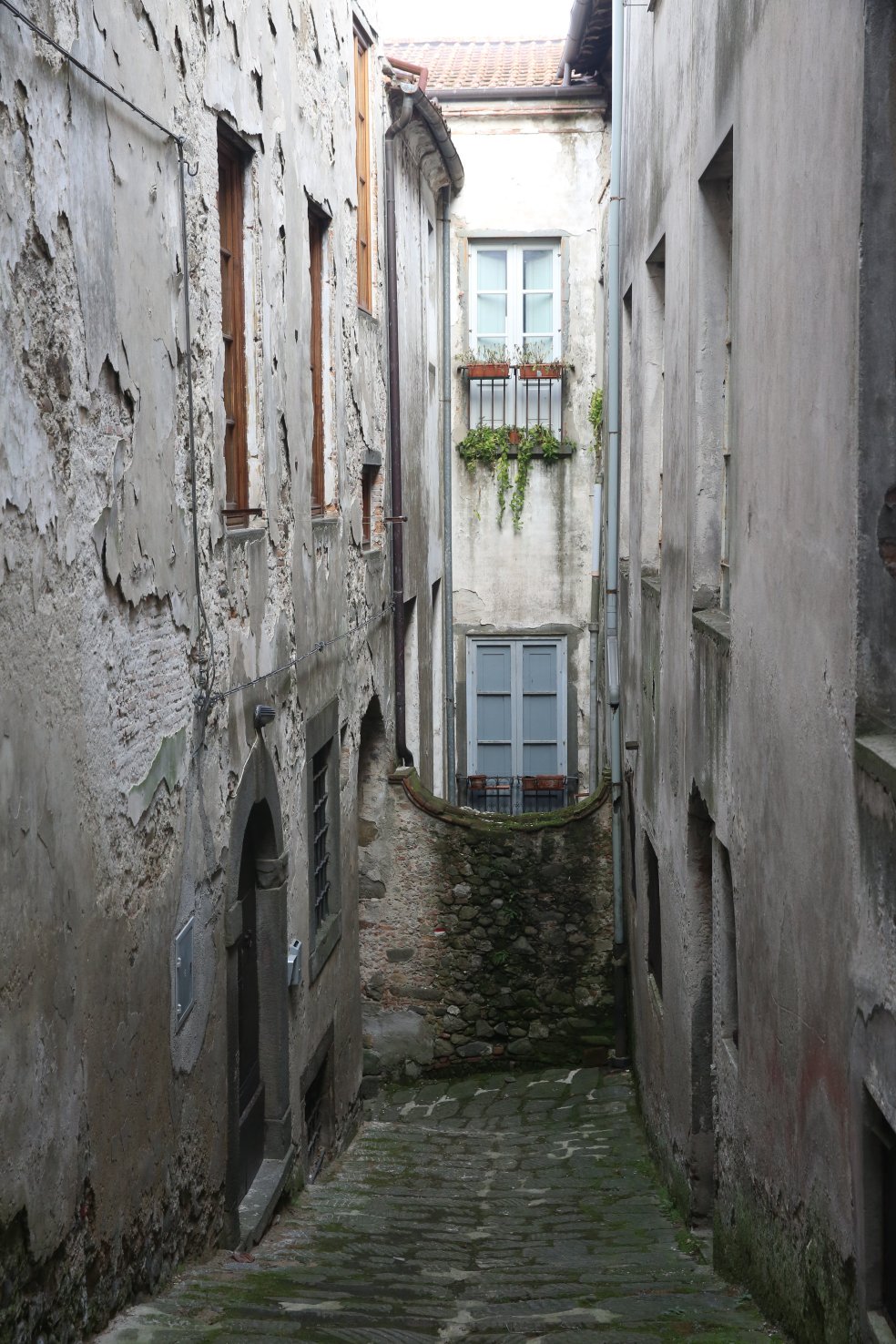
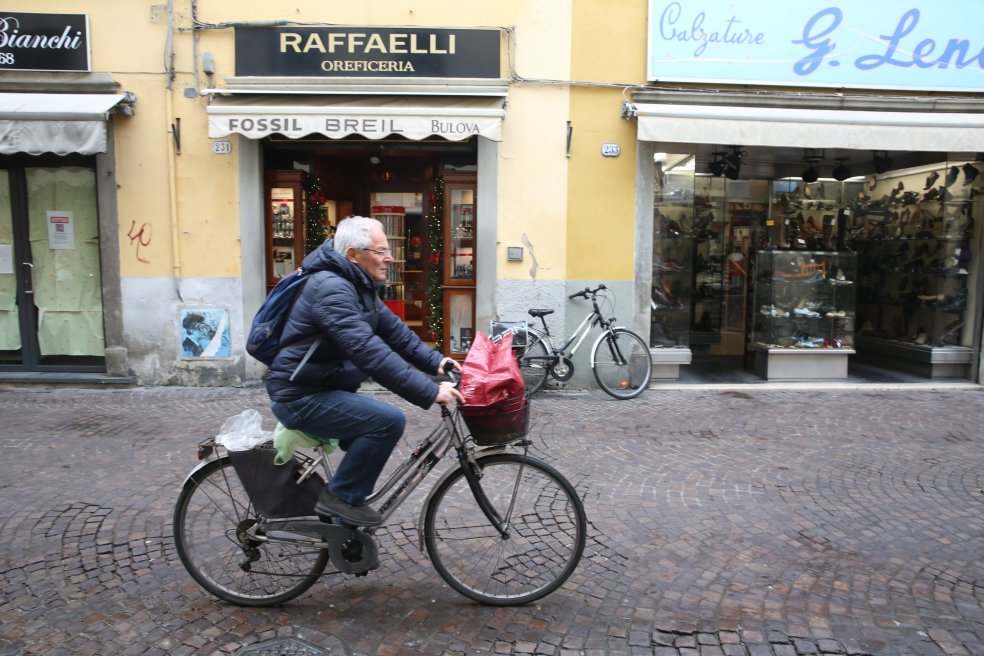
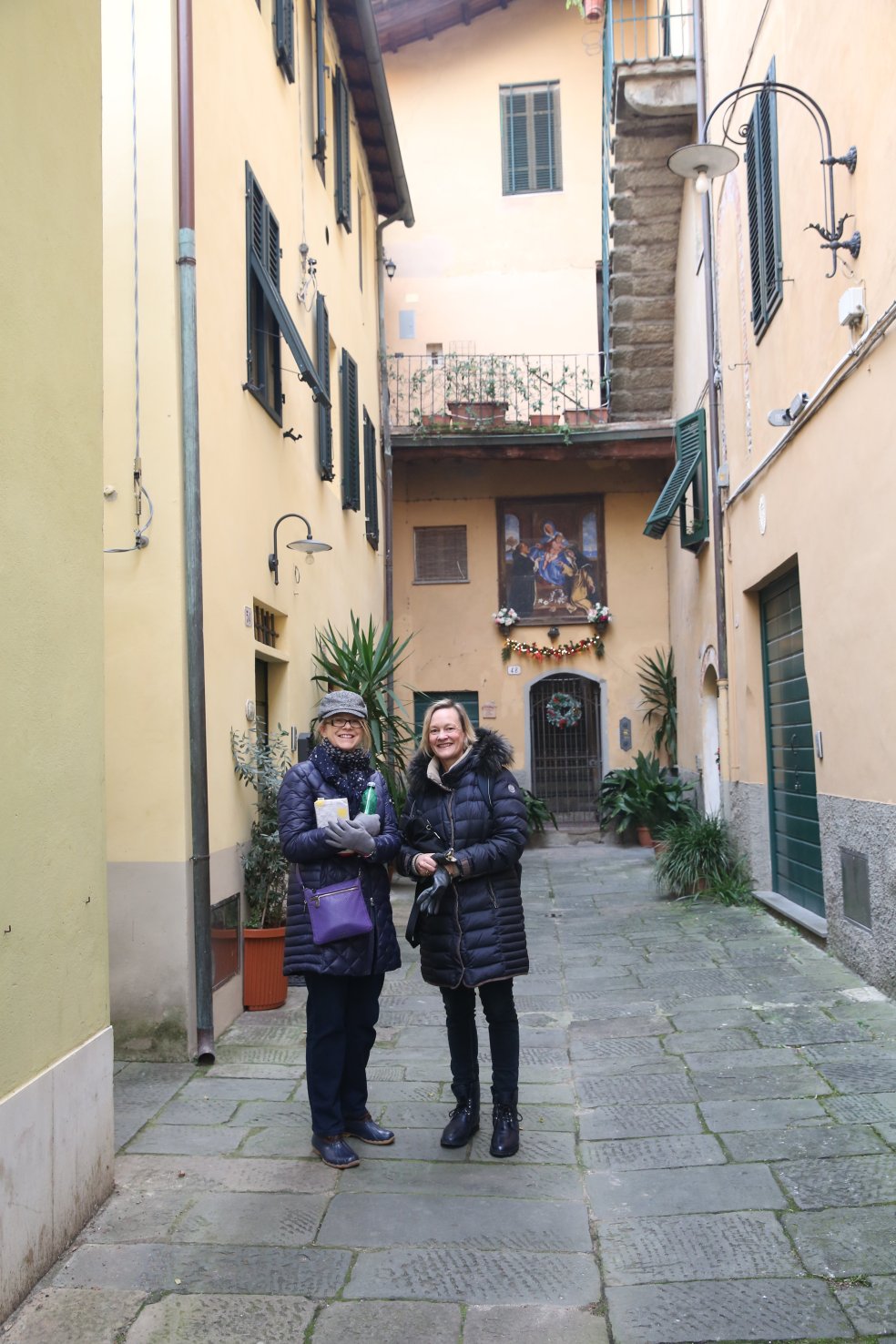
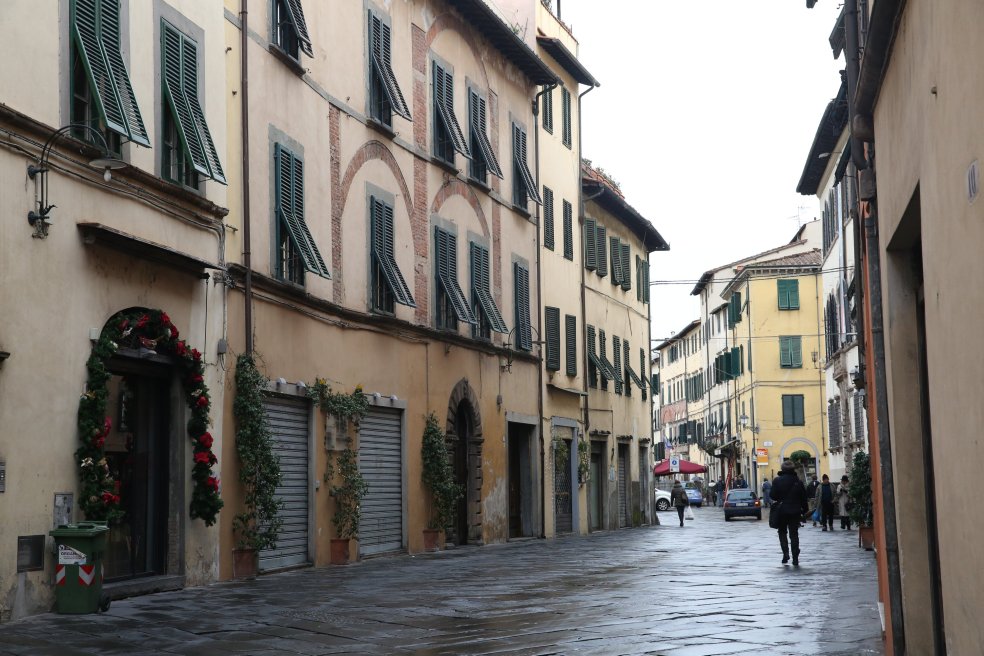
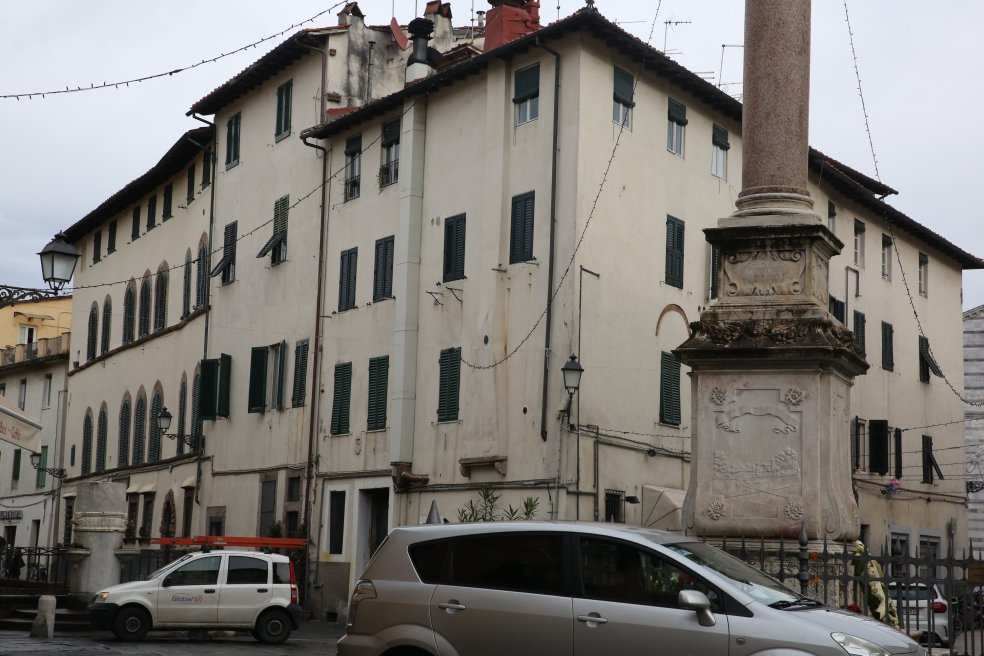
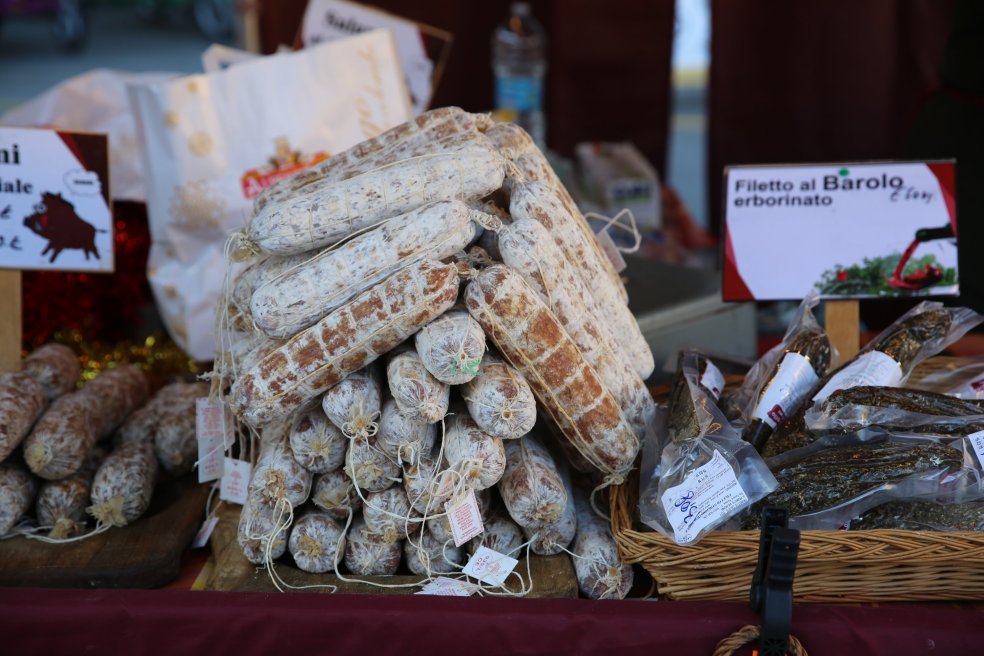
Barga is a one of the many medieval villages in the Appennines about an hour by bus from Lucca. When we went there yesterday the drive up the valley to the town was exquisite. The road follows the river valley and goes through numerous small towns – each with a church, a shop or two and an African guy trying to sell umbrellas to any tourist who stops. Barga itself, when we finally got there, was clouded in mist, stunningly beautiful, – and essentially closed.

Historically it was more closely aligned with the Lombards than with the Tuscans. As is the way in this part of the world, the town still celebrates the time they beat Lucca in a 12th century punch-up – or at least kept Lucca out of their town until the Florentines threatened to intervene. (That means they’ve had that same party now about 1,000 times!) Mind you, they also have a day to celebrate the time they joined with the Lucchese to keep out the Florentines. Sadly they were unable to keep out the more recent invaders – the Poms.

This part of Italy has quite a large UK expat community, but one that is now reeling with the uncertainty of Brexit. It could mean that all those who moved here from England and Scotland to take advantage of the cheap housing, mild climate, and ready availability of African umbrella salesmen, could suddenly become holidaymakers rather than residents and who are therefore unable to stay in their own house, (sometimes only house) for more than four months in any calendar year. No doubt this will have a flow-on effect on the English, Irish and Scottish themed pubs that also dot these valleys.

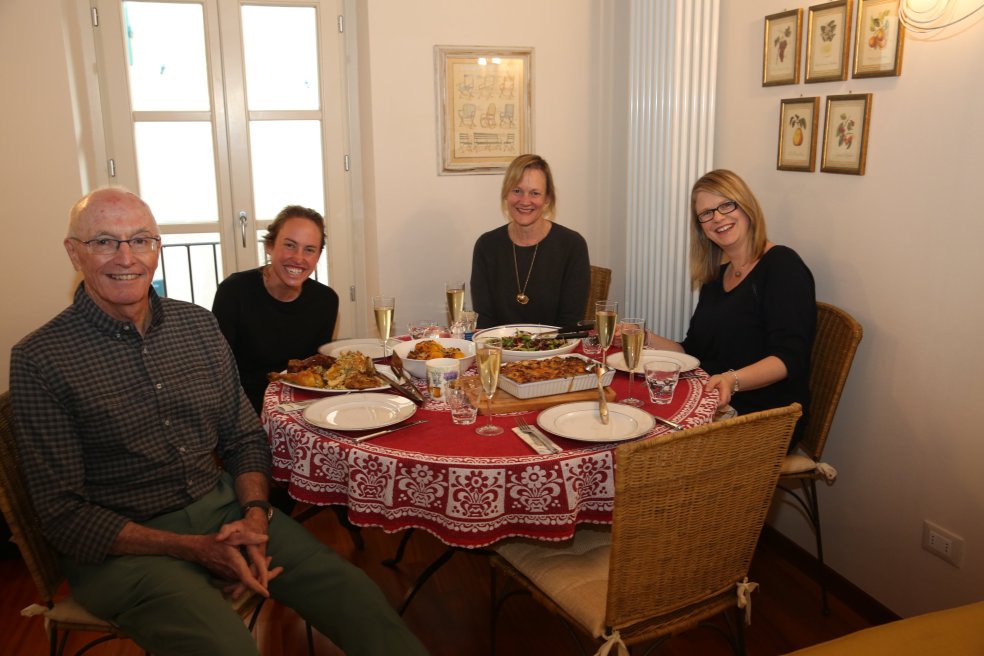
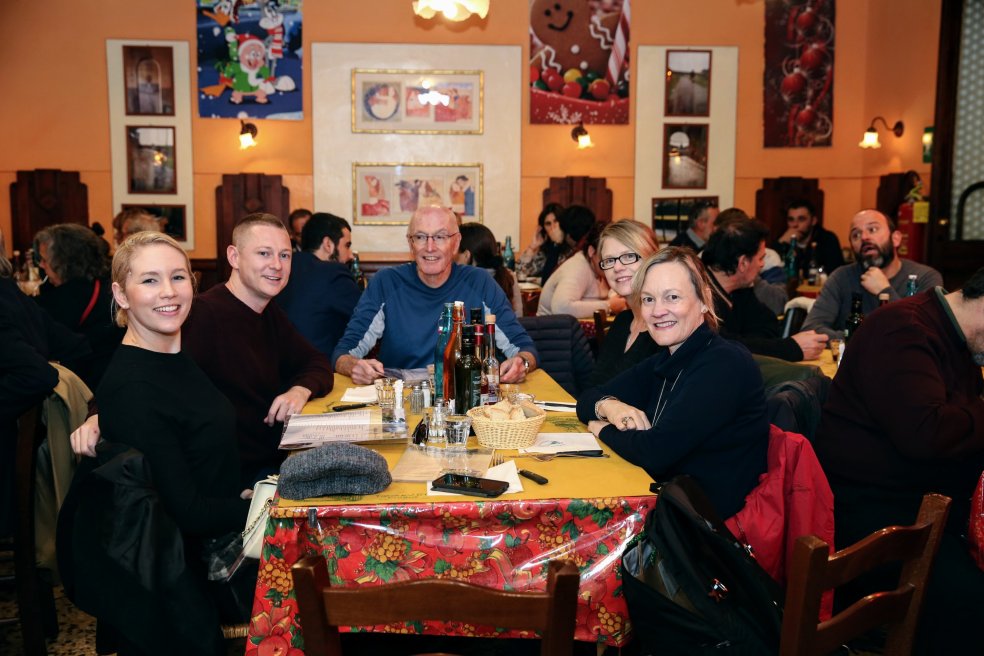
Upon our return to Lucca we had the best meal of the trip so far – not at an Irish pub but rather a Sicillian restaurant just round the corner. Every dish was first class; pork with artichokes, octopus with an unpronouncable sauce, even the simple green salad that accompanied the meal – followed by traditional Sicillian desserts . It was fitting way to farewell Nat who was with us for Christmas and is now staying with friends in London.

There is still so much to see in this beautiful part of the world. We havn’t yet seen the coast and there are a number of small hillside villages each with their own market day. Tomorrow however, we are going back to Florence, and that Remington, is almost always a good idea.

Enjoy the photos!

Farley et al.


Genghis Khan, Spanish Sheep and the Medicis


I know about half of my followers are history buffs, and both of them would be fascinated by the link between Genghis Khan, Spanish merino sheep and the incredible wealth of ruling families like the Medicis, the Sforzas et al. Let me explain.
By the 13th century the Mongols controlled everything between China and the Black Sea. So long as you paid their tolls, for the first time in history it was possible to travel overland in relative safety between the Mediterranean all the way to China – so the Italians did. Marco Polo is the most famous of the 13th century Venetians to make that voyage – he wrote about it, and others followed. By the start of the 14th century the Genovese had a series of trading ports all around the Black Sea and were bringing silk, spices, and ideas back to Italy from the East.

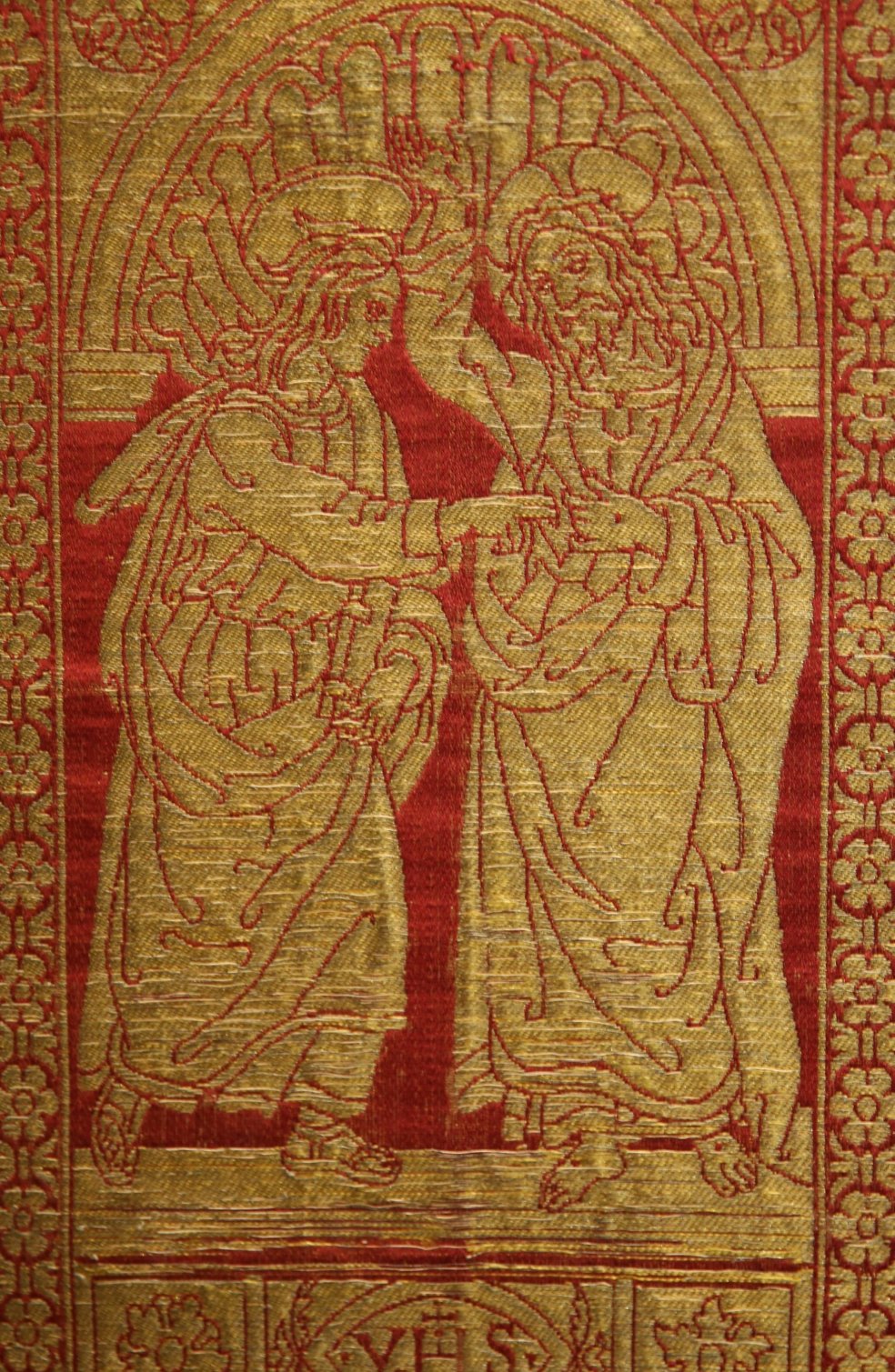
The Tuscans at this stage were already renowned for the cloth they had been making using Spanish merino wool. They had workshops all through the Arno River valley producing fine woollen fabrics – then Chinese silk became available. And the wealthy classes of Western Europe went nuts over their cloth. When bishops could afford wool, the archbishops had to buy silk, which meant the cardinals needed to wear velvet with gold thread inlays. And the great trading familes of Italy became wealthier and wealthier. They could afford anything they wanted. (Lorenzo Medici didn’t like the smell of the markets on the Ponte Vecchio, so he had them cleared and replaced with goldsmiths. He then had a private, covered walkway built above the bridge that led to his office – the Uffuzi. On the walls of his walkway was a great number of paintings by the Italian masters just to make his stroll to work enjoyable!)

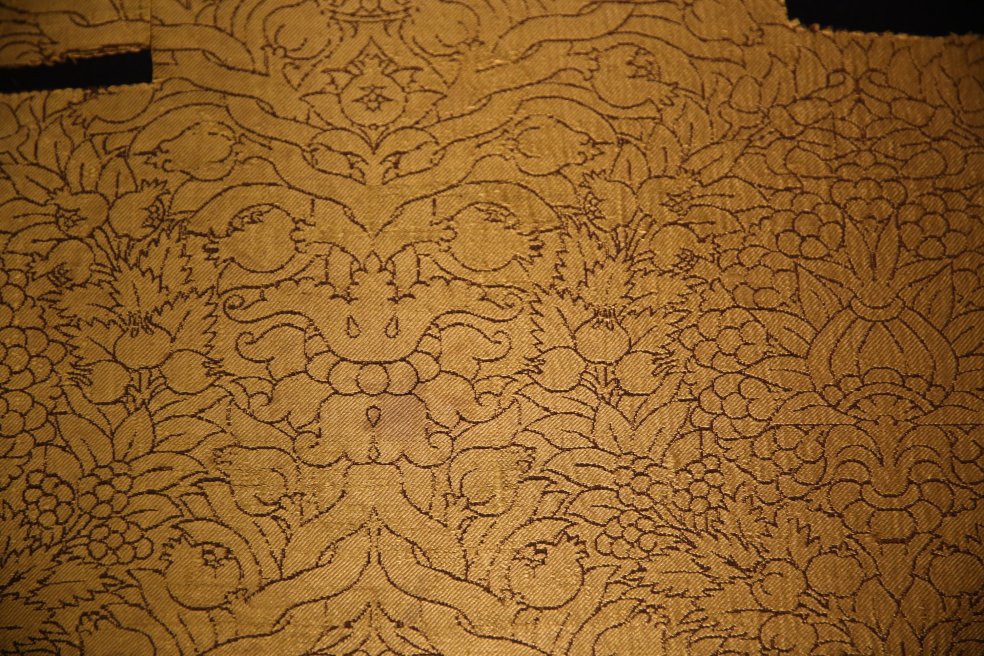
Today we had one of those chance days that can happen when you travel. What started as a ‘Let’s go part of the way to Florence with Catrina.’ ended up with a visit to Italy’s textile museum in a town called Prato. This museum traced the development of the textile industry in the Arno Valley from the Medieval period to the present. Apart from its array of cloth, it also has a collection of machinery. A whole section of the museum is devoted to looms designed for this trade by Leonardo da Vinci himself for the Duke of Sforza’s workshops, and there are working models of some of his machines. I didn’t even know he was into weaving, but he had a deep fascination for the way light fell on different types of cloth. Wonderful!

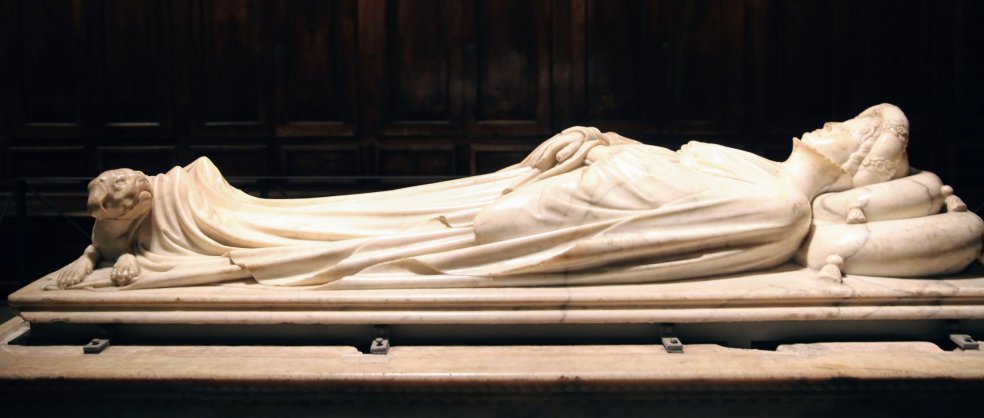
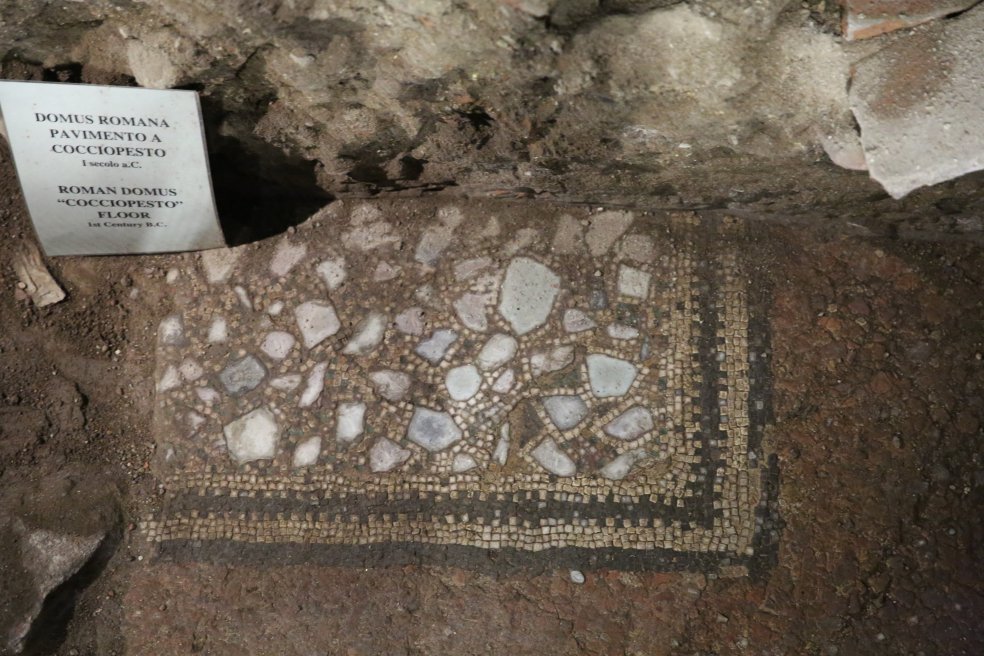
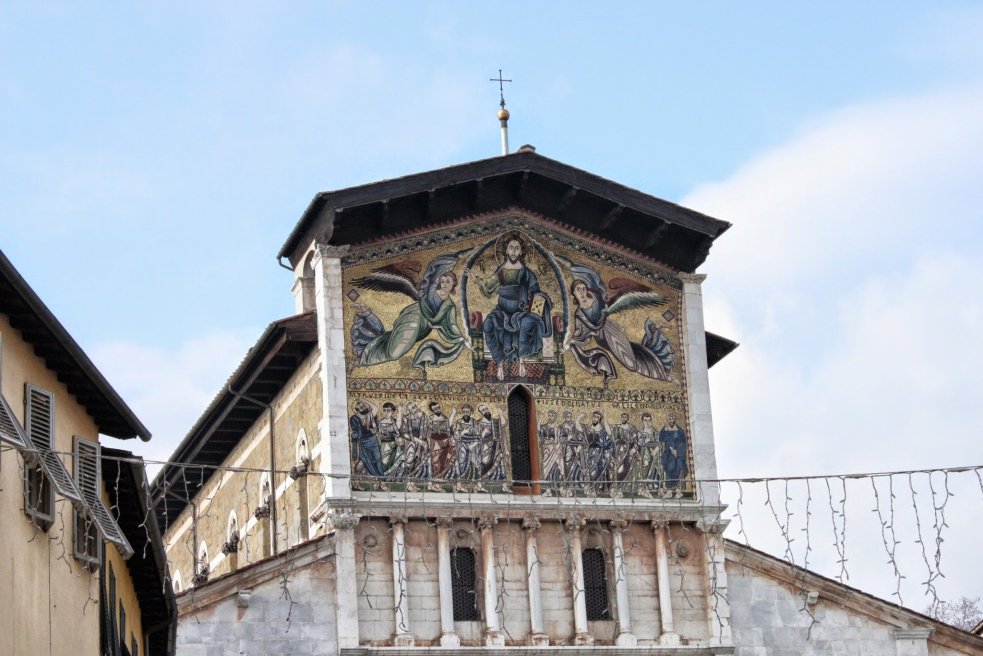
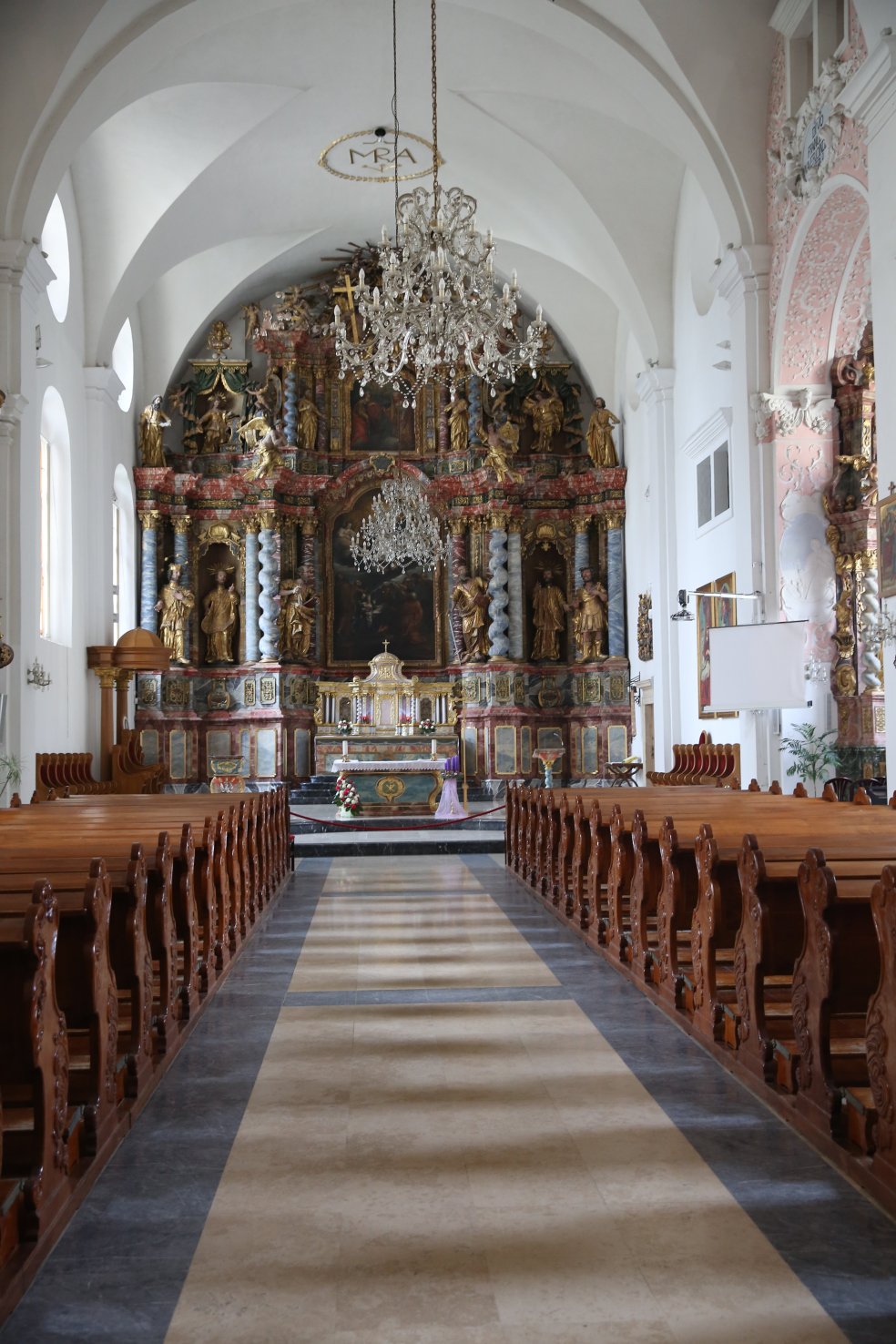
Today also helped explain the incredible wealth that is obvious in the churches of Lucca, particularly from the 15th century onwards. A church near the cathedral has an excavation underneath that shows the remains the 1st century Roman building under its foundations, through to the 13th century church above. This church and the adjoining cathedral are both decorated with priceless artworks by some of the masters such as Lippi, and has a museum that displays examples of the gold threaded vestment garments that we learned about today.

It was another great day today, a day filled with wonderful surprises and real learning. Linda’s parents would have loved the museum, Myrl would have enjoyed lunch I guess. It is a day that helps explain the role cloth played in bringing the genius of da Vinci, Michelangelo, Lippi, Botticelli, etc, etc, to the world.

In fact, I might even take out the old Singer sewing machine when I get home, who knows?

Farley


The Roman floor under the church.


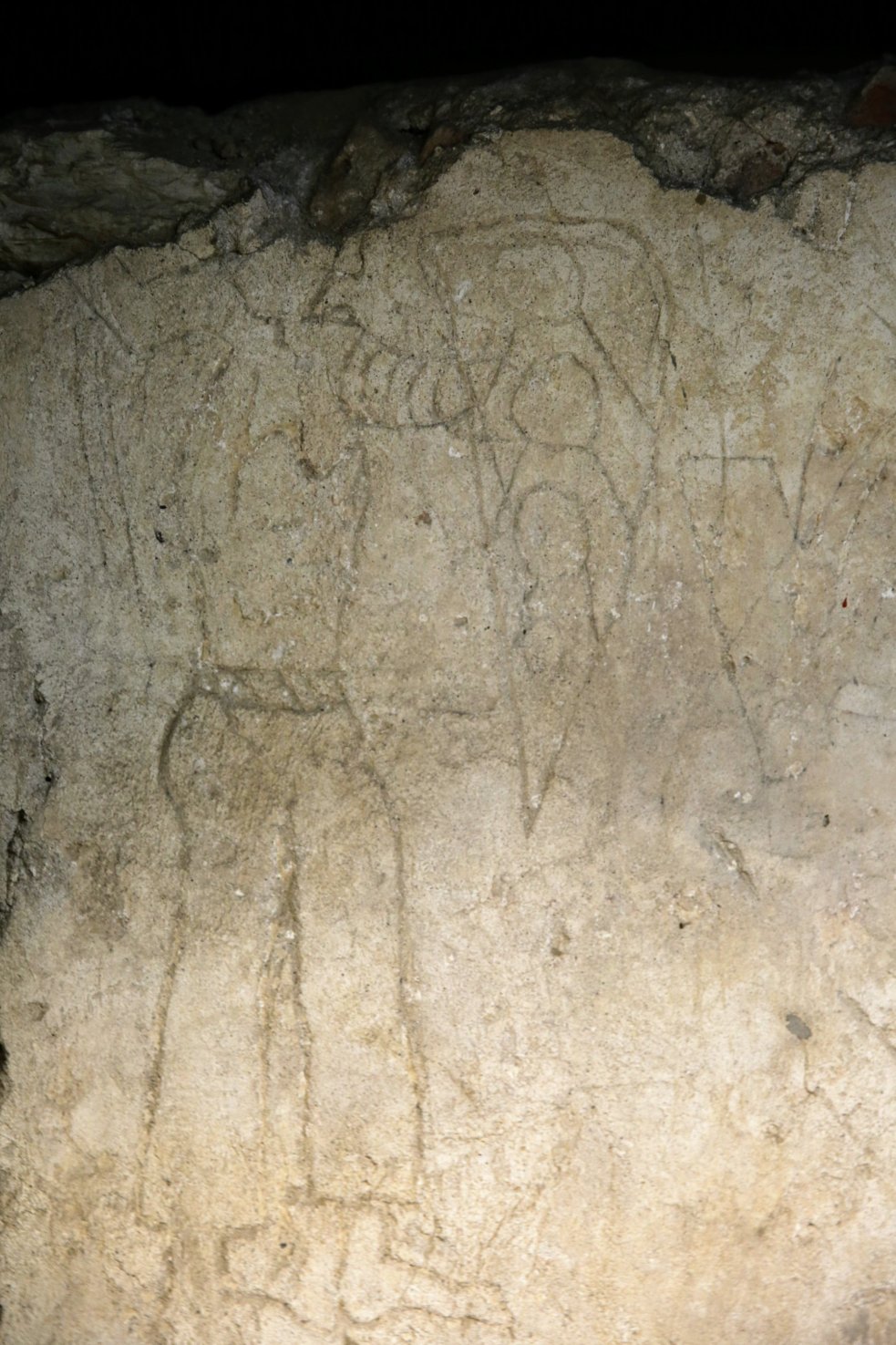
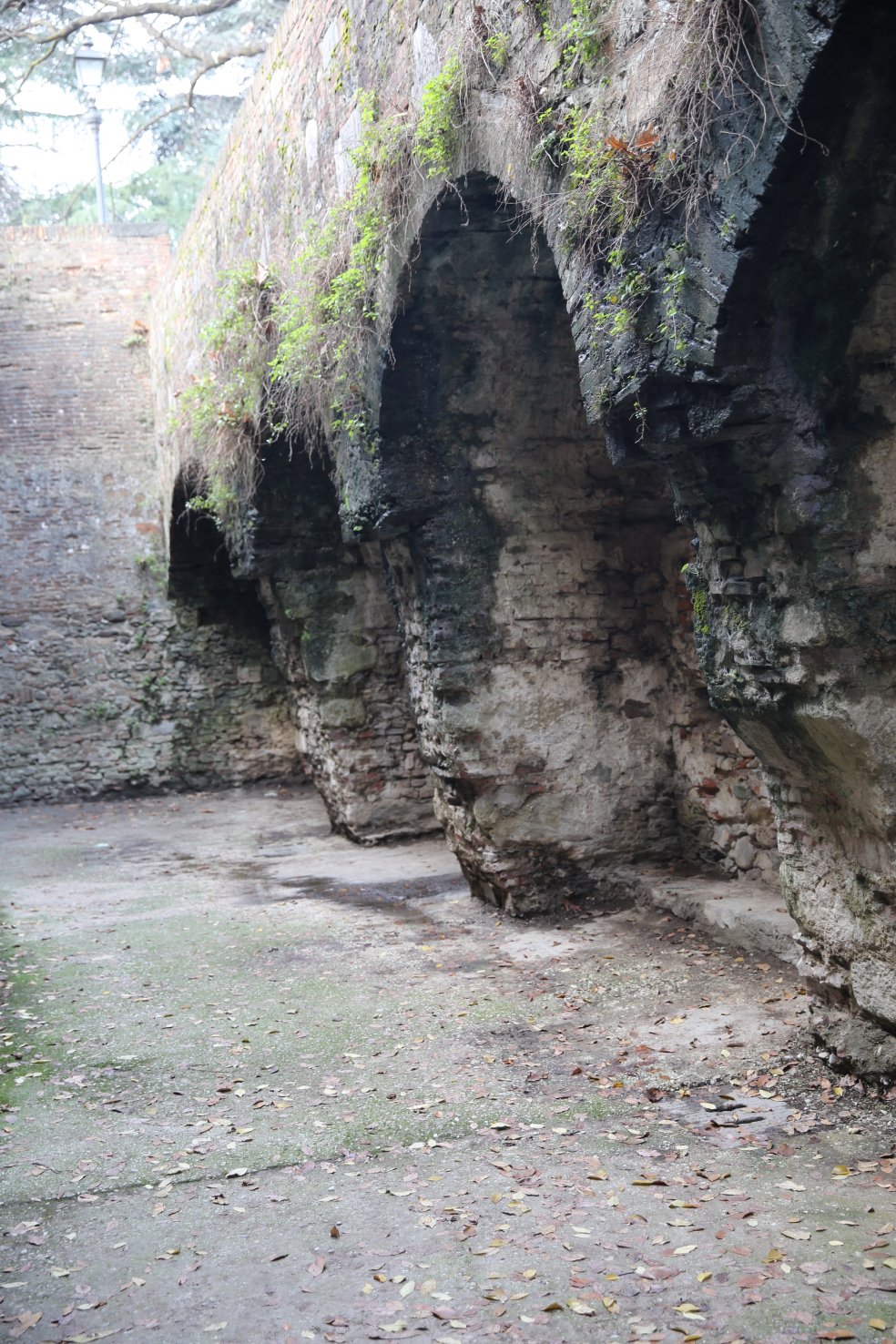
Medieval graffiti! (It says ‘Giovanni has big feet, but a really small shield’)


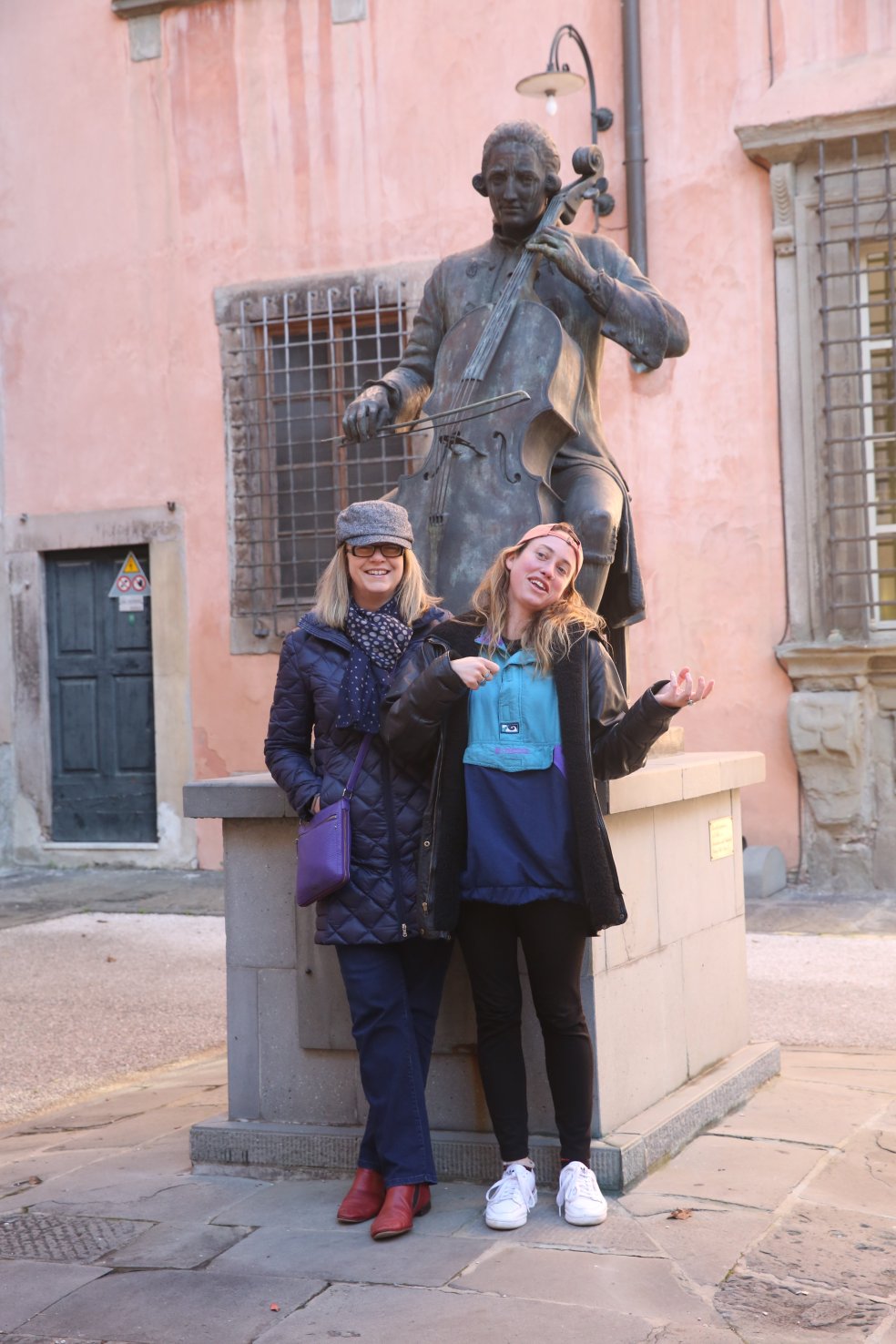
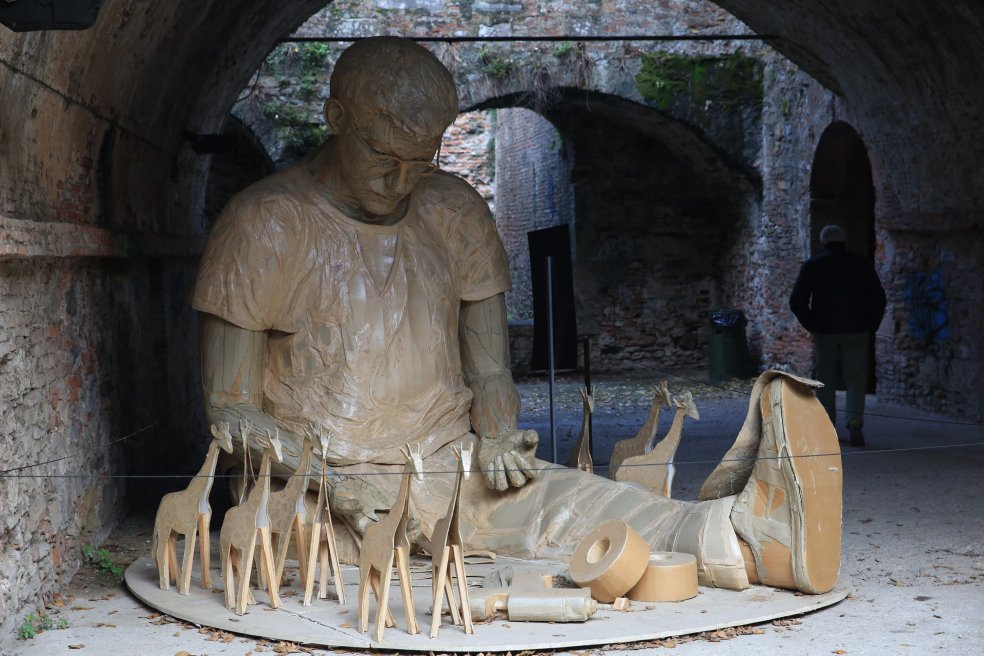
Just stunningly beautiful!


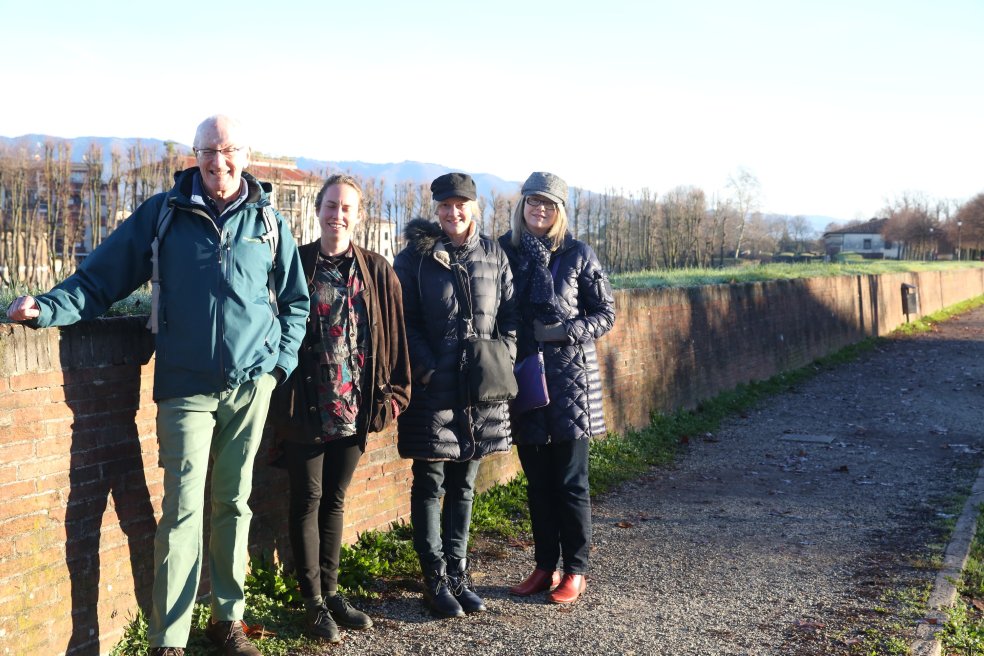
So is our daughter, except when she wears that bloody cap backwards!


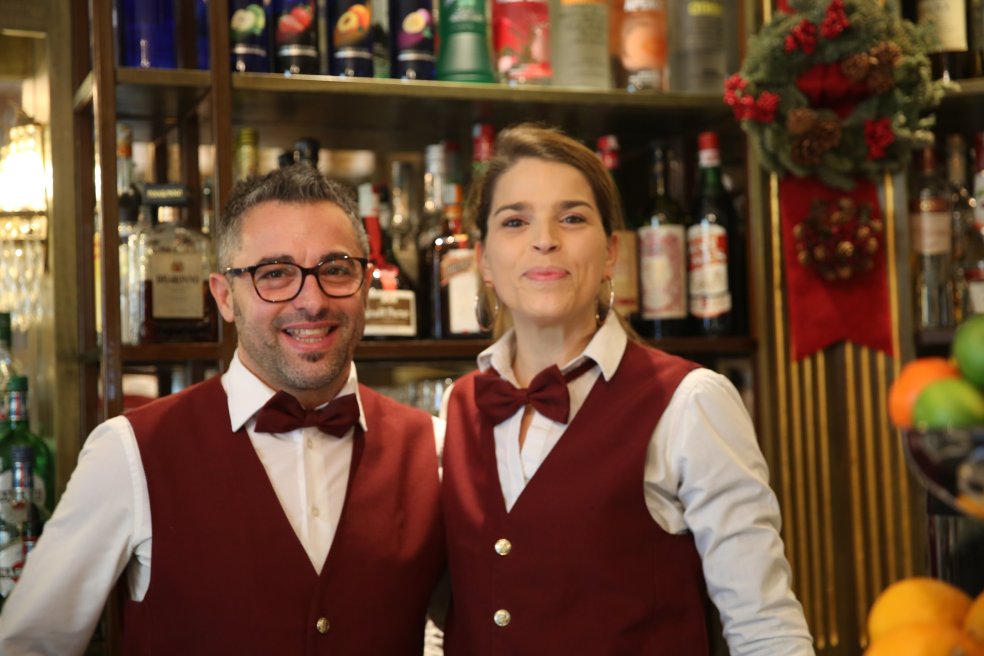
Our Luccan Lifesavers/Barristas

Buon Natale da Lucca

Celebrating Christmas whilst travelling can be fraught. Christmas in Sarajevo was a bit like Dirwali in Australia, it doesn’t really have that much of an effect on the majority of the local population. In other cultures, symbols we take for granted can be misinterpreted (my all-time favourite is the shopping centre in Tokyo that had a 60 foot Santa nailed to a cross.) Shopping hours can catch you by surprise if you need something at the last moment, and all public transport around Christmas can be a challenge.

We have a tradition when overseas of the Christmas tree being replaced by the Christmas Chair, however this year it has been the Christmas Sill. Church services, because of language limitations, tend to be ‘follow the leader’- this year we were again with Margie’s people for a midday mass and took our cues from others – without offending the locals too much I hope.

Lunch was a Tuscan affair; corn-fed chicken with a rice and herb stuffing, stuffed capsicums, potato bake and a beautiful salad. We will join the locals in their promenade of the medieval walls of the town before dessert this evening. We have also been in touch with kith and kin (or autocorrect’s ‘Keith and Ken’), made increasingly easy by the miracle of modern technology and social media.

There has been no cricket, no swim at the beach, no prawns and no sunburn – but you can’t have it all Remington, you can’t have it all. I guess we’ll just have to soldier on..

So to my 4 faithful followers –

Buon Natal da Lucca!

From

The Cunnington-Smythes and their dear companions.

Loving Lucca

Lucca is an easy town to love, plus, not surprisingly, it has a strong historical link with Rosewood. Lucca was the home of some great musicians – Puccini is the favourite son, and Paganini got his first big gig here as first violin in Lucca’s main string ensemble. Two hundred years later the Tokyo String Quartet play with four Stradavari instruments that were owned by Paganini himself. AND the Tokyo String Quartet had their first big break when Ted and Myrl invited them to play at the opening of the Farmers’ Market in John Street, the main street of Rosewood. Talk about six degrees of separation!

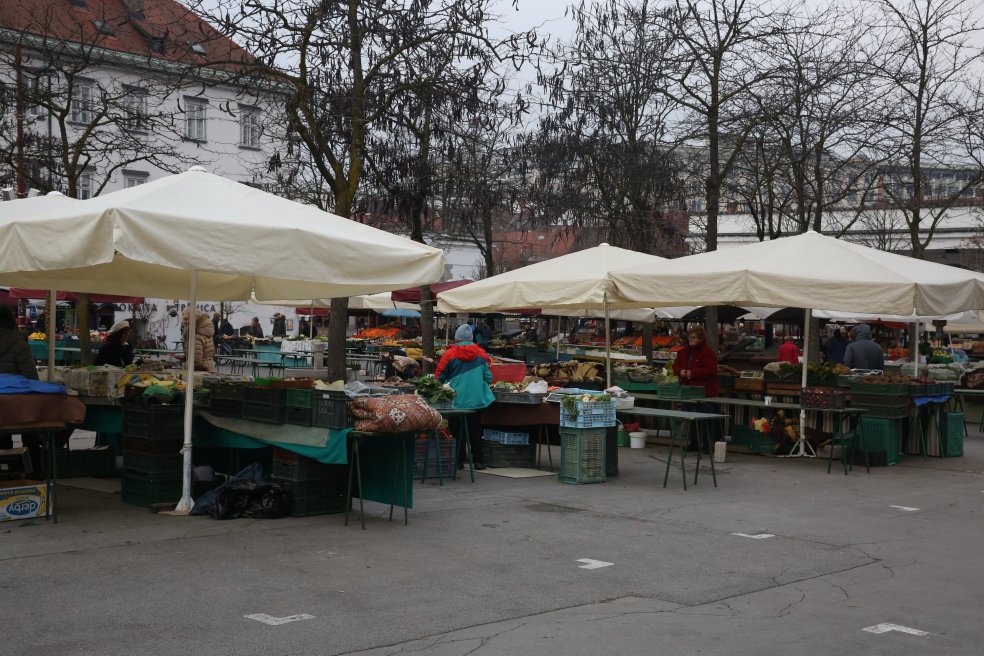
Lucca is a beautiful walled city and was spared much of destruction that usually accompanies the invasions that have occurred regularly in this part of Europe. After the 5th century, except from a sacking by Pisans early on and by Napolean at the beginning of 1800’s it was relatively untouched. It has 101 churches dating back to the 12th century or ealier, and a shopkeeper just up the road who is even older. There is no central produce market, but there are plenty of wonderful small stores that are filled with local Tuscan produce. Being Italy, food and wine are taken seriously everywhere and transport to smaller surrounding towns is easy enough to negotiate.

The other thing that Luccans did that is quite impressive is that they lifted their whole city up 2 metres in the 1100’s. Lucca is situated on a flood plain- a feature that is fine for defending a small town but regular flooding can give the citizens of a bigger city the absolute shits. So they decided to pull down every building, put down a 7 foot layer of sand and rubble, then put all their buildings back together again. Some of the 101 churches were rotated 180 degrees and the streets were given medieval twists and turns, but essentially it was reconstructed brick by brick.

Yesterday we travelled about an hour by train to go to Pistoia for the day. It is a stunning, small city about half way between here and Florence. The centre is almost all pedestrian and there are plenty of sites worth viewing. Farquar and I visited the museum of a hospital that is about 1000 years old – although the museum was fantastic the equipment used to treat urinary conditions was still causing winces and squirms some 200 years later. The four of us had some of the best food on this trip so far at a restaurant at the markets in Pistoia, (any trip to Italy actually means some of the best food you will eat in your life).

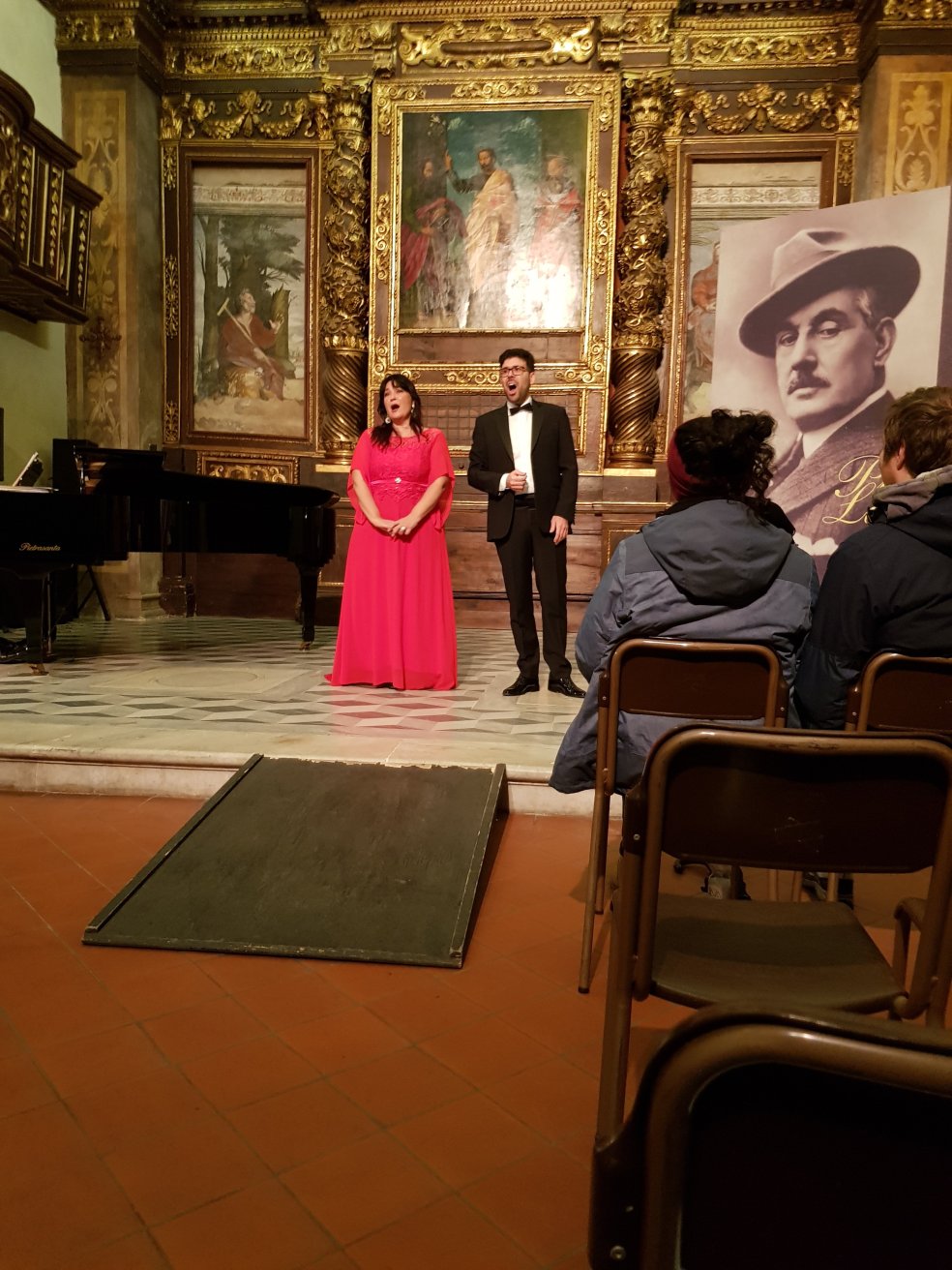
The day finished with a concert of Puccini and Mozart pieces in a chapel that is part of Lucca’s cathedral complex. As my three followers know, I am something of the Renaissance Man – creative dance, complex vocal pieces, classical music arrangements played on any of woodwind instruments – these are all skills I have pursued, then mastered. Because of my own journey as an artiste I do appreciate greatly the attempt by these younger performers to master at least one of the finer Arts. Well done those performers, well done.

Today will be spent beginning our preparations for the arrival of both Natale and Natalie in the coming days. There are gifts to be purchased and menus to be planned. We have decorated a window sill this year rather than a Christmas chair (Christmas trees are quite the rarity, nativity scenes seem to be the go in Italy, Spain and Portugal – so when in Lucca……)

If time permits we may look for another concert to attend. Oh if only Myrl and Ted could have been here to accompany us to last night’s performance, Myrl would have whistled along with each piece and Ted could have broken out in song – plus I’m certain they would have relished the knowlege that a Paganini circle had been closed: no wonder there is such synergy between Rosewood and Lucca…

Farley et al

When they found out later that I was in the audience they were so overcome they pretended not to be able to speak English!

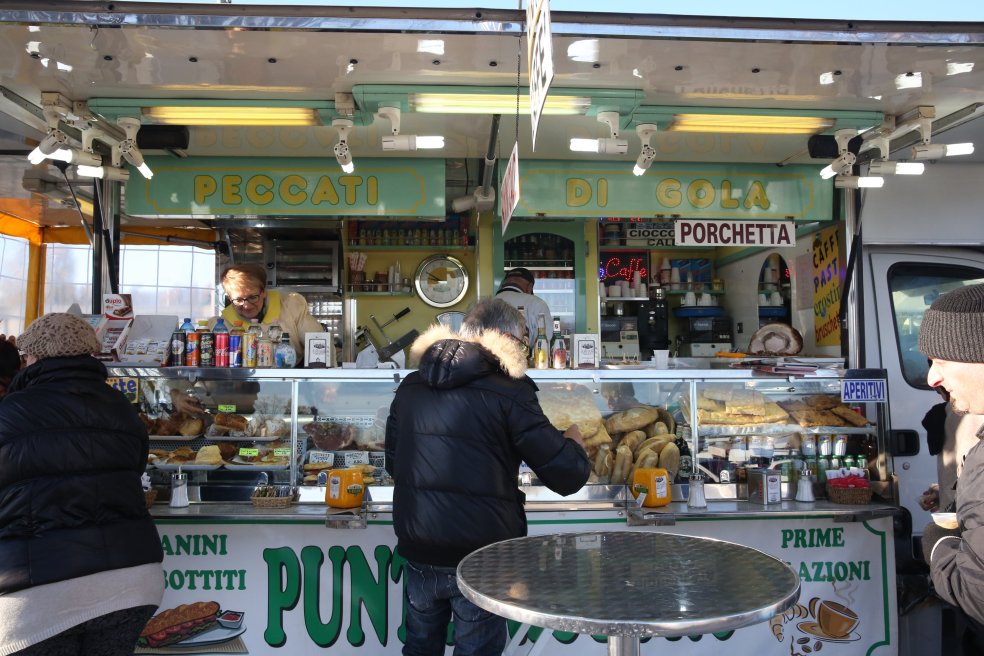
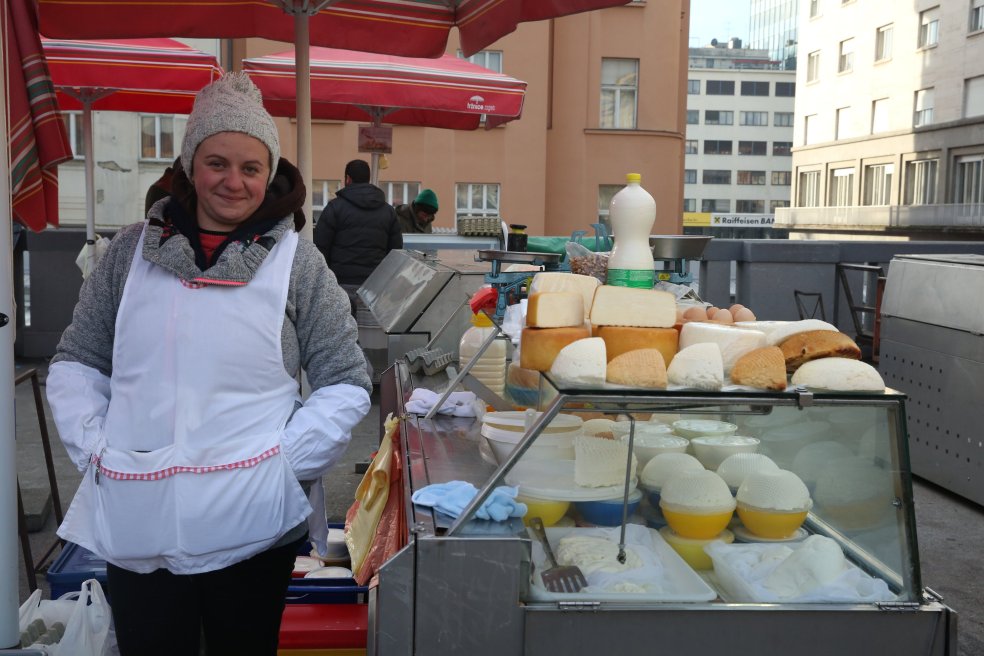
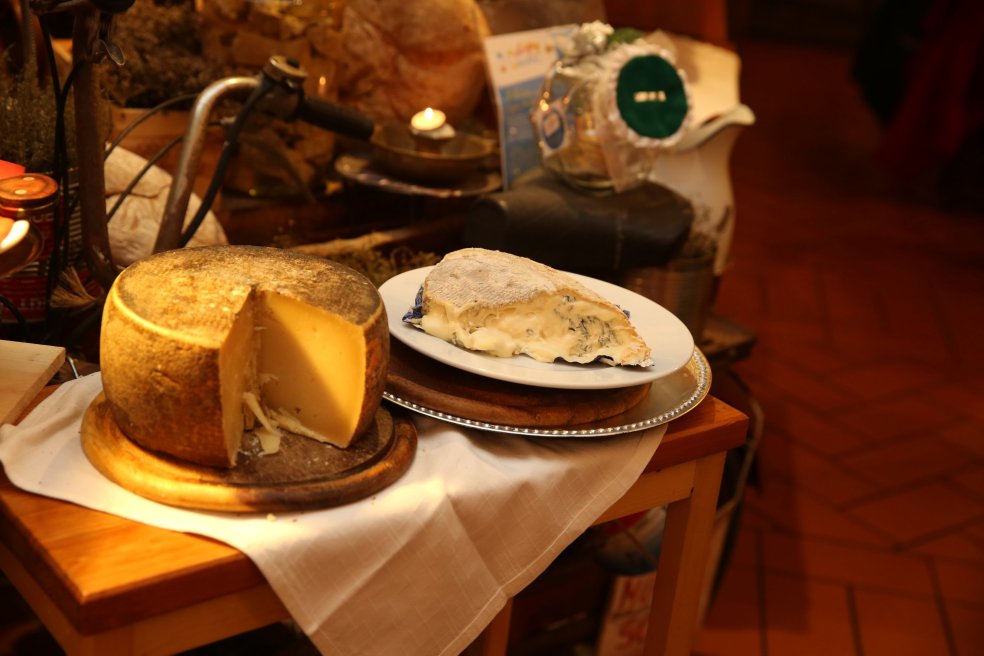
Oh the cheese…

Our beautiful niece and her partner were able to track us down.

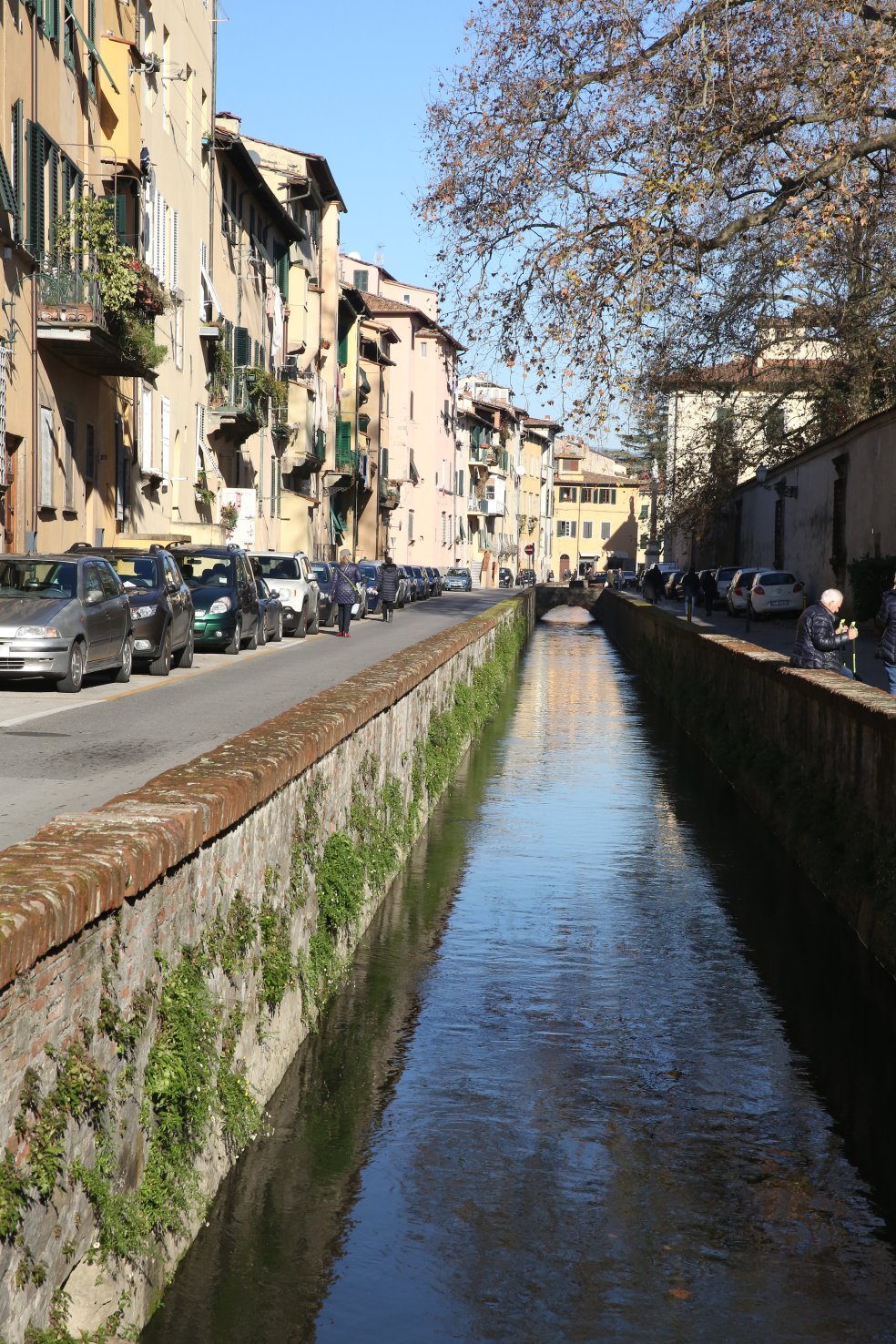
The stream outside our door, and yes Remington, it’s full of trout!

Pisa

Pisa

We went to the Pisa Airport today to meet Farquar of the Hinterland who will be with us for a number of days.

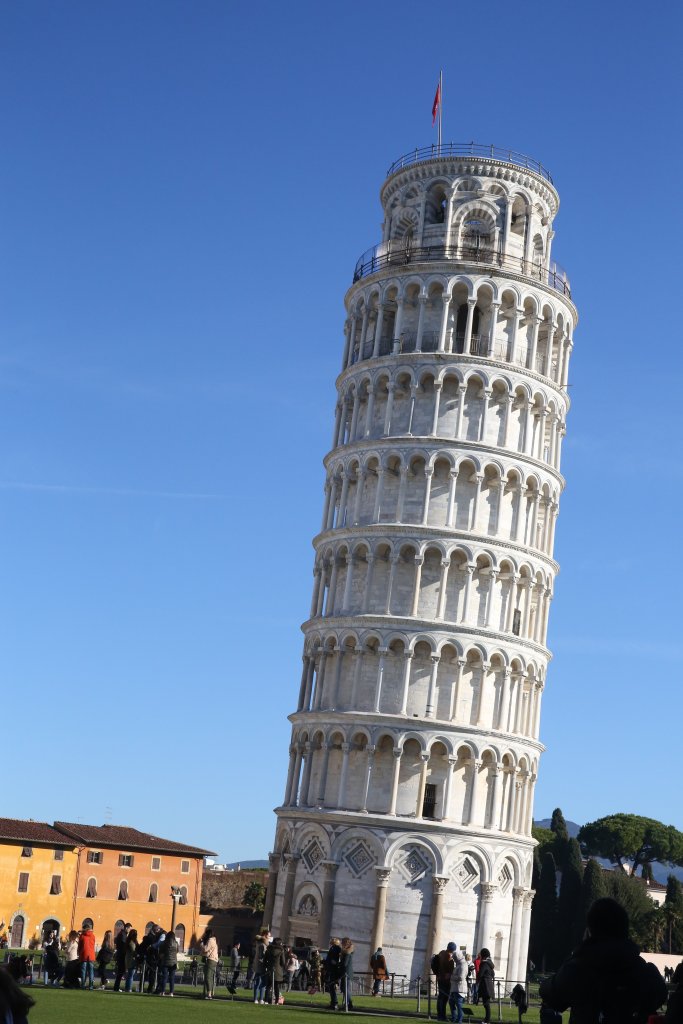
On the way back we stopped at Pisa’s most famous attraction. I couldn’t help but notice the strange pose adopted by so many visitors, however I am not aware of the reason for the inordinate amount of care that was being taken to compose each photograph.

People here are strange Remington, however I was able to convince my travelling companions to join in.

F C-S

Holding up the church?

Holding up the gutter?

It took me ages to get this straight, the blessed thing is leaning somewhat!

When I erred as a child, Myrl’s hidings were quite mild in comparison

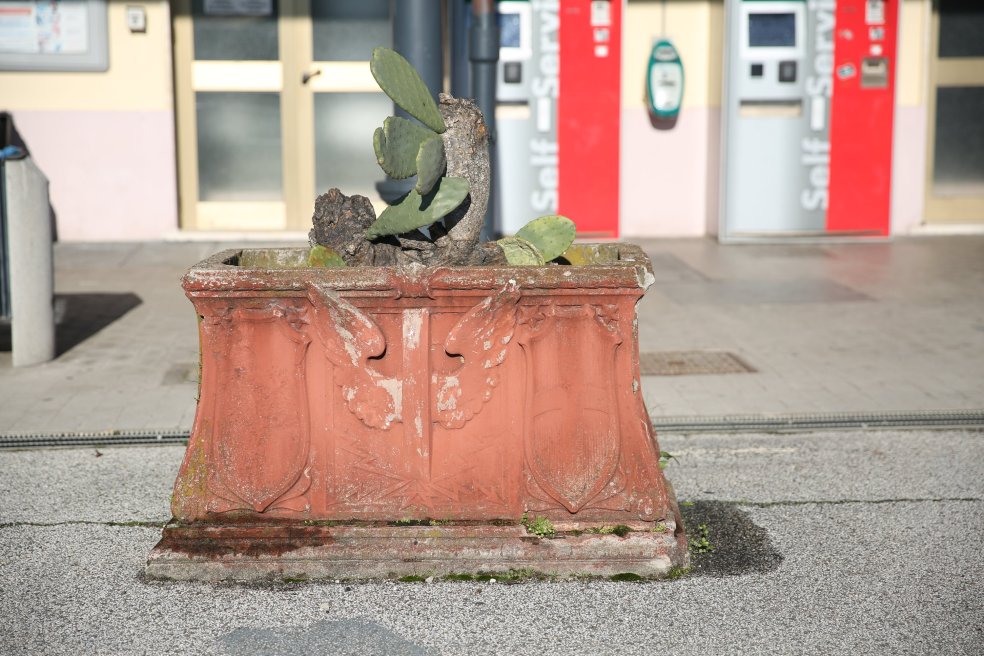
Believe it or not, there are some people in Australia who do not see the prickly pear as an attractive ornamental plant. If only they would travel Remington, if only they would travel!

Ring-a-Ring-a-Rosey

The year 1345 wasn’t a great one for this part of the world. There had been floods in Tuscany, an earthquake in Pisa and widespread famine throughout Northern Italy. In that same year, not far from where we are now, Giovanni came back on his boat from a business trip to the Black Sea. He told his wife that he didn’t feel so flash- she told him to go to bed and stop playing with the lumps in his armpit and groin. Within 6 months more than a third of the population of Italy would die from the Black Death, a disease that found its way to Europe via the sea ports around here. Further outbreaks would spread the disease throughout the rest of Western Europe and eventually bring about massive changes to the feudal system in most of Western Europe, to the ruling classes and to the way people viewed the Church. Giovanni told his wife he was sick.

Partly because of this disruption there was the rise and rise of the merchants in Italy in the fifteenth century, families such as the Borgias and the Medicis. They made their fortunes selling wool, textiles and favours. They became the great bankers and patrons of the arts. In the 21st century Donald Trump owns real estate and managed to impress Ivanka and Stormy – in the 15th century the Medicis owned Florence and Tuscany and didn’t need to impress anybody – they had da Vinci and Michelangelo as house painters and church decorators.

Lucca, where we are now, was Etruscan, Roman, Germanic etc. etc. (as is the way in this part of the world), but became wealthy on the silk trade in the 1300’s and remained a more or less independent republic until Napolean came through in the early 1800’s. The apartment we are in is about 300 – 400 years old the owner thinks. It is out of the city centre, but inside the city walls – being inside the walls is probably a good thing I suppose, just in case the Germanic tribes decide on another attack on Italy in the next 3 weeks while we’re here.

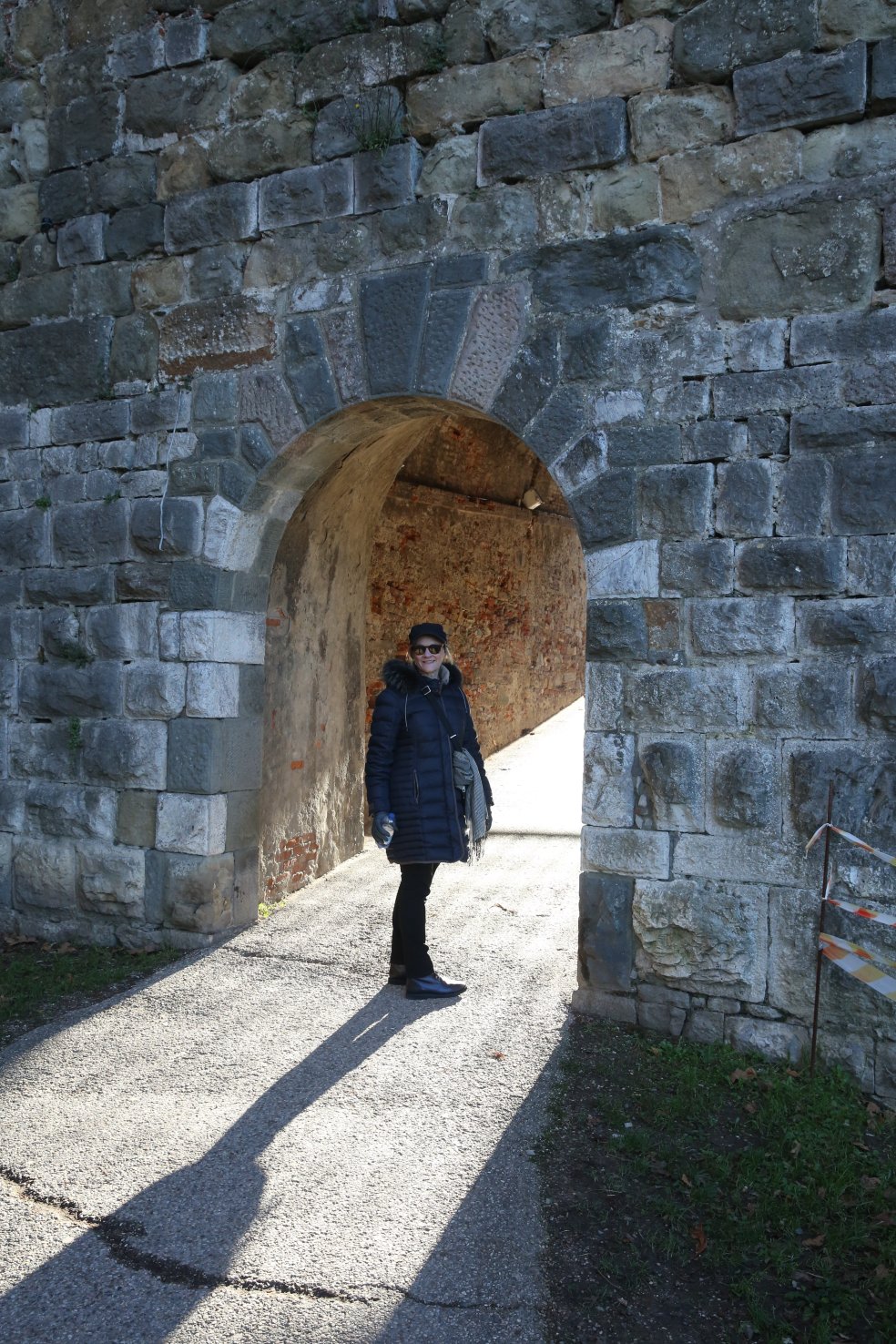
It is a beautiful, beautiful city, a wandering city. Most of the buildings look the same and the streets meander – as is the way in many old European towns. It is an easy, but wonderful, place in which to get lost. (I met a fellow Australian today who left his wife in a coffee shop and still hasn’t found her or his apartment despite all his best efforts. He’s been looking for her since last July.) I spent today just strolling and getting acquainted with Lucca and I know I am going to love this place. Unfortunately Linda has been quite ill and has been confined to bed….

Actually I think I’d better let you go Farquar, I should check Linda’s armpits for lumps and for a rose-coloured rash on her torso. So long as I can find our apartment, that is.

F C-S

PS At least I have a photo of our apartment – it is sandy coloured with green window shutters……


Some Locals

One of the joys of travel is hearing the stories of locals. It has been suggested that, just occasionally, I am a little too forward, and that people mightn’t actually want to talk to me, have their private time interrupted, or have their photo taken. However as soon as you tell someone you’re from Rosewood……..

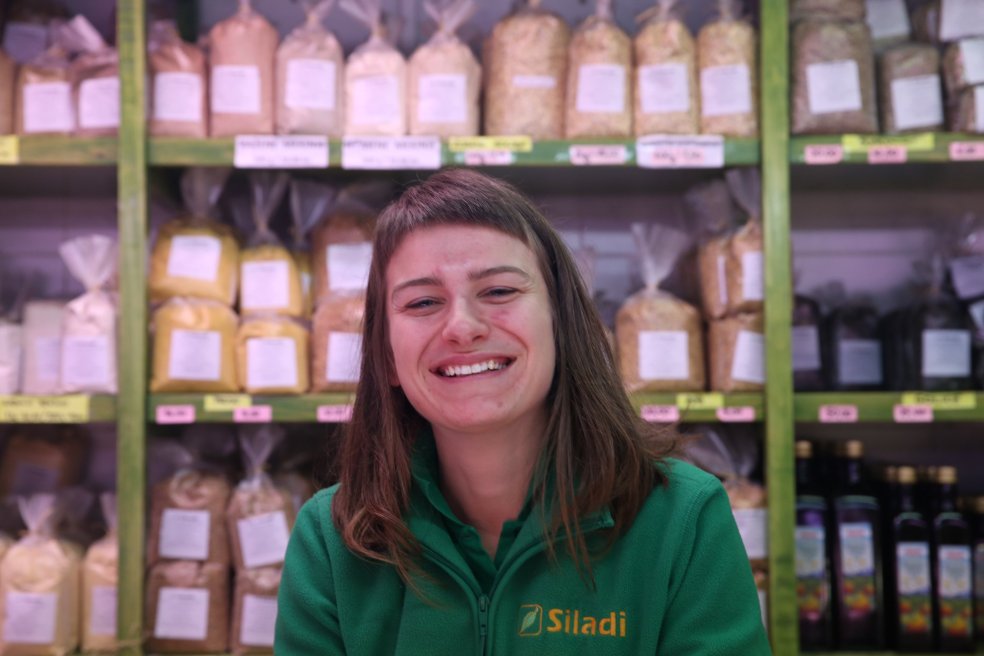
This is Sarah. She lives outside Ljubljana on her parents’ farm where they grow pumpkins, not for the flesh but for the seeds. The seeds are roasted then pressed for the oil. Pumpkinseed oil has been shown to be more addictive than heroin – the three of us are now hooked thanks to her. It is not used for frying, but rather is sprinkled over salads or rubbed on the bowls in which vegetables are served, and it is absolutely superb.

She said everyone at her school smoked except her, even those in the youngest grades. After she was caught the third time in the girls’ toilets not smoking she was expelled and had to find a job – so she went back to the farm. At least that’s what I think she said, but I will admit my Slovenian has lapsed somewhat.

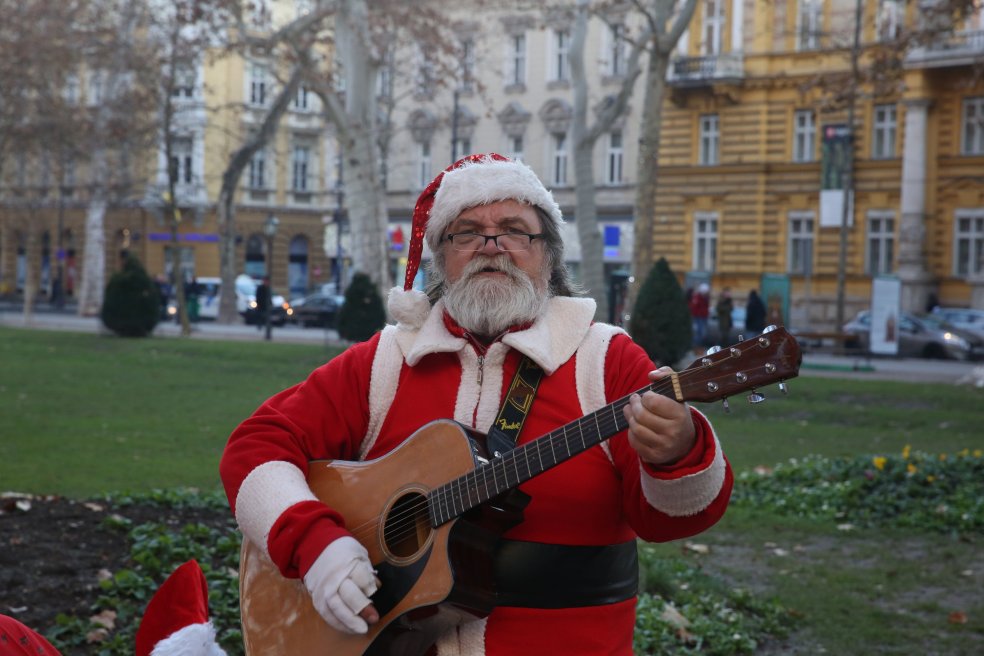
This is another very grumpy Santa. We have seen him playing Christmas carols and singing in an American accent in one of Zagreb’s beautiful parks every time we have visited Zagreb, and even when I put money in the tin it won’t make him smile. Perhaps he just wants me to sing along? The Slavic cultures don’t go much for Santa anyway, children believe it is Jesus himself who delivers the presents and the parents will ring tiny bells after the children go to bed- these are Jesus’ footsteps. Santa is just an extra, so I suppose it’s no wonder they’re all so grumpy.

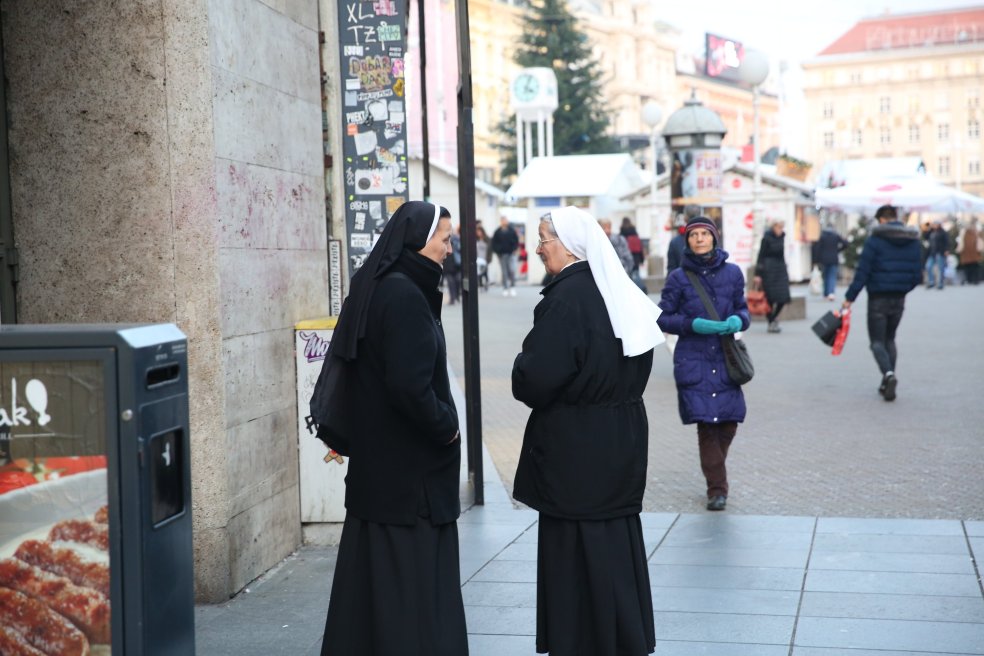
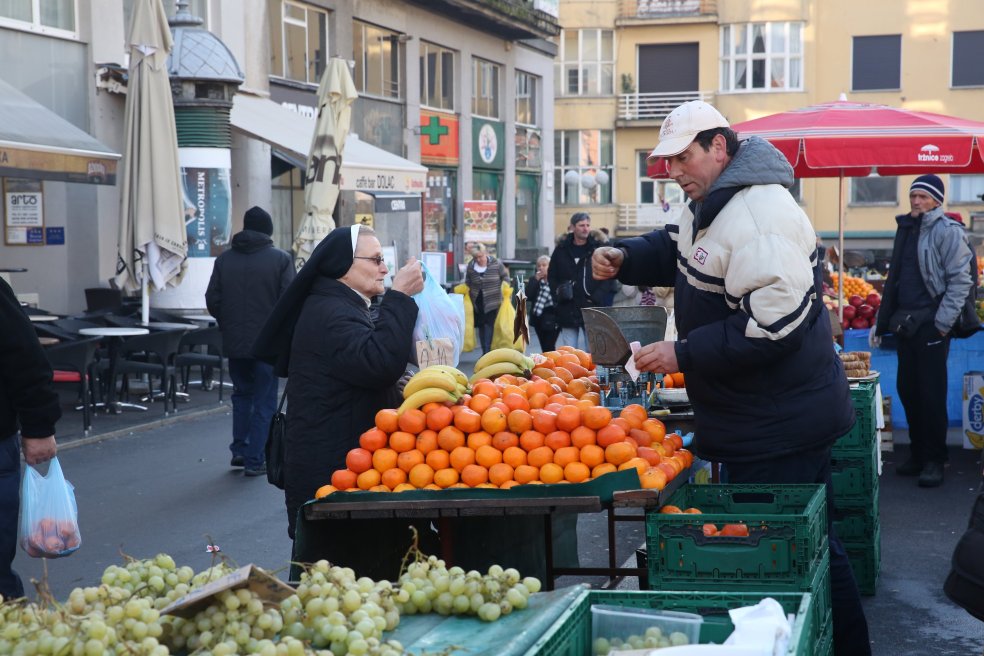
These are two of Margie’s People. When I asked the older one on the right if I could take their photo she actually told me to go away. I took a photo anyway. That’ll sure teach her a lesson.

Ksandro, (the person on the left just in case you were unsure,) trained as a lawyer in Tito’s Yugoslavia. His wife Ivana trained as a tour guide and they own the unit in Zagreb in which we stayed. Varazdin was his home town, and he took us for lunch in a traditional Croatian restaurant- in Australia it would be called ‘Ye Olde Cvapcicii and Roasted Lambe Shoppe’. Delicious indeed. A number of people, including Ksandro, have told us that they much preferred Tito’s Yugoslavia to democratic Croatia or Slovenia as there was a similar level of freedom – but with far less corruption.

We met Lea whilst having our morning coffee. She is still at school in Ljubljana and was obviously such an intellgent young woman. She went to a state school in Ljubljana but felt like she didn’t fit, so convinced her parents to enroll her in Ljubljana’s Steiner School. Her passion is to one day work in the Social Services – and I will confidently predict that she will succeed in that aim. Her mum is Taiwanese and dad is Slovenian. Her dad wanted to improve his English, so got an English speaking Taiwanese penpal. Lea and her two brothers are the end result. Sort of like Slovenian Tinder I guess?

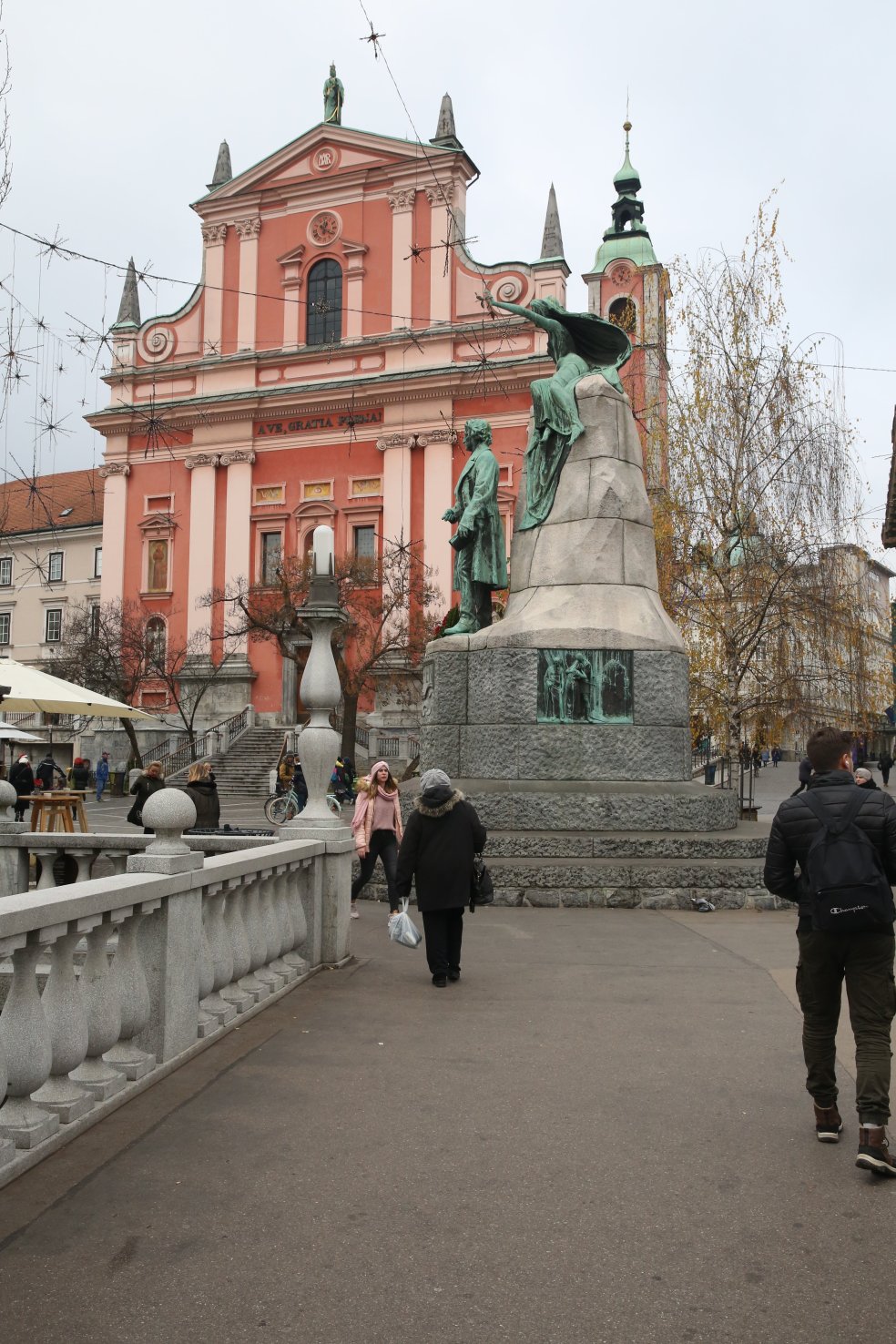
I have no idea who this is. She was posing for her boyfriend on Ljubljana’s most famous bridge, so I took her photo as well. I told him to move back because my camera’s much bigger than his. She agreed.
On that note, I’d better let you go Farquar, I have Lucca to explore and more locals to talk to! Speak soon

F C-S

Ljubljana or Lowood?

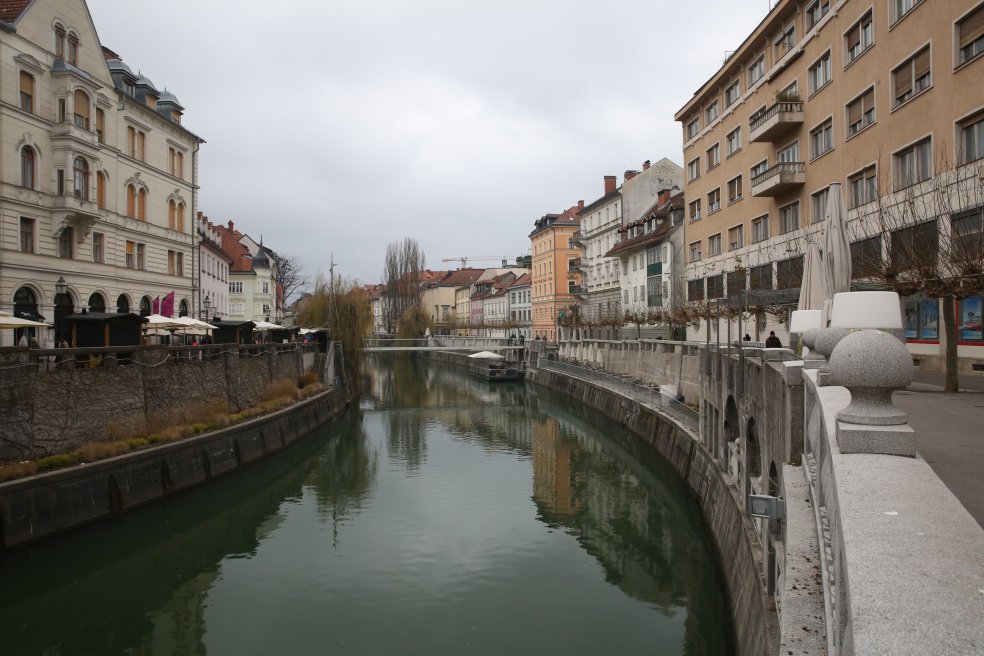
Sometimes I wonder why some cities are just achingly beautiful, and others aren’t? In the last 12 months we’ve been to Varazdin, Lisbon, Ljubljana, and Lowood. Three of the cities named are stunningly beautiful – surprisingly I am going to leave Lowood off that list. Varazdin, Lisbon and Ljubljana are amazing, and they also have one thing in common – they were almost entirely wiped out by a disaster, then rebuilt. Tonight we are once again in Ljubljana – possibly the most beautiful of all.

Ljubljana was almost completely destroyed by an earthquake on Easter Sunday 1895. Enter Jože Plečnik. He was a Slovene who had trained in Vienna and Prague, then he was given the job of rebuilding Ljubljana. He belonged to the ‘Incredibly Beautiful City Winding Along Both Banks of a River’ school of architecture and he was given a blank cheque, and a recently cleared (but quite rubbley) space to work on. And work he did.

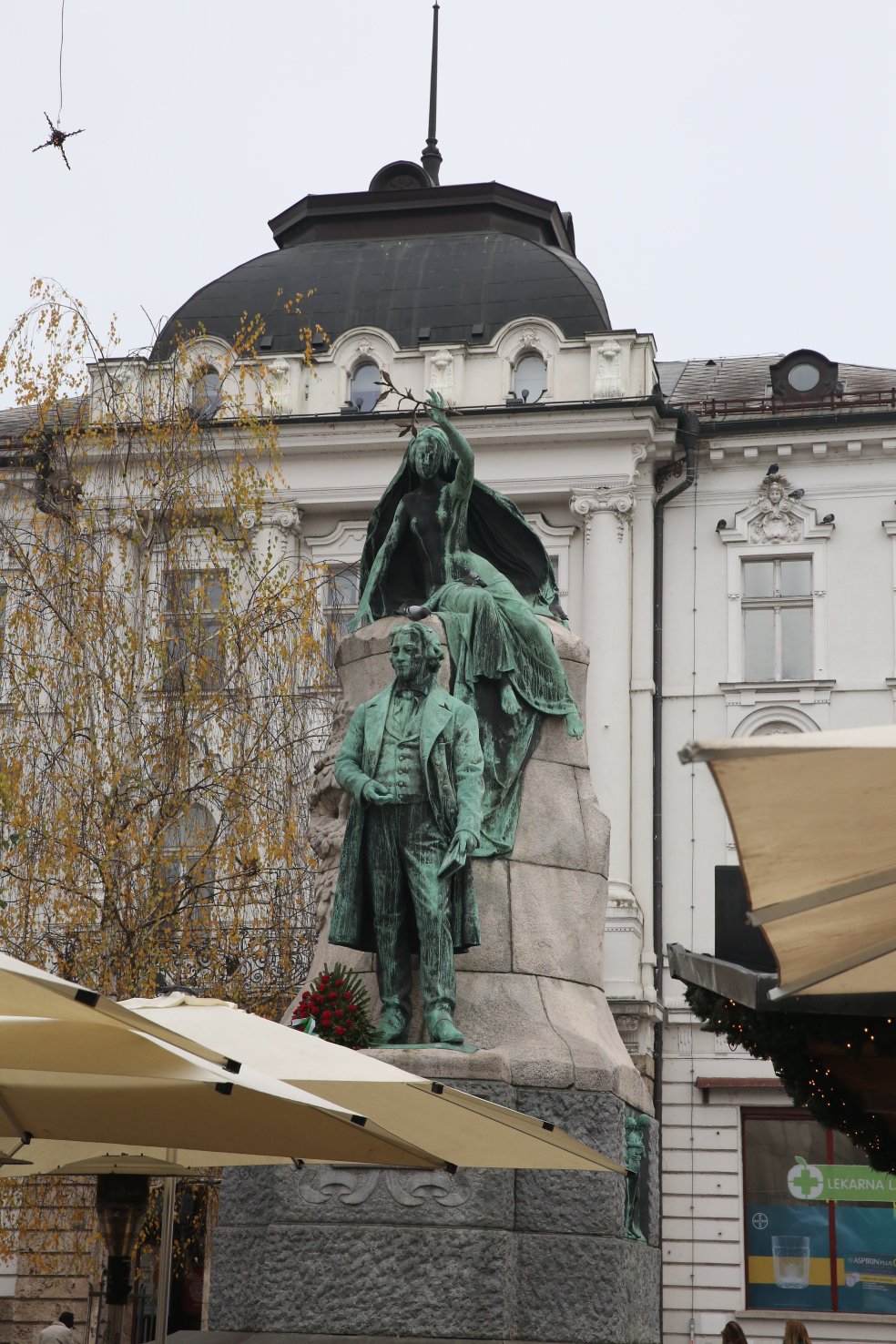
The city centre today is almost all his. There is a statue of him in the centre of town. He’s not even looking at the river or the town he designed, rather he’s staring at the window of a woman he had the hots for, but did nothing about, for the best part of 40 years! It is said he designed the city for her. She ended up marrying someone else, he kept designing beautiful buildings and staring at her window. In hindsight perhaps someone should have told Jože Plečnik that his Roxanne might have been just a tad creeped out by being stalked by an obsessive architect with enormous civil power, but an almost complete lack of social skills as far as the opposite sex goes…

I love Ljubljana. The train journey from Zagreb follows the Sava river most of the way and this trip alone reason enough to visit this part of the world. I love the way Slovenes seem to view the world – there is plenty of evidence of a deep civic pride and a real sense of social justice being enacted. And I love just wandering Jože Plečnik’s beautiful city. Then this got me thinking.

Maybe if Rosewood had a natural disaster- an earthquake like Ljubljana and Lisbon, or a fire like Varazdin? It might not be all bad. We could get a worldly Rosewood citizen with immaculate taste (even me perhaps?) to redesign the town – I would put some sort of walkway along Western Creek where it joins the Seven Mile Crossing near the pumping station…..

It mightn’t turn out better than Ljubljana, or Lisbon, or Varazdin, but I reckon it’d still put Lowood and Withcott to shame. Just saying.

F C-S

Varazdin

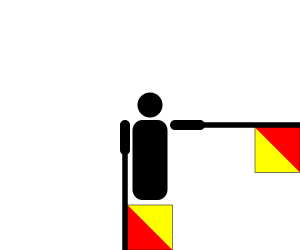
A question for my two readers; Scrap-booking, yodelling, or semaphore – which is the odd one out?

Semaphore of course. Even in a drunken stupor you would never admit to being proficient in either of the first two skills mentioned. Semaphore, on the other hand is both useful and impressive. In fact I am certain that if Lady Cunnington-Smythe had known that I had earned a Scout’s badge for semaphore skills at age 12 she would have proposed to me earlier in our relationship. We spent today with Ksandro, the owner of our apartment in Zagreb, and he too was a Boy Scout and had learnt semaphore (without vowels of course) in his younger days.

Today Ksandro took us to see his home town of Varazdin, a small city 100km from Zagreb. It was the capital of a kingdom that included most of Croatia for about 70 years in the 1700’s, until a fire destroyed almost everything but the palace. The Queen had a fire sale and shifted house to Zagreb making that city the new capital, as it is to this day. Varazdin however continued to prosper despite the fire and without the queen- today it has a university, a number of good schools and is the tech hub for Croatia. There are stunning Baroque churches, buildings built by Austrians in the neo-classical style, It also holds the grave of Ksandro’s father in what is possibly the most beautiful cemetry I’ve ever seen – a cemetery designed by a Viennese architect aimed at ‘creating a sense of calmness and the notion that all are equal in death.’ He succeeded.

It is a city has cobble stone streets, and Viennese style coffee shops that serve really, really, bad coffee. Even in the middle of a working week the place had a calmness to it that added to a sense of it being somehow special. The middle of the city consists primarily of pedestrian zones – this adds to its sense of calm and it was certainly a great way to finish our fourth visit to Croatia.

As my two followers will know, Lady C-S and I really enjoy Zagreb. In many ways the Croatians remind us of our time spent with with Poles. Poland and the Poles are also proud to be their own country after centuries as a state or kingdom in someone else’s empire. Both countries seem outward and forward looking after having spent centuries trapped between empires. And both countries have a rich history of Boy Scouts. That’s way better than long traditions of scrap booking or yodelling I reckon.

Yours

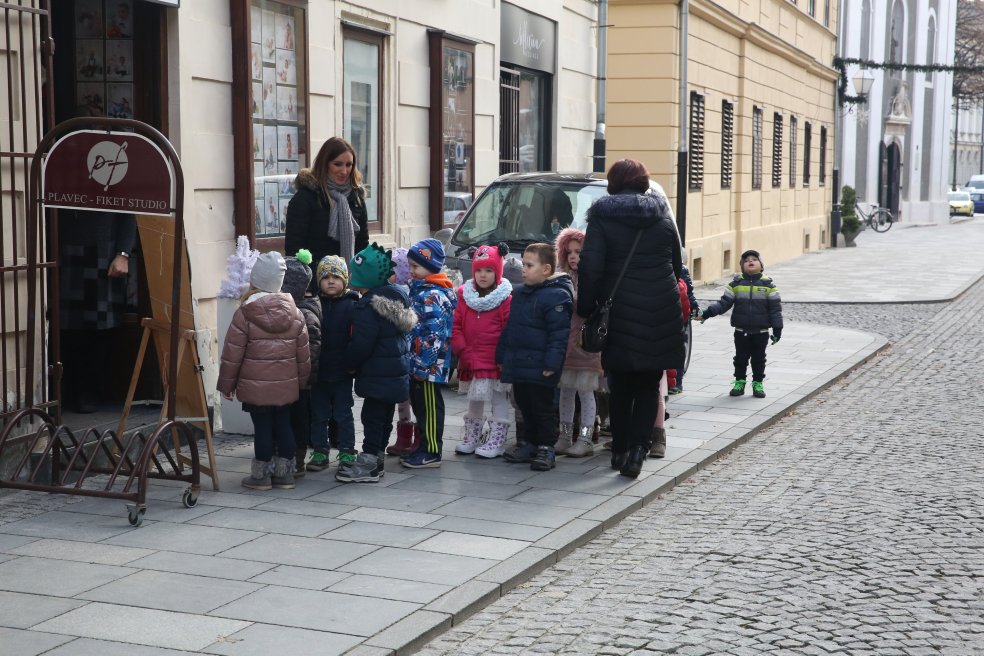
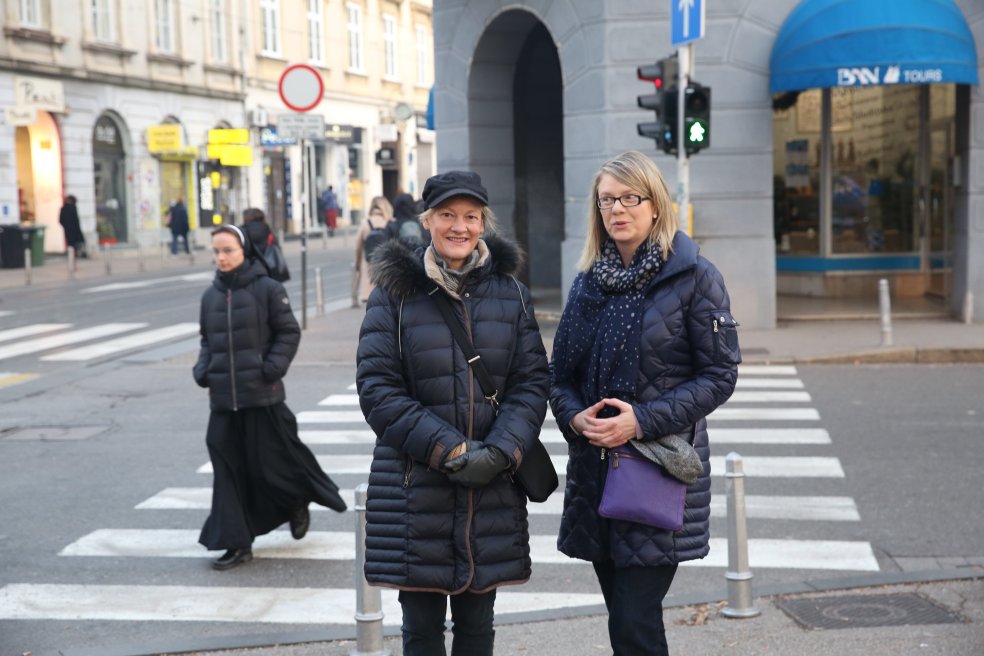
Even C & MP have to wait for the green light. Fair enough.

Birthdays Abroad

I can remember the first birthday party I shared with school friends. It was 1966, I know I was given a book on dogs (still have it), a Matchbox toy model of a 25 pounder cannon that shot match sticks, and a Biggles book – amongst other gifts. I have no idea what the food was like but I am supposing that it would have been bad, given that Myrl would have been in charge of the catering. Linda’s birthday yesterday involved a lack of presents of any sort, a card made by me out of assorted bits available (all shops were closed in Milan because of the Immaculate Pregnancy), and a 6 hour trip across 3 countries by car to get to Zagreb.

We did at least manage a great evening meal. We dined at a tiny place that made every dish from local Croatian produce – a tasting of olives and olive oils, prosciutto from Dalmatia, cheese from an island with an unpronouncable name and a beautiful salad – all with a glass or two of Croatian wine. The passion of a local for a local food or ingredient always excites me!

The rest of the evening was spent wandering streets filled with a host of Zagrebians out to enjoy the excellent Christmas markets and all the free entertainment provided at different venues across the city. Croatia in general, and Zagreb in particular, do this celebration better than most places we’ve visited – perhaps because of the price they paid to become Croatia rather than Yugoslavia? Who knows.

There are plenty of stalls selling home grown/made specialties, lots of families on the street and entertainment that varies wildly in its appeal. (A Croatian heavy death metal band at 6pm in the main square? I suppose if your 8 and 11 year-olds were into Santa, Rudolph and death metal, then Zagreb’s the place to bring them….)

Despite the vibrancy of Zagreb I do suspect, however, that my 10th birthday will remain more memorable than Linda’s most recent one. If only I’d bought her a Biggles book and a Matchbox toy cannon before I left Australia…

F C-S

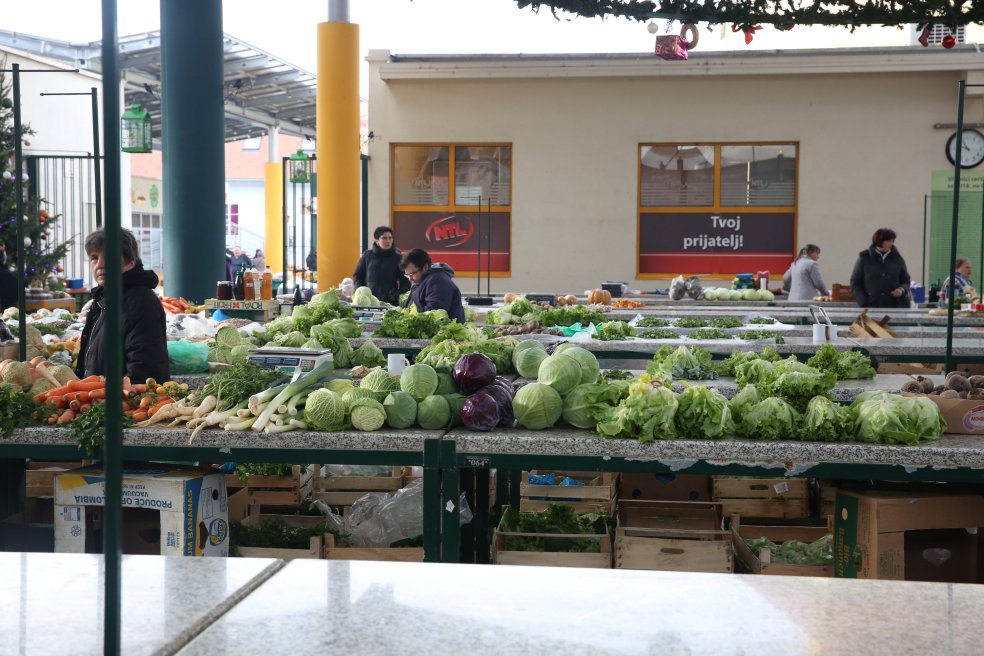
Even MP have to pay for their food. Fair enough.