Porto

We are in Porto for a few nights and its history is interesting. The north of Portugal has always been more liberal than the south, partly because of its proximity to France, partly because of ties with England going back to the 1700s. England had manufactured goods that Portugal wanted, Portugal had little to offer in return. The wine they produced in the north was a sweeter, quite average red. British merchants started mixing it with cheap, very average brandies from the south of France- port was born and a whole industry took off.

British wine companies found a ready market for their Porto Wine in the clubs of London. They took over all of the natural caves found along the south bank of the Porto’s river and used them as giant natural cellars. Wine was carted down-stream from hinterland producers in shallow bottomed boats and sold to fat bottomed Poms – England had found another product that they could export around the world whilst the Portuguese remained poor.

It was the same story with the sugar the Portuguese were producing in their Brazilian colony – England provided slaves, shipping and the markets. British merchants turned some of the raw sugar into a cheap rum, but sold the rest at enormous profits to a sugar-craved Europe or to their British colonies. The Brits did bring to the Portuguese table radical ideas like democracy and liberalism. These took hold in Porto and in the Portuguese colonies but not in the Royal Court down in Lisbon. Of the four attempts to move towards a more liberal society; on separation from Spain, in the rise of Portugal’s Brazilian expats in the 1800’s, during a brief period as a republic in the 1930’s and on the death of Salazar in the 1970’s, only the last was enduring.

Portugal had at last become a liberal democracy and then part of the EU. At last they could begin to modernise, but that has been slow. Now fat-bottomed English tourists go up river in flat-bottomed boats navigated by locals dressed as peasants, get drunk on port in the wine caves still owned by British corporations on the south bank of the Douro River, and then head to British-owned resorts on Portugal’s beaches. Money still foods out of Portugal to the UK.

This may change with Brexit and with the rise and rise of Portugal as a tourist destination. Apart from a stretch along the river filled with souvenir shops we have loved Porto and its people. There is so much to see and do – even if we never get to go on the tour of the cave cellars with free port followed by a romantic dinner on a wooden boat being served by Portuguese peasant wenches singing Fado and selling cork hats, cork wallets and cork toilet-seat covers. We have loved this vibrant and beautiful city, but a history or art museum is more our thing – believe it or not.

Better let you go Farquar, our punt is waiting….
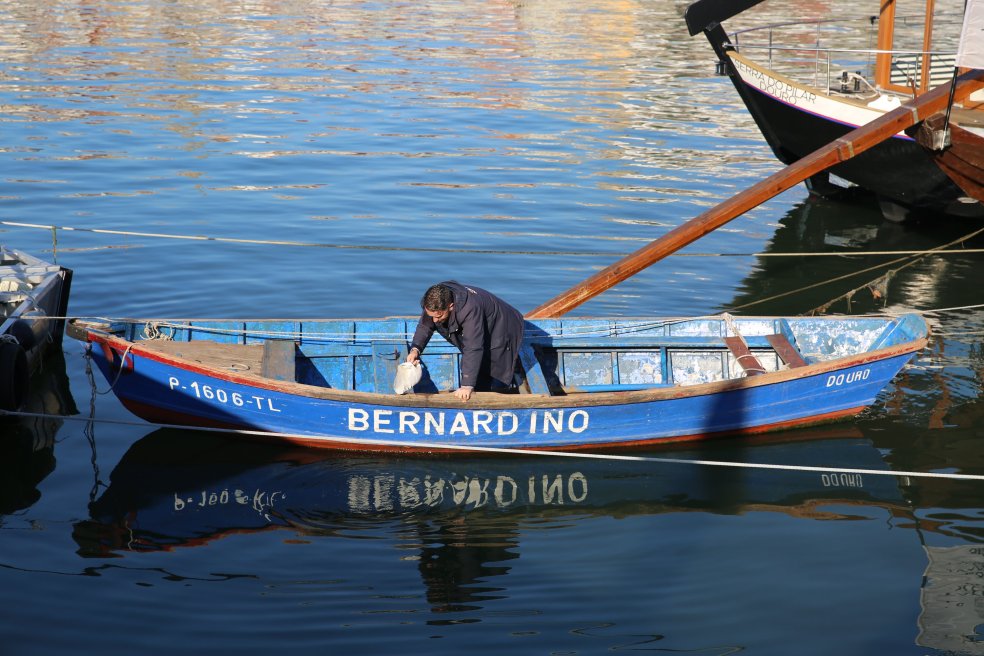
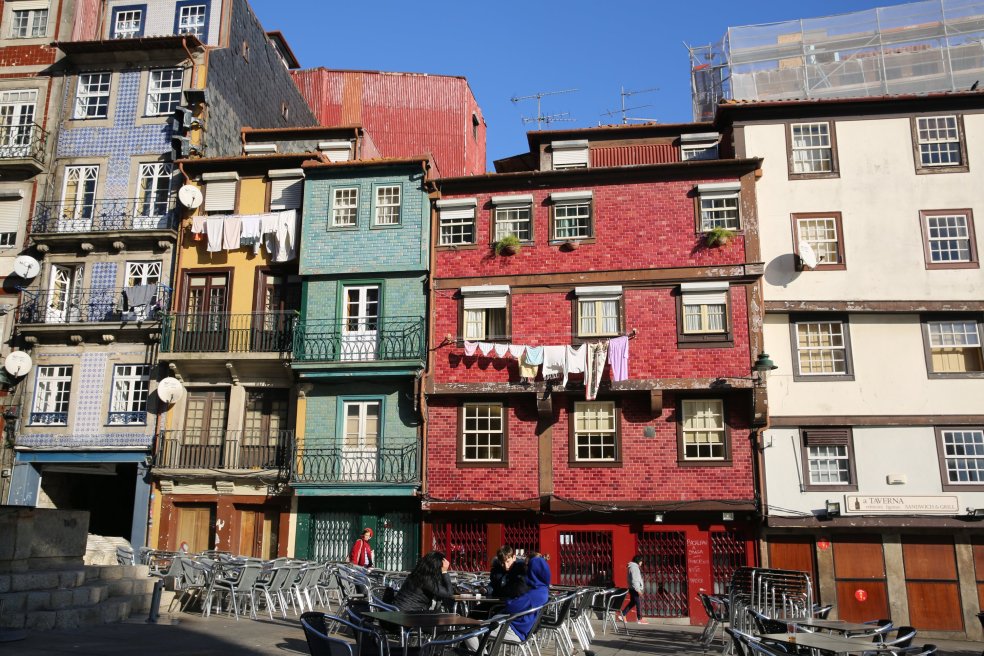
(Even in a beautiful city like Porto, you still have to hang out the undies)

F C-S
The Things You Learn in Art

Miss Moneypenny was my Art, Music, Dance and French teacher in my formative years at Rosewood High. As most of you are aware, thanks to her, I am the complete package when it comes to the Arts – singing, acting, painting, but especially interpretive dance are all around about the same level of excellence.

Therefore I am certain you will appreciate my opportunity to provide a Rosewood interpretation of various pieces that have caught my eye….

.

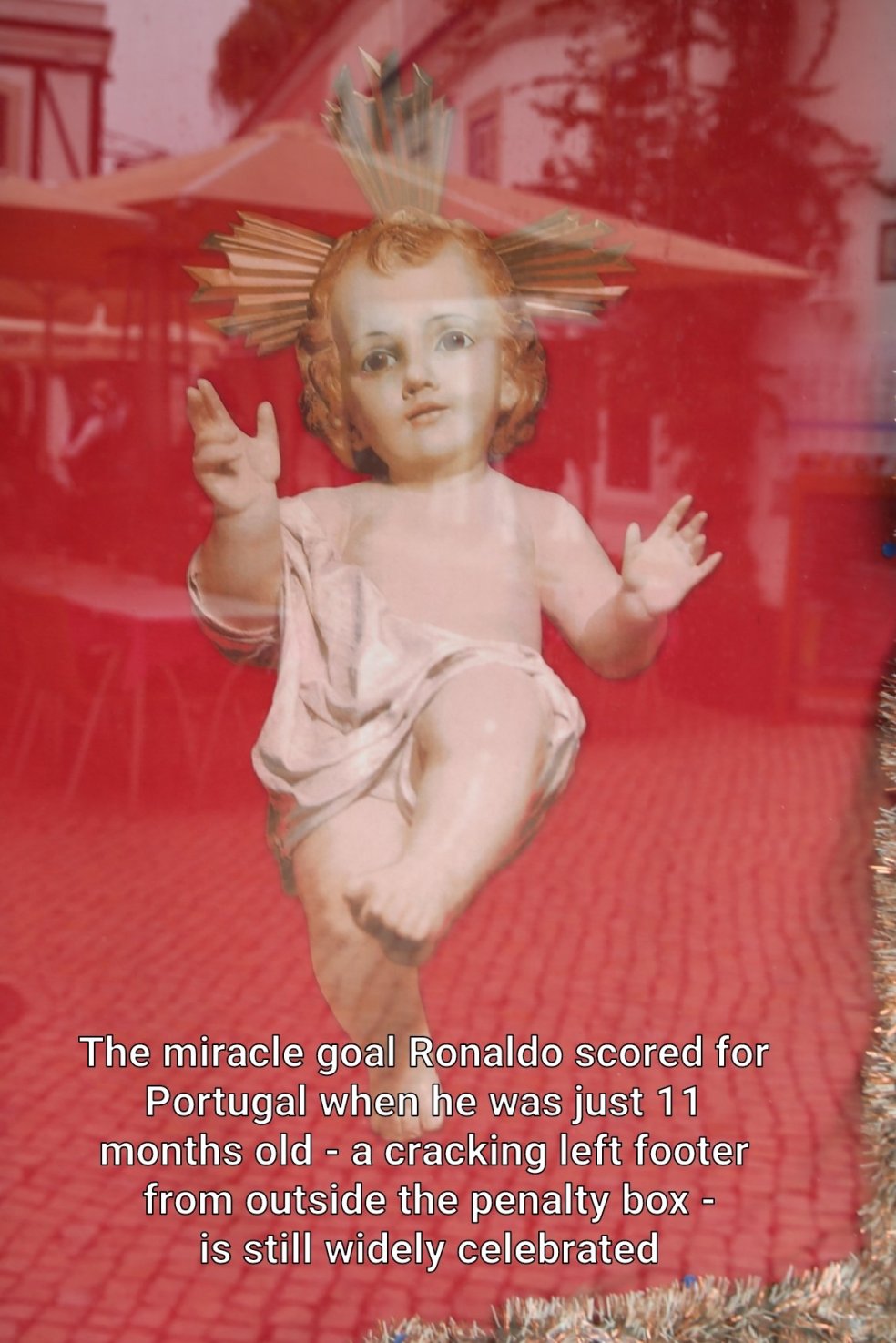
The Passion of Jorge

Ted Evans, my father, always wanted two things for Rosewood – an old people’s home and a museum. Any time we went to the tip with a load of rubbish Ted would return with a ute full of ‘treasures’ to be stored under our house, usually greater in volume than those bits we had actually dumped. Just in case Rosewood ever got its museum.

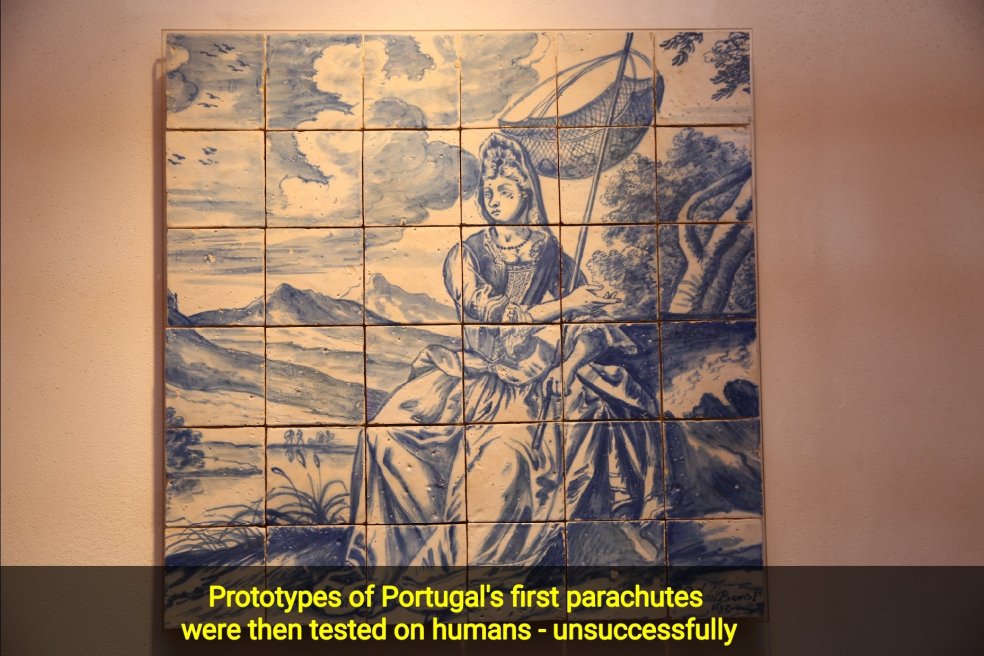
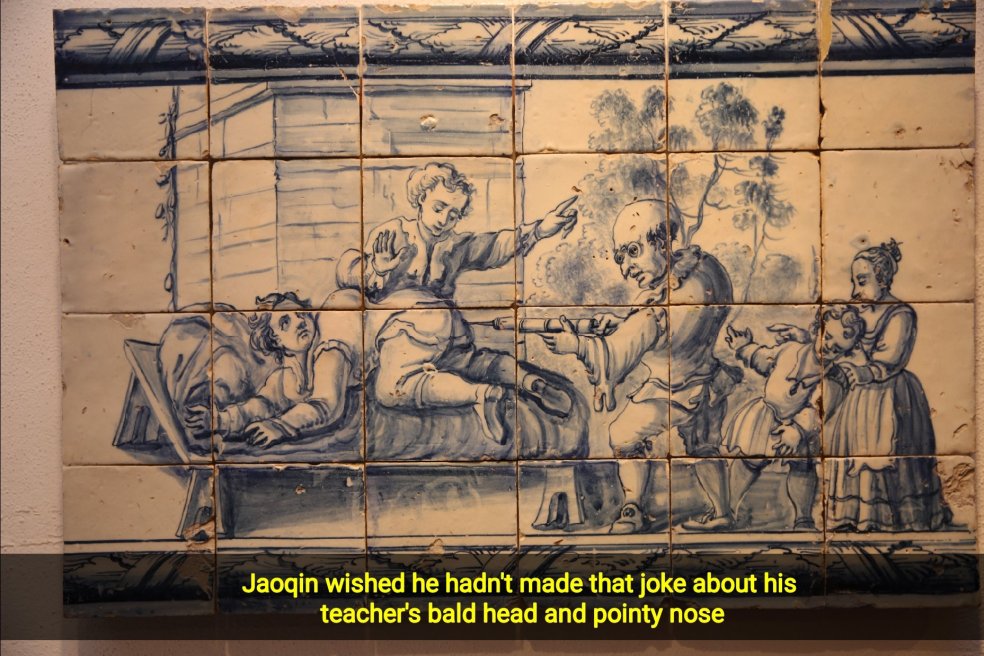
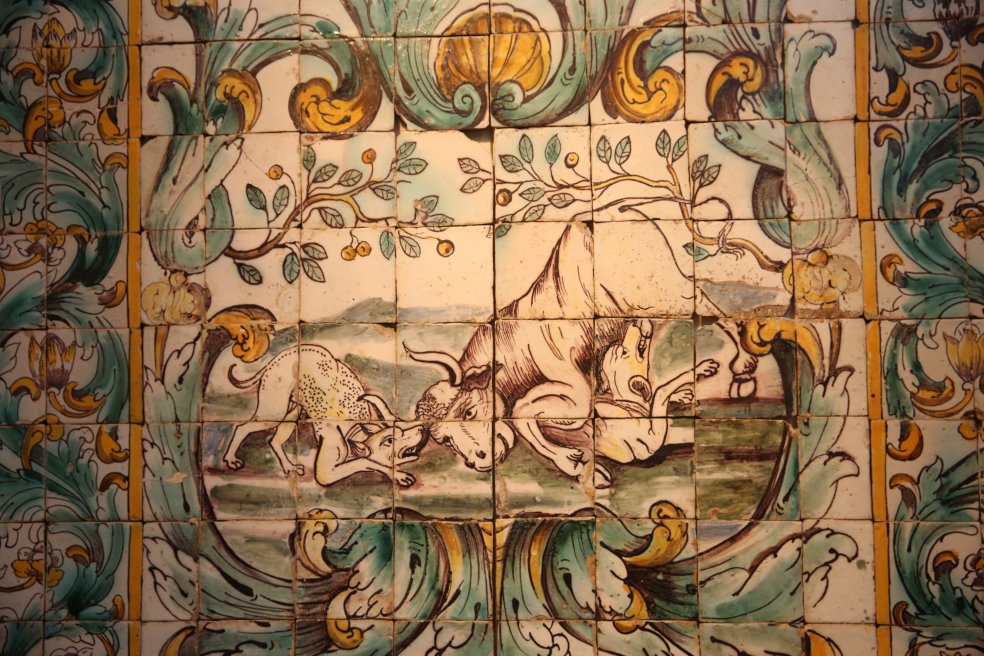
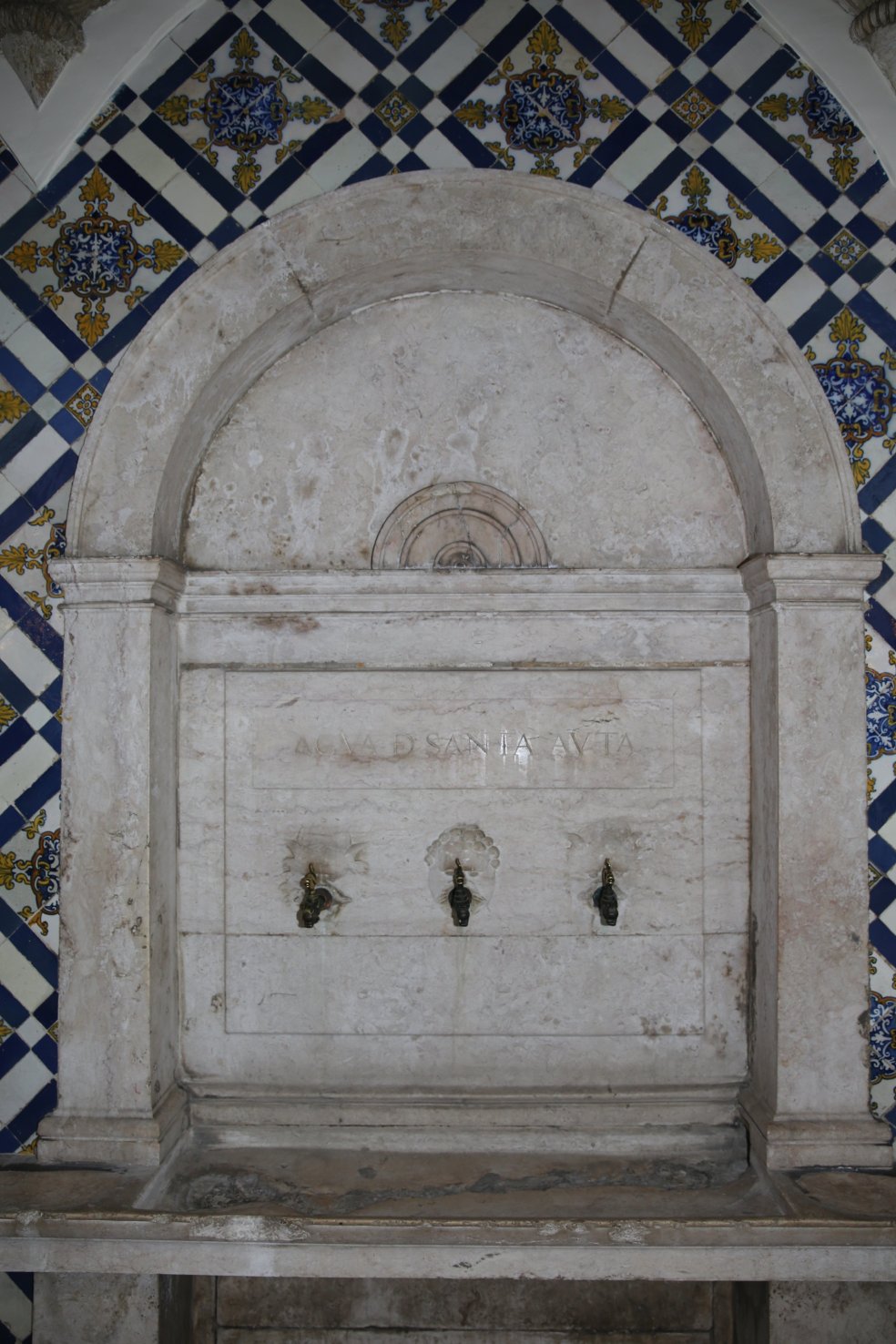
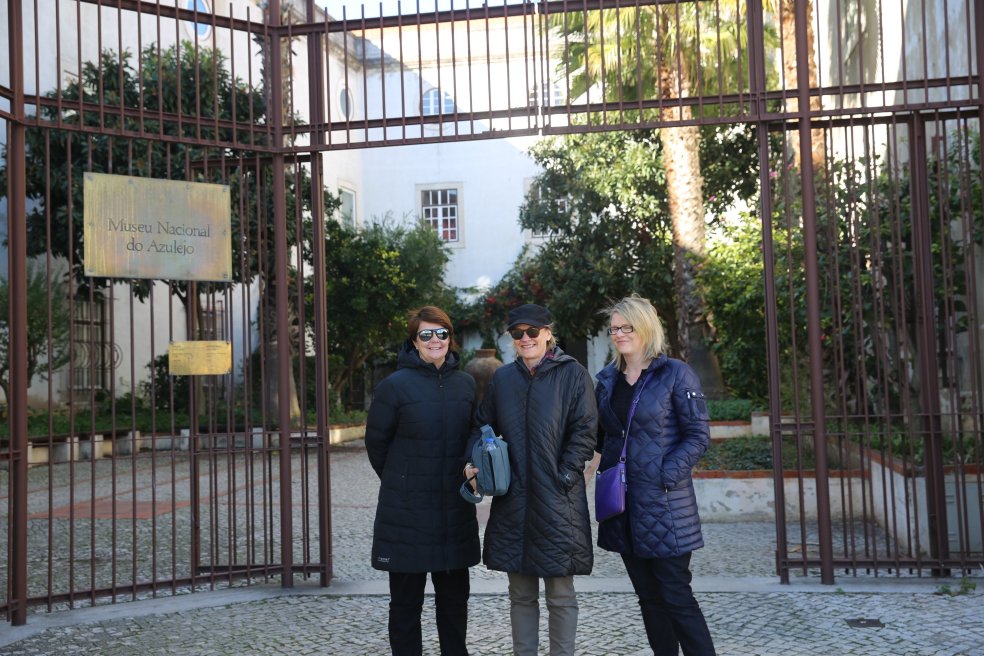
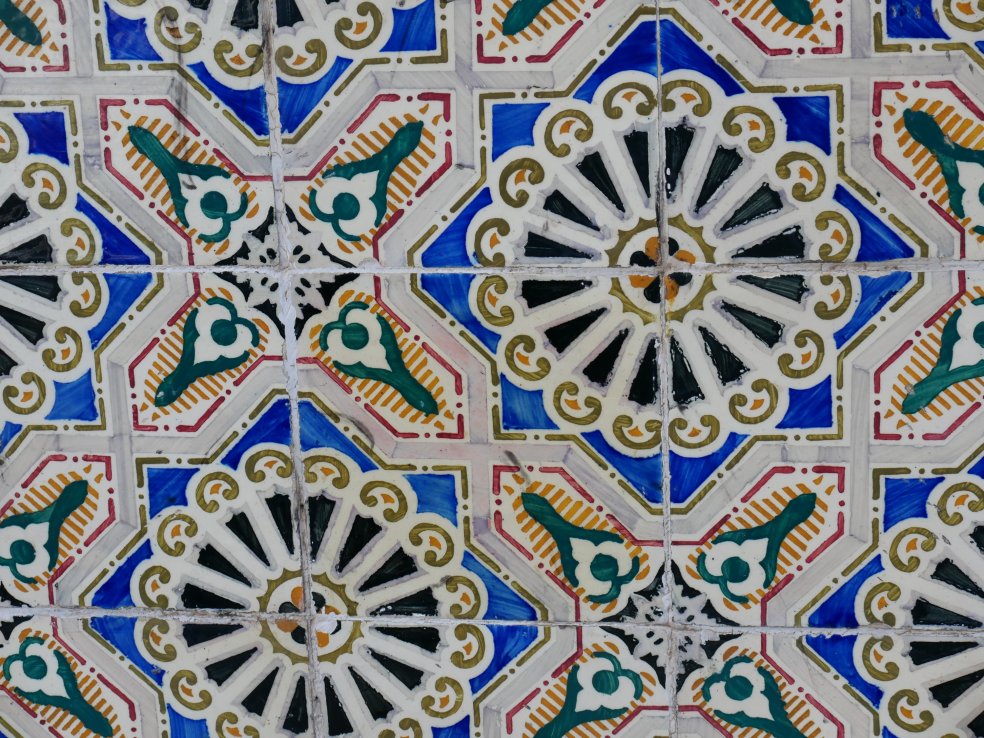
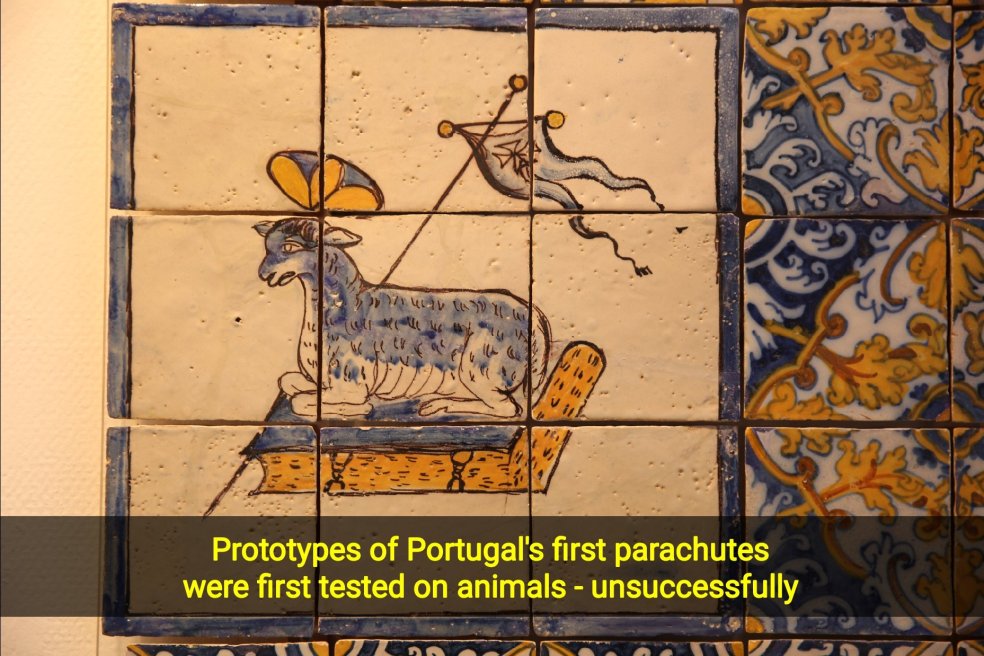
Lisbon has at least one cracker of a museum. One would think that the idea of a National Tile Museum would be right up there with ‘The National Collection of Historical Cow Bells’ or a display entitled – ‘Socks Through the Ages’. I am pleased to say the two hours spent at this Portuguse institution was actually fabulous. Portugal’s tile mania actually was started by the Moors. They of course do not show the human form in most of their art, tiles were used to create sophisticated geometric patterns. A whole industry was created when glazed tiles were used later as external cladding throughout Portugal, but Lisbon in particular. This continued until the 1950’s when concrete and Dulux or British Paints became the vogue.

Tiled buildings sadly were being torn down or left in a state of disrepair, and much of this part of Portugal’s heritage was lost. Then Jorge Nuno Palcato stepped up. Jorge had written books on tiles and somehow he convinced the government to purchase an old convent and set up a national tile museum. His collection was added to others, and it has grown into what is today a wonderful historical resource.

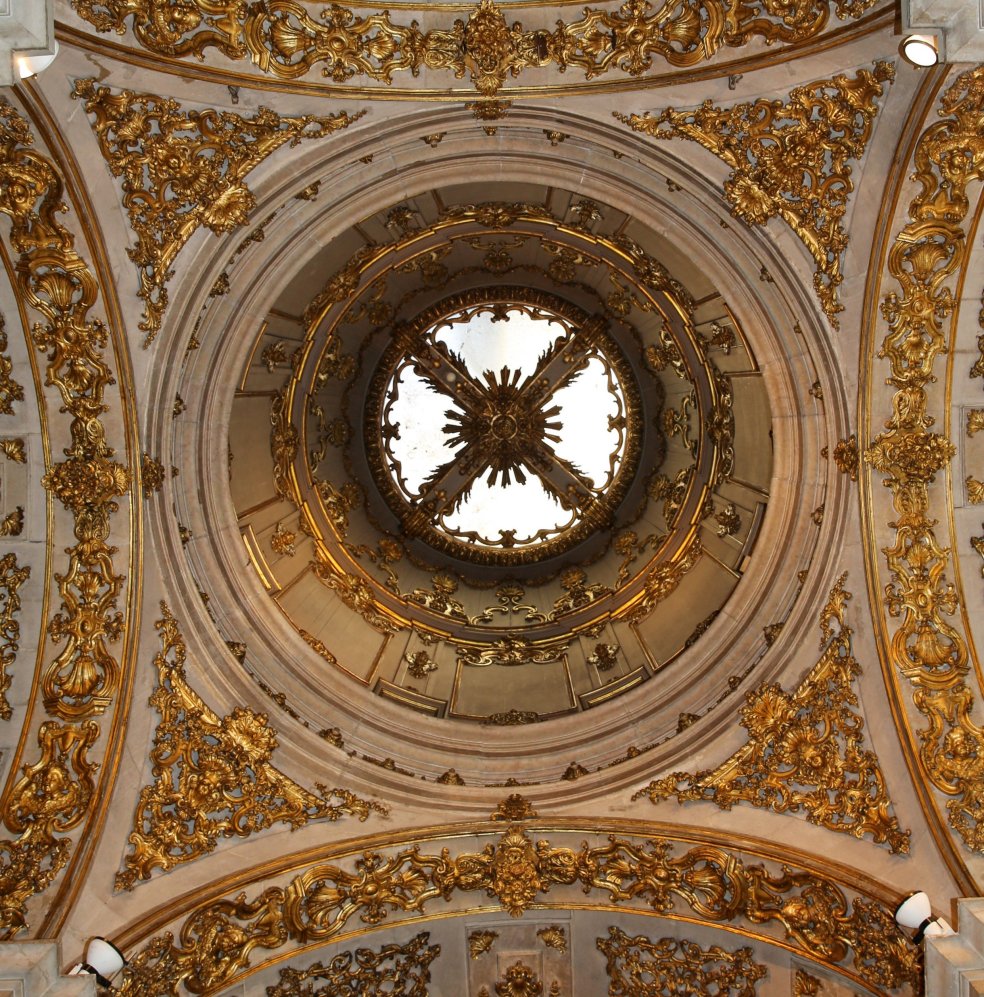
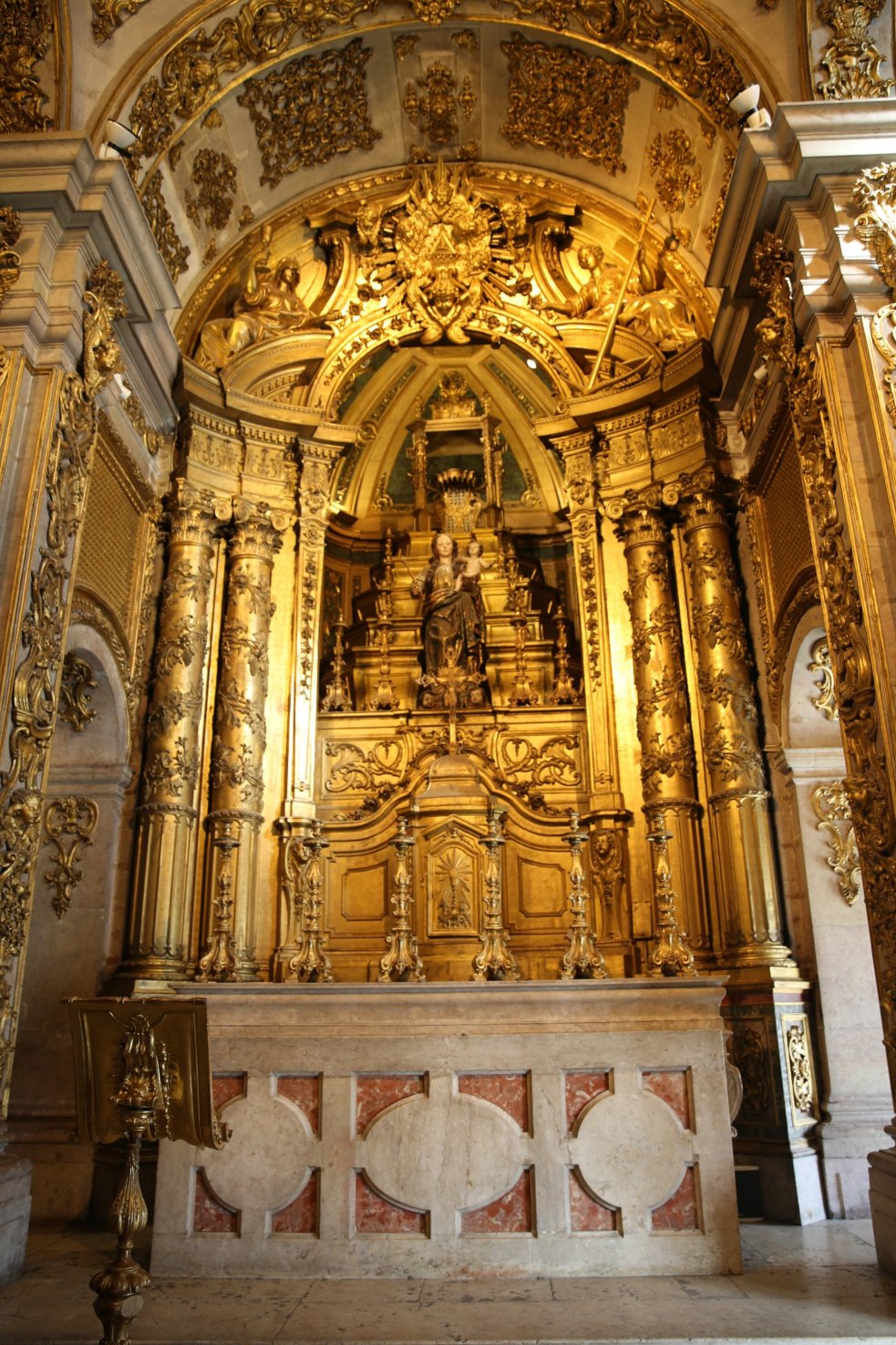
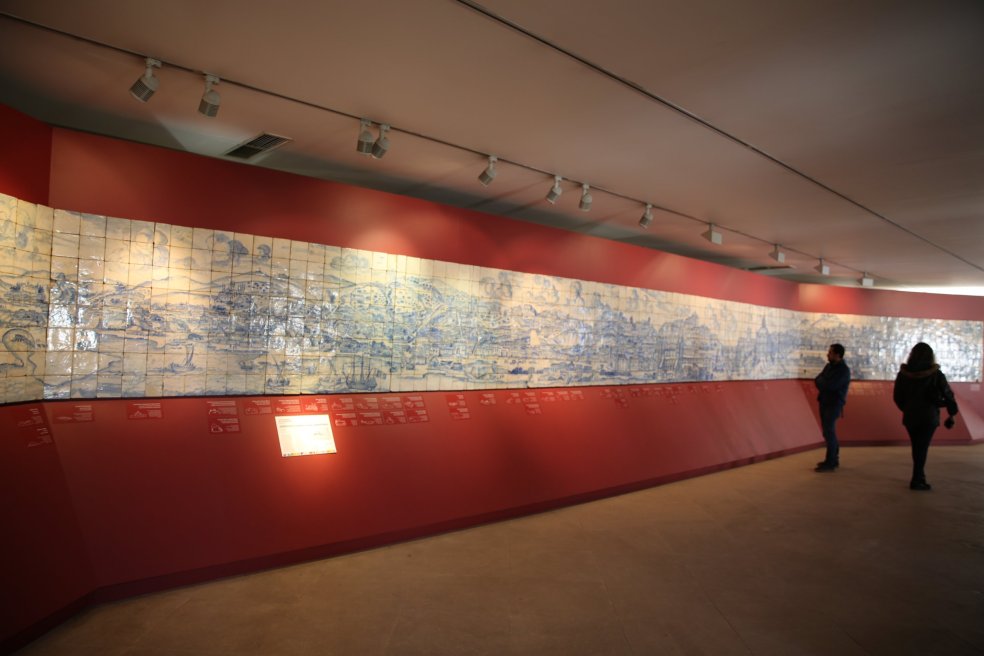
The convent that houses the display is itself stunning, the chapel in particular. The collection of tiles ranges from the 7th century to the present day and they have some real treasures. A diorama 23m in length is the best and most accurate representation in existence of Lisbon before the 1755 earthquake and fire. The progression from Arabic patterns, to religious motifs, then secular designs is fascinating. The whole place was well set out and the displays more than interesting. Good on you Jorge, good on you.

Rosewood did get its old folk’s home, thanks in part to Ted. There is a walkway through the town that bears his name. But it still hasn’t got a museum – all of Ted’s treasures stored under our house were taken to the dump after he died, never to be seen again.

Unless, of course, Rosewood has a Jorge I didn’t know about…

Farley

Parking Suggestions

A friend of mine who doesn’t wish to be named, so I shall just give him the pen-name of David Vidler, often criticises my parking. This is in spite of me pointing out that the lines on the road are only parking suggestions.

Well Mr Vidler Portugal takes the parking cake!

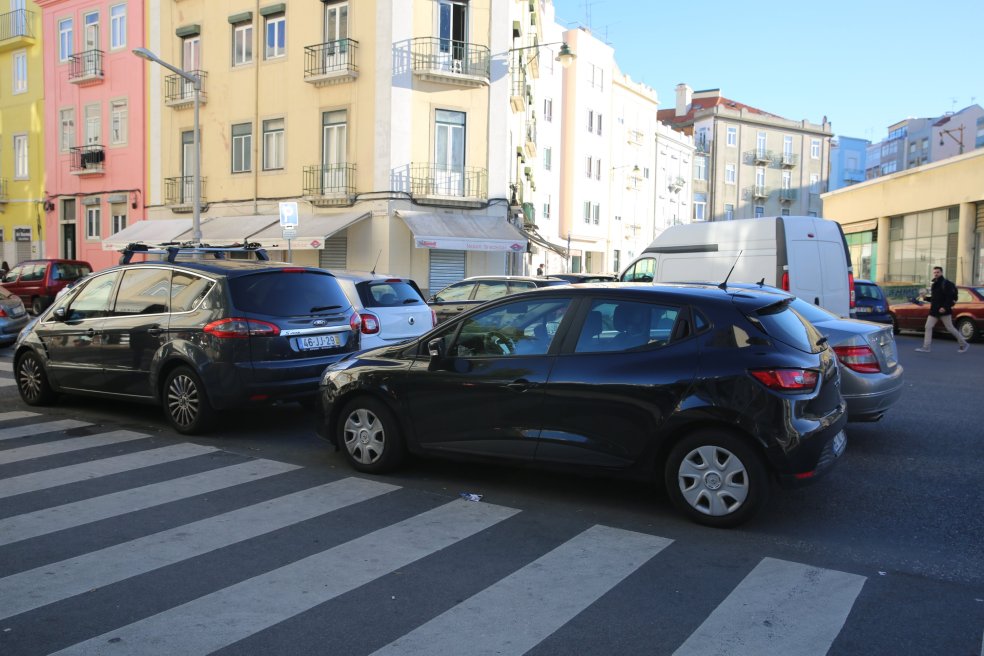
The first is my all time favourite – quadruple parked, on a corner, next to a pedestrian crossing, in a no parking zone!

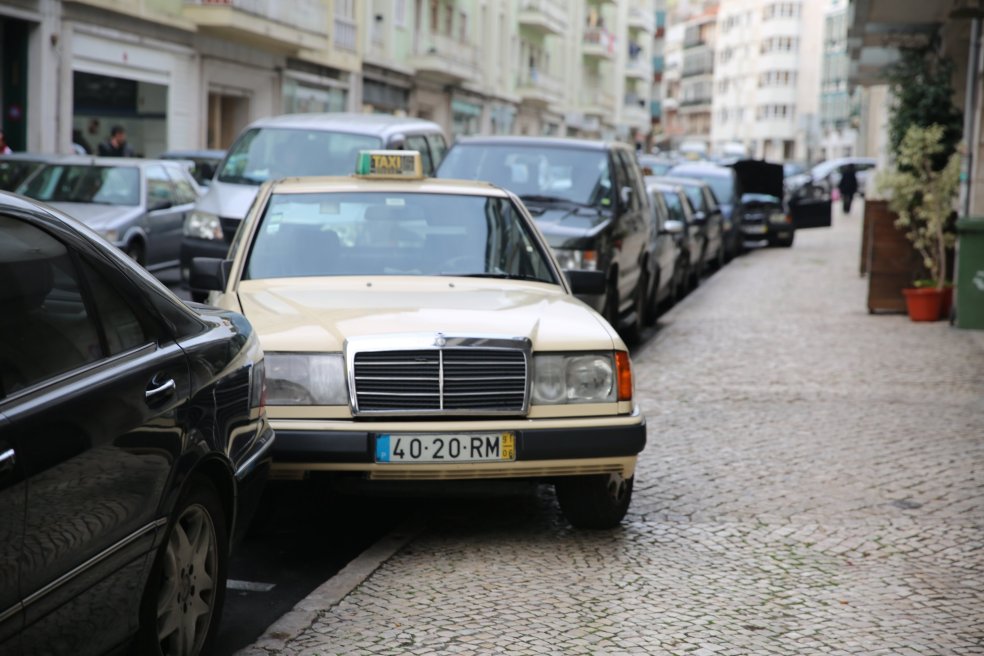
A solution for spots that are a tad squeezy.

Chorizo – “Where are you parked?”

Vasco – “I got a great spot right in front of the markets, you can’t miss it.”

(The owner stopped in the middle of the intersection, locked his van and went shopping)

Talking Toilets

There is always a time in the interactions between travellers when the conversation turns to toilets. Now is such a time. As a lover of history (and of really bad names) I think a discussion about Thomas Crapper is overdue. Thomas Crapper (his real name!) was a pioneer in a number of areas – his company had the first ever plumbing showroom, he received a royal warrant to put flushing toilets into Sandringham Castle and even after he died in 1906 sewer covers with his name on them were being produced by a foundry he owned (you will find pictures of them on the internet). I suspect he may have also made the toilet I used yesterday.

In 1906 it would have been a modern affair. Paper was dispensed with the push of a button, flushing occurred upon arising, and the whole cubicle was sprayed with a scented mist on exit. All of this for just 20 cents my children!

Those who have been to Japan would have experienced wonder when using the latest in electronic marvels. Those who have been to India or China have also been struck speechless no doubt. I confessed to one of my travelling companions last night that I am wracked by uncertainties when forced to use the hole in the floor variety – what do you do with your trousers, which way should I face, why is there no paper and where should I put my shoulder bag? None of this was of concern when using Crapper’s 1905 Model Iberian Railways Auto Deluxe Water Closet found outside a local railway station.

My children, as you travel through Iran and Columbia, I just know how much you will wish that Thomas Crapper and Sons had spread their plumbing even further. But then, just think of the rich conversations you will be able to bring to the toilet-talk table next time we meet,

Your Loving Father

 F C-S
Cascais

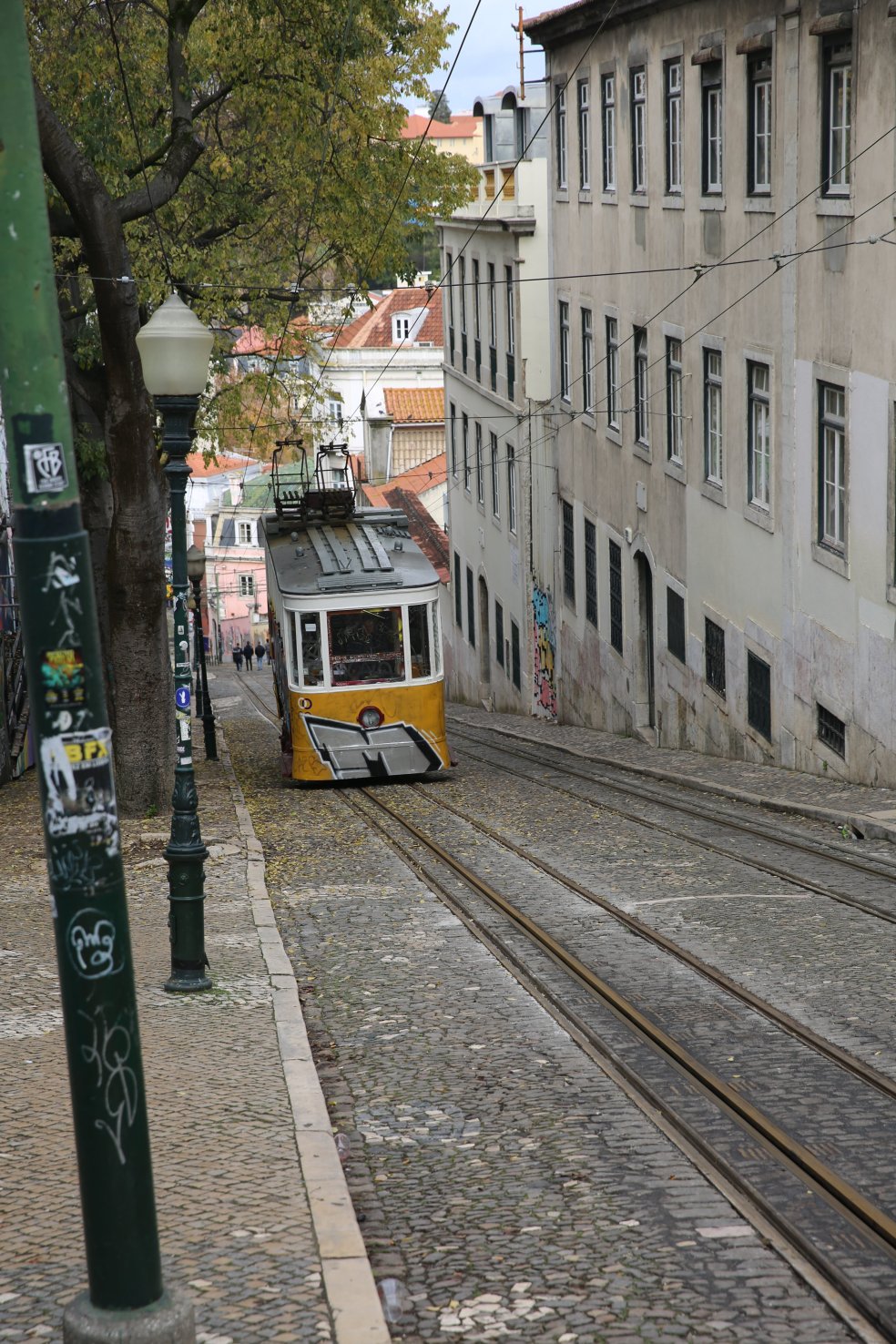
Lisbon is an easy enough city to navigate, the four cardinal points on its compass – North, South, Up, and Down, are catered for by a clean and efficient public transport system. Yesterday we headed South to the town of Cascais.

The journey there and back was by train along the Targus coastline. It reminded me somehow of the Rosewood to Grandchester rail journeys I made as a child in that both were by train. The trip yesterday, however, had a coastline dotted by castles, old palaces and newer holiday resorts, something that the Rosewood to Grandchester journey lacks.

Many of the old palaces were built by the Portuguese nouveau rich in the mid-1800s. Sugar and cattle barons had made their fortunes in Brazil and returned home. They brought with them money, a sense of independence and often Brazilian wives, mistresses and children, legitimate or otherwise. They had strong ties to England – their major market, and were far more liberal in their outlook than the old moneyed classes of Lisbon. The scene was certainly set for later strife.

Cascais itself was disappointing. Its name translates as ‘Surfers Paradise’, the same tacky gift shops, the same white-shoed businessmen, the same propensity for over-the-top. Instead of schoolies they have Brits and Irish hoards, hence Irish Pubs, British Pubs, fish and chip shops and Indian takeaways. We ate lunch in a very good seafood restaurant, but were more than willing to head home early.

Our meal last night however was superb – tapas made by a couple from the Portuguese mountains in a restaurant that seats just 10 people. They were immensely proud of their city, their restaurant, and their food. A very simple meal, but memorable because of the hosts’ passion. Sometimes contrasts like that can make the rest of the day seem even more disappointing. If only I could somehow learn to love schoolies and Surfers Paradise, British pubs and tacky gift shops. Then I might even go back to Cascais…

F C-S
After Nata Party

The Nata World Titles

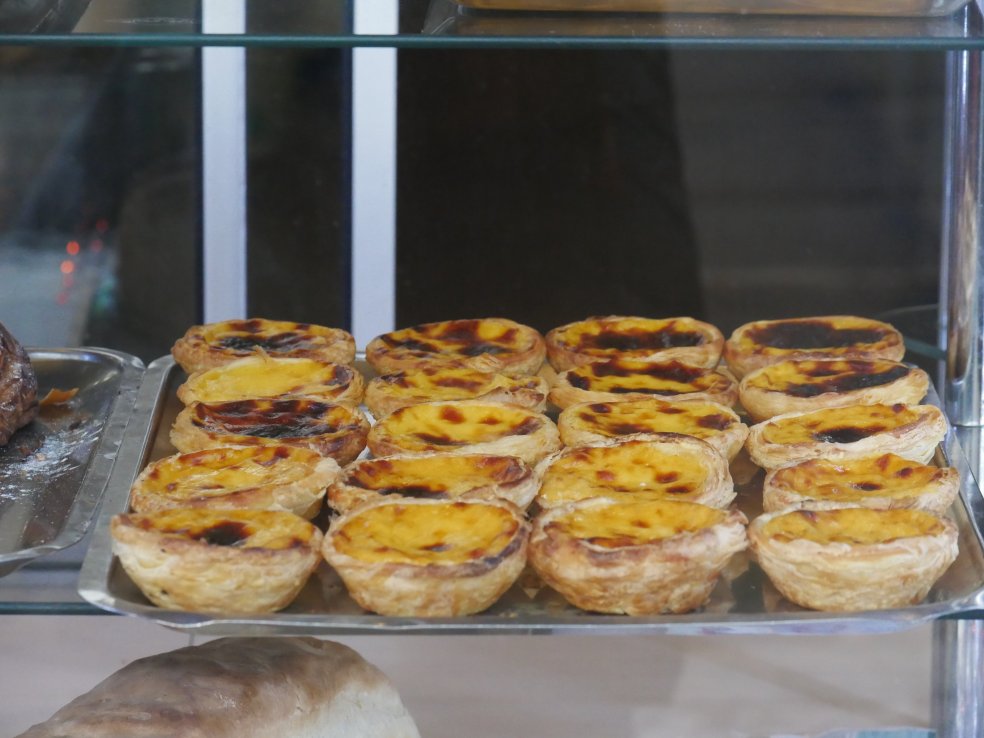
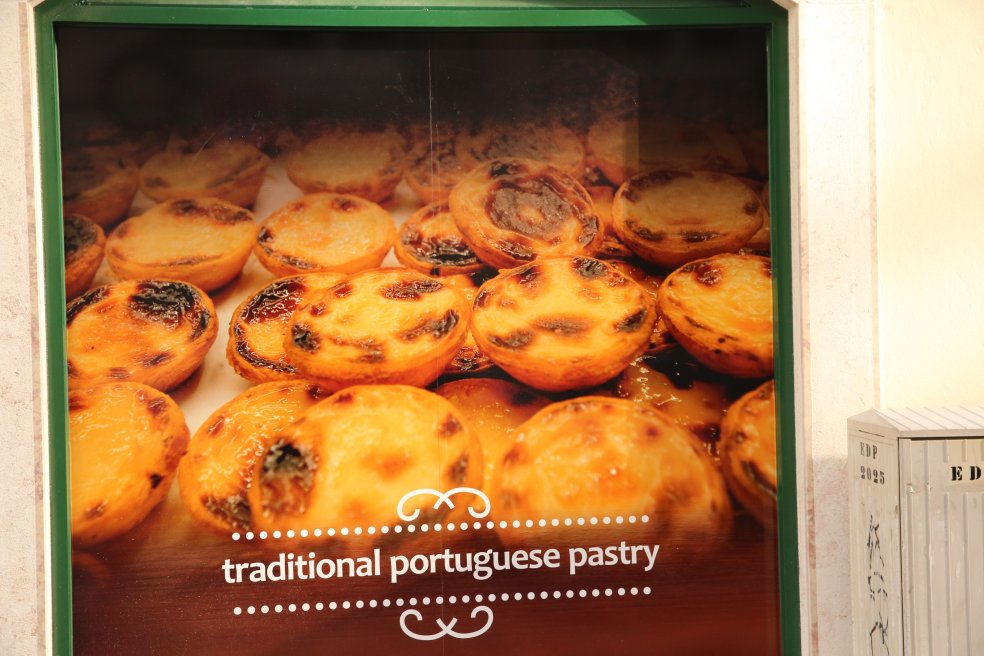
There is a competition between bakeries in Lisbon each year for the best natas in all Portugal (in some ways a bit like the World Series Baseball actually being a competition between 24 American cities). Every bakery has its own recipe, its own method. Some newcomers have attempted different shapes and different sizes, obviously with no effect on the judges. There is no room in traditional Portugal for punk natas – caramel or strawberry natas would obviously be a threat to good public order.

The same bakery, one in the suburb of Belem, won the comp for 153 years in a row – although their recipe is a closely guarded family secret, their natas always looked and tasted very nata-like. Whole families make excusions to this bakery so that they can take their nata communion together. Then last year a place that had only been around since 1932 took out the title!

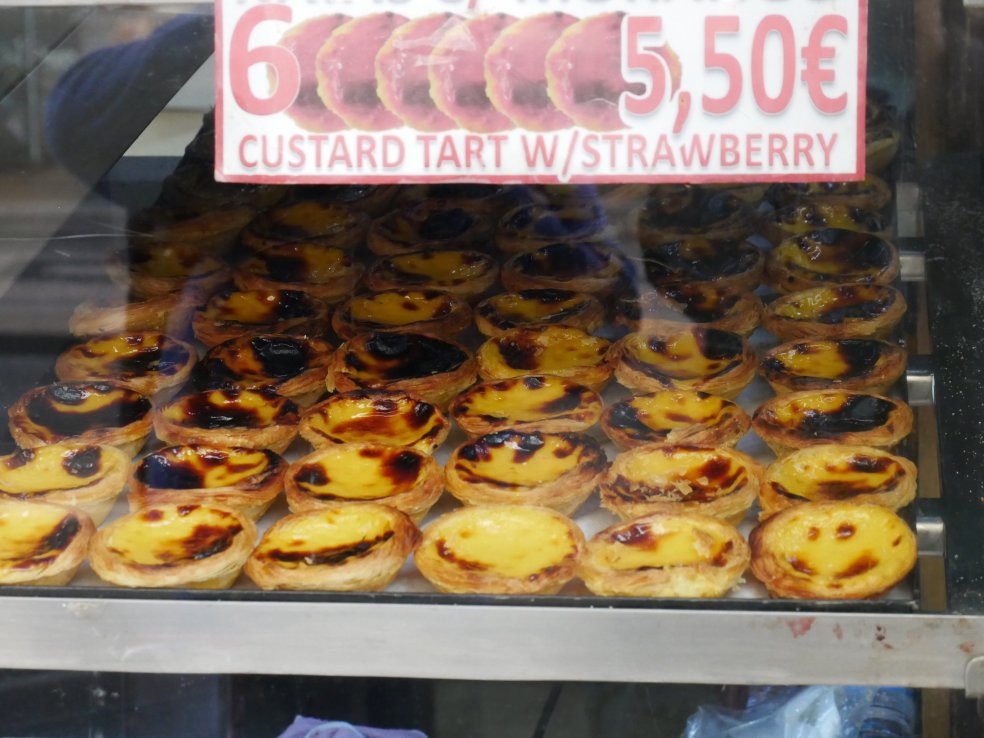
I haven’t been able to find out how nata are judged, I suspect uniform size, colour and shape are important criteria- although I have seen the incredibly dispuptive blueberry nata on display at one establishment. Natas are delicious, addictive and omnipresent. As an act of kindness to my reading public I am going to research this topic further and attempt to form an independent opinion, one not swayed by petty rivalries. I will eat as many natas as I can in the next three weeks. This is my solemn promise.

I do wonder however what the effect would be on tourism if I started the World Series Vanilla Slice Competition between bakeries in Rosewood, Lowood, Gatton and Laidley? After all, it worked in the fields of baseball and nata……

Yours in pastry

Farley

The incredibly disruptive strawberry nata! Sacrilege in extremis!

The incredibly disruptive strawberry nata! SACRILEGE!

Lisboa

Sometimes the flights are just back to front. The 15 hr one to Dubai seemed awful on paper, the 7 hr one to Lisbon – a breeze. We were moved to the baby row next to the toilets and actually slept through parts of the long haul. The Lisbon leg was diverted by storms and took an extra one and a half hours. Boredom, jetlag and a sore bum can play tricks on a grown man’s mind….

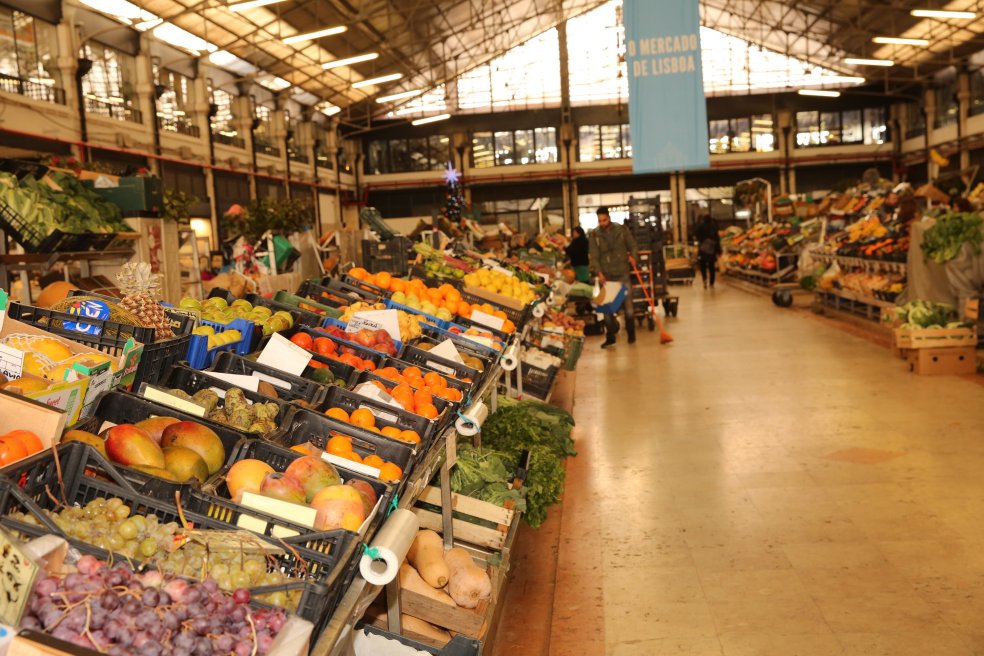
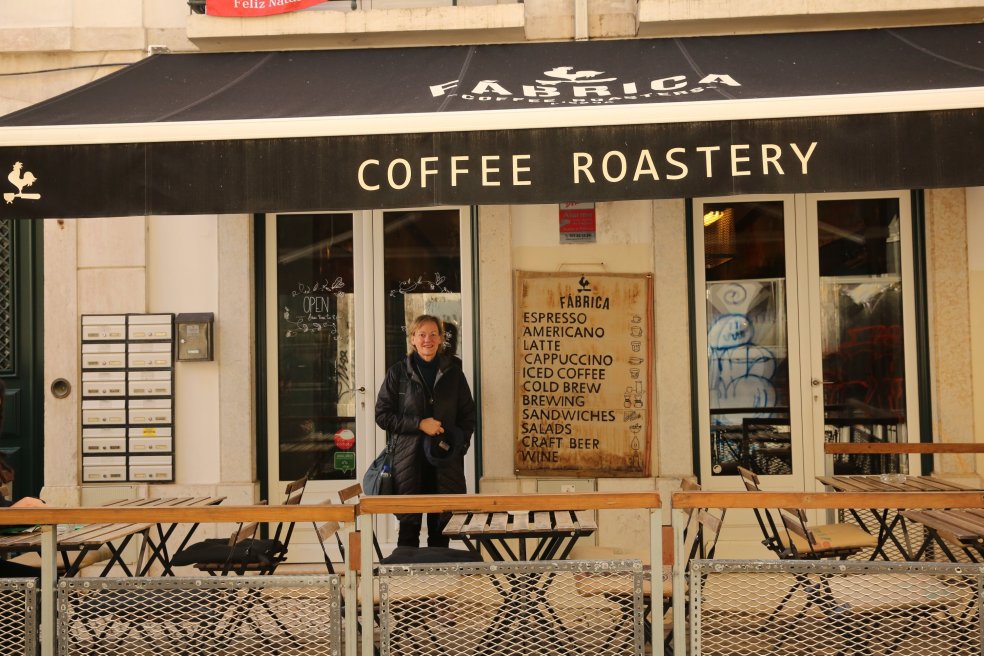
Lisbon will be wonderful. We have already discovered the essential ingredients for a good stay, a great coffee shop, local food markets just up the road and we have an excellent apartment. Today has just been a day to orient ourselves, tomorrow will be the first day of real exploring.
Keep in touch

F C-S