Further afield and closer to home.

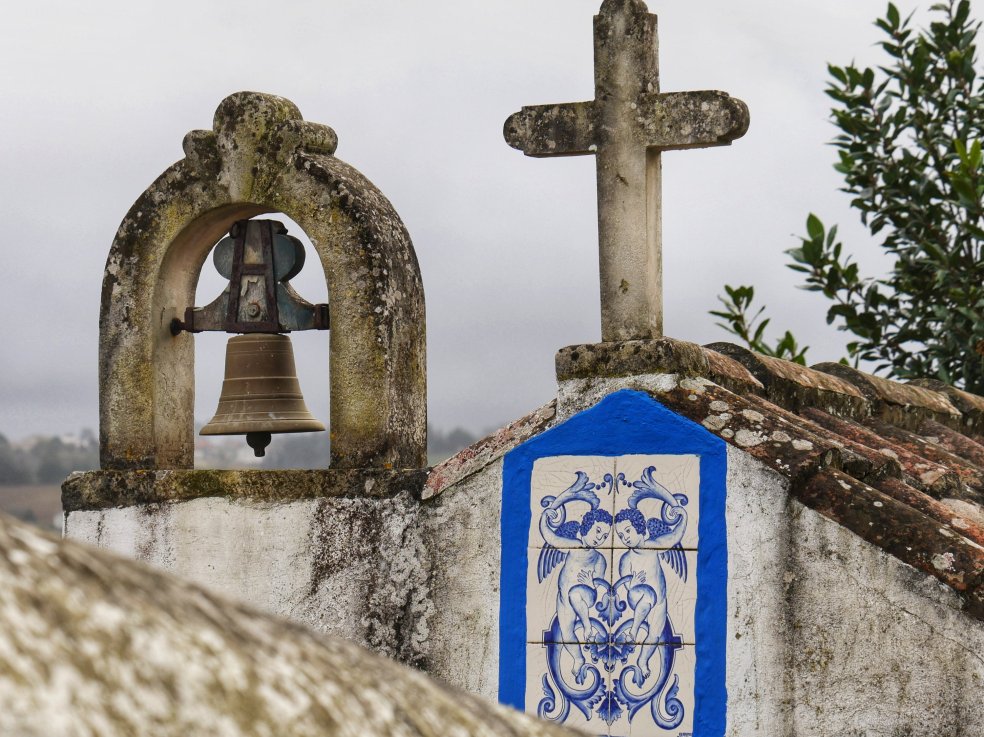
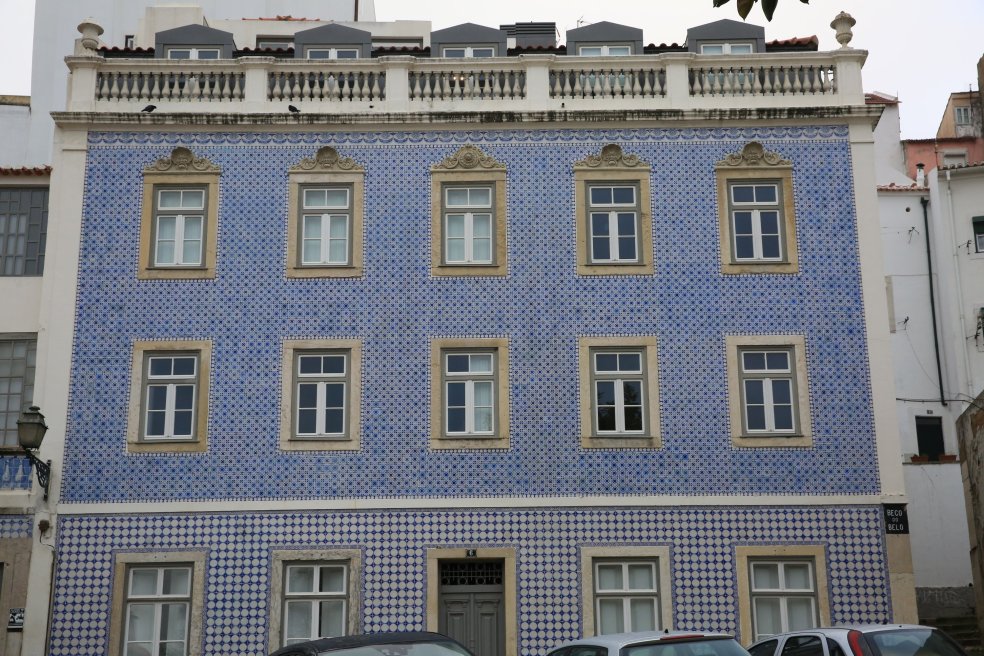
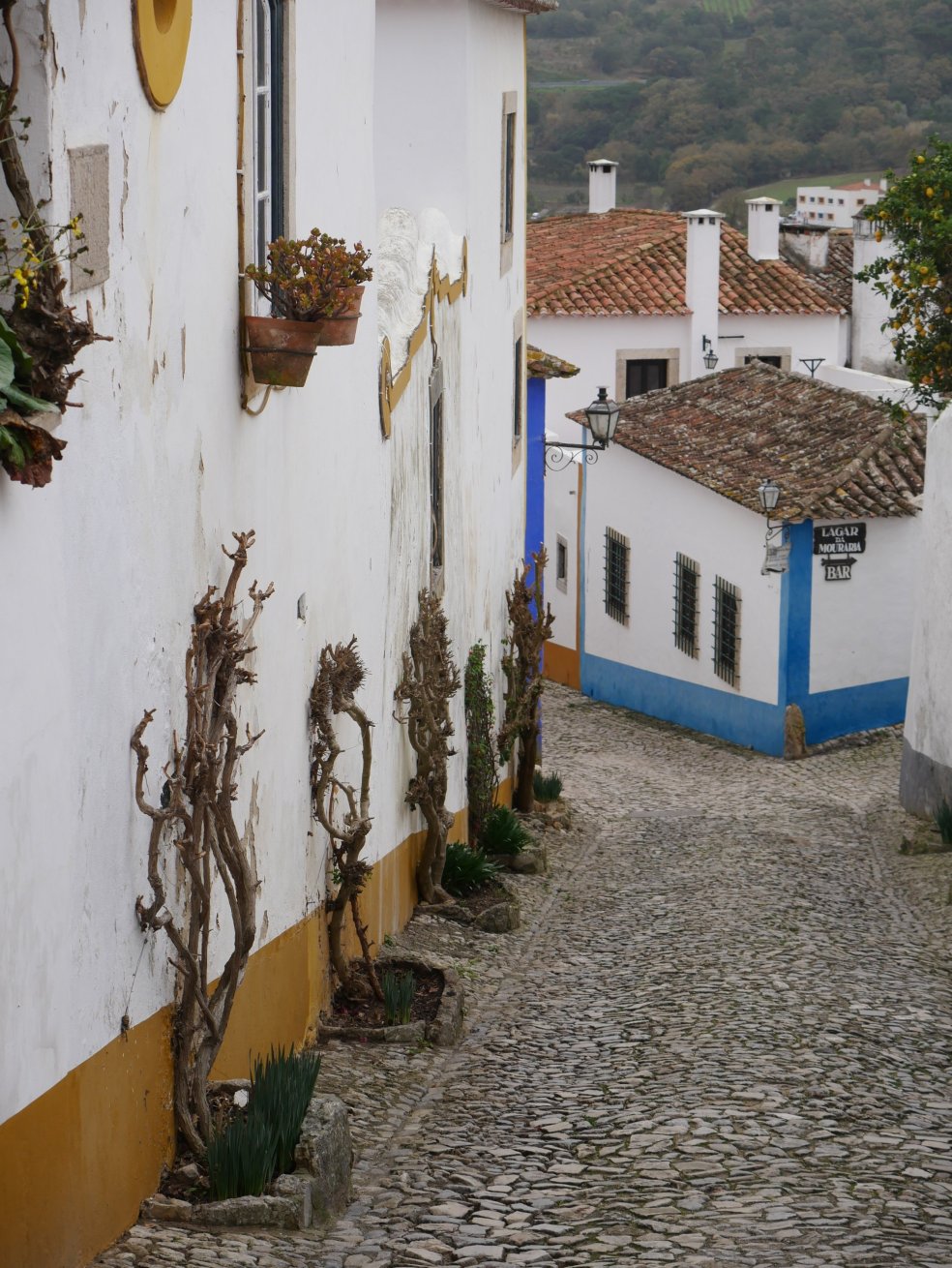
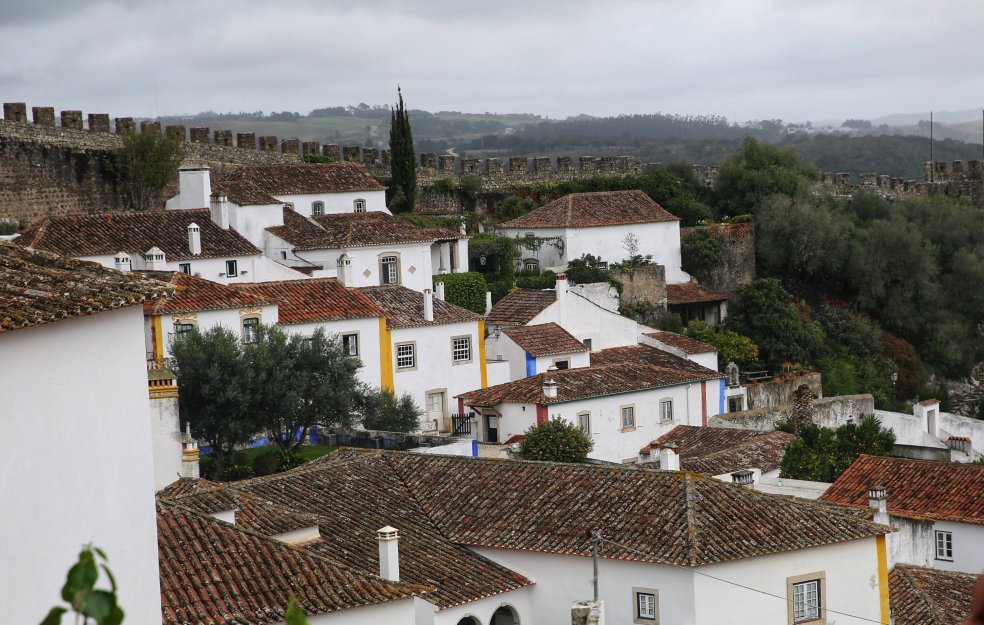
Yesterday we took a bus to the village of Obidos, although that’s not how it’s pronounced. The church there was built in the 12th century and walls were built around the town to keep out both the Moors and the Crusaders should either return. (The Crusaders won the first Test of the second series when they cleared Portugal of Berbers, but they went on to lose every other match in that series and the next. Finally they then turned on their fans in Constantinople, destroyed the place and killed tens of thousands of Christians. No wonder the Portuguese were worried about them returning.)

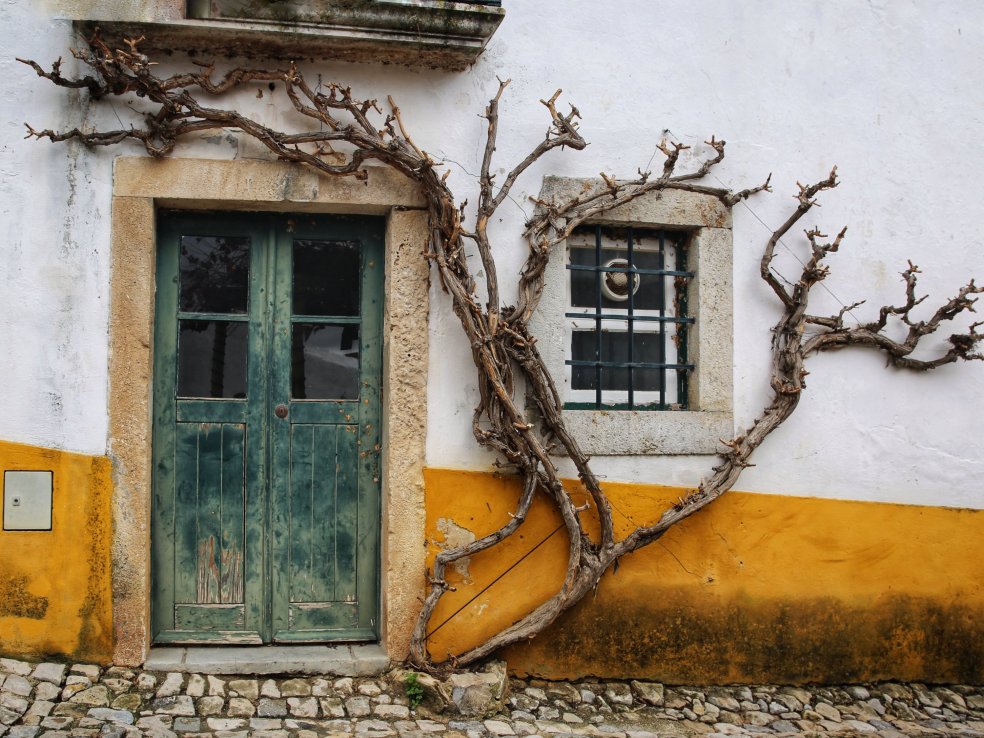
Obidos is beautifully preserved – the wall around the town is still complete and about 3km of the viaduct to the town still stands. The town is just an absolute gem EXCEPT the one main street is about 800m of Ye Olde Obidos filled with tourists (like me) and gift shops selling cork stuff, local cherry brandy and Crusader helmets, swords, and pillaging guides. Sadly we were probably 20 years too late to fully appreciate how beautiful it really is.

Today was interesting in many ways. Walking along the foreshore on my way to meet Linda and Maryanne I stopped to look at piles of stones in one spot. According to a policeman they are assembled by Carlos, a homeless man who has lived under the boardwalk since he was eight. He said the only person Carlos has ever spoken to is an old priest who brings him food each day. The tide knocks them down, Carlos puts them back up. I thought it was a just a really shit modern art installation being guarded by a policeman. I suspect perhaps I’ve been spending too much time in art galleries these holidays.

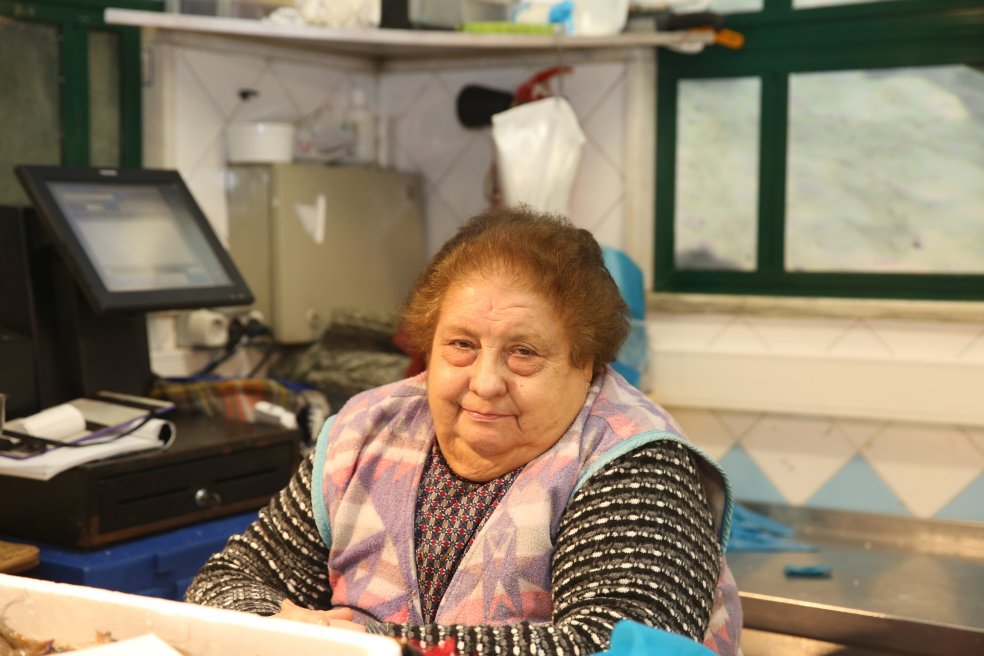
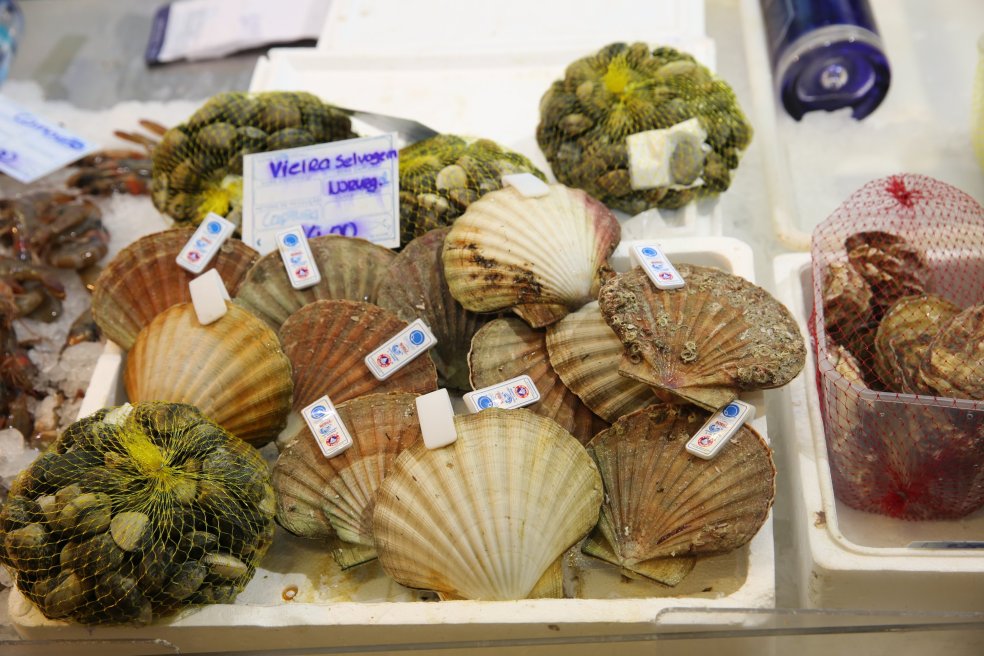
At the food markets I spoke to Celine – the 50ish daughter of Celine Snr. Her mum, Celine Snr, has been selling fish at these markets for more than 65yrs. Mum used to carry the fish to their stall in the market straight off her father’s boat every morning before school, then started working there full time when she was 10. The daughter, Celine Jnr. has been there since she was 14. The granddaughter has married and moved to the country, thus ending many generations of uninterrupted work in the same occupation. Its probably because they christened the granddaughter Myrl not Celine.

The afternoon was spent at Portugal’s maritime museum in Belem looking at 500yr old maps, navigation equipment and nautical stuff and reading more about Vasco and his mates, followed by a 10/10 dinner just up the road. Farley heaven indeed.

But that’s a story for another time. For now, I’d better let you go.

F C-S
I think their scallops are also all named Celine, but I’m not some kind of shellfish expert….
Same the World Over

Sometimes it brings one enormous comfort to know that humans are the same the world over.

Waiting to catch a bus from Lisbon to Obidos I realised the urine smell here is exactly the same as the urine smell in the Toowoomba Bus Exchange.

Actually, to be honest Remington, it’s not comforting at all….

The Explorers

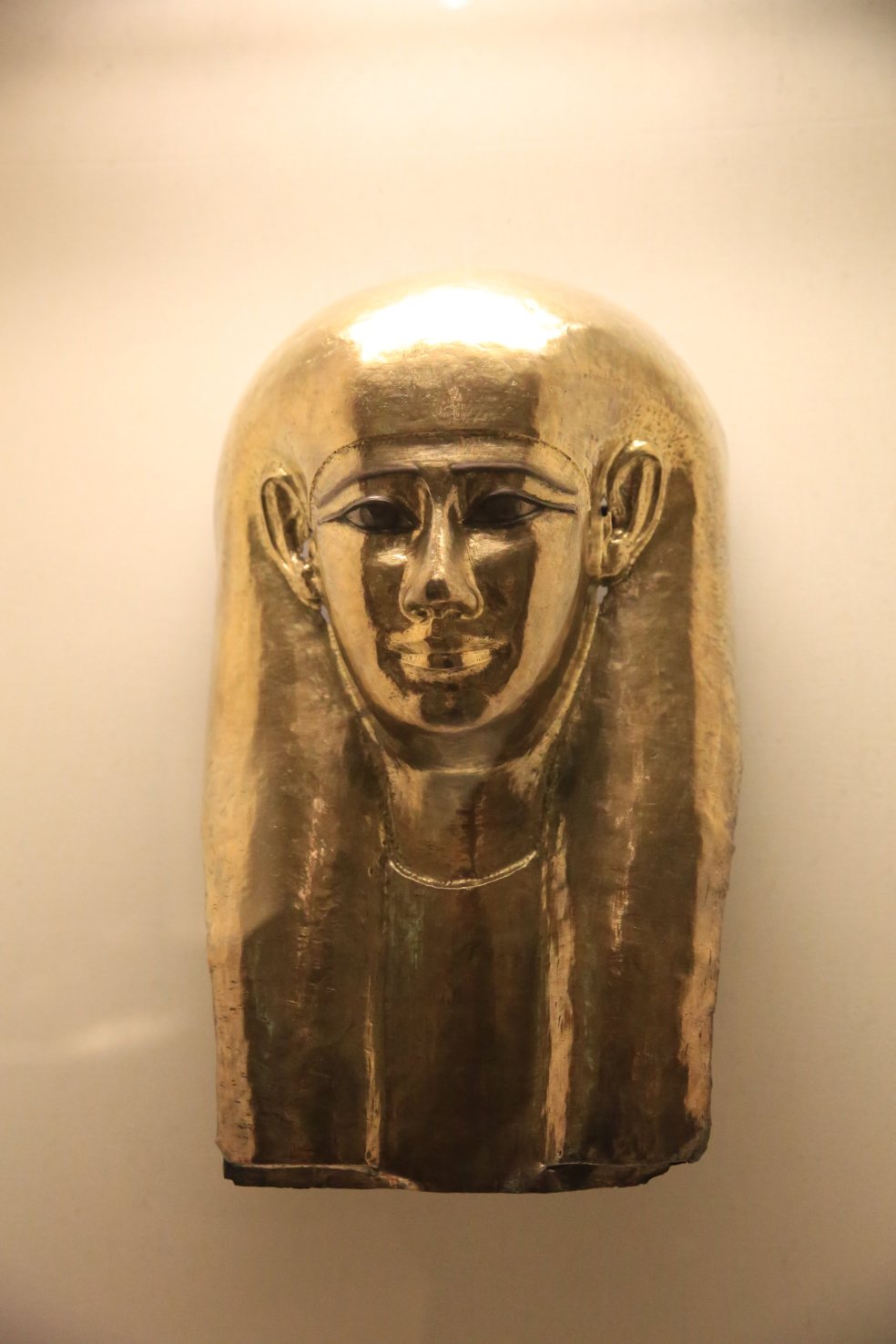
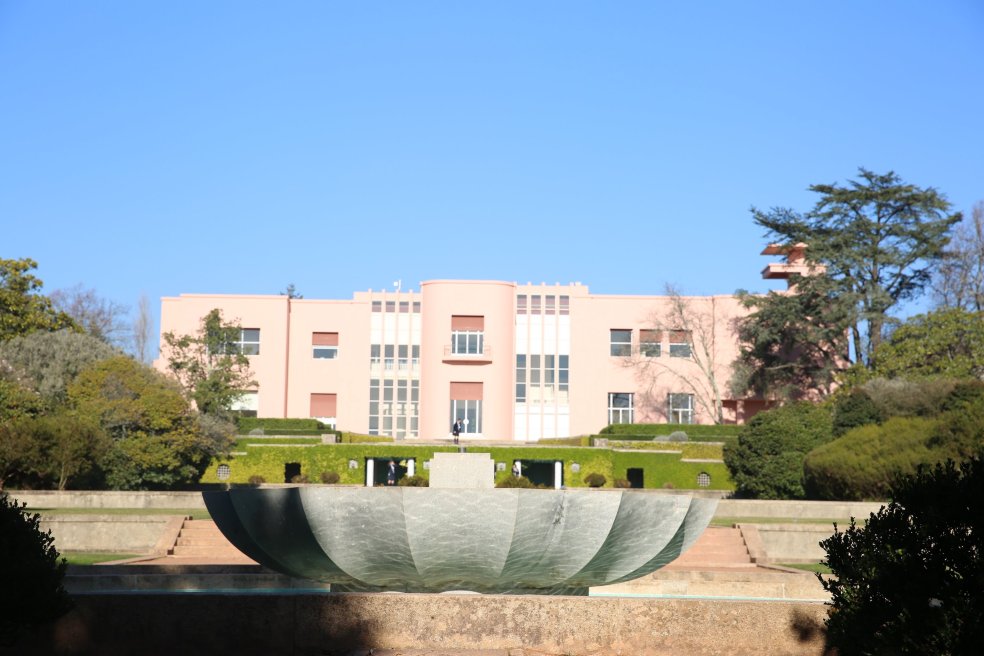
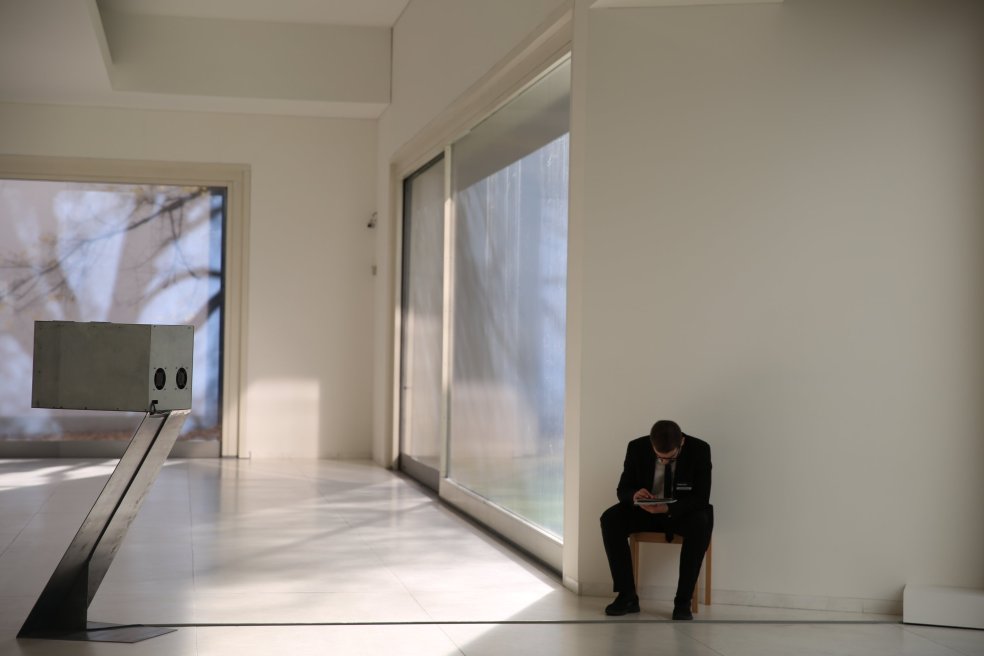
We have spent the last couple of days wandering around Lisbon. Yesterday we spent time in the Gulbenkian Museum- just wonderful. Calouste Gulbenkian was an Armenian born in 1869 in Constantinople. His family moved to London to avoid the first Ottoman genocide of Armenians (good plan) and they became British citizens. Calouste finshed uni and became interested in oil, just as the world was becoming interested in oil. He almost single-handedly set up the oil trade between Iraq, Iran and the West and became one of the World’s wealthiest humans. Almost all of his money went to his charitable foundation and his art collection.
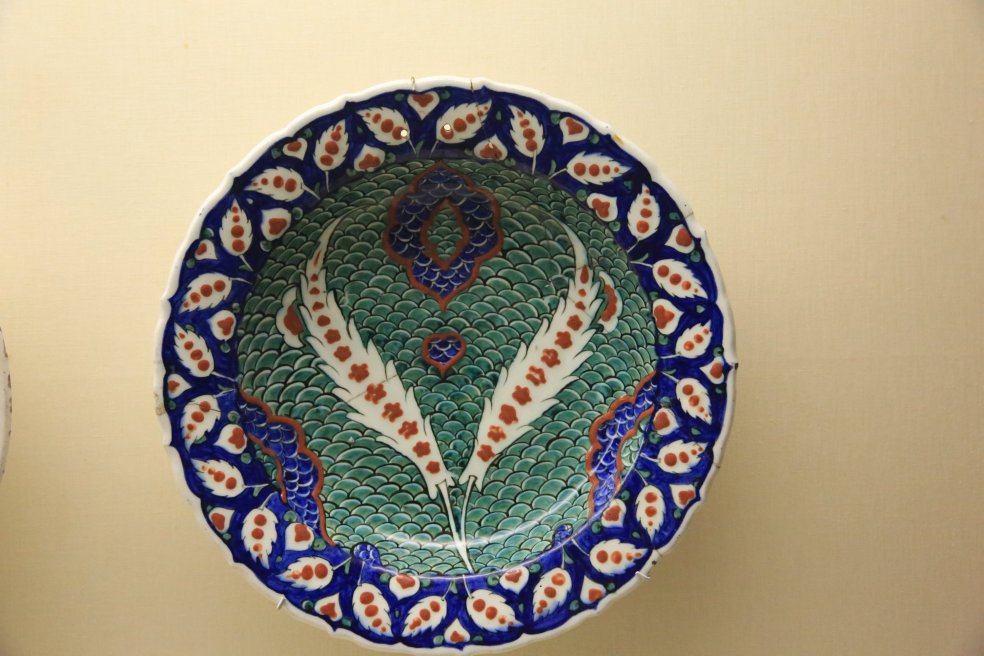
His private collection ranges from early Egypt to the Impressionists with examples from different periods in between. No human now has sufficient money to set up such a trove. The most recent Ming vase with an imperial seal to be sold at auction went for for £33 million, his museum has 12 with the seal – it also has a large number of pieces from each of the other major dynasties. He has an extensive collection of Impessionist paintings and Dutch Masters. His collection of priceless Ottoman carpets is considered to be the best in the world, as is his collection of coins. All in all it was much better than the stuff Pop stored under our house.

Today for us it was wandering around the Alfama District – the part of Lisbon that was always the oldest and the poorest. Archaeologists think it may be the second oldest permanently inhabited site on mainland Europe. Some of the shops today were stone-age, as were the manners of the man who made my (nudging dangerous) coffee. Alfama was the district Moors and Jews settled in the 10th century, it somehow survived the earthquake and tsunami but was always the gritty end of town. It became the home of Fado, wine bars and muggings. With gentrification it is now the home of Fado, wine bars and pick-pockets.

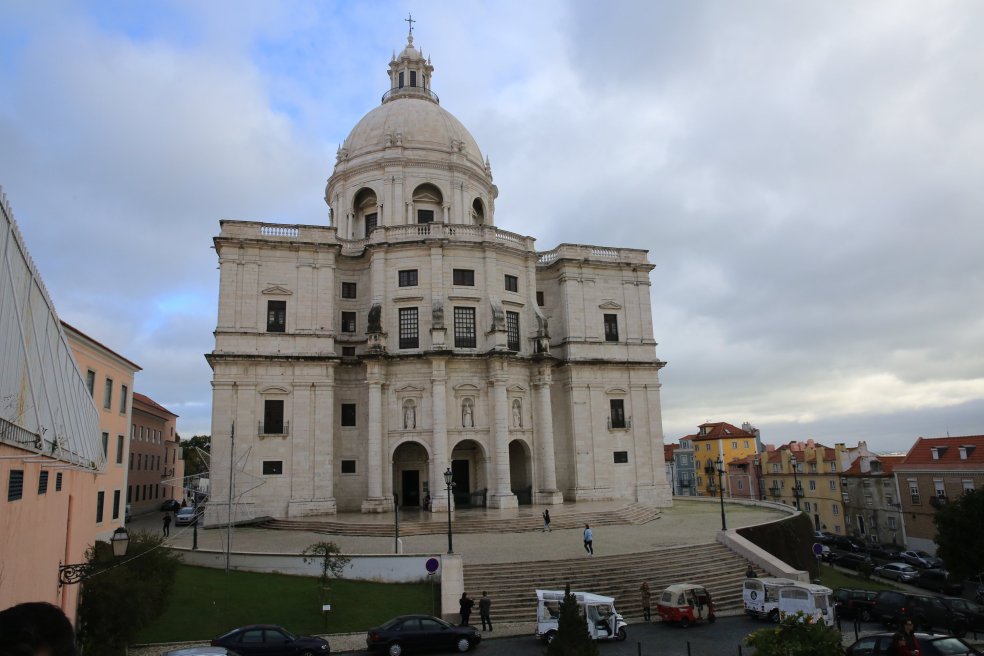
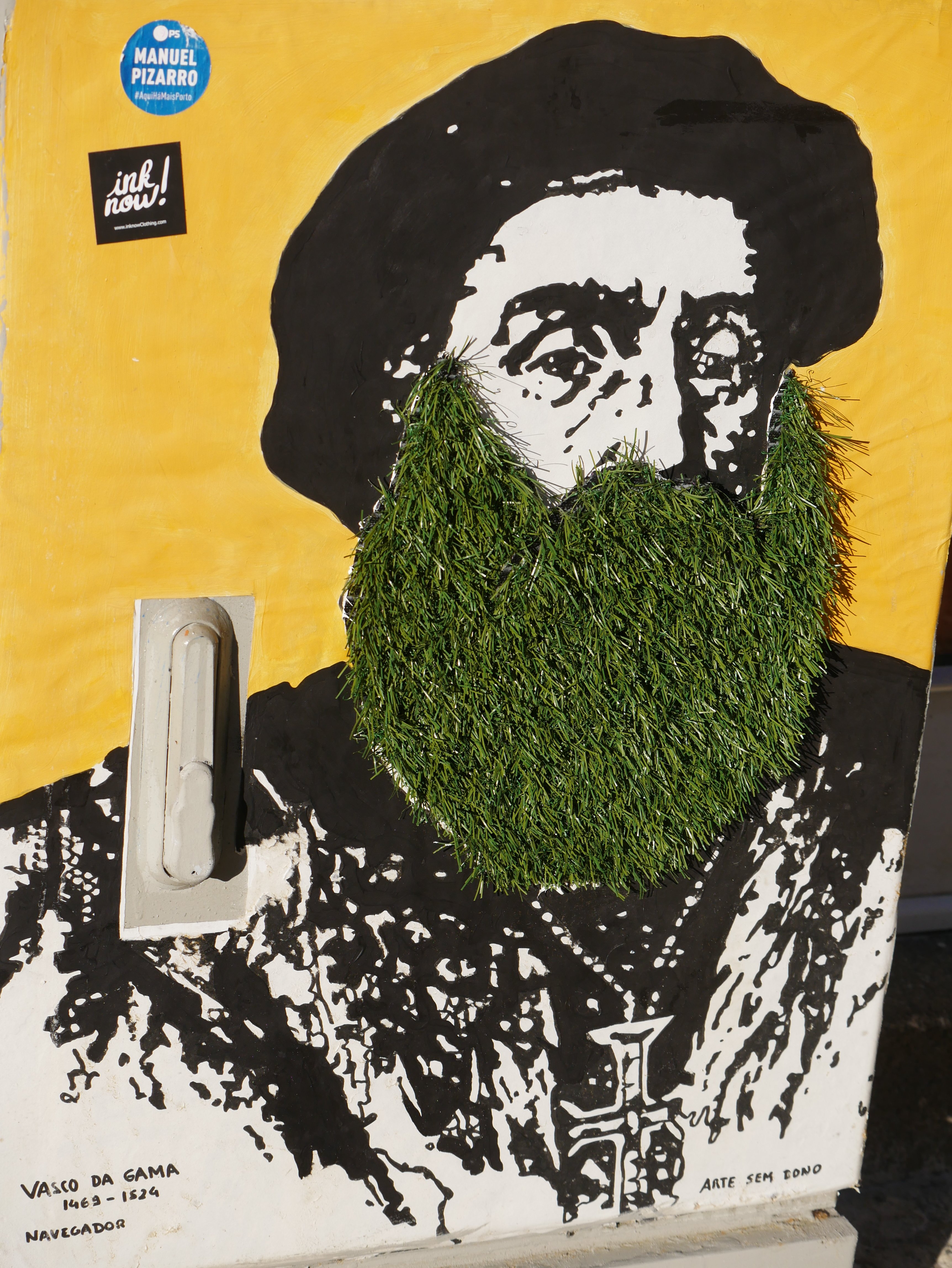
And I was able to pay my respects to some of the greats in Portuguese history and culture at the National Pantheon. Vasco and the other great explorers are there (their boats were smaller than the Sydney to Hobart winner and their SatNav systems had more than a few gaps and flaws), as is Infant Henri the Navigator, along with the nation’s major poets and authors. I’m sure there is a place reserved for Ronaldo. The building, initially intended as a church, took 300yrs to complete – (our builder in Toowoomba was slow, but not 12 generations slow).

The great paradox of travel is that the more familiar a place becomes the more there is that you want to see. Sometimes a weekend can feel too long in one place, sometimes a lifetime is not time enough. Lisbon is a lifetime city. Even its history throws up questions. For example a couple of days spent exploring, wandering and wondering have led me to think that there must have been an easier way for Vasco to get his cinnamon and pepper. Plus I bet he didn’t know where Rosewood is – or the best way to get there from Toowoomba.

Farley the Explorer

Margie’s People

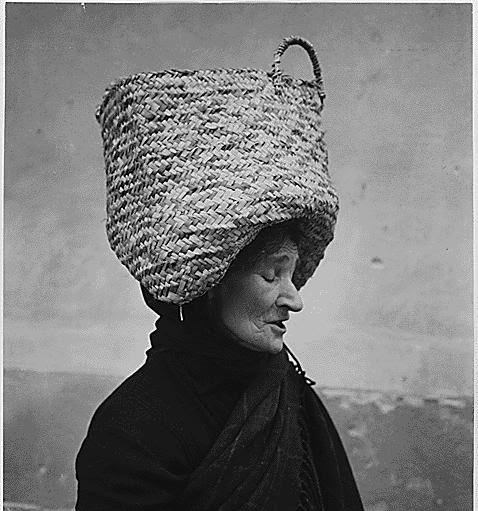
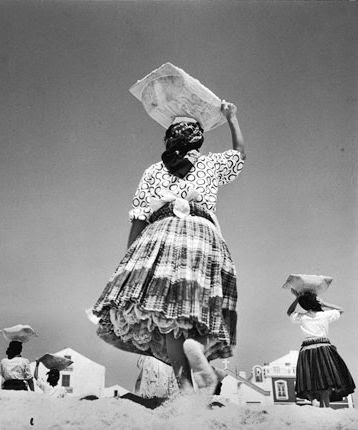
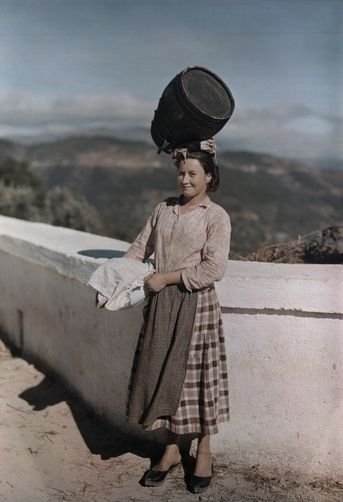
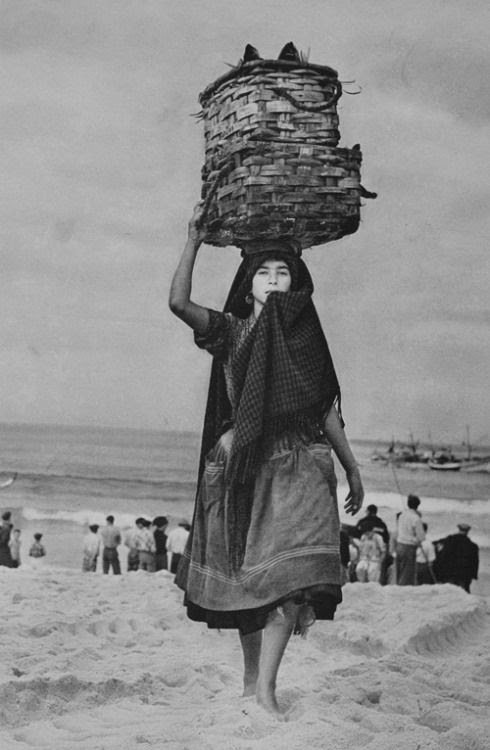
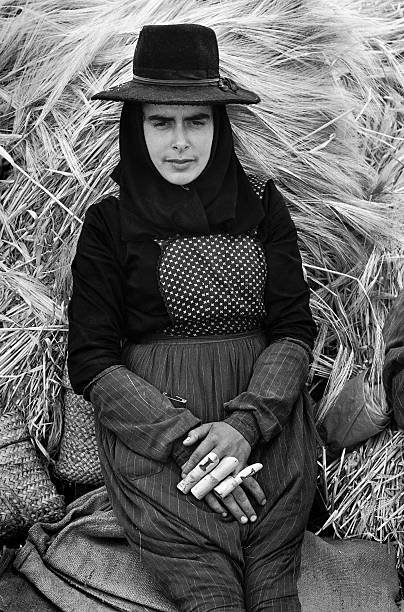
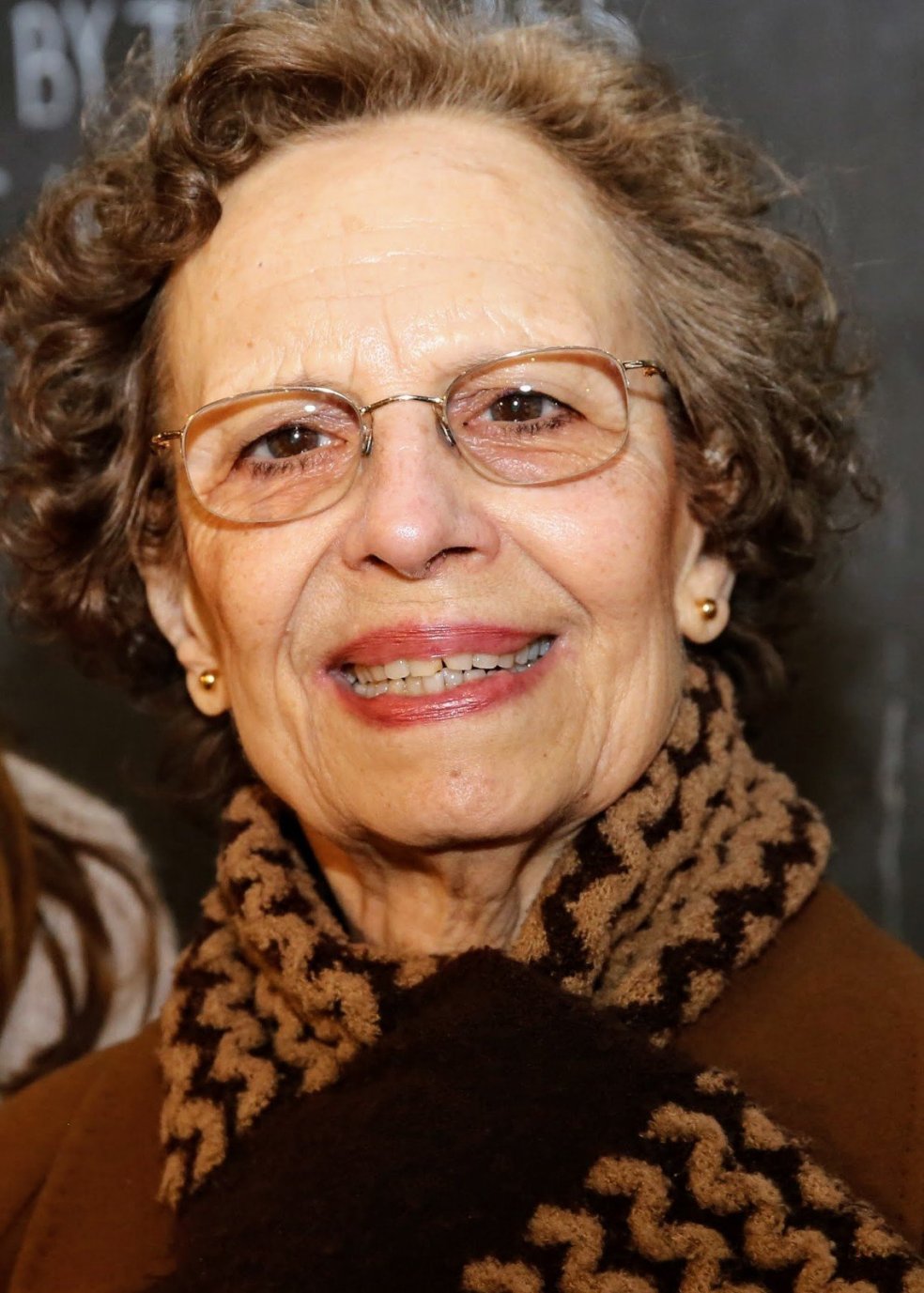
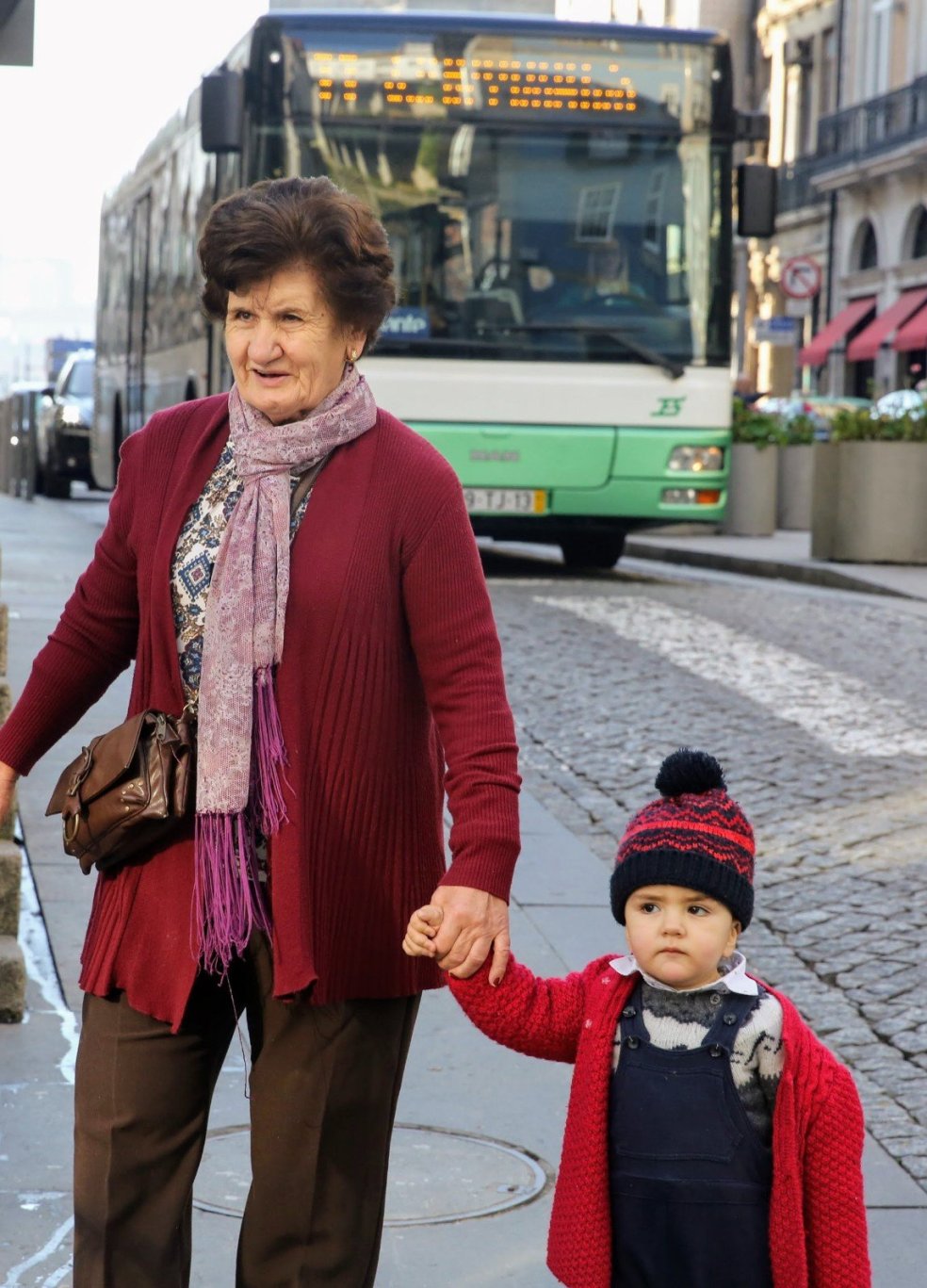
A dear friend of mine, who I must say is a little older than me, travelled to Portugal last century. Marguerite was particularly struck by the women of Portugal. She has asked me to share some of her wonderful photographs that she took on that expedition all those years ago.

I think you will agree that Marguerite captured the dignity of these women perfectly.

Ṭāriq ibn Ziyād 

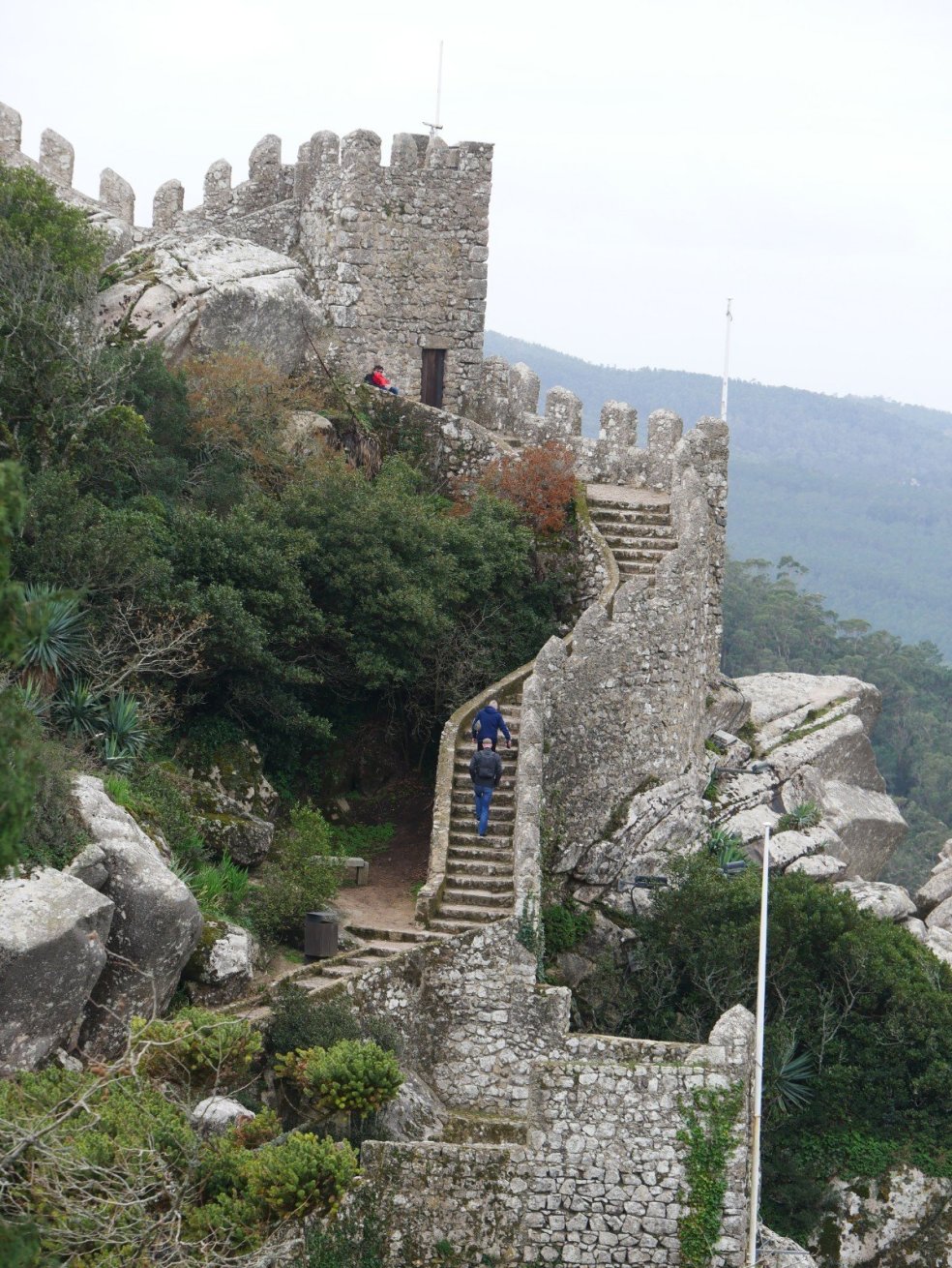
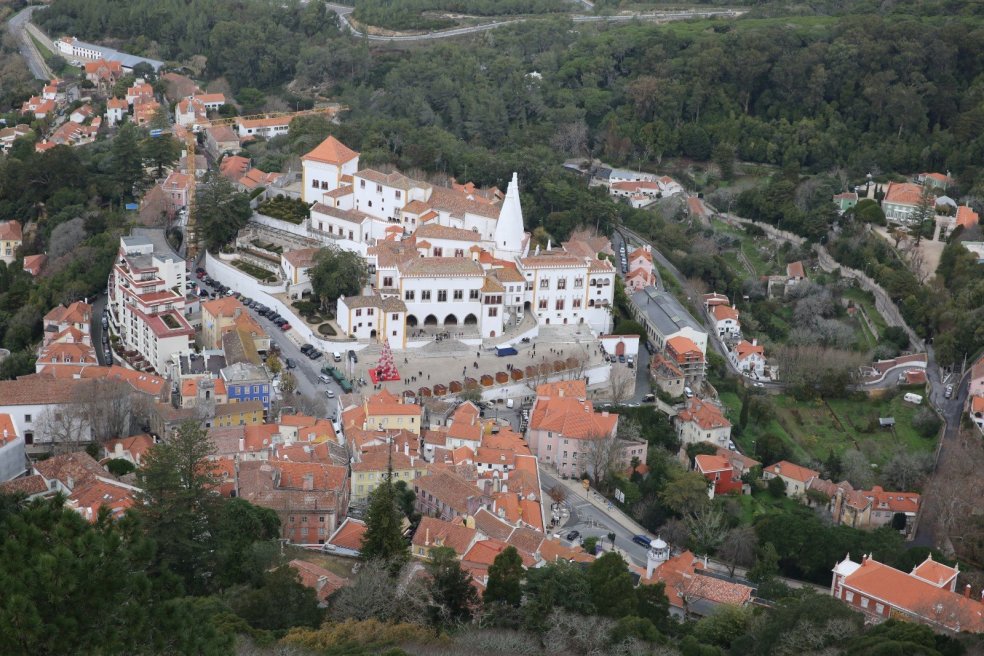
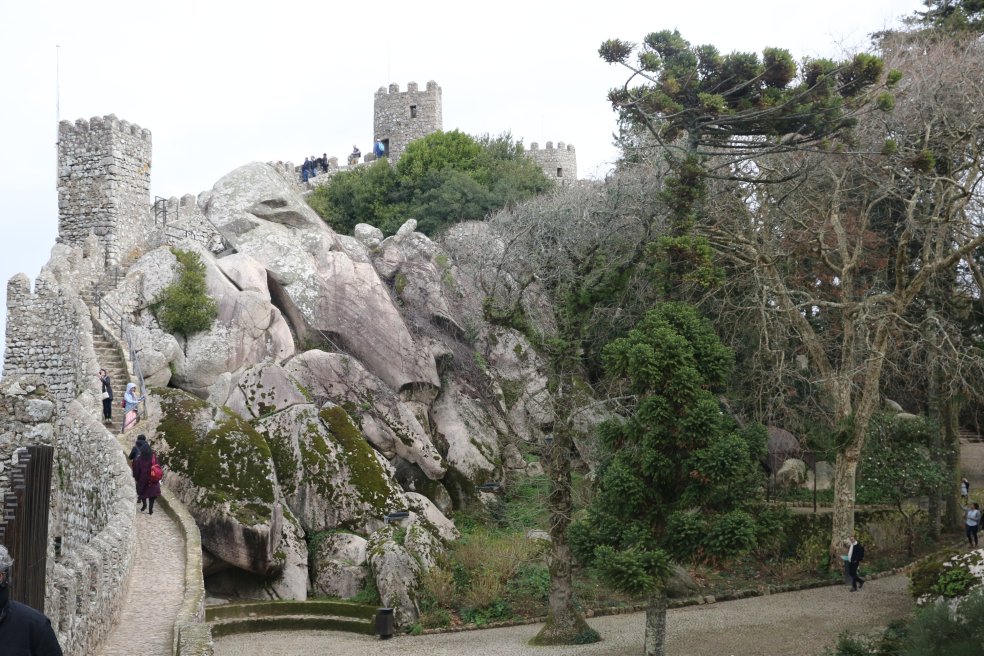
Ṭāriq ibn Ziyād was not a man to be messed with, in fact he would have been good to have had in the second row in my Rosewood Under 15 team. He was a Moroccan ex-slave who became a great military leader, and he led the expedition of Moors who in 711 conquered almost all of the Iberian Peninsula. The Rock of Gibraltar is named after him – it was the first stop on his way towards Southern France. Sintra, the town we went to today, has a castle built by the Moors in the 11th century – 300 years after Tariq had done his bit for Islam in Spain and Portugal.

It is a little ironic that this castle was part of a line of fortifications aimed at keeping Europeans out, They certainly didn’t want ignorant Christians from the North polluting the purity of their culture. In poetry, literature, and most of the sciences – particlarly medicine, astronomy and mathematics – the Africans at that time were far more advanced than most Europeans. Jews were tolerated, even encouraged, as the merchant and banking middle-men – something that cost them dearly in the Inquisition after the South was finally reconquered by crusading knights.

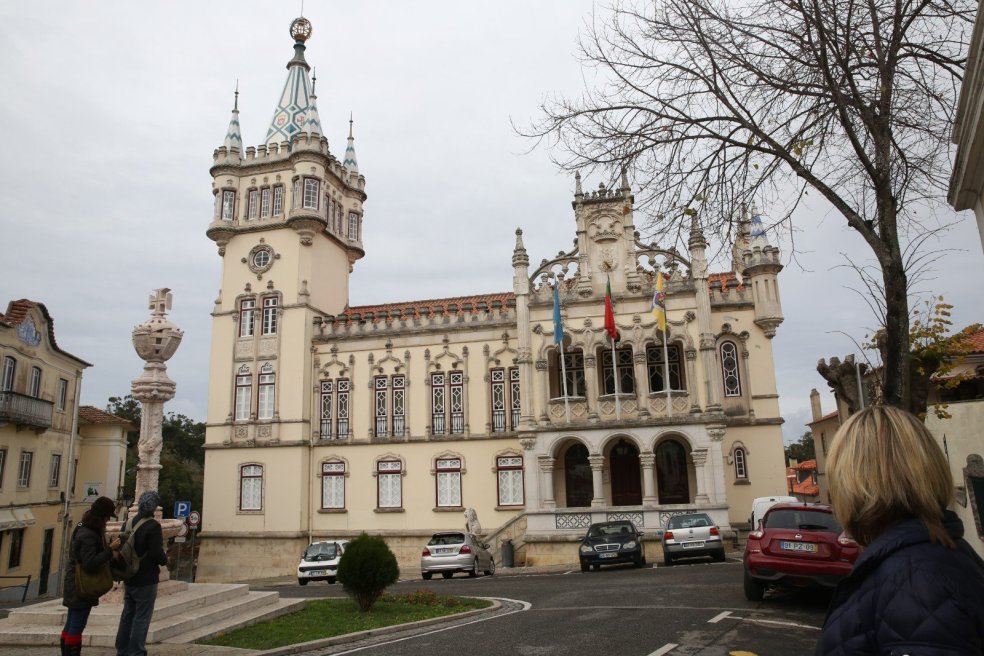
The castle fell into disrepair and it was severely damaged by the 1755 earthquake. But in the 1830s it became something of a tourist attraction after being partially repaired by the Portuguese king. Sintra itself had become the place royals went to get out of Lisbon after the earthquake, it is filled with their palaces and gardens which today are museums or art galleries. It is also filled with cork shops, fast food places, souvenir shops and day-tour touts.

Actually when you think about it Ṭāriq ibn Ziyād may have been on the right track. Perhaps the Moors should have fought a wee bit harder to keep the uncultured Europeans out of Sintra. They could have put their university there instead of building it in Cordoba. I for one would pay money for that tour. Even buy a cork postcard at a pinch.

F C-S

Natal na Ibéria

Christmas in Portugal has been a treat. All of us have been able to catch up with kith and kin thanks to the miracle of Whatsapp or global roaming. Nat spent the morning at her school in Melbourne cooking and serving lunch for her students and their families, most of whom are in fairly desperate circumstances. She soon heads off to Columbia to demonstrate her navigation skills to the local populace. Mitch and Grace are in The Land With no Christmas, but have been provided a magnificent lunch by their Iranian host in the house where they are staying on the Caspian Sea. The four of us are having a very Iberian Christmas.

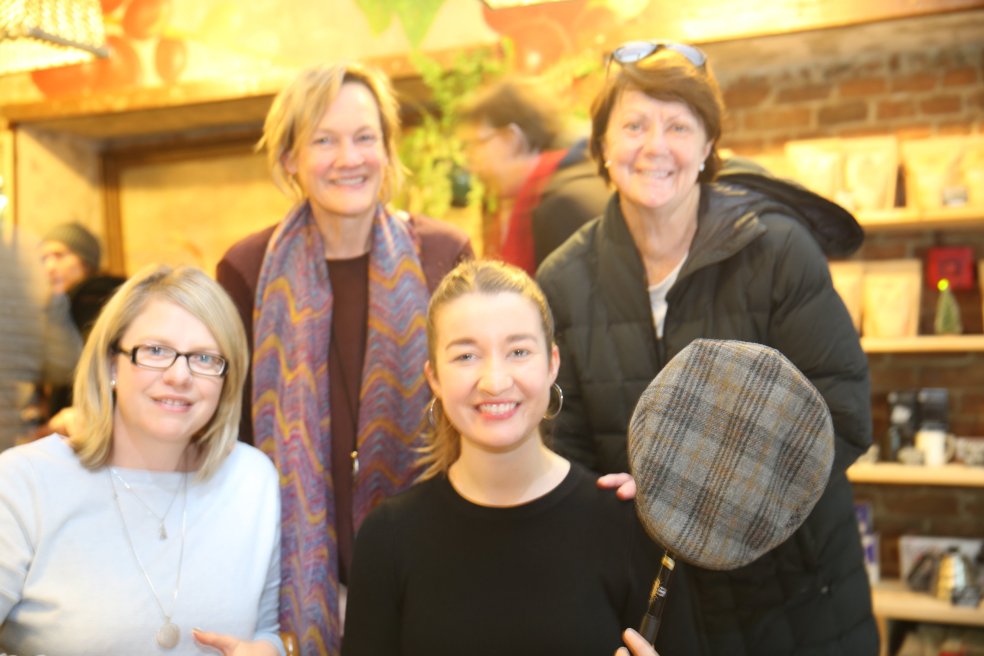
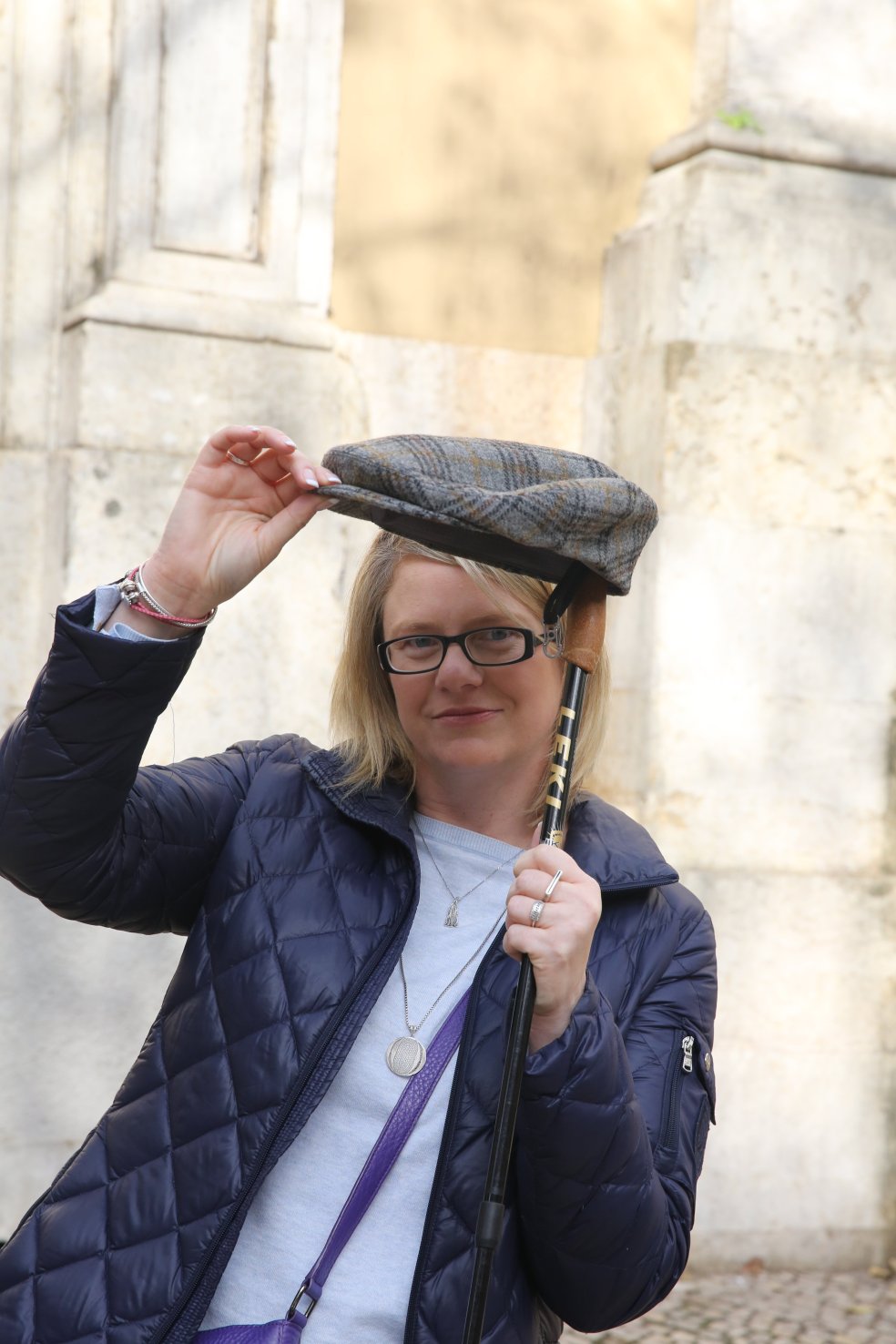
What else to start a Portuguese Christmas day but tea and natas, followed by gifts? My children, you know how much my wardrobe is desperately in need of another hat and fortunately your mother was aware of that. Coffee followed at our local cafe made by a very homesick Tilly from the UK. Then it was to mass on the stroll home.

Catholic mass in Portugal is not for asthmatics, such were the clouds of incense. An acquaintance of ours, a disgraced Gatton altar boy, would be more more familiar than I with the ceremonies of Margie’s people – the service itself was interesting, although I didn’t think much of the sermon. The acoustics were amazing and I was also amazed at the age of the congregation. Obviously a seafood diet promotes longevity, stooping and the wearing of fur, however sometimes it does bring comfort to feel that you may in fact be one of the youngsters.

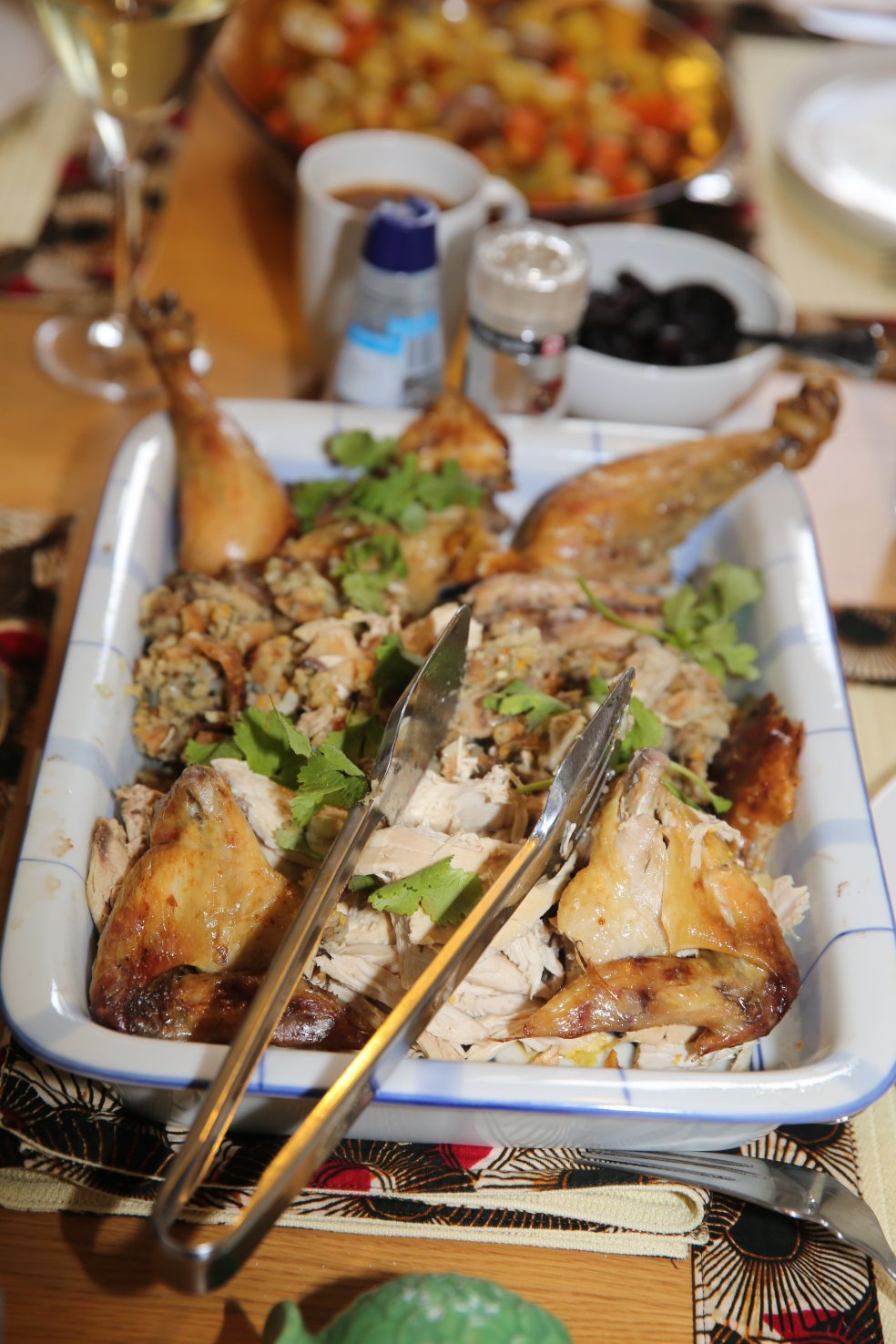
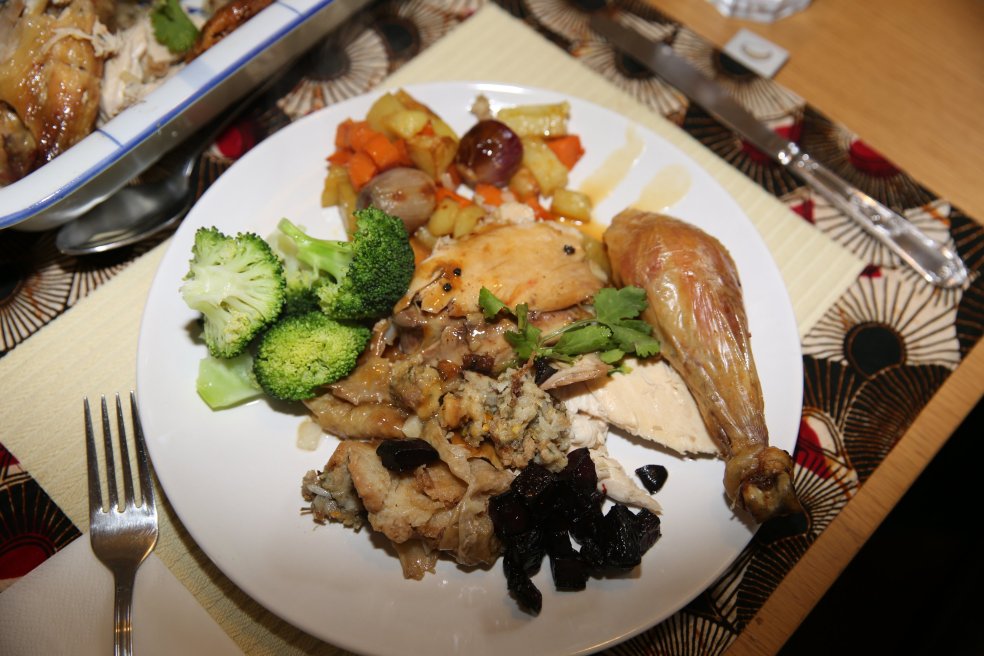
Our Christmas meal will be a chicken chosen for us by St Celeste the Ageless at the local market, veges from surrounding farms, Portuguese wine and cheeses with a berry crumble dessert. Travel is difficult my friends, so as my Christmas gift to my vast audience of six readers Dr Cunnington-Smythe and I intend to continue putting ourselves through such hardships so that you may experiece these things vicariously in the comfort of an Australian summer, such is my magnanimity. Somebody has to I guess, so it may as well continue to be me.

Merry Christmas to you all

Farley and Lady C-S

‘Twas the Night Before Christmas

Today was a day to get the last of our Christmas shopping done. Despite being a predominately Roman Catholic country Christmas seems a little more low key than in Australia. Again the emphasis seems to be more about people than stuff, more about family than feasting. The Christian population of Lisbon has not always been able to celebrate however.

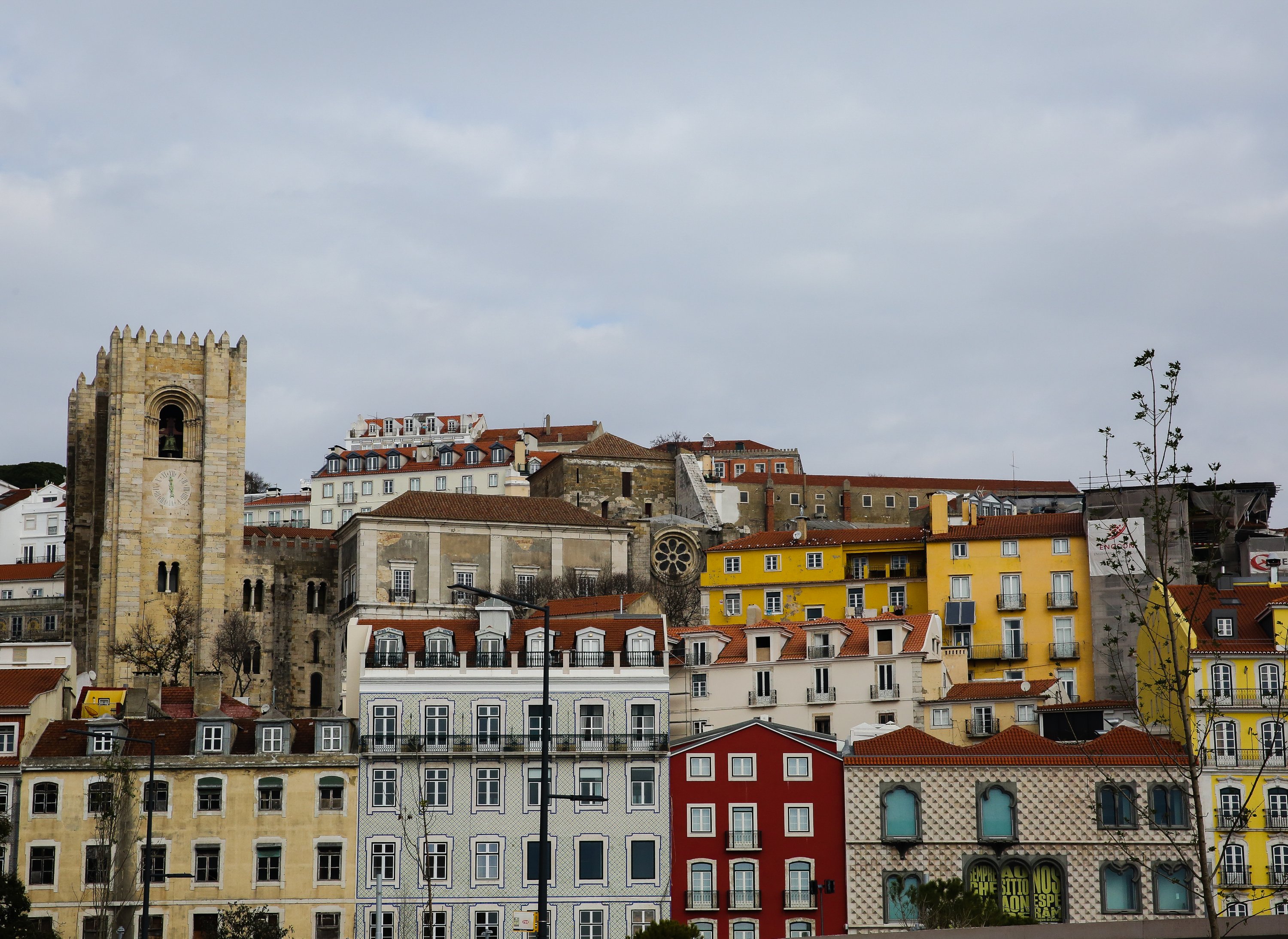
The tower in the photo above is actually part of the Lisbon Cathedral that we visited today. It was designed as a fortress, a refuge for locals when an attack by Islamic Moors was imminent. The doors are massive steel numbers and the aisles were built wide enough for cavalry. The first Bishop in the  12th century had ‘English Knight and Holy Land Crusader’ on his CV.  The building survived the 1755 earthquake, only to be swamped minutes later by the consequent tsunami. At least the tsunami put out some of the raging fires.

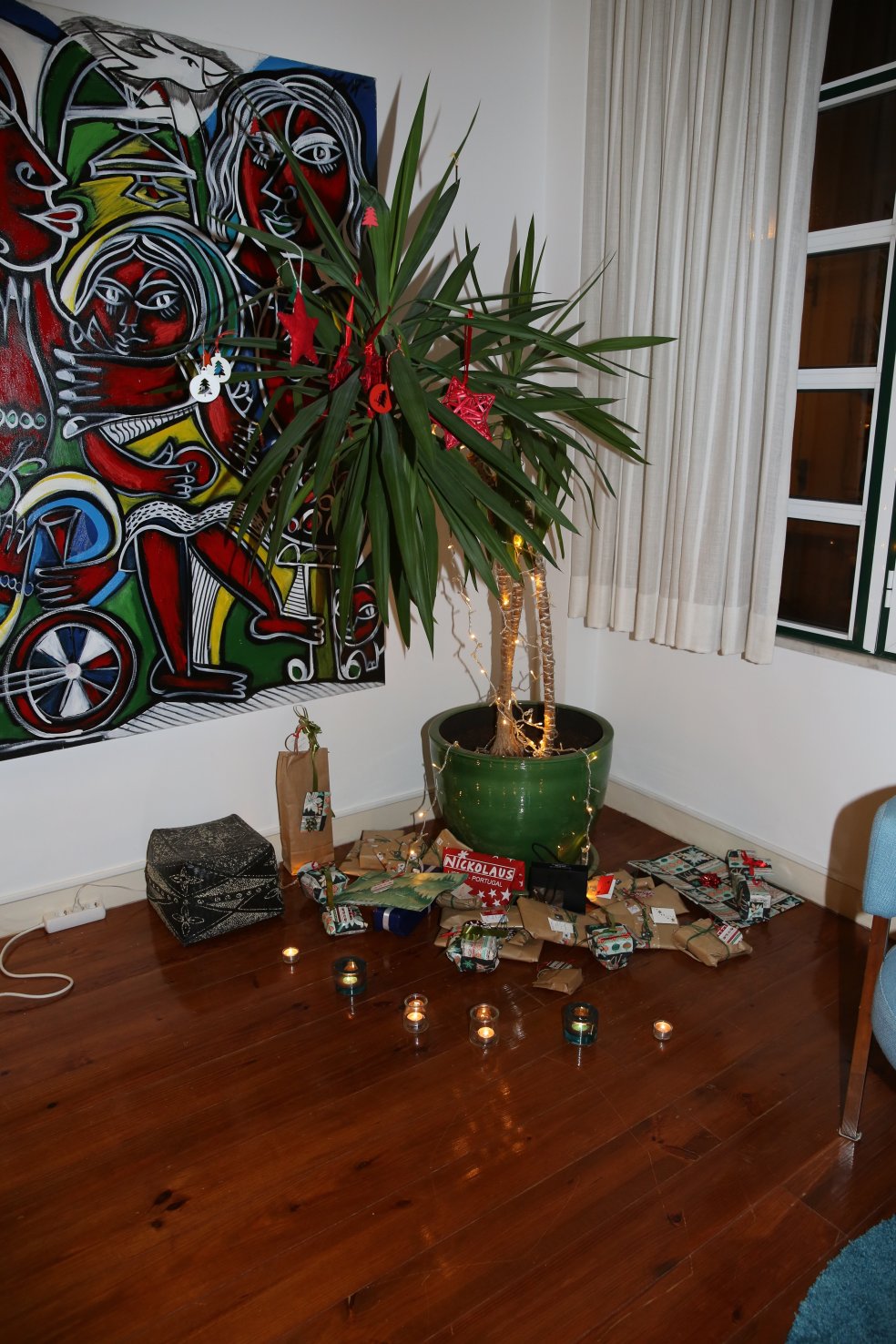
The meal tomorrow? We bought a chicken at the local market from an old lady called Celeste – she survived the Moorish invasions and the earthquake and has been selling chooks for 987 years at Mercardo Arriois.  Part of our meal came from a more recent invader – a Spanish supermarket chain. Linda has baked a cake, Catrina has decorated the Christmas pot-plant (a step up from the Christmas Chair of previous Yuletide celebrations) and Maryanne is making sure we have enough to drink.

I’d best let you all go, I have presents to wrap and place under the pot-plant

F C-S

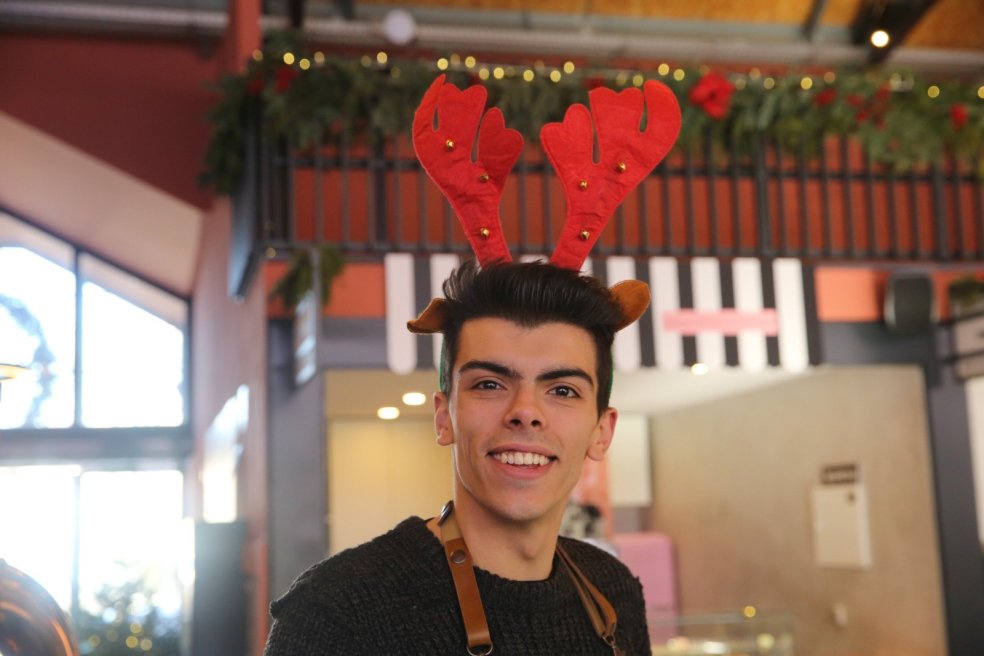
Scary Santa

Locals

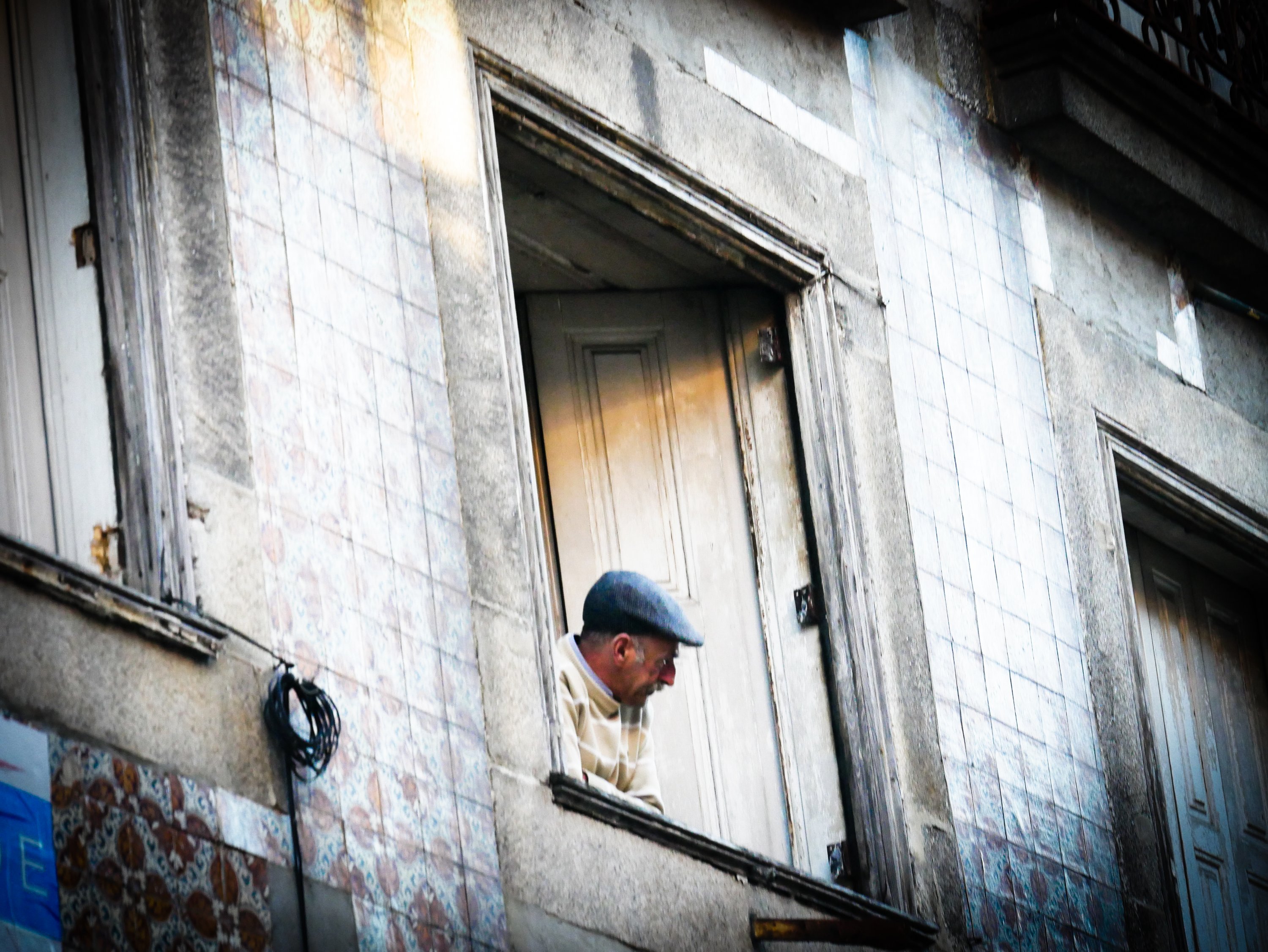
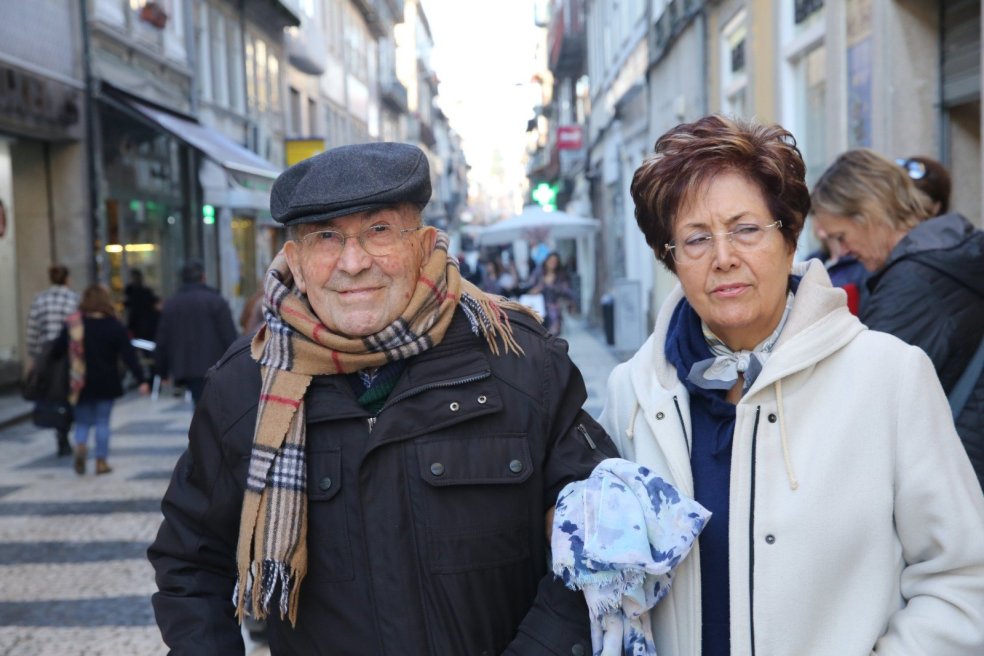
We spent today wandering and wondering on both sides of the Duoro River.  What has struck us throughout our travels has been the friendliness and helpfulness of the locals. For example when Maryanne required a trip to the doctor for medication the owner of our apartment didn’t just advise, he took time off work and accompanied Linda and Maryanne as an interpreter. This type of hospitality has been repeated in different ways over and over again. No wonder Portugal is shooting up the ranks as a travel destination.

This has only been a fairly recent thing however, it was always the poor man of Western Europe and rarely on a travel destination essentials list. Many older people are very small in stature because of the poverty and malnutrition of their childhoods. Doctors still only earn €3000 per month before tax so there has been a diaspora of the educated seeking fortunes elsewhere, (but then again the Portuguese young’ns once headed to the colonies – in particular to Brazil, Angola, and Mozambique to start a new life, only now it is France and Germany). Growth has brought its own challenges.

Portugal is a family country, it seems people by choice won’t move far from home, even moving to a new neighbourhood appears adventurous for some. We went to a wonderful wine bar this evening. Later as we were talking to the young owner and his wife – he told us he lived most of his life two floors up in the same building his bar is located. His parents still live there but now he lives 10 minutes away. The growth in tourism and the consequent increases in rent is putting pressure on the yearning to stay in your neighbourhood for life.

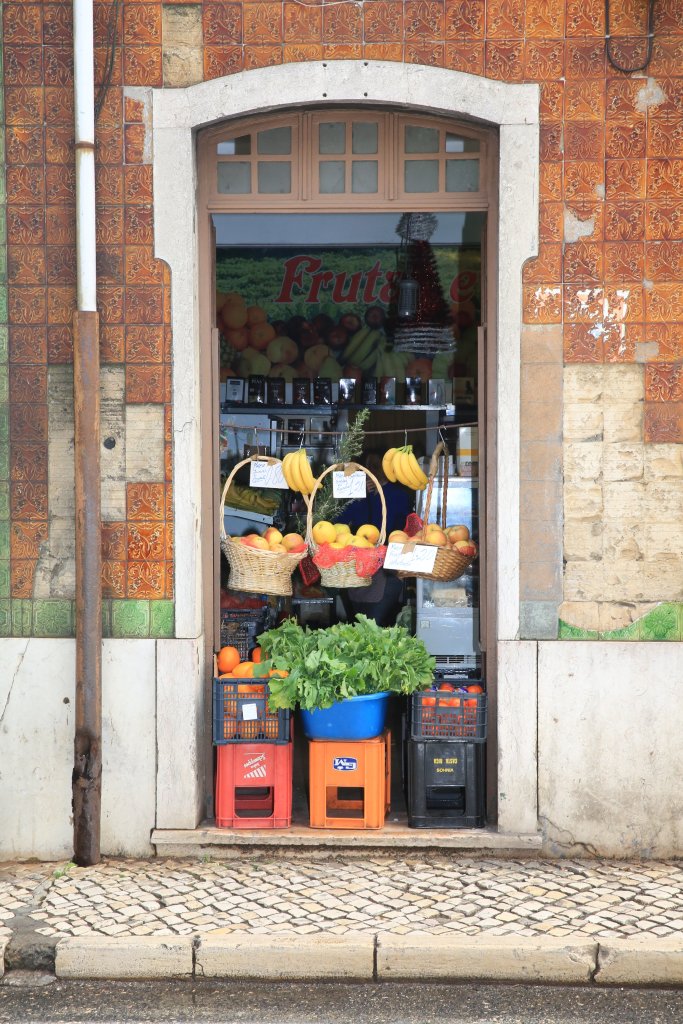
There seem to be no giant supermarkets, instead each neighborhood still seems to have oodles of small businesses, fruit shops, butchers, bakers, candlestick makers. There are small cafes in almost every major street where people meet for coffee, beer or wine after work. There are small bakeries everywhere. Sadly this might change here, just as it has been lost to us in Australia. 

It seems incongruous that a people so attached to place became the great explorers of Europe, that a people so attached to home exported millions of its young people to the rest of the world. We will just enjoy wandering and wondering, enjoying those that have stayed home and have been so welcoming. None of us ever expected to travel at all as children, perhaps to London at a pinch. How fortunate we have been to have spent time here as the guests of these Portuguese in their own cities, cities of which they are so proud.

Farley of Porto

Ted the Navigator

My father, Ted, had the worst internal compass of any person I’ve met or even heard about. Our annual excursions to the Brisbane Ekka were legendary. Every year we would set out early in the morning from Rosewood, get close to the showgrounds without actually finding the parking area, head back to Sherwood RSL then catch a train to the Ekka and back from Sherwood. I can’t remember him actually finding the Brisbane show grounds in a car.

The Portuguese, by contrast, were renown navigators by the 15th century.
Christopher Columbus became the last person credited with finding the Americas- he was beaten by Inuits, Indians from North, South and Central Americas, and lots of Vikings. He was also beaten by Portuguese cod fishermen who headed off every year to the rich grounds off the east coast of America, dried and salted their fish ashore then headed back to make a fortune from each journey. They were doing this for at least 200 years before Chris set out, but wisely kept their mouths shut. 

Prince Henry of Portugal recognised the skills of his sailors and built a navigation school and provided free boats for those who wanted to go further. Da Gama made it around Africa, Diaz to the Cape. Eventually Portuguese even made it to Japan where the idea for the curry sauce that goes on their chicken today was introduced by Portuguese traders and missionaries who arrived via India from 1543 onwards. All of this started because of the Portuguese love of fish. The sea was rich, their lands poor.

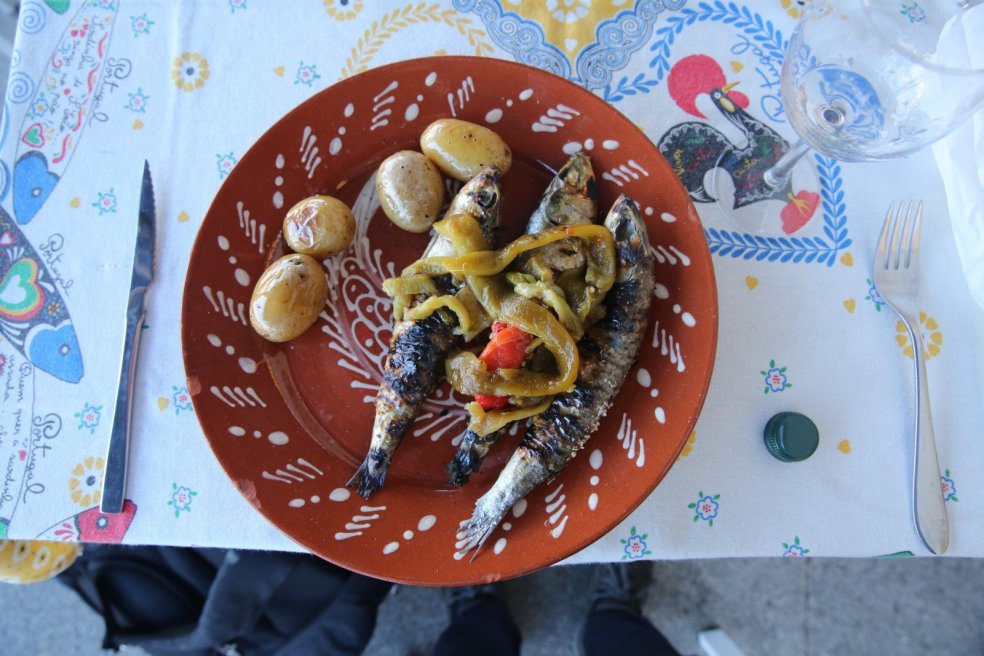
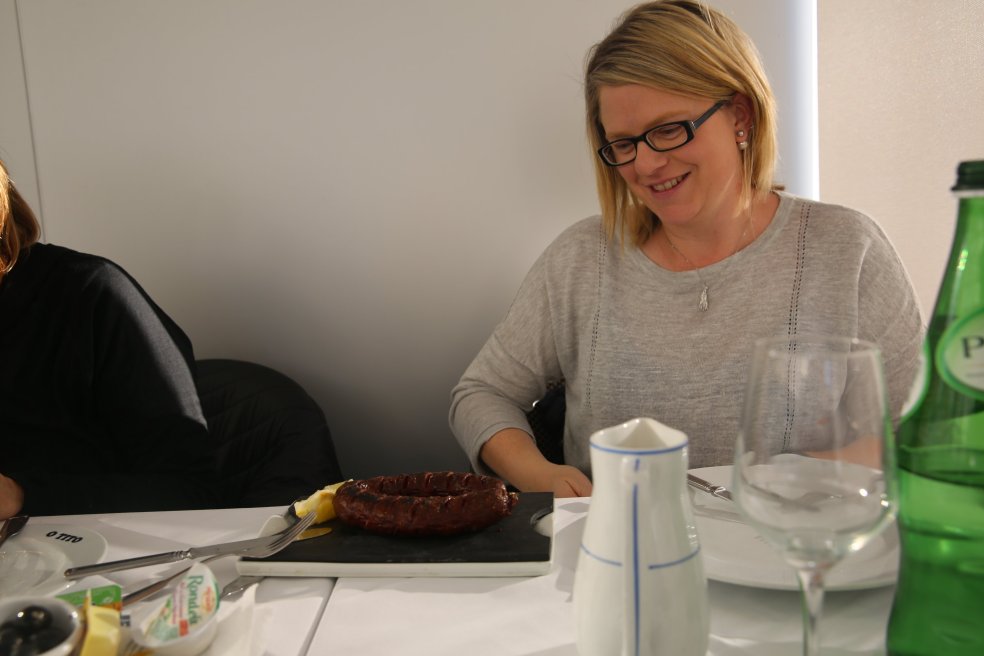
We benefited today from the Portuguese love of the sea. For the first time in my life my knees and I saw the Atlantic Ocean at the coastal town of Foz. We had lunch at a beachside cafe – Linda calamari, Catrina pork sausages, Ross sardines followed by a whole roasted sea bream – all with vegetables. It was simple food, incredibly fresh and superbly done.

As we ate lunch I couldn’t help but wonder what would have happened if it had been Ted the Navigator who’d set up Portugal’s navigation school. Their sailors would have set out for Africa, ended up in Finland, and today it would have been reindeer roast with braised lemming. The Portuguese seamen got it right when they went with Henry. Well done those sailors – wise choice indeed.

F C-S