Auf Wiedersehen Graz the Gem

Graz has been a surprise, it is a wonderful city to wander around, and like all cities in this part of Europe, its history is fascinating for a lad who thought Ipswich was entirely worthy of a week’s holiday and two years of schooling.

This city completes part of a holiday history circle for us as Archduke Frank was born in Graz, lived in Vienna for most of his life, often ‘took the waters’ at a thermal spring outside Zagreb, and was assassinated near the Latin Bridge in Sarajevo. His palace is still here, but is now an excellent museum showing the history of the city from the early Middle Ages. We enjoyed that place BUT completely out of left field was our visit to the City Armoury Museum. It was just wunderbar!

It was the central armoury for all of Styria in its time. After Napolean came through and beat the Austrians at the battle of Wagram the 30,000 weapons inside were simply locked up. Fifty years later everything was obsolete, so it was locked up for another hundred years. Then,  after the Russians left in 1955, it was turned into a museum. We could only visit by taking a one hour guided tour- something we usually avoid at all costs.

Some of my vast audience of five will remember the stories of our guided tours of Auschwitz and Gallipoli. In both cases we were totally defeated by the guides and their incomprehensible attempt to explain things in English as she is goodly spoked. In both cases we were ready to fling ourselves onto the razor wire in order to bring our sufferings to an end.  In both cases we made an oath to never again put ourselves through this special form of frustrating hell. This tour was nothing like that.

The guide was knowlegable of course, but, more importantly, you could sense his passion for history and a deep love for his place of employment. He has even written to Warner Brothers on a number of occasions attempting to correct inaccuracies in the way the studio has dressed and armed actors. He has taken five hour private tours for school classes just because they were so fascinated with his stories, wit and specialist knowledge. Most importantly, however, there was no hint of ASD. He was engaging and genuinely funny. I was perhaps a tad miffed when he pointed out that I would have been a goliath of a warrior in the 17th century – 5ft would see out most common soldiers – quite unnecessary i thought. However I forgave him eventually because of his funny but less pointed lines later in the tour, and because he let me play with a musket.

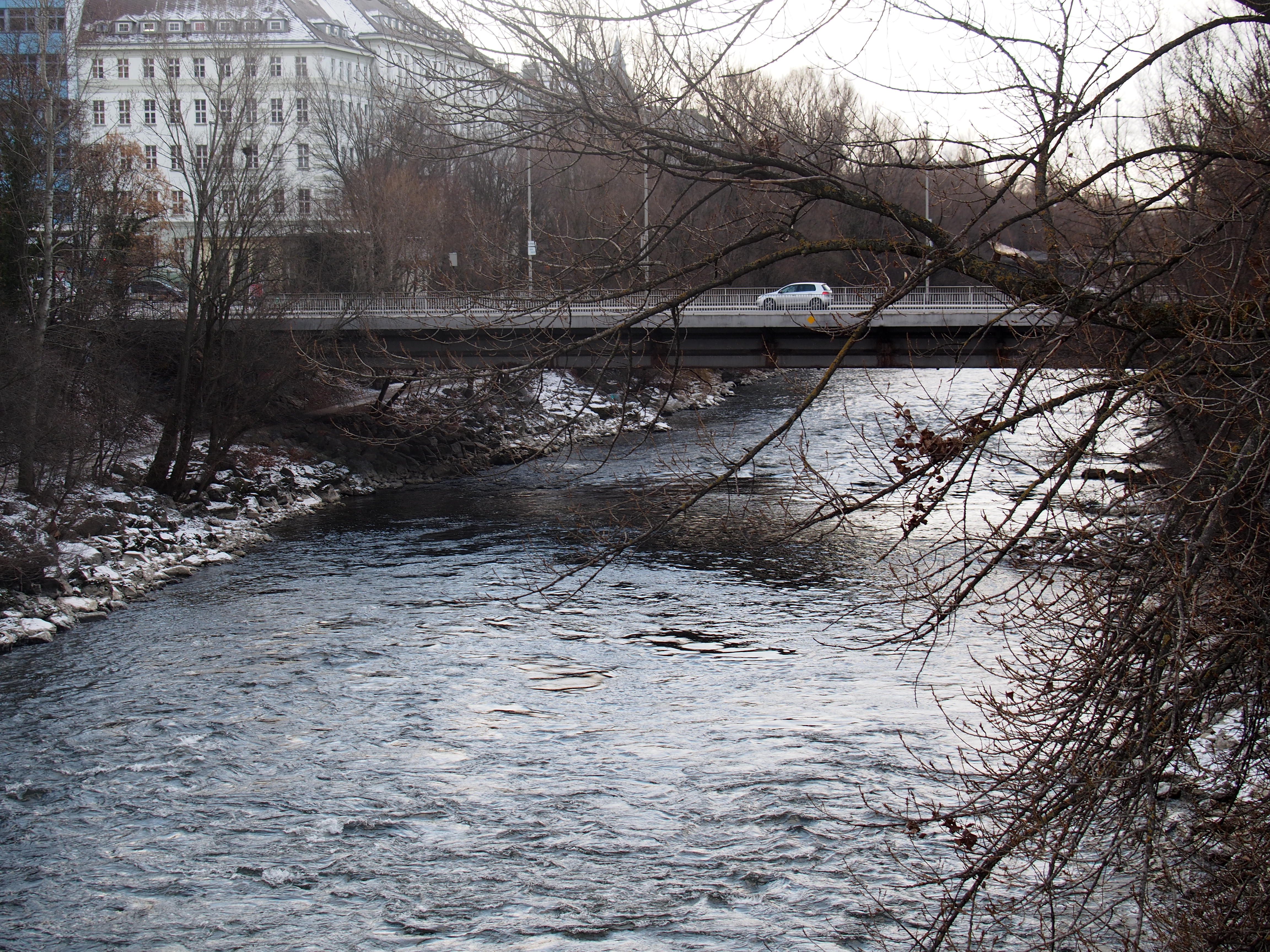
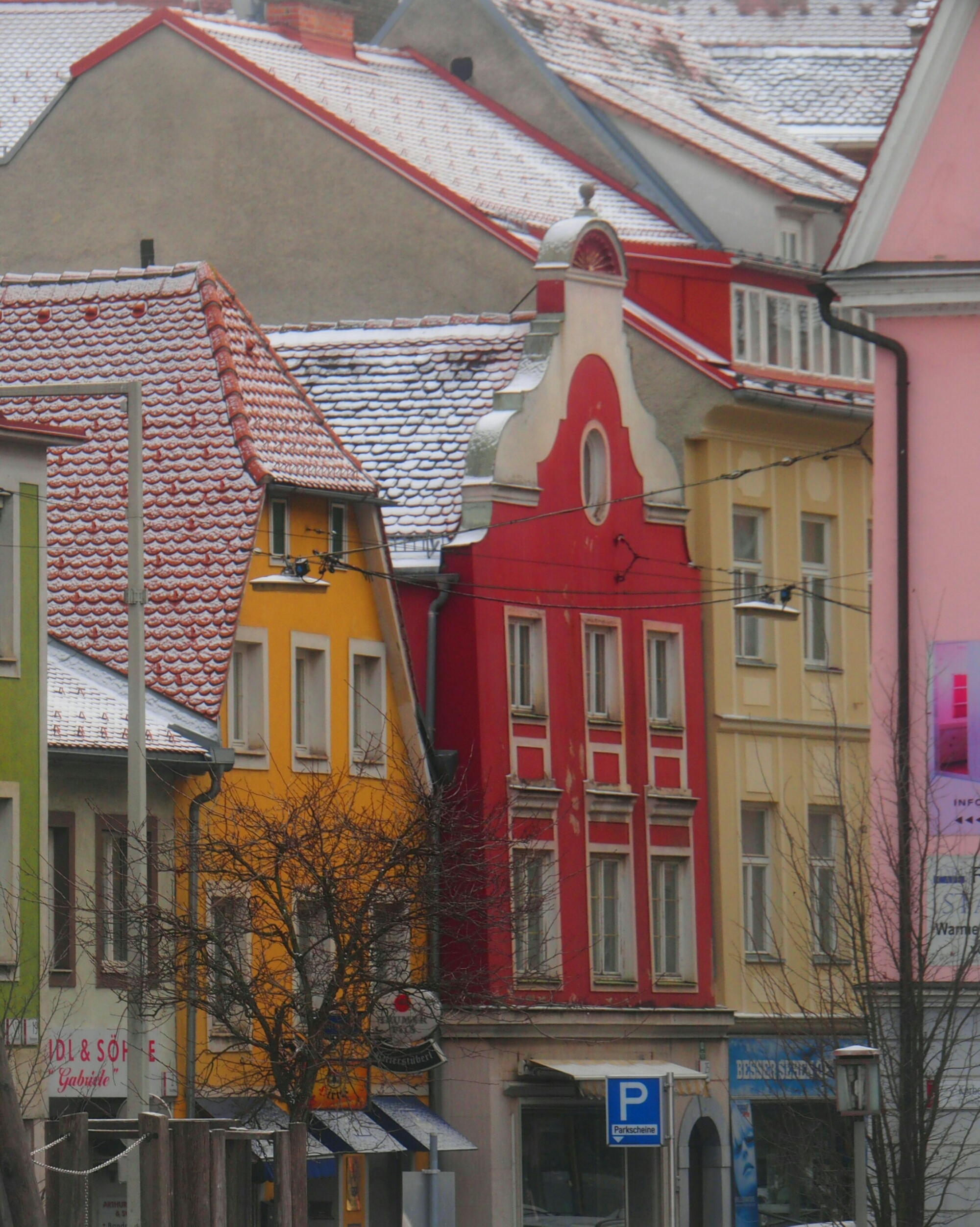
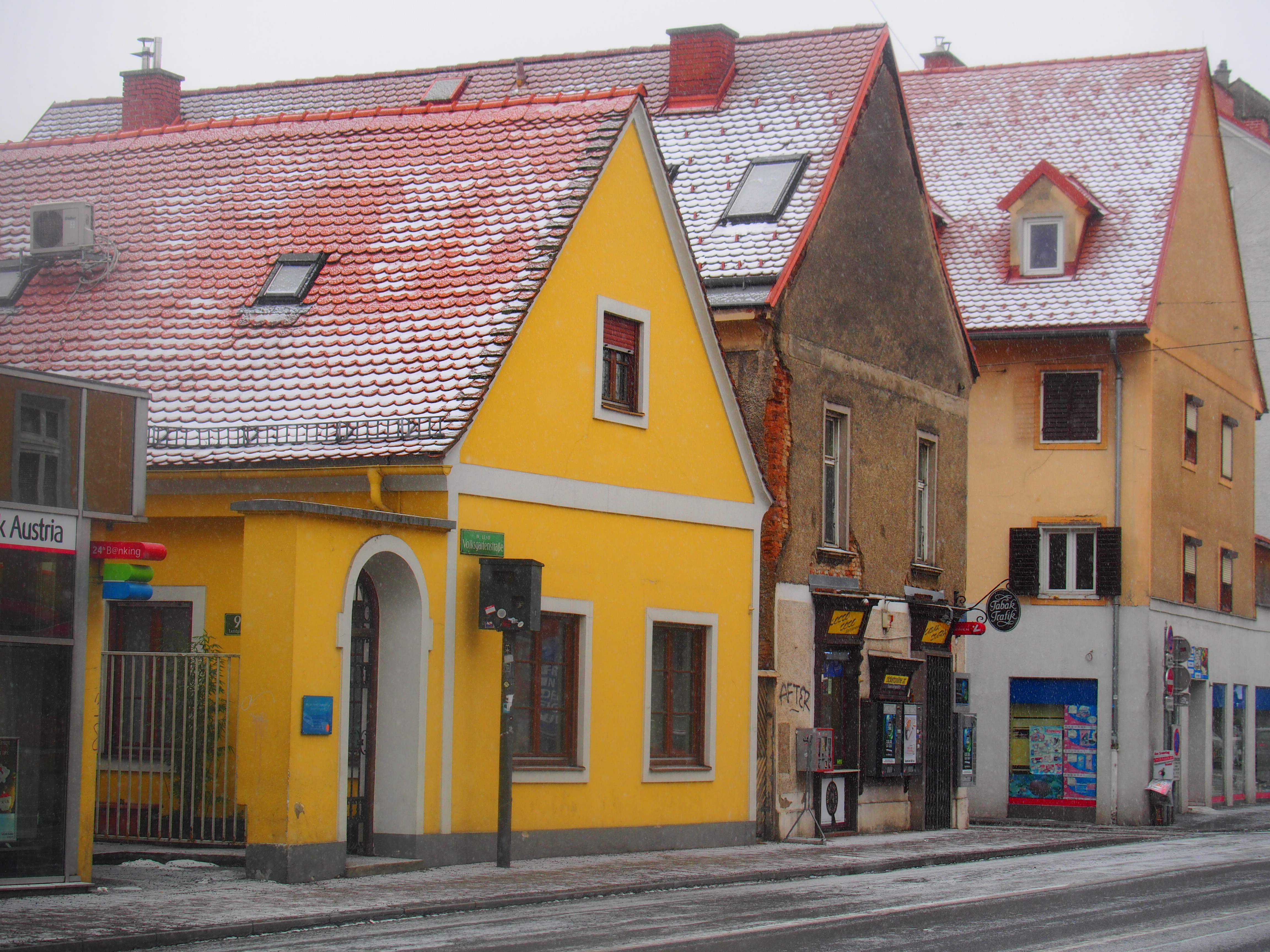
Graz seems to be defined by two things. The hill with the remains of a fortress atop that overlooks the old town is the geographic centre and is visible throughout the city. It is the landmark that features in much of the city’s history of invasions and the ebb and flow of Grazian power over the Mur River valley and Styria itself. Seven universities in the town define Graz demographically, it is full of students and the energy they bring. Although Lady C-S managed once again to book accommodation in the lap-dancing and happy endings district, one gets the impression of this being essentially a vibrant, diverse and tolerant city. It is certainly worthy of another visit.

Finally, it has been pointed out to me, that, in the past when travelling abroad and particularly when journeying home, the posts lack any sense of denouement – instead tend to suddenly come to an abrupt halt.
Better let you go then.

F C-S
In Search of Kitchen Space

We are now in the land of lederhosen- Graz, Austria. Graz was once the capital of a place that included most of Austria, all of Slovenia and parts of Italy, depending on who was married to whom. We have become used to borders being decided by courts not counts, but for centuries Central Europe was divided into hundreds of entities with fluid borders. Nations came later.

A town we went through in Slovenia has been at various times been ruled by someone from Venice, Sicily, Rome, Turkey, The Vatican, Lombardy, Bulgaria, Romania, Serbia, France, Austro-Hungary, Italy, Nazi Germany, Yugoslavia – et al. This does not include occasional sackings by Turks, Alans, Mongols, Crusaders or Huns.

We were driven through country Croatia by our hosts, they are immensely proud to be finally Croatian, rather than Sicillian, Turkish, Yugoslav or someting else. We saw Tito’s home town and the ‘house’ he was raised in. As a wise man from Rosewood one said, ‘All humans, no matter whether they were born in a mud hut, an igloo or a gilded, marble palace really just want exactly the same thing for their children. A bigger kitchen.’ Tito sure did.

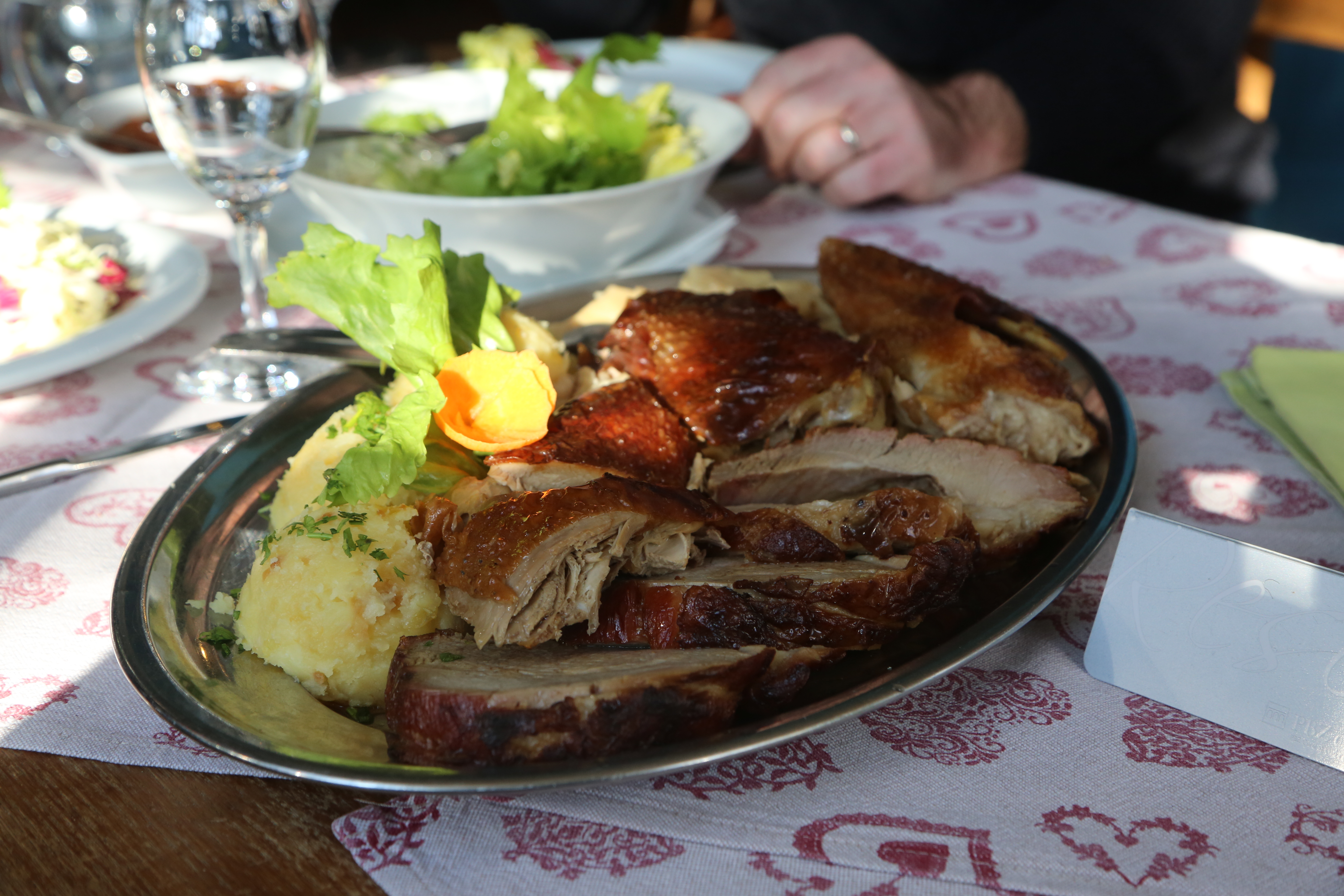
Lunch was on a farm somewere vowell-less, Krchzdch or the like. A stunning meal with every ingredient coming from within a five kilometer radius – a superb wild mushroom soup, roast veal and turkey with pasta and veges, corn bread. This was followed by a trip to a great museuem with a collection of Neanderthal artifacts and animal bones from a cave where the museum is situated – really well done.

It traced the movement of hominids out of Africa and in particular the lives of the people who lived in other caves like this one, from the Neander Valley in Germany, and other sites in France and Spain. It certainly put the tiny speck that is my 60 years on the human timeline into perspective. And it showed that real driving force for survival and evolution -the constant search for food and, of course, a better cave in which to cook your wooly rhinoceros.

Grandad Johnson was probably right about the kitchen.

Better let you go Farquar – time to go foraging for breakfast.

F C-S

Train travel in the Balkans

I know about 50% of my vast reading public have been to Ljubljana, however the other three have not. Therefore I feel it is important to explain what a trip from Zagreb to Ljubljana entails. It is a two and a quarter hour train jouney from Zagreb to Slovenia’s capital. You need a passport, a detail that was noted at dinner the night before, and during the walk to the station. Nat forgot her passport.

When we arrived at the Croatian/Slovenian border she was told to get off the train.She did so of course, but instead of waiting on the platform as expected she headed for the heated ticket office to buy a ticket back to Zagreb and gain reprieve from the minus something conditions and ‘warmth’ and personal charm of several Croatian and Slovenian Atilla the Hun look-a-likes.  A full search of the train ensued with police looking for a stowaway. “Where is your daughter?” they demanded, and Lady CS and I suspected that we may have been the next to be unceremoniously removed from the train.

I do know that many police forces have done significant work in the introduction of Restorative Practices as part of their policing work. I suspect the Croatian Border police are yet to do that course. The train, and therefore our journey to Slovenia was only allowed to procede after the fugitive was located. We continued to Ljubljana without knowing what had subsequently happened to our daughter. Needless to say, we were more than pleased that an unshackled Natalie was in the unit in Zagreb, upon our return. The joys of international travel, Farqhuar.

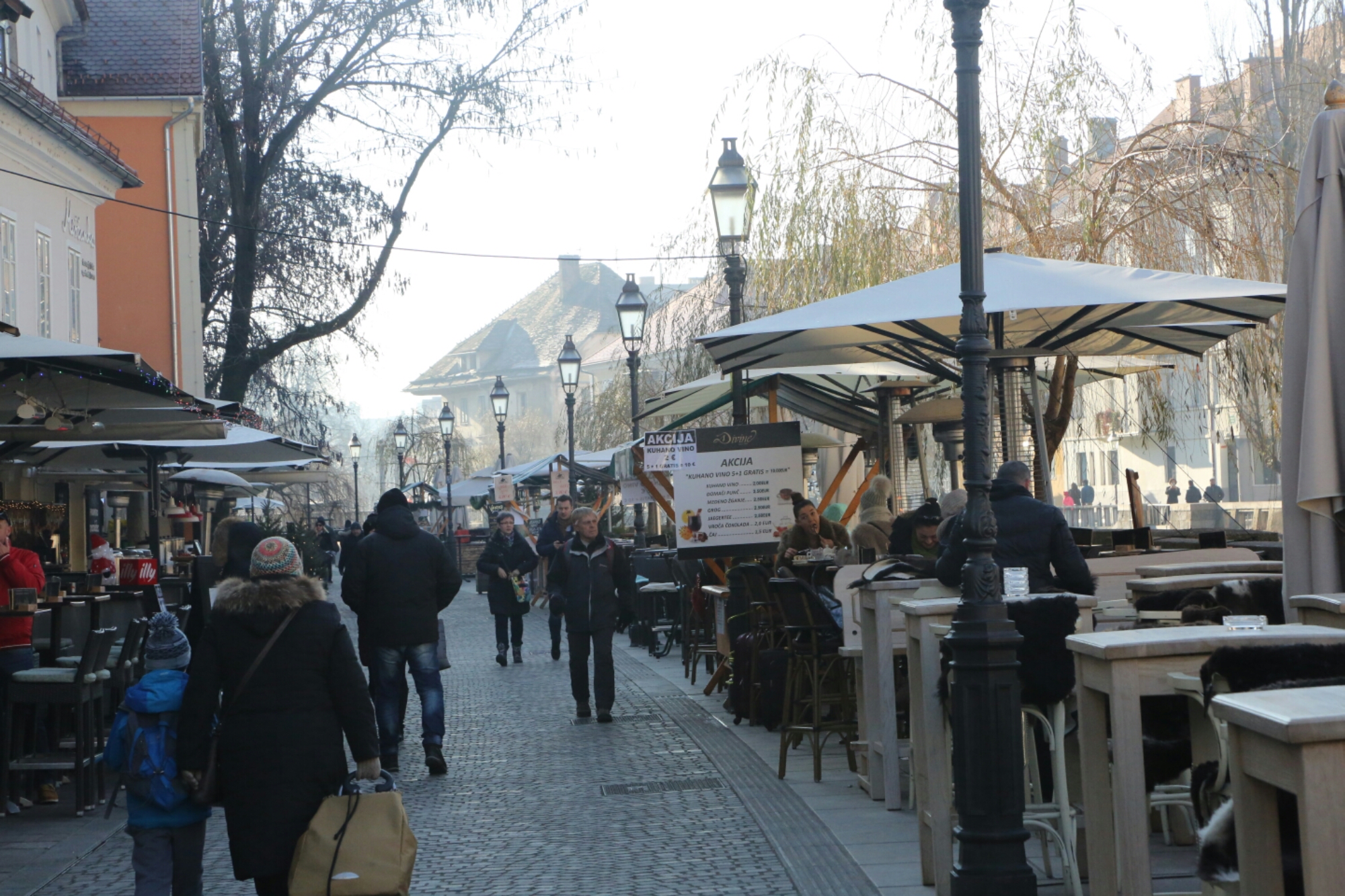
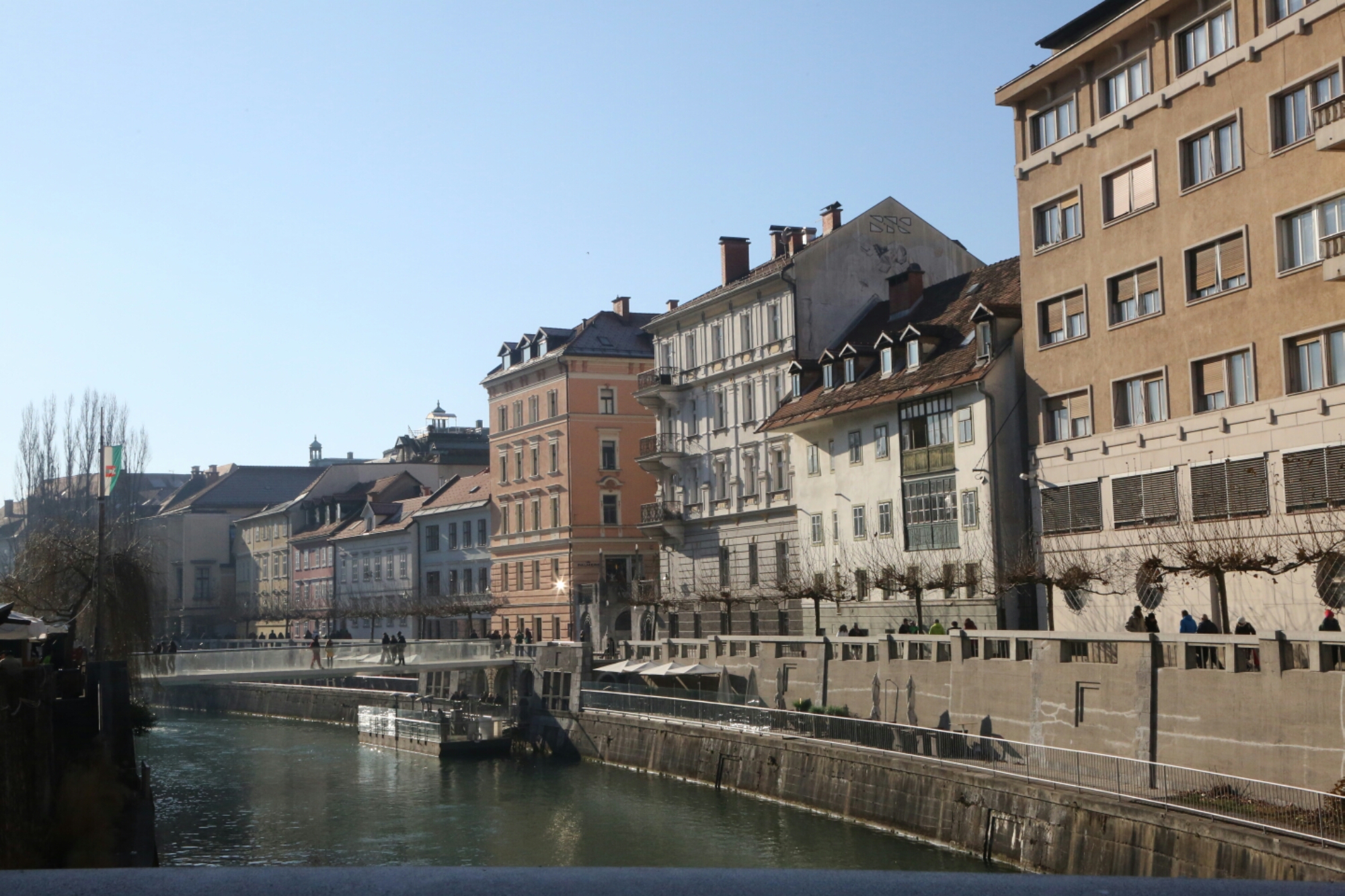
The city of Ljubljana was almost totally desroyed by an earthquake in 1895 and totally rebuilt by the architect Joze Plecnik -a devotee of the Achingly Beautiful City Centre school. No building is above three stories, there are wide promenades for more than a kilometer along both sides of the river and the entie old town is pedestrian only.  The bridges were all constructed with local stone and were deliberately made to be unsuitable for most vehicles. The castle on the hill above the city completes the scene We had a great meal at a restaurant that we knew, bur really were content to just wander, even if could only imagine having Natalie with us.

 F C-S

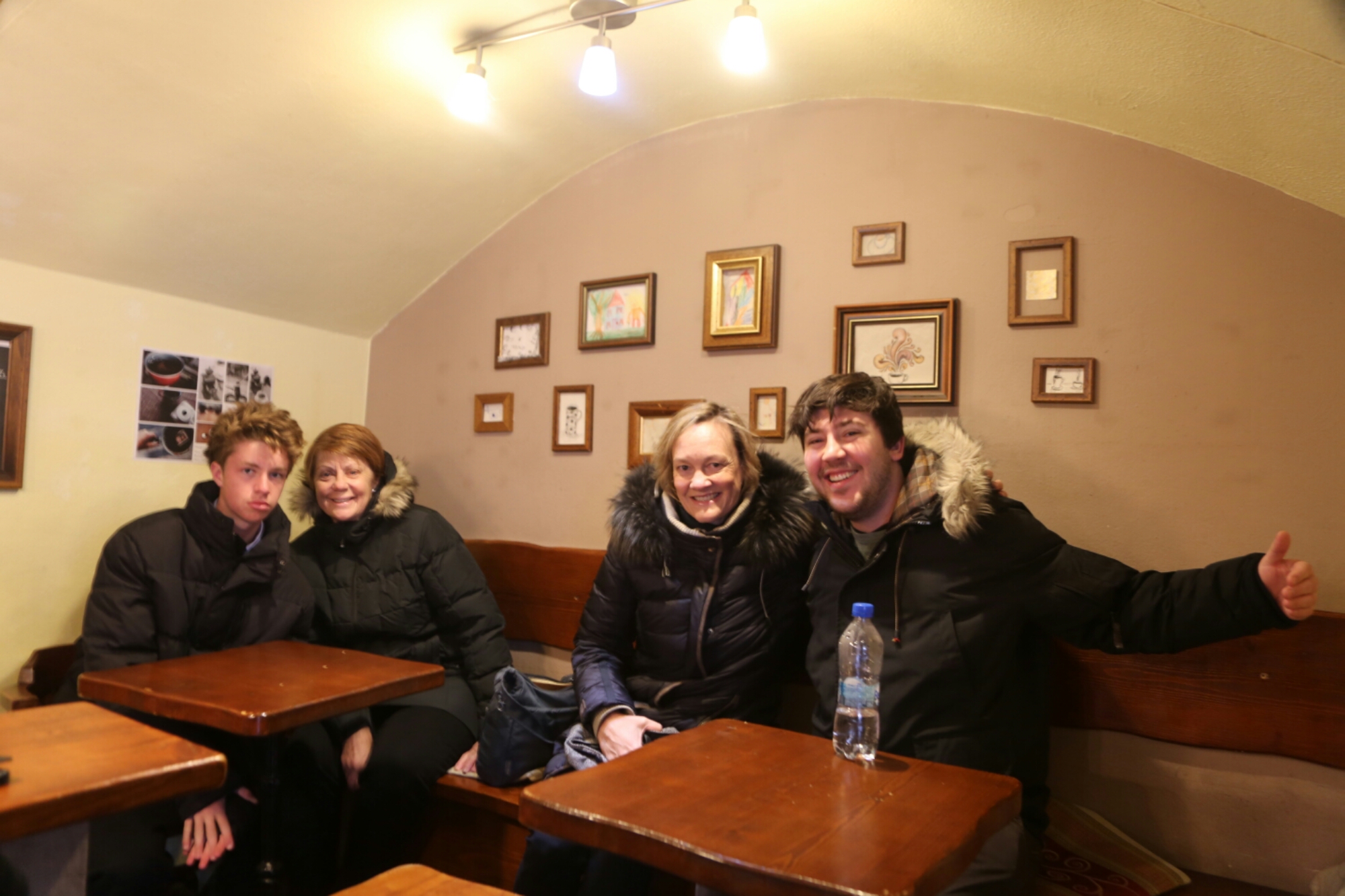
The entire group  (including Imagine Nat next to Phil) at Cafe Cokl

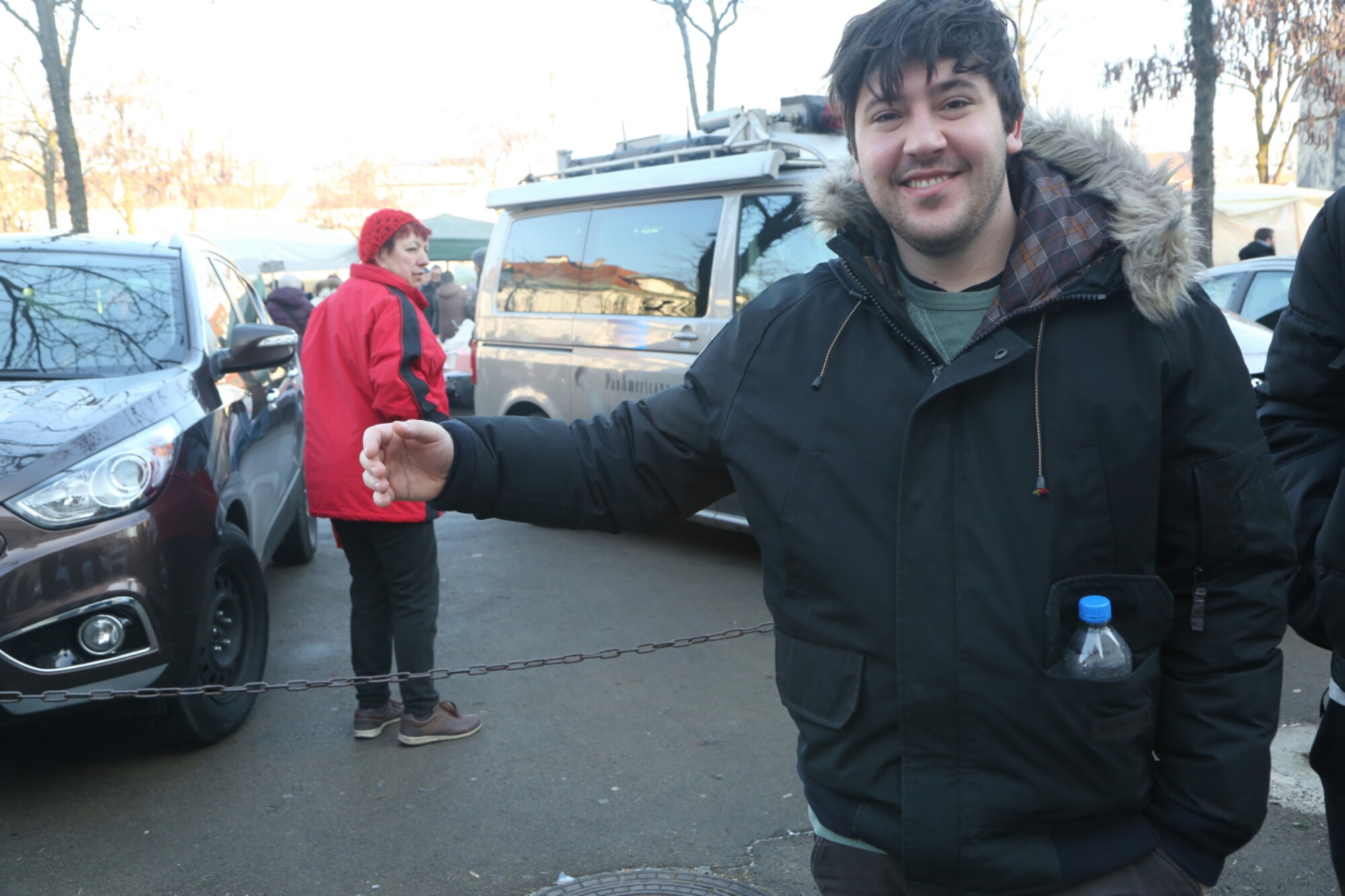
Phil with Imagine Nat waiting for a taxi