Time for Tea


We have visited two schools in the last two days. A number of things strike me immediately when comparing our two systems.

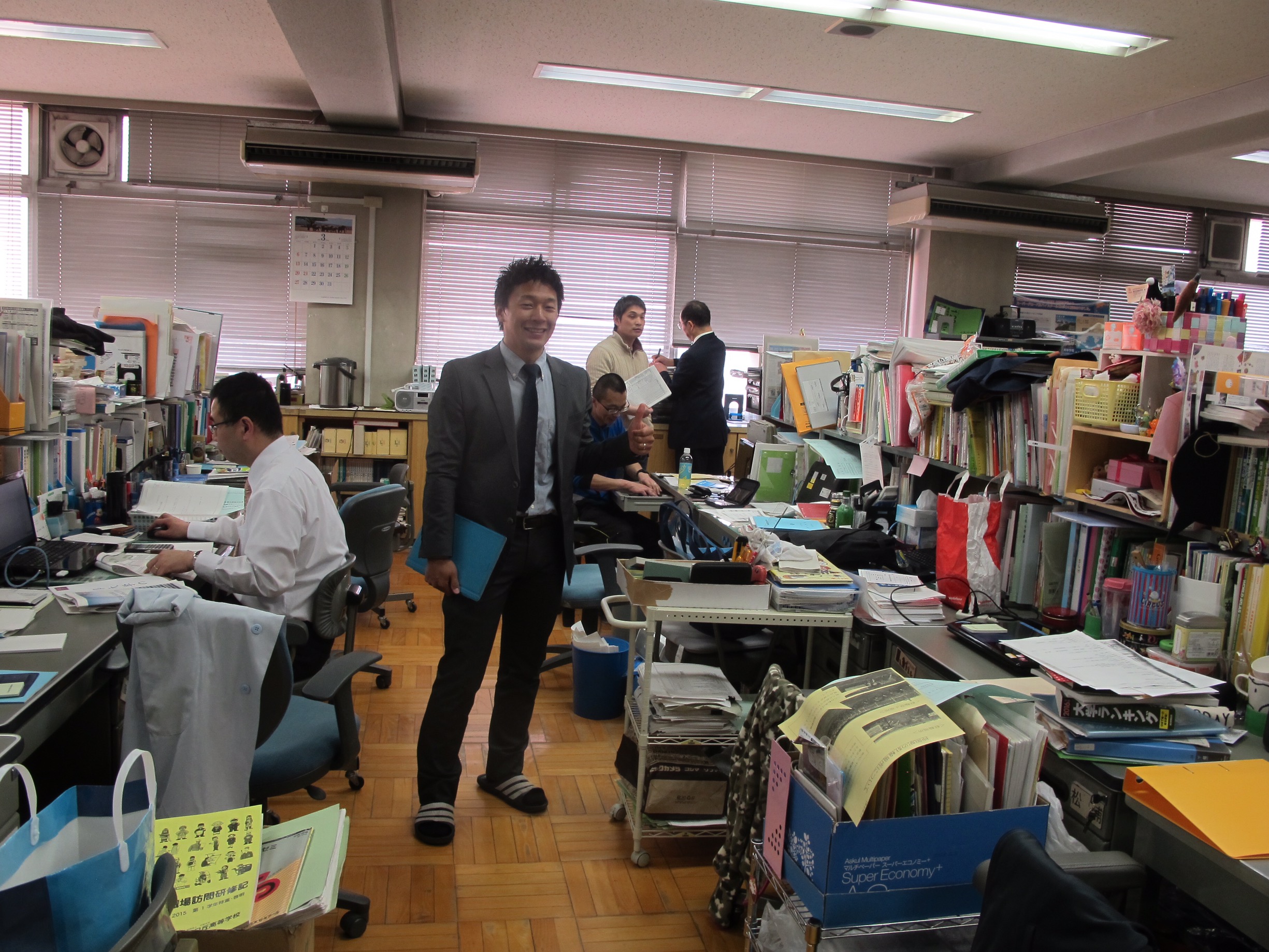
The Japanese school day for teachers goes from 8:30 to 7:30, although most stay longer. In addition they work Saturdays ‘til 1:30. All sporting teams and clubs come in on a Sunday, and almost every teacher has a sporting them or a club. As a reward they get two weeks holiday in the long break, and 4 days in the two shorter breaks. Like Australian teachers, they work shorter official hours and have more holidays than those working in business. The teacher who was our guide at the government school picks up his daughter from child care at 7:30 drops her home – then goes back to work. Slacker. No wonder the birth rate in Japan has plummeted.

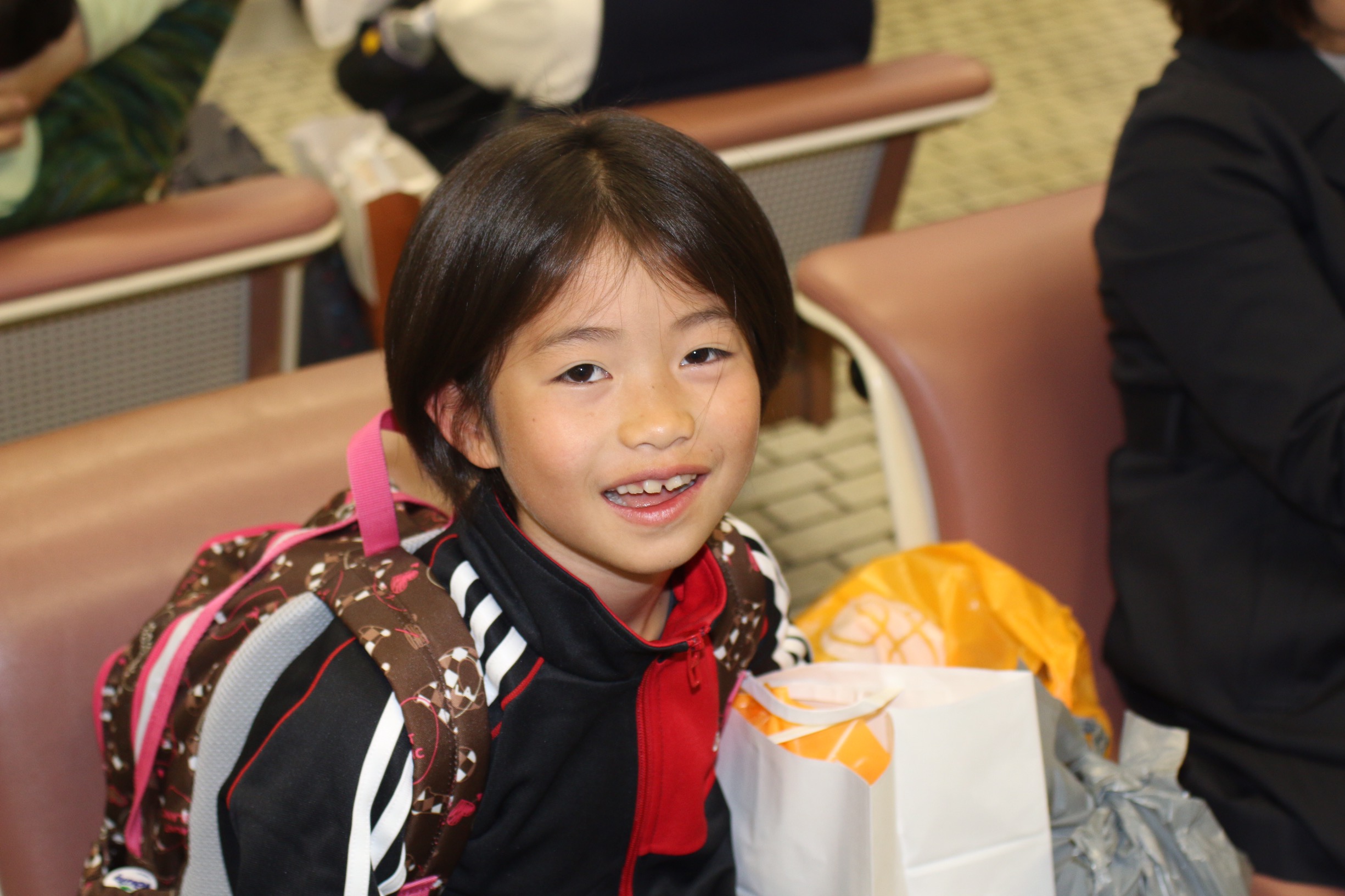
The lessons are all chalk and talk. Nobody dares rearrange desks from the straight rows. The students are not allowed to ask questions, they simply write notes or fall asleep. The English class is small – 35, most classes have around 40 in the state system. They have very few problems with difficult behaviours – everyone’s too tired I guess.

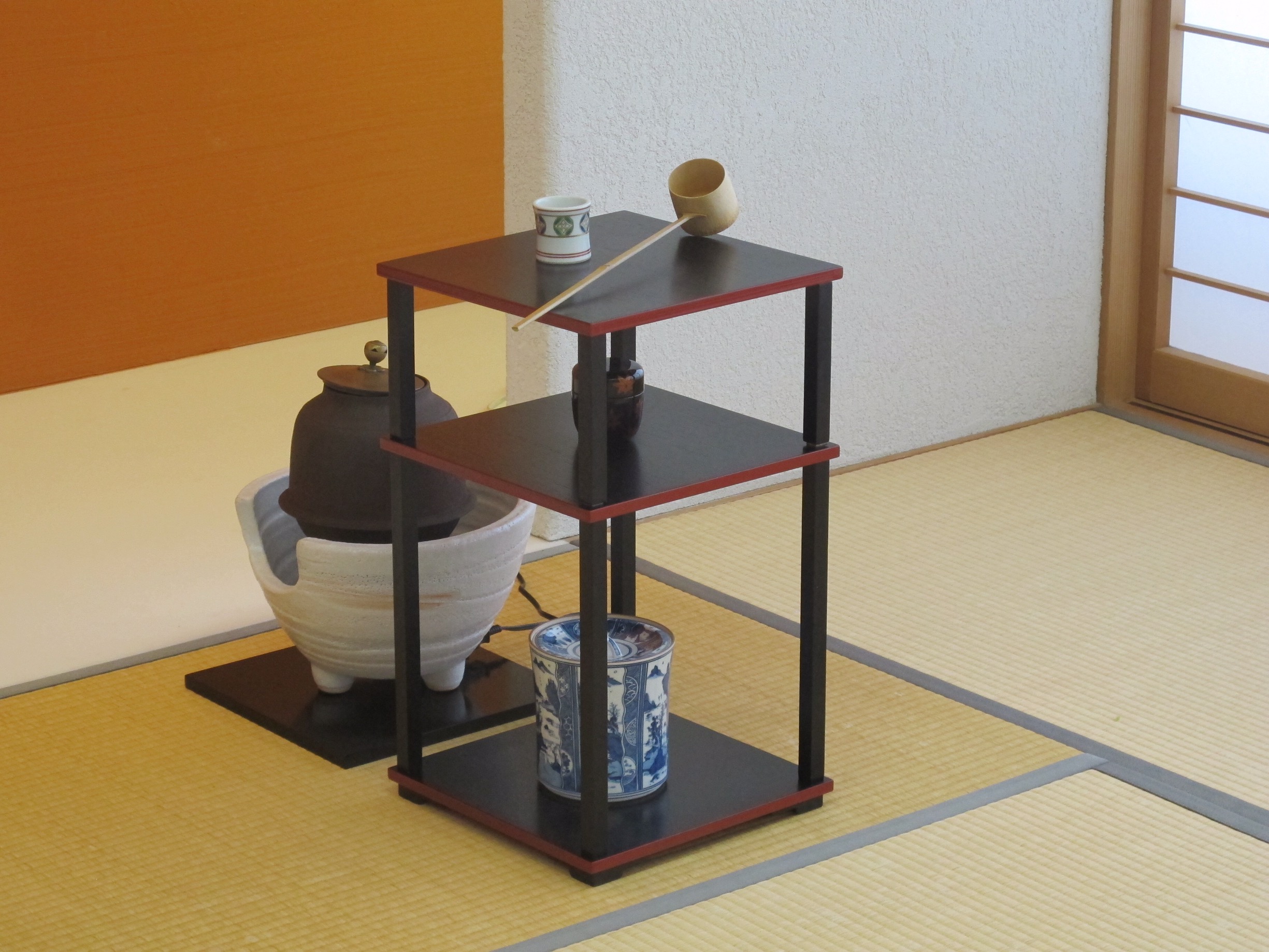
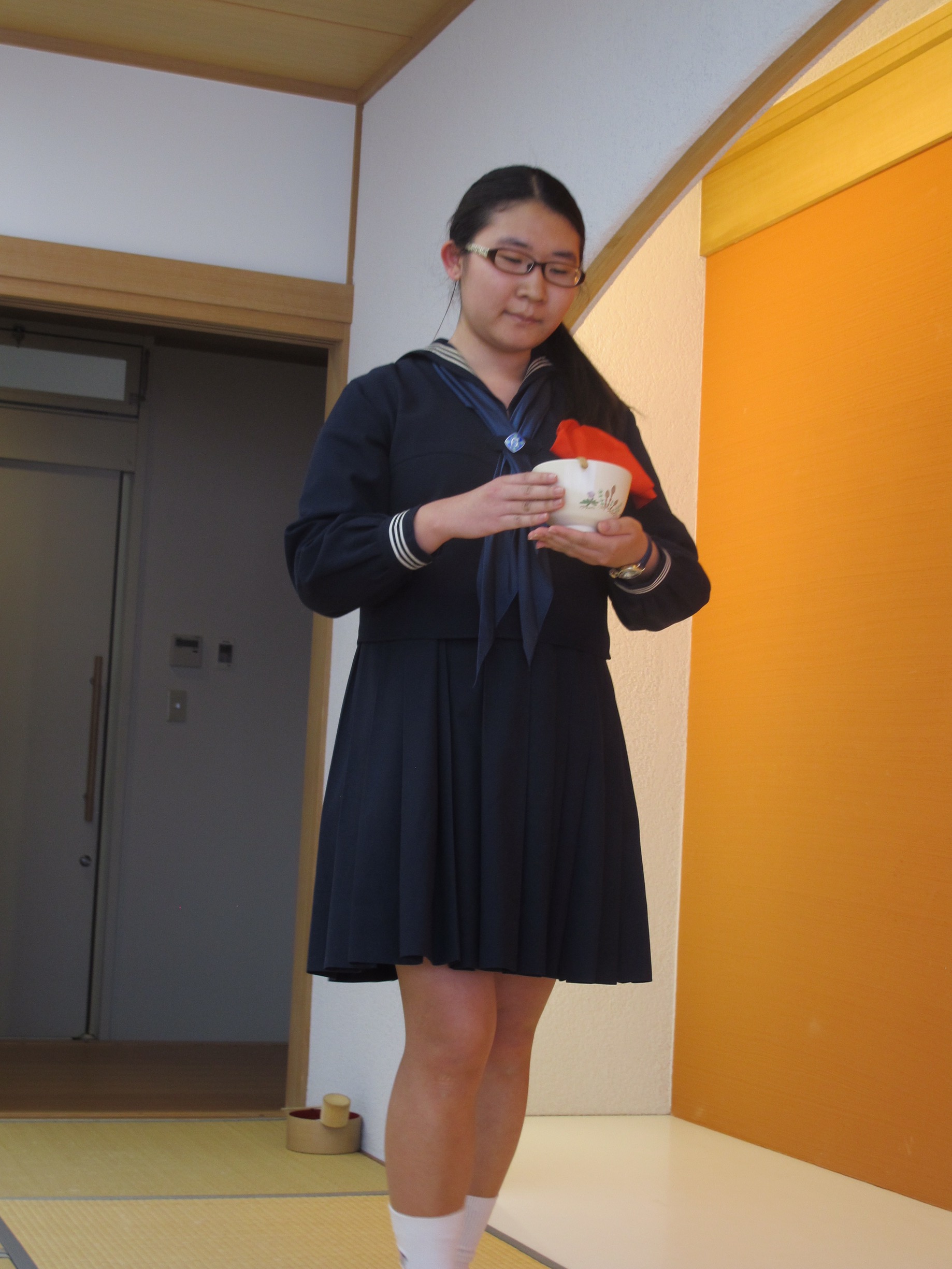
The school we visited today greeted us with a tea ceremony – very special. I may have made just a few tea ceremony faux pas. Although Linda was the guest of honour, I managed to sit in the place she was meant to sit. If I tried to kneel as the Japanese kneel someone in the room would have been hit by an exploding patella, so I was actually doing them a favour by flopping on my bum.. And how was I to know the rule about talking? They were polite enough to nod when I said that I had mistakenly thought it was the ’74 Gatton Tea Ceremony, rather than the 16th Century Kyoto form.

The girls who did the ceremony do this as sport on a Saturday. It is like a ballet, every movement precise and purposeful – designed to make the guest calm. To be truthful it is actually quite dissimilar to the Gatton Tea Ceremony in many ways. Some things just don’t travel, and perhaps tea ceremonies are one.

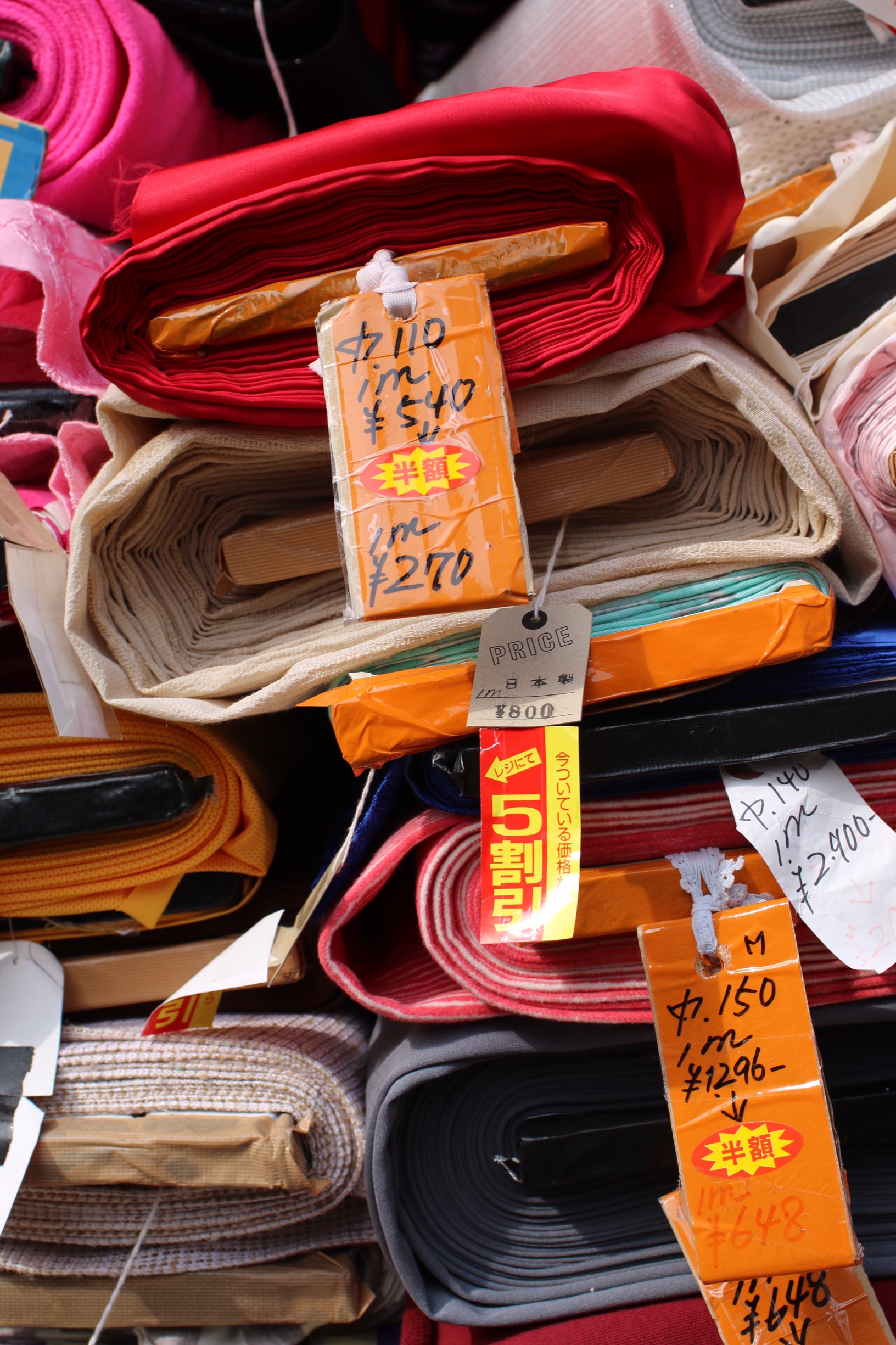
My love affair with Japanese food is beginning to wane as the desire for a huge piece of rump with mashed potatoes becomes ascendant. Tomorrow is another day of solo wandering for both of us – the fish market for me and perhaps fabric shops for Linda. That statement in itself is a testament to how safe this city feels, how diverse and interesting it is, and how easy it is to get around.  

I might even buy a tea set to start my own tea ceremony when I get back. How are you at kneeling before your Pappa-San and Mumma-San my children?

 Farley of the Sencha Ceremony


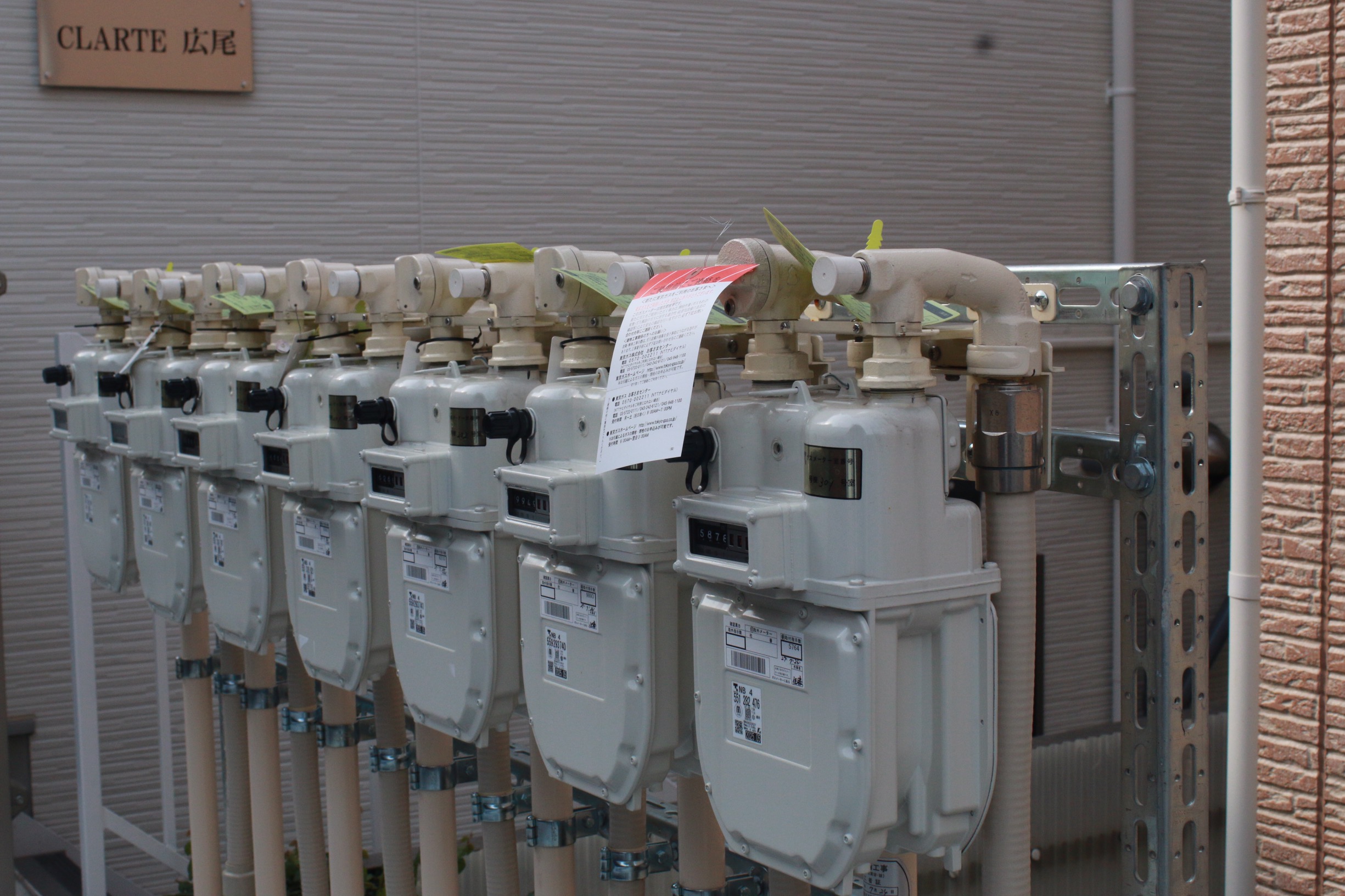
Timo didn’t pay the gas bill.


We had a frustrating evening trying unsuccessfully to light the cooktop to cook a stir fry, and ended up having edamame beans and sparkling wine for dinner. Our morning was even more concerning – just freezing cold water. Now I’m no expert in the Japanese written language, but I reckon the red tag on the gas meter for our apartment might just say, ‘We have just cut off your gas until you pay your bill Mr Timo-san, Yours faithfully, Tokyo Gas.’ The owner has promised us warm showers by tomorrow evening.

Despite the cold showers, I am in love with Japan. Tokyo is by far the cleanest, most polite and quietest big city I have ever visited.  The food we have eaten is ridiculously cheap and fantastic quality. You can pay $4000 per kg for some steaks, even more for choice tuna, but most food is very cheap Everything is BEAUTIFULLY presented if possible. The. Japanese themselves have immaculate manners, however this has caused me some concern.

As you know, I love Italy. The streets are mayhem, drivers sound their horn every time they change gears. They yell at each other and shake fists. Parking lines are suggestions, If your car ends up on a footpath, so be it. Arguments and insults are all part of being Italian

The people themselves will push forward to get the best tomatoes, the next ticket or the last bottle of wine. They party on the streets, talk louder and louder and leave crap everywhere when they finally go home.

Japan is order. They would NEVER insult anybody in public, however when insulted they are willing to wait 50 years for the outbreak of hostilities before putting you , your family, and all your descendents to the sword. There are no bins, because the people never eat on the street. They take their rubbish home, or recycle it. They stick left on escalators, and enjoy standing in a queue – the wait sweetens the treat. Cleanliness and order is everything.

I have always suspected that either Ted or Myrl were Italian, probably Myrl. I can see myself living like a pig in Florentine mud, the sheer pleasure of it all. But this holiday I have become concerned about the woman I love. Her need for cleanliness and order, her patience, her immaculate manners. She sticks left on escalators. And she always cleans up after herself.

I am sorry to have to break this news to my own two children via a blog post, but Natalie, Mitchell, I suspect your mother is part Japanese. There can be no other logical conclusion.


Don’t Do This

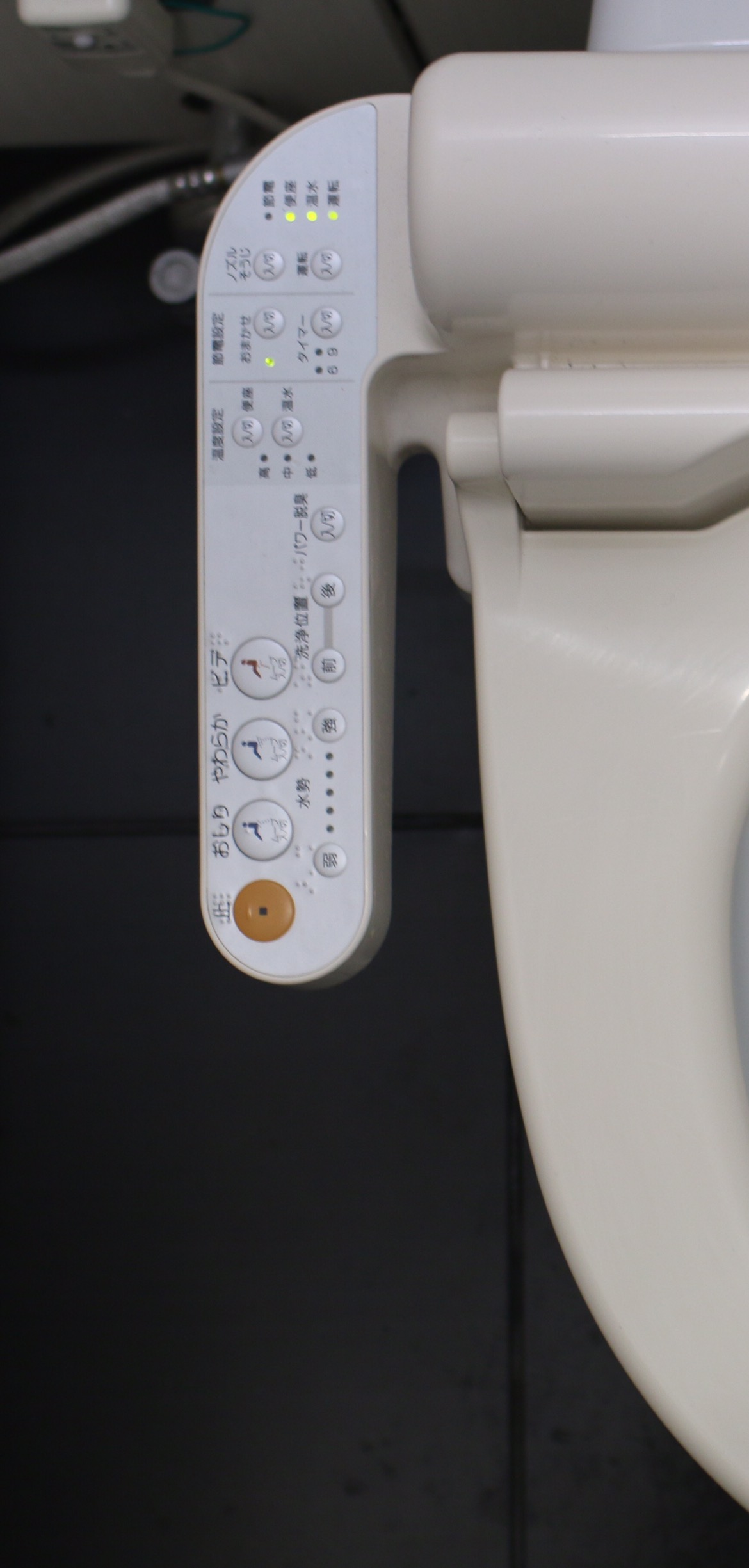
Japanese toilets are electronic, and have lots of buttons. You should never press them randomly and all at once just to see what happens. Especially if you can’t read Japanese.

I’ve learned my lesson, so there is no need to discuss it further.

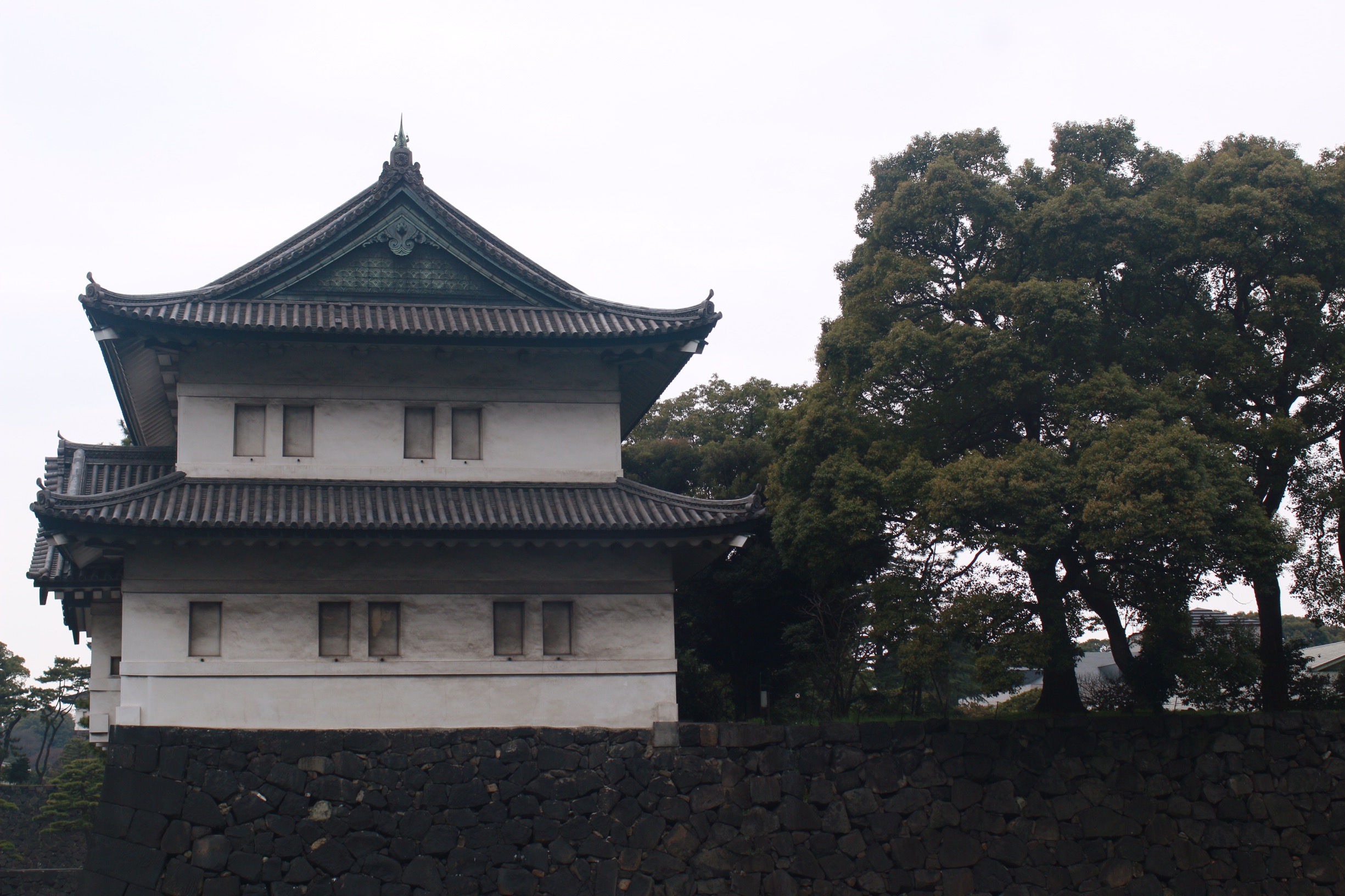
The Imperial Palace

The Imperial Palace

  
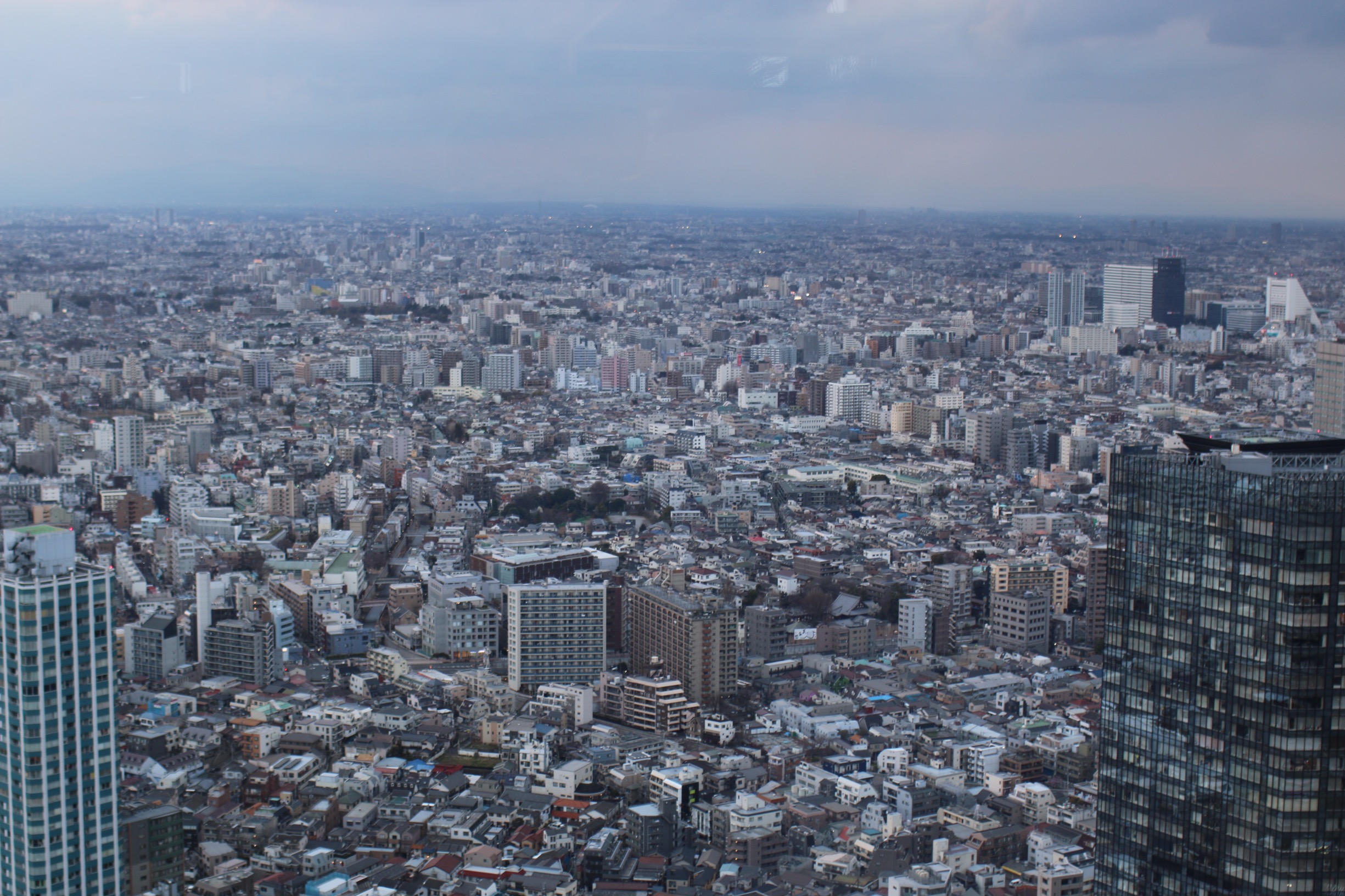
Today Linda had to go by herself to meet agents who specialise in foreign exchange students. Sadly that left me to explore the food and sights of Tokyo alone, which I forced myself to do because of my commitment to my reading public. This week the Imperial Palace is open to the public, so I went there to see how the Emperor lives.

I know little about Japanese history, but one period fascinates me. Today I saw the building where, on August 15 a recording of a speech by Emperor Hirohito was broadcast by radio announcing the unconditional surrender of the Japanese to end WW2.  

The broadcast was the first time most Japanese had heard the Emperors voice. It is estimated that fewer than 300 people outside the family had ever heard him speak – most Japanese viewed their Emperor as a living deity. Historians think that his family, his personal staff and the Japanese Cabinet were his total lifetime audience until that point. As if the shock of surrender was not enough, Hirohito had a squeaky, effeminate voice. Not exactly what you’d be expecting from a mighty living god who lords over the Samurai classes.

The Americans then did something wise as conquerors. General Douglas MacArthur moved into the imperial Palace and they didn’t execute anyone from the royal family as war criminals. MacArthur became the new Emperor, baseball became the new sport and hamburgers were on the menu. Unlike the Russians or the Germans the Americans were benign rulers. They neither raped nor pillaged as a general rule – today I saw an exhibition of priceless paintings from the Meiji period that remained in Japan rather than heading for the USA. Douglas MacArthur stayed as Japan’s major deity until Hello Kitty arrived and displaced him. (There is not a corn cob pipe to be seen anywhere now – but Hello Kitty shit is everywhere)

I loved today’s wanderings. My spoken Japanese has not improved (In fact the only phrase I know – “Where is the toilet?” proved quite useless, as the Japanese policeman was born in Coffs Harbour and lived in Australia until his parents went back to Japan when he was aged ten. Plus he didn’t know where the toilets were!) There is something incredibly peaceful about the setting I visited, again aesthetics take precedence over other considerations.  Plus I am a little more knowledgable about Japanese history and culture. In fact I might even buy a Hello Kitty t-shirt as a souvenir.


Gallery

You know you’re in Japan when….

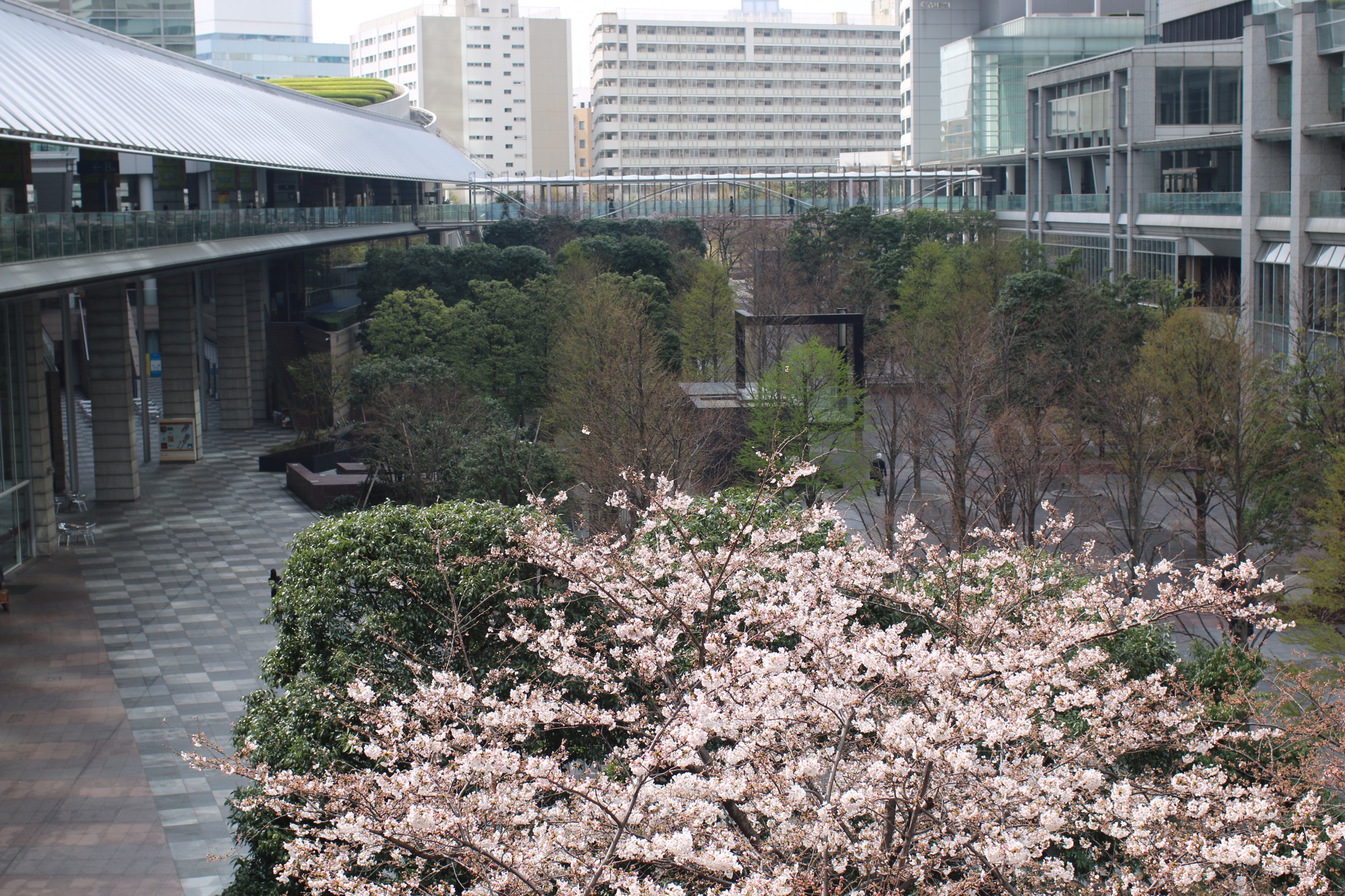
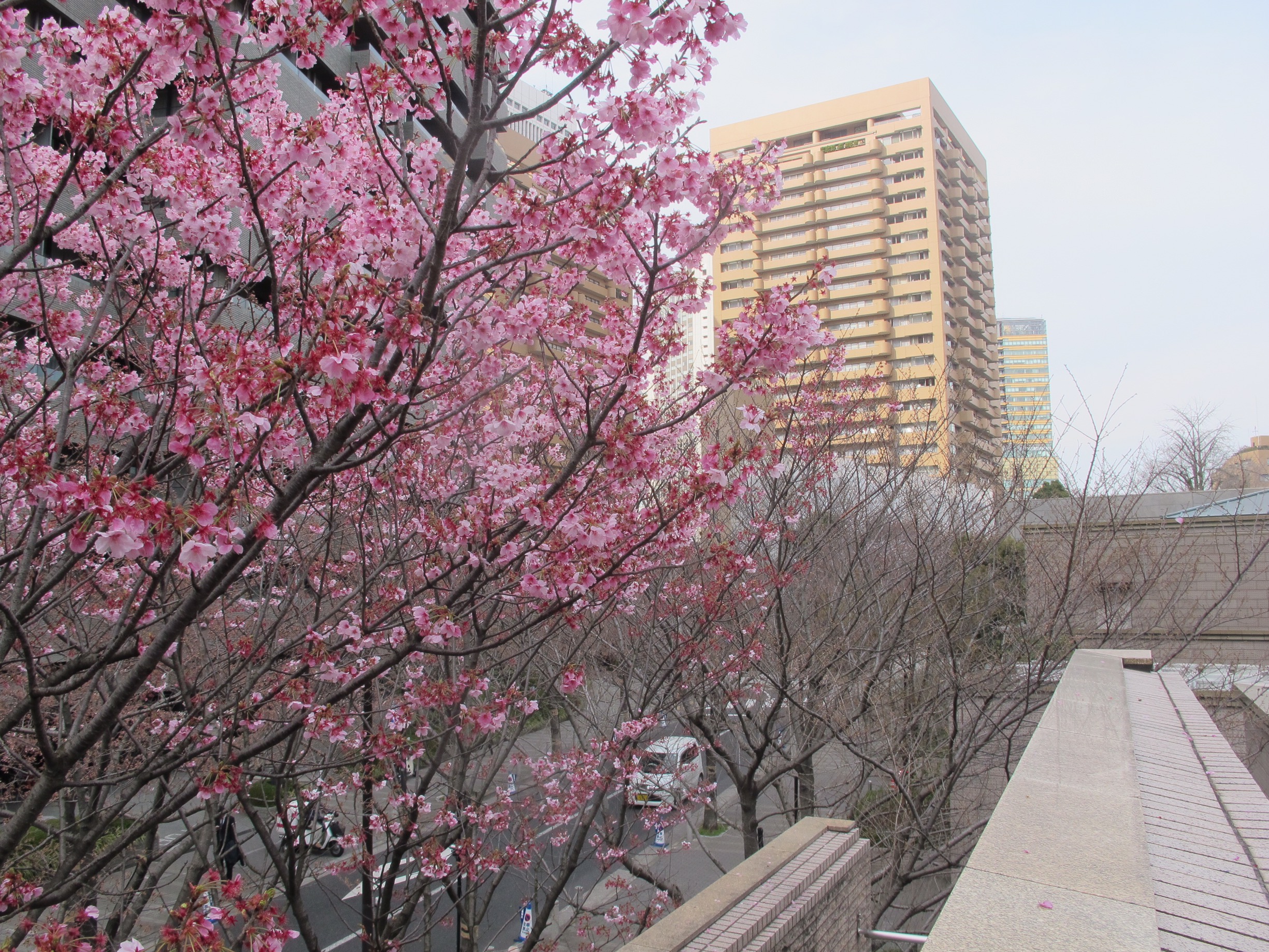
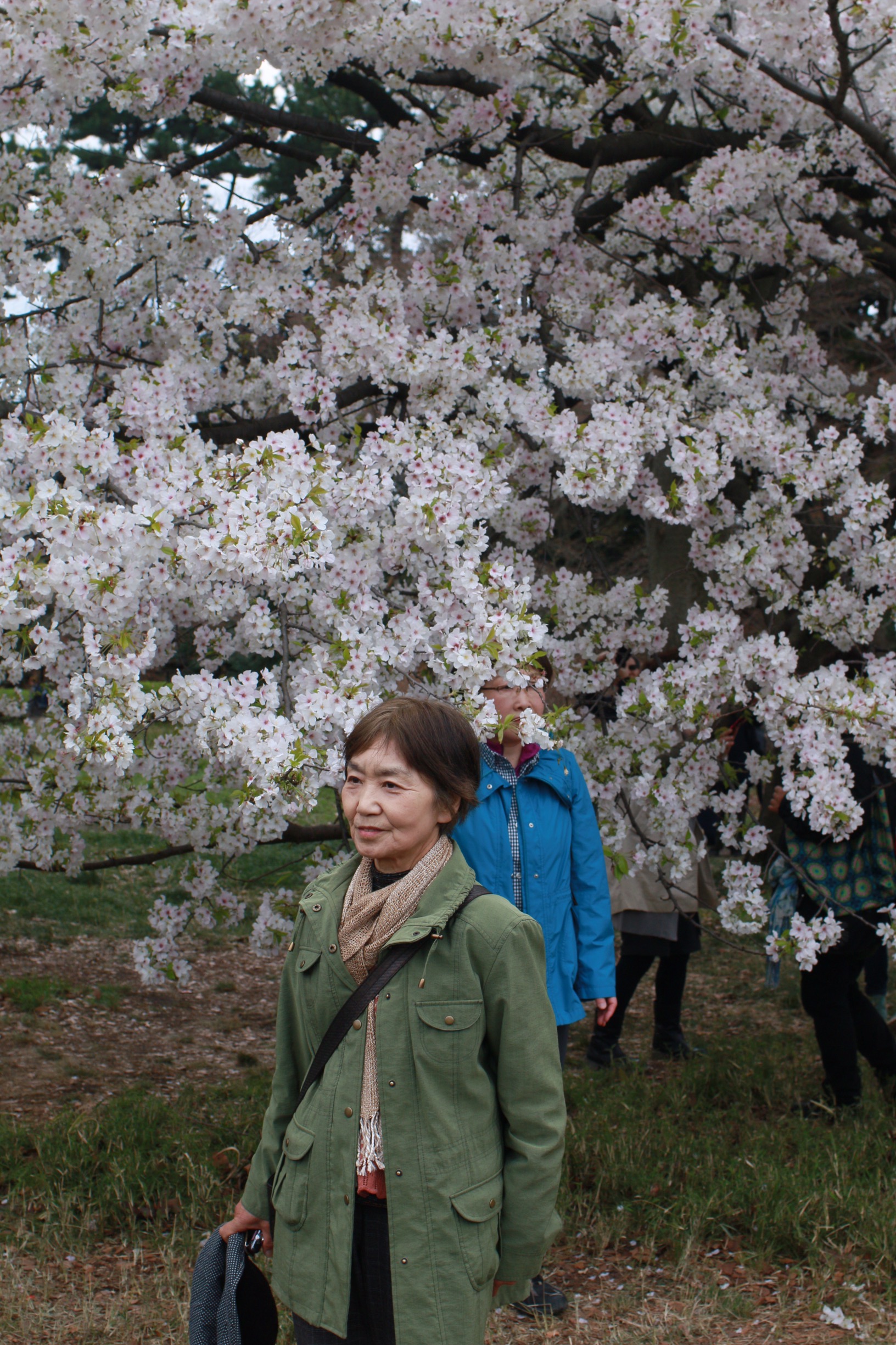
It’s day one, and you’re actually a bit sick of cherry blossoms…


But the cherry trees are all around the place where you meet when the next earthquake comes…

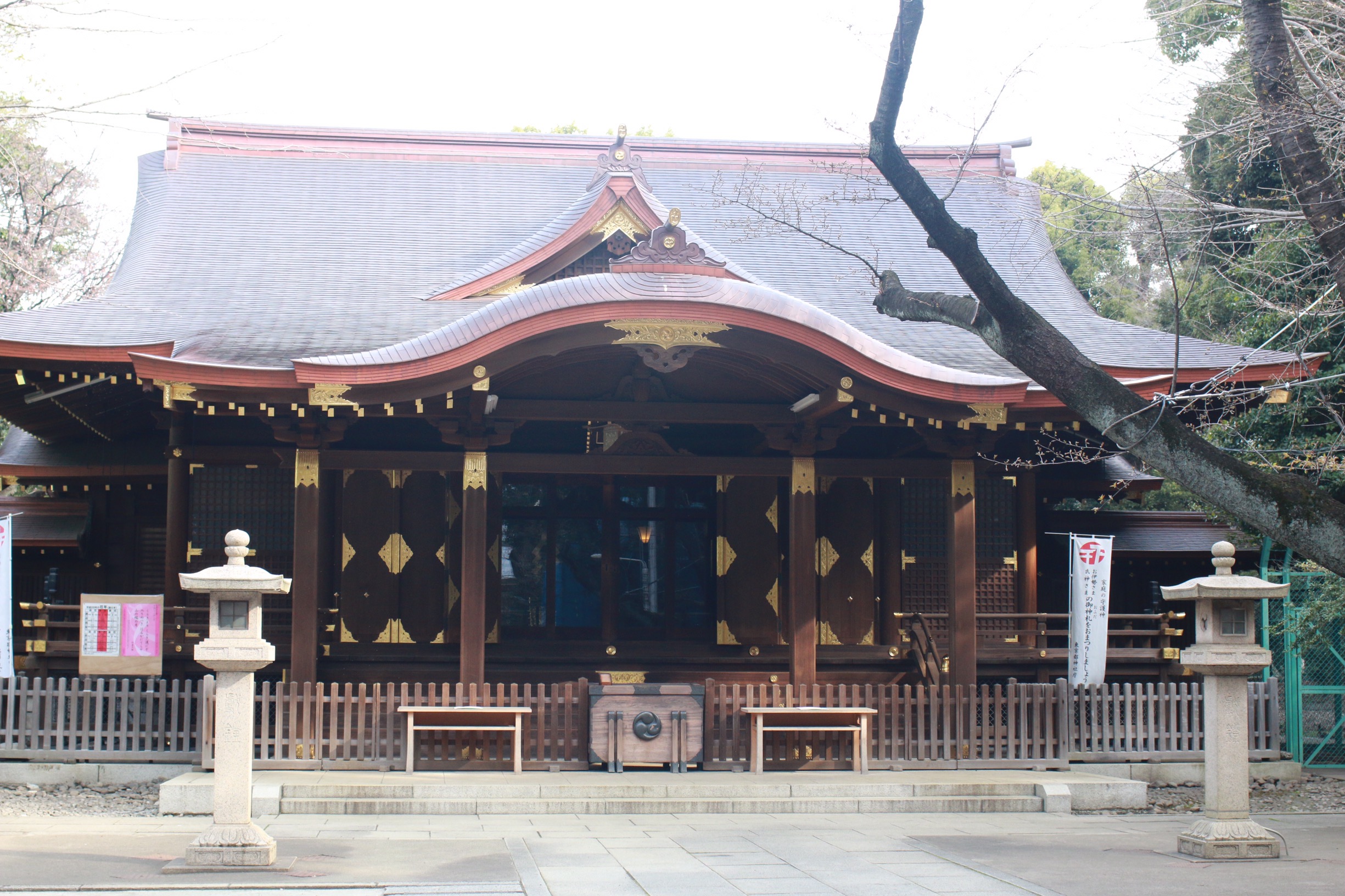
You are in Japan when you mistook this for a place that sold building blocks and fence palings

There are signs to tell you when the queue waiting time for an elevator is down to 30 minutes…..

Then after 15 minutes of progression you get to the next sign……


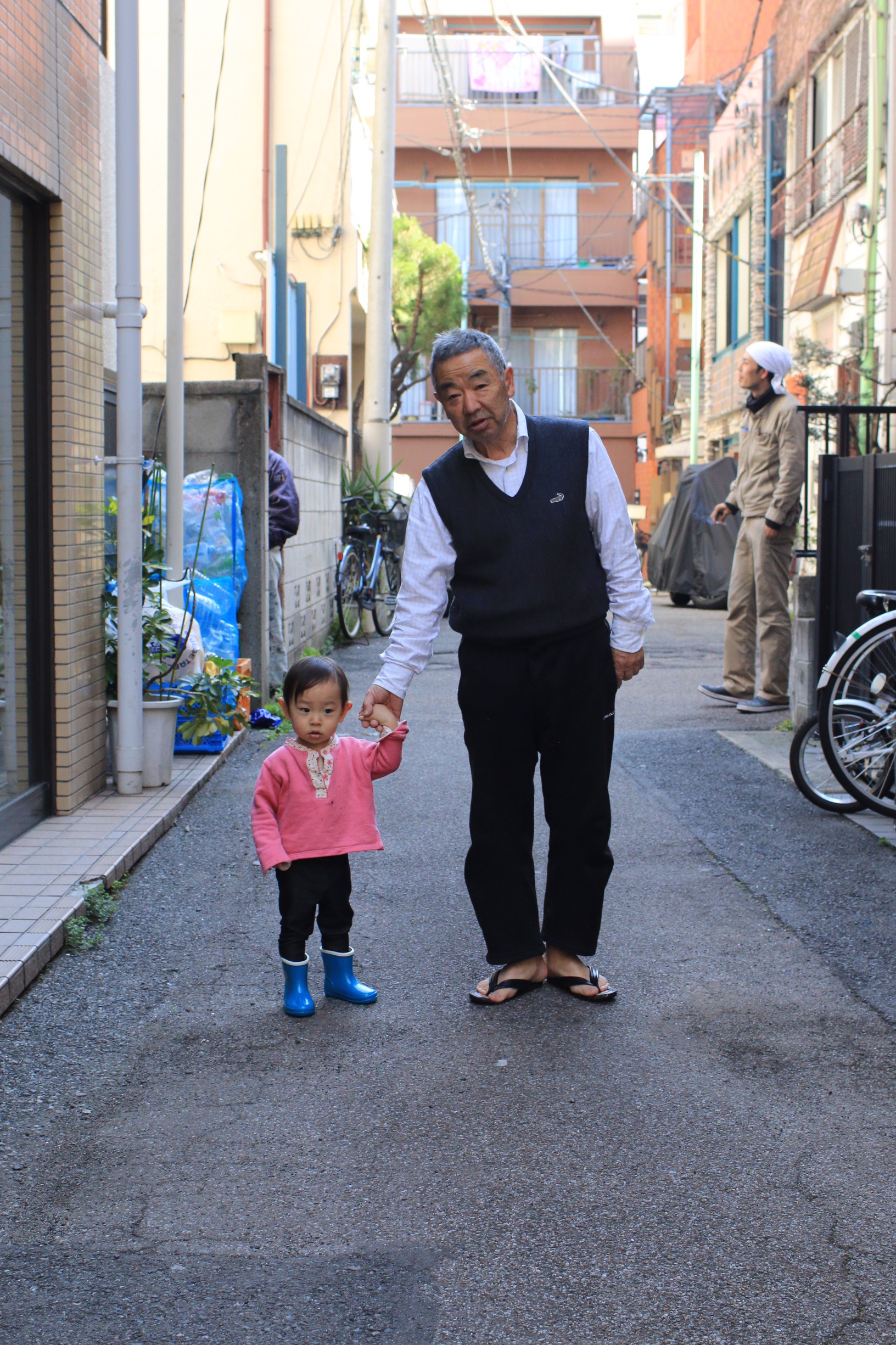
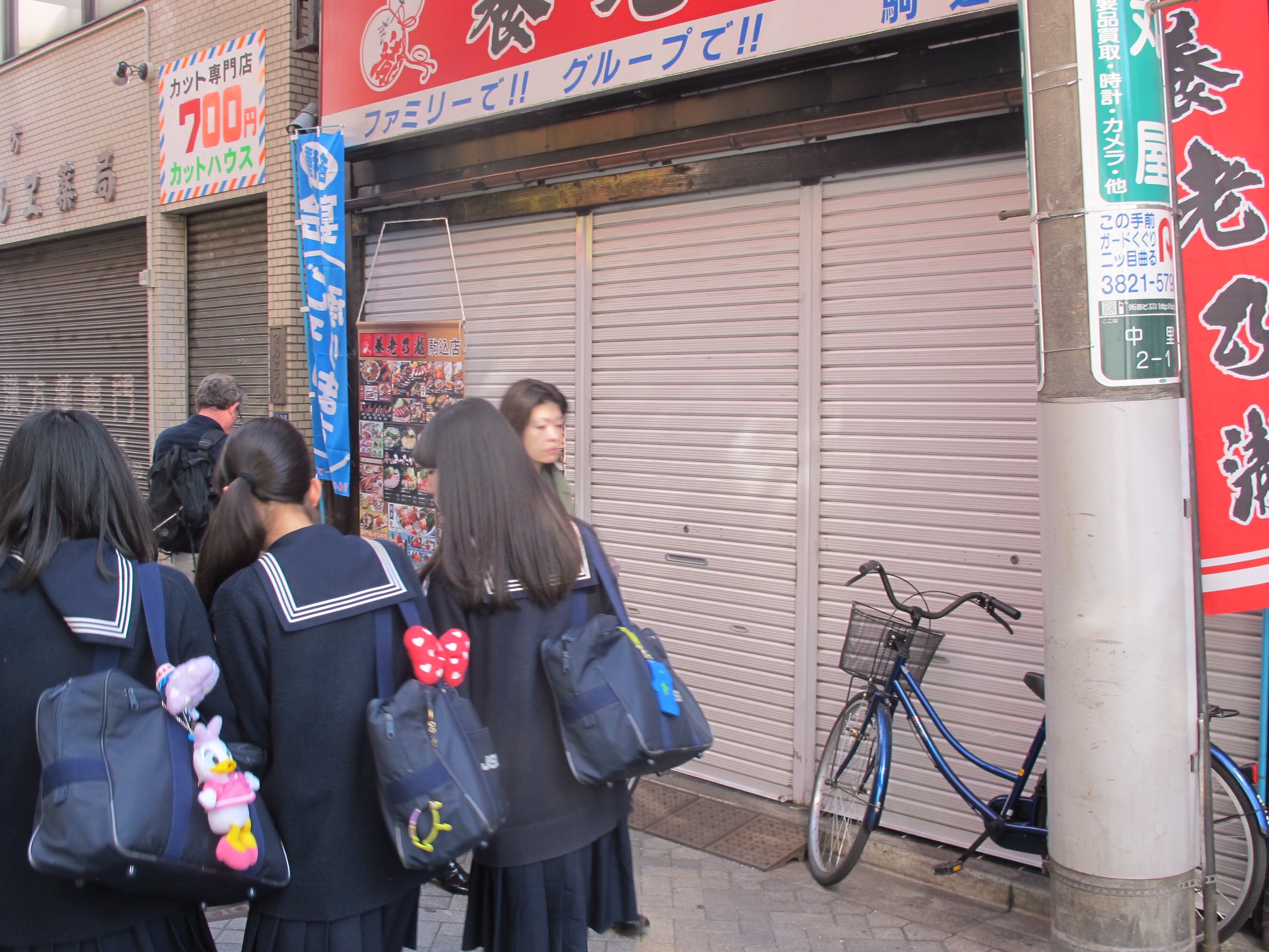
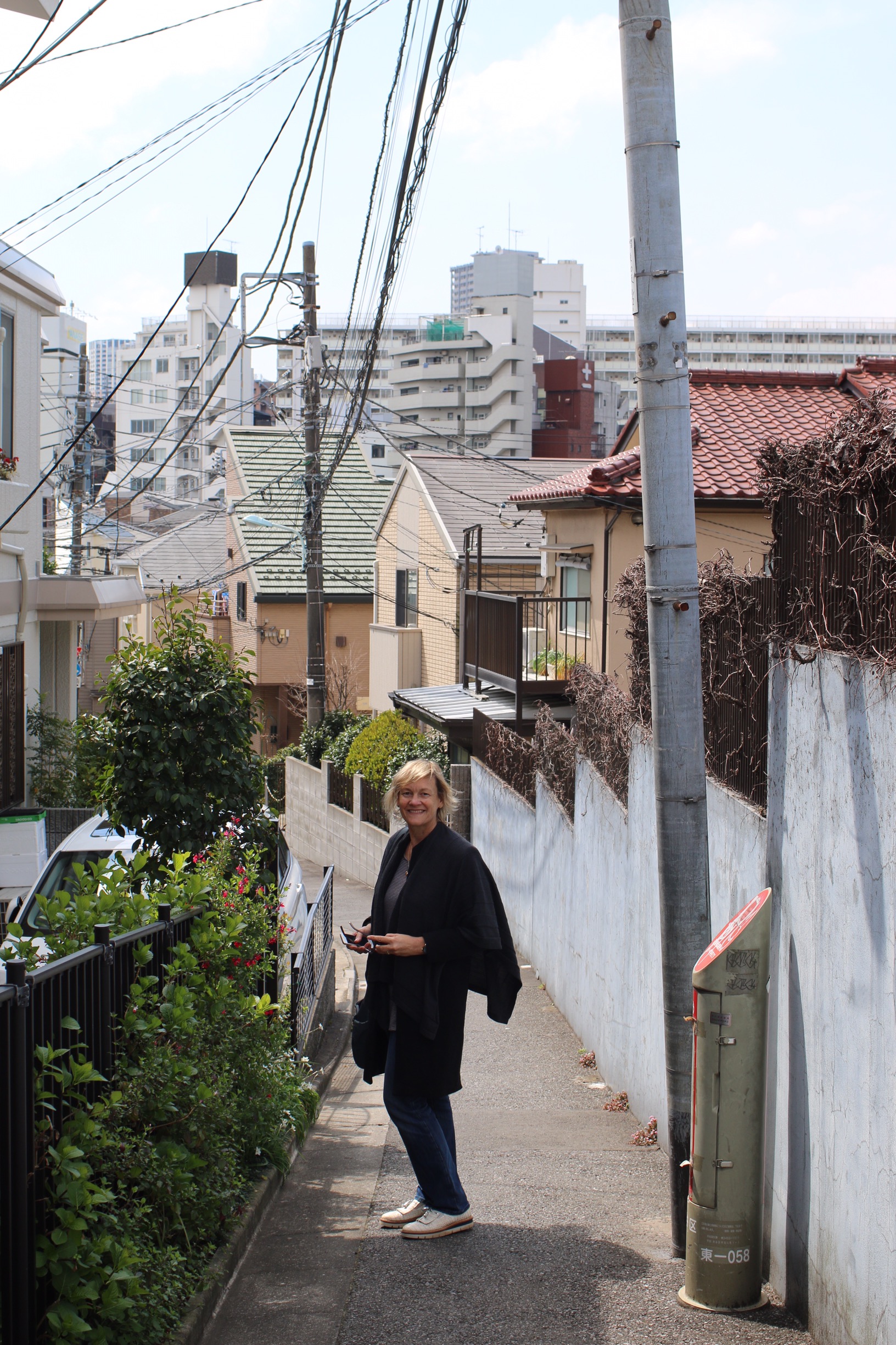
Where the streets are too small for cars


And there are lots of narrow streets


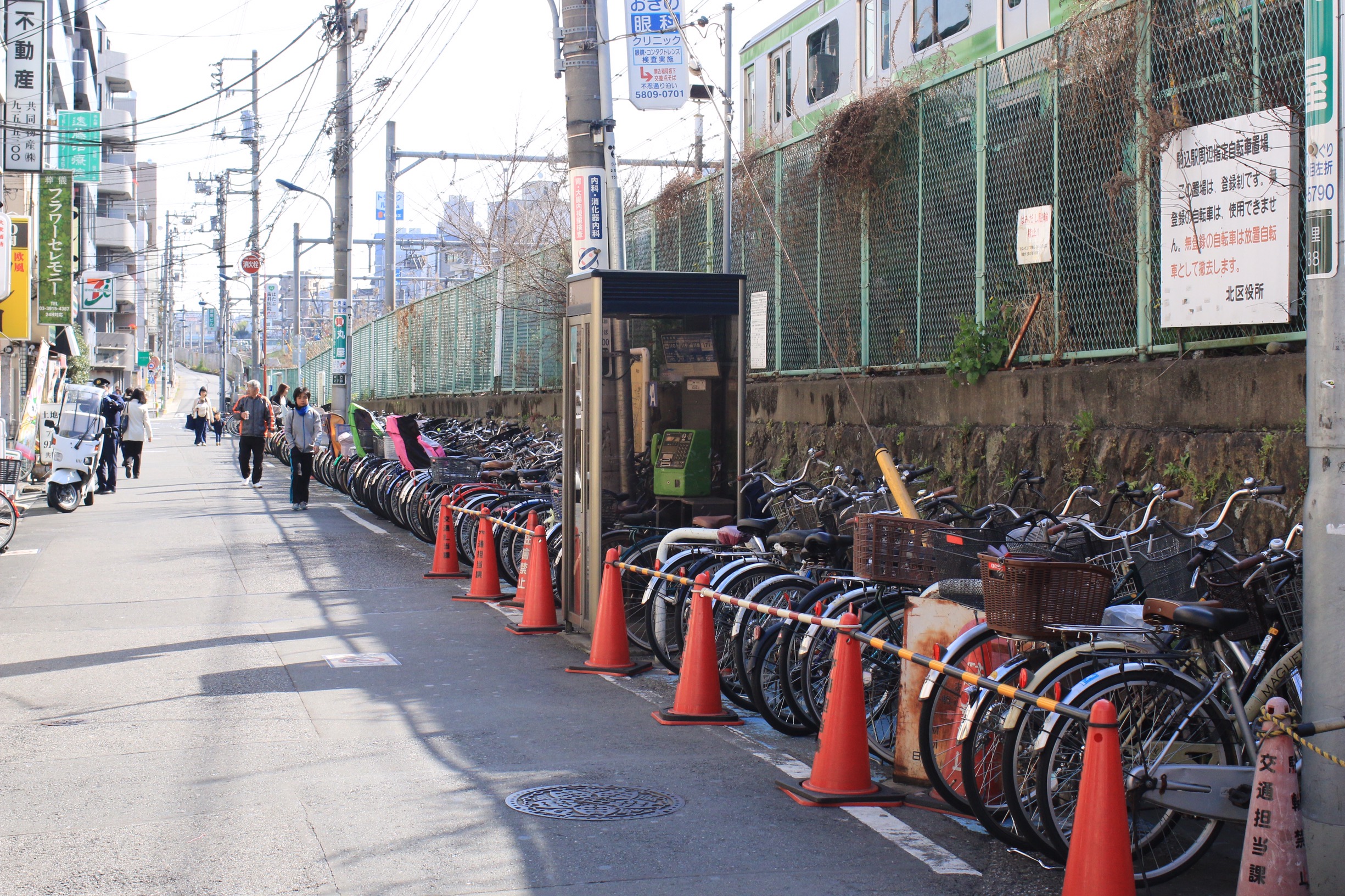
So the policemen have to get around on girl’s bikes,


Even though commuters get bullet trains


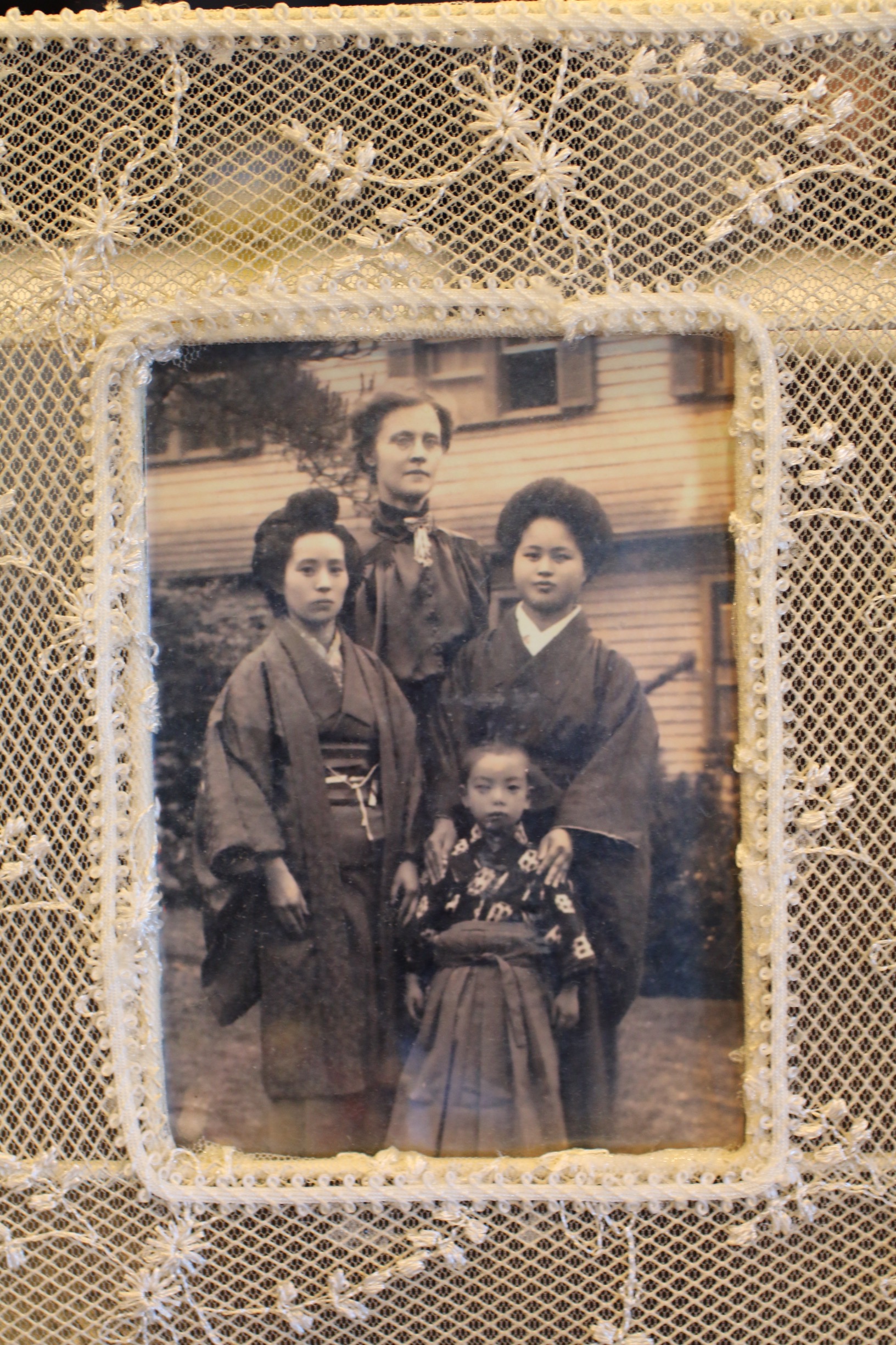
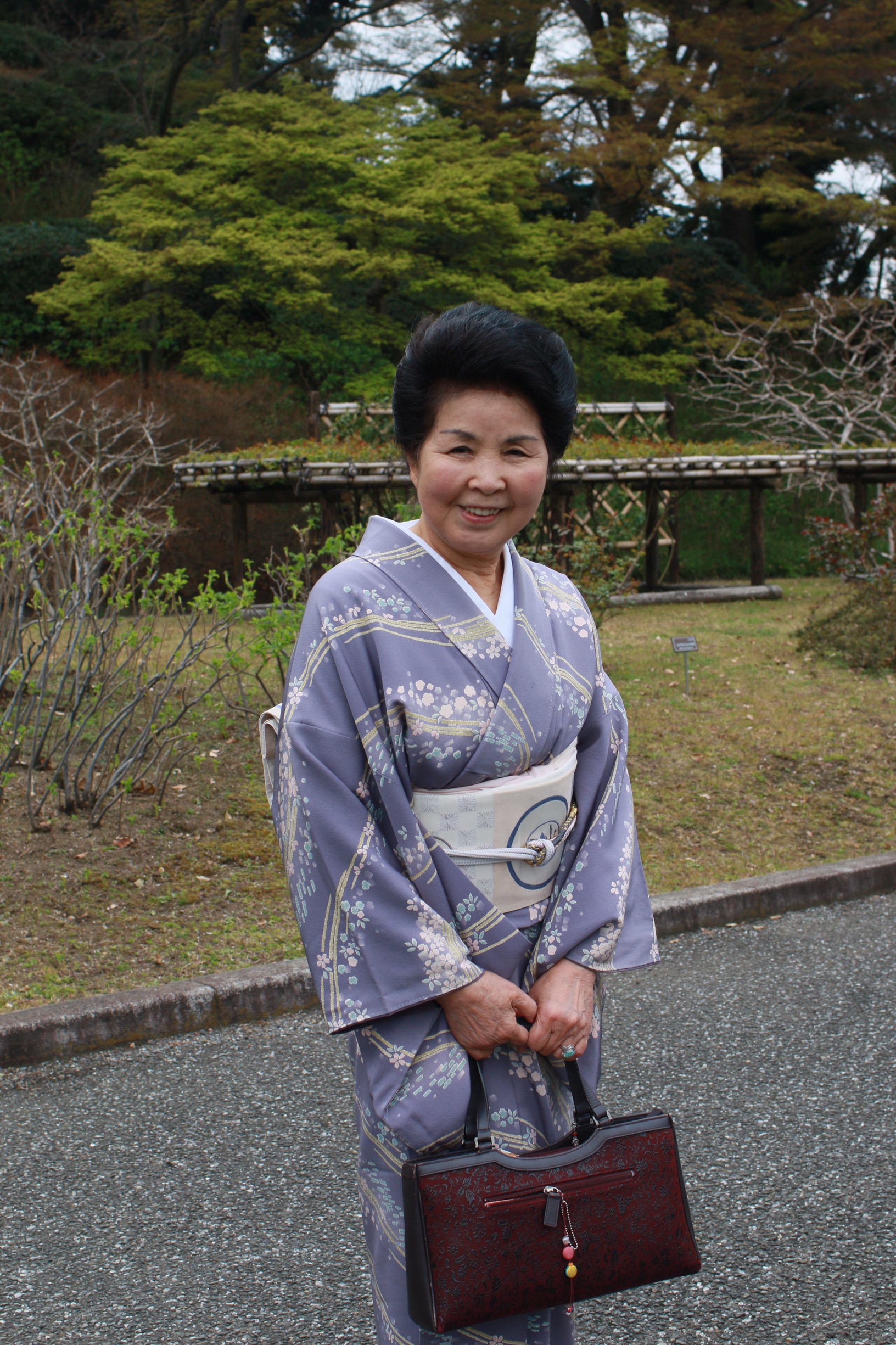
Where there are still women who still put on their kimono for a Sunday outing….


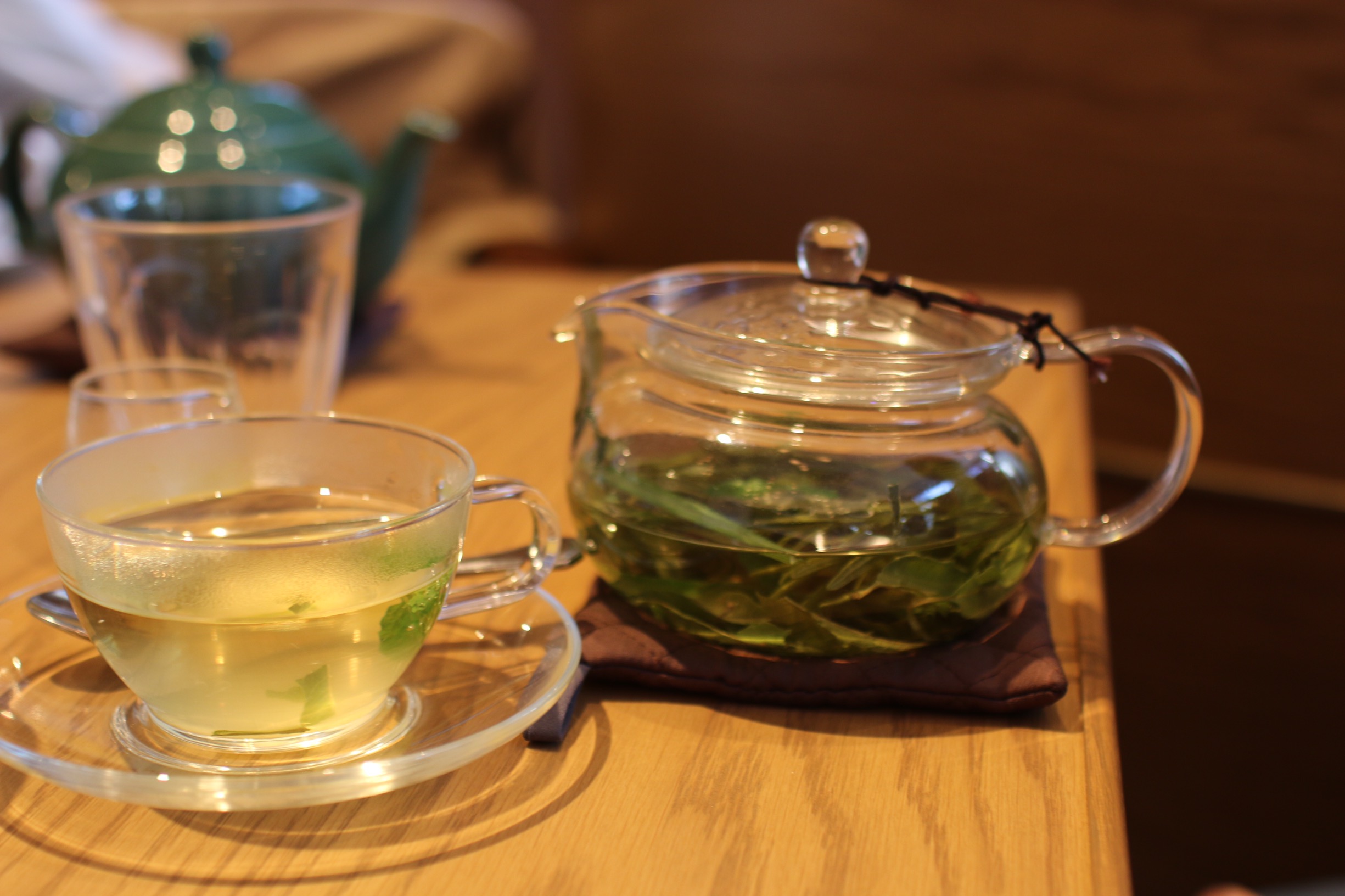
and there is still a sense of aesthetics surrounding a simple cup of tea


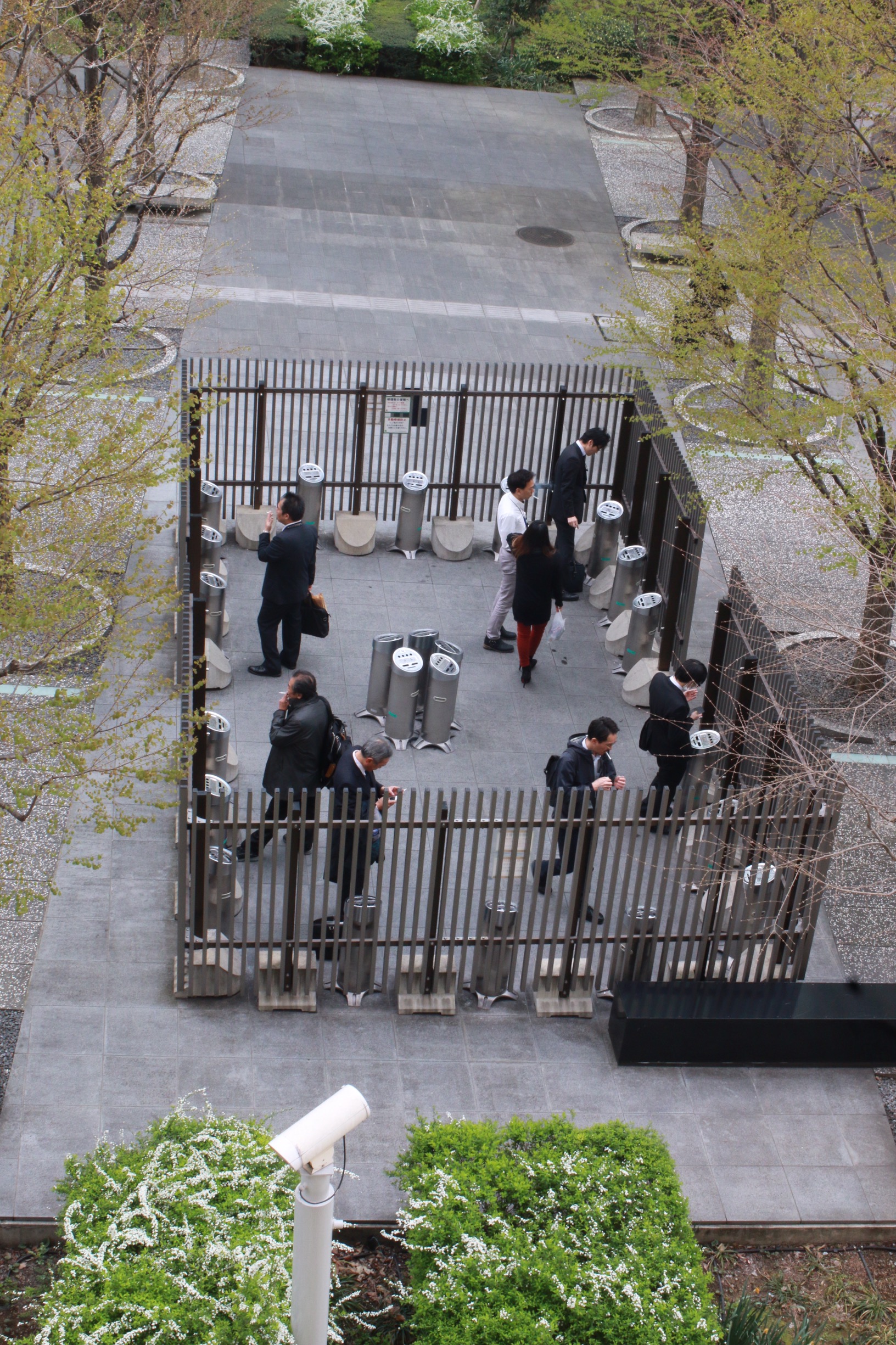
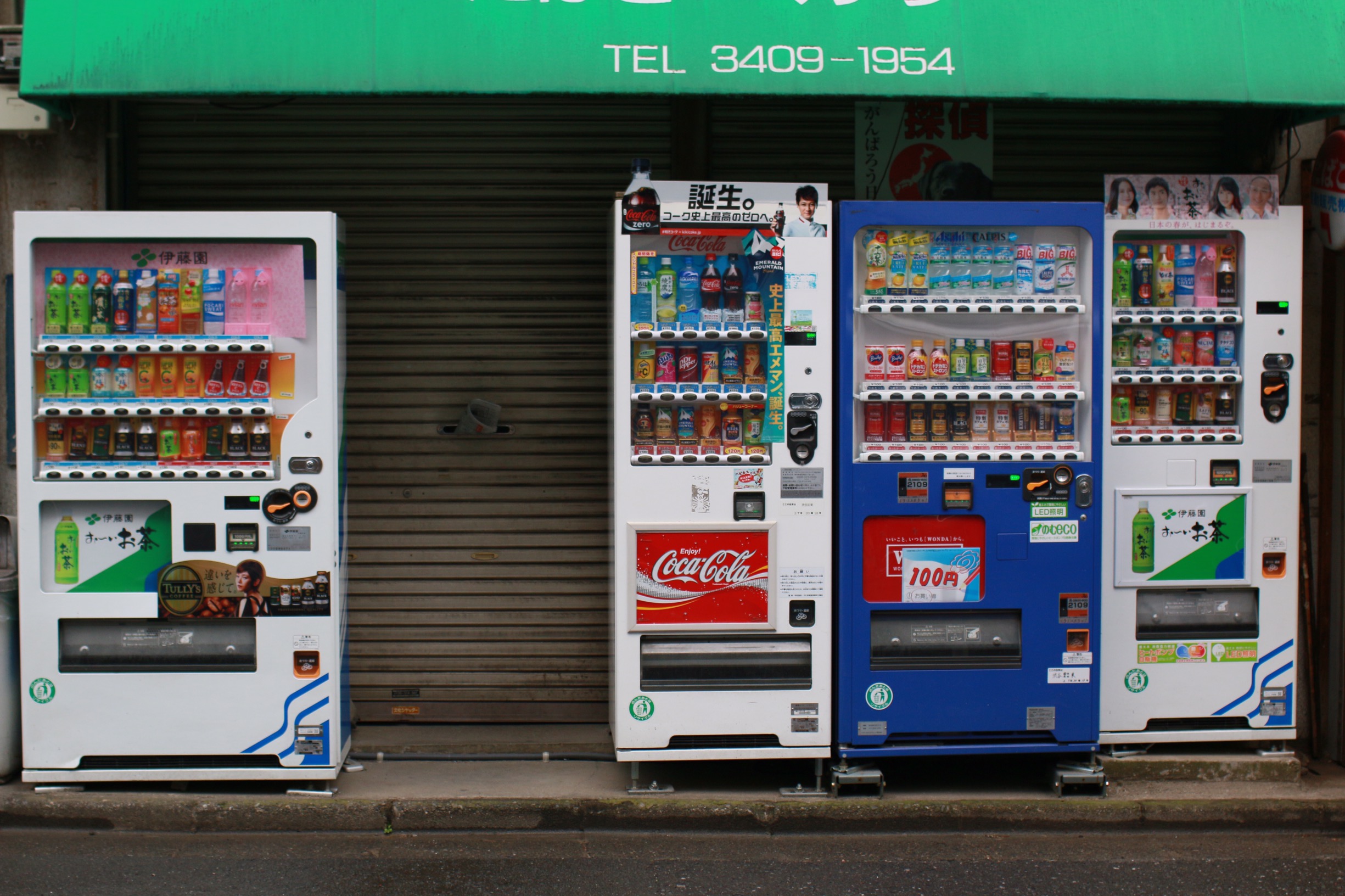
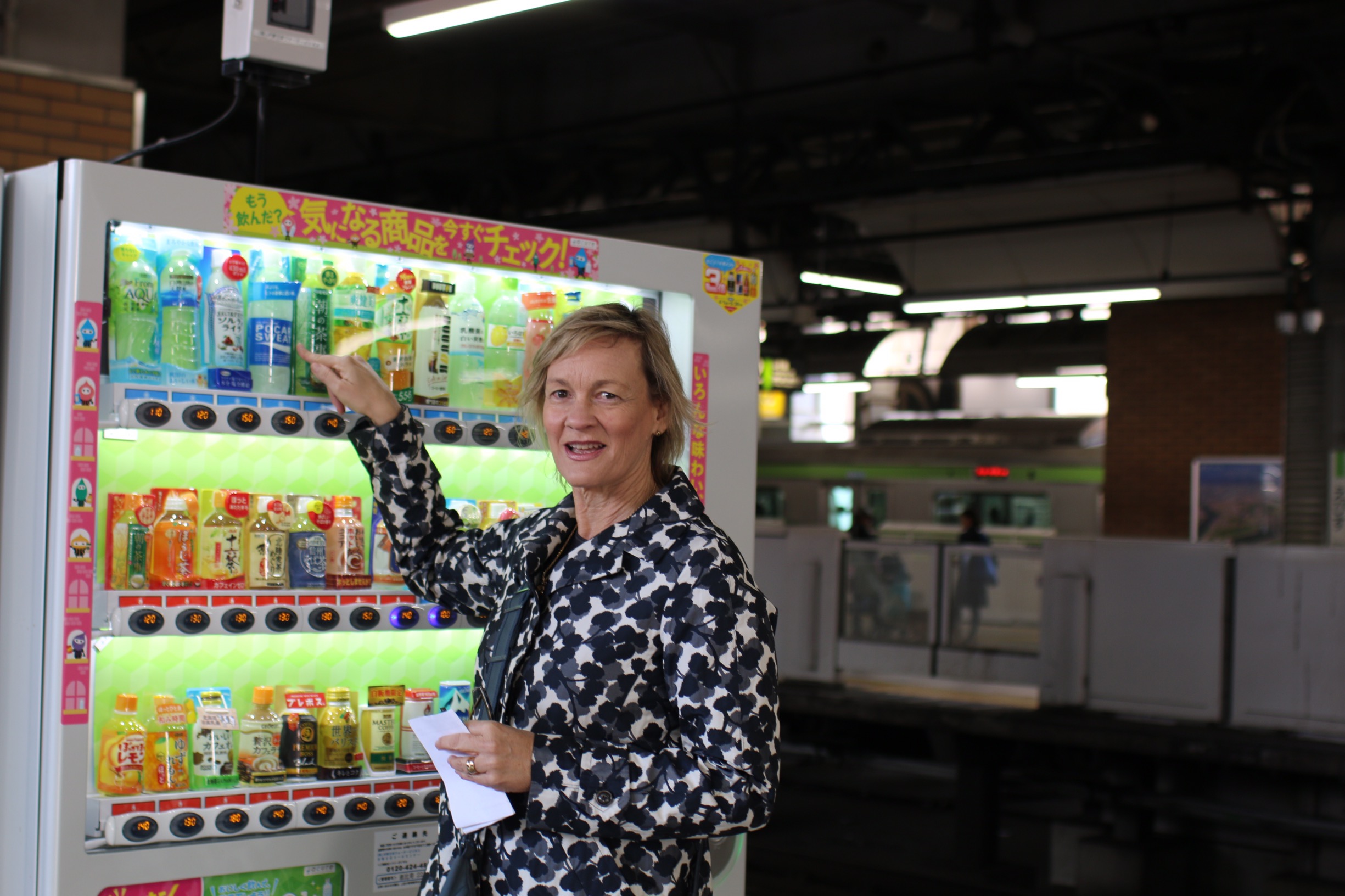
But the thing that keeps you awake at night is trying to calculate how many bloody vending machines there must be in Japan

You might have to help me here Scotty


Farley C-S of the Orient


Batti

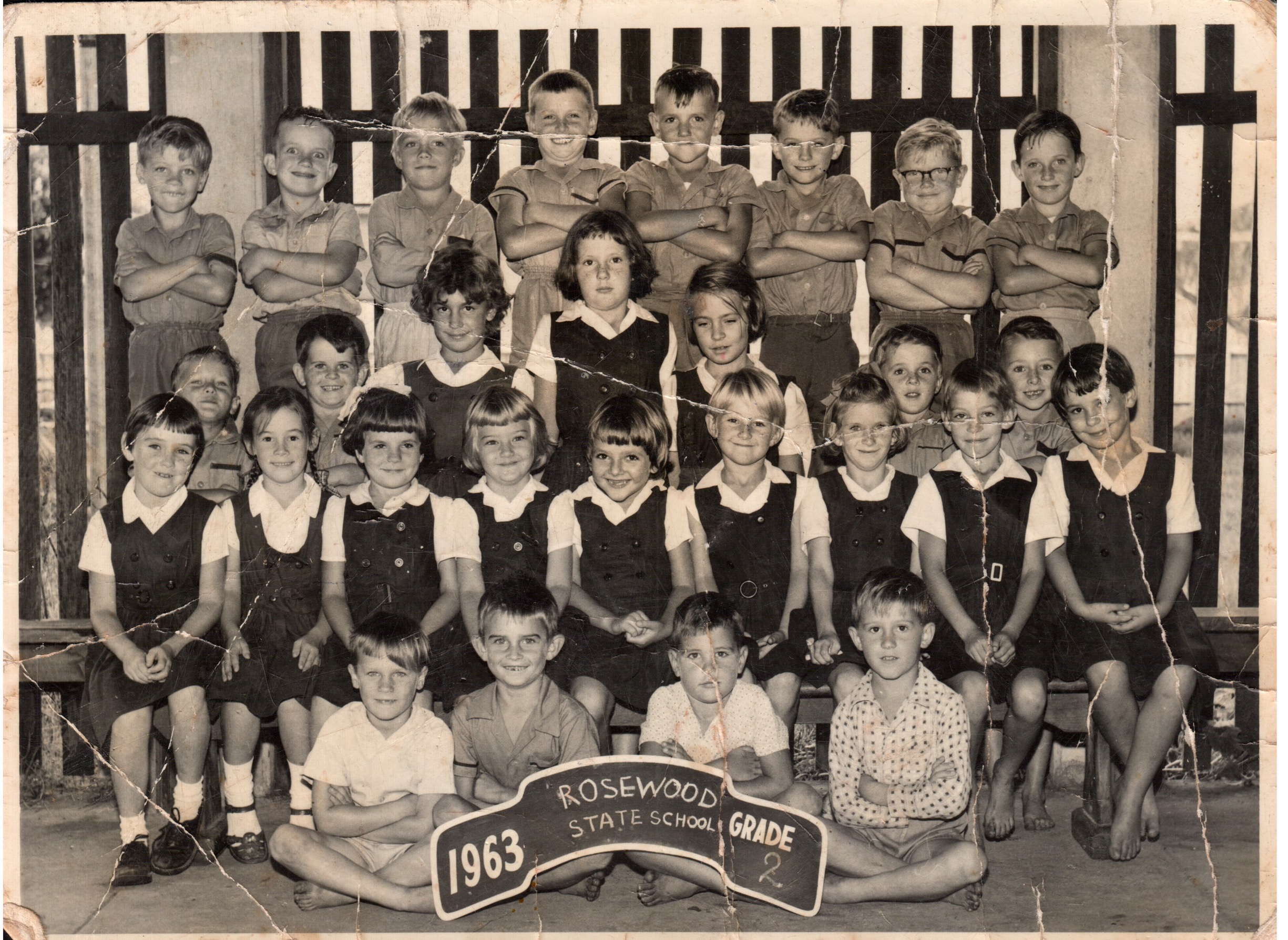
We didn’t have any black kids in Rosewood State School. Our school photos until Yr 7 were all white. Black and white, but the kids were all white. Nobody, until Yr7, had even seen a black person apart from Australian Aborigines. Our parents, except for those who went overseas for World War 2, had never seen a black person, apart from Australian Aborigines. Kenny Kendricks claimed he’d seen all sorts of things, including black kids, but nobody believed Kenny. Then, in 1967 Peter ‘Batti’ Bartholemew arrived at Rosewood State School.

Peter was Ceylonese. He was immediately named ‘ Batti’ after the only other dark skinned person we knew about – a Fijian rugby league player who played for South Brisbane named Sia’afa Battibasaga. Ceylonese, Fijian – it made no difference to the Rosewood lads. Batti was the most exotic and exciting person we had ever met.

He could speak three or four languages – not ‘useful’ ones like French or German, rather Tamil, Hindi and another dialect plus English of course. He had actually been to other countries apart from Ceylon and Australia. He said his father was a type of doctor, but not of medicine. We found this hard to believe until Steve Clark, our go to guy of all things Anglican, informed us that the new priest was black, and called Reverend Dr Matthew Bartholemew, and was from Ceylon.

Batti soon became one of us in a Rosewood kind of way. His footy was crap, but he could bowl a leggie when Summer came round. He was always too well behaved, but after all he was the son of a priest. He even made it on to Rosewood’s ‘It’s Academic’ team – a quiz show for Year 8 students as our expert speller. (He did attempt a few spellings without success, but it was his answer to the question ‘What animal would you find in an apiary?’, that is most memorable – ‘Apes’ was his confident answer. Our teacher on the bus home said at least he wasn’t asked what you would find in a seminary.)

Batti was, I think, part of the inspiration for a much younger Cunnington-Smythe to begin exploring Her Majesty’s empire. He made me realise there were more exotic places than Southport.  I began to understand that there was a world out there that would require travel further than the rail motor would take us.  And there were more Battis worth meeting and talking to – even if they were crap at footy and knew absolutely nothing about bees.

Better let you go Scotty

Farley etc.